Coastal regions worldwide face an invisible threat lurking beneath the ocean floor, where tectonic forces can trigger devastating earthquakes that reshape entire shorelines and submerge communities in moments.
🌊 When the Earth Moves and the Ocean Follows
Earthquake-driven coastal submersion represents one of nature’s most catastrophic phenomena, combining the destructive force of seismic activity with the overwhelming power of displaced ocean water. This dual threat has shaped human civilization throughout history, yet our understanding of its full impact continues to evolve as climate change and coastal development increase our vulnerability.
The relationship between earthquakes and coastal flooding is complex and multifaceted. When tectonic plates shift beneath the ocean floor, they can cause sudden vertical displacement of the seabed, generating massive tsunami waves that race toward shore at speeds exceeding 800 kilometers per hour. Simultaneously, the ground beneath coastal communities may sink permanently through a process called subsidence, leaving previously safe areas vulnerable to regular tidal flooding.
Recent events have highlighted the devastating potential of these combined forces. The 2011 Tōhoku earthquake and tsunami in Japan demonstrated how rapidly a thriving coastal region can be transformed into a disaster zone, with entire neighborhoods submerged and ecosystems fundamentally altered. The event caused ground subsidence of up to one meter in some areas, permanently changing the coastline and forcing communities to rethink their relationship with the sea.
⚡ The Mechanics of Seismic Coastal Transformation
Understanding how earthquakes drive coastal submersion requires examining the geological processes at work beneath our feet. Subduction zones, where one tectonic plate slides beneath another, represent the most significant threat to coastal regions. These areas experience megathrust earthquakes capable of displacing massive volumes of water and permanently altering land elevation.
The Pacific Ring of Fire encircles the Pacific Ocean with a nearly continuous chain of subduction zones, making coastal communities from Chile to Indonesia particularly vulnerable. When stress accumulated over decades or centuries releases suddenly, the resulting earthquake can cause the seafloor to rise or fall by several meters in seconds.
Coastal subsidence occurs through multiple mechanisms during seismic events. Co-seismic subsidence happens instantly as the earthquake ruptures, while post-seismic subsidence continues for months or years afterward as the earth’s crust adjusts to new stress patterns. Liquefaction, where saturated soil temporarily behaves like a liquid during shaking, can cause buildings and infrastructure to sink unevenly, creating permanent elevation changes.
The Tsunami Connection
Tsunami waves generated by submarine earthquakes represent the most immediate and dramatic form of earthquake-driven coastal flooding. Unlike wind-driven waves, tsunamis involve the movement of the entire water column from seafloor to surface, carrying enormous energy that can penetrate kilometers inland.
The 2004 Indian Ocean tsunami demonstrated the trans-oceanic reach of these waves, with devastating impacts recorded across multiple countries hours after the initial earthquake. Coastal submersion from tsunamis typically follows a pattern of initial withdrawal, exposing the seafloor, followed by a series of waves that can continue for hours.
🏘️ Communities on the Brink: Human Impacts and Adaptation
Coastal communities worldwide face existential challenges from earthquake-driven submersion, with impacts extending far beyond the immediate disaster. The permanent loss of land to the sea forces difficult decisions about retreat, adaptation, or costly engineering interventions to reclaim submerged areas.
In Japan’s Tōhoku region, dozens of communities disappeared entirely after the 2011 disaster, with survivors relocated to higher ground and former neighborhoods converted to memorial parks or industrial zones. The psychological impact of losing ancestral lands to the sea creates trauma that persists across generations, disrupting cultural continuity and community identity.
Economic consequences ripple outward from affected areas, as fishing industries lose access to traditional grounds, tourism infrastructure crumbles, and agricultural land succumbs to saltwater intrusion. The costs of recovery and adaptation can exceed billions of dollars, straining national budgets and requiring international assistance.
Vulnerable Populations and Environmental Justice
Earthquake-driven coastal submersion disproportionately affects vulnerable populations who lack resources to relocate or adapt. Informal settlements in developing nations often occupy low-lying coastal areas with minimal earthquake-resistant construction, creating perfect storm conditions for catastrophic loss.
Indigenous communities with deep cultural connections to coastal environments face particularly profound impacts. Traditional fishing practices, ceremonial sites, and oral histories tied to specific locations become casualties when the land itself disappears beneath the waves.
Small island developing states confront the possibility of complete national extinction as submersion claims increasingly large portions of limited territory. Nations like the Maldives and Tuvalu have begun considering options for maintaining sovereignty even if their physical territory becomes uninhabitable.
🌿 Ecological Upheaval in Coastal Ecosystems
The ecological impacts of earthquake-driven coastal submersion extend across multiple scales, from microscopic soil organisms to entire ecosystem complexes. The sudden inundation of terrestrial environments with saltwater creates shock conditions that most land-based species cannot survive, while marine ecosystems face disruption from sediment, debris, and altered bathymetry.
Coastal wetlands, mangrove forests, and estuaries serve as critical transition zones between land and sea, providing essential services including storm protection, water filtration, and nursery habitat for marine species. When earthquakes cause rapid subsidence, these ecosystems may find themselves in water too deep to survive, or conversely, elevated above tidal influence that sustains them.
The 2010 Chile earthquake caused uplift in some coastal areas while creating subsidence in others, essentially rearranging the ecological zones along hundreds of kilometers of coastline. Rocky intertidal communities found themselves stranded above the high tide line, while subtidal kelp forests suddenly occupied what had been intertidal zones.
Cascading Effects Through Food Webs
Disruption of coastal ecosystems initiates cascading effects throughout marine food webs. Seagrass meadows submerged below their optimal depth range undergo mass die-offs, eliminating critical habitat for fish, sea turtles, and marine mammals. The decomposition of massive amounts of terrestrial vegetation swept into the ocean consumes dissolved oxygen, creating dead zones that can persist for months.
Coral reefs face multiple stressors from earthquake-driven coastal changes, including increased sedimentation from eroded coastlines, altered water chemistry from terrestrial runoff, and physical damage from debris. The recovery timeline for coral communities can span decades, with some species never reestablishing if environmental conditions have shifted beyond their tolerance ranges.
🔬 Scientific Monitoring and Prediction Efforts
Advances in seismic monitoring, satellite technology, and computational modeling have dramatically improved our ability to understand and prepare for earthquake-driven coastal submersion. Global networks of seismometers provide real-time data on earthquake location, magnitude, and mechanism, enabling rapid assessment of tsunami potential.
GPS stations installed throughout seismically active coastal regions measure ground deformation with millimeter precision, revealing the gradual strain accumulation that precedes major earthquakes. These measurements have proven invaluable for identifying which fault segments present the greatest immediate threat and for validating computer models of earthquake recurrence.
Tsunami warning systems have evolved significantly since the devastating 2004 Indian Ocean event, with networks of seafloor pressure sensors capable of detecting the passage of tsunami waves in deep water. These systems provide precious minutes to hours of warning time, though effectiveness depends critically on community preparedness and evacuation infrastructure.
Paleoseismic Evidence and Long-Term Risk Assessment
Scientists increasingly rely on paleoseismic evidence to understand the frequency and magnitude of prehistoric earthquakes and coastal submersion events. Coastal sediment cores reveal layers of marine sand deposited by ancient tsunamis, while ghost forests of salt-killed trees mark episodes of sudden subsidence.
This long-term perspective reveals that many coastal regions experience massive earthquakes and submersion episodes on timescales of centuries to millennia. The Cascadia Subduction Zone along the Pacific Northwest coast of North America has produced numerous magnitude 9 earthquakes, with the most recent occurring in 1700. Geological evidence suggests the next such event could arrive at any time.
🛡️ Engineering Solutions and Coastal Defense Strategies
Communities threatened by earthquake-driven coastal submersion have developed diverse engineering approaches to manage risk, ranging from massive seawalls to nature-based solutions that work with ecological processes rather than against them.
Japan has invested heavily in coastal defense infrastructure following the 2011 disaster, constructing reinforced seawalls up to 15 meters high in some locations. These structures provide protection against smaller tsunamis but proved inadequate against the largest waves, raising questions about cost-effectiveness and environmental impacts.
Vertical evacuation structures offer an alternative approach, providing elevated refuge points that allow communities to maintain coastal presence while ensuring safety during tsunami events. These multi-story buildings with reinforced construction and rooftop access have been strategically placed throughout vulnerable areas.
Living Shorelines and Ecological Engineering
Nature-based solutions harness the protective capacity of coastal ecosystems while providing additional benefits including habitat provision and carbon sequestration. Mangrove restoration projects in Southeast Asia and oyster reef construction along the U.S. Gulf Coast demonstrate how ecological approaches can reduce wave energy and stabilize sediments.
These living shorelines prove particularly valuable in areas experiencing gradual subsidence, as many coastal plant species can accumulate sediment and organic matter fast enough to maintain elevation relative to rising water levels. However, sudden subsidence from major earthquakes can exceed the adaptive capacity of these systems.
📱 Technology and Community Preparedness
Modern technology plays an increasingly important role in earthquake and tsunami preparedness, with smartphone applications providing real-time alerts and evacuation guidance to millions of people in vulnerable areas. Emergency management agencies have developed sophisticated apps that integrate seismic data, tsunami models, and local geography to provide personalized risk assessments.
Educational initiatives using virtual reality and augmented reality allow community members to experience simulated earthquake and tsunami scenarios, building awareness and muscle memory for appropriate responses. These tools prove particularly effective for engaging younger generations who may lack direct experience with historical events.
Social media platforms have emerged as critical communication channels during disasters, enabling rapid information sharing and coordination of rescue efforts. However, these same platforms can spread misinformation, highlighting the need for trusted official sources and media literacy training.
🌍 Climate Change: An Amplifying Factor
Climate change interacts with earthquake-driven coastal submersion in complex ways, generally amplifying vulnerability and complicating recovery efforts. Sea level rise means that areas experiencing earthquake-related subsidence face inundation from regular tides that previously posed no threat, effectively magnifying the impact of any ground elevation loss.
Warming ocean temperatures and changing precipitation patterns alter the resilience of coastal ecosystems, reducing their capacity to recover from seismic disturbances. Coral reefs already stressed by marine heat waves have diminished ability to survive the additional shock of earthquake-related sedimentation or changed water depths.
Extreme weather events intensified by climate change can interact catastrophically with earthquake-weakened coastal defenses. A cyclone striking an area with compromised seawalls or subsided land can produce flooding far worse than either hazard would generate independently.
💡 Forward-Looking Strategies for Resilient Coasts
Building long-term resilience to earthquake-driven coastal submersion requires integrated approaches that combine scientific understanding, engineering innovation, ecosystem stewardship, and social adaptation. Communities must plan not just for recovery from individual events but for the possibility of permanently altered coastlines.
Land-use planning that restricts critical infrastructure and dense development in high-risk coastal zones provides foundational protection, though implementation faces political and economic challenges in areas with established communities. Some jurisdictions have adopted managed retreat policies, purchasing at-risk properties and restoring natural coastal buffers.
International cooperation and knowledge sharing accelerate progress toward resilient coastal communities. Networks connecting scientists, emergency managers, and community leaders across tsunami-prone regions facilitate transfer of best practices and technologies. Regional tsunami warning systems require coordinated investment and standardized protocols that transcend national boundaries.
Investing in Education and Cultural Preparedness
Perhaps the most effective long-term strategy involves cultivating cultures of preparedness where earthquake and tsunami awareness permeates daily life. Traditional knowledge systems in many indigenous communities include practices and stories that encode appropriate responses to coastal hazards, transmitted across generations through oral tradition.
Modern education systems can build on these foundations while incorporating current scientific understanding. Regular evacuation drills, age-appropriate hazard education in schools, and community exercises build the collective muscle memory that saves lives when disaster strikes.
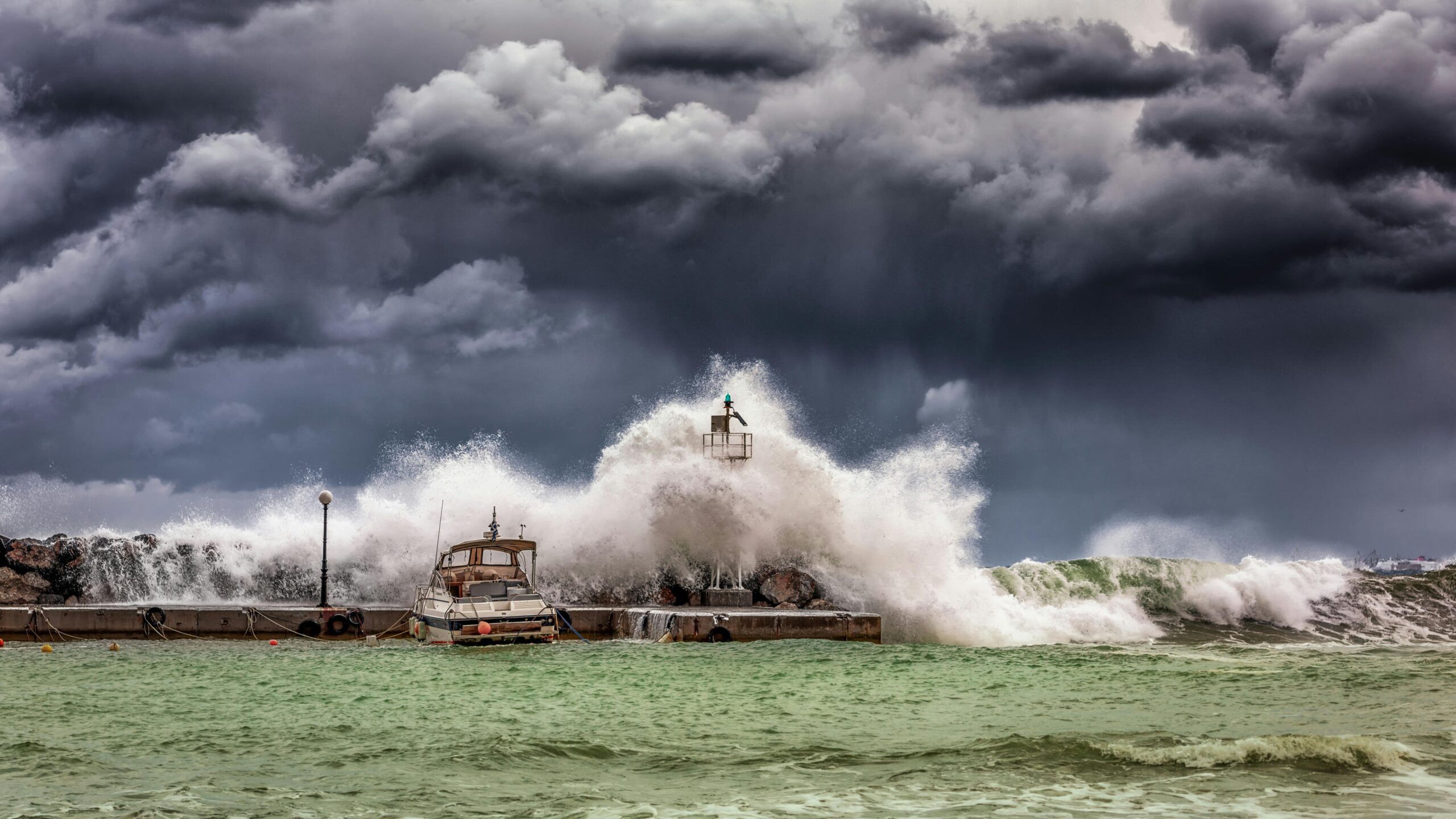
🔮 Reimagining Our Relationship with Dynamic Coasts
Ultimately, addressing the challenges of earthquake-driven coastal submersion requires reimagining our relationship with coastal environments. Rather than viewing shorelines as stable boundaries to be defended at all costs, we must recognize them as dynamic zones where land and sea interact in ever-changing patterns.
This perspective embraces the fundamental reality that we inhabit an active planet where tectonic forces constantly reshape the surface. Coastal communities have existed for millennia by adapting to these changes rather than resisting them, a wisdom that remains relevant in our technologically advanced era.
The path forward demands humility about our ability to control nature, coupled with determination to build systems and communities capable of absorbing shocks and adapting to new realities. By combining traditional knowledge with cutting-edge science, engineering solutions with ecological wisdom, and individual preparedness with collective action, we can create coastal communities that bend without breaking when the earth moves and the ocean follows.
The shaken shores that result from earthquake-driven submersion tell stories of loss and resilience, destruction and renewal. These narratives continue to unfold along coastlines worldwide, reminding us that our presence in these dynamic zones comes with both risk and responsibility. How we choose to respond to these challenges will determine not only the fate of coastal communities but also our broader capacity to adapt to a changing planet where the only constant is transformation itself.

Toni Santos is a visual storyteller and archival artist whose work dives deep into the submerged narratives of underwater archaeology. Through a lens tuned to forgotten depths, Toni explores the silent poetry of lost worlds beneath the waves — where history sleeps in salt and sediment.
Guided by a fascination with sunken relics, ancient ports, and shipwrecked civilizations, Toni’s creative journey flows through coral-covered amphorae, eroded coins, and barnacle-encrusted artifacts. Each piece he creates or curates is a visual meditation on the passage of time — a dialogue between what is buried and what still speaks.
Blending design, storytelling, and historical interpretation, Toni brings to the surface the aesthetics of maritime memory. His work captures the textures of decay and preservation, revealing beauty in rust, ruin, and ruin’s resilience. Through his artistry, he reanimates the traces of vanished cultures that now rest on ocean floors, lost to maps but not to meaning.
As the voice behind Vizovex, Toni shares curated visuals, thoughtful essays, and reconstructed impressions of archaeological findings beneath the sea. He invites others to see underwater ruins not as remnants, but as thresholds to wonder — where history is softened by water, yet sharpened by myth.
His work is a tribute to:
The mystery of civilizations claimed by the sea
The haunting elegance of artifacts lost to time
The silent dialogue between water, memory, and stone
Whether you’re drawn to ancient maritime empires, forgotten coastal rituals, or the melancholic beauty of sunken ships, Toni welcomes you to descend into a space where the past is submerged but never silenced — one relic, one current, one discovery at a time.