Beneath the waves lie forgotten worlds—ancient cities swallowed by rising seas, earthquakes, and time itself, holding secrets of civilizations long vanished.
🌊 The Mystique of Cities Lost to the Sea
Throughout human history, coastal settlements have flourished along shorelines, rivers, and harbors. These thriving centers of commerce, culture, and innovation have shaped civilizations and left indelible marks on our collective heritage. Yet the same waters that brought prosperity also posed constant threats. Natural disasters, climate changes, and geological events have claimed countless urban centers, transforming bustling metropolises into silent underwater museums.
Today, these submerged archaeological sites represent more than historical curiosities. They are invaluable time capsules preserving artifacts, architecture, and evidence of daily life that would have otherwise been destroyed by surface elements. From the legendary Atlantis to verified discoveries like Pavlopetri and Heracleion, underwater ruins capture our imagination while offering unprecedented insights into ancient societies.
The Most Remarkable Sunken Cities Around the Globe
Archaeological discoveries continue to reveal extraordinary underwater sites that challenge our understanding of ancient civilizations. These submerged cities span different continents, time periods, and cultures, each with unique stories waiting to be fully uncovered.
Heracleion: Egypt’s Rediscovered Gateway 🏛️
Lost for nearly 1,200 years beneath Egypt’s Abu Qir Bay, Heracleion (also called Thonis) was once a bustling port city and the main gateway to Egypt. Discovered in 2000 by French archaeologist Franck Goddio, this magnificent city reveals massive statues, intact temples, ships, gold coins, and inscriptions that illuminate Mediterranean trade networks during the Ptolemaic period.
The city likely succumbed to liquefaction following earthquakes and rising sea levels around the 8th century AD. Its preservation underwater has been remarkable, with organic materials and delicate artifacts surviving in ways impossible on land.
Pavlopetri: The World’s Oldest Submerged City
Off the southern coast of Laconia, Greece, lies Pavlopetri—a Bronze Age city dating back approximately 5,000 years. This makes it possibly the oldest known submerged city in the world. The site includes streets, buildings, courtyards, tombs, and a sophisticated water management system that demonstrates advanced urban planning.
What makes Pavlopetri particularly significant is its completeness. Unlike many archaeological sites that have been disturbed over millennia, this underwater city remains largely intact, offering researchers an unprecedented window into Mycenaean civilization.
Port Royal: The Pirate City That Sank in Minutes ⚓
Once known as “the wickedest city on Earth,” Port Royal, Jamaica, was a thriving 17th-century hub for pirates, merchants, and traders. On June 7, 1692, a massive earthquake followed by a tsunami caused two-thirds of the city to sink into the Caribbean Sea, claiming thousands of lives instantly.
Because the disaster occurred so suddenly, Port Royal became a perfectly preserved snapshot of colonial life. Archaeologists have recovered buildings, ships, and everyday objects ranging from pewter plates to pocket watches, all frozen in that catastrophic moment.
Why Underwater Preservation Matters for Humanity
The preservation of submerged urban ruins extends far beyond academic curiosity. These sites represent irreplaceable heritage that connects us to our ancestors and provides crucial information about human adaptation, innovation, and resilience.
Archaeological Significance and Historical Understanding
Underwater sites often preserve materials that decompose rapidly on land. Wood, textiles, organic remains, and even food can survive for millennia in oxygen-depleted underwater environments. This preservation allows researchers to reconstruct ancient diets, trade routes, technological capabilities, and social structures with unprecedented detail.
Furthermore, sunken cities offer evidence of catastrophic events—tsunamis, earthquakes, volcanic eruptions, and climate changes—that shaped human history. By studying these disasters, we gain insights into environmental patterns and can better prepare for future challenges.
Cultural Identity and Heritage Conservation 🏺
For many communities, these underwater sites represent direct connections to ancestral homelands and cultural traditions. Indigenous populations, descendant communities, and nations maintain spiritual and historical relationships with these submerged places. Preserving them honors these connections and respects cultural continuity across generations.
International frameworks like UNESCO’s Convention on the Protection of the Underwater Cultural Heritage recognize that these sites belong to humanity as a whole, requiring collaborative protection efforts that transcend national boundaries.
The Growing Threats to Underwater Archaeological Sites
Despite their underwater protection, these ancient cities face mounting threats from both natural processes and human activities. Understanding these dangers is essential for developing effective preservation strategies.
Climate Change and Ocean Acidification
Rising ocean temperatures and increasing acidification pose significant threats to underwater ruins. Acidic waters accelerate the deterioration of limestone, marble, and other calcareous materials common in ancient construction. Stronger storms and changing current patterns can physically damage fragile structures and scatter artifacts across the seabed.
Sea level rise, while ironically created some of these sites originally, now threatens to alter the conditions that have preserved them. Changes in water depth affect light penetration, oxygen levels, and biological activity, all of which influence preservation.
Illegal Looting and Treasure Hunting 💰
The romantic allure of underwater treasures has made these sites targets for looters and unscrupulous treasure hunters. Unlike regulated archaeological excavations that document context and preserve scientific value, looting destroys irreplaceable information and removes artifacts from their historical settings.
The black market for antiquities fuels this destruction, with stolen artifacts commanding high prices from unethical collectors. Once removed without proper documentation, these objects lose most of their archaeological value, becoming mere curiosities divorced from their historical contexts.
Tourism and Unregulated Diving Activities
While responsible tourism can support preservation efforts, uncontrolled access damages fragile sites. Divers touching structures, stirring up sediment, or removing “souvenirs” cause incremental but cumulative harm. Boat anchors, propellers, and pollution from vessels add to the degradation.
Cutting-Edge Technologies Revealing Hidden Worlds
Modern technology has revolutionized underwater archaeology, enabling discoveries and documentation that would have been impossible just decades ago. These innovations are transforming our ability to study and preserve submerged sites without disturbing them.
Remote Sensing and Sonar Mapping 🔍
Advanced sonar systems, including multibeam echosounders and side-scan sonar, create detailed three-dimensional maps of underwater topography. These technologies can survey vast areas quickly, identifying promising sites for further investigation without requiring divers to physically search expansive seabeds.
Sub-bottom profilers penetrate sediment layers, revealing buried structures and artifacts invisible from the surface. This non-invasive approach allows archaeologists to assess sites before committing resources to excavation.
Remotely Operated Vehicles and Autonomous Underwater Vehicles
ROVs and AUVs equipped with high-definition cameras, manipulator arms, and sampling tools enable exploration of sites too deep or dangerous for human divers. These robots can work for extended periods, systematically documenting sites while minimizing human impact.
Some advanced systems incorporate artificial intelligence to identify artifacts and architectural features automatically, processing vast amounts of visual data more efficiently than human operators could manage.
Photogrammetry and 3D Reconstruction
Underwater photogrammetry uses overlapping photographs to create precise three-dimensional models of archaeological sites. These digital twins preserve detailed records of sites at specific moments in time, allowing researchers worldwide to study them virtually while the originals remain protected underwater.
Virtual and augmented reality applications built from these models enable public engagement, bringing underwater heritage to audiences who could never visit the actual sites. Educational institutions use these resources to teach students about ancient civilizations in immersive, interactive ways.
Strategies for Long-Term Preservation and Protection
Effective preservation of underwater urban ruins requires coordinated efforts combining legal frameworks, scientific research, community engagement, and sustainable management practices.
International Legal Protections and Enforcement 📜
UNESCO’s 2001 Convention provides the primary international framework for protecting underwater cultural heritage. The convention establishes principles including preservation in situ as the preferred option, prohibition of commercial exploitation, and international cooperation in protection efforts.
However, implementation varies significantly among nations. Strengthening enforcement mechanisms, increasing ratification, and providing resources for compliance remain ongoing challenges requiring diplomatic commitment and funding.
Marine Protected Areas and Heritage Zones
Designating underwater archaeological sites as protected areas restricts damaging activities while allowing controlled research and tourism. These zones can prohibit anchoring, fishing with damaging gear, and unauthorized diving while establishing buffer zones around particularly sensitive features.
Successful marine protected areas require adequate patrol and enforcement capabilities, stakeholder cooperation, and integration with broader coastal management plans.
Community Engagement and Citizen Science
Local communities often serve as the most effective guardians of underwater heritage. Involving residents in monitoring, documentation, and interpretation creates invested stakeholders who benefit from preservation through sustainable tourism and cultural pride.
Citizen science initiatives train recreational divers to document sites according to archaeological standards, exponentially expanding the human resources available for site monitoring. These volunteers become ambassadors for preservation, spreading awareness within their diving communities.
Balancing Access with Conservation 🤝
One of the greatest challenges in underwater heritage management involves making sites accessible to the public while ensuring their long-term survival. Finding this balance requires creative solutions and careful planning.
Sustainable Archaeological Tourism
Well-managed dive tourism can generate revenue supporting preservation while raising public awareness. Guidelines limiting diver numbers, requiring briefings about proper behavior, and establishing viewing platforms or paths minimize impact while maximizing educational value.
Some sites employ underwater guides who ensure visitor compliance with rules while providing interpretation that deepens understanding and appreciation. Revenue from permits and fees funds ongoing conservation work and site management.
Virtual Access and Digital Heritage
For sites too fragile or deep for public access, virtual experiences offer alternatives. High-quality 3D models, virtual reality experiences, and online exhibitions bring underwater ruins to global audiences without physical impact on the sites themselves.
Museums increasingly incorporate underwater archaeological materials into exhibitions, using artifacts, reconstructions, and multimedia presentations to tell stories of sunken cities. These installations connect the public with underwater heritage in accessible, engaging formats.
The Future of Underwater Archaeological Preservation 🔮
Looking ahead, the field of underwater archaeology faces both opportunities and challenges. Emerging technologies, changing environmental conditions, and evolving priorities will shape how we protect these irreplaceable sites.
Artificial Intelligence and Automated Monitoring
Machine learning algorithms will increasingly assist in site discovery, artifact identification, and condition monitoring. AI systems can analyze satellite imagery, sonar data, and visual surveys to detect changes indicating deterioration or looting, enabling rapid responses to threats.
Predictive models incorporating environmental data, site characteristics, and threat assessments will help prioritize conservation efforts, directing limited resources where they can achieve maximum impact.
Collaborative International Research Networks
The complexity and global distribution of underwater heritage demand international cooperation. Emerging research networks connect institutions, share data and expertise, and coordinate preservation strategies across borders.
These collaborations also address capacity building, helping countries with significant underwater heritage but limited resources develop the expertise and infrastructure needed for effective protection.
Climate Adaptation Strategies
As climate change reshapes underwater environments, preservation strategies must adapt. Research into protective coatings, artificial reef structures that shield sites, and ex situ preservation methods for particularly vulnerable materials will become increasingly important.
Some artifacts may require recovery and conservation in controlled environments, though this contradicts the preference for in situ preservation. Developing ethical frameworks for such decisions will be essential.
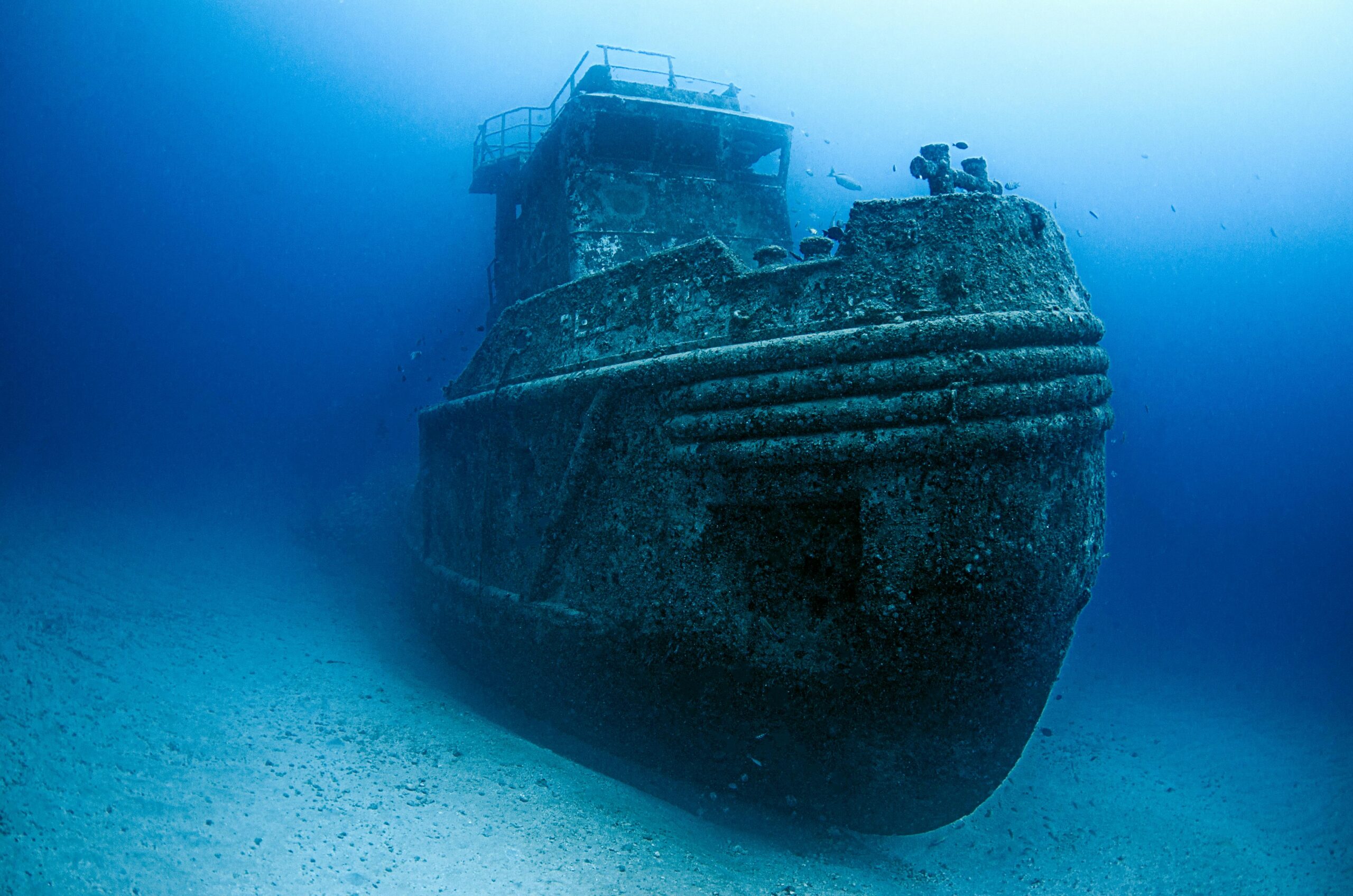
Inspiring Stewardship for Generations to Come 🌍
Ultimately, preserving underwater urban ruins for future generations requires cultivating a sense of shared responsibility and wonder. These sites belong not to any single nation or generation but to humanity across time.
Education plays a crucial role in building this stewardship ethic. Incorporating underwater heritage into school curricula, supporting documentary productions, and facilitating public engagement with archaeological discoveries all contribute to creating informed, invested global citizens who value preservation.
Each generation inherits these sunken wonders from those who came before and holds them in trust for those who follow. The decisions we make today—about protection, research, access, and conservation—will determine whether our descendants can continue exploring these remarkable windows into our shared past.
The hidden cities beneath our oceans whisper stories of human triumph and tragedy, innovation and adaptation, prosperity and loss. By committing ourselves to their preservation, we honor not only the ancient peoples who built them but also the future generations who deserve the opportunity to learn from them. These underwater ruins remind us that civilizations rise and fall, that nature remains more powerful than human ambition, and that our greatest legacy may be what we choose to protect for those not yet born.

Toni Santos is a visual storyteller and archival artist whose work dives deep into the submerged narratives of underwater archaeology. Through a lens tuned to forgotten depths, Toni explores the silent poetry of lost worlds beneath the waves — where history sleeps in salt and sediment.
Guided by a fascination with sunken relics, ancient ports, and shipwrecked civilizations, Toni’s creative journey flows through coral-covered amphorae, eroded coins, and barnacle-encrusted artifacts. Each piece he creates or curates is a visual meditation on the passage of time — a dialogue between what is buried and what still speaks.
Blending design, storytelling, and historical interpretation, Toni brings to the surface the aesthetics of maritime memory. His work captures the textures of decay and preservation, revealing beauty in rust, ruin, and ruin’s resilience. Through his artistry, he reanimates the traces of vanished cultures that now rest on ocean floors, lost to maps but not to meaning.
As the voice behind Vizovex, Toni shares curated visuals, thoughtful essays, and reconstructed impressions of archaeological findings beneath the sea. He invites others to see underwater ruins not as remnants, but as thresholds to wonder — where history is softened by water, yet sharpened by myth.
His work is a tribute to:
The mystery of civilizations claimed by the sea
The haunting elegance of artifacts lost to time
The silent dialogue between water, memory, and stone
Whether you’re drawn to ancient maritime empires, forgotten coastal rituals, or the melancholic beauty of sunken ships, Toni welcomes you to descend into a space where the past is submerged but never silenced — one relic, one current, one discovery at a time.