Beneath the waves lie forgotten vessels carrying secrets of ancient civilizations, precious cargo, and untold stories waiting to be discovered by modern archaeologists and treasure hunters.
⚓ The Silent Guardians of History
Ancient trade shipwrecks represent some of the most valuable time capsules on Earth. These underwater archaeological sites preserve not just physical artifacts, but entire snapshots of commerce, culture, and daily life from civilizations long past. Unlike terrestrial archaeological sites that have been disturbed by centuries of human activity, shipwrecks often remain remarkably intact, protected by layers of sediment and the ocean’s depths.
The Mediterranean Sea alone contains an estimated three million shipwrecks, spanning from ancient Phoenician vessels to medieval merchant ships. Each wreck tells a unique story about maritime trade routes, shipbuilding techniques, economic systems, and the brave sailors who risked everything to transport goods across treacherous waters. These underwater museums offer insights that written records simply cannot provide, revealing the reality of ancient commerce rather than idealized versions recorded by historians of the time.
🗺️ Famous Discoveries That Changed History
The Antikythera shipwreck, discovered by Greek sponge divers in 1900, revolutionized our understanding of ancient Greek technology. Among bronze and marble statues, archaeologists found the Antikythera mechanism, an incredibly sophisticated astronomical calculator dating to approximately 100 BCE. This discovery proved that ancient civilizations possessed technological knowledge far more advanced than previously believed, challenging our assumptions about the progression of human innovation.
The Uluburun shipwreck off the coast of Turkey, dating to the late 14th century BCE, revealed the extensive trade networks of the Bronze Age. The cargo included ten tons of copper, one ton of tin, glass ingots, ivory, ebony, and luxury items from at least seven different cultures. This single vessel demonstrated that international trade was far more sophisticated and widespread during this period than historians had imagined.
More recently, the discovery of the San José galleon off Colombia’s coast made headlines worldwide. Sunk in 1708, this Spanish treasure ship reportedly carries cargo worth billions of dollars, including gold, silver, and emeralds. However, the true value lies not in the monetary worth but in the historical significance of the artifacts that can help us understand colonial-era trade and maritime warfare.
💎 Treasures Beyond Gold and Silver
While precious metals and jewels capture public imagination, archaeologists often find greater value in mundane objects. Ceramic amphorae reveal trading patterns and agricultural production. Wooden shipbuilding components show technological evolution and resource availability. Personal items like combs, coins, and cooking utensils provide intimate glimpses into sailors’ daily lives.
Ancient trade shipwrecks have yielded remarkable organic materials that rarely survive in terrestrial sites. The cold, oxygen-poor environment of deep water preserves wood, textiles, food, and even DNA. Analysis of preserved grain cargoes reveals ancient agricultural practices and dietary patterns. Wine residue in amphorae tells us about ancient viticulture and taste preferences. These perishable materials often prove more valuable to researchers than gold coins.
The Scientific Value of Wreck Sites
Modern technology has transformed underwater archaeology from treasure hunting into rigorous scientific investigation. Remote operated vehicles (ROVs) can explore depths impossible for human divers. Side-scan sonar maps entire wreck sites without disturbing them. 3D photogrammetry creates detailed digital models preserving spatial relationships between artifacts. DNA analysis identifies wood species, food sources, and even human remains.
These techniques reveal information invisible to traditional excavation methods. Chemical analysis of metal alloys identifies ore sources, tracing ancient mining operations and trade routes. Isotope analysis of human remains reveals sailors’ geographic origins and diets. Dendrochronology dates wooden components with precision, sometimes to the exact year trees were felled.
🌊 Maritime Trade Routes Revealed
Shipwreck distributions map ancient maritime highways with remarkable precision. Concentrations of wrecks along certain routes reveal preferred sailing paths, influenced by prevailing winds, currents, and safe harbors. These patterns often contradict written historical accounts, showing that actual practice differed from official records.
The distribution of cargo types reveals economic relationships between distant civilizations. Roman shipwrecks carrying African ivory and Indian spices demonstrate trade networks spanning continents. Chinese porcelain found in Middle Eastern wrecks proves maritime Silk Road connections. These physical artifacts provide irrefutable evidence of cultural exchange and economic interdependence.
Seasonal Patterns and Navigation Techniques
Analysis of multiple wrecks from similar periods reveals seasonal sailing patterns. Ancient mariners carefully timed voyages to avoid storm seasons, creating predictable traffic patterns. Wreck dates cluster during transitional weather periods when sailors misjudged conditions or took desperate risks to complete profitable voyages before season’s end.
Navigation instruments found in wrecks illuminate how ancient sailors crossed open oceans without modern technology. Lead sounding weights reveal depth measurement techniques. Star charts and astronomical instruments show celestial navigation methods. Even the orientation of wrecks on the seafloor can indicate wind and current conditions at the time of sinking.
🔍 Maritime Mysteries and Unsolved Questions
Despite centuries of exploration, many shipwreck mysteries remain unsolved. Some vessels defy identification, carrying mixed cargoes suggesting multiple origins or unknown trade routes. Others contain anachronistic artifacts that challenge established chronologies of technological development or cultural contact.
The identity of many wrecks remains unknown despite extensive investigation. Without ship’s logs or distinctive identifying features, archaeologists must rely on circumstantial evidence. Cargo types, construction methods, and artifact styles provide clues, but definitive identification often proves impossible. These anonymous vessels represent the countless forgotten voyages that constituted the backbone of ancient commerce.
Controversial Finds and Alternative Theories
Some discoveries challenge established historical narratives. Roman artifacts found in pre-Columbian American contexts spark debates about possible trans-Atlantic contact before Columbus. These controversial finds face intense scrutiny, as they threaten to rewrite textbooks and upset established academic consensus. Rigorous scientific analysis must separate genuine anomalies from contamination, hoaxes, or misinterpretation.
The debate over shipwreck ownership creates complex legal and ethical questions. Should wrecks be considered archaeological sites protected by international law, or salvageable property subject to maritime salvage rights? Different nations have different laws, creating jurisdictional conflicts when wrecks lie in international waters or disputed territories.
⚖️ Legal Battles and Preservation Challenges
The intersection of archaeology, treasure hunting, and national heritage creates contentious disputes. Commercial salvage companies argue they provide resources and expertise that government agencies lack. Archaeologists counter that commercial salvage destroys irreplaceable archaeological context for profit. These conflicts often end in lengthy court battles that delay conservation and risk artifact deterioration.
The UNESCO Convention on the Protection of Underwater Cultural Heritage attempts to establish international standards, but not all nations have ratified it. Some countries aggressively pursue claims to shipwrecks based on historical ties, while others assert territorial rights over wrecks in their waters regardless of origin. These disputes sometimes involve ships that sank centuries before modern nations existed, raising philosophical questions about cultural ownership.
The Race Against Time
Many shipwreck sites face urgent threats from natural and human causes. Rising ocean temperatures and acidification accelerate deterioration of organic materials and metal artifacts. Increased storm intensity from climate change physically damages shallow wrecks. Bottom trawling by commercial fishing operations destroys sites wholesale, scattering artifacts and obliterating archaeological context.
Looting remains the most immediate threat to many sites. Despite legal protections, treasure hunters continue illegally excavating wrecks, selling artifacts on black markets. A single looted wreck represents irreplaceable loss of historical information. Unlike stolen artifacts from museums that might eventually be recovered, underwater sites once disturbed can never be restored to their original state.
🔬 Technology Revolutionizing Underwater Archaeology
Advanced imaging technology allows non-invasive investigation of buried wrecks. Sub-bottom profilers use sound waves to reveal structures buried under sediment without excavation. Magnetometers detect metal concentrations indicating wreck sites. These tools enable archaeologists to assess sites before committing resources to expensive excavation operations.
Artificial intelligence now assists in analyzing vast datasets from underwater surveys. Machine learning algorithms identify potential wreck sites in sonar data more efficiently than human analysts. Computer vision systems categorize artifacts in photographs, speeding up documentation processes. These technologies democratize wreck discovery, allowing smaller research teams to accomplish what once required major institutional resources.
Virtual Reality and Public Engagement
Digital reconstruction brings shipwreck sites to global audiences without risking damage to fragile remains. Virtual reality experiences allow people to explore reconstructed vessels and handle artifacts digitally. These technologies serve educational purposes while generating public interest that translates into funding and political support for archaeological preservation.
Online databases now aggregate information from shipwrecks worldwide, enabling comparative studies previously impossible. Researchers can identify patterns across thousands of sites, revealing broad historical trends invisible when examining individual wrecks. This big-data approach transforms underwater archaeology from studying isolated incidents into understanding systemic patterns in ancient maritime trade.
🚢 What Ancient Shipwrecks Teach Us Today
The lessons from ancient maritime disasters remain relevant to modern shipping. Analysis of why ancient ships sank reveals timeless principles of naval architecture and safety. Overloading, poor weight distribution, and inadequate waterproofing caused ancient wrecks just as they sink modern vessels. These archaeological case studies inform contemporary maritime engineering and safety regulations.
Ancient trade networks demonstrate the resilience and adaptability of human commerce. Despite primitive technology and enormous risks, ancient merchants established trade routes spanning continents. They developed sophisticated financial instruments, insurance systems, and legal frameworks that anticipated modern commercial practices. These historical precedents remind us that globalization is not a modern invention but a fundamental human tendency.
Environmental Lessons From the Past
Cargo manifests from ancient wrecks reveal environmental changes over millennia. Species compositions in food cargoes show which marine and terrestrial organisms were abundant in ancient times. Comparing these historical baselines with modern populations reveals the extent of human environmental impact, providing context for conservation efforts.
Ancient shipbuilding materials document historical forest compositions and exploitation patterns. Wood species analysis shows which trees ancient civilizations preferred for shipbuilding and where they harvested them. This information helps reconstruct past ecosystems and understand how human activity shaped landscapes over centuries. Some modern reforestation efforts use these archaeological insights to restore historical forest compositions.
🌟 The Future of Shipwreck Archaeology
Emerging technologies promise even greater discoveries in coming decades. Autonomous underwater vehicles will systematically map entire ocean floors, potentially discovering thousands of unknown wrecks. Advanced DNA analysis might identify specific individuals aboard ancient vessels. Quantum sensors could detect minute magnetic anomalies from metal artifacts buried deep in sediment.
Climate change, while threatening existing sites, may also reveal new ones. Shifting currents expose previously buried wrecks. Melting ice reveals Arctic shipwrecks from early polar expeditions. Changing coastal geography makes some sites more accessible while threatening others. Archaeologists race to document vulnerable sites before they disappear forever.
The field increasingly emphasizes collaboration between professional archaeologists, citizen scientists, and local communities. Community archaeology projects engage descendant populations with cultural heritage sites. Recreational divers trained in basic documentation techniques multiply the eyes available to monitor and protect sites. This democratization of archaeology ensures broader protection and more diverse perspectives in interpreting the past.
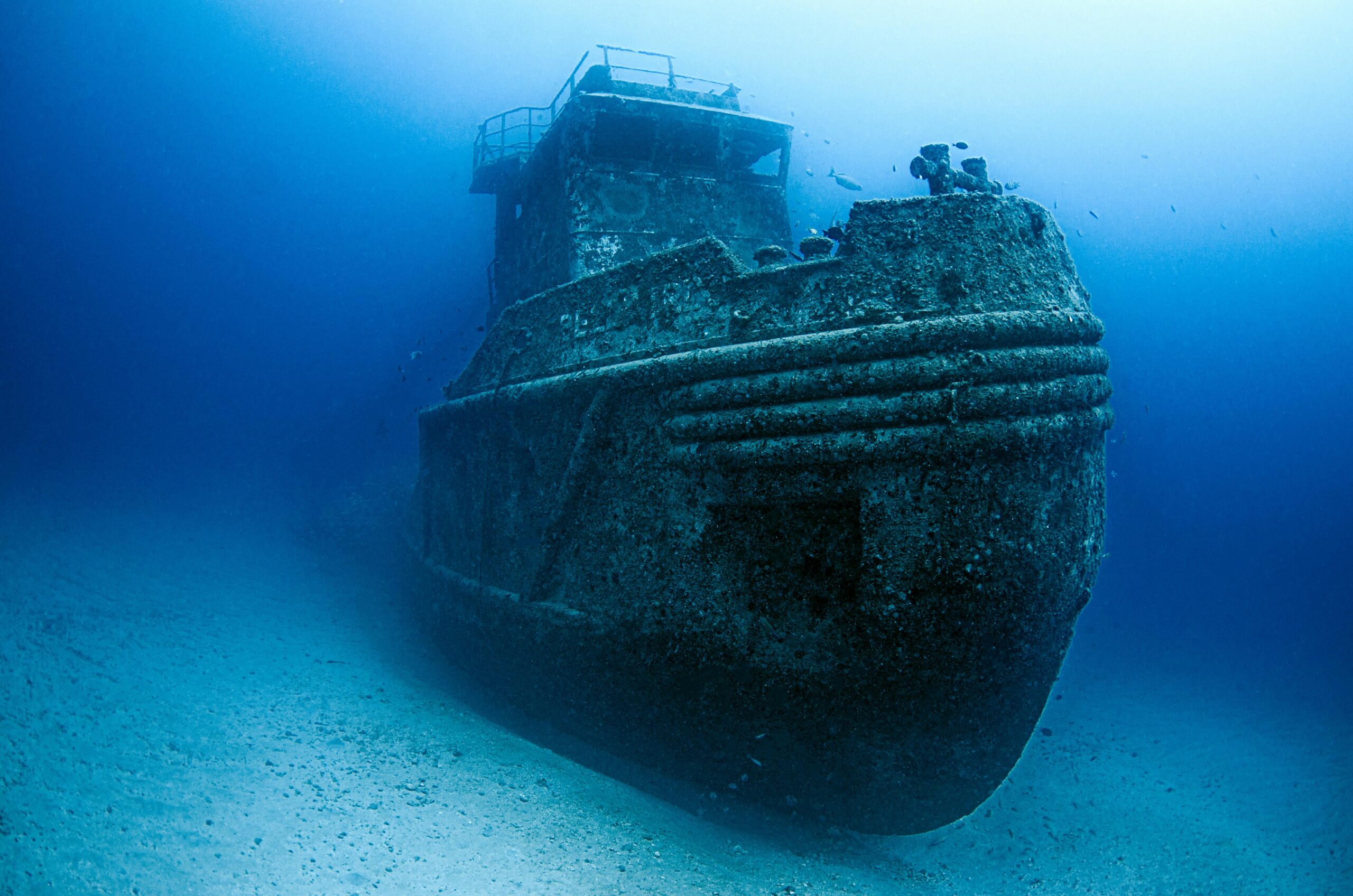
💫 Preserving Our Submerged Heritage
As technology makes deep-sea exploration increasingly accessible, the need for robust protection frameworks becomes urgent. International cooperation must balance scientific research, cultural heritage protection, and economic interests. The shipwrecks we preserve today will inform and inspire future generations, connecting them to human ancestors who ventured across unknown seas in pursuit of knowledge, prosperity, and adventure.
These underwater time capsules represent one of humanity’s most valuable archaeological resources. They document our species’ courage, ingenuity, and insatiable curiosity. Every shipwreck tells a story of human ambition—sometimes successful, sometimes tragic, but always revealing something profound about who we are and where we come from. Protecting and studying these sites ensures that the voices of ancient mariners continue speaking across the centuries, enriching our understanding of human history.

Toni Santos is a visual storyteller and archival artist whose work dives deep into the submerged narratives of underwater archaeology. Through a lens tuned to forgotten depths, Toni explores the silent poetry of lost worlds beneath the waves — where history sleeps in salt and sediment.
Guided by a fascination with sunken relics, ancient ports, and shipwrecked civilizations, Toni’s creative journey flows through coral-covered amphorae, eroded coins, and barnacle-encrusted artifacts. Each piece he creates or curates is a visual meditation on the passage of time — a dialogue between what is buried and what still speaks.
Blending design, storytelling, and historical interpretation, Toni brings to the surface the aesthetics of maritime memory. His work captures the textures of decay and preservation, revealing beauty in rust, ruin, and ruin’s resilience. Through his artistry, he reanimates the traces of vanished cultures that now rest on ocean floors, lost to maps but not to meaning.
As the voice behind Vizovex, Toni shares curated visuals, thoughtful essays, and reconstructed impressions of archaeological findings beneath the sea. He invites others to see underwater ruins not as remnants, but as thresholds to wonder — where history is softened by water, yet sharpened by myth.
His work is a tribute to:
The mystery of civilizations claimed by the sea
The haunting elegance of artifacts lost to time
The silent dialogue between water, memory, and stone
Whether you’re drawn to ancient maritime empires, forgotten coastal rituals, or the melancholic beauty of sunken ships, Toni welcomes you to descend into a space where the past is submerged but never silenced — one relic, one current, one discovery at a time.