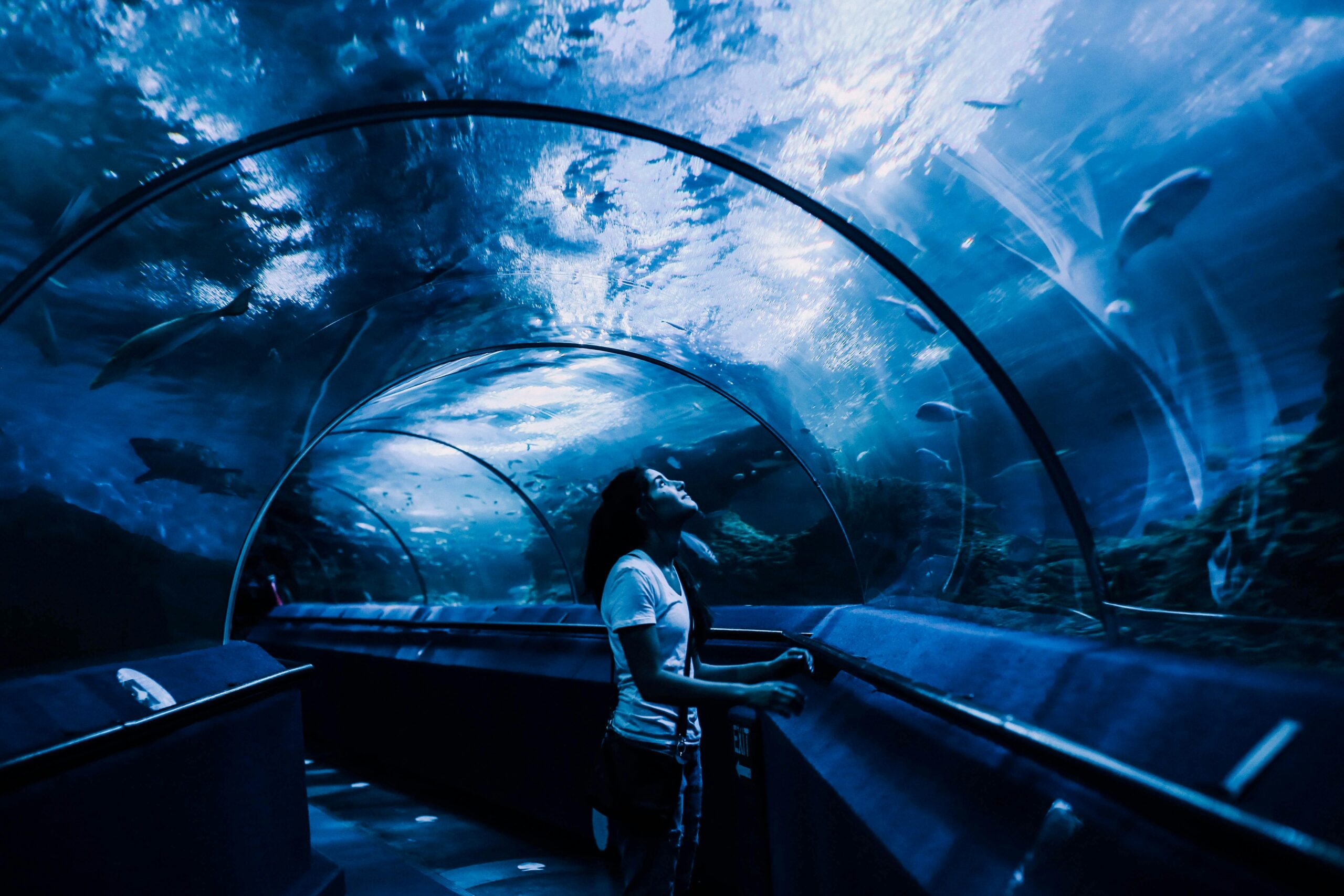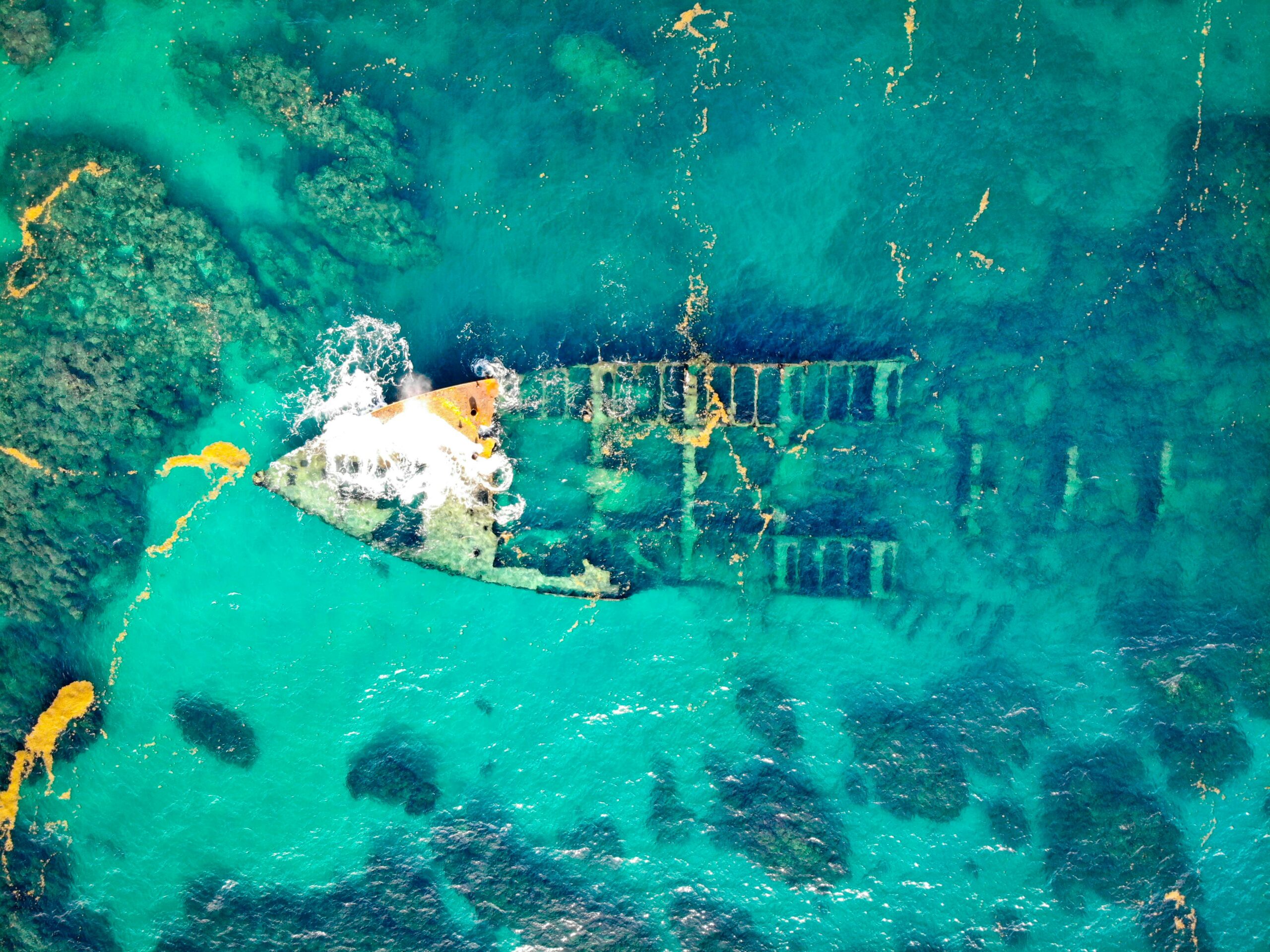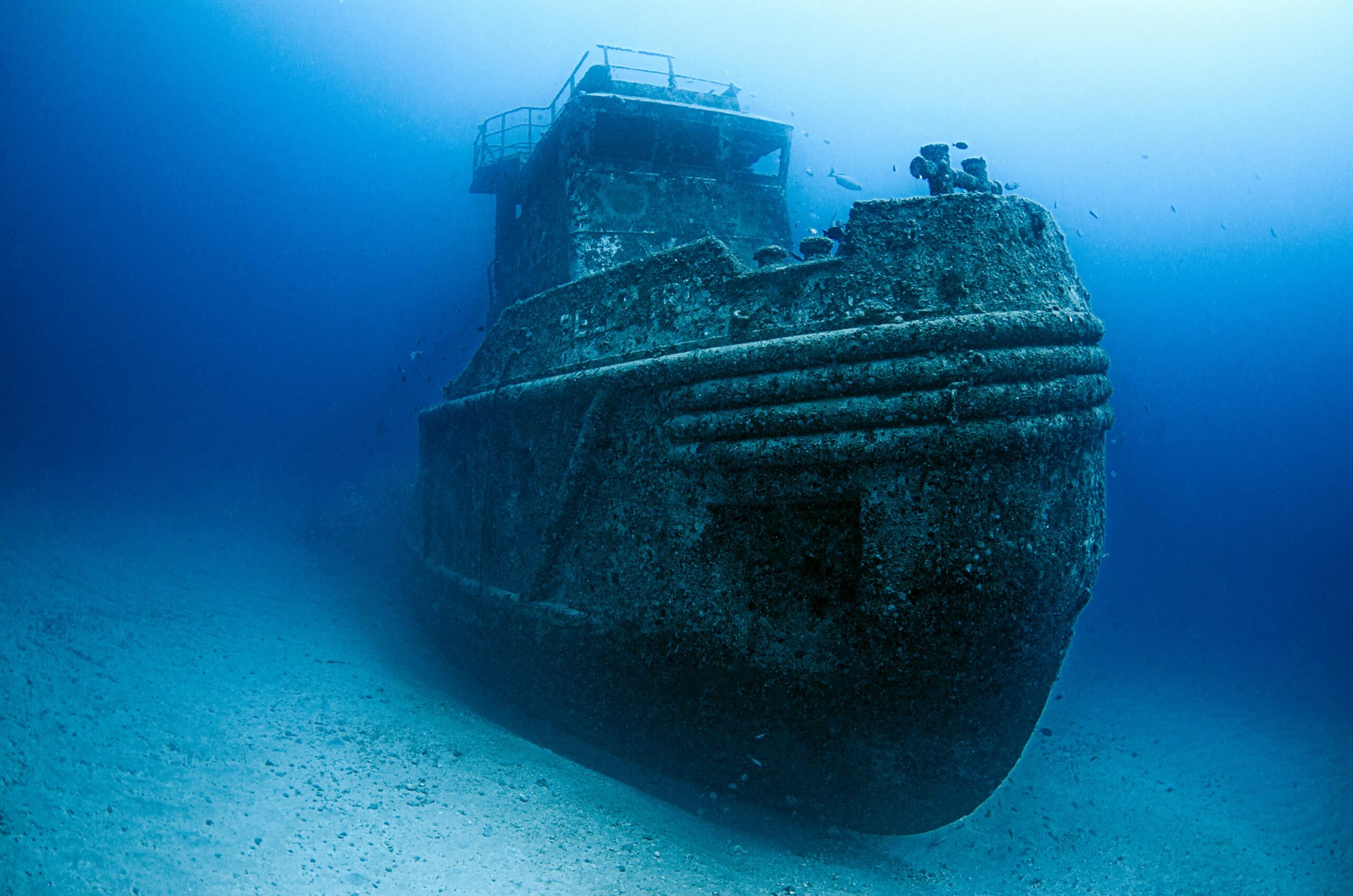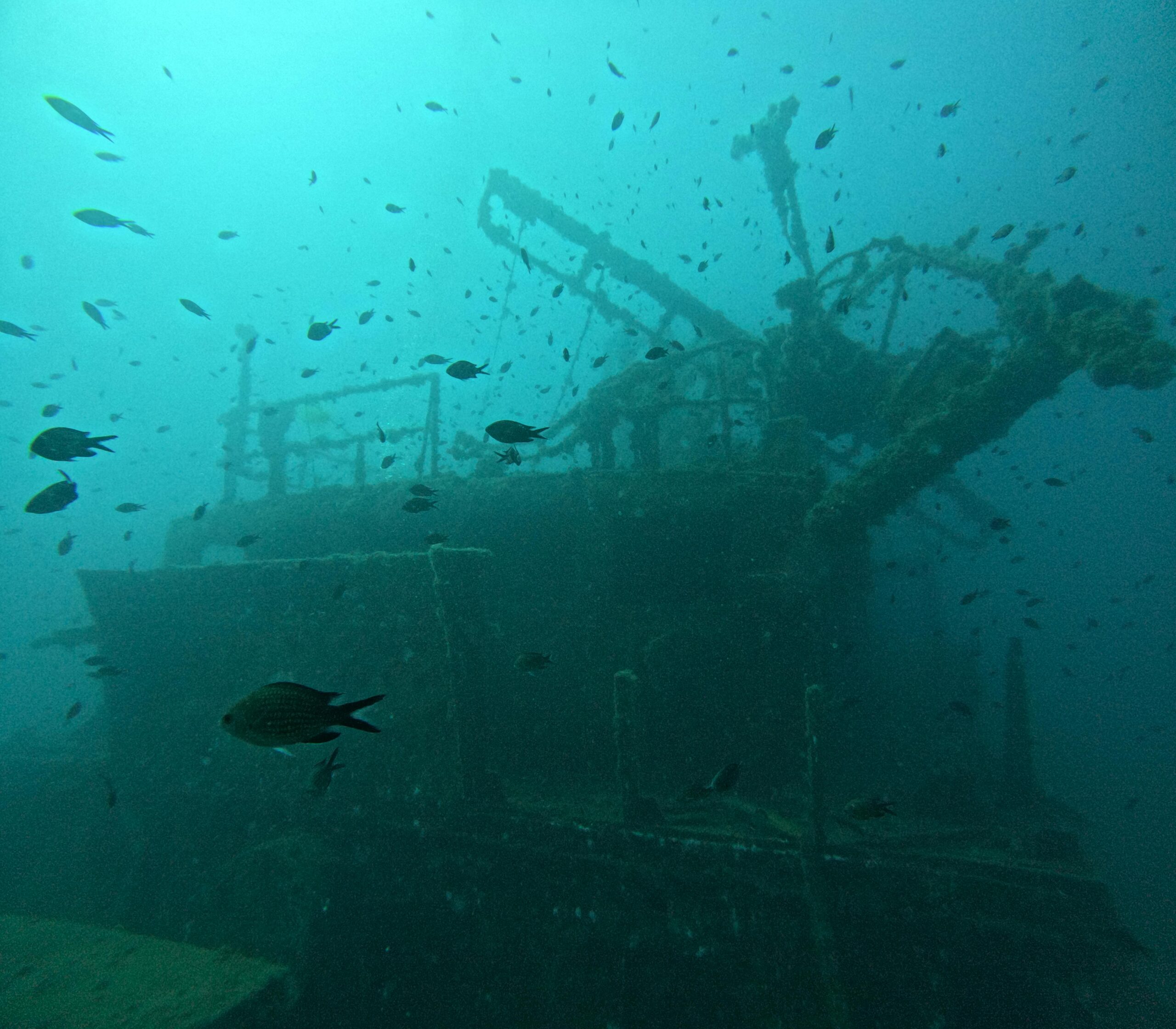
The ocean floor holds secrets of maritime history, where sunken vessels tell tales of exploration, war, trade, and human ambition frozen in time beneath the waves.
⚓ The Magnetic Pull of Underwater Archaeological Treasures
Historic shipwrecks represent more than just sunken vessels—they are underwater museums preserving moments from our collective past. These submerged time capsules offer glimpses into different eras of naval architecture, trade routes, military conflicts, and the daily lives of sailors who once navigated the world’s oceans. Today, advanced diving technology and underwater exploration tools have made these legendary sites more accessible than ever, allowing both professional archaeologists and recreational divers to witness history firsthand.
The fascination with shipwrecks transcends simple curiosity. These sites serve as underwater laboratories where marine biologists study artificial reef ecosystems, historians reconstruct past events, and conservationists work to preserve fragile artifacts. Each wreck has transformed over decades or centuries into thriving marine habitats, creating unique environments where history and nature intertwine in spectacular fashion.
🚢 RMS Titanic: The World’s Most Iconic Maritime Tragedy
No shipwreck captures the public imagination quite like the Titanic. Resting 12,500 feet below the North Atlantic surface, approximately 370 miles southeast of Newfoundland, the “unsinkable” luxury liner met its tragic fate on April 15, 1912. The discovery of the wreck in 1985 by Robert Ballard sparked renewed global interest in this maritime disaster that claimed over 1,500 lives.
The Titanic’s remains sit split into two main sections, separated by a debris field spanning roughly 2,000 feet. The bow section remains relatively intact and recognizable, while the stern section sustained catastrophic damage during its descent. Submersible expeditions have documented the gradual deterioration of the wreck, with rusticles—icicle-shaped rust formations—consuming the iron structure at an accelerating rate.
While recreational diving to the Titanic remains impossible due to extreme depth and pressure, numerous documentary expeditions have brought stunning footage to audiences worldwide. These missions have recovered thousands of artifacts, from personal belongings to structural components, each piece adding depth to our understanding of that fateful night.
🏴☠️ The SS Thistlegorm: A World War II Time Capsule in the Red Sea
The SS Thistlegorm ranks among the most celebrated dive sites globally, combining historical significance with excellent accessibility. This British armed merchant navy ship was bombed by German aircraft on October 6, 1941, while anchored in the Red Sea near the Sinai Peninsula. The vessel sank with its cargo hold full of wartime supplies destined for Allied forces in North Africa.
Jacques Cousteau rediscovered the wreck in the 1950s, but its exact location remained largely forgotten until the 1990s when it became a premier dive destination. Today, divers can explore the remarkably preserved cargo, including:
- BSA and Norton motorcycles still strapped in their original positions
- Bedford trucks and Universal Carrier armored vehicles
- Ammunition boxes, rifles, and artillery shells
- Railway wagon wheels and sections of track
- Aircraft wings and fuselage components
- Wellington boots, medical supplies, and personal effects
The Thistlegorm sits upright at depths ranging from 16 to 30 meters, making it accessible to divers with appropriate certification. The ship’s holds, deck areas, and engine room offer multiple dive opportunities, each revealing different aspects of this wartime snapshot.
⛵ The Mary Rose: Tudor England’s Naval Pride
King Henry VIII’s flagship, the Mary Rose, served the English navy for 34 years before sinking during the Battle of the Solent in 1545. The vessel heeled over and rapidly flooded through open gun ports while engaging French galleys, taking approximately 500 crew members to the seabed just outside Portsmouth Harbor.
The starboard side of the hull remained preserved in silt for over four centuries before one of history’s most ambitious maritime archaeology projects raised the wreck in 1982. This groundbreaking recovery operation was broadcast live on television, captivating millions of viewers worldwide.
Today, the preserved hull and over 19,000 recovered artifacts are displayed at the Mary Rose Museum in Portsmouth, UK. The collection provides unprecedented insights into Tudor naval warfare, shipbuilding techniques, and daily life aboard a 16th-century warship. Items recovered include longbows, medical instruments, musical instruments, gaming pieces, and even the ship’s dog.
🌊 USS Arizona: A Solemn War Memorial Beneath Pearl Harbor
The USS Arizona Memorial honors the 1,177 crewmen who perished when the battleship was destroyed during the December 7, 1941, attack on Pearl Harbor. The ship remains where it sank in shallow water, with its superstructure removed but the hull largely intact beneath the surface.
Unlike many historic wrecks, the Arizona is not accessible to recreational divers. The site serves as an active war grave, designated as a National Historic Landmark. However, the white memorial structure spans the sunken hull, allowing visitors to pay respects while observing the rusting turret barbettes still visible below the water’s surface.
Oil continues to leak from the wreck at approximately nine quarts per day, creating “black tears” that rise to the surface as a haunting reminder of that tragic day. Navy divers occasionally conduct maintenance and monitoring operations, ensuring the structural integrity of both the wreck and the memorial above.
🗺️ Planning Your Shipwreck Exploration Adventure
Exploring historic shipwreck sites requires careful planning, appropriate certifications, and respect for these underwater heritage locations. Different wrecks demand varying skill levels, from shallow, easy dives suitable for beginners to technical deep dives requiring advanced training and specialized equipment.
Essential Considerations for Shipwreck Diving
Before embarking on any shipwreck dive expedition, divers should evaluate several critical factors. Depth determines the necessary certification level and equipment requirements. Current conditions can transform easy dives into challenging experiences. Visibility affects both safety and enjoyment. Water temperature dictates exposure suit choices. Local regulations may restrict access or require permits for certain protected sites.
Many legendary shipwrecks sit in protected marine parks or cultural heritage zones where artifact removal is strictly prohibited. Responsible divers practice “take only pictures, leave only bubbles” ethics, ensuring these irreplaceable sites remain intact for future generations.
🐠 The Ecological Transformation of Sunken Ships
Shipwrecks undergo remarkable ecological transformations after sinking, becoming artificial reefs that support diverse marine communities. This process, called ecological succession, typically follows predictable stages as the vessel transitions from sterile metal structure to thriving underwater habitat.
Within weeks of sinking, bacterial biofilms colonize exposed surfaces. Algae and encrusting organisms soon follow, creating food sources for herbivorous fish. Within months, small invertebrates establish populations. After several years, larger fish species claim territories, and coral polyps begin building reef structures on available surfaces. Decades later, mature artificial reef ecosystems rival natural reefs in biodiversity and complexity.
Some famous wrecks have become more celebrated for their marine life than their historical significance. The structure provides shelter from currents and predators while creating varied microhabitats supporting species from tiny nudibranchs to massive groupers and sharks.
📱 Modern Technology Enhancing Shipwreck Discovery
Contemporary shipwreck exploration benefits tremendously from technological advances in sonar imaging, underwater robotics, and digital mapping. Side-scan sonar systems can identify shipwreck signatures on the seafloor at considerable depths. Remotely operated vehicles (ROVs) equipped with high-definition cameras explore sites too deep or dangerous for human divers. Photogrammetry software creates detailed 3D models from thousands of overlapping photographs.
These technologies have democratized wreck exploration to some degree. Virtual reality experiences now allow people to explore famous shipwrecks from home. Mobile applications help divers identify wreck sites, log their dives, and access historical information about the vessels they’re exploring. GPS-enabled dive apps provide precise navigation to marked wreck locations and can display site maps underwater when paired with compatible dive computers.
⚖️ Legal and Ethical Dimensions of Shipwreck Exploration
Historic shipwrecks exist within complex legal frameworks involving maritime law, cultural heritage protection, salvage rights, and war grave designations. International conventions like the UNESCO 2001 Convention on the Protection of Underwater Cultural Heritage establish principles for responsible wreck management, though not all nations have ratified these agreements.
Ownership disputes sometimes arise when valuable cargoes are discovered. Military vessels typically remain property of their nation of origin regardless of how long they’ve been submerged. Commercial ships may have complex ownership histories involving insurance companies, salvage operations, and competing claims.
War graves present particularly sensitive situations. Many nations prohibit diving on wrecks containing human remains, especially those from recent conflicts. Disturbing these sites is not only legally problematic but deeply disrespectful to the memories of those who perished.
🌍 Notable Shipwreck Sites Around the Globe
While the Titanic and Thistlegorm capture headlines, countless other significant wrecks offer extraordinary diving experiences worldwide. The Great Lakes region contains remarkably preserved freshwater wrecks from the 19th and 20th centuries. The Caribbean hosts Spanish galleons loaded with colonial-era artifacts. The Pacific theater contains dozens of World War II wrecks from various nations.
Truk Lagoon: The Pacific’s Ghost Fleet
Chuuk Lagoon in Micronesia hosts approximately 60 Japanese ships and aircraft destroyed during Operation Hailstone in February 1944. This concentration of relatively intact wrecks in warm, clear water makes Truk one of the world’s premier wreck diving destinations. Ships like the Fujikawa Maru, Shinkoku Maru, and San Francisco Maru sit upright with cargo holds still containing tanks, trucks, aircraft parts, and munitions.
Scapa Flow: Britain’s Warship Cemetery
The natural harbor in Scotland’s Orkney Islands served as the British Grand Fleet’s main base during both world wars. The site is famous for the scuttled German High Seas Fleet—52 ships deliberately sunk by their crews in 1919 to prevent Allied seizure. While many were salvaged, seven battleships and several smaller vessels remain on the bottom, offering exceptional cold-water wreck diving.
The Great Blue Hole’s Edge: Belize’s Historic Wrecks
While famous for its geological formation, the waters surrounding Belize’s Blue Hole contain numerous historic shipwrecks from the colonial period through modern times. These wrecks complement the stunning natural features, creating dive experiences that blend natural wonder with human history.
💡 Preserving Shipwrecks for Future Generations
Underwater cultural heritage faces numerous threats, from natural deterioration to human interference. Metal ships gradually corrode, especially in warm, oxygen-rich waters. Wooden vessels may be consumed by marine borers like shipworms. Biological growth can obscure and eventually destroy delicate artifacts. Human activities including anchoring, fishing, and irresponsible diving accelerate damage.
Conservation efforts employ various strategies to slow deterioration and protect significant sites. Some wrecks receive protective coverings or are reburied in sediment to limit oxygen exposure. Others are designated as marine protected areas with restricted access. Documentation projects create detailed records before inevitable decay erases these historical resources.
The debate continues about whether to raise significant wrecks for museum display or preserve them in situ as dive sites. Each approach has merits—museum conservation allows detailed study and broad public access, while leaving wrecks submerged maintains their archaeological context and ecological value.
🎓 Educational Value of Shipwreck Archaeology
Shipwrecks serve as extraordinary educational resources, offering tangible connections to historical events and periods. They provide primary source material unavailable through written records alone. The contents of a merchant ship reveal trade patterns, economic relationships, and material culture. Military wrecks document naval technology and strategic thinking. Personal effects illuminate individual lives and social structures.
Educational institutions increasingly incorporate shipwreck studies into curricula across multiple disciplines. History students analyze artifacts and vessel construction. Engineering students examine structural failures and material properties. Biology students study artificial reef ecology. Conservation students develop preservation methodologies. This interdisciplinary approach demonstrates how single sites can illuminate multiple aspects of human knowledge.
🔍 The Future of Shipwreck Exploration
Emerging technologies promise to revolutionize how we discover, document, and experience historic shipwrecks. Autonomous underwater vehicles can systematically survey vast ocean areas, potentially locating thousands of undiscovered wrecks. Artificial intelligence algorithms can analyze sonar data, identifying probable wreck sites for further investigation. Advanced materials and life support systems may eventually make extreme-depth wrecks like the Titanic accessible to more researchers.
Climate change introduces new variables into shipwreck preservation. Rising ocean temperatures may accelerate biological degradation in some locations while potentially improving preservation conditions in others. Changing ocean chemistry affects corrosion rates and marine organism behavior. These environmental shifts will require adaptive management strategies for protected wreck sites.
The growing interest in space exploration draws parallels with underwater archaeology. The ocean depths remain less explored than the moon’s surface, with countless historical treasures awaiting discovery. As technology advances and public interest grows, the next decades promise exciting discoveries that will reshape our understanding of maritime history.
🌟 Experiencing Shipwreck Heritage Responsibly
Whether diving directly on historic wrecks or experiencing them through virtual media, modern audiences have unprecedented access to underwater cultural heritage. This access carries responsibilities to ensure these finite resources survive for future generations. Divers should maintain neutral buoyancy to avoid damaging fragile structures, never remove artifacts, and follow all local regulations. Even virtual explorers can contribute by supporting conservation organizations and promoting awareness of shipwreck preservation issues.
The world’s historic shipwrecks connect us to our maritime past while reminding us of the ocean’s power and mystery. These submerged monuments to human ambition, tragedy, and resilience deserve our respect, protection, and careful study. By balancing access with preservation, we ensure these underwater legends continue inspiring wonder and providing insights for generations to come.

Toni Santos is a visual storyteller and archival artist whose work dives deep into the submerged narratives of underwater archaeology. Through a lens tuned to forgotten depths, Toni explores the silent poetry of lost worlds beneath the waves — where history sleeps in salt and sediment.
Guided by a fascination with sunken relics, ancient ports, and shipwrecked civilizations, Toni’s creative journey flows through coral-covered amphorae, eroded coins, and barnacle-encrusted artifacts. Each piece he creates or curates is a visual meditation on the passage of time — a dialogue between what is buried and what still speaks.
Blending design, storytelling, and historical interpretation, Toni brings to the surface the aesthetics of maritime memory. His work captures the textures of decay and preservation, revealing beauty in rust, ruin, and ruin’s resilience. Through his artistry, he reanimates the traces of vanished cultures that now rest on ocean floors, lost to maps but not to meaning.
As the voice behind Vizovex, Toni shares curated visuals, thoughtful essays, and reconstructed impressions of archaeological findings beneath the sea. He invites others to see underwater ruins not as remnants, but as thresholds to wonder — where history is softened by water, yet sharpened by myth.
His work is a tribute to:
The mystery of civilizations claimed by the sea
The haunting elegance of artifacts lost to time
The silent dialogue between water, memory, and stone
Whether you’re drawn to ancient maritime empires, forgotten coastal rituals, or the melancholic beauty of sunken ships, Toni welcomes you to descend into a space where the past is submerged but never silenced — one relic, one current, one discovery at a time.