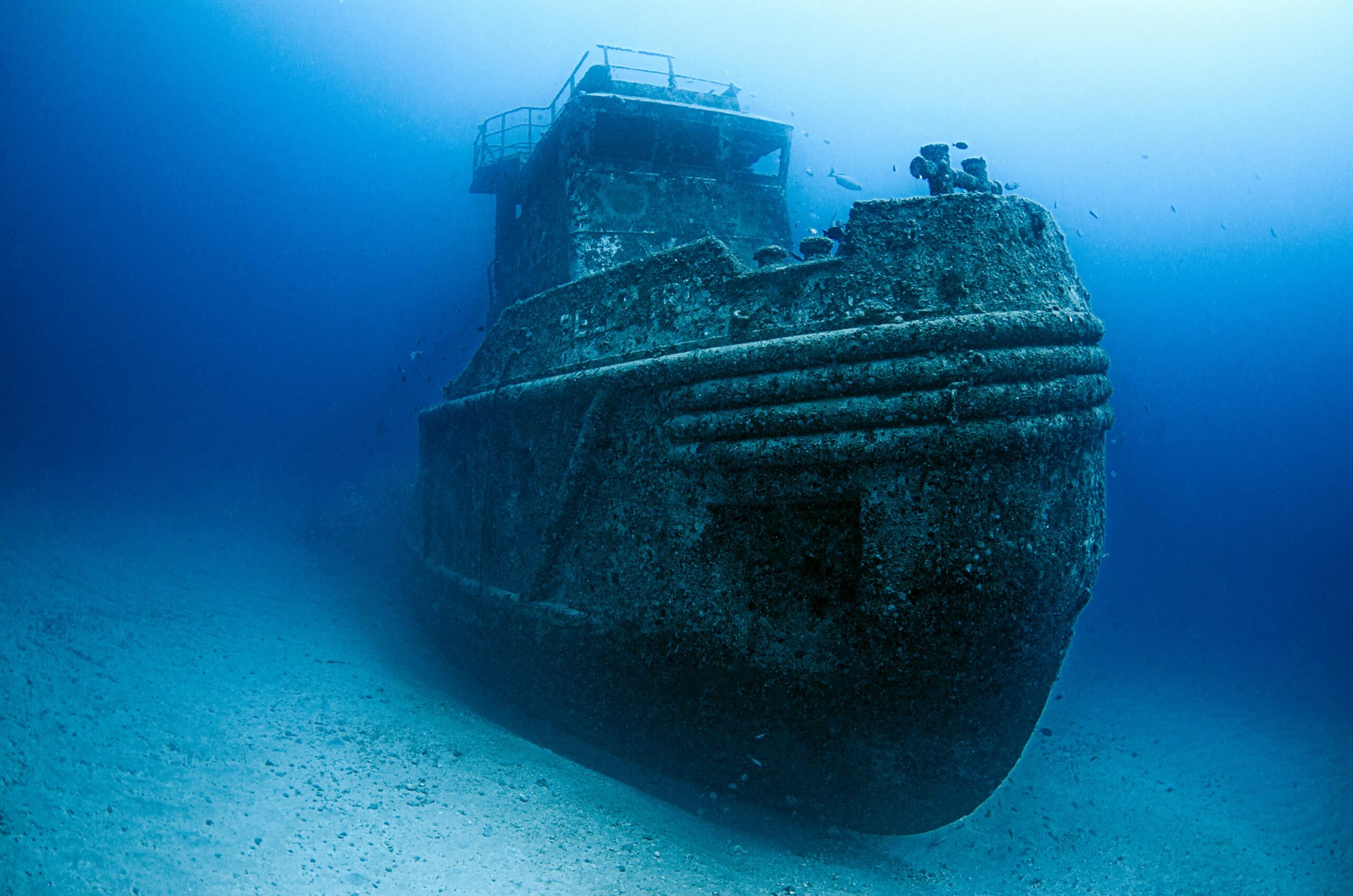
The ocean floor holds countless secrets, with thousands of shipwrecks lying silently beneath the waves, each telling stories of maritime history, human ambition, and tragic loss.
🌊 The Silent Guardians of Maritime History
Shipwrecks represent more than just sunken vessels—they are underwater time capsules that preserve moments in history with remarkable accuracy. From ancient trading ships carrying amphoras filled with olive oil to warships from major conflicts, these submerged structures offer researchers and historians unique insights into past civilizations, trade routes, naval warfare, and technological advancement. The preservation of organic materials underwater often surpasses what survives on land, making shipwrecks invaluable archaeological resources.
The United Nations Educational, Scientific and Cultural Organization estimates that over three million shipwrecks rest on ocean floors worldwide. Each wreck holds potential answers to historical mysteries, economic patterns, and cultural exchanges that shaped our modern world. These underwater monuments serve as graves for those who perished, museums of forgotten technologies, and habitats for marine ecosystems that have adapted to these artificial reefs over centuries.
Discovering Lost Vessels: Technology Meets Exploration
Modern shipwreck discovery relies heavily on advanced technology that would have seemed like science fiction just decades ago. Side-scan sonar systems create detailed images of the seafloor, identifying anomalies that might indicate wreck sites. Multibeam echo sounders generate three-dimensional maps of underwater terrain, revealing structures hidden beneath sediment layers. Remotely operated vehicles (ROVs) equipped with high-definition cameras allow researchers to explore depths unreachable by human divers.
Magnetometers detect metal objects buried under sand, leading explorers to vessels that show no visible surface evidence. Sub-bottom profilers penetrate seafloor sediments using sound waves, revealing ships completely buried by shifting sands. Autonomous underwater vehicles (AUVs) can survey vast areas independently, collecting data that researchers analyze to identify promising exploration sites.
Notable Discovery Techniques
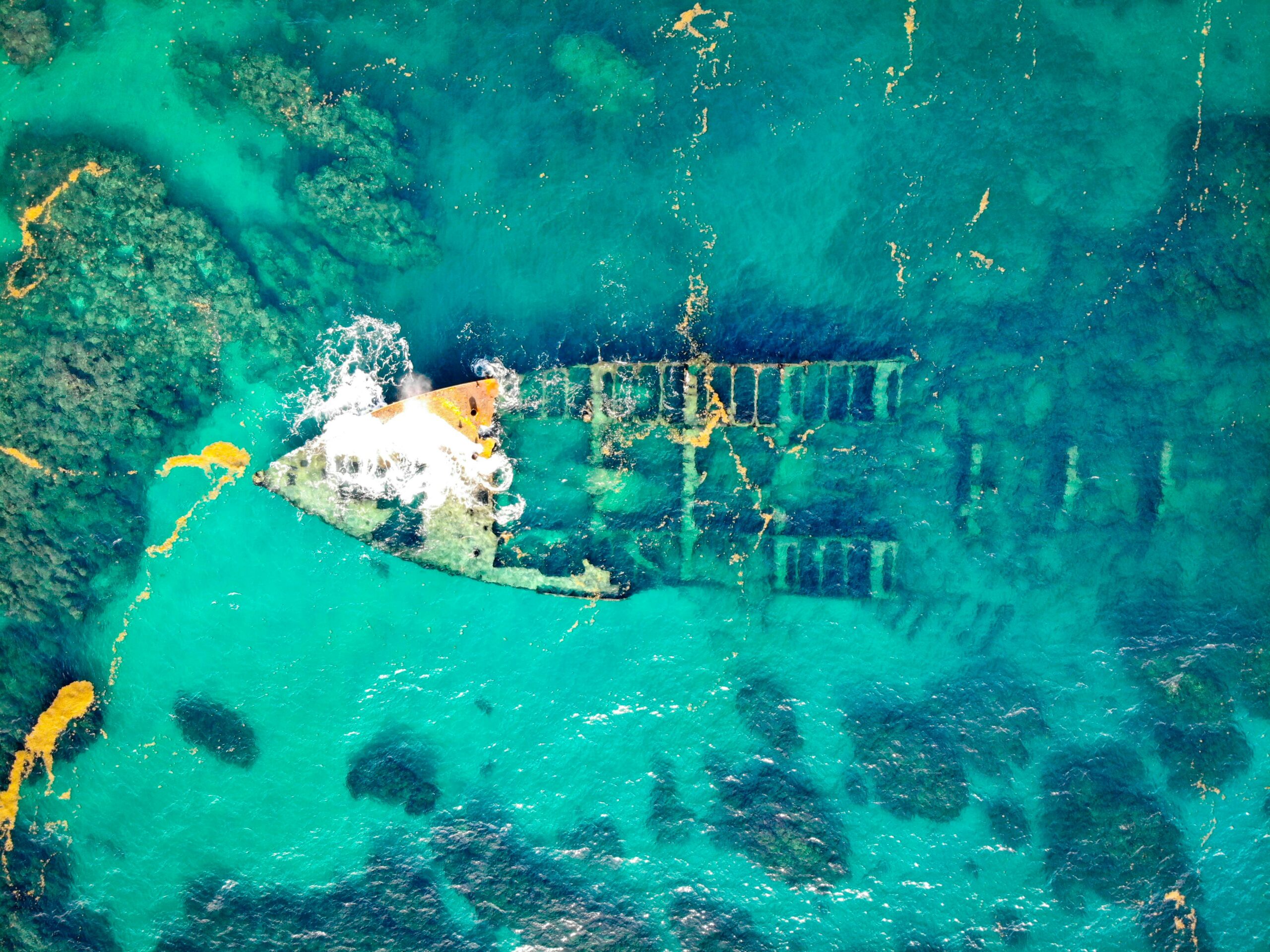
Traditional methods still play crucial roles in shipwreck discovery. Historical research through archives, shipping logs, and survivor accounts often provides initial clues about wreck locations. Local knowledge from fishing communities frequently guides researchers to areas where nets snag on underwater obstacles. Aerial photography during low tide or clear water conditions can reveal shallow wrecks invisible from surface level.
Famous Shipwrecks That Changed Our Understanding
The RMS Titanic remains perhaps the most famous shipwreck in history. Discovered in 1985 by Robert Ballard, the luxury liner lies 12,500 feet below the North Atlantic surface. Its exploration transformed public understanding of the disaster and demonstrated how deep-sea exploration technology could reach previously inaccessible sites. The wreck continues to deteriorate as metal-eating bacteria consume the hull, reminding us of the urgency in documenting these historical sites.
The Mary Rose, flagship of King Henry VIII’s navy, sank in 1545 during battle with French forces. Raised from the Solent seabed in 1982, this Tudor warship provided unprecedented insights into 16th-century naval architecture, weaponry, and daily life aboard warships. Over 19,000 artifacts were recovered, including medical instruments, musical instruments, and personal belongings that paint a vivid picture of Tudor maritime culture.
Ancient Treasures Beneath Mediterranean Waters
The Antikythera shipwreck, discovered off the Greek island in 1900, yielded one of archaeology’s most perplexing artifacts—the Antikythera Mechanism. This ancient Greek analog computer, dating to approximately 100 BCE, demonstrated technological sophistication far beyond what historians believed possible for that era. The wreck site continues to reveal statues, coins, and luxury goods that illuminate ancient trade networks across the Mediterranean.
The Uluburun shipwreck off Turkey’s southern coast dates to the late Bronze Age, around 1300 BCE. This merchant vessel carried cargo from across the ancient world: copper ingots from Cyprus, tin from Central Asia, glass from Mesopotamia, ebony from Africa, and luxury items including gold jewelry and elephant ivory. The wreck provides concrete evidence of extensive international trade networks operating over 3,000 years ago.
⚓ Preservation Challenges in Underwater Environments
Shipwrecks face numerous threats once discovered. Corrosion accelerates when wreck sites are disturbed, as protective layers of sediment and marine growth are removed. Wood-boring organisms like shipworms (Teredo navalis) consume wooden structures, while metal components suffer galvanic corrosion. Deep-water wrecks in cold, low-oxygen environments often preserve better than shallow sites exposed to warmer, oxygen-rich waters with stronger currents.
Human activity poses significant preservation challenges. Commercial fishing operations damage fragile wreck structures with trawling nets and anchors. Souvenir hunters remove artifacts, destroying contextual relationships that provide archaeological value. Industrial development, including offshore drilling and pipeline installation, threatens undiscovered wrecks and known sites alike.
Natural Deterioration Processes
Chemical reactions between seawater and ship materials gradually break down wrecks. Iron forms rust concretions that eventually disintegrate. Bronze develops patina that, while protective initially, can hide underlying corrosion. Organic materials like rope, fabric, and leather survive only in anaerobic conditions where oxygen-consuming bacteria cannot thrive. Even seemingly permanent materials deteriorate—stone ballast blocks become encrusted with marine growth, and ceramic containers slowly dissolve in seawater.
Conservation Methods: Preserving Our Underwater Heritage
In-situ preservation—protecting wrecks where they lie—represents the preferred conservation approach for most sites. This method minimizes disturbance while allowing natural protective processes to continue. Researchers document sites thoroughly using photogrammetry and 3D modeling, creating digital replicas for study without physical intervention. Protective measures include establishing exclusion zones, installing mooring buoys to prevent anchor damage, and monitoring environmental conditions.
When artifacts require removal, specialized conservation treatments prevent deterioration. Waterlogged wood undergoes polyethylene glycol (PEG) treatment, replacing water in wood cells with synthetic wax that maintains structural integrity. Metal objects receive electrolytic reduction to remove corrosion products and stabilize remaining material. Ceramics and glass often require careful desalination to prevent salt crystal formation that causes cracking.
The Role of Maritime Museums
Institutions worldwide dedicate resources to shipwreck preservation and education. The Vasa Museum in Stockholm houses the remarkably preserved 17th-century Swedish warship, displayed in climate-controlled conditions with continuous monitoring. The Mary Rose Museum in Portsmouth showcases the Tudor warship alongside thousands of conserved artifacts. These facilities not only preserve physical objects but also advance conservation science through ongoing research.
🔍 Legal Frameworks Protecting Underwater Cultural Heritage
The UNESCO Convention on the Protection of Underwater Cultural Heritage (2001) establishes international standards for shipwreck protection. This convention prioritizes in-situ preservation, prohibits commercial exploitation of protected sites, and encourages international cooperation in research and protection efforts. However, only 69 countries have ratified this convention, leaving gaps in global protection coverage.
National laws vary significantly in shipwreck protection approaches. The United States applies the Abandoned Shipwreck Act, transferring title of abandoned wrecks in state waters to state governments. The United Kingdom’s Protection of Wrecks Act designates specific sites as protected, requiring licenses for any intervention. Maritime salvage law complicates matters further, with historical precedents sometimes conflicting with archaeological preservation priorities.
Ownership Disputes and Treasure Hunting
Commercial salvage operations often clash with archaeological and preservation interests. High-profile cases like the SS Central America and the Spanish galleon Nuestra Señora de las Mercedes have sparked international legal battles over ownership rights and proper treatment of historically significant wrecks. While treasure hunters emphasize economic value and property rights, archaeologists stress cultural heritage significance and scientific research potential.
Citizen Science and Recreational Diving Contributions
Recreational divers make valuable contributions to shipwreck documentation and protection. Many discoveries result from sport divers reporting previously unknown wrecks. Citizen science projects train recreational divers in basic documentation techniques, expanding research capacity beyond professional archaeological teams. Dive tourism generates economic incentives for wreck preservation, as intact sites attract more visitors than disturbed or looted locations.
Photography by recreational divers creates temporal records showing deterioration rates and environmental changes affecting wreck sites. Social media platforms enable rapid information sharing, though they also alert potential looters to vulnerable sites. Responsible diving organizations promote ethical practices, including the “take only pictures, leave only bubbles” philosophy that minimizes visitor impact.
🐠 Ecological Significance of Shipwrecks
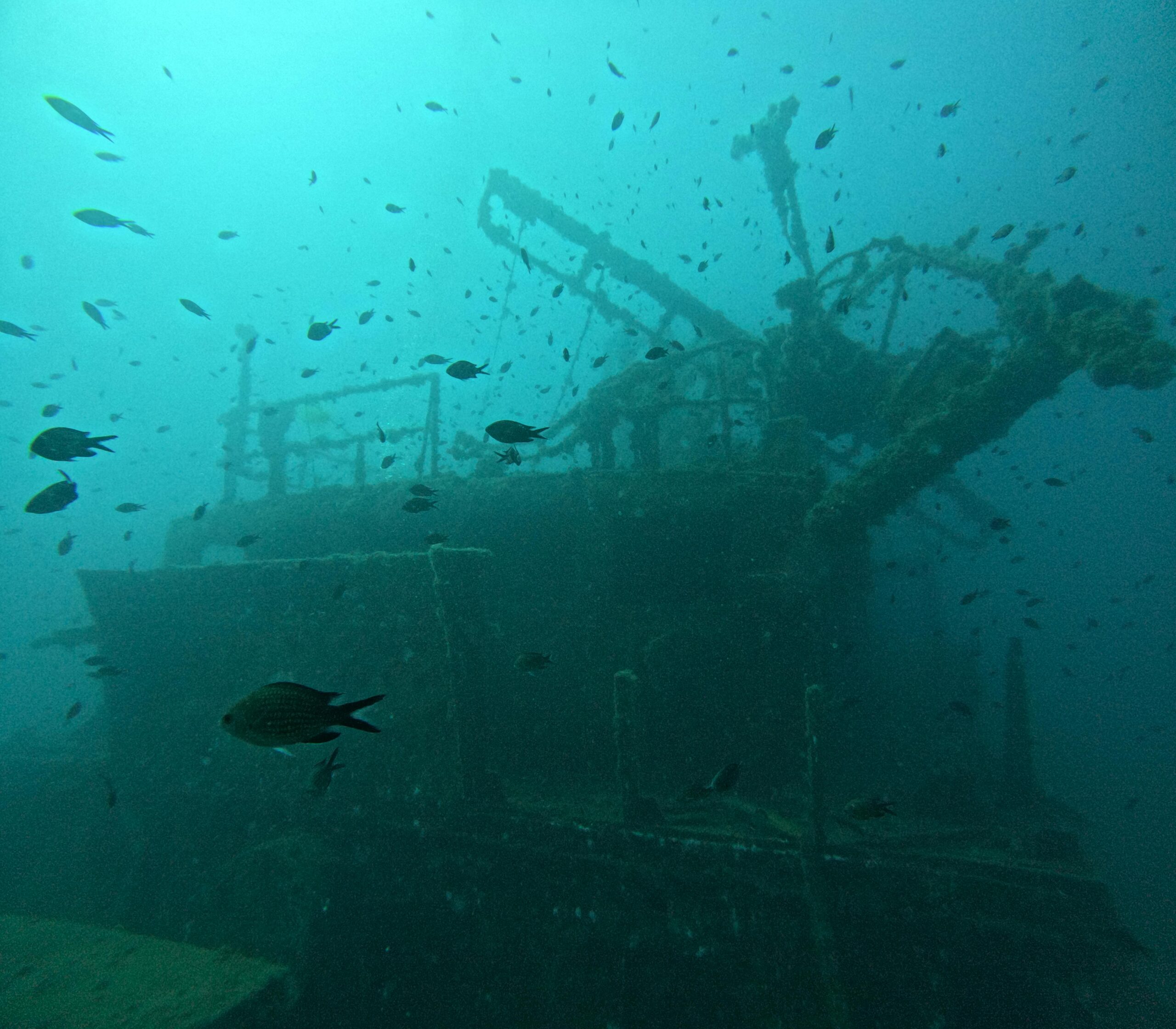
Shipwrecks create artificial reef habitats supporting diverse marine communities. Fish populations often concentrate around wreck structures, which provide shelter from predators and strong currents. Coral colonies establish on hard surfaces, gradually transforming steel and wood into living reef systems. Wreck sites sometimes harbor unique species assemblages different from surrounding natural habitats.
The ecological value of shipwrecks raises interesting questions about preservation priorities. Should wrecks be maintained as historical monuments, or allowed to become fully integrated reef ecosystems? Some conservationists argue that environmental benefits outweigh historical preservation concerns for certain wrecks. Others contend that historical significance should take precedence, with ecological considerations secondary.
Intentional Reef Creation
Many coastal regions deliberately sink decommissioned vessels to create artificial reefs. These projects support fisheries, provide diving attractions, and offer environmental benefits. The USS Oriskany, a 911-foot aircraft carrier, was intentionally sunk off Florida in 2006, becoming the world’s largest artificial reef. However, environmental concerns about contaminants like PCBs and heavy metals require thorough vessel cleaning before sinking.
Climate Change Impacts on Shipwreck Preservation
Rising ocean temperatures affect shipwreck preservation in multiple ways. Warmer waters accelerate biological and chemical deterioration processes. Increased storm intensity damages shallow wrecks through stronger wave action and sediment movement. Ocean acidification affects metal corrosion rates and threatens marine organisms that create protective concretions around wreck structures.
Sea level rise exposes previously submerged coastal wrecks to erosion and human interference. Conversely, some land-based archaeological sites may become submerged, creating new underwater heritage requiring protection. Climate change necessitates reassessing preservation strategies and prioritizing documentation efforts for most vulnerable sites.
Future Technologies Transforming Shipwreck Research
Artificial intelligence and machine learning algorithms now assist in analyzing sonar data, identifying potential wreck sites more efficiently than manual review. Advanced imaging techniques reveal hidden details invisible to traditional photography. DNA analysis of organic materials provides information about trade goods, food sources, and even crew origins.
Virtual reality technologies enable public access to wreck sites without physical visitation that might damage fragile structures. Digital twin technology creates interactive models that researchers manipulate to test hypotheses about ship construction, cargo loading, and sinking scenarios. These innovations democratize access to underwater cultural heritage while supporting preservation goals.
Collaborative Research Networks
International databases now consolidate information about thousands of shipwrecks, facilitating research and protection efforts. Organizations like the Global Ocean Legacy project map and advocate for protection of significant underwater sites. Crowdsourcing initiatives harness public interest and diverse expertise, accelerating discoveries and expanding research capabilities beyond traditional institutional limitations.
💎 Ethical Considerations in Shipwreck Exploration
Many shipwrecks serve as maritime graves deserving respect for those who perished. Ethical debates surround disturbing human remains during archaeological investigation. Cultural sensitivity requires consulting descendant communities and respecting religious or cultural beliefs about proper treatment of the dead. Some wrecks hold sacred significance for indigenous communities whose ancestors traveled aboard or were transported as cargo during slave trade operations.
The commercialization of shipwreck artifacts raises ethical questions about appropriate uses of cultural heritage. Should recovered items be sold to private collectors, or must they remain accessible to public research and education? These debates reflect broader tensions between property rights, cultural heritage preservation, and scientific advancement.
Educational Value and Public Engagement
Shipwrecks captivate public imagination, offering engaging entry points for learning about history, archaeology, marine science, and conservation. Museums create immersive exhibits using artifacts, reconstructions, and multimedia presentations. Documentary films bring underwater exploration to audiences worldwide, generating public support for preservation efforts and research funding.
Educational programs teach students research methods, historical analysis, and environmental stewardship through shipwreck studies. Hands-on opportunities allow students to participate in surveys, artifact cataloging, and conservation work. These experiences inspire future generations of maritime archaeologists, historians, and ocean conservationists.
🗺️ Mapping the Unmapped: Future Discovery Potential
Despite technological advances, vast ocean areas remain unsurveyed. Deep ocean basins, remote polar regions, and areas with complex seafloor topography hide countless undiscovered wrecks. Each discovery potential rewrites historical narratives, fills knowledge gaps, and raises new questions about maritime history.
Systematic survey programs prioritize areas with high archaeological potential based on historical shipping routes, naval conflict zones, and maritime trade centers. These efforts balance scientific research goals with practical constraints including funding limitations, technological capabilities, and competing ocean use priorities.
Protecting Our Submerged Past for Future Generations
Effective shipwreck preservation requires coordinated efforts among governments, researchers, dive communities, and the public. Strengthening legal protections, increasing enforcement resources, and promoting ethical practices all contribute to safeguarding underwater cultural heritage. Education initiatives build appreciation for shipwreck significance beyond monetary value, fostering stewardship attitudes.
International cooperation proves essential, as shipwrecks often involve multiple nations through vessel registration, cargo origins, and wreck locations. Shared databases, collaborative research projects, and mutual enforcement assistance enhance protection effectiveness. The underwater realm knows no political boundaries, requiring similarly borderless preservation approaches.
The mysteries beneath the waves connect us to human stories spanning millennia—adventures and tragedies, trade and warfare, innovation and loss. Each preserved shipwreck offers future generations opportunities to discover, learn, and appreciate the maritime heritage that shaped our interconnected world. Through thoughtful exploration, rigorous conservation, and responsible stewardship, we honor those who sailed before while preserving their legacy for those who follow.

Toni Santos is a visual storyteller and archival artist whose work dives deep into the submerged narratives of underwater archaeology. Through a lens tuned to forgotten depths, Toni explores the silent poetry of lost worlds beneath the waves — where history sleeps in salt and sediment.
Guided by a fascination with sunken relics, ancient ports, and shipwrecked civilizations, Toni’s creative journey flows through coral-covered amphorae, eroded coins, and barnacle-encrusted artifacts. Each piece he creates or curates is a visual meditation on the passage of time — a dialogue between what is buried and what still speaks.
Blending design, storytelling, and historical interpretation, Toni brings to the surface the aesthetics of maritime memory. His work captures the textures of decay and preservation, revealing beauty in rust, ruin, and ruin’s resilience. Through his artistry, he reanimates the traces of vanished cultures that now rest on ocean floors, lost to maps but not to meaning.
As the voice behind Vizovex, Toni shares curated visuals, thoughtful essays, and reconstructed impressions of archaeological findings beneath the sea. He invites others to see underwater ruins not as remnants, but as thresholds to wonder — where history is softened by water, yet sharpened by myth.
His work is a tribute to:
The mystery of civilizations claimed by the sea
The haunting elegance of artifacts lost to time
The silent dialogue between water, memory, and stone
Whether you’re drawn to ancient maritime empires, forgotten coastal rituals, or the melancholic beauty of sunken ships, Toni welcomes you to descend into a space where the past is submerged but never silenced — one relic, one current, one discovery at a time.