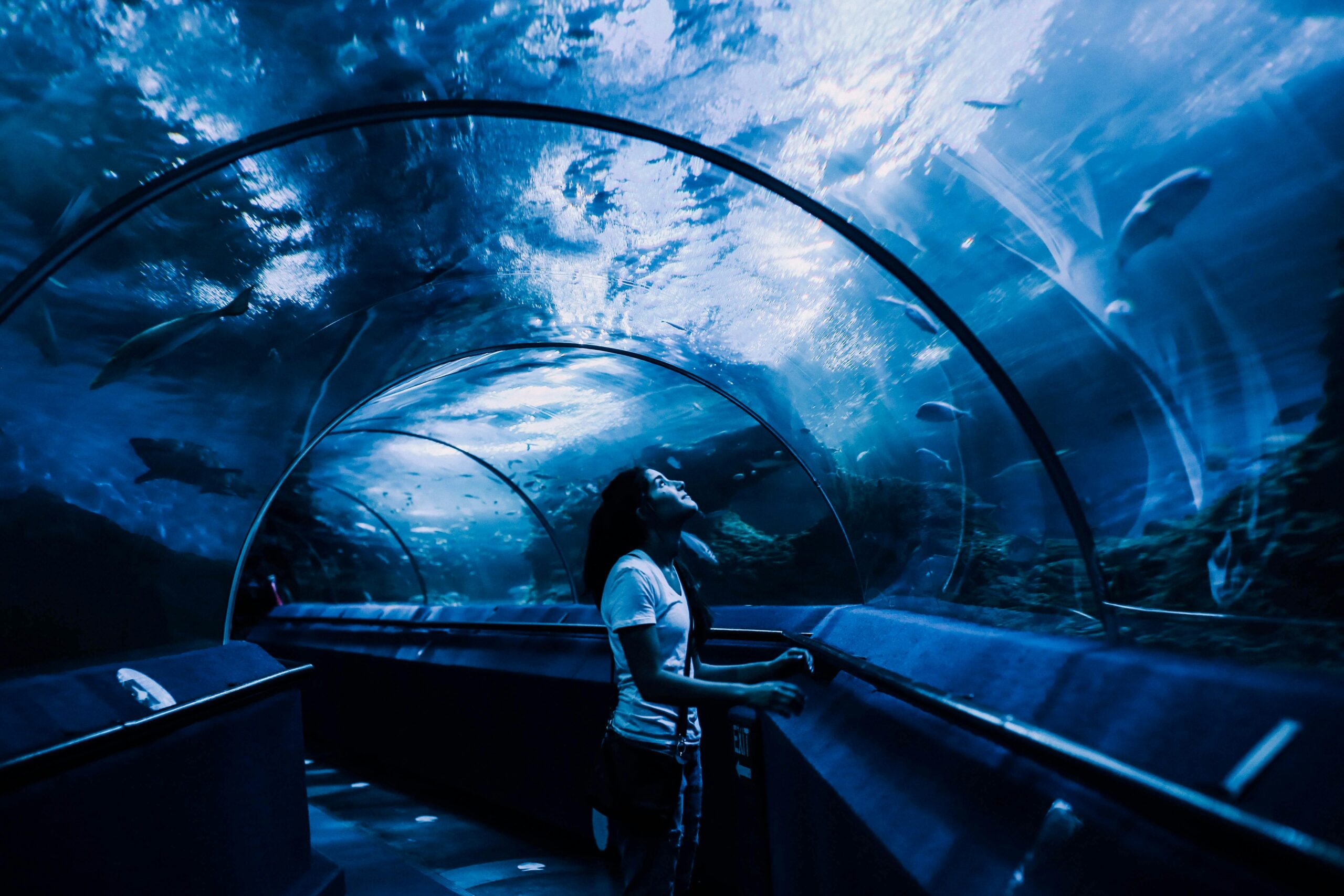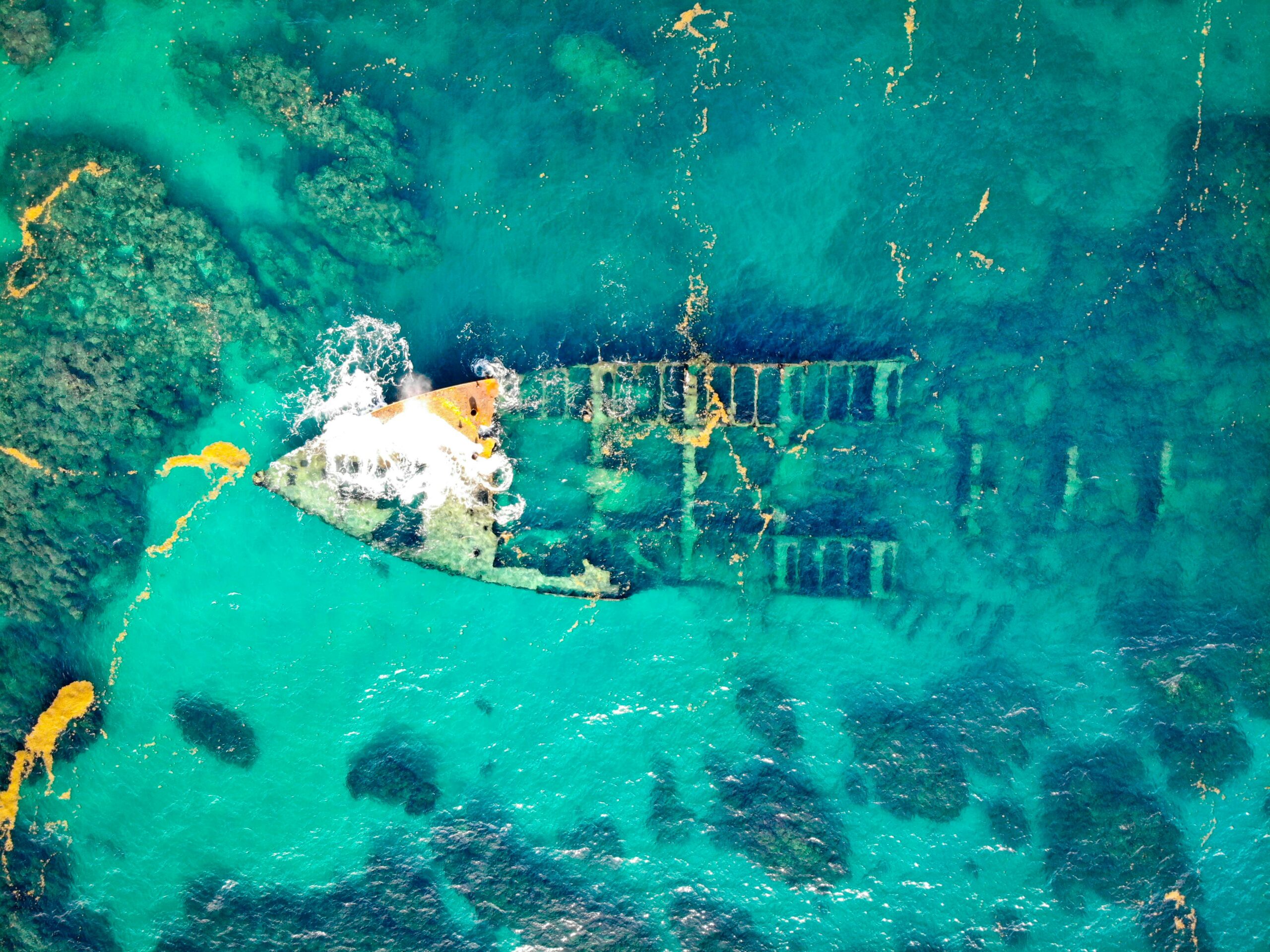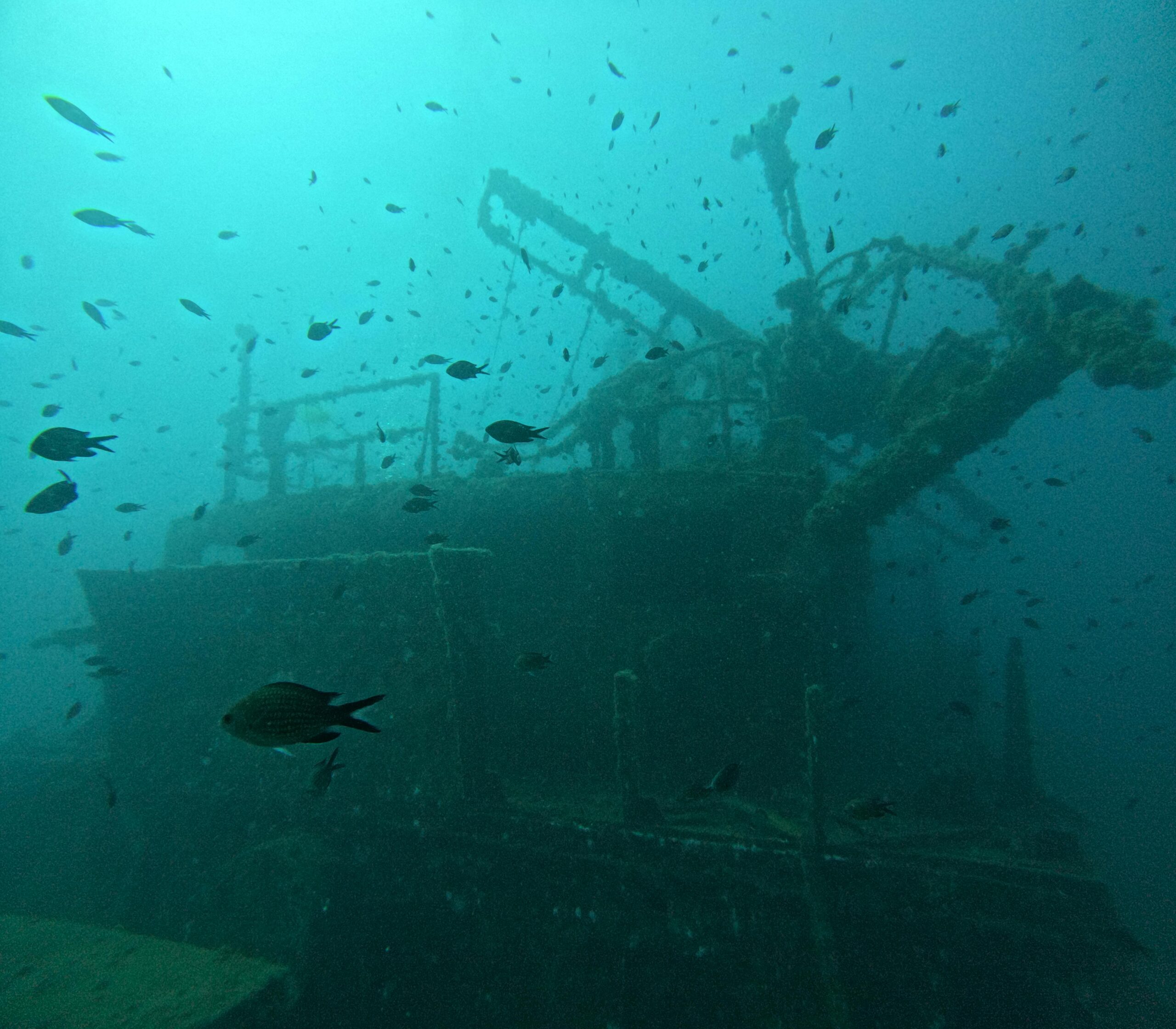
Beneath the waves lies a hidden archive of human ingenuity, where sunken vessels reveal centuries of shipbuilding evolution and maritime innovation.
🌊 The Underwater Museum: Where History Meets the Deep
The ocean floor serves as humanity’s largest unintentional museum, preserving countless vessels that have succumbed to storms, battles, or simple misfortune. Each shipwreck represents a frozen moment in time, offering modern researchers an unprecedented window into the construction techniques, materials, and technologies that defined different eras of maritime history.
Marine archaeologists estimate that over three million shipwrecks rest on ocean floors worldwide, with only a fraction explored or documented. These submerged time capsules contain invaluable information about ancient and modern shipbuilding practices, trade routes, naval warfare, and the daily lives of sailors who once traversed these vessels across vast oceans.
Unlike surface artifacts that deteriorate rapidly through exposure to air and human handling, underwater wrecks benefit from unique preservation conditions. The absence of oxygen in certain depths slows decomposition, while sediment and marine growth can protect wooden structures and artifacts from complete disintegration, allowing them to survive for centuries or even millennia.
Ancient Construction Techniques Revealed Through Wood and Nails
When archaeologists examine ancient shipwrecks, they’re not just looking at broken vessels—they’re decoding construction manuals written in timber and fasteners. The way planks are joined, the spacing of frames, and the types of wood selected all tell stories about the technological capabilities and resources available to shipbuilders of different civilizations.
The discovery of the Ma’agan Michael ship off Israel’s coast provided extraordinary insights into Phoenician shipbuilding from the fifth century BCE. Researchers found that builders used mortise-and-tenon joints to connect planks edge-to-edge before adding internal frames, a technique called “shell-first” construction that dominated Mediterranean shipbuilding for centuries.
This contrasts sharply with later “frame-first” methods, where builders constructed an internal skeleton before attaching planks. By studying multiple wrecks from different periods, maritime historians have mapped this crucial transition in construction philosophy, understanding not just the “how” but the “why” behind these evolutionary changes in ship design.
The Tale Told by Fasteners and Joints
Even the humble nail carries historical significance. Ancient shipwrights used wooden dowels, copper nails, and iron rivets depending on their civilization’s metallurgical capabilities and the vessel’s intended purpose. Roman ships often featured copper sheathing and bronze nails that resisted corrosion, while Viking longships employed iron rivets that provided flexibility for their clinker-built hulls.
The Vasa, a Swedish warship that sank in 1628 and was raised in 1961, contained over 5,000 wooden bolts and thousands of iron fittings. Analysis of these fasteners revealed sophisticated understanding of wood behavior—builders positioned bolts to allow for expansion and contraction without compromising structural integrity, demonstrating engineering knowledge that rivals modern understanding.
⚓ Naval Architecture Evolution Through Comparative Wreck Analysis
By examining shipwrecks from consecutive historical periods, researchers can trace the evolution of naval architecture with remarkable precision. Each generation of shipbuilders learned from predecessors, adapting designs to meet changing needs—whether for warfare, exploration, or commerce.
The transition from Mediterranean galleys to Atlantic sailing ships represents one of history’s most significant maritime revolutions. Wrecks from the transitional period show hybrid designs: vessels with both oar ports and advanced sail rigging, reflecting shipbuilders’ experiments as they adapted to oceanic voyaging conditions vastly different from the calmer Mediterranean.
Spanish galleons discovered in the Caribbean showcase the pinnacle of Age of Exploration shipbuilding. Their massive hulls, multiple decks, and sophisticated rigging systems enabled transoceanic voyages while carrying substantial cargo. Analysis of these wrecks reveals calculations concerning displacement, cargo capacity, and stability that demonstrate advanced mathematical understanding applied to practical shipbuilding.
The Industrial Revolution’s Impact on Ship Construction
The shift from wooden sailing vessels to iron-hulled steamships transformed maritime construction fundamentally. Wrecks from the mid-19th century document this revolutionary transition, showing early experiments with iron plating, steam propulsion systems, and novel construction techniques that replaced centuries-old shipbuilding traditions.
The SS Great Britain, designed by Isambard Kingdom Brunel and launched in 1843, pioneered iron hull construction and screw propulsion. Though not technically a wreck—it was salvaged and restored—its preservation has allowed detailed study of early iron shipbuilding techniques that influenced naval architecture for generations.
🔍 Technology Transforming Underwater Archaeological Discovery
Modern technology has revolutionized how researchers locate, document, and study shipwrecks. Side-scan sonar, remotely operated vehicles (ROVs), and advanced diving equipment enable exploration of depths previously inaccessible, while photogrammetry and 3D modeling preserve digital records of deteriorating sites.
Multibeam sonar systems can map vast areas of ocean floor, identifying anomalies that might indicate shipwreck sites. Once located, ROVs equipped with high-definition cameras and manipulator arms can conduct preliminary investigations without disturbing the site, providing archaeologists with crucial information before committing resources to full excavation.
Three-dimensional photogrammetry creates precise digital models of wrecks and artifacts, allowing researchers worldwide to study sites virtually. These models preserve wrecks in their current state, providing baseline documentation that helps monitor deterioration and enables virtual reconstruction of vessels as they appeared before sinking.
DNA and Chemical Analysis Unlocking Material Origins
Advanced scientific techniques now allow researchers to determine the geographic origin of timber used in ship construction. By analyzing wood cell structure, growth rings, and chemical composition, dendrochronologists can often identify not just the tree species but the specific forest region where timber was harvested.
This information reveals extensive trade networks and resource management practices. A medieval wreck discovered off the English coast might contain timber from Scandinavia, demonstrating maritime trade connections. Such findings illuminate economic relationships and resource scarcity that influenced shipbuilding practices across different regions and periods.
Warship Wrecks: Military Innovation Frozen in Time
Naval warfare drove some of history’s most significant shipbuilding innovations. Warship wrecks provide exceptional insights into military technology, tactical considerations, and the arms race between competing naval powers. Each sunken battleship, frigate, or submarine represents substantial investment in cutting-edge technology of its era.
The Mary Rose, King Henry VIII’s flagship that sank in 1545, revealed comprehensive details about Tudor naval warfare and shipboard life. Its recovery provided thousands of artifacts including weapons, medical supplies, and personal possessions, while the hull itself demonstrated advanced construction techniques including reinforced gun ports and sophisticated internal bracing to handle cannon recoil.
World War II wrecks in locations like the Pacific’s “Ironbottom Sound” near Guadalcanal document rapid technological advancement during wartime. Ships sunk just months apart show significant design modifications as navies adapted to combat experience, improving armor placement, fire control systems, and damage control capabilities.
Submarine Archaeology and Sealed Time Capsules ⚓
Sunken submarines present unique archaeological opportunities and challenges. Their sealed compartments can preserve organic materials that would deteriorate quickly in open water, creating true time capsules. However, they also frequently serve as war graves, requiring respectful treatment and often restricting investigation.
The study of submarine wrecks has illuminated the rapid evolution of underwater warfare technology. From early hand-cranked vessels to nuclear-powered behemoths, submarines represent humanity’s determination to conquer the underwater realm, and their wrecks document both triumphs and tragic failures in that quest.
🚢 Merchant Vessels: Commerce and Cultural Exchange
While warships capture popular imagination, merchant vessel wrecks provide arguably richer insights into daily maritime life, trade networks, and cultural exchange. These working ships carried goods, ideas, and people across oceans, facilitating the interconnected world we inhabit today.
Ancient amphora-carrying wrecks in the Mediterranean reveal extensive wine and olive oil trade throughout the classical world. The specific shapes and makers’ marks on these ceramic containers allow researchers to trace trade routes, identify production centers, and understand economic relationships between distant regions.
East Indiamen wrecks from the 17th and 18th centuries document the spice trade that connected Europe with Asia. These massive merchant vessels carried porcelain, silk, spices, and other luxury goods that transformed European culture. Their wrecks contain cargo manifests written in preserved timbers—the ship’s construction itself reveals the engineering required to transport such valuable, delicate cargoes across vast distances.
Ship Construction Adapted to Cargo Requirements
Different cargoes demanded specialized ship designs. Timber carriers needed reinforced holds to handle heavy loads, while spice ships required ventilated compartments to prevent moisture damage. Oil tankers developed unique hull designs to manage liquid cargo safely, while passenger liners prioritized comfort and stability over maximum cargo capacity.
Wrecks of specialized vessels illuminate this diversity. Whaling ship remains show try-works (onboard furnaces) for processing whale oil, while fishing vessel wrecks reveal innovations in preservation and storage. Each specialized design represents shipbuilders’ creative responses to specific commercial challenges.
Preservation Challenges and Conservation Ethics 🌍
Shipwreck preservation presents complex technical and ethical challenges. Many wrecks deteriorate rapidly once disturbed, as removing protective sediment layers exposes materials to oxygen and biological activity. Conservation efforts must balance research value against preservation, often deciding whether artifacts serve scholarship better in situ or in museum collections.
The UNESCO Convention on the Protection of Underwater Cultural Heritage (2001) established international standards for wreck management, emphasizing in situ preservation as the preferred option. This approach treats the ocean floor as an archaeological site deserving protection rather than a resource for exploitation.
Climate change and ocean acidification increasingly threaten shipwreck sites. Rising temperatures accelerate biological degradation, while acidifying waters corrode metal artifacts and dissolve shells and bones. This environmental reality has sparked urgent documentation efforts to record sites before they disappear entirely.
The Looting Problem and Protection Strategies
Commercial salvage and treasure hunting pose significant threats to archaeological shipwrecks. While commercial salvors argue they preserve history that would otherwise be lost, archaeologists counter that artifact recovery without proper documentation destroys irreplaceable contextual information essential for historical interpretation.
Several nations have implemented protective legislation creating underwater archaeological parks where wrecks receive legal protection. These sites allow controlled public access through diving, fostering appreciation for maritime heritage while preventing destructive activities.
What Shipwrecks Teach About Human Ingenuity and Limitation
Beyond technical details, shipwrecks reveal profound truths about human ambition and vulnerability. Each sunken vessel represents builders’ confidence in their creation—and nature’s reminder of human limitations. The most sophisticated ship ever constructed remains subject to forces beyond complete control.
The Titanic disaster exposed overconfidence in technological advancement, while ancient wrecks demonstrate that Mediterranean sailors understood seasonal weather patterns that modern meteorology has only recently explained scientifically. This dialogue between human achievement and humility resonates through maritime archaeology.
Studying how ships failed teaches as much as understanding how they succeeded. Structural weaknesses that caused hull failures, design flaws that made vessels unseaworthy, and construction shortcuts that proved fatal—all provide lessons that influenced subsequent shipbuilding. Maritime progress emerged not just from successes but from understanding and correcting failures.
⛵ Future Horizons in Maritime Archaeological Research
Artificial intelligence and machine learning now assist in analyzing vast quantities of data from shipwreck sites. Computer algorithms can identify patterns in construction techniques across thousands of vessels, revealing trends invisible to individual researchers. This computational archaeology promises to revolutionize understanding of maritime history’s grand patterns.
Virtual reality technology enables immersive exploration of shipwreck sites without physical disturbance. Researchers worldwide can “dive” to Mediterranean wrecks or explore Arctic sites from desktop computers, democratizing access to maritime heritage while reducing physical impact on fragile sites.
Emerging technologies like environmental DNA analysis may soon identify biological materials aboard ancient ships—food remnants, textiles, even human presence—from trace genetic material. Such capabilities would provide unprecedented insights into shipboard life, diet, disease, and cultural practices of historical seafarers.
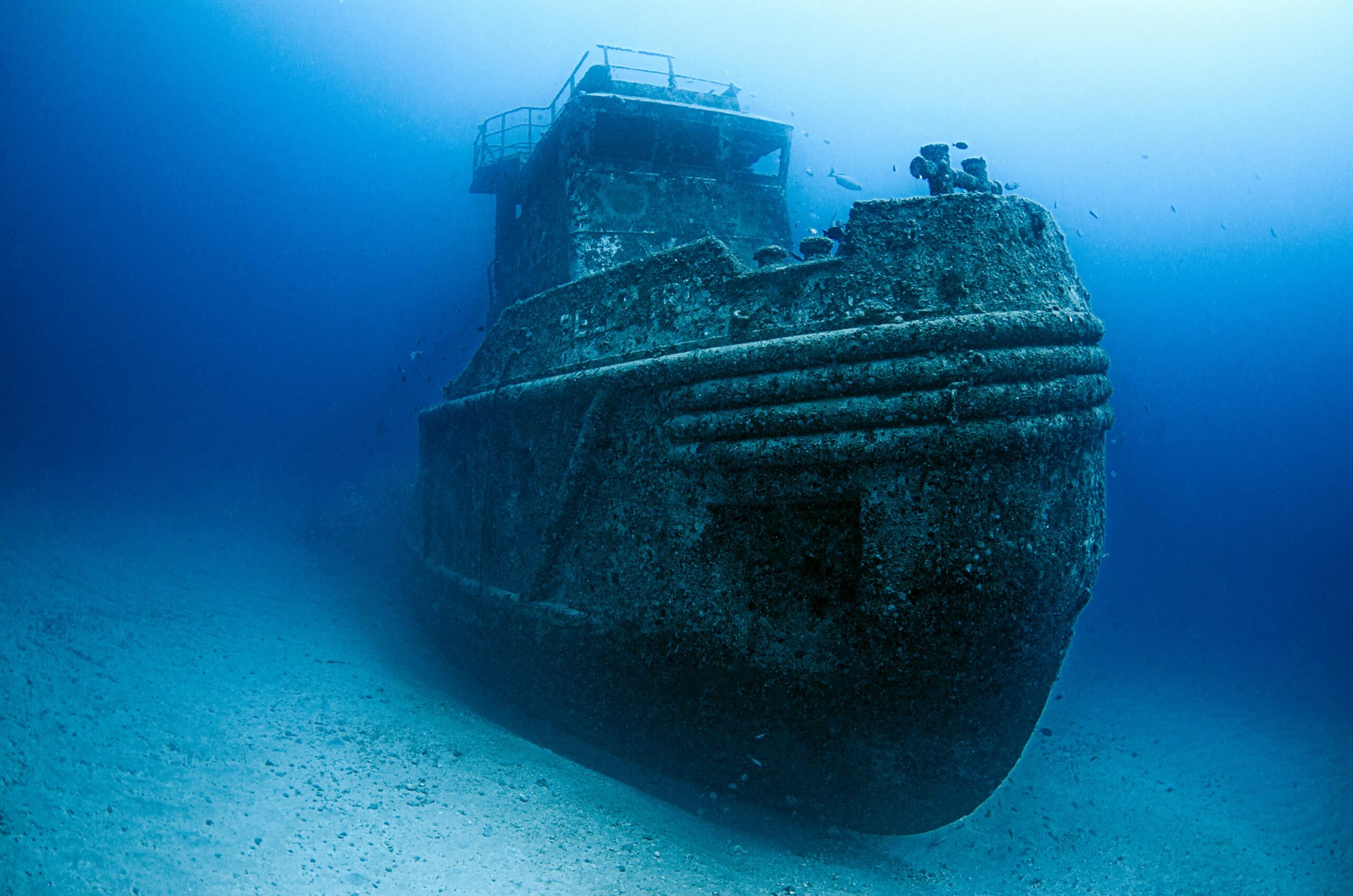
The Continuing Story Written in Wood, Iron, and Dreams
Every shipwreck discovered adds chapters to humanity’s maritime story. These underwater archives preserve not just physical vessels but the dreams, commerce, conflicts, and daily realities of people who looked toward horizons and built ships to reach them. From ancient Phoenician traders to modern container ships, the evolution of shipbuilding reflects human determination to overcome barriers and connect across distances.
As technology advances and previously inaccessible depths yield their secrets, shipwreck archaeology will continue revealing surprises about our maritime past. Each discovery refines understanding of construction techniques, challenges assumptions about historical capabilities, and reminds us that beneath familiar waters lie countless stories waiting to be recovered, studied, and preserved for future generations.
The secrets of shipbuilding emerge slowly from the deep, one wreck at a time. They teach humility about how much remains unknown while inspiring confidence that patient research, advanced technology, and respectful preservation can unlock these mysteries. The ocean’s underwater museum holds collections that span millennia, and we’ve only begun exploring its vast galleries.

Toni Santos is a visual storyteller and archival artist whose work dives deep into the submerged narratives of underwater archaeology. Through a lens tuned to forgotten depths, Toni explores the silent poetry of lost worlds beneath the waves — where history sleeps in salt and sediment.
Guided by a fascination with sunken relics, ancient ports, and shipwrecked civilizations, Toni’s creative journey flows through coral-covered amphorae, eroded coins, and barnacle-encrusted artifacts. Each piece he creates or curates is a visual meditation on the passage of time — a dialogue between what is buried and what still speaks.
Blending design, storytelling, and historical interpretation, Toni brings to the surface the aesthetics of maritime memory. His work captures the textures of decay and preservation, revealing beauty in rust, ruin, and ruin’s resilience. Through his artistry, he reanimates the traces of vanished cultures that now rest on ocean floors, lost to maps but not to meaning.
As the voice behind Vizovex, Toni shares curated visuals, thoughtful essays, and reconstructed impressions of archaeological findings beneath the sea. He invites others to see underwater ruins not as remnants, but as thresholds to wonder — where history is softened by water, yet sharpened by myth.
His work is a tribute to:
The mystery of civilizations claimed by the sea
The haunting elegance of artifacts lost to time
The silent dialogue between water, memory, and stone
Whether you’re drawn to ancient maritime empires, forgotten coastal rituals, or the melancholic beauty of sunken ships, Toni welcomes you to descend into a space where the past is submerged but never silenced — one relic, one current, one discovery at a time.