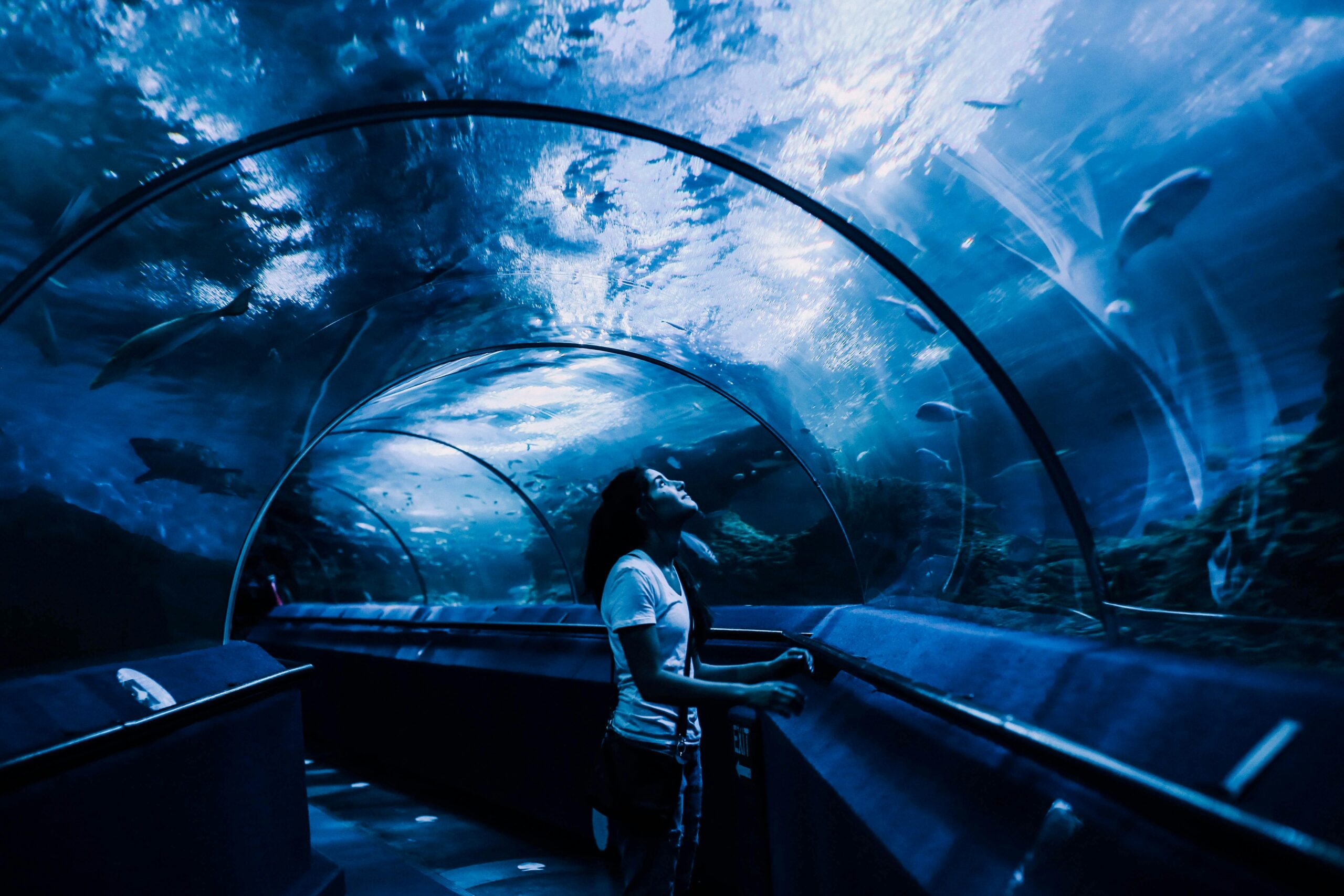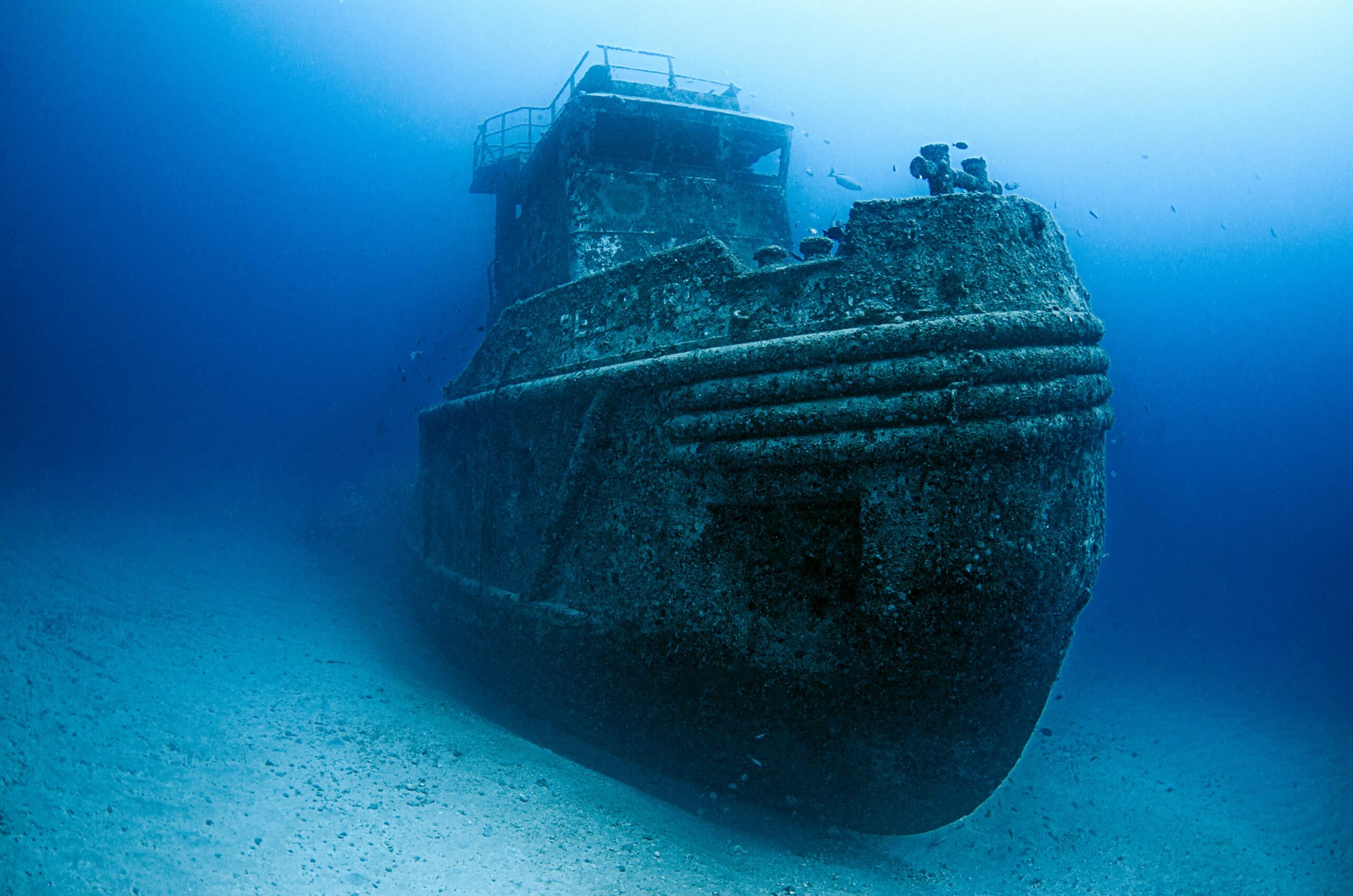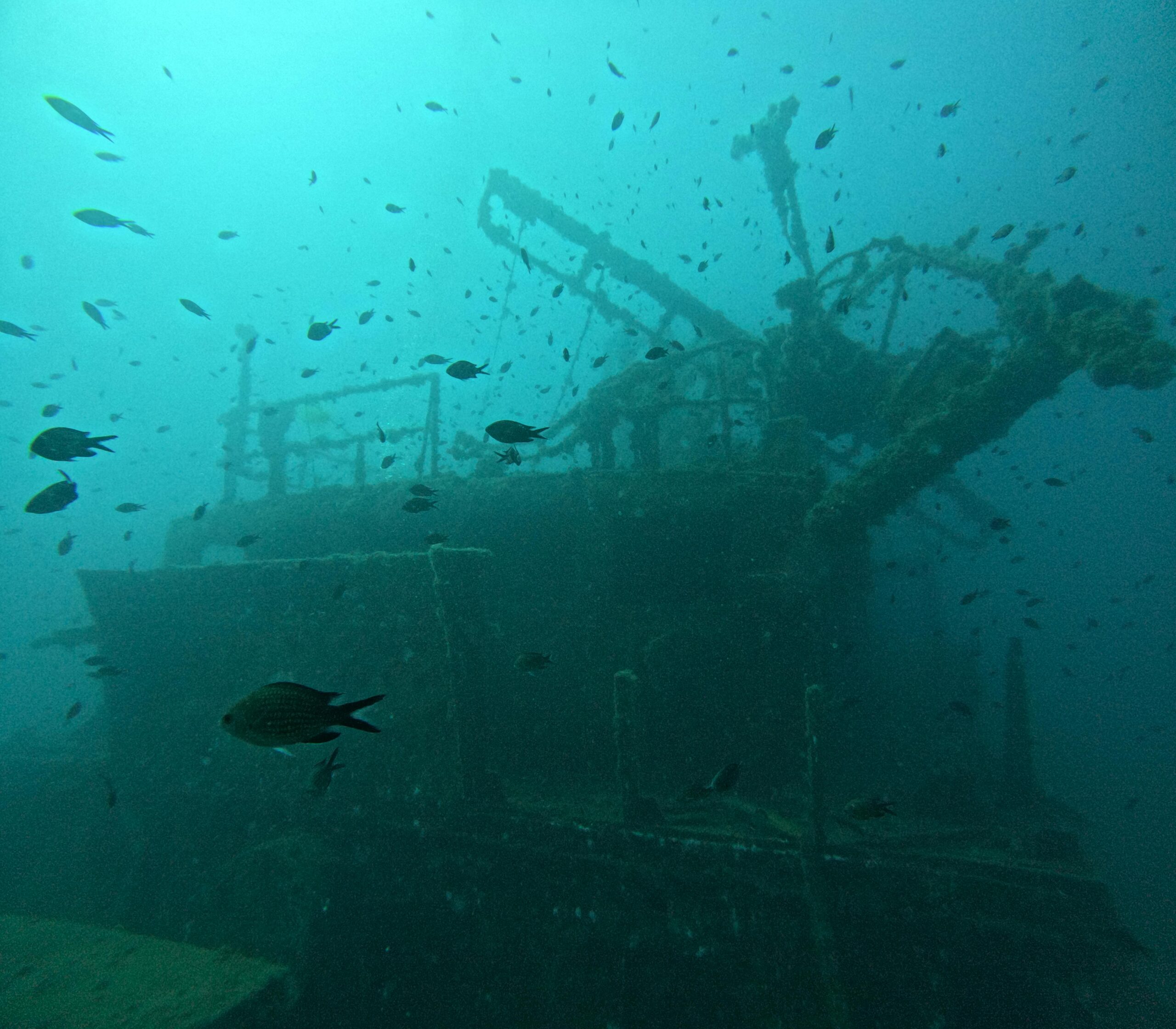
Beneath the waves lies a hidden world of history, mystery, and cultural significance—shipwrecks that tell stories of maritime exploration, trade, warfare, and human endeavor across centuries.
🌊 The Submerged Museum: Understanding Underwater Cultural Heritage
Our oceans hold more than three million shipwrecks, according to UNESCO estimates. These underwater sites represent an irreplaceable archaeological record spanning thousands of years of human civilization. From ancient Phoenician trading vessels to World War II battleships, each sunken vessel preserves a snapshot of its era, containing artifacts, cargo, and structural evidence that illuminate historical narratives often lost from terrestrial records.
Underwater cultural heritage encompasses far more than shipwrecks alone. Submerged cities, prehistoric settlements flooded by rising sea levels, aircraft wreckage, and even deliberately submerged structures all contribute to this vast archaeological landscape. The waters off Alexandria, Egypt, conceal portions of the ancient city including Cleopatra’s palace. The Mediterranean Sea harbors Bronze Age ships with cargoes that revolutionized our understanding of ancient trade networks.
These sites face unprecedented threats. Treasure hunters equipped with sophisticated technology systematically plunder wrecks for commercial gain. Climate change accelerates deterioration through ocean acidification and altered current patterns. Fishing activities, offshore development, and maritime traffic all pose risks to these fragile time capsules.
⚖️ The Legal Framework: International Conventions and Maritime Law
The legal protection of underwater cultural heritage exists within a complex framework of international conventions, national legislation, and maritime law principles. This regulatory landscape has evolved significantly over recent decades as the international community recognized the inadequacy of traditional salvage law for protecting archaeological sites.
The UNESCO Convention on Underwater Cultural Heritage
Adopted in 2001 and entering into force in 2009, the UNESCO Convention on the Protection of the Underwater Cultural Heritage represents the most comprehensive international instrument specifically addressing submerged archaeological sites. The Convention applies to underwater cultural heritage that has been underwater for at least 100 years, establishing key principles that have transformed the field.
The Convention’s foundational principle mandates in situ preservation as the first option. This approach recognizes that archaeological sites often preserve better underwater than when excavated and exposed to air. It acknowledges that future technologies may enable better investigation and conservation, making premature excavation potentially destructive.
Significantly, the Convention prohibits commercial exploitation of underwater cultural heritage. This provision directly challenges the traditional salvage regime, which historically rewarded those who recovered materials from the seabed with ownership rights or substantial compensation. Under UNESCO’s framework, underwater archaeological sites should not be traded or irretrievably dispersed for private profit.
United Nations Convention on the Law of the Sea (UNCLOS)
UNCLOS, which entered into force in 1994, establishes the general legal framework for maritime activities, including provisions relevant to underwater cultural heritage. The Convention recognizes coastal state rights over archaeological objects found in territorial waters and the contiguous zone, while requiring cooperation in protecting objects found on the continental shelf beyond territorial waters.
Article 303 of UNCLOS specifically addresses archaeological and historical objects found at sea, requiring states to protect such objects and cooperate for this purpose. However, UNCLOS predates the specialized UNESCO Convention and lacks detailed operational provisions, creating interpretational challenges that the 2001 Convention sought to address.
🗺️ Jurisdictional Challenges in the Maritime Domain
One of the most complex aspects of protecting underwater cultural heritage involves determining which state has authority over a particular site. Maritime zones establish different levels of coastal state jurisdiction, complicating enforcement and protection efforts.
In territorial waters (extending up to 12 nautical miles from the baseline), coastal states exercise sovereignty comparable to their land territory. Within this zone, states possess clear authority to regulate activities affecting underwater cultural heritage, including excavation, visitation, and research.
The contiguous zone (extending to 24 nautical miles) grants coastal states limited jurisdiction to enforce customs, fiscal, immigration, and sanitary laws. Many coastal states have extended their protective legislation for underwater cultural heritage into this zone, claiming authority to prevent removal of archaeological materials.
Beyond these zones lie the Exclusive Economic Zone (EEZ) and the high seas, where jurisdiction becomes more contentious. The UNESCO Convention establishes a coordinated system where the state with the verifiable link to underwater cultural heritage (such as flag state, state of nationals’ origin, or state of cultural origin) coordinates protective measures, even in international waters.
🚢 Sovereign Immunity: The Special Status of State Vessels
Military and government vessels enjoy sovereign immunity, maintaining their status as state property regardless of how long they’ve been submerged. This principle creates unique protection scenarios while occasionally generating diplomatic tensions.
The USS Arizona, sunk during the Pearl Harbor attack in 1941, remains property of the United States government and serves as a war grave. American law protects the site from unauthorized disturbance, and the U.S. Navy maintains jurisdiction despite the wreck’s location in Hawaiian waters. Similar protections apply to HMS Hood, Bismarck, and countless other military vessels worldwide.
Sovereign immunity sometimes conflicts with coastal state interests and UNESCO Convention principles. When foreign state vessels lie within a nation’s territorial waters, questions arise about balancing sovereign immunity with coastal state jurisdiction and archaeological management responsibilities. Diplomatic protocols typically resolve these tensions through bilateral agreements specifying protection measures and research access.
💎 The Treasure Hunting Industry: Commerce Versus Conservation
Commercial salvage companies have long viewed shipwrecks as business opportunities rather than archaeological sites. These operations, often sophisticated and well-funded, extract artifacts for sale to private collectors, fundamentally destroying the archaeological context that gives objects historical meaning.
High-profile cases illustrate the conflict between commercial salvage and archaeological preservation. The SS Central America, which sank in 1857 carrying California gold rush treasure, became the subject of lengthy legal battles after its discovery in 1988. While salvors recovered gold valued at over $100 million, the operation destroyed irreplaceable archaeological information about mid-19th century maritime life.
The Nuestra Señora de las Mercedes case marked a watershed moment in this conflict. Spain successfully argued before U.S. courts that this 1804 Spanish naval vessel retained sovereign immunity and that Peru (source of the cargo) had cultural property rights. The court ordered salvage company Odyssey Marine Exploration to return approximately $500 million worth of recovered coins, establishing important precedent for archaeological protection over commercial interests.
The commercial salvage industry argues that their activities preserve artifacts that would otherwise deteriorate or remain undiscovered. However, archaeologists counter that decontextualized artifacts lose most of their historical value, and that professional archaeological excavation, while more expensive and time-consuming, preserves irreplaceable information about past societies.
🔬 Archaeological Best Practices for Underwater Sites
Professional underwater archaeology applies rigorous scientific methodology to submerged sites, treating them as non-renewable cultural resources requiring systematic investigation and preservation.
Modern underwater archaeological projects begin with extensive survey and assessment before any intervention. Remote sensing technologies including side-scan sonar, magnetometers, and sub-bottom profilers locate and characterize sites without physical disturbance. Remotely operated vehicles (ROVs) and autonomous underwater vehicles (AUVs) enable detailed visual documentation at depths beyond diver range.
When excavation is warranted, archaeologists establish precise spatial control using underwater grids and photogrammetry. Every artifact’s three-dimensional position is recorded, preserving contextual relationships essential for interpretation. Stratigraphic analysis documents how deposits accumulated over time, revealing site formation processes and post-depositional disturbances.
Conservation begins underwater. Proper recovery techniques prevent deterioration when artifacts transition from water to air. Specialized laboratories then stabilize materials using techniques specific to their composition and preservation state. Wood conservation may require years of treatment to replace water with stabilizing compounds. Metal artifacts undergo desalination and corrosion stabilization.
🌍 National Legislation: Diverse Approaches to Protection
Countries have adopted varied legislative approaches to protecting underwater cultural heritage, reflecting different legal traditions, maritime histories, and administrative capacities.
The United Kingdom’s approach centers on the Protection of Wrecks Act 1973 and the Protection of Military Remains Act 1986, which establish designation systems for historically important and military wrecks. Designated wrecks receive protection prohibiting unauthorized interference, while licensed archaeological investigation continues under regulated conditions.
Australia’s Historic Shipwrecks Act 1976 pioneered comprehensive protection for wrecks in territorial waters, automatically protecting vessels over 75 years old. This legislation established a permit system for research and recognized Indigenous cultural connections to wrecks, particularly Dutch vessels from the 17th century.
The United States employs multiple legislative instruments including the Abandoned Shipwreck Act (1987), which transferred title of certain abandoned shipwrecks in state waters to the states, and the Sunken Military Craft Act (2004), which protects U.S. military vessels and aircraft regardless of location. National Marine Sanctuaries also provide site-specific protection for significant underwater cultural heritage.
Mediterranean countries, with exceptionally rich underwater archaeological heritage, have developed robust protective regimes. Greece, Italy, and Turkey maintain strict controls on underwater archaeological sites, generally prohibiting commercial exploitation and requiring professional archaeological oversight for all interventions.
🤝 International Cooperation and Capacity Building
Effective protection of underwater cultural heritage requires international cooperation, as these sites often have transnational significance and exist in areas where multiple states have interests.
UNESCO’s underwater heritage program facilitates cooperation through scientific training, technical assistance, and information exchange. The Foundation Course on the Protection and Management of Underwater Cultural Heritage has trained hundreds of professionals from dozens of countries, building global capacity for scientific site management.
Regional cooperation initiatives address shared maritime heritage. The Mediterranean Science Commission supports collaborative research on submerged archaeological sites. Caribbean nations coordinate to protect the region’s exceptionally rich shipwreck heritage from colonial-era vessels. The Baltic Sea nations collaborate on maritime archaeological heritage spanning Viking-era ships to 20th-century wrecks.
Technology transfer enables developing nations to participate in underwater archaeological research and protection. International partnerships provide access to survey equipment, conservation facilities, and training opportunities that individual nations might not afford independently.
🎯 Challenges and Future Directions
Despite significant progress in legal frameworks and professional practices, protecting underwater cultural heritage faces ongoing challenges requiring innovative solutions.
Enforcement remains problematic, particularly for sites in international waters or areas with limited state presence. The vast ocean expanses and the relative ease of clandestine operations make detecting and prosecuting illegal salvage difficult. Enhanced monitoring through satellite technology and international reporting mechanisms could improve enforcement capabilities.
Climate change presents emerging threats to underwater sites. Rising sea levels alter preservation conditions for near-shore sites. Changing ocean chemistry affects material degradation rates. Extreme weather events increase physical disturbance. These environmental pressures require adaptive management strategies and may necessitate intervention at sites previously stable underwater.
Balancing access and protection creates ongoing tensions. Recreational diving provides public engagement with underwater heritage and generates economic benefits for coastal communities. However, unrestricted access risks site damage through artifact removal, physical disturbance, and biological contamination. Sustainable tourism models incorporating education, monitoring, and visitor management offer potential solutions.
Emerging technologies present both opportunities and challenges. Advanced robotics enable non-invasive investigation of deep-water sites previously inaccessible. Artificial intelligence assists in analyzing vast datasets from remote sensing surveys. However, the same technologies that support archaeological research also enable more sophisticated treasure hunting operations.
📚 Education and Public Engagement: Building Stewardship
Long-term protection of underwater cultural heritage depends on public understanding and support. Educational initiatives that communicate the scientific and cultural value of these sites build constituencies for conservation.
Museum exhibitions featuring artifacts recovered through professional archaeological excavation demonstrate what careful investigation reveals about past societies. Virtual reality experiences allow the public to explore reconstructed shipwrecks and submerged settlements without physically visiting fragile sites. Documentary films bring underwater archaeology into homes worldwide, building appreciation for maritime heritage.
Citizen science initiatives engage recreational divers in site monitoring and documentation. Programs like Diving With A Purpose train volunteers in basic archaeological recording techniques, expanding the capacity to monitor site conditions and detect threats. These initiatives build stakeholder communities invested in protection.
Schools and universities increasingly incorporate underwater cultural heritage into curricula, training the next generation of maritime archaeologists, cultural resource managers, and informed citizens. Interdisciplinary programs combining archaeology, marine science, law, and conservation prepare professionals for the complex challenges of managing submerged heritage.
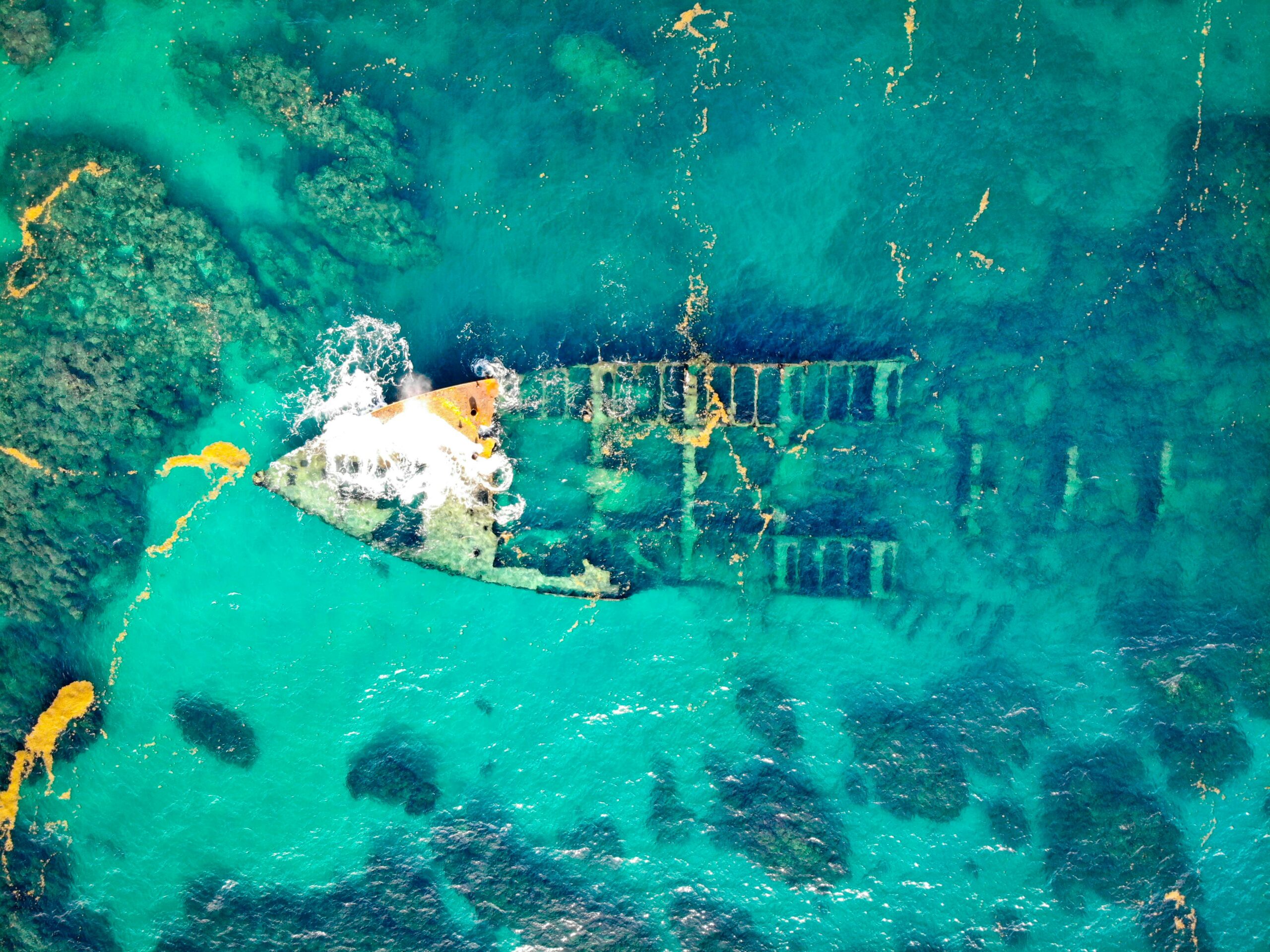
⚓ Preserving Our Sunken Past for Future Generations
Underwater cultural heritage represents an irreplaceable archive of human history, preserving evidence of maritime exploration, trade, conflict, and cultural exchange spanning millennia. The legal frameworks protecting these sites have evolved significantly, moving from salvage-oriented regimes toward archaeological conservation models that recognize shipwrecks as non-renewable cultural resources.
The UNESCO Convention on Underwater Cultural Heritage provides a comprehensive international framework based on in situ preservation, scientific investigation, and prohibition of commercial exploitation. National legislation increasingly reflects these principles, though implementation varies considerably across jurisdictions. Sovereign immunity protects military vessels while sometimes complicating management of sites in foreign territorial waters.
Challenges persist, including enforcement difficulties, the ongoing threat from commercial salvage operations, climate change impacts, and balancing access with conservation. Addressing these requires continued international cooperation, technological innovation, adequate funding, and public engagement that builds broad support for heritage protection.
The oceans’ archaeological treasures belong not to those with the technology to extract them, but to humanity collectively as witnesses to our shared past. Professional archaeological investigation, conducted within robust legal frameworks and guided by ethical principles of preservation and public benefit, ensures these sunken time capsules will continue telling their stories to future generations. The legal protection afforded to underwater cultural heritage reflects our recognition that some treasures are too valuable to be measured in monetary terms—they are priceless windows into our collective human journey.

Toni Santos is a visual storyteller and archival artist whose work dives deep into the submerged narratives of underwater archaeology. Through a lens tuned to forgotten depths, Toni explores the silent poetry of lost worlds beneath the waves — where history sleeps in salt and sediment.
Guided by a fascination with sunken relics, ancient ports, and shipwrecked civilizations, Toni’s creative journey flows through coral-covered amphorae, eroded coins, and barnacle-encrusted artifacts. Each piece he creates or curates is a visual meditation on the passage of time — a dialogue between what is buried and what still speaks.
Blending design, storytelling, and historical interpretation, Toni brings to the surface the aesthetics of maritime memory. His work captures the textures of decay and preservation, revealing beauty in rust, ruin, and ruin’s resilience. Through his artistry, he reanimates the traces of vanished cultures that now rest on ocean floors, lost to maps but not to meaning.
As the voice behind Vizovex, Toni shares curated visuals, thoughtful essays, and reconstructed impressions of archaeological findings beneath the sea. He invites others to see underwater ruins not as remnants, but as thresholds to wonder — where history is softened by water, yet sharpened by myth.
His work is a tribute to:
The mystery of civilizations claimed by the sea
The haunting elegance of artifacts lost to time
The silent dialogue between water, memory, and stone
Whether you’re drawn to ancient maritime empires, forgotten coastal rituals, or the melancholic beauty of sunken ships, Toni welcomes you to descend into a space where the past is submerged but never silenced — one relic, one current, one discovery at a time.