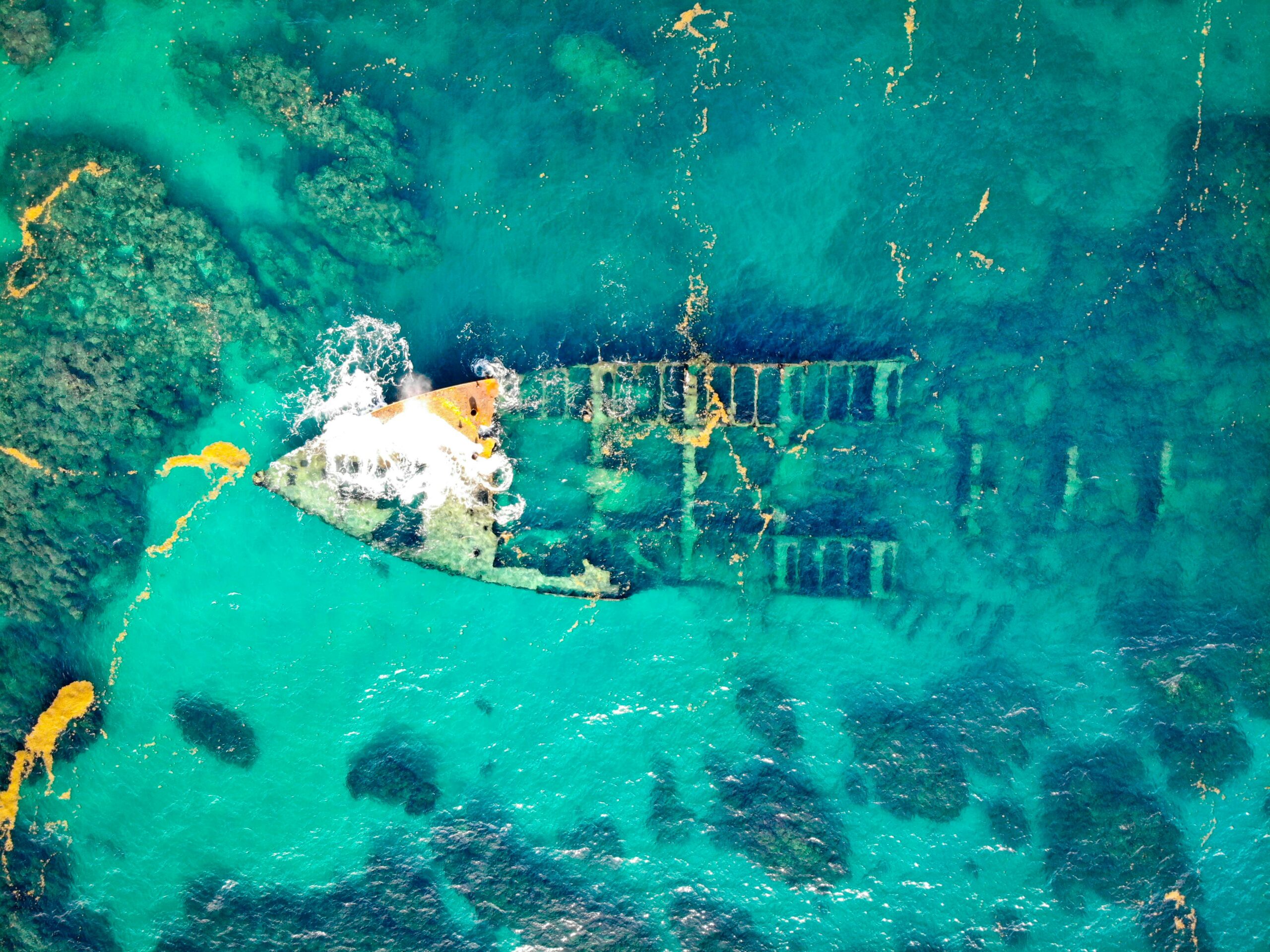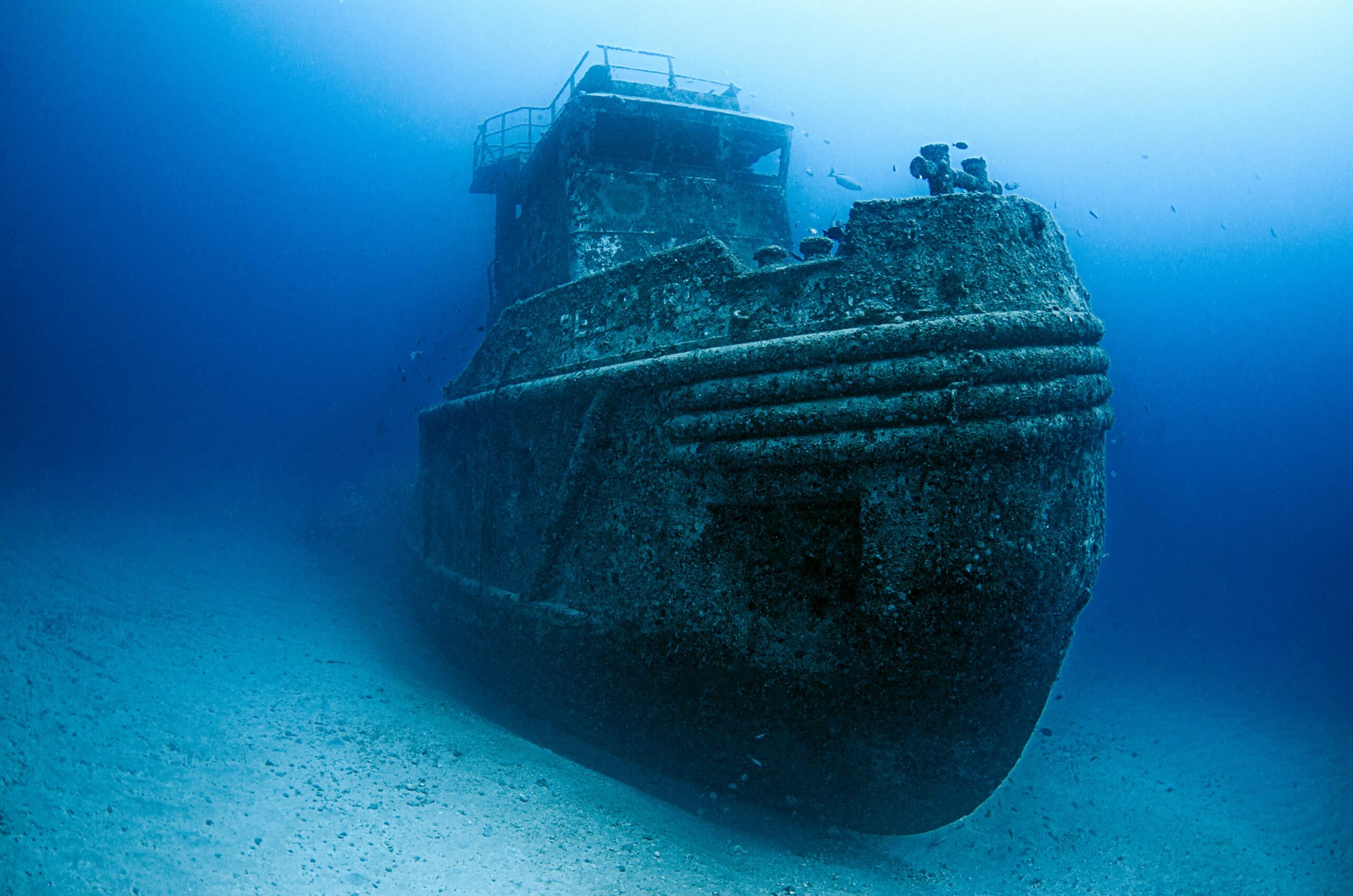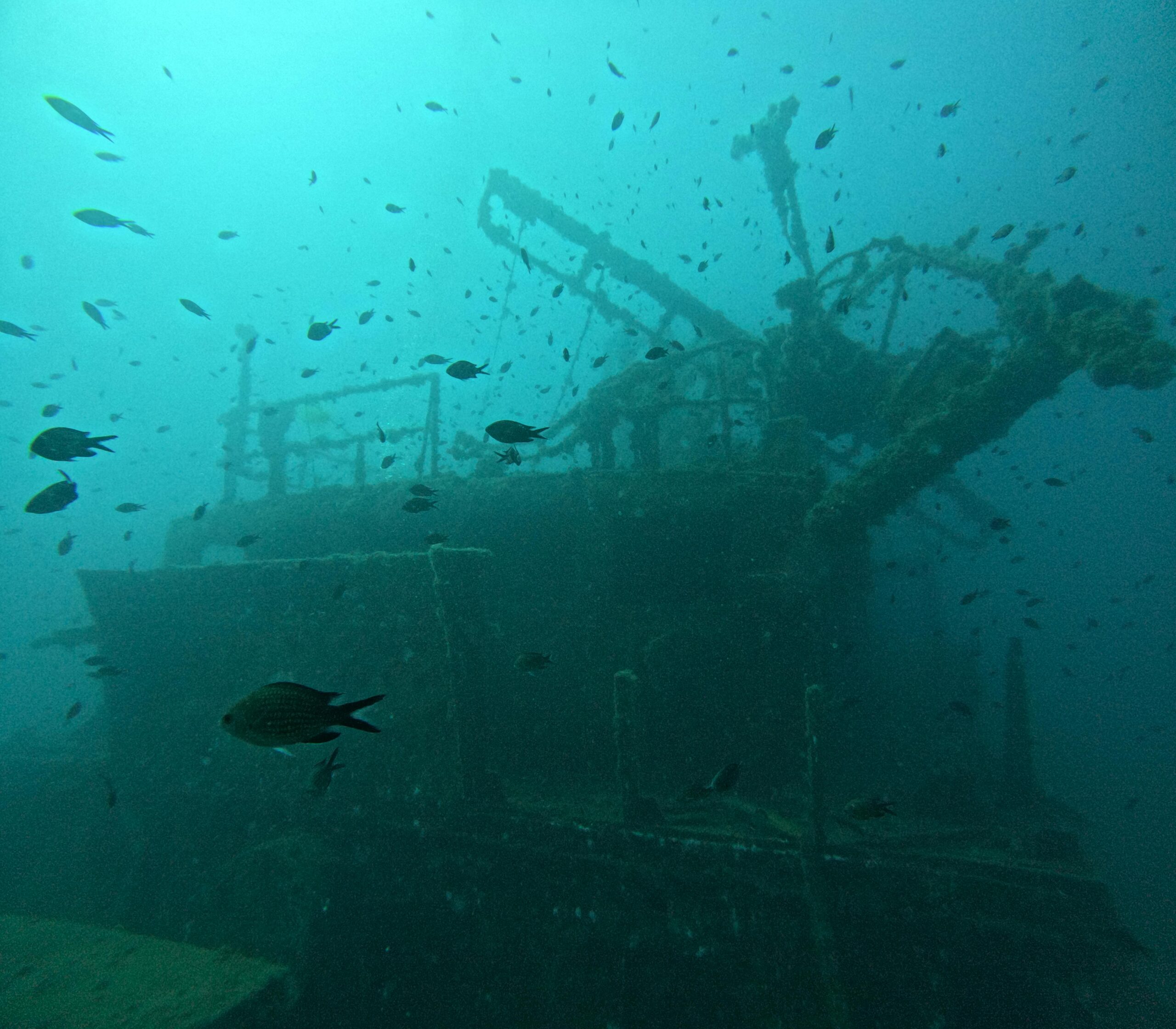
The ocean floor holds countless secrets, from ancient shipwrecks to lost civilizations, waiting to be discovered through revolutionary technologies transforming underwater exploration forever.
🌊 The Dawn of a New Era in Ocean Discovery
For centuries, the deep ocean remained one of Earth’s most impenetrable mysteries. Traditional diving methods limited explorers to shallow depths, leaving approximately 95% of the ocean unexplored. Today, we stand at the threshold of an unprecedented revolution in marine archaeology and underwater exploration. Advanced technologies are peeling back the ocean’s veil, revealing shipwrecks that have remained hidden for hundreds or even thousands of years.
The convergence of robotics, artificial intelligence, sonar imaging, and satellite technology has created a perfect storm of innovation. These cutting-edge tools are not only discovering new wrecks at an accelerating pace but also documenting them with unprecedented detail, preserving maritime heritage for future generations while unlocking historical mysteries that have puzzled researchers for decades.
Autonomous Underwater Vehicles: The Deep-Sea Explorers
Autonomous Underwater Vehicles (AUVs) have revolutionized how we explore the ocean depths. These sophisticated robots navigate independently through the water column, collecting data without human intervention. Unlike their remotely operated predecessors, AUVs can venture into areas too dangerous or remote for human explorers, staying submerged for days or even weeks.
Modern AUVs are equipped with an impressive array of sensors including multibeam sonar, side-scan sonar, sub-bottom profilers, and high-definition cameras. These instruments work in concert to create detailed three-dimensional maps of the seafloor, identifying anomalies that might indicate shipwrecks. The latest generation of AUVs can dive to depths exceeding 6,000 meters, accessing the hadal zone where some of history’s most significant maritime disasters rest.
Machine Learning Meets Marine Archaeology
Artificial intelligence has become the secret weapon in shipwreck discovery. Machine learning algorithms can analyze vast amounts of sonar data in minutes, tasks that would take human researchers months or years to complete. These systems are trained to recognize patterns associated with shipwrecks—unusual geometric shapes on the seafloor, metal signatures, or debris fields that indicate human activity.
AI-powered systems have already proven their worth. Recent discoveries include previously unknown World War II submarines, ancient Roman vessels, and colonial-era merchant ships. The technology doesn’t just find wrecks; it classifies them by era, type, and potential historical significance, allowing researchers to prioritize investigation efforts effectively.
Synthetic Aperture Sonar: Seeing Through the Darkness
Traditional sonar technology provided grainy, difficult-to-interpret images. Synthetic Aperture Sonar (SAS) has changed everything. This advanced imaging system creates photographic-quality images of the seafloor, revealing details as small as a few centimeters across. SAS works by combining multiple sonar pings as the sensor moves through the water, effectively creating a much larger antenna than physically possible.
The clarity provided by SAS is revolutionary. Archaeologists can now distinguish individual timbers on wooden wrecks, identify cargo types, and even read inscriptions on artifacts without disturbing the site. This non-invasive approach is crucial for preserving delicate wreck sites that might disintegrate if physically touched or disturbed by divers.
🛰️ Satellite Technology: Finding Needles in Oceanic Haystacks
Space-based technology plays an increasingly important role in shipwreck discovery. Satellite altimetry measures subtle variations in sea surface height caused by gravitational anomalies on the seafloor. Large wrecks or geological features create tiny bumps in the ocean surface—variations of just centimeters that satellites can detect from orbit.
This technology has led to remarkable discoveries. By analyzing satellite data, researchers have identified previously unknown seamounts, underwater canyons, and areas with high probabilities of containing shipwrecks. When combined with historical shipping routes and records of maritime disasters, satellite altimetry helps narrow search areas from millions of square kilometers to manageable zones.
Multispectral and Hyperspectral Imaging
Advanced satellite imaging doesn’t stop at altimetry. Multispectral and hyperspectral sensors can detect variations in water color and clarity that might indicate underwater features. Shipwrecks can create unique biological communities or sediment patterns visible from space in clear, shallow waters. This technology has proven particularly valuable for discovering ancient vessels in the Mediterranean, Caribbean, and Southeast Asian waters.
Photogrammetry and 3D Reconstruction
Once a shipwreck is located, documenting it accurately becomes the next challenge. Underwater photogrammetry has emerged as the gold standard for creating detailed digital records. This technique involves capturing thousands of overlapping photographs from multiple angles, which specialized software then processes to create precise three-dimensional models.
These digital twins of shipwrecks offer numerous advantages. Researchers worldwide can examine sites remotely without risking damage to fragile artifacts. Virtual reality applications allow anyone to “dive” these wrecks from their living room. Museums create immersive exhibitions using this data, and conservators can plan intervention strategies by studying the models in detail before physically touching the site.
Environmental DNA and Chemical Sensing
Innovative biological and chemical detection methods are adding new dimensions to shipwreck discovery. Environmental DNA (eDNA) analysis can identify unique microbial communities associated with shipwrecks. Wooden vessels create distinct ecological niches for wood-boring organisms and bacteria, leaving genetic fingerprints in the surrounding water that can be detected and traced to their source.
Chemical sensors aboard AUVs can detect trace elements associated with shipwrecks—iron from corroding metal fittings, copper from bronze cannons, or even ancient cargo residues. These chemical plumes can extend hundreds of meters from a wreck site, effectively expanding the search radius and guiding explorers to precise locations.
🔍 The Revolution in Deep-Sea Imaging
Capturing clear images in the deep ocean presents unique challenges. Water absorbs light rapidly, and suspended particles scatter illumination, creating murky conditions. Recent advances in underwater lighting, camera technology, and image processing have overcome many of these obstacles.
LED lighting arrays provide powerful, energy-efficient illumination that can be fine-tuned to specific wavelengths. High-sensitivity cameras with large sensors capture usable images in near-darkness. Computational photography techniques can remove water-induced haze and color distortion, revealing details invisible to the naked eye.
Laser Scanning Underwater
Underwater laser scanning systems create millimeter-accurate measurements of shipwreck features. Unlike photogrammetry, which relies on ambient or artificial light, laser scanners actively illuminate targets with precise beams, measuring the time-of-flight to calculate distances. The result is exceptionally detailed point clouds that can be used for engineering analysis, conservation planning, or creating museum-quality replicas.
Communication and Navigation Breakthroughs
One of the greatest challenges in underwater exploration has been communication. Radio waves don’t penetrate water effectively, and traditional acoustic communication is slow and limited. Recent developments in underwater optical communication systems promise data transmission rates thousands of times faster than acoustic methods, enabling real-time video streaming from deep-diving robots.
Navigation has also improved dramatically. Ultra-short baseline (USBL) and long baseline (LBL) acoustic positioning systems allow AUVs and ROVs to navigate with centimeter-level accuracy. Inertial navigation systems, quantum sensors, and even underwater GPS alternatives are under development, promising to eliminate the navigation uncertainties that have plagued underwater exploration.
Crowd-Sourced Discovery and Citizen Science
Technology has democratized shipwreck discovery in unexpected ways. High-resolution seafloor imagery is increasingly available to the public through online platforms. Citizen scientists worldwide analyze this data, identifying potential wreck sites that professional archaeologists then investigate. This crowd-sourced approach has led to numerous discoveries while engaging the public in maritime heritage preservation.
Mobile applications and online platforms enable recreational divers to report wreck sightings, upload photographs, and contribute to global databases. This collective intelligence accelerates discovery while creating comprehensive inventories of known shipwrecks, helping authorities protect these irreplaceable cultural resources.
⚓ Integration and Data Fusion
The true power of modern shipwreck discovery lies not in individual technologies but in their integration. Data fusion techniques combine information from multiple sources—satellite data, sonar imagery, historical records, oceanographic models, and more—creating comprehensive pictures that guide exploration efforts with unprecedented precision.
Geographic Information Systems (GIS) platforms serve as digital command centers, layering diverse data types to identify high-probability search areas. Predictive models account for factors like ocean currents, wreck drift patterns, and historical shipping routes, calculating the most likely locations for undiscovered vessels.
Preservation Through Technology
Discovery is only the beginning. Modern technologies also play crucial roles in preserving and studying shipwrecks in situ. Remote monitoring systems equipped with cameras, chemical sensors, and biological samplers track site conditions over time, documenting degradation and informing conservation strategies.
Non-invasive survey techniques minimize disturbance to delicate sites. Virtual excavation methods allow archaeologists to plan recovery operations with surgical precision, extracting maximum information while causing minimum damage. Some researchers advocate for leaving shipwrecks undisturbed, using technology to document them thoroughly while preserving them as underwater museums.
The Commercial and Scientific Synergy
Advances in offshore energy, deep-sea mining, and telecommunications have created unexpected benefits for shipwreck discovery. ROVs developed for inspecting underwater pipelines also find ancient vessels. Seafloor mapping conducted for resource exploration inadvertently reveals archaeological sites. This synergy between commercial and scientific interests accelerates technological development while expanding our knowledge of maritime history.
🌐 Future Horizons in Underwater Exploration
The future promises even more remarkable innovations. Swarm robotics—coordinated fleets of small, inexpensive robots working together—could survey vast ocean areas rapidly. Biomimetic robots inspired by marine animals might navigate complex wreck structures more effectively than current designs. Quantum sensors could detect minute magnetic anomalies associated with shipwrecks with unprecedented sensitivity.
Artificial intelligence will continue evolving, not just identifying wrecks but interpreting them, cross-referencing historical records, and even predicting where undiscovered vessels might be found. Virtual and augmented reality technologies will make underwater heritage accessible to millions, transforming how we engage with our maritime past.
Ethical Considerations and Legal Frameworks
As technology makes shipwreck discovery easier, ethical questions become more pressing. Who owns these vessels and their cargoes? How do we balance scientific investigation with respect for maritime graves? International conventions like the UNESCO Convention on the Protection of the Underwater Cultural Heritage provide frameworks, but enforcement remains challenging in international waters.
Technology itself offers solutions. Blockchain systems could create tamper-proof records of artifacts and discoveries. Digital watermarking protects intellectual property in 3D models and photographs. Remote monitoring deters looting and unauthorized salvage, though treasure hunters increasingly employ the same advanced technologies as legitimate researchers.
Training the Next Generation
Modern underwater exploration requires interdisciplinary expertise—marine archaeology, engineering, computer science, and oceanography merge in this field. Educational institutions worldwide are developing programs that prepare students for careers in this evolving domain. Virtual training environments allow aspiring explorers to practice operating ROVs and analyzing sonar data before venturing into real-world situations.
The accessibility of technology means younger generations can engage with underwater exploration earlier in their careers. Student teams design and build AUVs, participate in underwater robotics competitions, and contribute to real research projects, ensuring this field’s continued vitality and innovation.
The Unwritten Stories Beneath the Waves
Every shipwreck tells a story—of trade and exploration, war and disaster, human ambition and tragedy. The technologies revolutionizing their discovery don’t just find physical objects; they unlock narratives that illuminate our shared history. Ancient vessels reveal trade networks spanning continents. Wartime wrecks honor sacrifices made in global conflicts. Merchant ships document the mundane commerce that connected civilizations.
As these technologies mature and proliferate, the pace of discovery accelerates. Sites that seemed impossibly lost are being found and documented. The ocean is gradually surrendering its secrets, though it will never completely yield them all. This ongoing revelation enriches our understanding of human history while reminding us of the vast mysteries that still await beneath the waves.
The revolution in shipwreck discovery and underwater exploration represents more than technological achievement. It embodies humanity’s irrepressible curiosity and our determination to understand our past. As we develop ever more sophisticated tools to probe the ocean depths, we’re not just finding old ships—we’re connecting with our ancestors, preserving irreplaceable heritage, and ensuring these stories survive for future generations to discover and appreciate.

Toni Santos is a visual storyteller and archival artist whose work dives deep into the submerged narratives of underwater archaeology. Through a lens tuned to forgotten depths, Toni explores the silent poetry of lost worlds beneath the waves — where history sleeps in salt and sediment.
Guided by a fascination with sunken relics, ancient ports, and shipwrecked civilizations, Toni’s creative journey flows through coral-covered amphorae, eroded coins, and barnacle-encrusted artifacts. Each piece he creates or curates is a visual meditation on the passage of time — a dialogue between what is buried and what still speaks.
Blending design, storytelling, and historical interpretation, Toni brings to the surface the aesthetics of maritime memory. His work captures the textures of decay and preservation, revealing beauty in rust, ruin, and ruin’s resilience. Through his artistry, he reanimates the traces of vanished cultures that now rest on ocean floors, lost to maps but not to meaning.
As the voice behind Vizovex, Toni shares curated visuals, thoughtful essays, and reconstructed impressions of archaeological findings beneath the sea. He invites others to see underwater ruins not as remnants, but as thresholds to wonder — where history is softened by water, yet sharpened by myth.
His work is a tribute to:
The mystery of civilizations claimed by the sea
The haunting elegance of artifacts lost to time
The silent dialogue between water, memory, and stone
Whether you’re drawn to ancient maritime empires, forgotten coastal rituals, or the melancholic beauty of sunken ships, Toni welcomes you to descend into a space where the past is submerged but never silenced — one relic, one current, one discovery at a time.