Beneath the waves lies a fragile treasure trove of human history, waiting to be discovered, documented, and preserved for future generations to study and appreciate.
🌊 The Underwater Time Capsule: Why Submerged Artifacts Matter
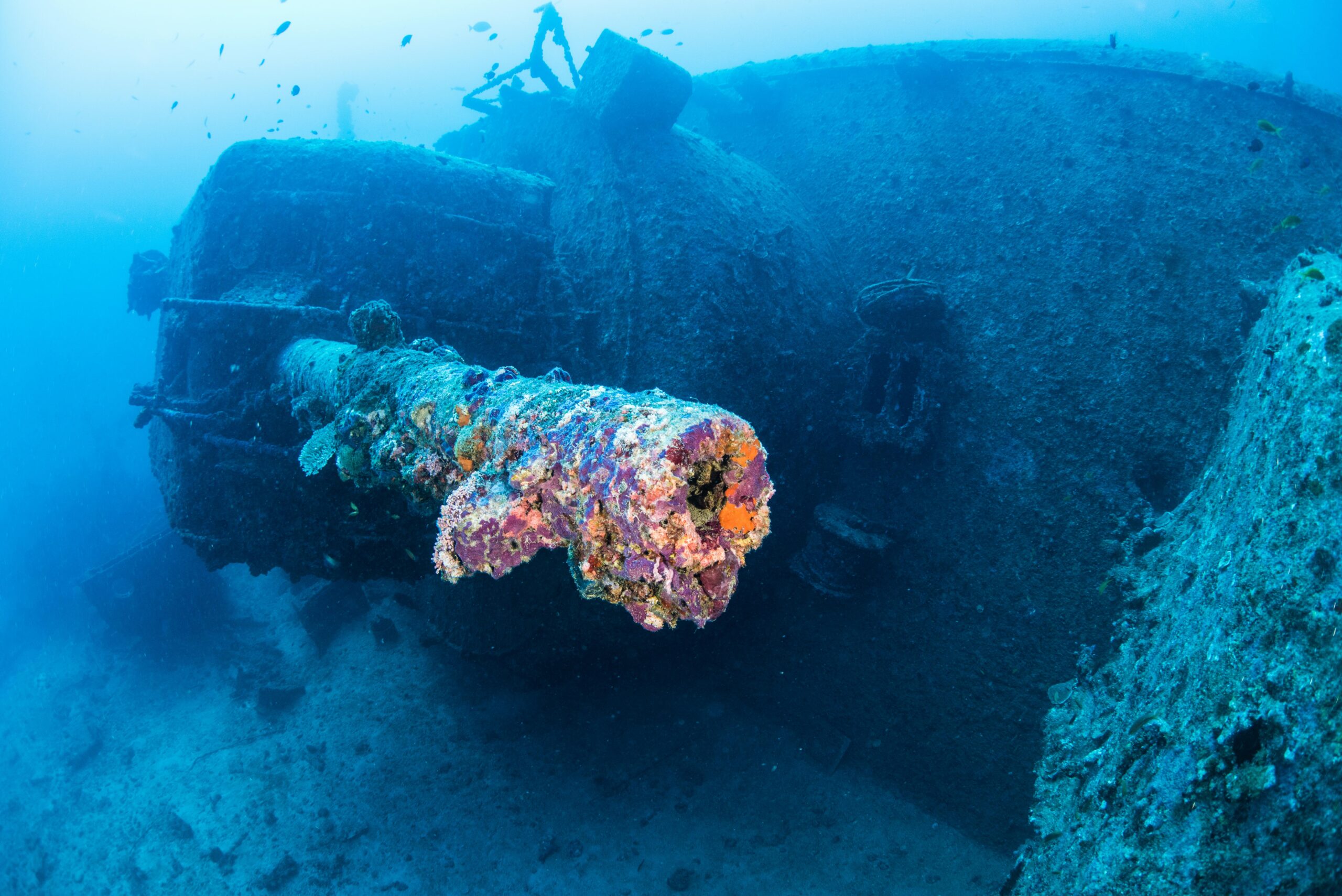
Submerged artifacts represent some of the most pristine windows into our collective past. Unlike terrestrial sites that face weathering, looting, and urban development, underwater environments can act as natural preservation chambers. Shipwrecks, ancient ports, submerged cities, and ceremonial offerings provide archaeologists with snapshots of specific moments in history, frozen in time beneath layers of sediment and water.
The significance of these underwater finds cannot be overstated. From Bronze Age vessels carrying trade goods across the Mediterranean to World War II submarines resting on the ocean floor, each artifact tells a story about technology, commerce, warfare, religion, and daily life. However, the very environment that protects these objects also makes them incredibly vulnerable once disturbed.
Water pressure, salinity, temperature, microbial activity, and chemical reactions create a delicate equilibrium. When artifacts are removed from their underwater context, this balance is disrupted, potentially causing irreversible damage within hours or days. This reality has driven maritime archaeologists and conservation scientists to develop increasingly sophisticated techniques for preservation.
🔬 The Science Behind Underwater Degradation
Understanding how artifacts deteriorate underwater is fundamental to developing effective preservation strategies. Different materials respond uniquely to submersion, creating distinct conservation challenges for archaeologists and conservators.
Organic Materials and Their Vulnerability
Wood, leather, textiles, and bone undergo complex transformation processes underwater. In oxygen-rich environments, aerobic bacteria rapidly consume organic matter. However, in anaerobic conditions found in deep sediment or enclosed spaces like ship holds, organic materials can survive for millennia.
The famous Mary Rose, a Tudor warship recovered from the Solent in 1982, exemplifies both the preservation potential and conservation challenges of waterlogged wood. After 437 years underwater, the ship’s timbers had lost much of their structural cellulose, replaced by water. The conservation process took decades, involving careful drying with polyethylene glycol to prevent catastrophic shrinkage and collapse.
Metal Corrosion in Marine Environments
Metals face their own set of challenges. Iron objects form concretions—hard deposits of corrosion products mixed with sediment and marine organisms—that can actually protect the remaining metal core. Bronze develops a patina that can be stable underwater but deteriorates rapidly when exposed to air. Silver and gold remain relatively stable, though they may be obscured by sulfide compounds.
The chloride-rich marine environment is particularly aggressive toward metals. Once removed from water, chloride ions trapped within corrosion layers continue to attack the metal, a process known as “post-excavation corrosion” that can destroy artifacts if not properly managed.
💡 Revolutionary Preservation Techniques Transforming the Field
Modern underwater archaeology has evolved from simple recovery operations to sophisticated multidisciplinary endeavors. Today’s preservation techniques combine traditional conservation methods with cutting-edge technology, offering unprecedented opportunities to save fragile artifacts.
In Situ Preservation: The Museum Beneath the Waves
One of the most innovative approaches involves leaving artifacts in their underwater context rather than recovering them. In situ preservation acknowledges that some sites are best protected where they lie, transforming shipwrecks and submerged settlements into underwater museums.
This method offers several advantages. It eliminates the trauma of recovery and the enormous costs of conservation and storage. It also preserves archaeological context, allowing artifacts to tell their story in relation to their surroundings. Several countries have established underwater archaeological parks where divers can visit protected sites, generating tourism revenue while raising awareness about maritime heritage.
Advanced monitoring systems track environmental conditions, structural stability, and biological threats at these sites. Remote-operated vehicles equipped with cameras and sensors provide regular documentation without human disturbance. When deterioration is detected, targeted interventions can stabilize specific areas without wholesale recovery.
3D Documentation and Virtual Preservation
Photogrammetry and laser scanning have revolutionized how we document submerged artifacts. These techniques create detailed three-dimensional models that capture objects with millimeter-level accuracy. Even if physical artifacts eventually deteriorate, their digital twins preserve crucial information for research and education.
High-resolution cameras mounted on underwater drones capture thousands of overlapping images. Specialized software processes these photographs to generate textured 3D models that researchers can examine, measure, and analyze without ever getting wet. These models serve multiple purposes: documentation, public engagement, replica creation, and scientific study.
Virtual reality applications allow museums to display artifacts still resting underwater, giving visitors immersive experiences of sites they could never physically visit. Students and researchers worldwide can examine the same artifact simultaneously, democratizing access to underwater cultural heritage.
🛠️ Advanced Conservation Methods for Recovered Artifacts
When recovery is necessary—whether due to site threats, research requirements, or public interest—conservators employ increasingly sophisticated techniques to stabilize fragile materials.
Controlled Environment Recovery
The transition from underwater to air represents the most critical phase for artifact survival. Modern recovery operations use specialized lifting bags, frames, and containers that maintain water saturation and minimize physical stress during transport to conservation facilities.
Some artifacts are so delicate that conservators build temporary treatment facilities at recovery sites. Mobile labs equipped with tanks, chemicals, and monitoring equipment allow immediate stabilization before artifacts face the stress of transportation. This approach proved essential during the recovery of Confederate submarine H.L. Hunley, which was lifted within a specially designed frame and transported to a purpose-built conservation facility where it remains submerged in a treatment tank.
Innovative Desalination Techniques
Removing salt from artifacts recovered from marine environments is essential but challenging. Traditional methods involve soaking objects in multiple baths of fresh water, a process that can take months or years depending on the artifact’s size and porosity.
Electrolytic reduction offers a faster alternative for metal objects. By passing electrical current through an alkaline solution, conservators can simultaneously remove chlorides and stabilize corrosion products. This technique has successfully treated everything from Viking swords to modern naval artifacts.
Supercritical fluids represent an emerging frontier in desalination. These substances, which exist at temperatures and pressures above their critical points, possess unique properties that allow them to penetrate porous materials and extract salts more efficiently than water alone. Though expensive, this method shows promise for treating particularly delicate or valuable artifacts.
Advanced Consolidation and Support Methods
Waterlogged organic materials often require consolidation to maintain their shape once dried. Polyethylene glycol (PEG) treatment remains the gold standard for wood conservation, but researchers continue refining application methods and developing alternatives for materials that don’t respond well to PEG.
Freeze-drying has emerged as an effective technique for certain artifact types. By freezing objects and then reducing pressure to allow ice to sublimate directly into vapor, conservators can dry delicate materials without the structural collapse that occurs during air-drying. This method works particularly well for waterlogged leather and some textiles.
Nanotechnology offers exciting possibilities for consolidating fragile materials. Nanoparticles can penetrate deeply into degraded structures, polymerizing to create internal support networks that stabilize materials at the molecular level. While still largely experimental, these techniques may eventually allow conservation of artifacts currently considered too fragile to save.
🌍 Case Studies: Success Stories from the Deep
Real-world applications of innovative preservation techniques demonstrate both the possibilities and challenges of underwater artifact conservation.
The Vasa: A Conservation Triumph and Ongoing Challenge
Sweden’s Vasa warship, which sank in Stockholm harbor in 1628 and was raised in 1961, remains one of underwater archaeology’s greatest success stories. The ship’s recovery inspired modern maritime archaeology, and its conservation taught valuable lessons about treating waterlogged wood.
However, the Vasa’s story isn’t finished. Despite decades of PEG treatment, conservators discovered that sulfur compounds in the wood continue to form sulfuric acid, gradually degrading the timber. This ongoing deterioration has prompted development of new monitoring techniques and treatment strategies, demonstrating that artifact conservation is not a one-time event but a continuing commitment.
The Antikythera Mechanism: Revealing Ancient Technology
This complex bronze device, recovered from a Roman-era shipwreck in 1901, puzzled researchers for decades. Recent high-resolution X-ray computed tomography revealed intricate gear systems that calculated astronomical positions, making it arguably the world’s first analog computer.
The mechanism’s conservation and study showcase how modern imaging technology can unlock secrets from heavily corroded artifacts. Without damaging the fragile original, researchers virtually disassembled the device, reading inscriptions invisible to the naked eye and reconstructing its sophisticated mechanical workings.
Blackbeard’s Queen Anne’s Revenge: Managing Massive Collections
The 1996 discovery of what is believed to be pirate Blackbeard’s flagship off North Carolina’s coast presented conservators with an overwhelming challenge: hundreds of thousands of artifacts requiring treatment. This project demonstrates the importance of triage, prioritization, and developing efficient treatment protocols for large-scale recoveries.
Conservators established streamlined processes for treating multiple similar objects simultaneously, developed storage systems for artifacts awaiting treatment, and created public archaeology programs that generate support and funding for the ongoing conservation effort.
🤝 Collaboration: The Key to Preservation Success
Effective preservation of submerged artifacts requires collaboration among diverse specialists. Maritime archaeologists, conservation scientists, materials engineers, microbiologists, and computer scientists all contribute essential expertise.
International cooperation has become increasingly important as the field recognizes that underwater cultural heritage belongs to all humanity. UNESCO’s 2001 Convention on the Protection of Underwater Cultural Heritage established principles for responsible management of submerged sites, encouraging nations to share expertise and resources.
Public engagement represents another crucial collaboration. Citizen science initiatives train recreational divers to document sites, expanding monitoring coverage far beyond what professional archaeologists could achieve alone. Social media and digital platforms allow direct communication between researchers and public audiences, building support for conservation funding and heritage protection policies.
⚠️ Emerging Threats and Future Challenges
While preservation techniques continue advancing, new threats emerge that challenge our ability to protect underwater cultural heritage. Climate change ranks among the most serious concerns, as rising ocean temperatures, acidification, and sea level changes affect underwater site stability and artifact preservation.
Warming waters accelerate biological activity, including wood-boring organisms that can devastate shipwrecks. Ocean acidification dissolves calcium carbonate, threatening artifacts made from shell, bone, and limestone. Stronger storms and changing currents can expose or destroy sites that remained stable for centuries.
Commercial activities pose ongoing risks. Deep-sea mining, offshore energy development, and commercial salvage operations can damage or destroy sites. Illegal looting remains a persistent problem, with well-preserved artifacts appearing in private collections and online auction sites.
🚀 The Future of Underwater Artifact Preservation
Emerging technologies promise to transform underwater archaeology and conservation in coming decades. Artificial intelligence can analyze vast quantities of sonar data to identify potential archaeological sites, while machine learning algorithms help predict artifact deterioration patterns.
Autonomous underwater vehicles will enable more extensive site monitoring and documentation. These robots can operate for extended periods in conditions too dangerous or deep for human divers, expanding the range of sites accessible for study and protection.
Biotechnology may offer innovative conservation solutions. Research into extremophile organisms that thrive in challenging underwater environments could yield bio-based consolidants and treatments. Genetic engineering might even create bacteria that protect artifacts by outcompeting harmful microorganisms or producing preservative compounds.
Advanced materials science continues developing new consolidants, adhesives, and protective coatings specifically designed for challenging artifact materials. These products promise to be more effective, reversible, and environmentally friendly than earlier conservation materials.
💭 Balancing Access, Preservation, and Research
The underwater archaeology community faces ongoing ethical questions about how best to manage submerged cultural heritage. Should artifacts remain underwater whenever possible, or do we have an obligation to recover and display them? How do we balance scientific research needs with preservation concerns? Who decides the fate of artifacts found in international waters?
These questions have no simple answers. Each site presents unique circumstances requiring careful consideration of multiple factors: artifact condition, site threats, research value, public interest, available resources, and cultural significance to descendant communities.
Progressive thinking emphasizes inclusive decision-making that incorporates diverse perspectives. Indigenous communities, descendant populations, and local stakeholders increasingly participate in management decisions about sites connected to their heritage. This approach recognizes that underwater cultural heritage carries meanings beyond scientific data, serving as tangible connections to ancestors and cultural traditions.
🎓 Training the Next Generation of Preservation Specialists
As techniques become more sophisticated, the need for specialized training intensifies. Universities and research institutions worldwide now offer programs in maritime archaeology and underwater conservation, producing graduates with interdisciplinary skills spanning archaeology, chemistry, materials science, and engineering.
Hands-on training remains essential. Field schools provide students with practical experience in underwater documentation, recovery, and conservation. Internships at conservation laboratories expose emerging professionals to the latest techniques and challenges. International exchanges allow practitioners to learn different approaches and build global professional networks.
The field also recognizes the importance of training local communities in countries with significant underwater heritage but limited resources. Capacity-building programs transfer knowledge and skills, enabling nations to protect their own heritage rather than depending entirely on foreign expertise.
Preserving fragile submerged artifacts represents one of archaeology’s greatest challenges and most important responsibilities. These objects survived centuries or millennia underwater, carrying irreplaceable information about human history and achievement. Through innovative techniques, international collaboration, and unwavering commitment, we can ensure that these treasures from the deep continue revealing their secrets to future generations while remaining protected for centuries to come. The underwater realm still holds countless undiscovered sites and artifacts, each with potential to reshape our understanding of the past. As our preservation capabilities advance, so too does our ability to responsibly explore, study, and protect this vast underwater museum that covers more than seventy percent of our planet’s surface.

Toni Santos is a visual storyteller and archival artist whose work dives deep into the submerged narratives of underwater archaeology. Through a lens tuned to forgotten depths, Toni explores the silent poetry of lost worlds beneath the waves — where history sleeps in salt and sediment.
Guided by a fascination with sunken relics, ancient ports, and shipwrecked civilizations, Toni’s creative journey flows through coral-covered amphorae, eroded coins, and barnacle-encrusted artifacts. Each piece he creates or curates is a visual meditation on the passage of time — a dialogue between what is buried and what still speaks.
Blending design, storytelling, and historical interpretation, Toni brings to the surface the aesthetics of maritime memory. His work captures the textures of decay and preservation, revealing beauty in rust, ruin, and ruin’s resilience. Through his artistry, he reanimates the traces of vanished cultures that now rest on ocean floors, lost to maps but not to meaning.
As the voice behind Vizovex, Toni shares curated visuals, thoughtful essays, and reconstructed impressions of archaeological findings beneath the sea. He invites others to see underwater ruins not as remnants, but as thresholds to wonder — where history is softened by water, yet sharpened by myth.
His work is a tribute to:
The mystery of civilizations claimed by the sea
The haunting elegance of artifacts lost to time
The silent dialogue between water, memory, and stone
Whether you’re drawn to ancient maritime empires, forgotten coastal rituals, or the melancholic beauty of sunken ships, Toni welcomes you to descend into a space where the past is submerged but never silenced — one relic, one current, one discovery at a time.