The preservation of recovered artifacts bridges our past and future, safeguarding cultural heritage while revealing insights that shape tomorrow’s understanding of human civilization.
🏛️ Why Artifact Conservation Matters More Than Ever
In an era of rapid technological advancement and climate change, the conservation of recovered artifacts has emerged as a critical mission for museums, archaeologists, and cultural institutions worldwide. These tangible connections to our ancestors provide irreplaceable information about human development, artistic expression, technological innovation, and social structures that shaped civilizations.
Every artifact recovered from archaeological sites, shipwrecks, or forgotten repositories carries stories waiting to be decoded. Without proper conservation techniques, these invaluable pieces of human history deteriorate, taking their secrets to oblivion. The organic materials decay, metals corrode, and fragile surfaces crumble, erasing chapters from humanity’s collective memory.
Modern conservation science has evolved dramatically, combining traditional restoration methods with cutting-edge technology. This interdisciplinary approach ensures that artifacts survive for future generations while making them accessible for research and education today.
The Science Behind Artifact Preservation
Conservation professionals employ sophisticated methodologies to stabilize and preserve recovered artifacts. The process begins immediately upon discovery, as exposure to new environmental conditions can trigger rapid deterioration in objects that remained stable underground or underwater for centuries.
Understanding Material Composition and Degradation
Each artifact presents unique conservation challenges based on its composition. Ancient pottery responds differently to treatment than waterlogged wood, corroded bronze, or deteriorating textiles. Conservators must first analyze the material structure, identify degradation mechanisms, and assess the extent of damage before developing treatment protocols.
Scientific analysis techniques include X-ray fluorescence for elemental composition, infrared spectroscopy for organic materials identification, and microscopic examination for structural integrity assessment. These non-invasive methods provide crucial data without compromising the artifact’s integrity.
Environmental Control as First Defense
Temperature, humidity, light exposure, and atmospheric pollutants significantly impact artifact longevity. Museum-quality storage facilities maintain precise environmental conditions tailored to specific material types. Climate-controlled environments prevent the expansion and contraction cycles that cause physical stress and accelerate degradation.
For waterlogged artifacts discovered in shipwrecks or bog sites, conservators face particularly challenging scenarios. The water-saturated wood or leather must undergo gradual desiccation using specialized treatments like polyethylene glycol impregnation to prevent catastrophic collapse during drying.
🔬 Technological Innovation in Conservation Practices
The digital revolution has transformed artifact conservation from purely physical preservation to comprehensive documentation and analysis. Advanced imaging technologies now reveal hidden details invisible to the naked eye, while three-dimensional scanning creates permanent digital records.
Digital Documentation and Virtual Access
High-resolution photography, photogrammetry, and laser scanning generate detailed digital replicas of artifacts. These virtual copies serve multiple purposes: they provide researchers worldwide with access to objects too fragile for handling, enable study without risking physical damage, and create insurance against catastrophic loss through fire, theft, or natural disaster.
Virtual reality applications allow students and enthusiasts to examine artifacts in unprecedented detail, rotating three-dimensional models and zooming into surface textures and inscriptions. This democratization of access expands educational opportunities far beyond traditional museum visits.
Analytical Technologies Revealing Hidden Stories
Advanced imaging techniques penetrate surfaces to reveal manufacturing techniques, previous repairs, hidden inscriptions, and underlying compositions. Multispectral imaging exposes faded texts on ancient manuscripts, while CT scanning reveals internal structures of mummified remains or sealed containers without invasive procedures.
These technologies frequently produce surprising discoveries. Painted-over frescoes emerge from beneath later additions, hidden compartments appear in furniture pieces, and forged items reveal themselves through anachronistic materials or techniques.
Ethical Considerations in Artifact Conservation
Conservation decisions carry profound ethical implications. Professionals must balance preservation with authenticity, accessibility with protection, and cultural sensitivity with scientific inquiry. These considerations have evolved significantly as formerly colonized nations reclaim cultural patrimony and indigenous communities assert rights over ancestral materials.
Authenticity Versus Restoration Debates
A fundamental question confronts every conservator: how much intervention is appropriate? Aggressive restoration that reconstructs missing portions may create visually complete objects but potentially misrepresents original appearances. Conversely, minimal intervention preserves authenticity but may leave artifacts aesthetically unappealing or structurally unstable.
Current best practices favor reversible treatments that stabilize artifacts without permanently altering original materials. Documentation of all conservation procedures ensures transparency and allows future professionals to reassess decisions as methodologies advance.
Cultural Ownership and Repatriation Issues
Museums worldwide face increasing pressure to return artifacts acquired during colonial periods or through questionable transactions. Conservation plays a crucial role in these discussions, as repatriation often involves transferring objects to institutions with limited conservation resources.
Collaborative partnerships between originating communities and holding institutions increasingly provide solutions. Joint conservation projects, capacity building initiatives, and shared stewardship models respect cultural ownership while ensuring professional preservation standards.
💡 Learning from the Past to Build the Future
Preserved artifacts provide tangible evidence for understanding technological innovation, environmental adaptation, artistic expression, and social organization across millennia. This knowledge directly informs contemporary challenges and future planning.
Ancient Technologies Inspiring Modern Solutions
Archaeological discoveries frequently reveal sophisticated technologies that modern engineers can adapt. Roman concrete formulations that have survived two thousand years inspire durable, environmentally sustainable building materials. Ancient water management systems inform drought-resistant agricultural practices. Traditional metallurgical techniques suggest energy-efficient manufacturing processes.
The recovery and conservation of these technological artifacts preserves not just objects but functional knowledge systems developed through generations of experimentation and refinement.
Climate Change Insights from Archaeological Records
Artifacts preserved in ice cores, sediment layers, and archaeological strata provide crucial data about historical climate patterns and human responses to environmental shifts. These records reveal how past civilizations adapted to drought, flooding, temperature changes, and resource scarcity—or failed to adapt, with catastrophic consequences.
Understanding these patterns helps contemporary societies anticipate and prepare for climate-related challenges. The archaeological record demonstrates both human resilience and vulnerability, offering cautionary tales and inspirational examples.
Challenges Facing Modern Conservation Efforts
Despite technological advances, artifact conservation faces significant obstacles. Funding limitations, armed conflict, climate change impacts, and illicit trafficking threaten cultural heritage worldwide.
Funding Constraints and Resource Allocation
Conservation work requires specialized expertise, expensive equipment, and considerable time investment. Many institutions struggle with inadequate budgets that force impossible choices between treating critically deteriorating artifacts, maintaining storage facilities, or digitizing collections for broader access.
Public funding often prioritizes immediate social needs over long-term cultural preservation. Private philanthropy partially fills gaps but creates dependencies on donor interests that may not align with conservation priorities.
Conflict and Cultural Heritage Destruction
War zones experience catastrophic cultural heritage losses. Archaeological sites face looting for illicit antiquities markets, while museums and historic structures suffer deliberate destruction or collateral damage. Syria, Iraq, Afghanistan, and Yemen have witnessed irreplaceable heritage losses during recent conflicts.
International efforts to protect cultural property during armed conflict remain inadequate. Post-conflict reconstruction rarely prioritizes heritage conservation, leaving damaged artifacts vulnerable to further deterioration.
Climate Change Impacts on Archaeological Sites
Rising sea levels threaten coastal archaeological sites, while changing precipitation patterns accelerate erosion at desert locations. Melting permafrost exposes previously preserved organic materials to rapid decay. More frequent extreme weather events damage historic structures and outdoor artifacts.
These climate impacts create urgency for rescue excavations and preventive conservation measures, even as they strain already limited resources. Priorities must shift from leisurely research excavations to emergency salvage operations.
🌍 Global Cooperation for Heritage Preservation
Effective artifact conservation requires international collaboration. Knowledge sharing, technical assistance, capacity building, and coordinated responses to heritage emergencies strengthen global preservation efforts.
International Organizations and Standards
UNESCO, ICOM, ICCROM, and other international bodies establish conservation standards, facilitate training programs, and coordinate emergency responses. These organizations promote best practices while respecting regional variations in resources, climate conditions, and cultural contexts.
International conventions like the 1970 UNESCO agreement on illicit trafficking provide legal frameworks for recovering stolen artifacts and preventing future losses. Enforcement remains inconsistent, but growing awareness has reduced market demand for unprovenanced antiquities.
Training Next-Generation Conservators
Specialized conservation training programs prepare professionals with interdisciplinary skills combining chemistry, art history, materials science, and cultural studies. These programs increasingly emphasize digital technologies, ethical decision-making, and community engagement alongside traditional hands-on techniques.
Mentorship programs connect experienced conservators with emerging professionals, ensuring knowledge transfer and maintaining high standards. International exchanges expose trainees to diverse conservation challenges and approaches.
Public Engagement and Education Initiatives
Conservation succeeds when communities value cultural heritage sufficiently to support preservation efforts. Museums and cultural institutions increasingly prioritize public outreach that demonstrates artifacts’ relevance to contemporary lives.
Behind-the-Scenes Conservation Programs
Visible conservation laboratories within museums allow visitors to observe conservators at work. These transparent workspaces demystify conservation processes while highlighting the skill, patience, and scientific rigor involved. Public lectures, demonstrations, and social media content expand reach beyond physical visitors.
Interactive exhibits explaining conservation challenges and techniques transform passive viewers into informed advocates. Visitors who understand preservation complexities become more supportive of funding requests and protective policies.
Citizen Science and Community Archaeology
Volunteer programs engage community members in archaeological surveys, artifact cataloging, and conservation projects. These initiatives build local investment in heritage protection while expanding capacity beyond professional staff limitations.
Digital platforms enable worldwide participation in artifact documentation and research. Crowdsourcing projects enlist volunteers to transcribe historical documents, identify objects in photographic archives, or analyze satellite imagery for archaeological features.
The Economic Value of Heritage Conservation
Beyond cultural and educational benefits, artifact conservation generates substantial economic returns. Cultural tourism supports millions of jobs globally, while heritage industries stimulate local economies and attract international investment.
Historic preservation creates employment for skilled craftspeople, architects, conservators, and support staff. The specialized knowledge required for heritage work cannot be outsourced or automated, making these sustainable local jobs.
Tourism revenues justify conservation investments, as visitors travel worldwide to experience authentic cultural heritage. Well-preserved archaeological sites, historic structures, and museum collections attract repeat visitors and positive international attention.
🚀 Future Directions in Artifact Conservation
Emerging technologies promise revolutionary advances in conservation capabilities. Artificial intelligence analyzes vast datasets to identify degradation patterns and predict conservation needs. Nanotechnology enables targeted treatments at molecular levels. Biotechnology harnesses microorganisms for gentle cleaning of delicate surfaces.
Artificial Intelligence Applications
Machine learning algorithms process conservation records to identify optimal treatment protocols for specific material types and degradation conditions. Pattern recognition software automatically detects condition changes in regular monitoring images, alerting staff to emerging problems before visible damage occurs.
AI-powered analysis of ancient texts accelerates decipherment of unknown scripts and languages. Image enhancement algorithms recover faded inscriptions and reveal manufacturing details invisible through conventional examination.
Preventive Conservation Through Predictive Modeling
Rather than reactive treatment of deteriorated objects, future conservation will emphasize prevention through environmental monitoring and predictive modeling. Sensors continuously track temperature, humidity, light exposure, vibration, and pollutant levels throughout storage and display areas.
Data analytics identify risk factors before damage occurs, enabling proactive interventions. Predictive models forecast long-term degradation trajectories under various conditions, informing storage decisions and treatment priorities.
Connecting Generations Through Preserved Heritage
Ultimately, artifact conservation transcends technical procedures and scientific analysis. Preserved objects forge connections between past, present, and future generations, maintaining cultural continuity and collective memory.
Children touching pottery sherds hold the same vessels their ancestors created and used millennia ago. Students examining ancient tools gain tangible understanding of human ingenuity and adaptation. Families visiting museums encounter their heritage materialized in recovered artifacts.
These connections foster identity, inspire creativity, and promote cross-cultural understanding. Preserved artifacts demonstrate both human diversity and universal experiences, revealing that people across time and geography faced similar challenges, celebrated parallel joys, and created beauty through countless expressions.
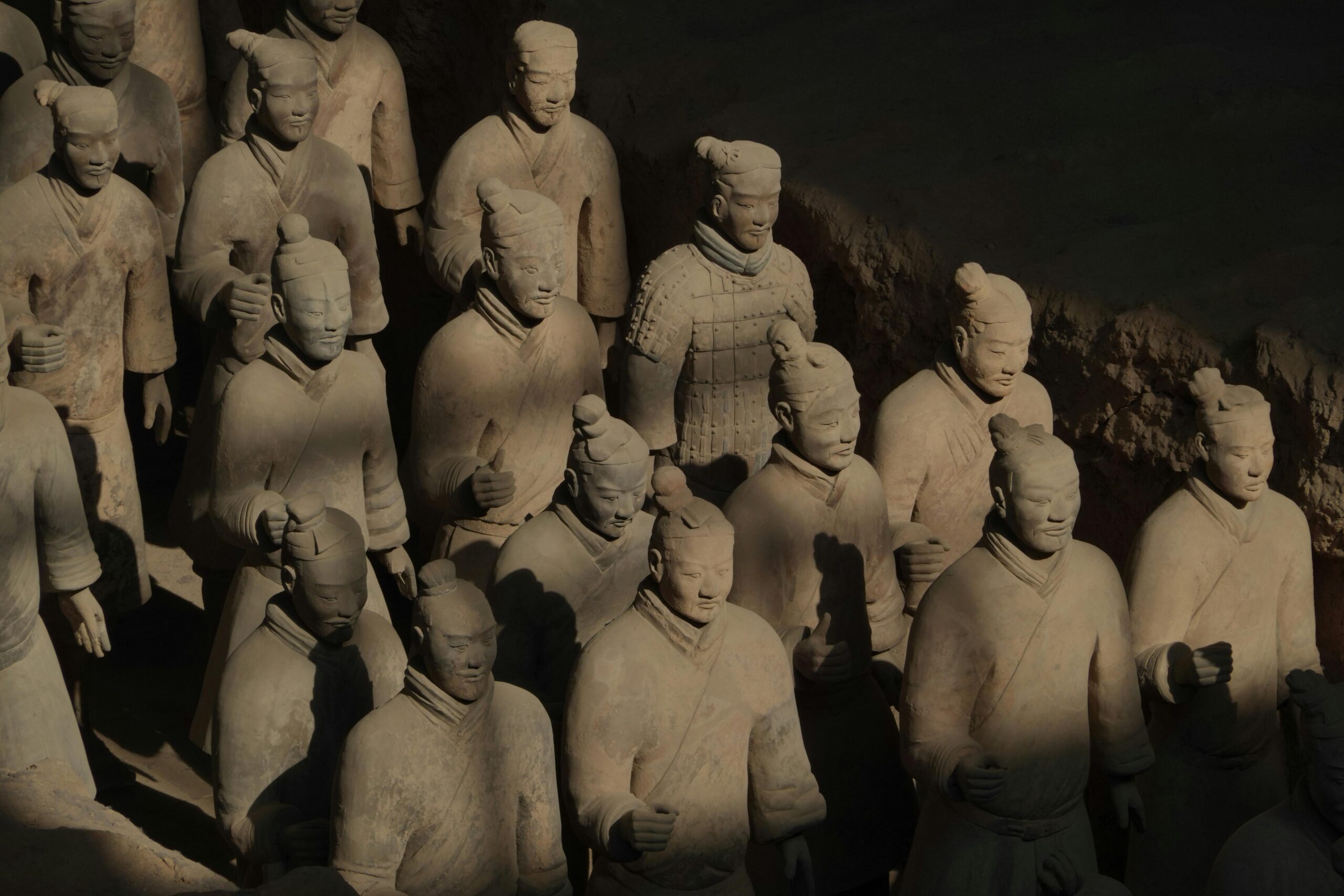
The Imperative of Action Today for Tomorrow
The conservation of recovered artifacts represents an investment in humanity’s future. Each preserved object expands knowledge, inspires wonder, and maintains options for future generations to ask new questions of the past.
Current decisions determine whether our descendants inherit rich cultural legacies or impoverished fragments. The artifacts we conserve today unlock future possibilities for understanding, learning, and connection that we cannot yet imagine.
Professional conservators, institutional leaders, policymakers, and global citizens all share responsibility for heritage preservation. Supporting conservation efforts through funding, advocacy, education, and respectful engagement ensures that recovered artifacts continue revealing insights and inspiring discovery for centuries to come.
The past speaks through preserved artifacts, but only if we invest the resources, expertise, and commitment necessary to conserve these irreplaceable voices. The future depends on choices made today to protect humanity’s shared heritage for tomorrow’s generations.

Toni Santos is a visual storyteller and archival artist whose work dives deep into the submerged narratives of underwater archaeology. Through a lens tuned to forgotten depths, Toni explores the silent poetry of lost worlds beneath the waves — where history sleeps in salt and sediment.
Guided by a fascination with sunken relics, ancient ports, and shipwrecked civilizations, Toni’s creative journey flows through coral-covered amphorae, eroded coins, and barnacle-encrusted artifacts. Each piece he creates or curates is a visual meditation on the passage of time — a dialogue between what is buried and what still speaks.
Blending design, storytelling, and historical interpretation, Toni brings to the surface the aesthetics of maritime memory. His work captures the textures of decay and preservation, revealing beauty in rust, ruin, and ruin’s resilience. Through his artistry, he reanimates the traces of vanished cultures that now rest on ocean floors, lost to maps but not to meaning.
As the voice behind Vizovex, Toni shares curated visuals, thoughtful essays, and reconstructed impressions of archaeological findings beneath the sea. He invites others to see underwater ruins not as remnants, but as thresholds to wonder — where history is softened by water, yet sharpened by myth.
His work is a tribute to:
The mystery of civilizations claimed by the sea
The haunting elegance of artifacts lost to time
The silent dialogue between water, memory, and stone
Whether you’re drawn to ancient maritime empires, forgotten coastal rituals, or the melancholic beauty of sunken ships, Toni welcomes you to descend into a space where the past is submerged but never silenced — one relic, one current, one discovery at a time.