The ocean floor holds countless mysteries, from ancient shipwrecks to submerged cities, waiting to be discovered through cutting-edge archaeological methods.
For centuries, the depths of our oceans have guarded secrets of human civilization, preserving remnants of maritime history in conditions that would have destroyed them on land. Underwater archaeological exploration has evolved from simple diving expeditions into a sophisticated scientific discipline that combines traditional archaeological methods with revolutionary technology. Today’s underwater archaeologists are equipped with tools that would have seemed like science fiction just a few decades ago, enabling them to explore deeper, document more accurately, and preserve findings more effectively than ever before.
The field of underwater archaeology has experienced unprecedented growth in recent years, driven by technological innovation and an increasing awareness of the cultural treasures hidden beneath the waves. These advancements have not only expanded our understanding of human history but have also revealed how ancient civilizations navigated, traded, and interacted across vast maritime networks. From the Mediterranean Sea to the Pacific Ocean, underwater archaeological sites continue to challenge our assumptions about the past while providing tangible connections to our ancestors.
🌊 The Revolution of Remote Sensing Technologies
Remote sensing has fundamentally transformed how archaeologists identify and survey potential underwater sites before anyone even gets wet. These technologies allow researchers to scan vast areas of the ocean floor quickly and efficiently, identifying anomalies that might indicate archaeological significance. Side-scan sonar, one of the most widely used remote sensing tools, creates detailed images of the seafloor by emitting sound waves and measuring their return signals.
Multibeam echo sounders take this technology further by providing three-dimensional bathymetric maps of underwater terrain. These sophisticated instruments can reveal subtle variations in seafloor topography that might indicate the presence of buried structures, shipwrecks, or other archaeological features. The resolution of these systems has improved dramatically, allowing archaeologists to detect objects as small as a few centimeters from the surface.
Magnetometers represent another crucial tool in the remote sensing arsenal, detecting variations in the Earth’s magnetic field caused by ferrous materials such as iron cannons, anchors, or ship fittings. When combined with GPS positioning systems, magnetometer surveys can create precise maps showing the location of metallic objects over large areas. This technology has been instrumental in locating numerous shipwrecks that would otherwise remain hidden beneath sediment.
Sub-Bottom Profiling: Seeing Through Sediment
Sub-bottom profilers use low-frequency sound waves to penetrate layers of sediment, revealing what lies buried beneath the seafloor. This non-invasive technique allows archaeologists to assess potential sites without disturbing them, identifying structures and objects that may be completely covered by sand, mud, or other deposits. The data from sub-bottom profilers helps research teams decide where to focus their excavation efforts and understand the stratigraphy of underwater sites.
The integration of artificial intelligence and machine learning algorithms with remote sensing data has created new possibilities for automated anomaly detection. These systems can process vast amounts of sonar data, identifying potential archaeological features that human analysts might overlook. This combination of technology and traditional archaeological expertise is accelerating the pace of discovery and enabling more comprehensive surveys of underwater cultural heritage.
💡 Autonomous and Remotely Operated Vehicles
The deployment of autonomous underwater vehicles (AUVs) and remotely operated vehicles (ROVs) has extended the reach of underwater archaeology into depths that were previously inaccessible to human divers. These robotic systems can operate for extended periods in challenging conditions, equipped with an array of sensors, cameras, and sampling tools that rival or exceed human capabilities.
ROVs are tethered to surface vessels, providing real-time video feeds and allowing operators to manipulate robotic arms for precise tasks such as measuring artifacts, collecting samples, or placing markers. Modern ROVs can work at depths exceeding 6,000 meters, opening up the possibility of exploring shipwrecks in the deepest parts of the ocean. Their stability and endurance make them ideal platforms for detailed photographic documentation and non-destructive testing of archaeological materials.
AUVs operate independently according to pre-programmed missions, making them particularly useful for systematic surveys of large areas. These vehicles follow predetermined routes while collecting sonar data, photographs, and environmental measurements. The latest generation of AUVs features advanced navigation systems that allow them to adapt to underwater currents and obstacles, ensuring comprehensive coverage of survey areas.
Hybrid Systems and Collaborative Robotics
Emerging hybrid systems combine the best features of ROVs and AUVs, offering both autonomous operation capabilities and the option for human intervention when needed. These versatile platforms can switch between modes depending on the task at hand, providing flexibility that is invaluable in archaeological exploration. Some systems can even collaborate with human divers, serving as underwater assistants that carry equipment, provide lighting, or document the excavation process.
The development of smaller, more affordable underwater robots has democratized access to these technologies. Universities and research institutions with limited budgets can now deploy capable systems for archaeological research. This accessibility is fostering innovation and enabling projects in regions where underwater cultural heritage was previously understudied due to technological constraints.
📸 Photogrammetry and 3D Documentation
Photogrammetry has emerged as one of the most powerful tools for documenting underwater archaeological sites with unprecedented detail. This technique involves capturing hundreds or thousands of overlapping photographs from different angles, which specialized software then processes to create highly accurate three-dimensional models. The resulting digital reconstructions preserve spatial relationships, textures, and colors with millimeter-level precision.
Underwater photogrammetry presents unique challenges compared to terrestrial applications, including light refraction, water turbidity, and the need for neutral buoyancy while capturing images. However, improvements in camera technology, lighting systems, and processing algorithms have overcome many of these obstacles. Modern waterproof cameras with high-resolution sensors and advanced color correction capabilities produce images suitable for creating detailed 3D models even in challenging underwater conditions.
These digital models serve multiple purposes beyond documentation. They enable researchers to conduct virtual excavations, testing hypotheses about site formation and artifact distribution without disturbing the physical remains. Educational institutions use 3D models to bring underwater archaeology into classrooms, allowing students worldwide to explore shipwrecks and submerged settlements. Museums increasingly incorporate these models into exhibits, offering visitors immersive experiences of sites they could never visit in person.
Structured Light Scanning in Aquatic Environments
Structured light scanning represents an advancement in underwater 3D documentation, projecting patterns of light onto objects and recording the distortions to calculate precise surface geometry. While more complex to deploy underwater than standard photogrammetry, these systems can capture extremely detailed measurements rapidly. Archaeologists use structured light scanners for documenting individual artifacts and complex architectural features where exceptional accuracy is required.
The combination of photogrammetry with other sensing technologies creates comprehensive digital records that capture not only visual appearance but also material properties and environmental context. Multispectral and hyperspectral imaging can reveal details invisible to the human eye, such as paint traces on ancient ceramics or organic residues on metal objects. These integrated approaches are redefining standards for archaeological documentation and analysis.
🔬 Advanced Materials Analysis and Conservation
Understanding the composition and degradation processes of underwater archaeological materials is essential for both interpretation and preservation. Non-destructive analytical techniques allow researchers to study artifacts without damaging them, providing insights into manufacturing techniques, trade networks, and environmental impacts. X-ray fluorescence spectroscopy, for example, can determine the elemental composition of metal objects, helping identify their origins and revealing details about ancient metallurgical practices.
Portable instruments that can operate underwater or on research vessels enable on-site analysis, reducing the need to transport fragile artifacts. This immediate feedback helps archaeologists make informed decisions during excavations about which items require special handling or immediate conservation treatment. Real-time analysis also assists in prioritizing which materials to recover based on their significance and preservation state.
Conservation science for underwater archaeological materials has advanced significantly, with new treatments addressing the unique challenges posed by long-term immersion. Waterlogged wood, for instance, requires specialized procedures to prevent collapse and decay after removal from its aquatic environment. Innovations in conservation technology include plasma-based treatments for desalinating artifacts, controlled freeze-drying systems, and bio-based consolidants that strengthen degraded materials while remaining reversible.
Environmental Monitoring and Predictive Preservation
Sophisticated sensors deployed at underwater archaeological sites continuously monitor environmental parameters such as temperature, salinity, pH, oxygen levels, and current patterns. This data helps researchers understand the factors affecting site preservation and predict future degradation. Some sites now feature permanent monitoring stations that transmit real-time data to laboratories, enabling long-term studies of preservation dynamics.
Predictive modeling combines environmental data with materials science to forecast how archaeological sites will change over time. These models help heritage managers prioritize sites requiring immediate intervention and develop strategies for protecting underwater cultural resources from threats like climate change, increased maritime traffic, and looting. The insights gained from monitoring programs are informing international policies for underwater heritage protection.
🗺️ Geospatial Technologies and Site Management
Geographic Information Systems (GIS) have become indispensable for managing the complex spatial data generated during underwater archaeological projects. These platforms integrate information from remote sensing surveys, excavation records, artifact distributions, and environmental parameters into comprehensive databases that support analysis and interpretation. GIS enables archaeologists to visualize patterns across multiple scales, from the arrangement of objects within a single wreck to the distribution of maritime trade routes across entire ocean basins.
Advanced GIS applications incorporate temporal dimensions, allowing researchers to model how sites have changed over time due to natural processes or human activities. Four-dimensional visualizations can show how a ship broke apart and dispersed across the seafloor, or how sediment has gradually buried architectural remains. These dynamic models enhance understanding of site formation processes and help predict where additional archaeological materials might be found.
Cloud-based geospatial platforms facilitate collaboration among international research teams, enabling scientists from different institutions to access and contribute to shared databases. This connectivity is particularly valuable for studying maritime archaeology, where shipwrecks and submerged landscapes often cross national boundaries. Standardized data formats and metadata protocols ensure that information remains accessible and useful for future researchers.
Augmented Reality for Underwater Navigation
Augmented reality systems are beginning to transform how divers navigate and interact with underwater archaeological sites. Heads-up displays integrated into diving masks can overlay digital information onto the diver’s view, showing the locations of previously documented features, highlighting areas requiring documentation, or displaying real-time data from scientific instruments. These systems reduce the cognitive load on divers, allowing them to focus on their archaeological tasks while maintaining situational awareness.
Training programs increasingly use virtual and augmented reality to prepare archaeologists for underwater fieldwork. Realistic simulations allow students to practice excavation techniques, documentation procedures, and emergency responses in controlled environments before encountering actual underwater sites. This technology-enhanced education is producing a new generation of underwater archaeologists who are comfortable integrating digital tools into their research methodologies.
🌐 Citizen Science and Public Engagement
The accessibility of underwater photography and video equipment has enabled citizen scientists to contribute meaningfully to archaeological exploration. Recreational divers equipped with action cameras document sites they encounter, submitting images to databases where researchers can assess their archaeological significance. Crowdsourcing platforms allow volunteers to analyze sonar data or classify features in underwater photographs, dramatically expanding the capacity of professional archaeologists to process large datasets.
Social media and online platforms have created new opportunities for public engagement with underwater archaeology. Research teams share discoveries in real-time through blogs, videos, and interactive maps, building public support for heritage conservation. Live-streamed ROV expeditions bring audiences along for discoveries as they happen, fostering excitement about underwater exploration and educating people about the importance of protecting submerged cultural resources.
Educational programs partnering professional archaeologists with local communities have proven particularly effective in regions with rich maritime heritage. These collaborations provide training in archaeological methods while respecting traditional knowledge about historical sites. Community members become advocates for site protection and contribute valuable information about oral histories and local maritime practices that enhance archaeological interpretations.
⚓ Challenges and Future Directions
Despite remarkable technological progress, significant challenges remain in underwater archaeological exploration. Many sites lie in politically contested waters or areas affected by armed conflict, making access difficult or impossible. Climate change threatens underwater cultural heritage through rising sea levels, ocean acidification, and increased storm intensity. These environmental changes accelerate degradation processes and may expose previously protected sites to looting or unintentional damage.
The costs associated with underwater archaeological research remain substantial, limiting projects to well-funded institutions or high-profile sites. Developing more affordable technologies and sustainable funding models is essential for ensuring that underwater cultural heritage worldwide receives appropriate study and protection. Open-source hardware and software initiatives are beginning to address these economic barriers by creating accessible alternatives to expensive proprietary systems.
Ethical considerations increasingly shape underwater archaeological practice. Debates continue about whether to excavate shipwrecks that serve as war graves or to leave sites undisturbed as underwater memorials. Balancing scientific interest with respect for cultural sensitivities and descendant communities requires ongoing dialogue and flexible approaches that consider multiple perspectives. International agreements and professional codes of conduct provide frameworks for ethical decision-making, but individual projects must navigate complex local contexts.
Integrating Artificial Intelligence and Machine Learning
The future of underwater archaeological exploration will likely see even greater integration of artificial intelligence technologies. Machine learning algorithms are being trained to identify archaeological features in sonar data, recognize artifact types in photographs, and predict the locations of undiscovered sites based on environmental and historical factors. As these systems become more sophisticated, they will augment human expertise, enabling archaeologists to focus their efforts more efficiently.
Quantum sensing technologies, though still in early development, promise revolutionary capabilities for underwater detection. These ultra-sensitive instruments could detect minute variations in gravitational or magnetic fields, potentially revealing buried structures or artifacts with unprecedented precision. Similarly, advances in underwater communications may soon enable real-time high-bandwidth data transmission from deep-sea sites, facilitating more interactive remote exploration.
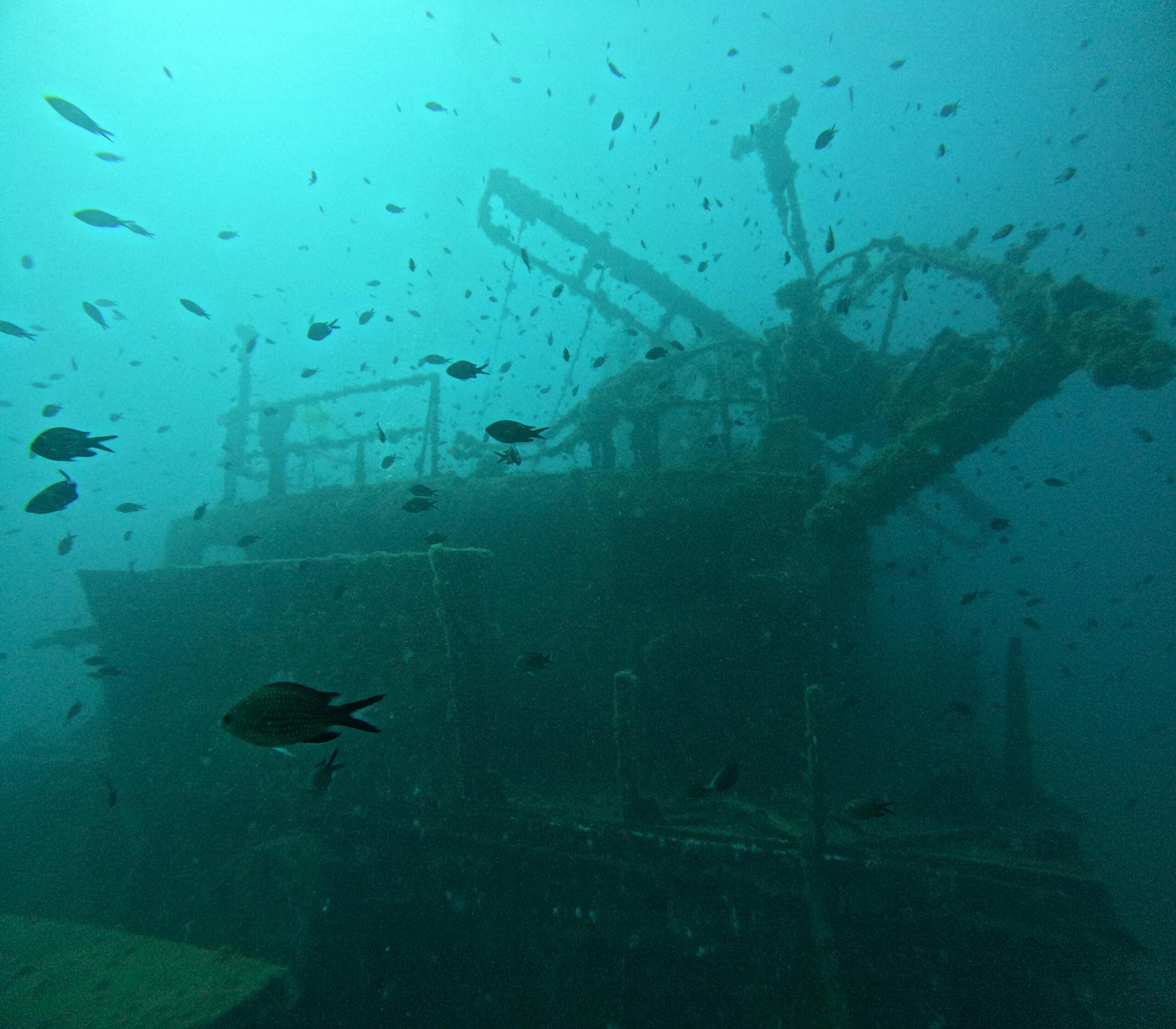
🌟 Preserving Maritime Heritage for Future Generations
The innovative techniques now available for underwater archaeological exploration carry profound responsibilities. Each technological advancement brings new capabilities for discovering and documenting our maritime past, but also raises questions about how best to preserve these irreplaceable resources. The digital archives being created today will serve future researchers who may have questions we cannot yet imagine, making thorough documentation and open access to data ethical imperatives.
Collaboration across disciplines and national boundaries will be essential for addressing the global challenges facing underwater cultural heritage. Oceanographers, materials scientists, historians, and conservators must work together with archaeologists to develop holistic approaches to studying and protecting submerged sites. International cooperation is particularly crucial for sites in international waters or areas where multiple nations have legitimate cultural connections.
Education remains fundamental to ensuring the long-term preservation of underwater archaeological sites. Training the next generation of researchers, conservators, and heritage managers in both traditional archaeological methods and emerging technologies will sustain the field’s growth. Equally important is educating the broader public about the value of underwater cultural heritage and the threats it faces, building constituencies for protection policies and conservation funding.
The secrets beneath the waves continue to captivate our imagination and challenge our understanding of human history. As innovative techniques unlock these mysteries, they reveal not only ancient ships and settlements but also stories of human ambition, creativity, and resilience. The tools and methods being pioneered today are writing a new chapter in archaeology, one where technology and tradition combine to preserve our shared maritime heritage for generations to come. The ocean floor, once largely inaccessible, is now becoming an increasingly legible archive of human civilization, and the ongoing revolution in underwater archaeological exploration ensures that its pages will continue to be read and understood.

Toni Santos is a visual storyteller and archival artist whose work dives deep into the submerged narratives of underwater archaeology. Through a lens tuned to forgotten depths, Toni explores the silent poetry of lost worlds beneath the waves — where history sleeps in salt and sediment.
Guided by a fascination with sunken relics, ancient ports, and shipwrecked civilizations, Toni’s creative journey flows through coral-covered amphorae, eroded coins, and barnacle-encrusted artifacts. Each piece he creates or curates is a visual meditation on the passage of time — a dialogue between what is buried and what still speaks.
Blending design, storytelling, and historical interpretation, Toni brings to the surface the aesthetics of maritime memory. His work captures the textures of decay and preservation, revealing beauty in rust, ruin, and ruin’s resilience. Through his artistry, he reanimates the traces of vanished cultures that now rest on ocean floors, lost to maps but not to meaning.
As the voice behind Vizovex, Toni shares curated visuals, thoughtful essays, and reconstructed impressions of archaeological findings beneath the sea. He invites others to see underwater ruins not as remnants, but as thresholds to wonder — where history is softened by water, yet sharpened by myth.
His work is a tribute to:
The mystery of civilizations claimed by the sea
The haunting elegance of artifacts lost to time
The silent dialogue between water, memory, and stone
Whether you’re drawn to ancient maritime empires, forgotten coastal rituals, or the melancholic beauty of sunken ships, Toni welcomes you to descend into a space where the past is submerged but never silenced — one relic, one current, one discovery at a time.