Remotely Operated Vehicles (ROVs) have transformed how humanity explores the mysterious depths of our oceans, opening unprecedented access to underwater environments previously considered unreachable.
🌊 The Evolution of Underwater Exploration Technology
The journey of underwater exploration has come remarkably far from the days when human divers were limited by breath-holding capacity and basic diving bells. Today’s ROVs represent the pinnacle of marine technology, combining advanced robotics, high-definition imaging, and sophisticated manipulation capabilities. These remarkable machines can descend to depths that would crush conventional submarines, operating in extreme pressure environments where no human could survive.
The development of ROV technology began in the 1960s when the U.S. Navy sought ways to recover lost equipment from the ocean floor. Early models were crude by modern standards, tethered to surface vessels with thick cables that limited maneuverability. However, the fundamental principle remained sound: control a submersible vehicle from the safety of a surface ship while gathering data and performing tasks in the underwater realm.
Modern ROVs bear little resemblance to their primitive ancestors. Equipped with multiple thrusters for precise positioning, high-resolution cameras, sonar systems, and robotic manipulator arms, these sophisticated platforms can perform complex operations thousands of meters below the surface. The technological leaps in computing power, materials science, and communication systems have revolutionized what these underwater robots can accomplish.
Breaking Through the Darkness: Advanced Imaging and Sensing Capabilities
One of the most significant contributions of ROVs to ocean discovery lies in their extraordinary imaging capabilities. The deep ocean is a realm of perpetual darkness, where sunlight cannot penetrate beyond approximately 1,000 meters. Traditional exploration methods relied on limited spotlights and basic cameras that provided grainy, unclear images of the underwater world.
Contemporary ROVs deploy cutting-edge 4K and even 8K camera systems that capture stunning detail in high definition. These cameras work in conjunction with powerful LED lighting arrays specifically designed for underwater use, illuminating features of the ocean floor with unprecedented clarity. Scientists can now observe marine life behaviors, geological formations, and underwater ecosystems with a level of detail that was unimaginable just decades ago.
Beyond visible light imaging, modern ROVs incorporate multiple sensor arrays that extend human perception into realms invisible to the naked eye. Multibeam sonar systems create detailed three-dimensional maps of underwater terrain, revealing features hidden beneath sediment or obscured by turbid water. Side-scan sonar provides wide-area coverage, enabling rapid surveying of large expanses of seafloor.
Multispectral and Specialized Sensing Technologies
Advanced ROVs now carry specialized sensors that measure water temperature, salinity, dissolved oxygen levels, pH, and chemical composition. These parameters provide crucial data for understanding ocean health, tracking climate change impacts, and identifying unique underwater environments. Some ROVs even incorporate magnetometers for detecting metallic objects, making them invaluable for archaeological surveys and wreck discovery.
Fluorescence imaging represents another breakthrough technology integrated into modern ROVs. This technique uses specific wavelengths of light to stimulate fluorescent responses in marine organisms and geological features, revealing hidden structures and biological processes invisible under normal illumination. Researchers have discovered entirely new species and behaviors through fluorescence imaging that would have remained hidden using conventional observation methods.
🔧 Industrial Applications Transforming Marine Industries
While scientific exploration captures public imagination, ROVs have become indispensable workhorses across numerous marine industries. The offshore oil and gas sector represents one of the largest users of ROV technology, deploying these vehicles for inspection, maintenance, and construction tasks on underwater infrastructure.
In water depths exceeding human diving limits, ROVs perform critical inspections of pipelines, wellheads, and platform structures. Equipped with specialized tools and manipulators, these vehicles can tighten bolts, operate valves, clean surfaces, and even perform complex repairs without requiring human divers to enter hazardous environments. This capability has dramatically improved safety while reducing operational costs and downtime.
The renewable energy sector, particularly offshore wind farms, increasingly relies on ROV technology for installation and maintenance operations. As wind turbines move into deeper waters farther from shore, ROVs provide the only practical means of inspecting foundations, cables, and underwater connections. This application continues expanding as the global transition toward renewable energy accelerates.
Maritime Infrastructure and Cable Management
Telecommunications companies depend heavily on ROVs for maintaining the vast network of undersea cables that carry global internet traffic. These fiber-optic lifelines span entire oceans, and when breaks occur, specialized ROVs can locate the damage, retrieve the cable ends, and assist in repair operations. Without ROV technology, our interconnected digital world would be far more vulnerable to disruption.
Port authorities and maritime infrastructure managers utilize ROVs for inspecting bridge pilings, harbor walls, docks, and ship hulls. Regular underwater inspections identify structural issues before they become critical, preventing catastrophic failures and extending infrastructure lifespan. The cost savings and safety improvements from ROV inspections have made them standard practice across the maritime industry.
Scientific Discovery in the Planet’s Last Frontier 🔬
The ocean floor remains less mapped and explored than the surface of Mars. This startling fact highlights both our ignorance of Earth’s largest ecosystem and the tremendous opportunity for discovery. ROVs serve as our primary tools for unveiling the mysteries hidden beneath the waves, enabling scientific breakthroughs that reshape our understanding of life, geology, and planetary processes.
Deep-sea hydrothermal vents, discovered with early ROV technology in the 1970s, revolutionized biology by revealing entire ecosystems thriving in absolute darkness, sustained by chemosynthetic bacteria rather than photosynthesis. These extraordinary communities challenge fundamental assumptions about the requirements for life and inform the search for life on other planets and moons throughout our solar system.
ROVs continue revealing new vent systems, each hosting unique assemblages of bizarre creatures adapted to extreme conditions. Giant tube worms, eyeless shrimp, and previously unknown microorganisms expand our catalog of Earth’s biodiversity while providing insights into evolution, adaptation, and the limits of life itself.
Mapping Underwater Mountains and Trenches
Seamounts—underwater mountains rising from the ocean floor—represent biodiversity hotspots that attract concentrations of marine life. ROVs enable detailed surveys of these features, documenting species distributions and ecosystem dynamics. Many seamounts remain completely unexplored, and each ROV expedition discovers new species and ecological relationships.
The deepest parts of the ocean, including trenches like the Mariana Trench descending nearly 11,000 meters below sea level, were once considered lifeless deserts. ROV expeditions have proven otherwise, finding active microbial communities, fish, amphipods, and other organisms thriving under crushing pressures. These discoveries expand our understanding of life’s resilience and adaptability.
Archaeological Treasures and Historical Revelations 🏛️
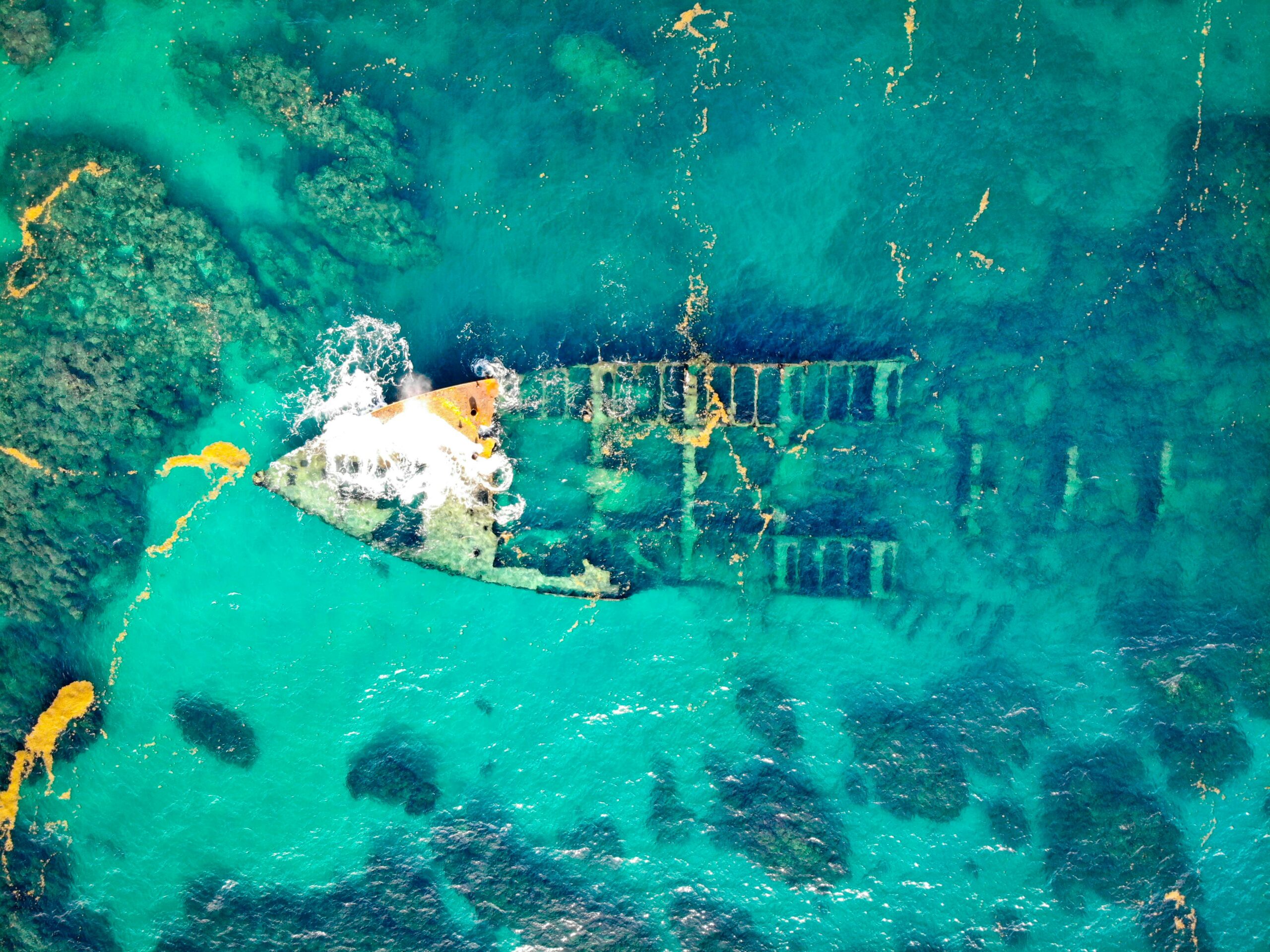
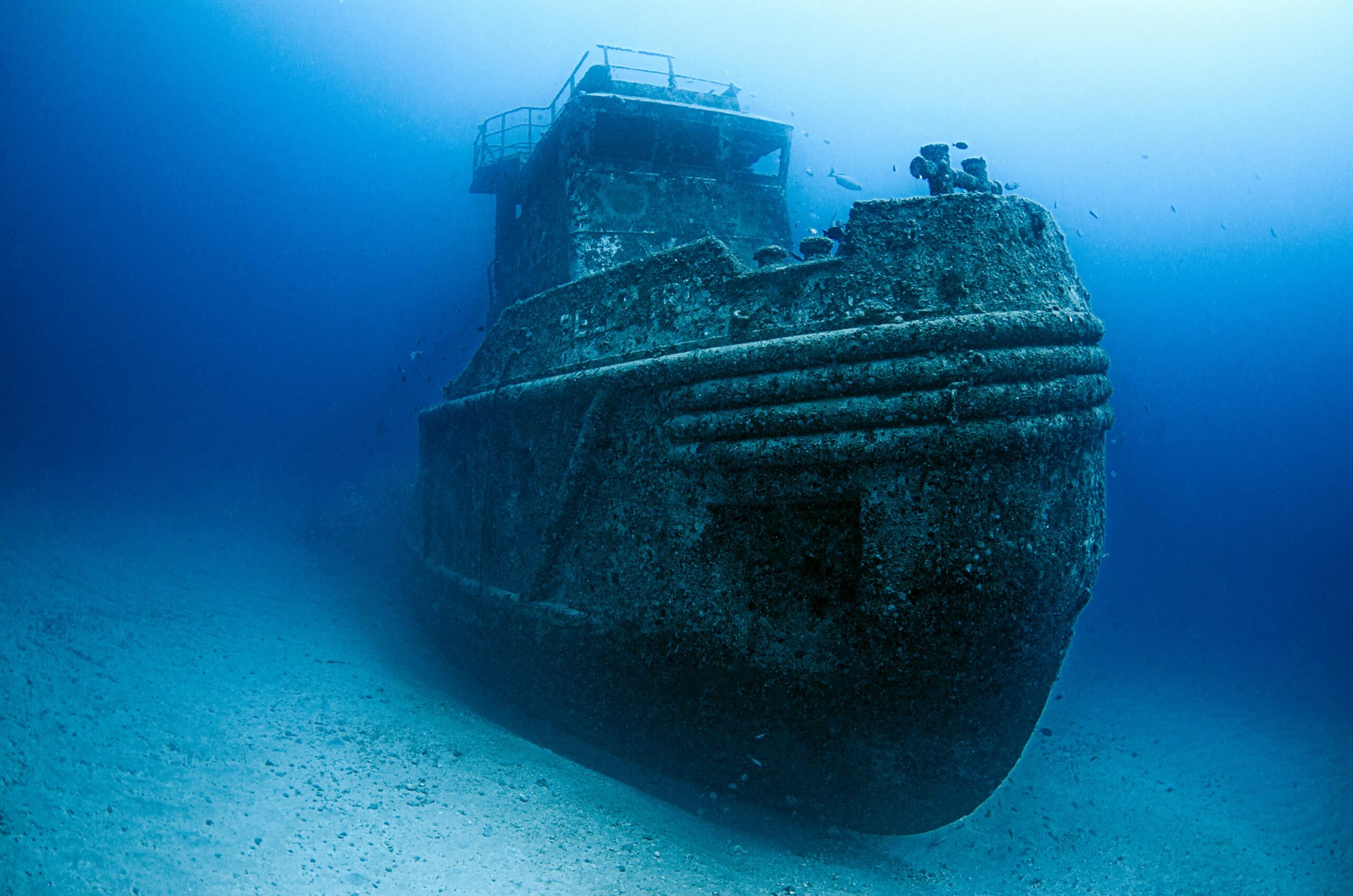
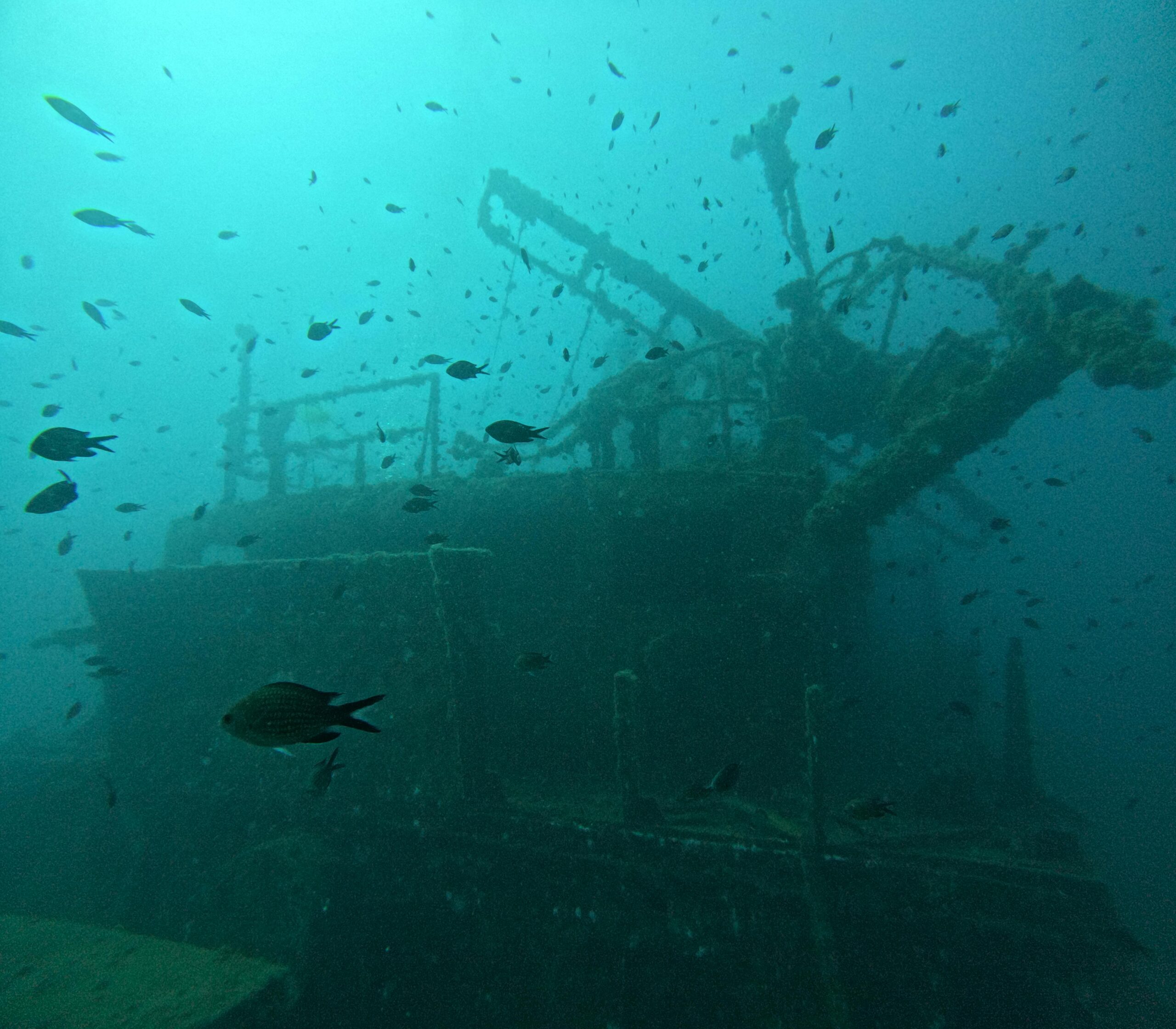
Underwater archaeology has been revolutionized by ROV technology, enabling the discovery and documentation of shipwrecks, ancient harbors, and submerged settlements without disturbing these fragile historical sites. Traditional diving archaeology faced severe time limitations and depth restrictions that left many sites inaccessible or underexplored.
ROVs can spend hours methodically surveying wreck sites, creating detailed photogrammetric models that preserve precise spatial relationships between artifacts. High-resolution imaging captures details of construction techniques, cargo manifests, and personal effects that tell human stories spanning millennia. These non-invasive surveys protect sites from the disturbance that physical excavation inevitably causes.
Famous discoveries include ancient Roman trading vessels with intact amphorae, warships from historic naval battles, and even aircraft from both World Wars. Each discovery provides windows into past civilizations, trade networks, technological capabilities, and historical events. The Black Sea, Mediterranean, and other marine environments preserve wooden vessels that would have decayed on land, creating extraordinary time capsules.
Preserving Submerged Cultural Heritage
Beyond discovery, ROVs play crucial roles in monitoring and protecting underwater cultural heritage. Many shipwrecks face threats from looting, trawling, and environmental degradation. Regular ROV surveys document site conditions, identifying changes and damage that inform conservation strategies. Some ROVs deploy protective structures or retrieve artifacts threatened by imminent destruction.
ROV technology democratizes access to underwater archaeology, broadcasting live video from expedition sites and enabling remote participation by experts worldwide. This connectivity fosters international collaboration and public engagement with maritime heritage, building support for conservation efforts.
🌍 Environmental Monitoring and Climate Research
Understanding climate change requires comprehensive ocean data, as the seas absorb enormous quantities of heat and carbon dioxide that would otherwise accelerate atmospheric warming. ROVs provide critical tools for monitoring ocean health, tracking ecosystem changes, and documenting the impacts of human activities on marine environments.
Coral reefs, among the most biodiverse and threatened ecosystems on Earth, benefit from ROV monitoring programs that document bleaching events, disease outbreaks, and recovery patterns. Deep-water coral communities, only recently discovered through ROV exploration, face threats from bottom trawling, ocean acidification, and warming that require ongoing assessment.
ROVs equipped with water sampling equipment collect specimens from precise depths and locations, enabling researchers to track pollutant distribution, microplastic concentrations, and chemical composition changes over time. This data feeds into models predicting future ocean conditions and informing policy decisions about marine protection and resource management.
Tracking Marine Life and Ecosystem Dynamics
Understanding marine species distributions, behaviors, and population dynamics requires direct observation in natural habitats. ROVs enable non-invasive wildlife monitoring, following individual animals, documenting behaviors, and surveying population densities across depth ranges and habitats. This observational approach minimizes disturbance compared to capture-based sampling methods.
Scientists use ROV footage to study predator-prey interactions, reproductive behaviors, and feeding strategies of species rarely encountered by humans. Time-lapse camera systems deployed by ROVs capture slow-moving processes like coral growth, sediment deposition, and seasonal migrations. These observations build comprehensive understanding of ecosystem function and resilience.
Technological Innovation Driving Future Capabilities 🚀
ROV technology continues advancing rapidly, with innovations promising even greater capabilities for underwater exploration and discovery. Artificial intelligence and machine learning algorithms now assist ROV pilots in navigation, obstacle avoidance, and target identification, reducing operator workload while improving mission efficiency.
Autonomous capabilities represent a major frontier in ROV development. While traditional ROVs require constant human control through tethered connections, emerging platforms incorporate autonomous navigation systems that enable independent operation for specific tasks. These systems use sophisticated sensor fusion, real-time mapping, and decision algorithms to explore, survey, and collect data with minimal human intervention.
Battery technology improvements and energy harvesting systems extend operational durations, reducing dependence on surface support vessels. Some experimental ROVs generate power from temperature differentials or underwater currents, potentially enabling indefinite deployments for long-term monitoring missions.
Miniaturization and Swarm Technologies
While large work-class ROVs will continue serving heavy industrial and deep-water applications, miniaturized vehicles are opening new possibilities. Micro-ROVs small enough to fit in a backpack can access confined spaces like underwater caves, shipwreck interiors, and narrow crevices impossible for larger vehicles to reach.
Swarm robotics concepts envision deploying multiple small ROVs that coordinate their activities, mapping large areas efficiently or approaching complex tasks from multiple angles simultaneously. Distributed sensing networks created by ROV swarms could revolutionize ocean monitoring, providing unprecedented spatial and temporal data resolution.
Expanding Access to Ocean Exploration 🌐
Historically, deep-sea exploration remained the exclusive domain of well-funded research institutions, governments, and large corporations. The high costs of specialized vessels, equipment, and trained personnel created barriers excluding most potential participants. This situation is gradually changing as technology becomes more accessible and affordable.
Universities and research centers increasingly operate their own ROV programs, training new generations of ocean scientists and engineers. Commercial ROV services have expanded, enabling smaller organizations and even individuals to contract underwater exploration capabilities for specific projects. This democratization accelerates discovery by engaging diverse perspectives and priorities.
Citizen science initiatives leverage ROV footage and data, inviting public participation in classification tasks, species identification, and data analysis. Thousands of volunteers worldwide contribute to research projects by reviewing video, annotating observations, and identifying features of interest. This crowdsourced approach multiplies research capacity while fostering ocean literacy and conservation awareness.
Challenges and Limitations Remaining to Overcome ⚠️
Despite remarkable advances, ROV technology faces ongoing challenges that limit capabilities and accessibility. Cost remains a significant barrier, with sophisticated work-class ROVs and their support systems requiring millions of dollars in capital investment plus substantial ongoing operational expenses. This economic reality restricts ROV operations to entities with substantial funding.
Technical limitations persist in extreme environments. Battery life constrains mission duration, particularly for untethered autonomous vehicles. Communication bandwidth limitations affect real-time control and data transmission, especially at great depths where acoustic systems replace traditional radio frequencies. Navigation precision in GPS-denied underwater environments requires sophisticated sensor fusion and dead-reckoning algorithms prone to accumulated errors.
The physical tether connecting most ROVs to surface vessels provides power and high-bandwidth communication but creates handling challenges. Tethers can snag on obstacles, limit operational range, and complicate maneuvering in complex environments. Balancing the advantages of tethered systems against the freedom of autonomous operation remains an ongoing engineering challenge.
Environmental and Ethical Considerations
ROV operations must balance exploration benefits against potential environmental impacts. Bright lights can disturb light-sensitive deep-sea organisms, while vehicle movements may damage fragile coral, sponge gardens, and other sessile communities. Sampling activities inevitably affect collected specimens and surrounding ecosystems, raising questions about responsible scientific practice in pristine environments.
As ROV capabilities expand into previously unexplored areas, careful consideration of exploration ethics becomes crucial. Establishing protected areas, limiting human impact, and prioritizing conservation alongside discovery ensures that exploration benefits rather than harms marine environments. International cooperation and governance frameworks must evolve alongside technology to address these concerns.
Envisioning Tomorrow’s Ocean Discovery Platforms 🔮
The future of ROV technology promises extraordinary advances that will further revolutionize underwater exploration. Biomimetic designs inspired by marine animals could produce highly efficient, maneuverable vehicles adapted to specific environments. Fish-like propulsion, squid-inspired jet systems, and jellyfish-mimicking pulsing mechanisms represent alternatives to conventional thruster designs.
Soft robotics applications may enable ROVs to squeeze through narrow openings, grasp delicate specimens without damage, and navigate complex three-dimensional spaces with unprecedented agility. Shape-shifting vehicles that reconfigure for different tasks could provide versatility impossible with rigid designs.
Integration with other exploration platforms will amplify capabilities. Hybrid systems combining ROVs with autonomous underwater vehicles (AUVs) leverage the strengths of both approaches—AUVs for wide-area surveys and ROVs for detailed investigation of features of interest. Coordination with surface vessels, satellites, and shore-based facilities creates comprehensive observation networks spanning air, sea surface, and depths.
The deep ocean remains Earth’s largest and least understood environment, holding countless secrets about our planet’s history, life’s diversity, and processes shaping global systems. ROVs have emerged as transformative tools that push back the boundaries of ignorance, revealing wonders and phenomena that challenge assumptions and inspire new questions. As technology continues advancing and access expands, the pace of discovery accelerates, promising decades of remarkable revelations from the depths.
From scientific research stations documenting climate change impacts to commercial operators maintaining critical infrastructure, from archaeological teams uncovering ancient mysteries to resource companies developing marine minerals, ROVs serve increasingly diverse missions. This versatility demonstrates the fundamental value of remotely operated systems for working in environments hostile to human presence.
The revolution in underwater exploration powered by ROV technology represents more than technical achievement—it reflects humanity’s enduring curiosity about the unknown and commitment to understanding our world. Every dive reveals something unexpected, every image captures details previously hidden, and every mission expands the collective knowledge essential for wisely managing our relationship with the ocean. The deep potential of ROVs continues unfolding, promising discoveries that will shape science, industry, and environmental stewardship for generations to come.

Toni Santos is a visual storyteller and archival artist whose work dives deep into the submerged narratives of underwater archaeology. Through a lens tuned to forgotten depths, Toni explores the silent poetry of lost worlds beneath the waves — where history sleeps in salt and sediment.
Guided by a fascination with sunken relics, ancient ports, and shipwrecked civilizations, Toni’s creative journey flows through coral-covered amphorae, eroded coins, and barnacle-encrusted artifacts. Each piece he creates or curates is a visual meditation on the passage of time — a dialogue between what is buried and what still speaks.
Blending design, storytelling, and historical interpretation, Toni brings to the surface the aesthetics of maritime memory. His work captures the textures of decay and preservation, revealing beauty in rust, ruin, and ruin’s resilience. Through his artistry, he reanimates the traces of vanished cultures that now rest on ocean floors, lost to maps but not to meaning.
As the voice behind Vizovex, Toni shares curated visuals, thoughtful essays, and reconstructed impressions of archaeological findings beneath the sea. He invites others to see underwater ruins not as remnants, but as thresholds to wonder — where history is softened by water, yet sharpened by myth.
His work is a tribute to:
The mystery of civilizations claimed by the sea
The haunting elegance of artifacts lost to time
The silent dialogue between water, memory, and stone
Whether you’re drawn to ancient maritime empires, forgotten coastal rituals, or the melancholic beauty of sunken ships, Toni welcomes you to descend into a space where the past is submerged but never silenced — one relic, one current, one discovery at a time.