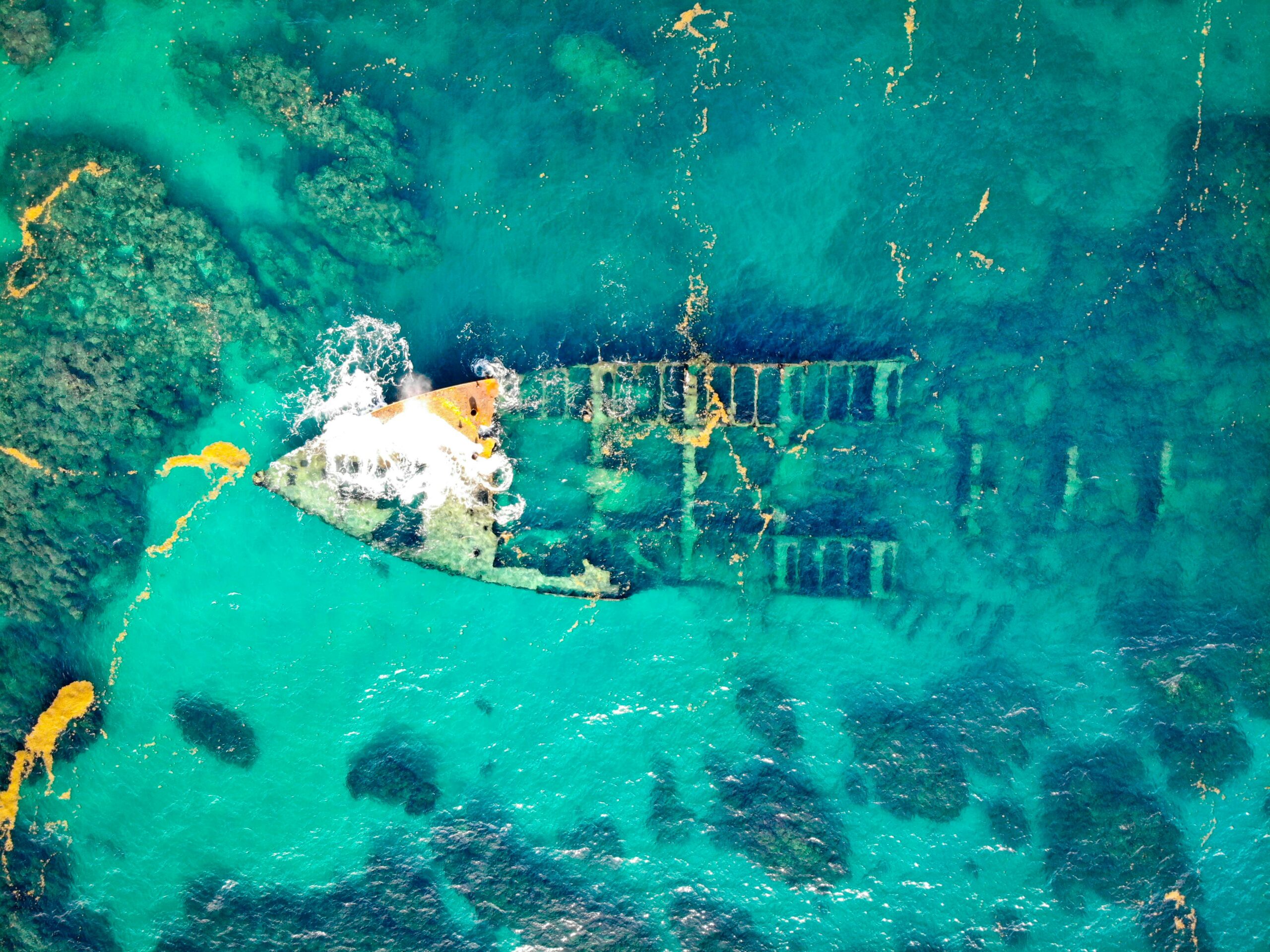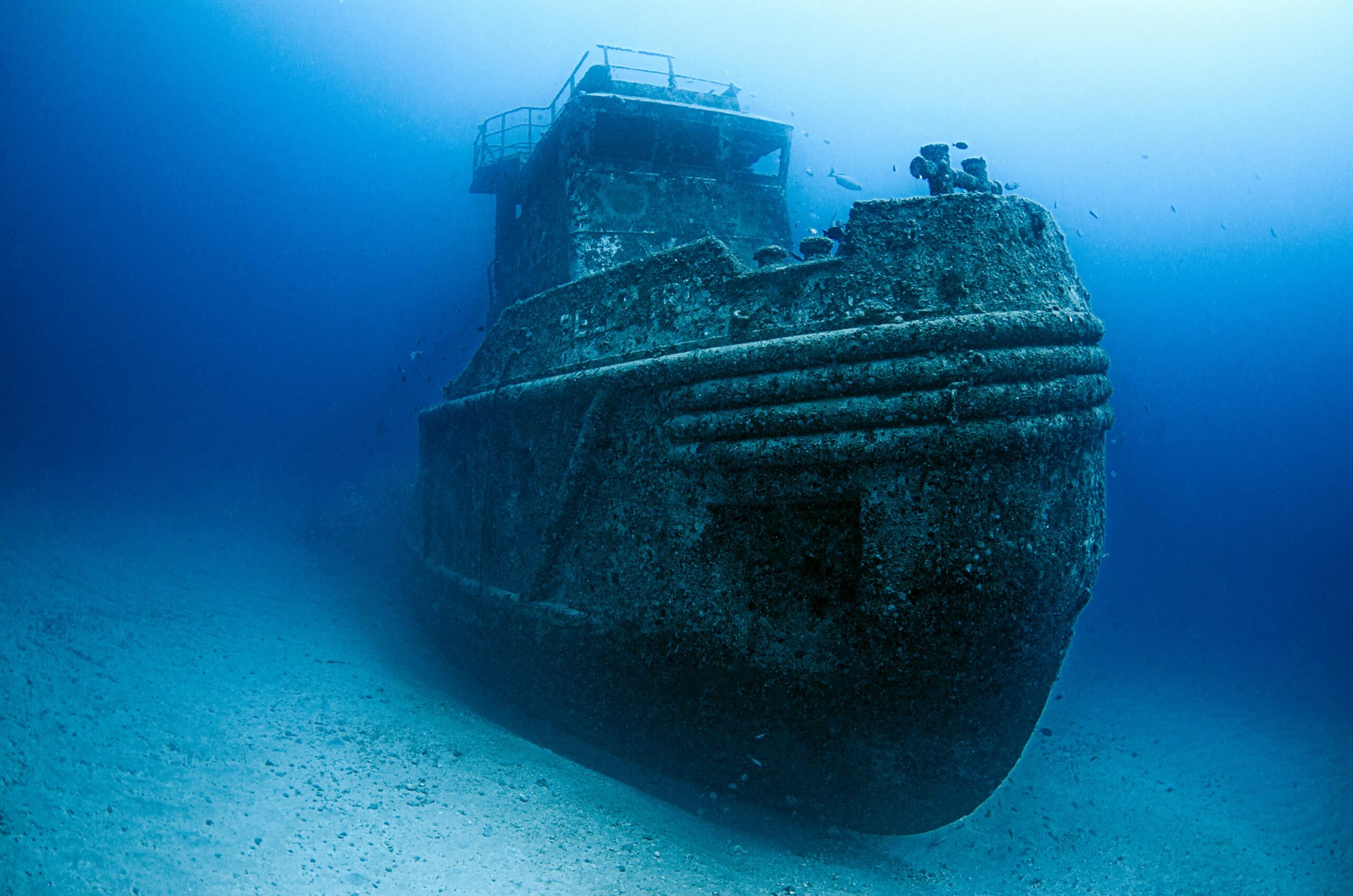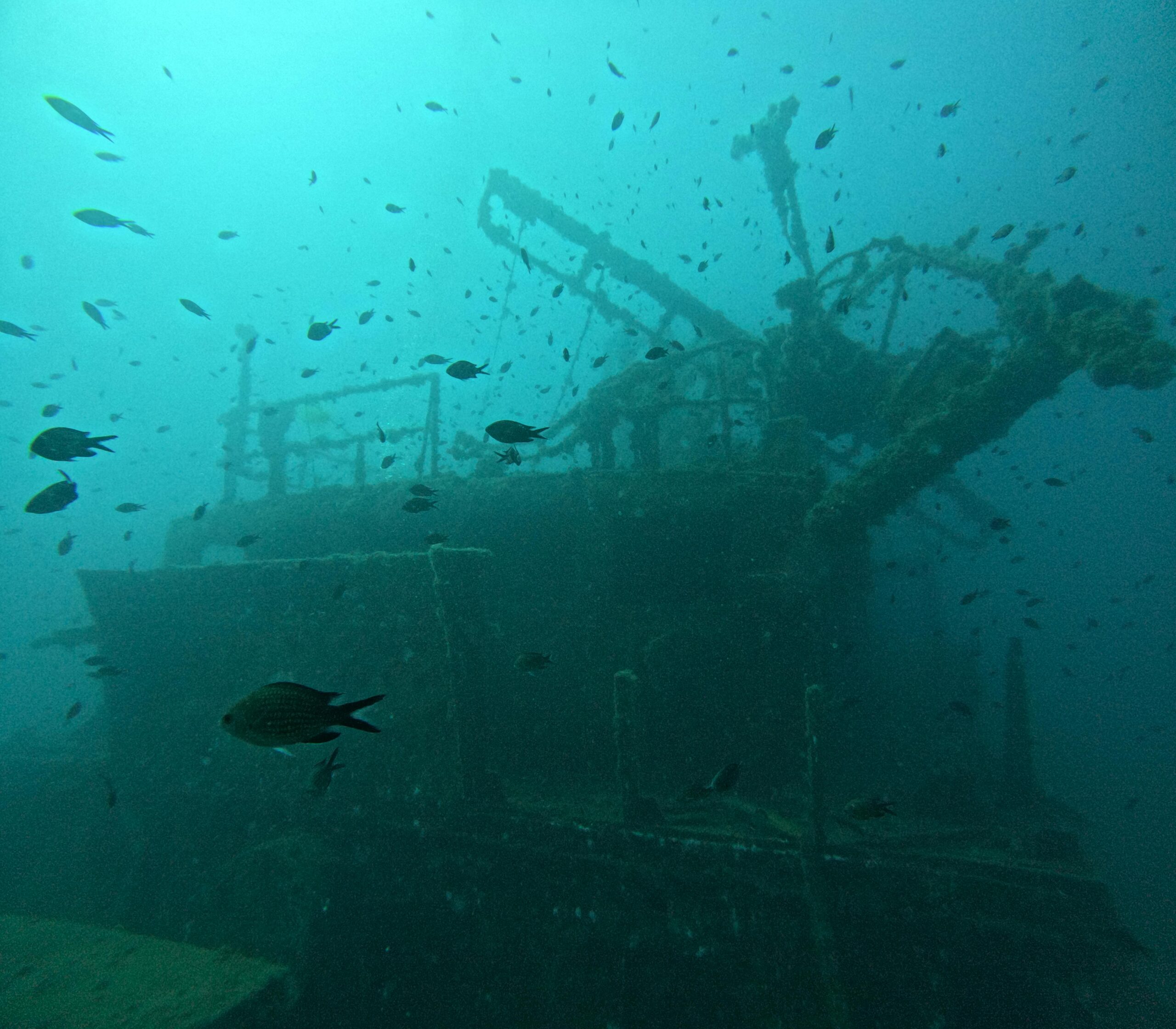
Underwater excavation combines advanced diving techniques with archaeological precision, revealing submerged treasures that hold centuries of untold stories and historical significance.
🌊 The Evolution of Underwater Archaeological Excavation
The realm beneath the waves has always captivated human imagination, hiding shipwrecks, ancient cities, and artifacts that paint vivid pictures of our past. Modern underwater excavation has transformed from rudimentary treasure hunting into a sophisticated scientific discipline that requires specialized training, cutting-edge technology, and meticulous methodology. Today’s underwater archaeologists are not merely divers with curiosity; they are trained professionals who blend maritime skills with archaeological expertise to unlock secrets preserved in aquatic environments.
The journey of underwater archaeology began in earnest during the mid-20th century when SCUBA technology became accessible to researchers. Before this revolutionary development, underwater exploration was limited to surface-supplied diving equipment or dangerous free-diving attempts. The introduction of self-contained breathing apparatus democratized access to underwater sites, allowing archaeologists to spend extended periods examining submerged locations. This technological leap forward opened unprecedented opportunities for systematic excavation and scientific documentation of underwater cultural heritage.
Understanding the Unique Challenges of Submerged Excavations
Working underwater presents challenges that land-based archaeologists never encounter. The aquatic environment imposes physical limitations that fundamentally alter excavation strategies. Water pressure increases with depth, limiting bottom time and requiring decompression protocols that can stretch a simple excavation into days or weeks of work. Visibility often ranges from crystal clear to virtually zero, depending on sediment suspension, water chemistry, and environmental conditions. Cold temperatures can rapidly sap a diver’s energy and cognitive function, reducing effective working time even further.
Currents represent another significant obstacle for underwater excavators. Even moderate water movement can disperse sediments before proper documentation, scatter artifacts across the seafloor, or make precision work nearly impossible. Tidal cycles must be carefully monitored and excavation schedules adjusted accordingly. In some locations, excavation windows may last only minutes during slack tide periods when currents temporarily cease.
Environmental Preservation Considerations
Modern underwater excavation emphasizes minimal environmental impact. Marine ecosystems often establish themselves on archaeological sites, with shipwrecks serving as artificial reefs that support diverse biological communities. Excavators must balance the scientific value of artifact recovery with ecological responsibility. Many projects now include marine biologists who assess environmental impacts and develop strategies to protect established ecosystems while allowing archaeological work to proceed.
⚓ Innovative Mapping and Documentation Technologies
Precise documentation forms the foundation of professional underwater excavation. Unlike terrestrial sites where researchers can leisurely photograph, measure, and sketch findings, underwater archaeologists work against the clock with every dive. Modern technology has revolutionized documentation capabilities, allowing teams to capture comprehensive data in compressed timeframes.
Photogrammetry has emerged as a game-changing tool for underwater archaeological documentation. This technique involves taking overlapping photographs from multiple angles, which specialized software then processes to create detailed three-dimensional models. These digital recreations preserve spatial relationships between artifacts with millimeter accuracy, allowing researchers to study site layouts long after excavation concludes. Advanced photogrammetry systems can now produce models in near real-time, enabling dive teams to verify coverage completeness before surfacing.
Acoustic and Sonar Technologies
Side-scan sonar and multibeam echosounders have transformed how archaeologists locate and map underwater sites. These acoustic technologies create detailed images of the seafloor by measuring how sound waves reflect off surfaces. Modern systems can distinguish between natural geological features and human-made structures, identifying potential excavation sites across vast underwater landscapes. Sub-bottom profilers penetrate sediment layers, revealing buried structures and artifacts invisible to visual inspection or standard sonar.
Remotely operated vehicles (ROVs) extend excavation capabilities beyond human diving limits. These robotic systems can work at depths that would be dangerous or impossible for human divers, equipped with high-definition cameras, manipulator arms, and specialized tools. Advanced ROVs now feature haptic feedback systems that allow operators to “feel” objects remotely, providing tactile information crucial for delicate excavation work.
🤿 Advanced Diver-Based Excavation Methodologies
Despite technological advances, human divers remain irreplaceable for many excavation tasks. The combination of human judgment, dexterity, and adaptability allows excavators to make nuanced decisions that no automated system can replicate. Modern diver-based techniques emphasize efficiency and safety while maintaining rigorous archaeological standards.
Grid System Implementation Underwater
Establishing reference grids underwater follows similar principles to terrestrial archaeology but requires specialized adaptation. Divers typically construct grids using PVC pipe, metal frames, or tensioned lines that divide excavation areas into manageable squares. Each grid section receives unique identifiers, allowing precise artifact provenance documentation. Permanent markers anchored to stable seafloor features provide reference points for multi-season projects, ensuring consistency across years of excavation work.
The grid system serves multiple purposes beyond simple organization. It facilitates systematic photography, ensures complete coverage during excavation, and helps teams track progress. When combined with photogrammetry, gridded sites produce highly accurate three-dimensional models that preserve spatial context even after artifacts are removed.
Sediment Removal Techniques
Removing sediment without damaging artifacts or destroying contextual information requires specialized tools and techniques. Water dredges, essentially underwater vacuum cleaners, allow controlled sediment removal while capturing displaced material for later screening. These systems range from simple venturi-effect devices powered by water pumps to sophisticated airlift systems that use compressed air to generate suction.
Manual excavation tools adapted for underwater use include trowels, brushes, and dental picks, much like their terrestrial counterparts. However, underwater versions often feature modified handles for better grip with neoprene gloves and weighted designs to overcome buoyancy. Some teams employ water jets that carefully erode sediment layers, revealing artifacts with minimal physical contact.
📊 Artifact Recovery and Preservation Protocols
The moment an artifact emerges from its underwater tomb begins a critical period where improper handling can cause irreversible damage. Objects preserved in aquatic environments exist in delicate equilibrium with their surroundings. Removing them from water initiates chemical and physical changes that can destroy fragile materials within hours if proper conservation measures aren’t implemented.
| Material Type | Primary Threats | Immediate Treatment |
|---|---|---|
| Organic Materials | Decomposition, shrinkage | Keep wet, refrigerate |
| Iron Objects | Rapid oxidation | Alkaline solution immersion |
| Wood | Collapse, warping | Continuous water immersion |
| Ceramics | Salt crystallization | Freshwater soaking |
| Textiles | Fiber breakdown | Darkness, stable humidity |
Field Conservation Strategies
Successful underwater excavation projects establish field conservation facilities before excavation begins. These facilities provide controlled environments where artifacts can stabilize immediately upon recovery. Fresh water tanks allow gradual desalination of objects that have absorbed salt during centuries of submersion. Temperature-controlled storage prevents thermal shock that could crack or warp delicate materials.
Documentation continues throughout the conservation process. Conservators photograph artifacts at multiple stages, recording changes in appearance as treatments progress. This documentation proves invaluable for later research and helps refine conservation protocols for future projects. Chemical analysis of encrustation and corrosion products provides insights into burial environment conditions and degradation processes.
⚡ Safety Protocols and Risk Management
Underwater excavation presents inherent risks that demand comprehensive safety protocols. Decompression sickness, nitrogen narcosis, equipment failure, entanglement hazards, and marine life encounters are just a few dangers that excavation teams must anticipate and mitigate. Professional underwater archaeology programs emphasize safety training as vigorously as archaeological methodology.
Dive planning forms the foundation of safe underwater excavation. Teams calculate maximum bottom times based on depth, water temperature, and planned workload. Emergency procedures address potential scenarios from equipment malfunctions to medical emergencies. Communication systems allow divers to maintain contact with surface support, though underwater environments often limit communication to hand signals and slate writing.
Redundancy and Backup Systems
Professional excavation divers employ redundant equipment systems that provide backup options if primary systems fail. Duplicate breathing gas supplies, alternative buoyancy control methods, and backup lights represent standard equipment configurations. Technical divers working at greater depths may carry multiple redundant systems, recognizing that equipment failure in deep water allows no margin for error.
Medical support forms an essential component of excavation safety infrastructure. Projects in remote locations often include trained medical personnel and hyperbaric chamber access for treating decompression injuries. Evacuation plans detail procedures for transporting injured divers to advanced medical facilities, recognizing that some diving injuries require specialized treatment available only at designated facilities.
🗺️ Case Studies: Landmark Underwater Excavations
Real-world excavation projects demonstrate how innovative techniques reveal hidden treasures and expand historical understanding. The Antikythera shipwreck, discovered off the Greek coast in 1900, continues yielding artifacts more than a century after initial discovery. Recent excavations using advanced techniques have recovered additional components of the famous Antikythera mechanism, along with bronze statues, glassware, and ship structural elements that illuminate ancient Mediterranean trade networks.
The Mary Rose excavation, conducted in the Solent channel between 1979 and 1982, represented a milestone in underwater archaeology. Teams recovered Henry VIII’s flagship along with thousands of artifacts that provide unprecedented insight into Tudor naval life. The project pioneered many techniques now considered standard practice, including systematic grid excavation, comprehensive photographic documentation, and immediate conservation protocols. The innovative recovery of the ship itself, lifted in a custom-built cradle, demonstrated engineering solutions to preservation challenges.
The Alexandria Harbor Excavations
Underwater investigations of ancient Alexandria’s submerged harbor districts have revealed palace complexes, temple foundations, and enormous statuary that toppled into the sea during earthquakes. These excavations occur in challenging conditions with poor visibility and significant modern contamination. Teams developed specialized techniques for working in silty urban harbors, including real-time video feeds to surface monitors that allow researchers to observe excavation progress despite visibility limitations.
🔬 Integration of Scientific Analysis
Modern underwater excavation extends far beyond artifact recovery, incorporating diverse scientific disciplines that extract maximum information from recovered materials. Specialists in fields ranging from metallurgy to marine biology contribute expertise that enriches archaeological interpretation.
Materials analysis reveals manufacturing techniques, trade patterns, and technological capabilities of past cultures. X-ray fluorescence identifies metal compositions without damaging artifacts, while CT scanning reveals internal structures of encrusted objects before conservation begins. Dendrochronology dates wooden shipwrecks by analyzing growth rings in timber, often pinpointing construction dates with remarkable precision.
Environmental Reconstruction
Sediment cores extracted from excavation sites contain pollen, phytoliths, and microscopic organisms that document past environmental conditions. This paleoenvironmental data contextualizes archaeological findings within broader climate and ecological patterns. Understanding environmental conditions helps researchers interpret site formation processes and human responses to environmental changes.
DNA analysis of organic materials recovered from underwater sites opens fascinating research avenues. Researchers have successfully extracted and analyzed ancient DNA from waterlogged materials, identifying plant species, animal remains, and even human genetic markers. These molecular techniques complement traditional archaeological analysis, providing insights impossible to obtain through visual examination alone.
💡 Training and Professional Development
Becoming a professional underwater excavator requires extensive training that combines diving proficiency with archaeological expertise. University programs specializing in maritime archaeology provide structured curricula covering diving skills, archaeological theory, conservation principles, and research methodology. Students gain practical experience through field schools that place them on active excavation projects under professional supervision.
- Advanced diving certifications including rescue, deep, and technical diving specialties
- Archaeological survey and excavation methodology courses
- Underwater photography and videography training
- Conservation theory and practical treatment techniques
- Maritime history and nautical archaeology specialized knowledge
- Research design and scientific writing skills
- Equipment maintenance and technical support capabilities
🌍 Ethical Considerations and Cultural Heritage Protection
Contemporary underwater archaeology operates within ethical frameworks that prioritize cultural heritage preservation over artifact collection. Professional standards established by organizations like UNESCO emphasize in situ preservation whenever possible, recovering artifacts only when scientific value justifies removal or when sites face imminent destruction.
International conventions protect underwater cultural heritage from commercial exploitation and looting. The 2001 UNESCO Convention on the Protection of Underwater Cultural Heritage establishes principles that prohibit commercial salvage of sites older than 100 years and encourages international cooperation in heritage protection. Ethical archaeologists distinguish their work from treasure hunting by emphasizing scientific research over economic gain.
Community Engagement and Public Education
Successful excavation projects increasingly involve local communities and stakeholders in planning and execution. Indigenous groups may hold cultural connections to submerged sites, requiring consultation and collaboration to ensure respectful treatment of ancestral heritage. Public outreach programs share discoveries with broader audiences, building support for heritage protection while satisfying public curiosity about underwater treasures.
Looking Toward the Future of Underwater Discovery
Emerging technologies promise to revolutionize underwater excavation in coming decades. Autonomous underwater vehicles equipped with artificial intelligence may soon conduct preliminary surveys and documentation with minimal human oversight. Machine learning algorithms trained on archaeological datasets could identify artifacts and features in sonar data with accuracy surpassing human analysts. Virtual reality systems may allow researchers to explore submerged sites remotely, reducing environmental impact while expanding access to fragile locations.
Climate change presents both threats and opportunities for underwater archaeology. Rising sea levels may inundate coastal archaeological sites, creating new underwater heritage locations requiring documentation and protection. Simultaneously, changing ocean chemistry and warming waters may accelerate degradation of organic materials at established sites, creating urgency around documentation and conservation efforts. The underwater archaeology community must adapt methodologies to address these evolving challenges while continuing to unveil hidden treasures that enrich our understanding of human history.
The mastery of innovative diver-based excavation techniques represents an ongoing journey rather than a destination. Each project generates new insights that refine methodologies and inspire technological innovations. As the field continues evolving, the fundamental mission remains constant: preserving and interpreting underwater cultural heritage so that hidden treasures can illuminate the past and inform the future for generations to come.

Toni Santos is a visual storyteller and archival artist whose work dives deep into the submerged narratives of underwater archaeology. Through a lens tuned to forgotten depths, Toni explores the silent poetry of lost worlds beneath the waves — where history sleeps in salt and sediment.
Guided by a fascination with sunken relics, ancient ports, and shipwrecked civilizations, Toni’s creative journey flows through coral-covered amphorae, eroded coins, and barnacle-encrusted artifacts. Each piece he creates or curates is a visual meditation on the passage of time — a dialogue between what is buried and what still speaks.
Blending design, storytelling, and historical interpretation, Toni brings to the surface the aesthetics of maritime memory. His work captures the textures of decay and preservation, revealing beauty in rust, ruin, and ruin’s resilience. Through his artistry, he reanimates the traces of vanished cultures that now rest on ocean floors, lost to maps but not to meaning.
As the voice behind Vizovex, Toni shares curated visuals, thoughtful essays, and reconstructed impressions of archaeological findings beneath the sea. He invites others to see underwater ruins not as remnants, but as thresholds to wonder — where history is softened by water, yet sharpened by myth.
His work is a tribute to:
The mystery of civilizations claimed by the sea
The haunting elegance of artifacts lost to time
The silent dialogue between water, memory, and stone
Whether you’re drawn to ancient maritime empires, forgotten coastal rituals, or the melancholic beauty of sunken ships, Toni welcomes you to descend into a space where the past is submerged but never silenced — one relic, one current, one discovery at a time.