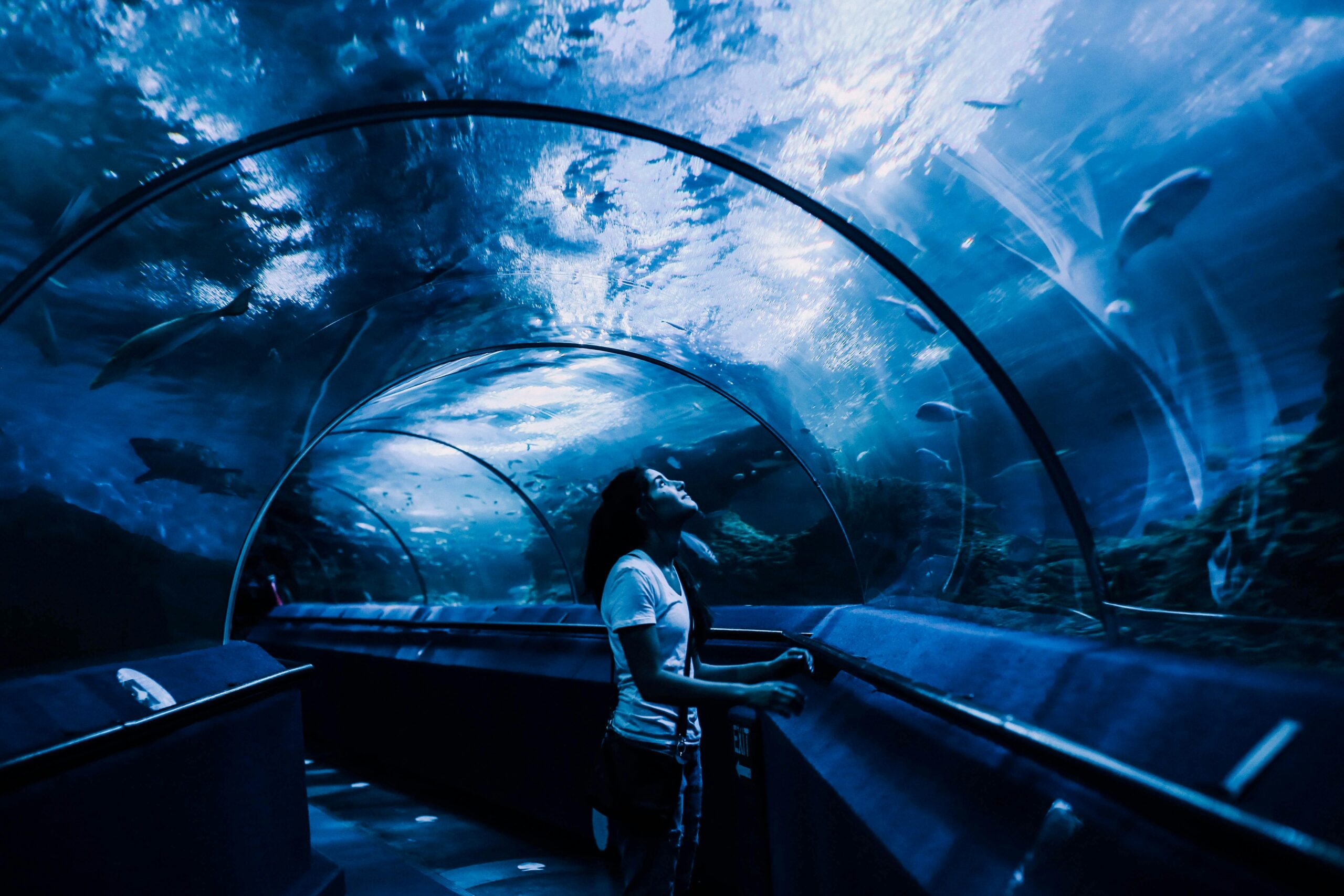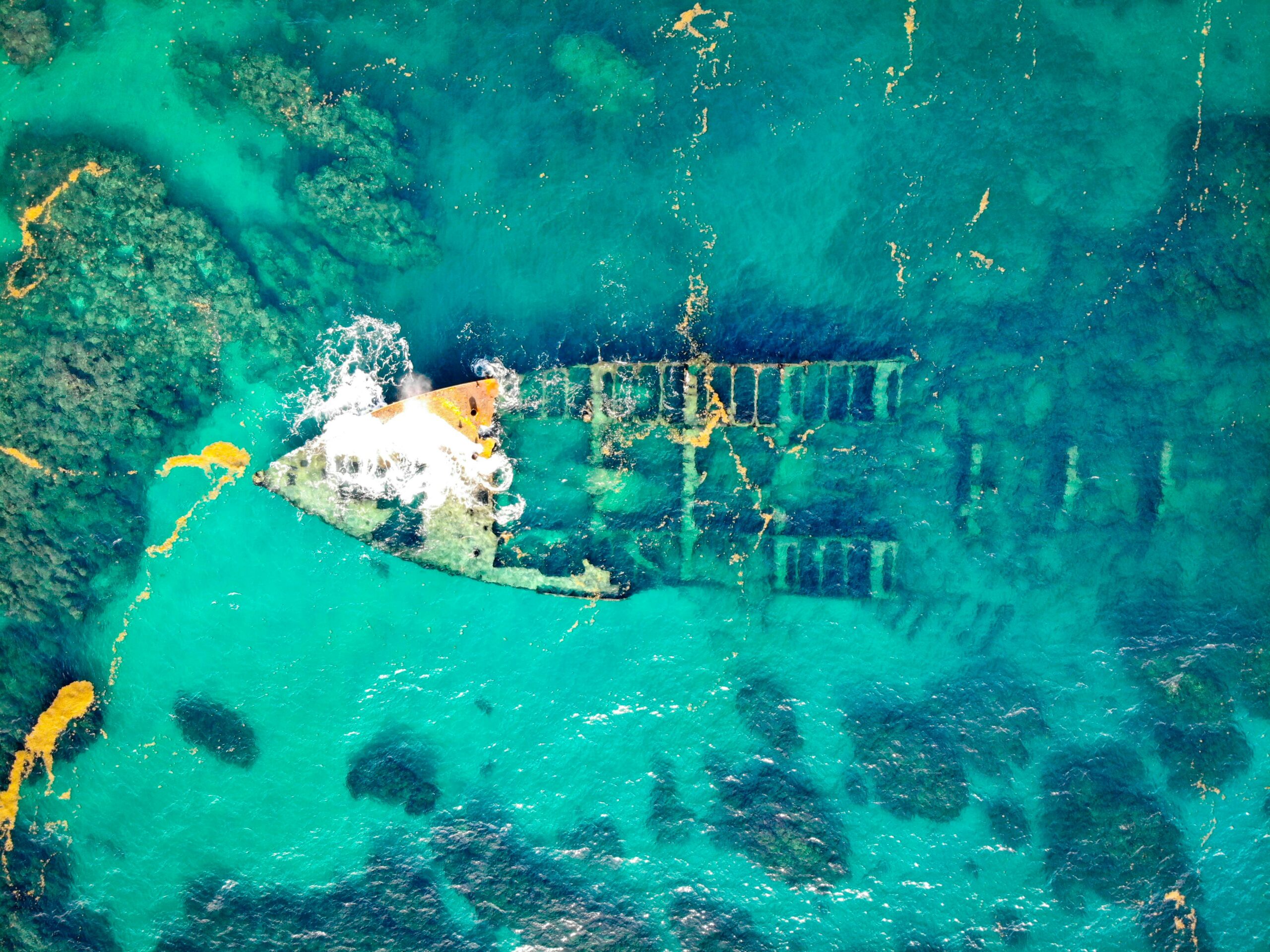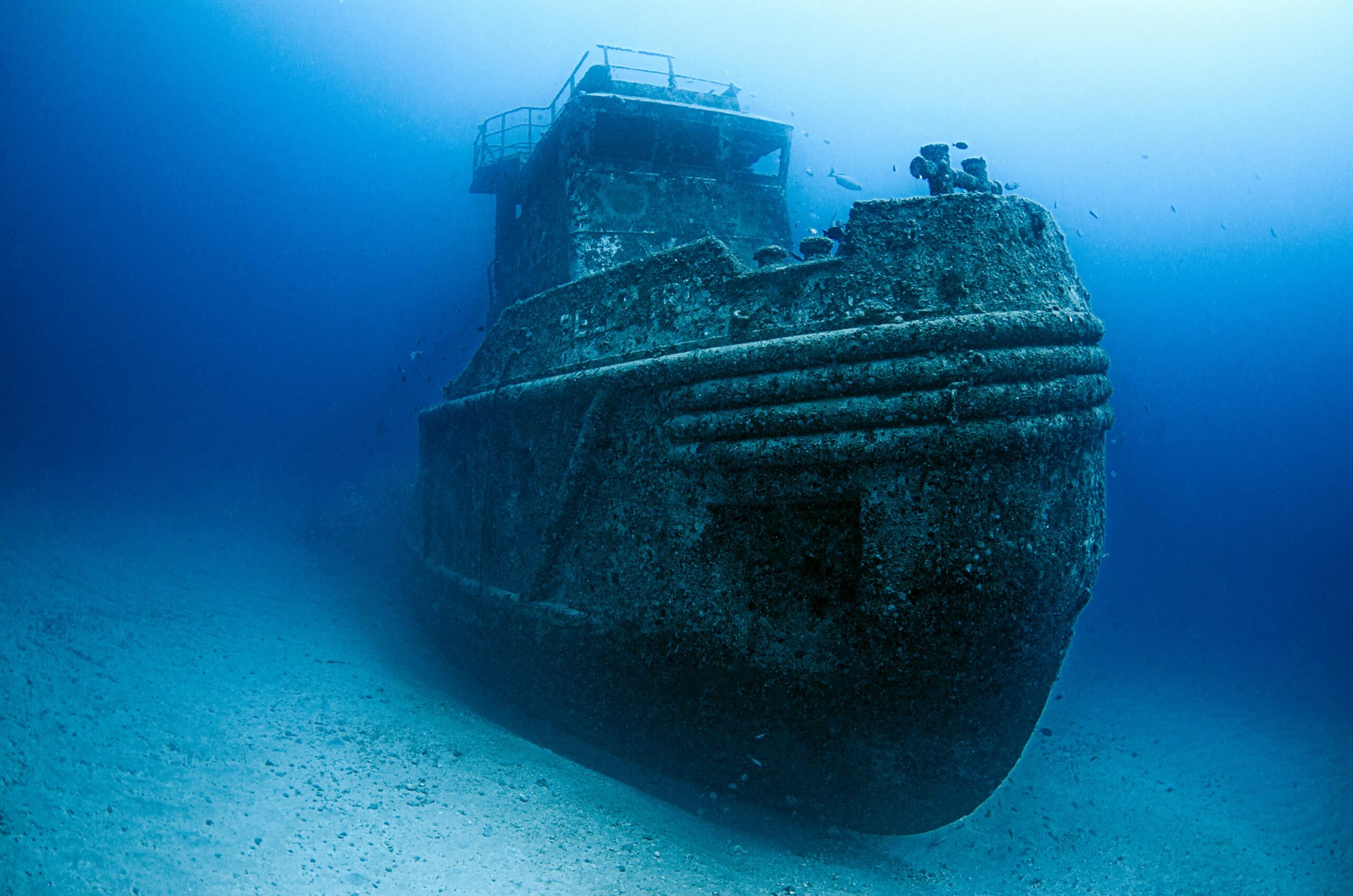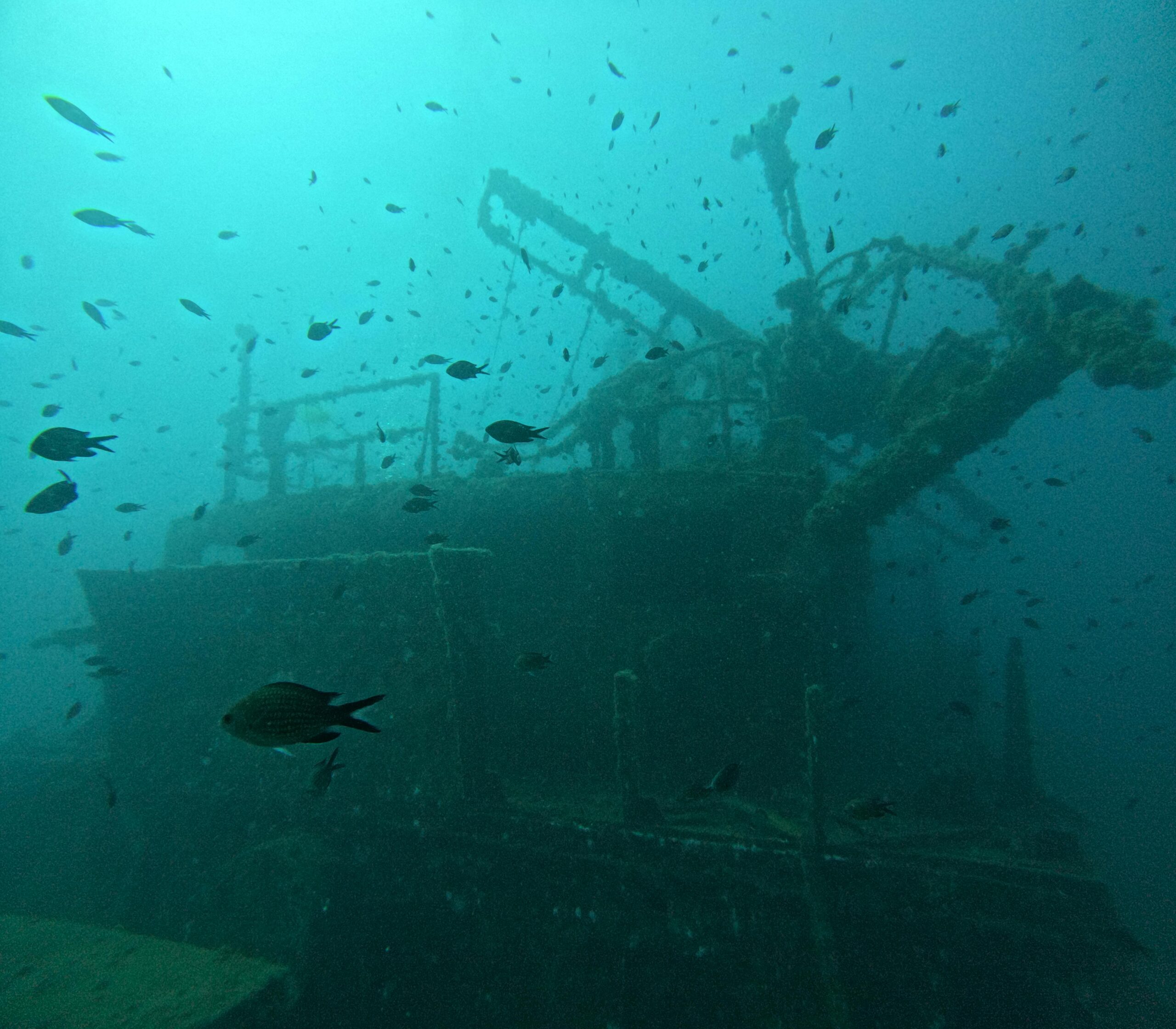
Underwater archaeology combines the thrill of discovery with the inherent risks of diving, making comprehensive safety protocols absolutely essential for every professional and enthusiast working beneath the waves.
🌊 Understanding the Unique Challenges of Archaeological Diving
Underwater archaeology presents challenges that go far beyond recreational diving. Unlike leisure divers who can ascend at will, archaeological divers must balance scientific precision with dive safety, often working in confined spaces, poor visibility, and complex underwater environments. The work demands extended bottom times, repetitive dives, and the handling of delicate artifacts while maintaining buoyancy control and monitoring decompression limits.
Archaeological sites frequently exist in conditions that test even experienced divers. Silty riverbeds, wreck interiors filled with entanglement hazards, cold water temperatures, and strong currents are common workplace conditions. These environments require specialized training that extends well beyond standard open water certification, incorporating technical diving skills, research methodologies, and artifact handling protocols.
The cognitive load on archaeological divers is substantial. They must simultaneously conduct detailed surveys, take measurements, photograph artifacts in situ, manage excavation tools, and maintain awareness of their dive parameters. This multitasking in an alien environment demands exceptional preparation and adherence to safety protocols that have been refined through decades of underwater research experience.
🎓 Essential Training and Certification Requirements
Before attempting any archaeological diving work, proper certification is non-negotiable. At minimum, divers should hold advanced open water certification, but most professional archaeological projects require rescue diver certification or higher. Organizations like PADI, SSI, and NAUI offer specialized courses in archaeological diving that address the unique demands of working on submerged cultural heritage sites.
Technical diving certifications become necessary when working beyond recreational limits. Nitrox certification enables longer bottom times with reduced nitrogen loading, while advanced nitrox, decompression procedures, and trimix certifications open access to deeper sites. Many underwater archaeology programs now require participants to hold scientific diver certification through organizations like the American Academy of Underwater Sciences (AAUS).
Specialized training in underwater archaeology itself is equally important. Academic programs and professional workshops teach proper excavation techniques, artifact documentation methods, site mapping procedures, and conservation protocols. This training ensures that safety considerations integrate seamlessly with archaeological best practices, preventing both diver injuries and damage to irreplaceable cultural resources.
Key Competencies for Archaeological Divers
- Advanced buoyancy control for working near fragile artifacts
- Underwater navigation and survey techniques
- Photography and videography documentation skills
- Artifact handling and recovery procedures
- Emergency response in remote or confined environments
- Equipment maintenance and failure management
- Decompression theory and dive planning
⚙️ Essential Safety Equipment for Archaeological Diving
The equipment requirements for underwater archaeology extend considerably beyond basic recreational diving gear. A comprehensive safety setup begins with redundancy in all critical systems. Primary and backup regulators, dual dive computers, redundant depth gauges, and backup lights are standard necessities rather than optional extras.
Surface marker buoys (SMBs) and delayed surface marker buoys (DSMBs) are essential for maintaining connection with surface support, especially when working in areas with boat traffic. Each diver should carry their own, along with a backup signaling device. Dive reels or spools allow for navigation in low visibility and provide a lifeline back to the ascent point from complex wreck interiors or cave environments.
Communication equipment varies based on site conditions and project requirements. Underwater writing slates remain the most reliable tool for basic communication, but through-water communication systems and full-face masks with integrated communication become necessary for complex excavations requiring real-time coordination. Safety sausages, whistles, and waterproof strobe lights ensure divers can signal for assistance if separated from their team.
Specialized archaeological tools must integrate with safety considerations. Lifting bags require proper training to prevent uncontrolled ascents. Measuring tapes, grids, and photography equipment should attach securely to prevent loss and entanglement. All equipment should streamline against the body to minimize snag hazards in confined spaces and wreckage.
📋 Pre-Dive Planning and Risk Assessment
Comprehensive pre-dive planning forms the foundation of safe archaeological diving operations. Every dive should begin with a thorough briefing covering objectives, time limits, maximum depths, emergency procedures, and communication protocols. Risk assessment identifies potential hazards specific to the site, including overhead environments, entanglement risks, marine life concerns, and environmental conditions.
Dive planning software and tables help calculate no-decompression limits, required surface intervals, and gas consumption rates. Conservative dive profiles account for the additional workload of archaeological tasks, cold water exposure, and the cognitive demands of research work. Planning should always incorporate contingency scenarios including lost diver procedures, equipment failures, and medical emergencies.
Weather and water conditions require careful evaluation before every dive. Current forecasts, visibility reports, wave heights, and water temperature all influence dive safety. Projects should establish clear go/no-go criteria based on measurable conditions rather than subjective judgment. When conditions exceed established parameters, the dive should be postponed regardless of schedule pressures or expedition costs.
Critical Planning Checklist
- Detailed site briefing with maps and photographs
- Individual dive plan with depths and bottom times
- Equipment check and buddy verification
- Emergency action plan and evacuation procedures
- Surface support communication protocols
- Gas management planning with reserve calculations
- Decompression requirements and schedules
👥 Buddy Systems and Team Protocols
The buddy system takes on enhanced importance in archaeological diving where task fixation poses constant risks. Buddies must maintain visual contact or tether connections while balancing research objectives with safety monitoring. Effective buddy teams establish clear hand signals, review emergency procedures before each dive, and practice air-sharing and ascent protocols regularly.
Archaeological projects typically operate with structured team hierarchies. A dive supervisor coordinates surface operations, monitors dive schedules, and maintains emergency response readiness. Safety divers remain on standby, fully equipped and ready to respond to emergencies without compromising the research team’s work. Larger projects may employ dedicated rescue divers and medical personnel.
Team communication protocols ensure everyone understands their role and responsibilities. Pre-dive briefings confirm task assignments, time schedules, and safety procedures. Post-dive debriefings review what worked well and identify areas for improvement. This continuous feedback loop strengthens team performance and reinforces safety culture throughout extended field seasons.
🏛️ Site-Specific Safety Considerations
Different archaeological environments present unique safety challenges requiring tailored protocols. Shallow coastal sites may seem less dangerous but often feature strong surge, poor visibility from suspended sediment, and boat traffic hazards. Divers must secure themselves against wave action when conducting delicate excavation work and maintain awareness of changing tidal conditions.
Shipwreck sites introduce overhead environment hazards, sharp metal edges, entanglement risks, and potential structural instability. Penetration diving inside wrecks requires technical training, guideline deployment, and specialized equipment. Many wrecks also contain pollutants, unexploded ordnance, or biological hazards requiring additional precautions and protective equipment.
Deep archaeological sites beyond recreational limits demand technical diving skills and equipment. Decompression obligations, nitrogen narcosis, oxygen toxicity risks, and limited gas supplies all require careful management. These sites necessitate mixed gas diving, staged decompression stops, and support divers positioned at various depths with emergency gas supplies.
Freshwater environments like lakes and rivers present distinct challenges including cold temperatures, reduced visibility, current hazards, and contamination risks. Dry suits become necessary for thermal protection, while contaminated water diving may require full-face masks and post-dive decontamination procedures. River archaeology particularly demands expertise in managing currents and maintaining position while conducting delicate work.
🚨 Emergency Response and Rescue Procedures
Despite meticulous planning, emergencies can occur in underwater archaeology. Every team member must understand emergency procedures and practice them regularly. Out-of-air scenarios require immediate air-sharing responses using buddy breathing or alternate air sources. Teams should practice these skills until they become automatic reflexes requiring no conscious thought.
Lost diver procedures activate when a team member becomes separated from their buddy or group. Established protocols typically involve a brief search pattern lasting no more than one minute before ascending to regroup at the surface or predetermined depth. Surface support must monitor dive schedules closely and initiate emergency responses when divers fail to surface at planned times.
Medical emergencies underwater demand calm, systematic responses. Decompression illness symptoms require immediate recognition and appropriate first aid, including oxygen administration and emergency evacuation to hyperbaric treatment facilities. Every archaeological diving project should maintain emergency oxygen equipment, first aid supplies, and evacuation plans coordinated with local emergency medical services.
Equipment failures require contingency responses practiced until they become second nature. Regulator malfunctions, mask floods, buoyancy compensator issues, and computer failures should all trigger calm, methodical responses rather than panic. Redundant equipment provides backup systems, while thorough pre-dive checks minimize failure likelihood.
💉 Dive Medicine and Health Considerations
Fitness for diving extends beyond general health to specific physiological considerations. Divers must understand how pressure affects the body, recognizing symptoms of nitrogen narcosis, oxygen toxicity, carbon dioxide buildup, and decompression sickness. Regular medical examinations by dive-medicine specialists help identify conditions that might compromise underwater safety.
Hydration and nutrition significantly impact dive safety. Dehydration increases decompression illness risk while reducing cognitive performance. Archaeological divers working long field days must maintain fluid intake and energy levels through proper nutrition. Cold water diving particularly demands increased caloric intake to support thermal regulation.
Fatigue management is crucial during extended field seasons involving multiple dives over consecutive days. Residual nitrogen accumulation, physical exhaustion, and mental fatigue all compound to increase accident risk. Projects should implement rest days, limit daily dive numbers, and monitor team members for signs of accumulated fatigue.
📱 Technology Integration and Safety Enhancement
Modern technology offers significant safety enhancements for underwater archaeology. Dive computers provide real-time monitoring of depth, time, decompression status, and ascent rates. Multiple computers offer redundancy while different algorithms provide comparative data. Conservative settings appropriate for working dives should always be selected over recreational algorithms.
Underwater GPS systems and positioning technology enable precise navigation while maintaining awareness of the broader site layout. This reduces disorientation risks in poor visibility and helps divers stay within planned work areas. Surface monitoring systems can track diver locations, providing enhanced safety oversight for complex or hazardous sites.
Documentation technology must integrate safely with diving operations. Underwater cameras and video systems should mount securely without creating entanglement hazards. Lighting systems require sufficient burn time for the entire dive plus reserves. All electronic equipment needs backup power sources and waterproof housing rated for maximum working depths.
🌍 Environmental and Legal Safety Frameworks
Archaeological diving operates within legal frameworks designed to protect both divers and cultural heritage. Permits and permissions must be secured before commencing work, ensuring operations meet governmental safety standards and heritage protection requirements. Many jurisdictions require specific certifications, insurance coverage, and safety plans before authorizing archaeological diving projects.
Environmental protection protocols serve both conservation and safety purposes. Disturbing marine life or damaging sensitive habitats can create hazards for divers while compromising archaeological contexts. Careful excavation techniques minimize environmental disturbance while maintaining site integrity. Understanding local marine life helps divers avoid dangerous species encounters.
Cultural sensitivity extends to safety considerations when working on heritage sites, particularly those containing human remains or sacred materials. Protocols should address respectful treatment while ensuring diver safety. Some sites may require ceremonial procedures or community involvement that must integrate with safety protocols.
🔄 Continuous Improvement and Safety Culture
Safety in underwater archaeology requires ongoing commitment to learning and improvement. Regular skills practice maintains proficiency in emergency procedures, equipment handling, and diving techniques. Annual refresher courses, emergency scenario training, and equipment updates ensure teams remain current with best practices and technological advances.
Incident reporting and analysis create opportunities for learning from close calls and accidents. Near-miss reporting without blame encourages open communication about safety concerns. Analyzing incidents identifies systemic issues requiring protocol changes rather than simply attributing problems to individual error.
Safety culture must permeate every aspect of archaeological diving operations. Leadership sets the tone by prioritizing safety over research productivity, encouraging questions and concerns, and supporting conservative decision-making. Team members must feel empowered to call dives when they feel uncomfortable without fear of criticism or pressure to continue.
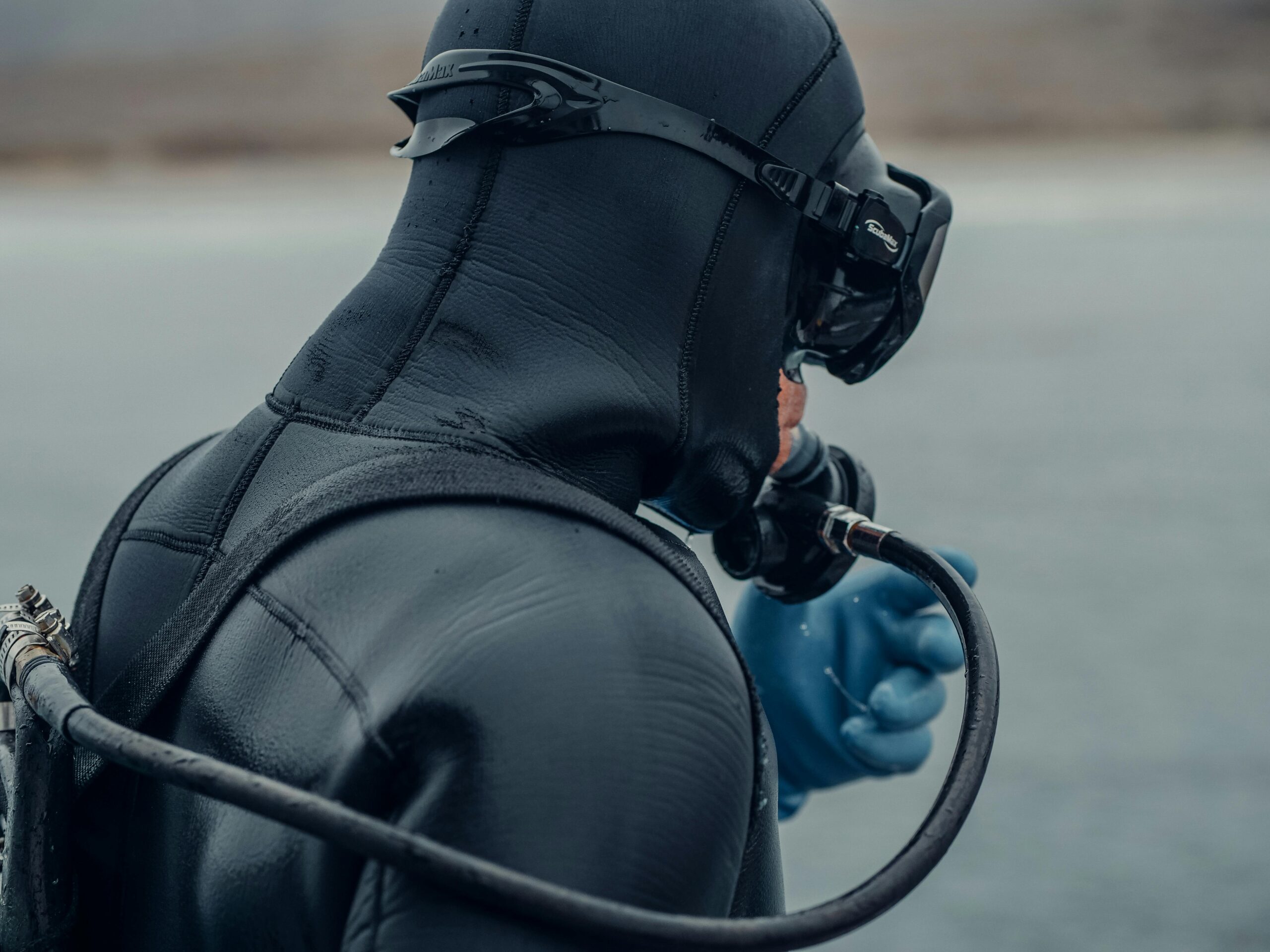
⚓ Making Safety Second Nature in Underwater Research
Thriving in underwater archaeology means integrating safety protocols so thoroughly that they become instinctive rather than burdensome. This integration comes through quality training, regular practice, experienced mentorship, and unwavering commitment to established procedures. The most successful archaeological divers are those who recognize that no artifact, no matter how significant, justifies compromising diver safety.
The field continues evolving with new technologies, techniques, and safety protocols emerging regularly. Staying current requires engagement with professional organizations, attendance at conferences and workshops, and participation in the broader diving safety community. Resources like Diving Safety Manuals, archaeological diving standards, and technical diving publications provide ongoing education.
Building a safety-focused career in underwater archaeology starts with recognizing that every dive presents risks requiring respect and preparation. By embracing comprehensive safety protocols, maintaining equipment meticulously, diving conservatively, and learning continuously, archaeological divers can pursue their passion for underwater cultural heritage while returning safely from every expedition into the depths.

Toni Santos is a visual storyteller and archival artist whose work dives deep into the submerged narratives of underwater archaeology. Through a lens tuned to forgotten depths, Toni explores the silent poetry of lost worlds beneath the waves — where history sleeps in salt and sediment.
Guided by a fascination with sunken relics, ancient ports, and shipwrecked civilizations, Toni’s creative journey flows through coral-covered amphorae, eroded coins, and barnacle-encrusted artifacts. Each piece he creates or curates is a visual meditation on the passage of time — a dialogue between what is buried and what still speaks.
Blending design, storytelling, and historical interpretation, Toni brings to the surface the aesthetics of maritime memory. His work captures the textures of decay and preservation, revealing beauty in rust, ruin, and ruin’s resilience. Through his artistry, he reanimates the traces of vanished cultures that now rest on ocean floors, lost to maps but not to meaning.
As the voice behind Vizovex, Toni shares curated visuals, thoughtful essays, and reconstructed impressions of archaeological findings beneath the sea. He invites others to see underwater ruins not as remnants, but as thresholds to wonder — where history is softened by water, yet sharpened by myth.
His work is a tribute to:
The mystery of civilizations claimed by the sea
The haunting elegance of artifacts lost to time
The silent dialogue between water, memory, and stone
Whether you’re drawn to ancient maritime empires, forgotten coastal rituals, or the melancholic beauty of sunken ships, Toni welcomes you to descend into a space where the past is submerged but never silenced — one relic, one current, one discovery at a time.