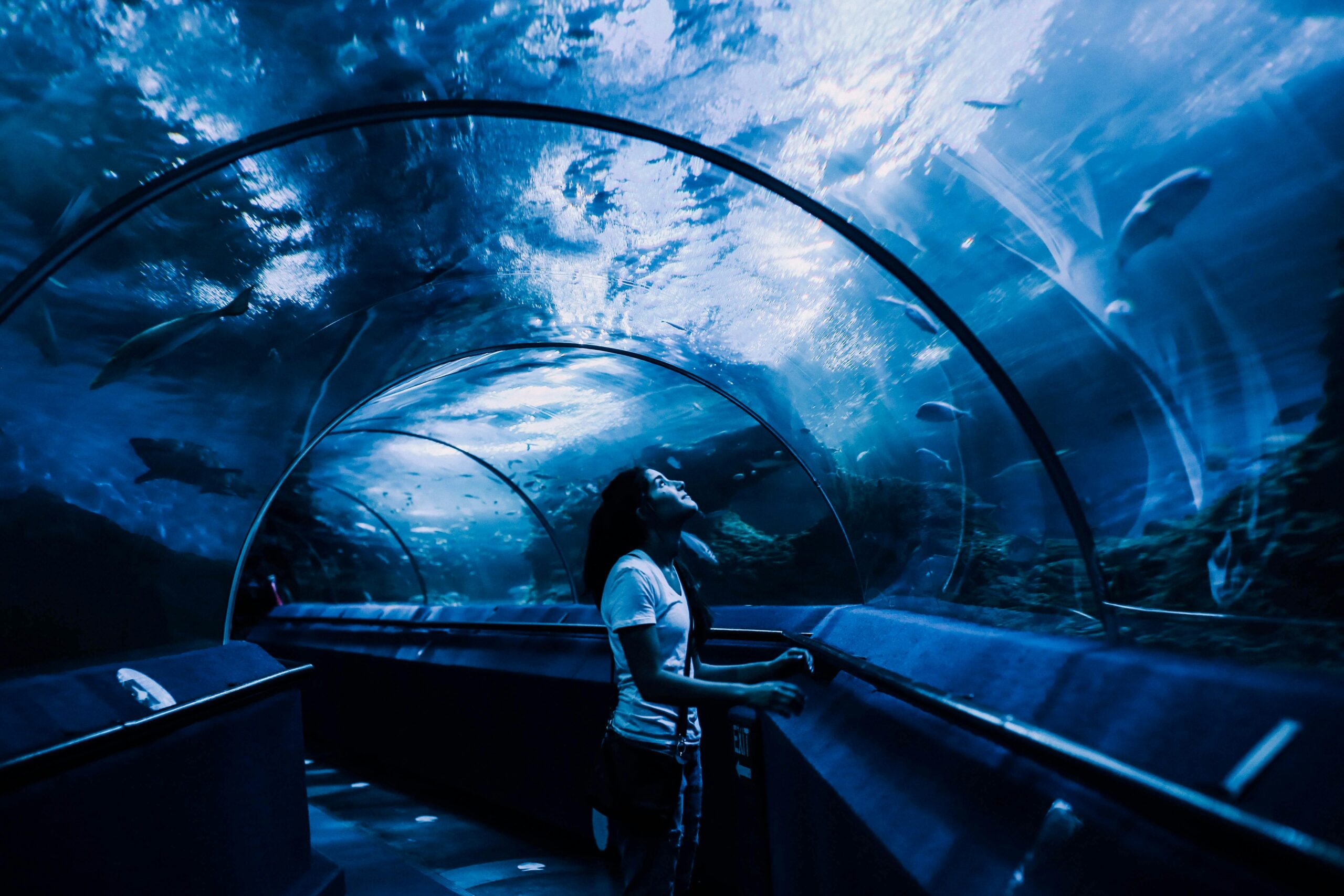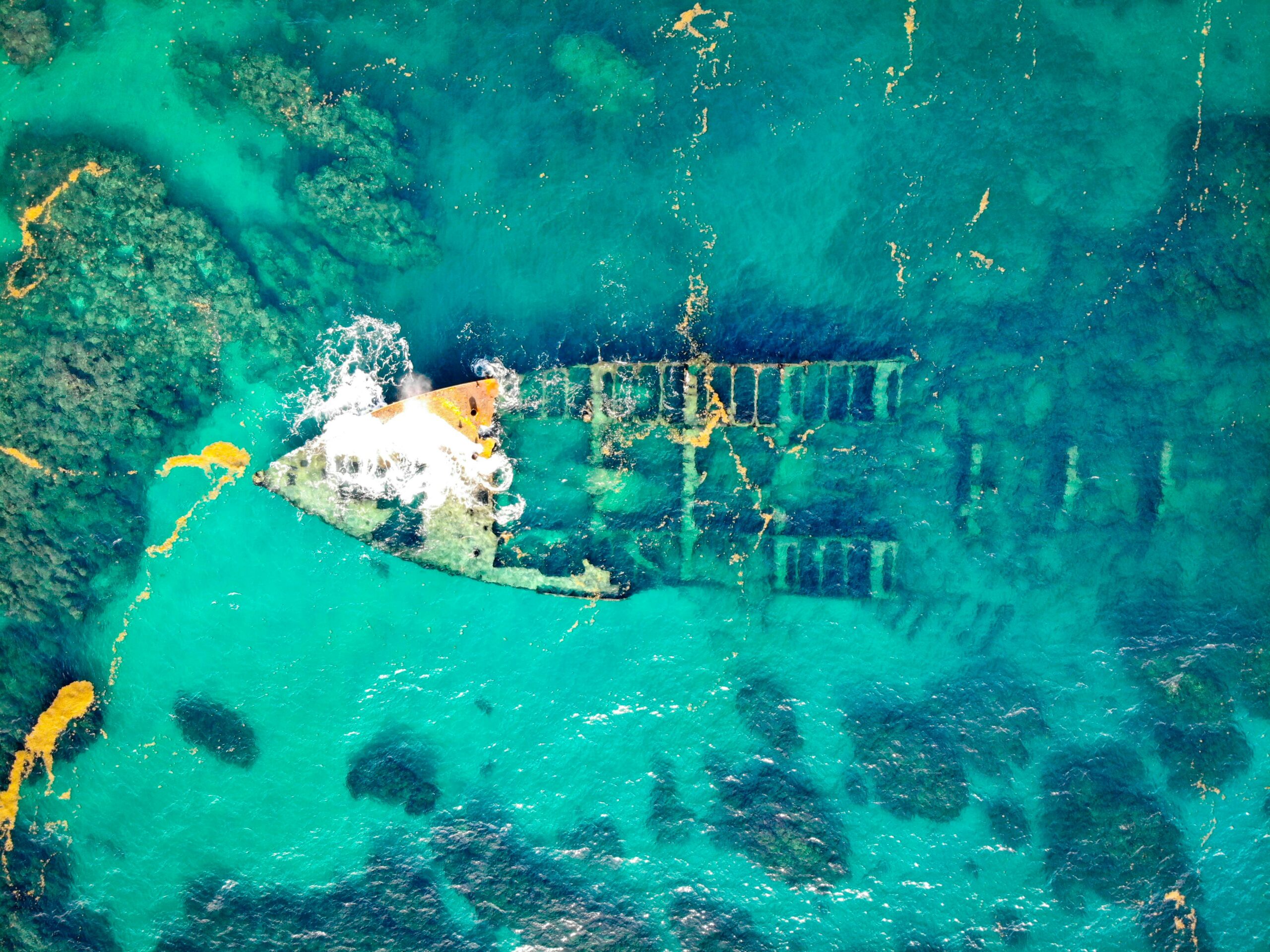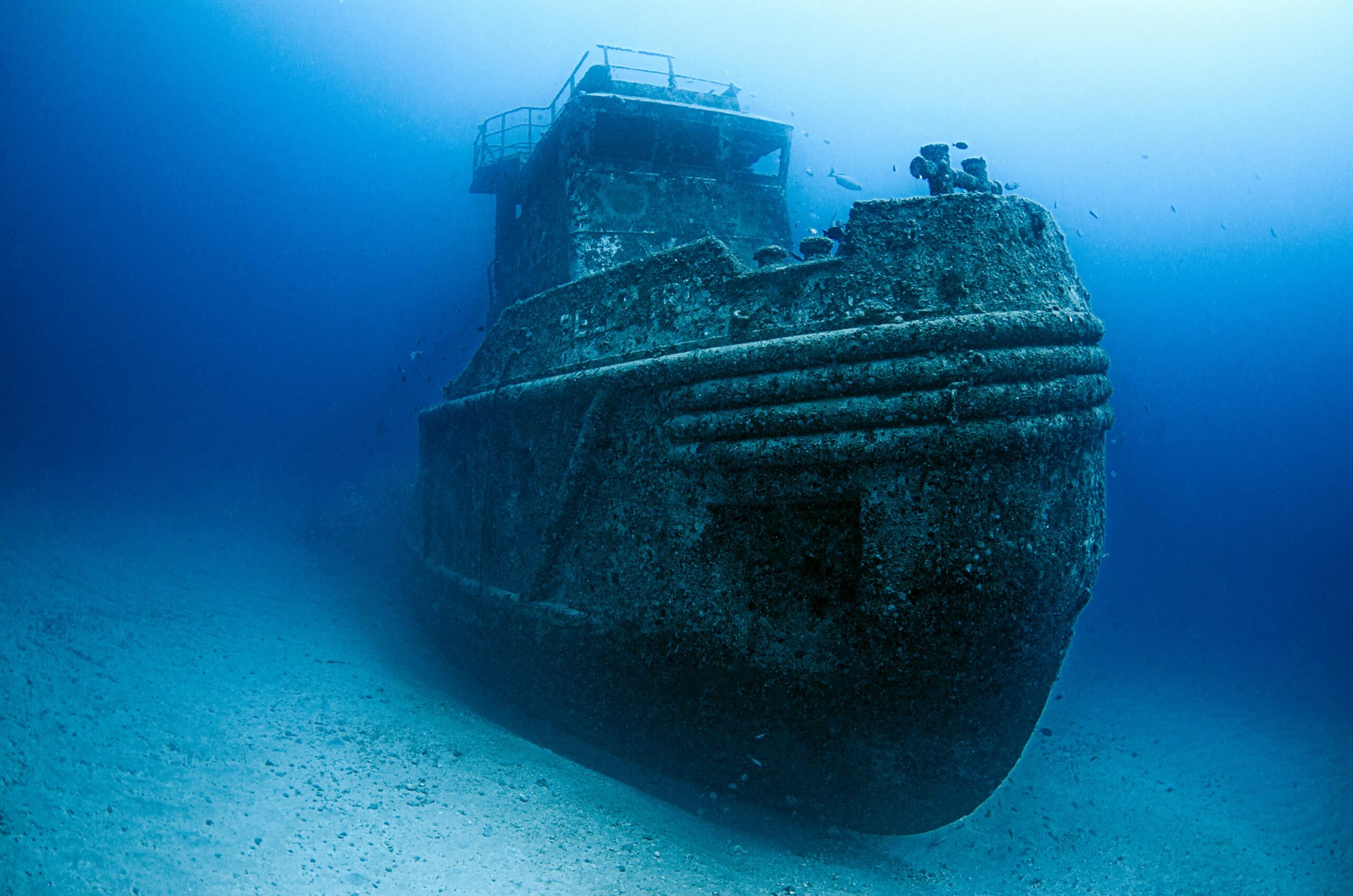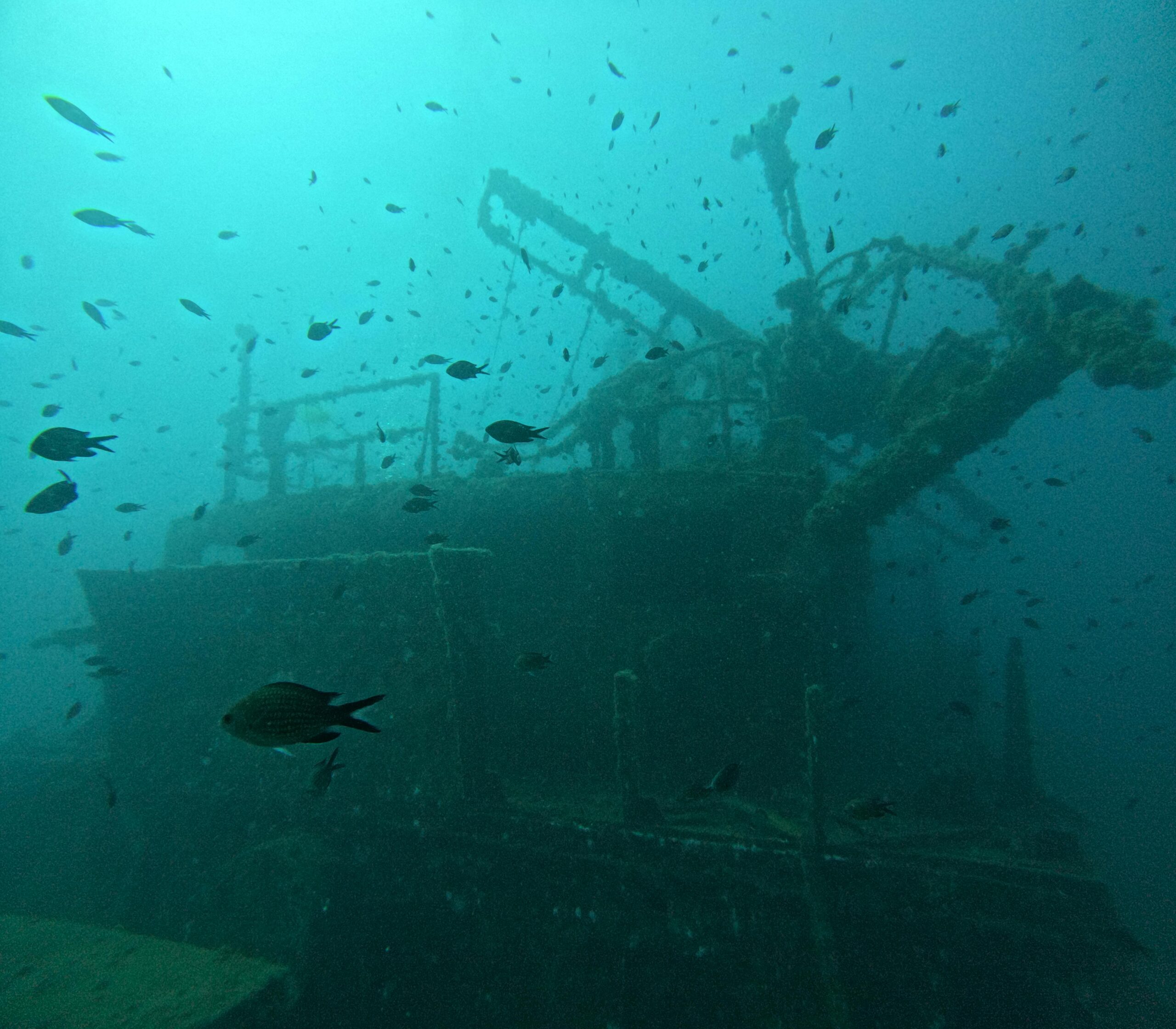
Beneath the ocean’s surface lies a museum without walls, where shipwrecks rest as silent witnesses to humanity’s maritime past, preserving stories that span centuries of exploration, trade, warfare, and tragedy. 🌊
The Ocean Floor: Earth’s Largest Archaeological Repository
The world’s oceans contain more than three million undiscovered shipwrecks, according to UNESCO estimates. Each vessel represents a frozen moment in time, capturing everything from ancient trade routes to modern naval battles. These underwater sites provide archaeologists, historians, and scientists with unprecedented access to artifacts and information that would have deteriorated long ago on land.
Unlike terrestrial archaeological sites, shipwrecks benefit from unique preservation conditions. The absence of oxygen in deep water environments creates an anaerobic atmosphere that slows decay dramatically. Wood, fabric, and even organic materials like food can remain intact for hundreds or thousands of years, offering researchers pristine examples of historical items rarely found elsewhere.
The cold temperatures and constant pressure of deep ocean environments further contribute to preservation. Ships that sank in the Mediterranean, Baltic Sea, or deep Atlantic waters often maintain structural integrity that would be impossible in shallower, warmer waters where marine organisms thrive.
Windows Into Ancient Maritime Trade Networks 📦
Ancient shipwrecks reveal sophisticated trade networks that connected distant civilizations long before modern globalization. The cargo holds of these vessels contain tangible evidence of economic relationships, cultural exchange, and technological advancement across continents.
The Uluburun shipwreck, discovered off the coast of Turkey and dating to the 14th century BCE, exemplifies this phenomenon. This Bronze Age vessel carried copper ingots from Cyprus, tin from Afghanistan, ebony from Egypt, ivory from Africa, and amber from the Baltic region. A single ship demonstrated the interconnectedness of ancient Mediterranean and Near Eastern societies.
Cargo as Cultural Fingerprints
Every item found within a shipwreck’s cargo hold tells multiple stories. Amphorae reveal wine production techniques and trade preferences. Coins indicate economic systems and political affiliations. Personal items like jewelry, cooking utensils, and religious artifacts provide intimate glimpses into daily life aboard these vessels.
The Antikythera mechanism, recovered from a first-century BCE Greek shipwreck, revolutionized our understanding of ancient technological sophistication. This complex astronomical calculator demonstrated that ancient civilizations possessed mechanical knowledge far beyond what historians had previously believed possible.
Naval Warfare Frozen in Time ⚓
Military shipwrecks serve as three-dimensional historical documents of naval warfare evolution. From ancient triremes to World War II battleships, these sites preserve weapons technology, tactical deployments, and the human cost of maritime conflict.
The Mary Rose, King Henry VIII’s flagship that sank in 1545, provided archaeologists with over 19,000 artifacts when raised in 1982. The ship contained everything from naval cannons to medical instruments, longbows to leather shoes. These items illustrated Tudor naval life with specificity impossible to achieve through written records alone.
World War II wrecks in the Pacific Ocean create underwater gravesites that also function as historical archives. Ships like the USS Arizona at Pearl Harbor or the Japanese battleship Musashi contain not only military hardware but also personal effects belonging to sailors who perished, creating powerful connections between past and present.
Technological Evolution Through the Centuries
Examining shipwrecks chronologically reveals humanity’s maritime technological progression. Ancient vessels constructed with mortise-and-tenon joinery give way to medieval clinker-built designs, eventually evolving into the iron-hulled steamships of the Industrial Revolution and modern steel vessels.
Navigation equipment found aboard wrecks charts the development of seafaring capabilities. Astrolabes, compasses, sextants, and eventually electronic navigation systems document how sailors increasingly mastered oceanic travel, expanding trade networks and cultural contact zones.
Preservation Challenges and Modern Technology 🔬
Despite favorable underwater conditions, shipwrecks face numerous preservation threats. Climate change alters ocean chemistry, accelerating corrosion rates on metal components. Rising sea temperatures encourage organism growth that damages wooden structures. Increasing ocean acidity dissolves calcareous materials and weakens structural elements.
Human activities pose equally serious risks. Trawling fishing vessels inadvertently damage shallow wrecks. Looters steal valuable artifacts for private collections or black-market sale, destroying archaeological context in the process. Commercial salvage operations sometimes prioritize profit over preservation, removing items without proper documentation.
Revolutionary Archaeological Techniques
Modern technology has transformed underwater archaeology from a limited, dangerous endeavor into a sophisticated scientific discipline. Remotely operated vehicles (ROVs) equipped with high-definition cameras explore depths impossible for human divers, documenting wreck sites with millimeter precision.
Photogrammetry creates detailed three-dimensional models from thousands of overlapping photographs, allowing researchers to study shipwrecks without physical contact. These digital twins enable virtual exploration by scientists worldwide, democratizing access to underwater heritage sites.
Environmental DNA analysis now allows researchers to identify organic materials that have completely decomposed, revealing cargo contents or provisioning details that leave no visible trace. Chemical analysis of sediments surrounding wrecks provides information about historical ocean conditions and pollution levels.
Famous Discoveries That Rewrote History 📚
Certain shipwreck discoveries have fundamentally altered historical understanding, challenging established narratives and revealing unknown aspects of past civilizations.
The Titanic: Maritime Disaster as Cultural Phenomenon
When Robert Ballard located the RMS Titanic in 1985, the discovery captivated global attention. Beyond the sensational aspects, the wreck provided forensic evidence about the ship’s final moments, confirming that the vessel had broken apart during sinking rather than descending intact as previously believed.
Artifacts recovered from the debris field documented Edwardian-era luxury and social class distinctions. First-class accommodations contained fine china, crystal, and elaborate furniture, while third-class areas revealed the modest possessions of immigrants seeking new lives in America.
The Vasa: Perfectly Preserved Time Capsule
Sweden’s Vasa warship, which sank on its maiden voyage in 1628 and was raised in 1961, represents one of archaeology’s greatest preservation successes. The Baltic Sea’s brackish water prevented shipworm infestation, leaving 95% of the original timber intact.
The ship’s 700 sculptures, 64 cannons, and thousands of artifacts required decades of conservation work but ultimately created the world’s most visited maritime museum. Personal items belonging to crew members, including clothing, shoes, and even stomach contents, provided unprecedented insights into 17th-century Swedish life.
Ethical Considerations in Underwater Archaeology ⚖️
Shipwrecks occupy a complex ethical space, simultaneously functioning as archaeological sites, war graves, and potential treasure troves. Balancing research interests, cultural heritage protection, and respect for the deceased requires careful consideration.
Many nations now claim jurisdiction over their sunken vessels regardless of location, asserting sovereign immunity over military wrecks. The United States, for example, maintains legal ownership of USS Monitor, CSS Alabama, and hundreds of other naval vessels, prohibiting artifact removal without authorization.
The Salvage Versus Preservation Debate
Commercial salvage companies argue that recovering artifacts prevents deterioration and makes historical materials accessible to public audiences. Critics counter that profit-motivated salvage destroys archaeological context, turning irreplaceable historical sites into commodity sources.
The 2001 UNESCO Convention on the Protection of Underwater Cultural Heritage established international standards discouraging commercial exploitation. However, not all nations have ratified the agreement, and enforcement in international waters remains challenging.
What Shipwrecks Reveal About Daily Life at Sea 🍽️
Beyond cargo and military equipment, shipwrecks preserve intimate details of maritime existence that written records rarely document. Galley areas contain cooking implements, food storage systems, and preserved provisions revealing dietary practices and food preservation techniques.
Personal spaces yield gaming pieces, musical instruments, reading materials, and religious items that humanize historical sailors often reduced to statistics in official records. These objects demonstrate how seafarers maintained morale, passed time during long voyages, and preserved cultural connections far from home.
Medical supplies and surgical instruments found aboard wrecks illustrate the health challenges facing maritime populations. Conditions like scurvy, dysentery, and injuries from shipboard accidents left physical evidence in skeletal remains, providing bioarchaeologists with data about historical disease patterns and medical practices.
Climate Science and Environmental History 🌡️
Shipwrecks contribute unexpected data to climate science research. Wooden components contain growth rings that record historical climate patterns, extending dendrochronological records into ocean environments. Sediment cores taken near wreck sites preserve pollen, microorganisms, and chemical signatures documenting environmental changes over centuries.
Ballast stones transported from distant ports introduce non-native species to new environments, creating biological records of historical ecosystem changes. These inadvertent experiments in biogeography help scientists understand species dispersal patterns and invasion ecology.
Coral growth on metal shipwrecks provides chronological markers for studying ocean acidification and temperature changes. As corals incorporate environmental conditions into their calcium carbonate structures, they create living archives of historical ocean chemistry.
The Future of Shipwreck Archaeology 🔭
Emerging technologies promise to revolutionize how researchers study underwater cultural heritage. Artificial intelligence algorithms now analyze sonar data, identifying potential wreck sites among vast quantities of seafloor imagery. Machine learning helps classify artifacts, recognize patterns across multiple sites, and predict preservation conditions.
Autonomous underwater vehicles equipped with advanced sensors conduct systematic surveys of unexplored ocean regions, dramatically expanding the inventory of known shipwrecks. These robotic archaeologists work continuously in conditions impossible for human divers, gathering data that feeds into global heritage databases.
Virtual reality reconstruction allows people worldwide to explore shipwrecks without traveling to remote locations or risking site damage through physical visitation. These immersive experiences democratize access to underwater heritage while generating public support for preservation efforts.
Citizen Science and Public Engagement
Crowdsourcing projects now enlist public participation in analyzing underwater imagery, classifying artifacts, and transcribing historical documents related to maritime history. These initiatives multiply researcher capacity while fostering public connection to underwater heritage.
Educational programs increasingly incorporate shipwreck discoveries into curricula, using these tangible historical connections to teach archaeology, oceanography, history, and conservation. Students who engage with shipwreck narratives develop appreciation for cultural heritage protection and scientific inquiry.
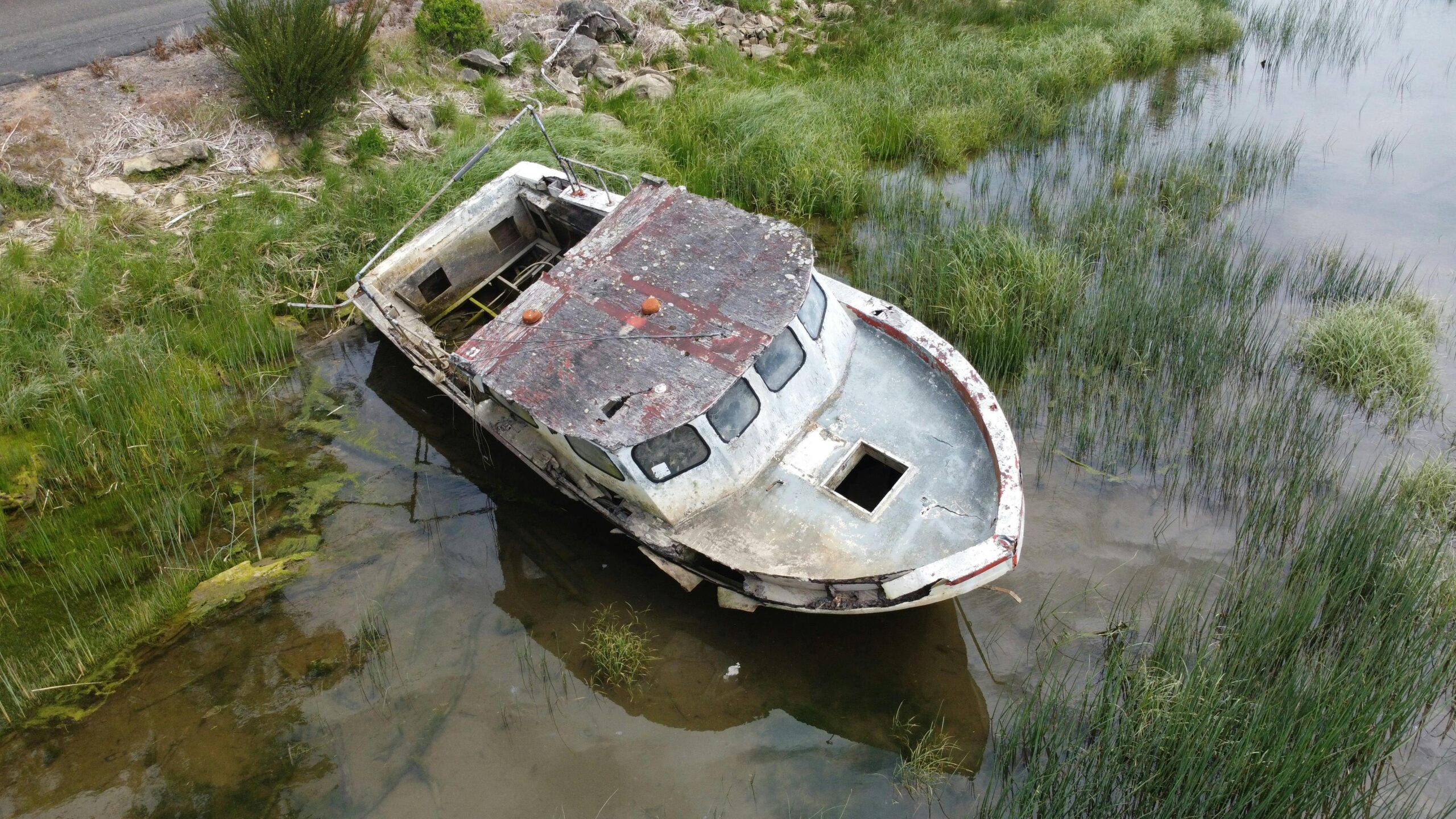
Lessons From the Depths: What Shipwrecks Teach Us
Shipwrecks remind us that history isn’t merely abstract dates and events but tangible human experiences preserved in physical objects. Each vessel represents individuals who made choices, took risks, and participated in the grand human endeavor of exploration, commerce, and cultural exchange.
These underwater time capsules demonstrate that our current understanding of the past remains incomplete. Every new discovery has potential to challenge assumptions, reveal unknown connections, or illuminate forgotten aspects of human civilization. The three million undiscovered wrecks represent three million opportunities to expand historical knowledge.
Perhaps most importantly, shipwrecks illustrate the ocean’s dual nature as both highway and hazard, connecting distant peoples while claiming vessels and lives. They testify to human persistence in the face of maritime dangers and our species’ determination to cross waters that separate continents and cultures.
As technology advances and more wrecks are discovered, documented, and studied, our appreciation for these underwater archives deepens. They serve not just as historical curiosities but as vital links connecting present generations with ancestors who ventured onto dangerous seas, carrying with them the material culture and ambitions of their civilizations. Protecting these sites ensures that future generations can continue learning from the lessons preserved beneath the waves, where history sleeps in silent depths, waiting to share its stories with those patient enough to listen. 🌊⚓

Toni Santos is a visual storyteller and archival artist whose work dives deep into the submerged narratives of underwater archaeology. Through a lens tuned to forgotten depths, Toni explores the silent poetry of lost worlds beneath the waves — where history sleeps in salt and sediment.
Guided by a fascination with sunken relics, ancient ports, and shipwrecked civilizations, Toni’s creative journey flows through coral-covered amphorae, eroded coins, and barnacle-encrusted artifacts. Each piece he creates or curates is a visual meditation on the passage of time — a dialogue between what is buried and what still speaks.
Blending design, storytelling, and historical interpretation, Toni brings to the surface the aesthetics of maritime memory. His work captures the textures of decay and preservation, revealing beauty in rust, ruin, and ruin’s resilience. Through his artistry, he reanimates the traces of vanished cultures that now rest on ocean floors, lost to maps but not to meaning.
As the voice behind Vizovex, Toni shares curated visuals, thoughtful essays, and reconstructed impressions of archaeological findings beneath the sea. He invites others to see underwater ruins not as remnants, but as thresholds to wonder — where history is softened by water, yet sharpened by myth.
His work is a tribute to:
The mystery of civilizations claimed by the sea
The haunting elegance of artifacts lost to time
The silent dialogue between water, memory, and stone
Whether you’re drawn to ancient maritime empires, forgotten coastal rituals, or the melancholic beauty of sunken ships, Toni welcomes you to descend into a space where the past is submerged but never silenced — one relic, one current, one discovery at a time.