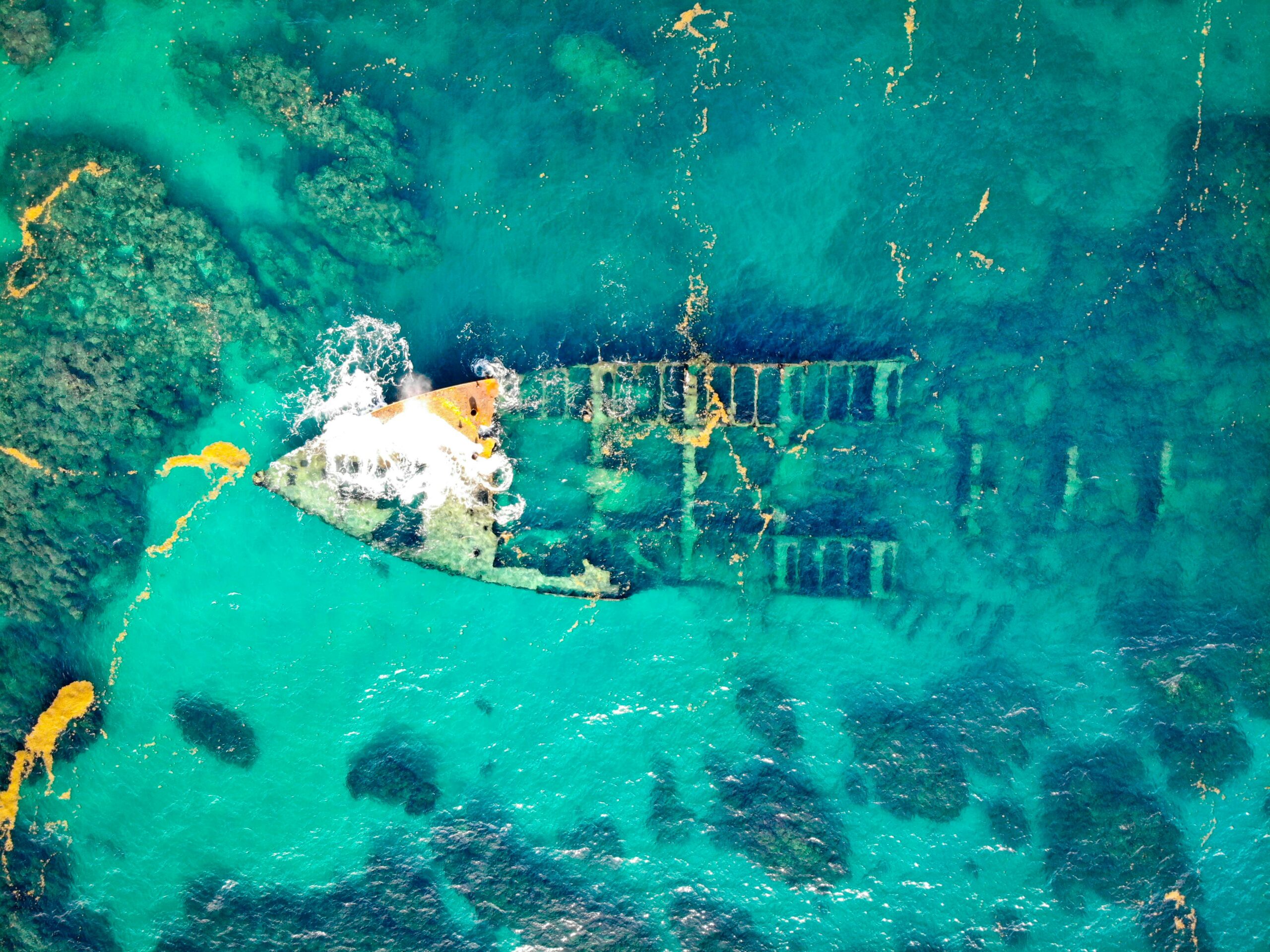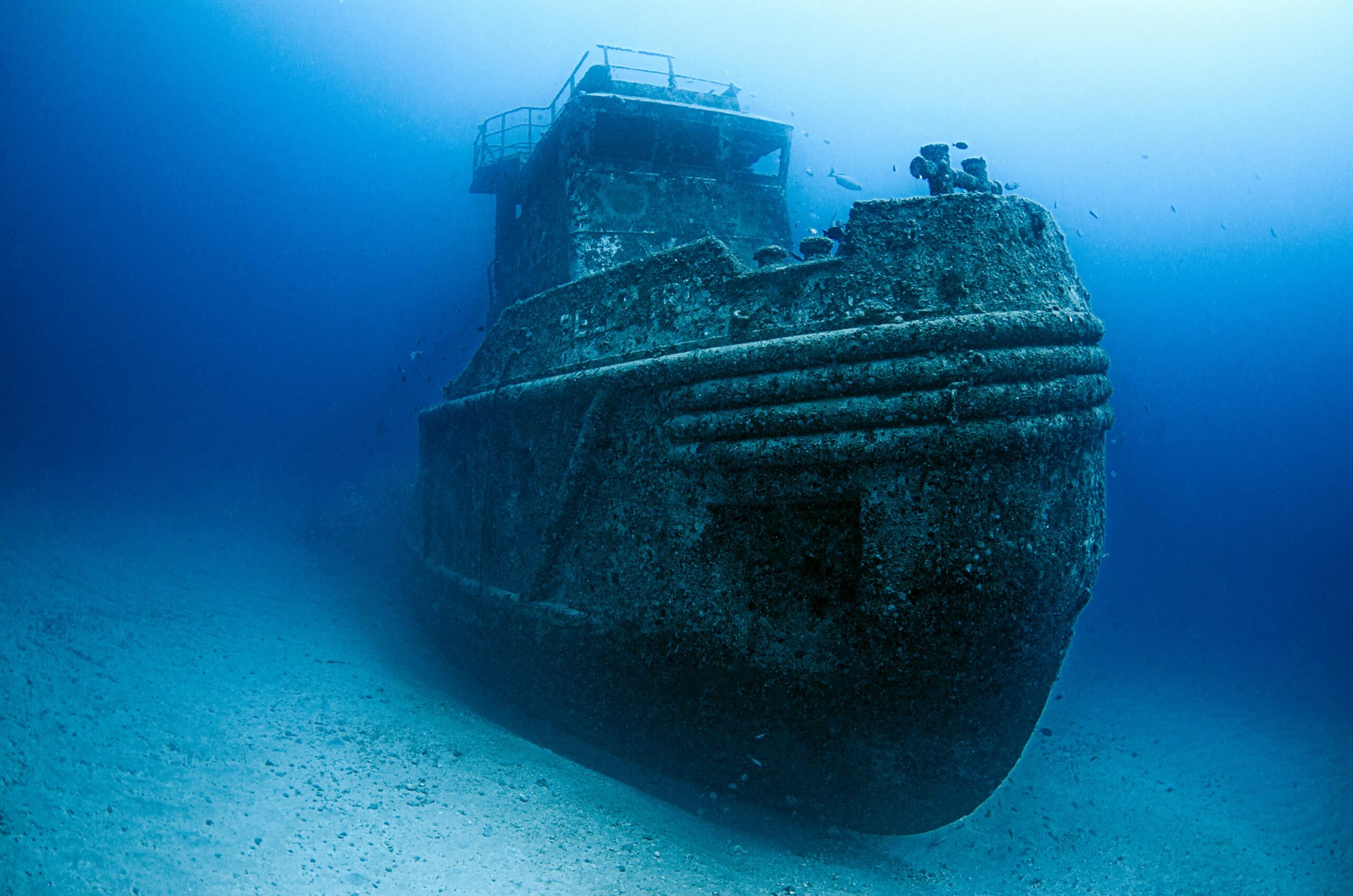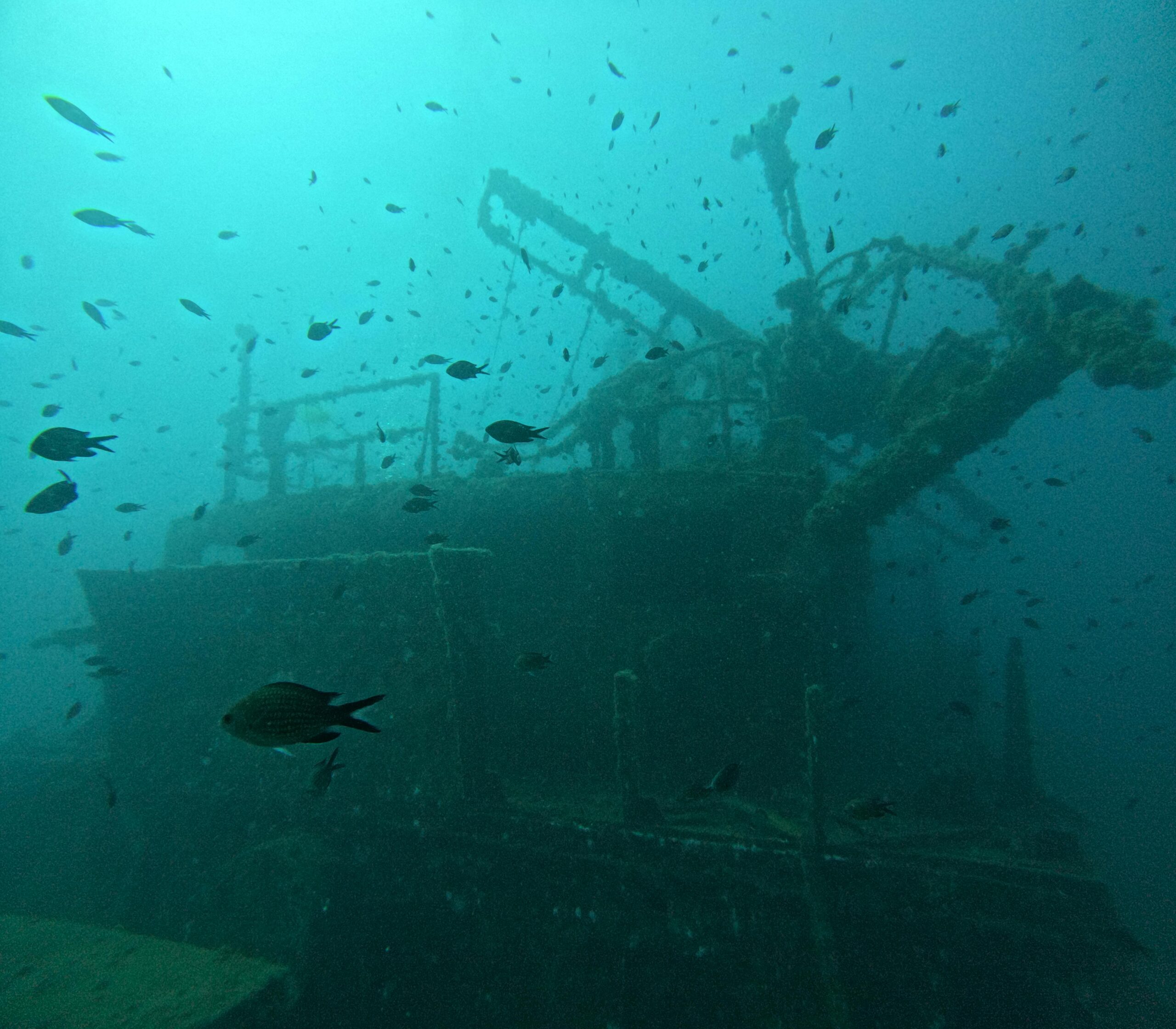
The ocean depths guard stories frozen in time, preserved beneath crushing pressure and absolute darkness, waiting for brave explorers to reveal their mysteries.
Shipwreck exploration represents one of humanity’s most captivating adventures, combining cutting-edge technology, historical detective work, and the raw excitement of discovery. These underwater time capsules offer unprecedented glimpses into maritime history, revealing narratives about trade routes, naval warfare, migration patterns, and the daily lives of people who lived centuries ago. Every sunken vessel carries its own unique story, from catastrophic storms to wartime engagements, each contributing to our understanding of human civilization’s relationship with the sea.
The deep-sea abyss conceals an estimated three million shipwrecks scattered across ocean floors worldwide. These archaeological treasures range from ancient Phoenician trading vessels to World War II battleships, each representing a snapshot of a specific moment in history. The exploration of these sites requires extraordinary technological innovation, physical courage, and intellectual dedication that pushes the boundaries of human capability.
🌊 The Magnetic Pull of Underwater Archaeological Discovery
What drives explorers to venture into one of Earth’s most hostile environments? The answer lies in the unique preservation conditions that underwater sites offer. Unlike terrestrial archaeological sites, shipwrecks exist in environments where biological decay processes occur much more slowly. The absence of oxygen at significant depths creates anaerobic conditions that preserve organic materials—wood, textiles, food, even human remains—far better than any land-based site could manage.
This exceptional preservation transforms shipwrecks into time machines. Archaeologists have recovered intact wine amphorae still sealed after 2,000 years, navigational instruments that reveal sophisticated understanding of astronomy, personal belongings that humanize historical figures, and cargo holds that document global trade networks. These discoveries revolutionize our understanding of historical periods, often contradicting or enriching written records.
The thrill intensifies when explorers realize they’re the first humans to witness these scenes since the original tragedy unfolded. Imagine descending through darkness and encountering a perfectly preserved ship’s wheel, barnacle-encrusted cannons still positioned for battle, or a captain’s quarters with furniture arranged exactly as it was during the vessel’s final moments. This visceral connection to the past creates an emotional resonance that few other historical pursuits can match.
Revolutionary Technology Illuminating the Darkness
Modern shipwreck exploration bears little resemblance to early diving expeditions. Today’s deep-sea archaeologists employ an impressive arsenal of sophisticated equipment that extends human capability far beyond natural limitations. Remotely Operated Vehicles (ROVs) equipped with high-definition cameras, robotic arms, and specialized sensors can operate at depths that would instantly crush human divers, transmitting real-time footage to research vessels on the surface.
Autonomous Underwater Vehicles (AUVs) conduct systematic surveys of vast ocean territories, using side-scan sonar and multibeam echosounders to create detailed topographical maps of the seafloor. These technologies can detect anomalies indicating potential wreck sites, analyzing thousands of square kilometers that would take human divers centuries to search manually. The data these vehicles collect creates three-dimensional models so precise that archaeologists can examine site details without ever getting wet.
Photogrammetry has revolutionized documentation practices. By capturing thousands of overlapping images from multiple angles, researchers construct detailed digital twins of wreck sites with millimeter-level accuracy. These virtual models enable collaborative research across continents, preserve site conditions before natural deterioration occurs, and create immersive experiences for public education without disturbing fragile artifacts.
Submersibles: Human Eyes in the Abyss
While robotic systems provide remarkable capabilities, manned submersibles offer irreplaceable advantages. Human observers can make instantaneous decisions, notice subtle details that cameras might miss, and experience the site with contextual understanding that enhances scientific interpretation. Vessels like Alvin, which explored the Titanic, and modern deep-diving submersibles capable of reaching the deepest ocean trenches, represent pinnacles of engineering that protect human life while enabling unprecedented exploration.
The psychological dimension of personal descent cannot be understated. Researchers who’ve made these journeys describe profound emotional experiences—the weight of darkness pressing against viewports, the moment when artificial lights first illuminate a wreck invisible for generations, the awareness of being kilometers beneath the surface in a tiny bubble of warmth and breathable air surrounded by crushing pressure and freezing water.
⚓ Legendary Discoveries That Captured Global Imagination
Certain shipwreck discoveries transcend academic interest to capture worldwide attention, demonstrating why this field generates such passionate fascination. The RMS Titanic’s 1985 discovery by Robert Ballard remains perhaps the most famous underwater archaeological find. Located 3,800 meters down in the North Atlantic, the “unsinkable” ship’s remains revealed unexpected details about the sinking, corrected historical misconceptions, and sparked ongoing debates about maritime safety, technological hubris, and preservation ethics.
The Antikythera mechanism, recovered from a 2,000-year-old Greek shipwreck, fundamentally altered our understanding of ancient technology. This corroded bronze device proved to be an astronomical calculator of extraordinary sophistication, featuring gear mechanisms not seen again until medieval European clocks appeared over a millennium later. Its discovery demonstrated that ancient civilizations possessed technological capabilities far beyond previous scholarly assumptions.
The Vasa, a Swedish warship that sank in Stockholm harbor in 1628, underwent one of history’s most ambitious maritime archaeological projects. Raised in 1961 after 333 years underwater, the ship was remarkably intact due to the Baltic Sea’s low salinity, which prevented shipworm infestation. The Vasa Museum now houses this extraordinary time capsule, offering visitors an unparalleled window into 17th-century naval architecture, warfare, and daily maritime life.
Treasure Fleets and Economic History
Spanish treasure fleets carrying New World riches to Europe provide particularly dramatic archaeological sites. Hurricanes, pirates, and navigational errors sent dozens of these vessels to the bottom, along with fortunes in gold, silver, emeralds, and other valuables. While treasure hunters focus on monetary value, archaeologists recognize these sites as invaluable records of colonial economies, mining techniques, artistic production, and transatlantic trade networks that shaped the modern world.
The 1622 sinking of the Nuestra Señora de Atocha off Florida’s coast yielded perhaps the richest treasure recovery, including 40 tons of gold and silver, Colombian emeralds, and countless artifacts. Beyond monetary value, the cargo documented economic relationships between continents, metallurgical practices, and the human cost of colonial resource extraction.
The Science Behind Shipwreck Investigation
Professional shipwreck archaeology follows rigorous scientific methodologies that distinguish it from treasure hunting. Researchers develop comprehensive excavation plans, meticulously document artifact positions before removal, conduct extensive laboratory analysis, and ultimately ensure findings contribute to collective human knowledge rather than private profit.
The archaeological process begins long before anyone enters the water. Researchers examine historical records, ships’ manifests, insurance documents, newspaper accounts, and maritime charts to identify probable wreck locations and historical contexts. This archival work provides essential background information that guides fieldwork and helps interpret discoveries.
Once a site is located, systematic survey work maps the debris field. Artifacts scatter according to wreck dynamics—heavy items like anchors and cannons concentrate near the primary impact site, while lighter materials may spread over kilometers depending on currents. Understanding distribution patterns helps reconstruct sinking events and identify areas warranting detailed investigation.
Conservation Challenges and Solutions
Artifacts recovered from shipwrecks face immediate conservation challenges. Materials that survived centuries underwater deteriorate rapidly when exposed to atmospheric oxygen. Wood saturated with seawater will crack and warp as it dries unless treated with conservation chemicals. Metals corrode aggressively when salts embedded during underwater exposure react with air. Organic materials like leather, rope, and cloth require specialized treatment to prevent disintegration.
Conservation laboratories employ sophisticated techniques to stabilize artifacts. Polyethylene glycol gradually replaces water in wooden objects, maintaining structural integrity while enabling drying. Electrolytic reduction removes corrosion from metals. Climate-controlled environments prevent biological growth on organic materials. These processes often require years of patient work, with large objects like ship timbers demanding decades of treatment before stable display becomes possible.
🗺️ Geographic Hotspots for Shipwreck Exploration
Certain regions concentrate shipwrecks due to historical shipping routes, treacherous navigational conditions, or military conflicts. The Mediterranean Sea, humanity’s oldest maritime highway, contains countless ancient vessels documenting Greek, Roman, Phoenician, and Byzantine civilizations. The relatively shallow depths and clear waters make this region particularly accessible for archaeological investigation.
The Caribbean and Gulf of Mexico represent shipwreck gold mines—literally in many cases. Centuries of European colonial activity, combined with hurricane-prone waters and coral reefs, created perfect conditions for maritime disasters. These waters contain Spanish treasure galleons, pirate vessels, slave ships, and merchantmen that collectively document the Age of Exploration’s complex legacy.
The Great Lakes harbor exceptional preservation conditions. Frigid freshwater lacks the marine organisms that consume wooden ships in saltwater environments, resulting in wrecks that appear almost frozen in time. Nineteenth-century schooners sit on lake bottoms with paint still visible, rigging intact, and deck fittings perfectly preserved, offering unparalleled insights into freshwater maritime commerce.
Wartime Graveyards
Military conflicts created concentrated wreck sites that serve as underwater memorials. The Pacific Theater of World War II scattered hundreds of vessels across island chains and deep ocean basins. Truk Lagoon in Micronesia contains over 60 Japanese ships and aircraft sunk during Operation Hailstone in 1944, creating what divers call the world’s greatest wreck diving destination. These sites balance archaeological interest with respect for war graves containing the remains of service members.
The Atlantic’s “Iron Bottom Sound” near Guadalcanal earned its name from dozens of Allied and Japanese vessels that sank during fierce naval battles. These wrecks document naval warfare evolution, technological innovation under combat pressure, and the human sacrifice that characterized World War II’s Pacific campaign.
Ethical Considerations and Legal Frameworks
Shipwreck exploration operates within complex ethical and legal landscapes. International conventions, national laws, and professional standards attempt to balance public interest in archaeological knowledge, property rights claims, respect for human remains, and preservation of maritime cultural heritage for future generations.
The UNESCO Convention on the Protection of Underwater Cultural Heritage establishes principles prioritizing in situ preservation, scientific methodology, and public access to information. However, not all nations have ratified this convention, creating jurisdictional complexities when wrecks lie in international waters or span multiple territorial claims.
Commercial salvage operations frequently conflict with archaeological values. While salvagers argue they rescue artifacts from oblivion and finance expensive expeditions through treasure sales, archaeologists contend that removing objects from context destroys irreplaceable information. The debate intensifies when ships contain valuable cargo—should artifacts remain underwater indefinitely, or does recovery serve legitimate interests when conducted properly?
Respecting Final Resting Places
Wrecks containing human remains raise particularly sensitive ethical questions. Should these sites be treated as graves deserving respectful distance, or does their archaeological value justify careful investigation? Naval vessels carrying service members killed in action often receive special legal protections as war graves, prohibiting unauthorized disturbance. Families of victims deserve consideration, yet complete avoidance prevents historical understanding that could honor the deceased by ensuring their stories endure.
Professional archaeologists navigate these tensions by consulting descendant communities, conducting minimally invasive investigations, treating human remains with dignity, and ensuring discoveries contribute to educational purposes rather than commercial exploitation. This approach recognizes that shipwrecks represent more than research opportunities—they’re memorials to human lives lost, deserving respect alongside scientific curiosity.
⚓ The Future of Deep-Sea Shipwreck Exploration
Emerging technologies promise to revolutionize shipwreck archaeology in coming decades. Artificial intelligence and machine learning algorithms can analyze sonar data far faster than human researchers, identifying potential wreck sites from subtle seafloor anomalies. These systems continuously improve as they process more data, potentially accelerating the discovery rate exponentially.
Advanced materials science enables submersibles capable of reaching the ocean’s deepest trenches, where pressure exceeds 1,000 atmospheres. These vehicles will access wrecks in environments previously beyond reach, potentially discovering vessels from all historical periods in the deepest basins where exceptional preservation conditions exist.
Virtual reality creates unprecedented opportunities for public engagement. Anyone with appropriate equipment can now explore photorealistic reconstructions of famous wrecks, examining details visible only to a handful of researchers. This democratization of access serves educational missions while reducing physical site visitation that might accelerate deterioration.
Climate Change Impacts
Ocean warming and acidification threaten underwater cultural heritage. Changing water chemistry accelerates corrosion of metal artifacts and dissolution of materials like bone and shell. Shifting current patterns may expose previously buried sites to increased biological activity or sediment scouring. These environmental changes add urgency to documentation efforts—sites that survived centuries intact may deteriorate significantly within decades.
Paradoxically, some climate impacts benefit discovery. Intensifying storms expose buried wrecks, and changing sedimentation patterns reveal previously concealed sites. The archaeological community must balance accelerated survey work against preservation priorities, deciding which sites demand immediate investigation versus protective reburial.
🔍 Getting Involved: Pathways for Aspiring Explorers
Those captivated by shipwreck exploration can pursue involvement through various pathways. Academic programs in maritime archaeology, underwater archaeology, and nautical archaeology provide formal training in research methodologies, conservation techniques, and ethical frameworks. These interdisciplinary programs combine history, archaeology, diving, engineering, and conservation studies.
Recreational diving certifications open opportunities for citizen science participation. Many archaeological projects welcome trained volunteer divers to assist with surveys, site mapping, and artifact recovery under professional supervision. These experiences provide hands-on involvement while contributing meaningfully to research objectives.
Museum programs, documentary films, and specialized publications offer armchair exploration for those unable to participate directly. Institutions like the National Geographic Society, Woods Hole Oceanographic Institution, and various maritime museums regularly publish discoveries, making cutting-edge research accessible to public audiences.
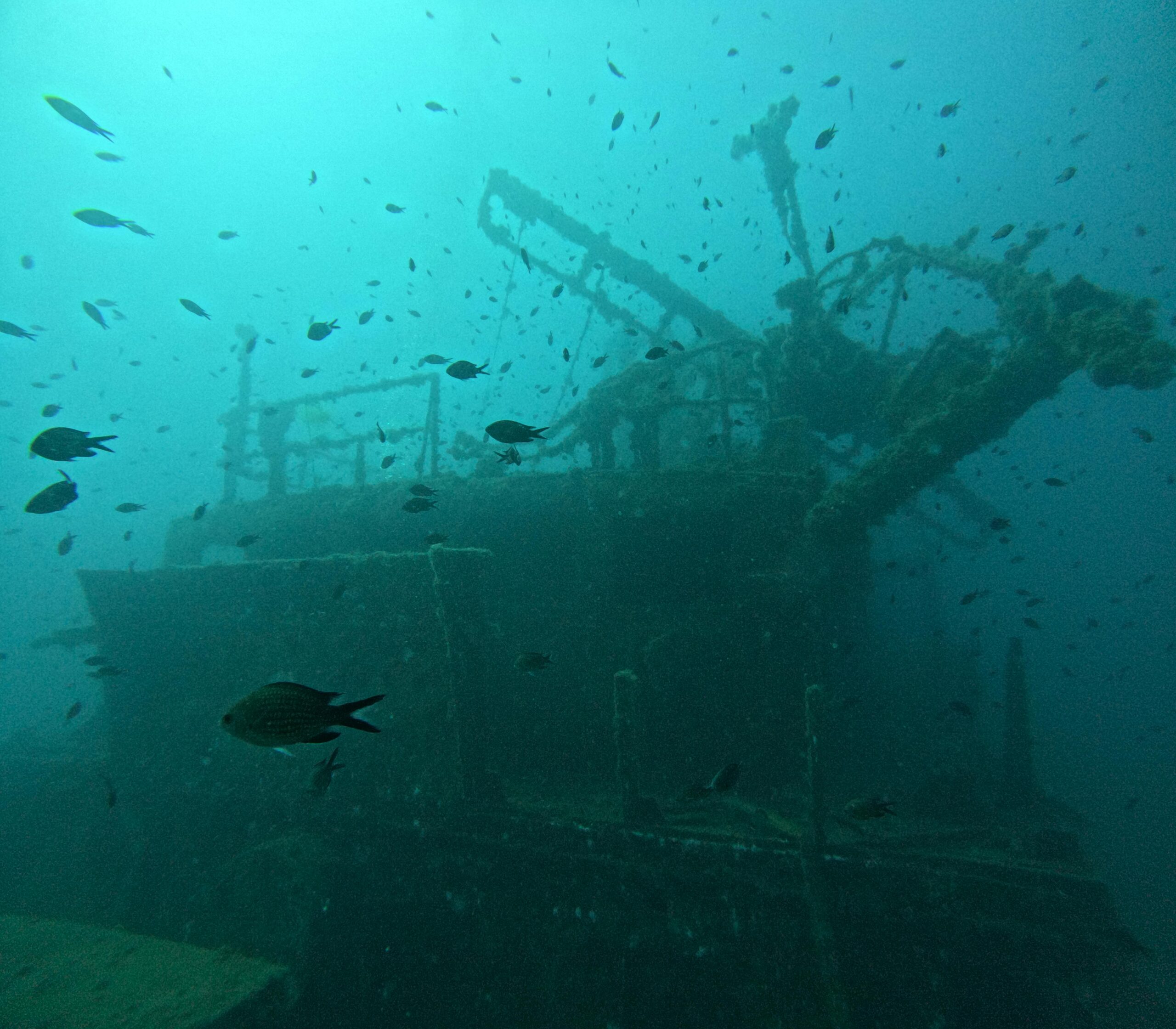
The deep-sea abyss continues revealing secrets that challenge assumptions, rewrite histories, and ignite imaginations. Each shipwreck represents a unique archaeological treasure, preserving moments frozen in time beneath the waves. As technology advances and exploration intensifies, we’re witnessing a golden age of maritime archaeological discovery that connects us viscerally with our collective past. These underwater time capsules remind us that history isn’t merely abstract dates and dry facts—it’s lived human experience, preserved in the deep, waiting to inspire future generations with tales of adventure, tragedy, triumph, and the eternal human compulsion to explore beyond known horizons. The ocean depths still hold countless stories, and the next great discovery might happen tomorrow, revealing yet another chapter in humanity’s complex relationship with the sea.

Toni Santos is a visual storyteller and archival artist whose work dives deep into the submerged narratives of underwater archaeology. Through a lens tuned to forgotten depths, Toni explores the silent poetry of lost worlds beneath the waves — where history sleeps in salt and sediment.
Guided by a fascination with sunken relics, ancient ports, and shipwrecked civilizations, Toni’s creative journey flows through coral-covered amphorae, eroded coins, and barnacle-encrusted artifacts. Each piece he creates or curates is a visual meditation on the passage of time — a dialogue between what is buried and what still speaks.
Blending design, storytelling, and historical interpretation, Toni brings to the surface the aesthetics of maritime memory. His work captures the textures of decay and preservation, revealing beauty in rust, ruin, and ruin’s resilience. Through his artistry, he reanimates the traces of vanished cultures that now rest on ocean floors, lost to maps but not to meaning.
As the voice behind Vizovex, Toni shares curated visuals, thoughtful essays, and reconstructed impressions of archaeological findings beneath the sea. He invites others to see underwater ruins not as remnants, but as thresholds to wonder — where history is softened by water, yet sharpened by myth.
His work is a tribute to:
The mystery of civilizations claimed by the sea
The haunting elegance of artifacts lost to time
The silent dialogue between water, memory, and stone
Whether you’re drawn to ancient maritime empires, forgotten coastal rituals, or the melancholic beauty of sunken ships, Toni welcomes you to descend into a space where the past is submerged but never silenced — one relic, one current, one discovery at a time.