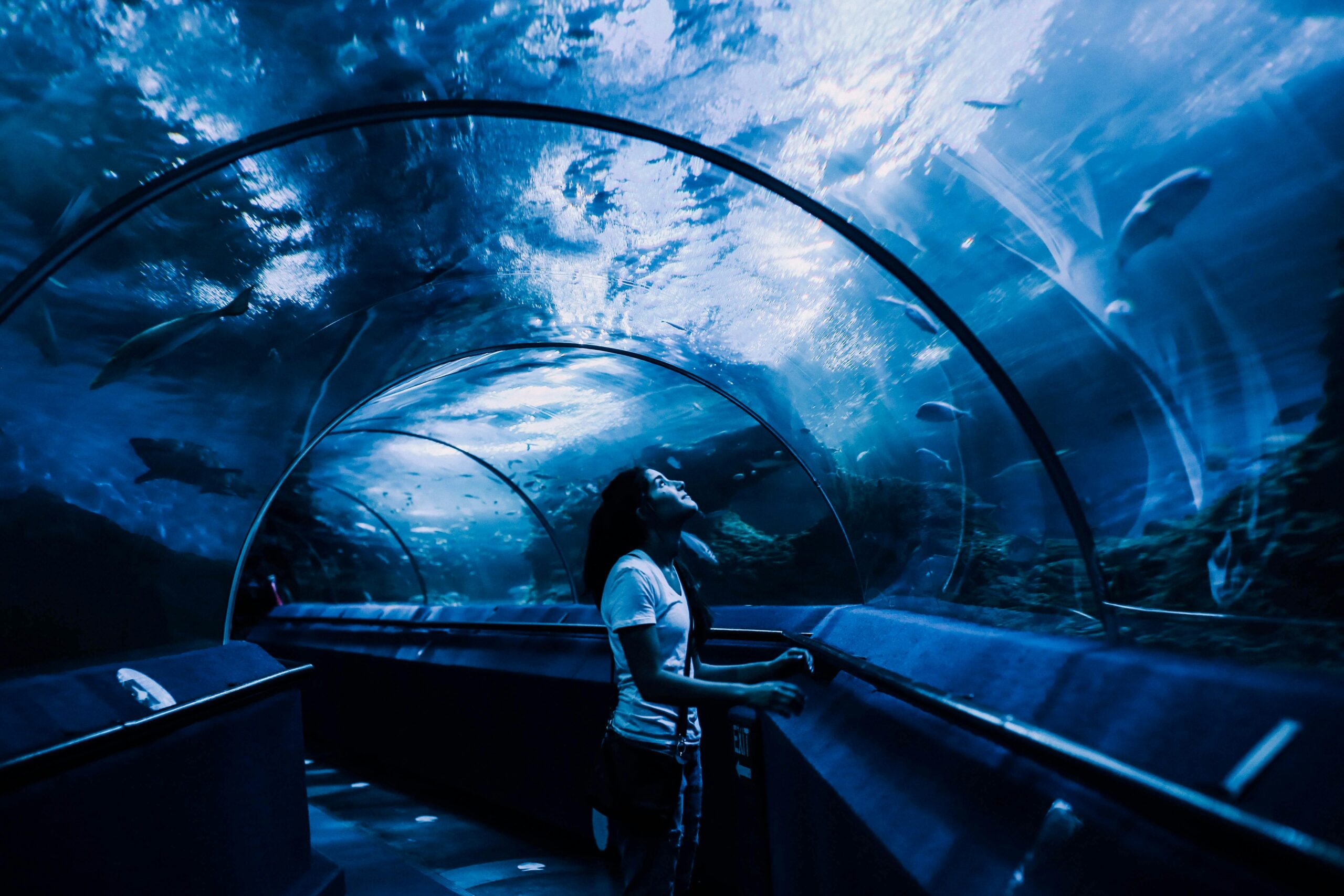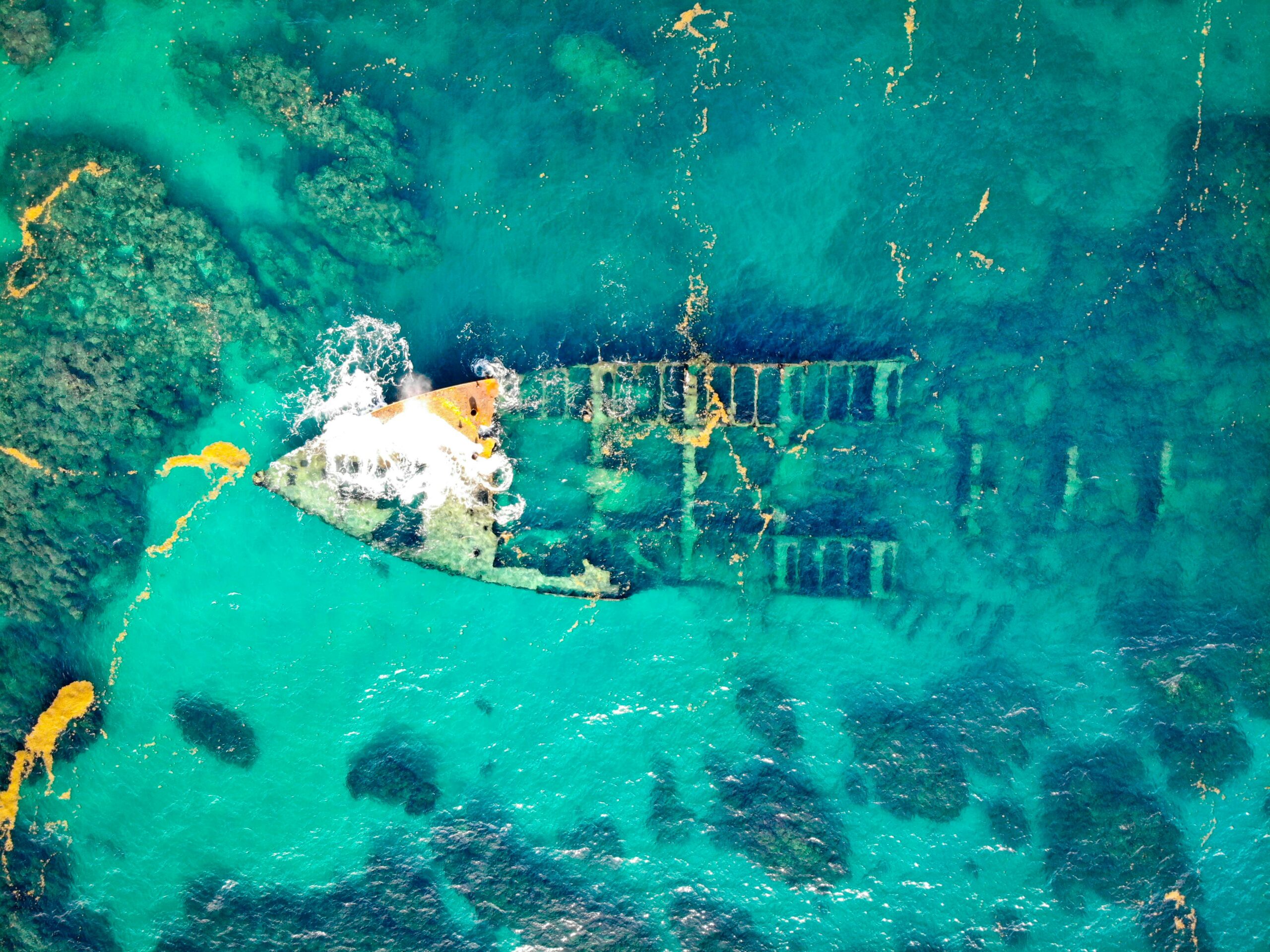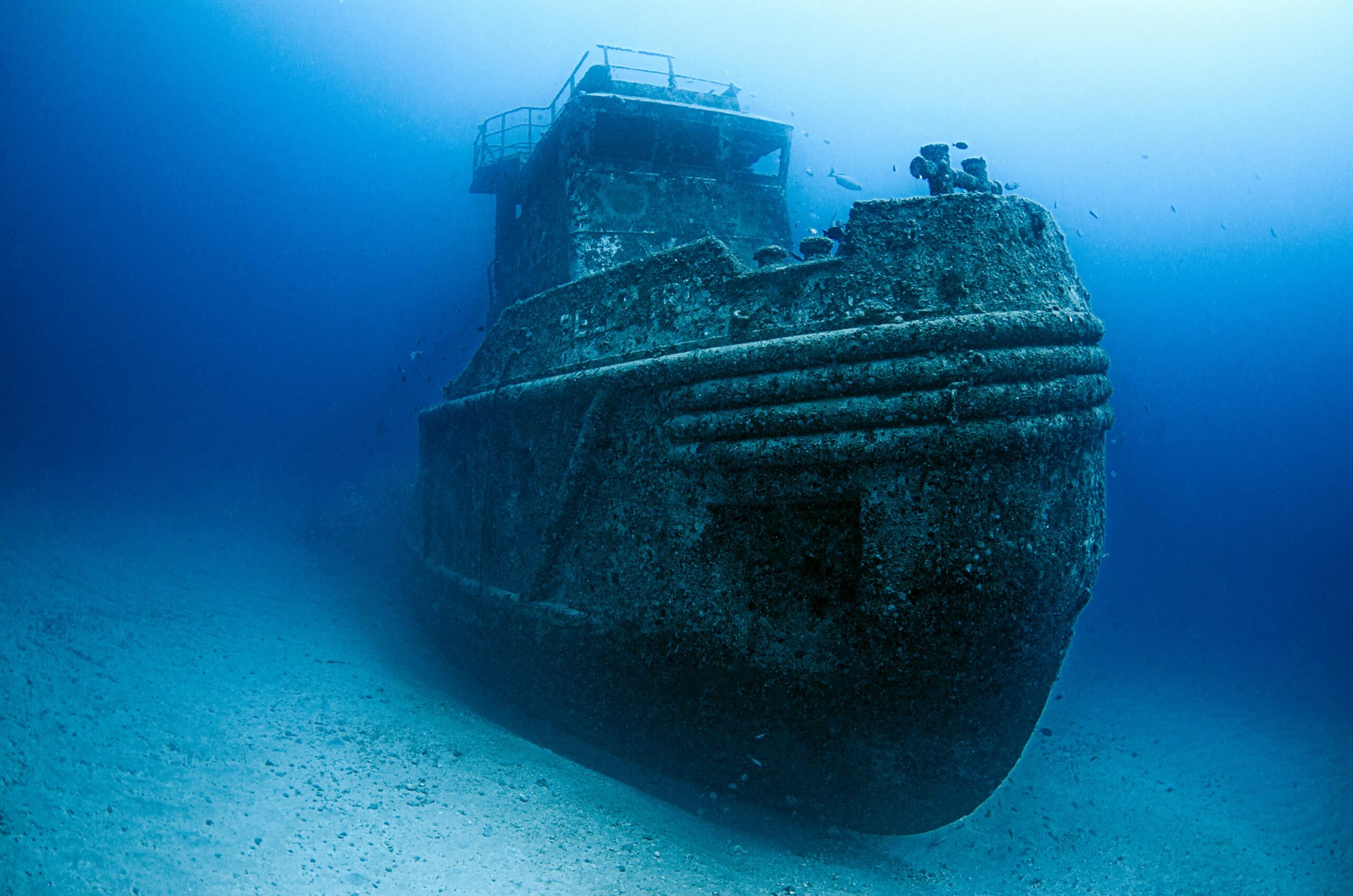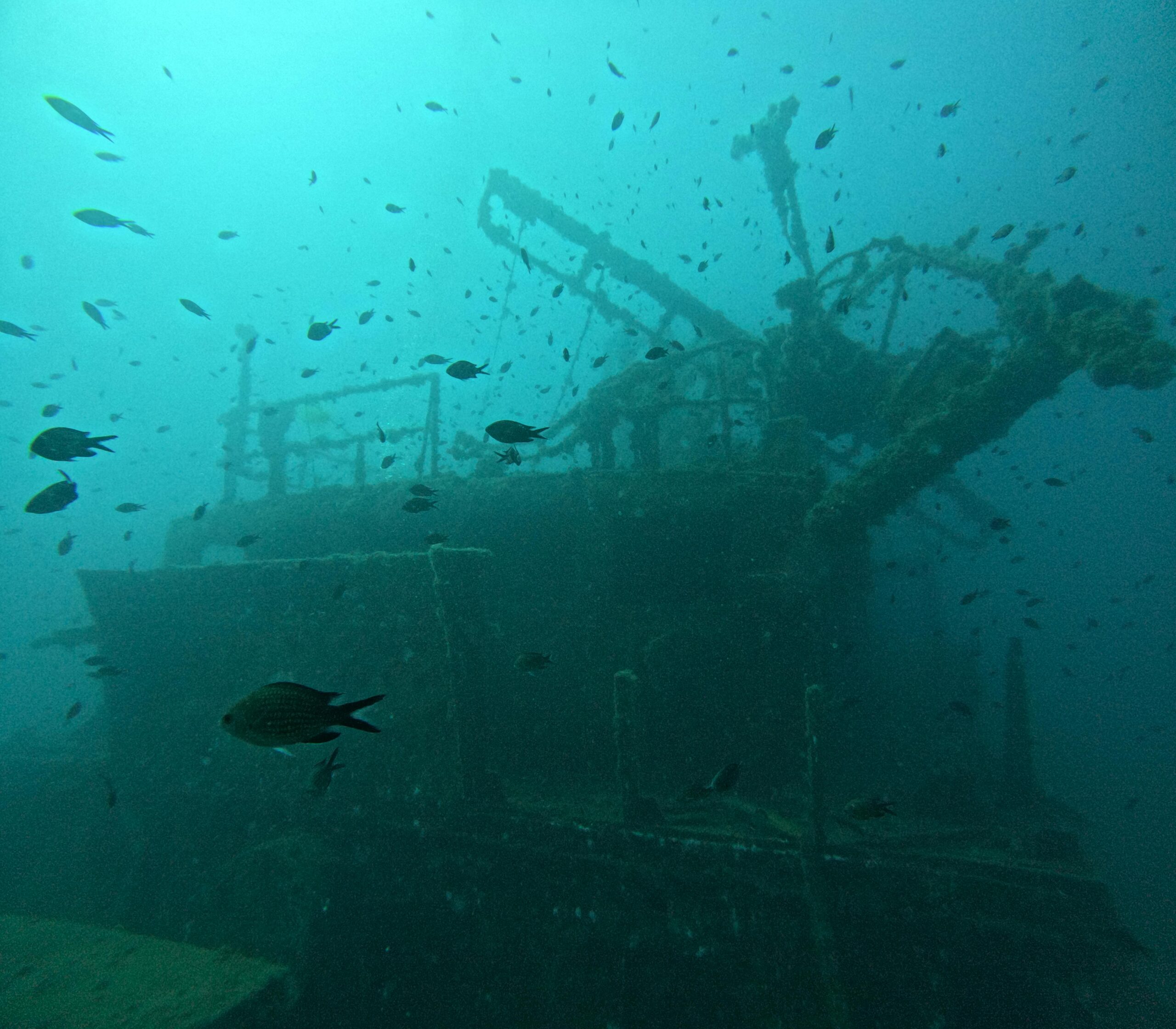
Beneath the ocean’s surface lies a treasure trove of human history, preserved in shipwrecks, submerged cities, and lost artifacts waiting to reveal their stories to modern civilization.
🌊 The Delicate Dance Between Time and Tide
Underwater archaeological sites represent some of the most pristine time capsules available to researchers today. Unlike terrestrial sites that face weathering, development, and human interference, submerged artifacts exist in unique environments that can both preserve and deteriorate materials in unexpected ways. The science of underwater artifact conservation has emerged as a critical field, combining marine archaeology, chemistry, materials science, and environmental studies to rescue these invaluable pieces of our shared heritage.
When an object sinks beneath the waves, it enters a complex chemical environment where factors like salinity, temperature, oxygen levels, and biological activity begin transforming its physical structure. Metals corrode, wood becomes waterlogged, ceramics may dissolve, and organic materials face attack from marine organisms. Yet paradoxically, this same aquatic environment can create protective layers and oxygen-poor conditions that shield artifacts from the rapid degradation they would experience on land.
Understanding the Underwater Preservation Environment
The underwater environment presents conservators with unique challenges that differ dramatically from traditional museum conservation. Water chemistry plays a fundamental role in determining artifact survival. Saltwater environments, for instance, are particularly aggressive toward metal objects, creating galvanic corrosion and encouraging the formation of concretions—hard mineral deposits that can both damage and protect underlying materials.
Temperature stability in deep water creates excellent preservation conditions. The cold, consistent temperatures found at depth slow chemical reactions and biological processes that would otherwise degrade artifacts. However, this same environment means that when objects are brought to the surface, the dramatic change in temperature, pressure, and oxygen exposure can trigger catastrophic deterioration.
The Oxygen Factor in Artifact Preservation
Oxygen concentration significantly impacts preservation. Anaerobic conditions—areas with little to no oxygen—found in deep silt or mud provide excellent protection for organic materials like wood, leather, and textiles. The famous Mary Rose, Henry VIII’s warship raised in 1982, owed its remarkable preservation to burial in anaerobic mud that prevented wood-boring organisms from destroying the hull.
Conversely, well-oxygenated waters support thriving ecosystems of bacteria, fungi, and marine organisms that consume organic materials. Shipworms (Teredo navalis) can reduce wooden structures to hollow shells within years, while metal-eating bacteria accelerate corrosion of iron and steel objects.
⚓ Materials and Their Underwater Behavior
Different materials respond to submersion in vastly different ways, requiring specialized knowledge and treatment approaches for each category of artifact.
Metal Artifacts: A Chemical Battleground
Metals undergo complex electrochemical reactions underwater. Iron and steel develop thick concretions of rust, sand, and marine growth that can obscure the original object entirely. These concretions sometimes preserve surface details better than the metal itself, which may have completely mineralized or dissolved away.
Copper alloys like bronze develop protective patinas that can preserve fine details for millennia. Ancient bronze statues recovered from shipwrecks often retain exquisite detail despite centuries of submersion. However, once exposed to air, these objects require immediate stabilization to prevent “bronze disease”—a cyclic corrosion process triggered by chloride ions absorbed during underwater burial.
Precious metals like gold and silver resist corrosion remarkably well underwater. Gold artifacts emerge from shipwrecks looking nearly as brilliant as the day they sank, requiring minimal conservation treatment beyond cleaning. Silver develops a black sulfide tarnish that protects underlying metal, though this layer requires careful stabilization.
Waterlogged Wood: Structural Challenges
Wood recovered from underwater sites presents some of the most challenging conservation problems. After prolonged submersion, cell walls degrade and the cellular structure fills with water, sometimes comprising 90% or more of the object’s volume. Without water supporting the structure, the wood would collapse into an unrecognizable mass.
Conservation of waterlogged wood requires gradually replacing water within cells with a stabilizing substance. Polyethylene glycol (PEG) has become the standard treatment, slowly displacing water molecules over months or years of controlled immersion. The Vasa, a 17th-century Swedish warship, underwent PEG treatment for 17 years before it could be safely displayed.
Ceramics and Glass: Surprisingly Vulnerable
While ceramics generally survive underwater environments well, they’re not immune to damage. Unglazed pottery can become saturated with water and soluble salts that cause cracking and flaking during drying. Glazed ceramics fare better but may develop iridescent weathering layers or glass disease that requires stabilization.
Glass artifacts present unique conservation challenges. Underwater burial can cause beautiful iridescent weathering layers prized by collectors, but these layers represent actual deterioration of the glass structure. Some glass becomes so fragile that it crumbles at a touch, while other pieces remain remarkably stable depending on original composition and burial environment.
🔬 The Conservation Process: From Seabed to Museum
Conserving underwater artifacts involves a carefully orchestrated sequence of steps, each critical to the object’s long-term survival.
Documentation Before Disturbance
Before anything is touched, thorough documentation establishes the archaeological context. Underwater photographers and videographers create detailed visual records, while archaeologists map artifact positions. Modern technology including photogrammetry and 3D scanning creates digital twins of objects in situ, preserving information that physical recovery might destroy.
Controlled Recovery Operations
Raising artifacts from underwater sites requires meticulous planning. Objects must be kept wet during recovery, transported in water-filled containers, and never allowed to dry before proper conservation treatment begins. Even brief exposure to air can cause irreversible damage through rapid salt crystallization, metal corrosion, or structural collapse.
Large objects like cannons or anchors may require specialized lifting equipment and protective cradling to prevent structural damage during recovery. The raising of the CSS Hunley, a Confederate submarine, involved lifting the entire vessel in a specially designed truss to avoid stressing the fragile hull.
Initial Stabilization and Assessment
Once in the laboratory, artifacts undergo thorough examination to determine their condition and develop treatment protocols. Non-destructive techniques including X-radiography, CT scanning, and materials analysis reveal hidden details about construction, condition, and composition without damaging fragile objects.
Desalination represents a critical early treatment step for most underwater artifacts. Soluble salts absorbed during submersion must be removed through prolonged soaking in repeated water baths. This process can take months or years for large wooden objects or heavily corroded metals. Monitoring electrical conductivity of bath water indicates when salt removal is complete.
⚙️ Advanced Conservation Technologies
Modern conservation laboratories employ sophisticated technologies that would have been unimaginable to earlier generations of conservators.
Electrolytic Reduction for Metals
Electrolytic reduction uses electrical current to reverse corrosion processes in metal artifacts. The corroded object becomes the cathode in an electrolytic cell, with current driving chloride ions out of the metal structure into a surrounding sodium carbonate solution. This treatment can take years for heavily corroded iron objects but produces stable artifacts suitable for long-term display.
Freeze-Drying for Waterlogged Materials
Freeze-drying offers an alternative to traditional PEG treatment for some waterlogged artifacts. Objects are frozen solid, then placed in a vacuum chamber where ice sublimes directly from solid to vapor without passing through a liquid phase. This prevents the structural collapse that occurs during traditional drying, though it works best for objects with relatively intact cell structure.
Laser Cleaning and Surface Analysis
Laser technology allows conservators to remove corrosion layers, concretions, and unwanted coatings with unprecedented precision. Adjustable laser parameters enable selective removal of surface contaminants while preserving delicate original surfaces, patinas, and decorative details. Laser-induced breakdown spectroscopy (LIBS) provides instant elemental analysis without sampling.
🏛️ Ethical Considerations in Underwater Conservation
The field faces significant ethical challenges regarding which sites to excavate, how to treat human remains, and whether some sites are better left undisturbed.
In Situ Preservation Versus Recovery
Many archaeologists now advocate for in situ preservation—leaving artifacts on the seabed where they’re already stable rather than recovering them to uncertain futures in underfunded museums. This philosophy recognizes that raising artifacts creates conservation obligations lasting decades or centuries, requiring resources many institutions lack.
However, threats including climate change, ocean acidification, commercial development, and looting sometimes make recovery the lesser evil. Rising sea temperatures alter preservation environments, while increasing ocean acidity dissolves calcium carbonate concretions that protect underlying artifacts.
War Graves and Cultural Sensitivity
Shipwrecks containing human remains present profound ethical dilemmas. Military vessels often serve as war graves deserving respect and protection from disturbance. The USS Arizona in Pearl Harbor and HMS Hood in the Denmark Strait exemplify sites where recovery is prohibited out of respect for those who perished.
Cultural heritage laws increasingly recognize descendant communities’ rights regarding artifacts from their ancestors. Consultation with indigenous groups, descendants of enslaved people, and other stakeholders has become standard practice in responsible underwater archaeology.
📊 Notable Conservation Success Stories
Several major conservation projects demonstrate both the challenges and rewards of preserving underwater artifacts.
The Vasa: A Conservation Marathon
Sweden’s Vasa warship capsized and sank in Stockholm harbor in 1628, remaining in cold, brackish water for 333 years. Raised in 1961, the ship required decades of conservation treatment with polyethylene glycol followed by controlled drying. Today, the Vasa Museum attracts over a million visitors annually to see this remarkably preserved time capsule of 17th-century naval architecture.
The Mary Rose: Innovative Techniques
Henry VIII’s flagship Mary Rose sank in 1545 and was raised in 1982. Conservation involved spraying the hull with PEG for years while gradually reducing humidity in the storage environment. The project pioneered techniques now standard in waterlogged wood conservation and led to development of the Mary Rose Museum, which opened in 2013.
The Antikythera Mechanism: Ancient Technology Revealed
This corroded bronze artifact recovered from a Greek shipwreck in 1901 baffled researchers for decades. Modern imaging technologies including CT scanning revealed it as an ancient astronomical calculator of stunning sophistication, dramatically revising understanding of ancient Greek technological capabilities. Ongoing conservation and research continue revealing new details about this 2,000-year-old computer.
🌐 The Future of Underwater Artifact Conservation
Emerging technologies promise to revolutionize how we preserve and study underwater heritage.
Autonomous Underwater Vehicles
ROVs (remotely operated vehicles) and AUVs (autonomous underwater vehicles) equipped with high-resolution cameras, sonar, and sampling tools enable non-invasive site documentation at depths impossible for human divers. These technologies create detailed 3D models of shipwrecks and artifact fields without physical disturbance.
Artificial Intelligence and Machine Learning
AI algorithms trained on thousands of artifact images can identify objects in sonar and photographic data, dramatically speeding site surveys. Machine learning helps predict deterioration patterns and optimize conservation treatments based on material composition and environmental factors.
Biomimetic Conservation Materials
Researchers are developing conservation treatments inspired by natural processes. Biomineralization techniques encourage controlled growth of protective mineral layers on artifacts, while bio-based polymers offer environmentally friendly alternatives to traditional synthetic consolidants.
🎓 Training the Next Generation
Underwater artifact conservation requires interdisciplinary expertise combining archaeology, chemistry, materials science, and diving skills. Specialized programs at institutions including Texas A&M University, University of Southern Denmark, and Western Australian Museum train conservators in these unique skills.
Internships and field schools provide hands-on experience, though opportunities are competitive. The field demands physical fitness for diving work, meticulous attention to detail for laboratory conservation, and patience for treatments requiring years to complete.
💡 Challenges Facing the Field
Despite technological advances, significant obstacles remain. Funding shortages leave many recovered artifacts in substandard storage, slowly deteriorating. Climate change threatens both underwater sites and museum collections, while looting and illegal artifact trade destroy archaeological context and encourage destructive salvage operations.
Public awareness remains limited despite the cultural importance of underwater heritage. Many people view shipwreck artifacts as treasure rather than irreplaceable historical resources requiring protection and study. Building public support for funding conservation infrastructure and enforcing protective legislation requires effective science communication and community engagement.
Preserving Our Submerged Legacy
Underwater artifact conservation stands at the intersection of science, history, and ethics. Each preserved artifact provides tangible connections to past lives, technologies, and cultures that documentary sources alone cannot convey. The corroded sword, waterlogged ship timber, or encrusted coin tells human stories across centuries, but only if we possess the knowledge and resources to preserve them.
As technology advances and awareness grows, the field continues evolving. New treatment methods reduce time and cost while improving outcomes. International cooperation strengthens through organizations like UNESCO’s Convention on the Protection of Underwater Cultural Heritage, establishing standards and facilitating knowledge exchange.
The treasures beneath the waves belong not to those with diving equipment or salvage vessels, but to humanity collectively. Preserving this submerged heritage for future generations requires continued investment in research, training, and conservation infrastructure. Every artifact saved from destruction enriches our understanding of human history and our shared cultural patrimony.
The secrets locked within underwater artifacts await skilled conservators to unlock them. Through careful scientific treatment, patient restoration, and ethical stewardship, we ensure that these voices from the past continue speaking to the future, preserving history beneath the waves for generations yet to come.

Toni Santos is a visual storyteller and archival artist whose work dives deep into the submerged narratives of underwater archaeology. Through a lens tuned to forgotten depths, Toni explores the silent poetry of lost worlds beneath the waves — where history sleeps in salt and sediment.
Guided by a fascination with sunken relics, ancient ports, and shipwrecked civilizations, Toni’s creative journey flows through coral-covered amphorae, eroded coins, and barnacle-encrusted artifacts. Each piece he creates or curates is a visual meditation on the passage of time — a dialogue between what is buried and what still speaks.
Blending design, storytelling, and historical interpretation, Toni brings to the surface the aesthetics of maritime memory. His work captures the textures of decay and preservation, revealing beauty in rust, ruin, and ruin’s resilience. Through his artistry, he reanimates the traces of vanished cultures that now rest on ocean floors, lost to maps but not to meaning.
As the voice behind Vizovex, Toni shares curated visuals, thoughtful essays, and reconstructed impressions of archaeological findings beneath the sea. He invites others to see underwater ruins not as remnants, but as thresholds to wonder — where history is softened by water, yet sharpened by myth.
His work is a tribute to:
The mystery of civilizations claimed by the sea
The haunting elegance of artifacts lost to time
The silent dialogue between water, memory, and stone
Whether you’re drawn to ancient maritime empires, forgotten coastal rituals, or the melancholic beauty of sunken ships, Toni welcomes you to descend into a space where the past is submerged but never silenced — one relic, one current, one discovery at a time.