Beneath the waves lies a hidden archive of human history, where civilizations, trade routes, and forgotten stories wait to be rediscovered and understood.
🌊 The Submerged Gateway to Our Past
The ocean floor has long served as an unintended museum, preserving artifacts, shipwrecks, and entire settlements that offer unprecedented insights into human civilization. Underwater discoveries have revolutionized our understanding of ancient cultures, maritime trade, technological advancement, and the very way societies interacted across vast distances. From Mediterranean amphoras to Pacific Island navigation tools, each submerged find tells a story that reshapes historical narratives and connects us to ancestors who navigated these same waters centuries ago.
The cultural significance of underwater archaeology extends far beyond academic curiosity. These discoveries challenge established historical timelines, reveal previously unknown trade networks, and provide tangible connections to cultures that left few written records. When archaeologists bring artifacts from the depths to the surface, they’re not merely recovering objects—they’re resurrecting voices silenced by time and water.
Ancient Harbors: Windows Into Commercial Civilizations
Submerged ancient harbors represent some of the most culturally significant underwater discoveries. These maritime gateways served as economic lifelines for ancient civilizations, facilitating trade, cultural exchange, and the spread of ideas across continents. The discovery of Alexandria’s ancient harbor, for instance, revealed the architectural sophistication of Ptolemaic Egypt and confirmed historical accounts that had been dismissed as exaggeration.
Port cities that now rest beneath the waves offer researchers intact snapshots of daily life. The submerged city of Pavlopetri off the coast of Greece, dating back approximately 5,000 years, provides evidence of urban planning, social organization, and architectural techniques that predate many better-known ancient civilizations. These discoveries force historians to reconsider the timeline of human technological and social development.
The Mediterranean’s Sunken Treasures
The Mediterranean Sea has yielded countless artifacts that illuminate the interconnected nature of ancient civilizations. Shipwrecks laden with cargo reveal extensive trade networks connecting Egypt, Greece, Rome, Phoenicia, and beyond. The Uluburun shipwreck off Turkey’s coast, dating to the 14th century BCE, contained goods from at least seven different cultures, demonstrating the complexity of Bronze Age commerce.
These underwater sites preserve organic materials that rarely survive in terrestrial contexts. Wood, textiles, foodstuffs, and other perishable items offer insights into diet, fashion, shipbuilding techniques, and agricultural practices that would otherwise remain mysterious. The anaerobic conditions on the seabed create natural time capsules that preserve these materials in remarkable condition.
Shipwrecks as Cultural Time Capsules ⚓
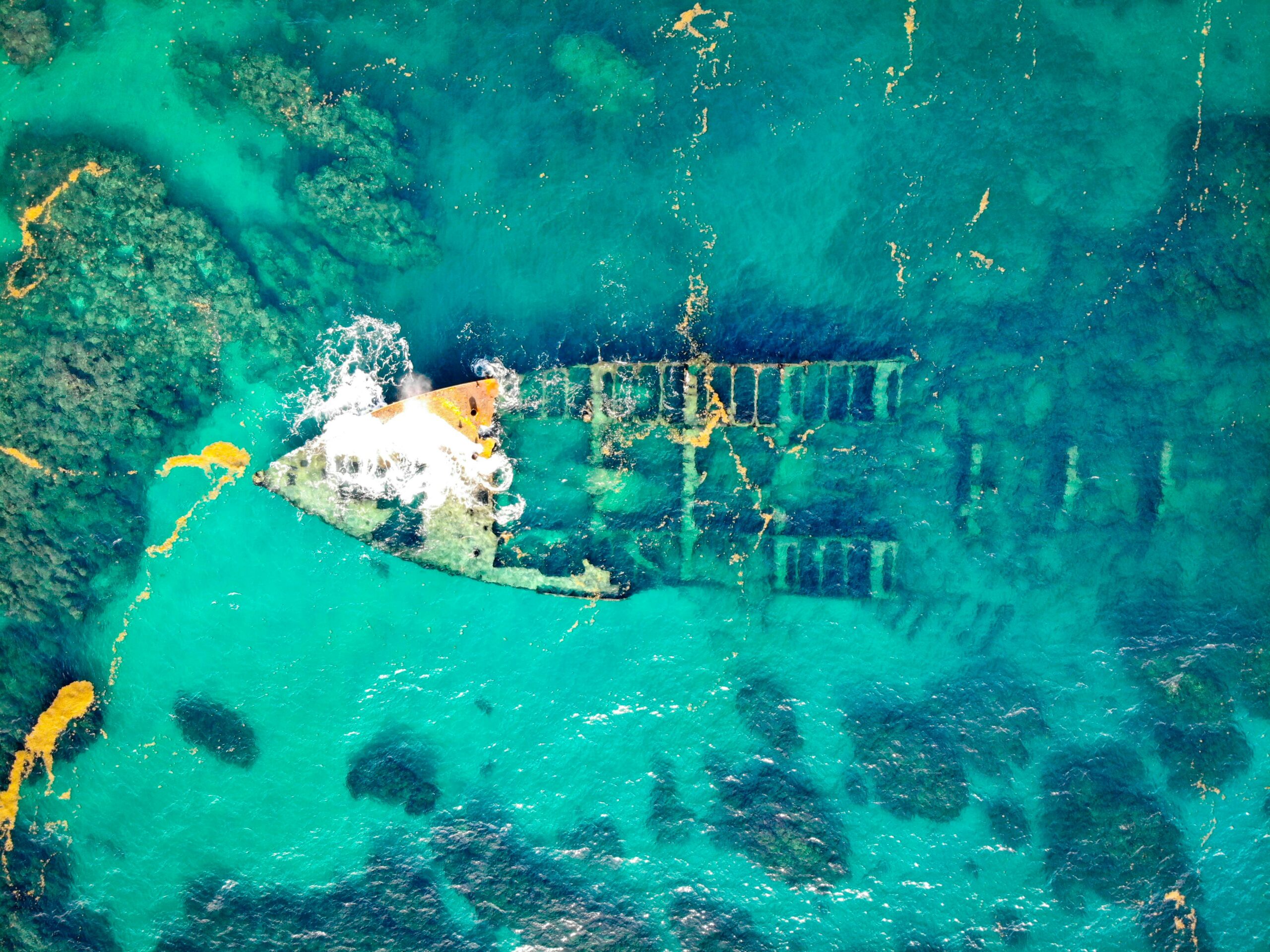
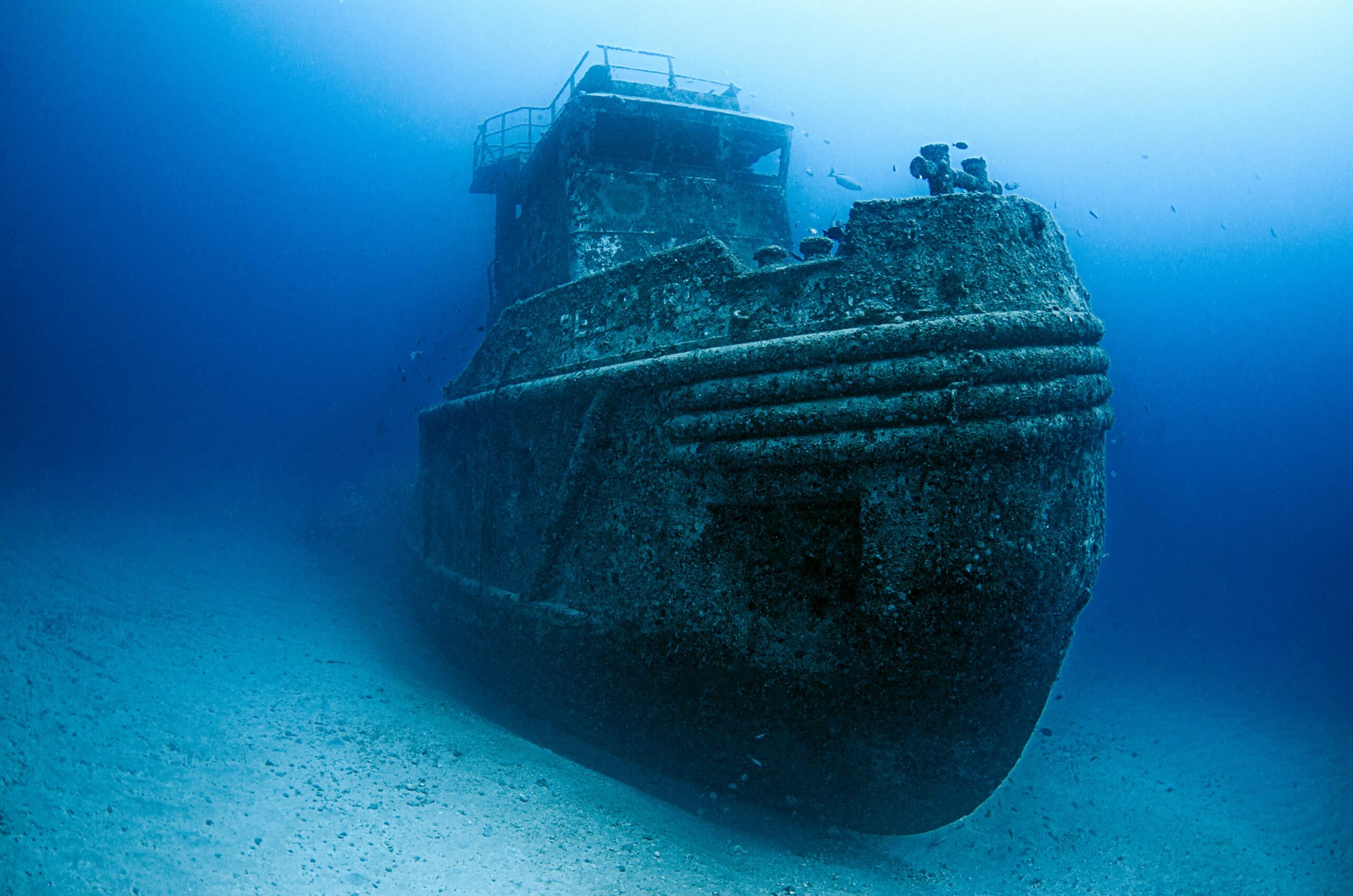
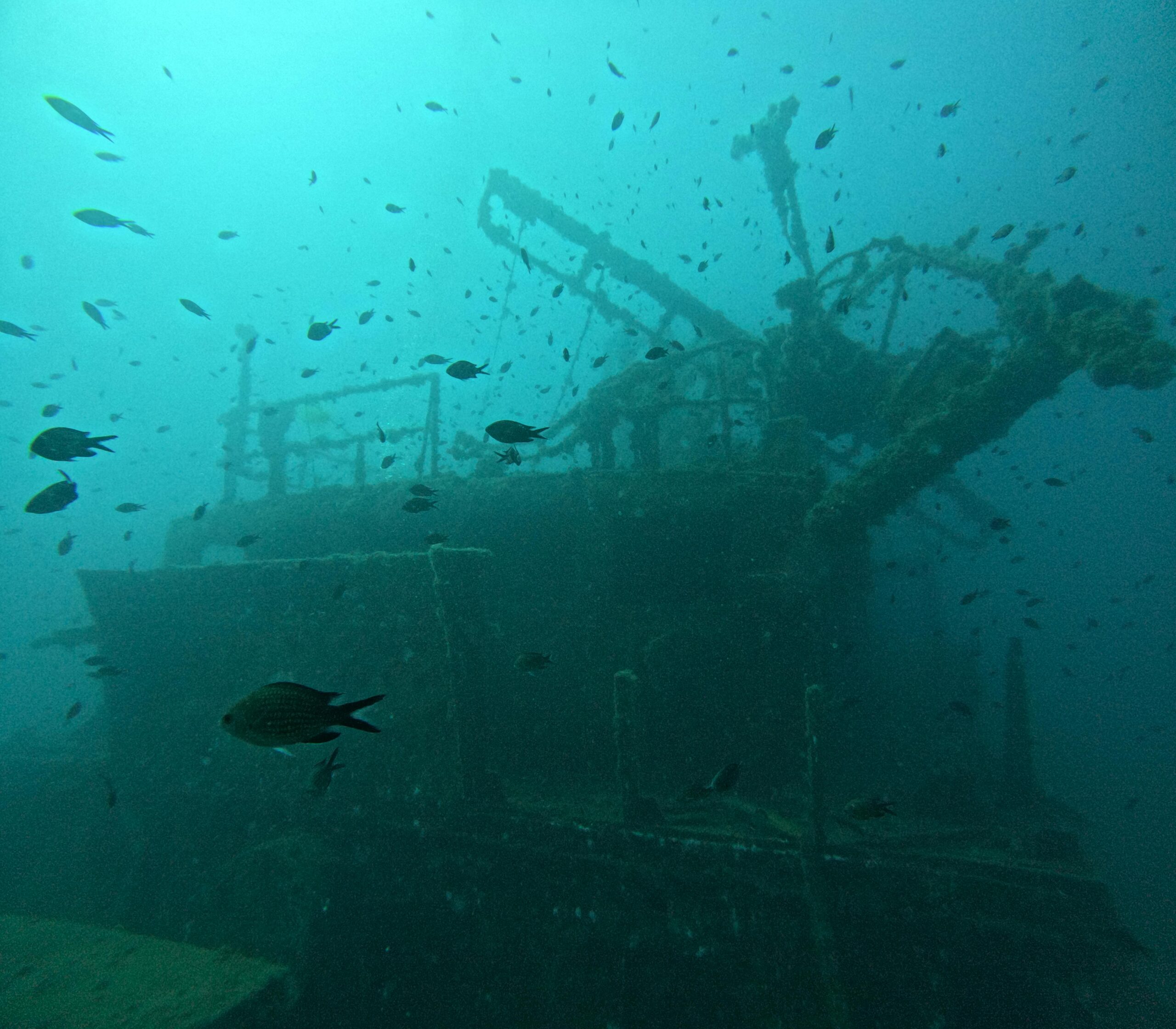
Shipwrecks represent frozen moments in history—vessels that departed port with crew, cargo, and purpose, only to meet unexpected ends beneath the waves. Each wreck tells multiple stories: the technological capabilities of its builders, the economic priorities of its owners, the daily lives of its crew, and the broader historical context of its voyage.
The Mary Rose, Henry VIII’s warship that sank in 1545 and was raised in 1982, provided unprecedented insights into Tudor naval warfare, medical practices, and the lives of 16th-century sailors. Personal items recovered from the wreck—musical instruments, games, clothing, and even the remains of meals—humanize the historical record in ways that written documents cannot achieve.
The Global Reach of Maritime Archaeology
Underwater discoveries span every ocean and reveal the truly global nature of human maritime activity. In the Caribbean, Spanish galleon wrecks document the colonial exploitation of the Americas and the forced migration of enslaved peoples. In Southeast Asian waters, Chinese trading vessels reveal the extent of the ancient Silk Road’s maritime branches. Off Australia’s coast, Dutch VOC ships provide evidence of early European exploration and the cultural encounters that followed.
Each geographical region contributes unique cultural insights. Pacific Island discoveries reveal sophisticated navigation techniques that allowed Polynesian peoples to settle vast oceanic expanses without modern instruments. Arctic underwater sites document the tragic Franklin Expedition and the realities of 19th-century polar exploration. African coastal waters hide evidence of indigenous maritime traditions often overlooked in Euro-centric historical narratives.
Submerged Settlements: When Coastlines Changed 🏛️
Rising sea levels over millennia have claimed countless coastal settlements, creating underwater archaeological sites that document human adaptation to environmental change. These submerged cities and villages offer cautionary tales relevant to our current era of climate change, while also providing evidence of how past societies responded to similar challenges.
The discovery of Doggerland, a landmass that once connected Britain to continental Europe, has revolutionized understanding of Mesolithic European populations. Artifacts recovered from this now-submerged region demonstrate that it was not merely a land bridge but a thriving cultural center with its own distinct populations and traditions.
Port Royal: The Wickedest City Preserved
The 1692 earthquake that submerged much of Port Royal, Jamaica, created one of the most significant underwater archaeological sites in the Western Hemisphere. This pirate haven was preserved almost instantly, providing researchers with an unparalleled view of 17th-century colonial life. Buildings, streets, and artifacts remain largely as they were at the moment of disaster, offering insights into architecture, commerce, diet, and social structures.
Similar catastrophic preservation occurred at Thonis-Heracleion in Egypt’s Abu Qir Bay, where an entire city sank gradually over centuries due to soil liquefaction. The site has yielded massive statues, temple remains, ships, and countless artifacts that illuminate Egypt’s Hellenistic period and its connections to the broader Mediterranean world.
Sacred Waters: Religious and Ritual Significance
Many underwater discoveries carry profound religious or ritual significance, revealing how ancient peoples incorporated water into their spiritual practices. Cenotes in Mexico’s Yucatan Peninsula served as sacred portals for Maya civilization, and underwater excavations have recovered offerings, ceremonial objects, and human remains that illuminate Maya religious beliefs and practices.
Lakes, rivers, and coastal waters across Europe have yielded votive offerings spanning thousands of years—weapons, jewelry, and precious objects deliberately deposited as gifts to deities or spirits. These finds demonstrate the continuity of certain religious practices across cultures and time periods, while also revealing how spiritual beliefs evolved in response to changing social circumstances.
The Cultural Context of Ritual Deposition
Understanding why objects were placed in water requires interpreting cultural context carefully. Some deposits represent offerings seeking divine favor; others may commemorate significant events or mark territorial boundaries. The deliberate destruction of valuable items before deposition—bending swords or breaking jewelry—suggests complex ritual beliefs about transforming objects before transferring them to the spiritual realm.
Bog bodies discovered in Northern Europe provide haunting evidence of ritual sacrifice or capital punishment, preserved by the unique chemical properties of peat bogs. These remains, along with associated artifacts, offer insights into Iron Age legal systems, religious practices, and social hierarchies that complement and sometimes contradict written historical sources.
Technological Revelations From the Deep 🔍
Underwater discoveries frequently reveal technological sophistication that challenges assumptions about ancient capabilities. The Antikythera mechanism, recovered from a Roman-era shipwreck off Greece, is an astronomical calculator of such complexity that nothing comparable appears in the historical record for over a millennium. Its discovery forced reassessment of ancient Greek technological achievement and scientific knowledge.
Ship construction techniques revealed through underwater archaeology demonstrate how different cultures solved similar engineering challenges. The sewn-plank boats of ancient Egypt and East Africa, the mortise-and-tenon joinery of Mediterranean vessels, and the carvel construction of later European ships each represent sophisticated solutions developed through generations of accumulated maritime knowledge.
Navigation and Maritime Knowledge
Recovered navigation instruments, charts, and astronomical tools provide evidence of how ancient mariners understood their world and found their way across featureless oceans. The discovery that Polynesian voyagers used sophisticated wave-reading techniques, star compasses, and other non-instrument navigation methods has led to greater appreciation of indigenous scientific knowledge systems.
Cargo distributions on shipwrecks reveal how captains understood weight distribution, stability, and seaworthiness. The careful placement of heavy amphoras and other goods demonstrates practical physics knowledge applied to maritime contexts, showing that theoretical and practical knowledge often developed hand-in-hand.
Preserving Submerged Heritage for Future Generations
The cultural significance of underwater discoveries creates urgent preservation challenges. Unlike terrestrial archaeological sites, underwater locations face constant environmental threats—currents, marine organisms, chemical reactions, and temperature fluctuations all contribute to deterioration. Additionally, many sites face human threats from looters, trawling fishing operations, and development projects.
International agreements like the UNESCO Convention on the Protection of the Underwater Cultural Heritage establish frameworks for managing these resources, but enforcement remains challenging. Many culturally significant sites lie in international waters or areas where multiple nations claim jurisdiction, complicating preservation efforts.
In Situ Preservation Versus Recovery
Archaeologists debate whether artifacts should remain underwater or be recovered for study and display. In situ preservation allows sites to remain intact in their original context, but makes them vulnerable to environmental and human damage. Recovery permits detailed study, conservation treatment, and public display, but removes objects from their archaeological context and risks damage during retrieval and conservation.
Modern technology offers compromise solutions. Three-dimensional scanning and photogrammetry allow researchers to create detailed digital records without disturbing sites. Remote-operated vehicles and underwater drones enable monitoring and study with minimal intervention. Virtual reality reconstructions allow public engagement with sites that remain physically inaccessible.
Community Connections and Cultural Identity 🌍
Underwater discoveries often carry special significance for descendant communities. The recovery of slave ship wrecks, for instance, provides tangible connections to traumatic histories and validates oral traditions passed down through generations. These discoveries can support claims for recognition, restitution, and cultural preservation.
Indigenous communities increasingly assert rights over underwater cultural heritage connected to their ancestors. The discovery of ancient canoes, fishing implements, and submerged village sites provides evidence supporting traditional land and water claims while also validating indigenous knowledge systems and historical narratives.
Tourism and Economic Impacts
Underwater archaeological sites generate significant tourism revenue when properly managed. Dive tourism focused on shipwrecks and submerged ruins creates economic incentives for preservation while allowing public engagement with cultural heritage. However, balancing access with protection remains challenging—too many visitors can damage fragile sites, while too many restrictions limit public benefit.
Museum exhibitions featuring recovered artifacts attract millions of visitors worldwide, generating revenue that funds further research and preservation efforts. High-profile exhibitions also raise public awareness about the importance of underwater cultural heritage and the threats it faces.
Future Horizons: Technology and Discovery
Advancing technology continually reveals new underwater sites and enables more detailed study of known locations. Satellite imagery, sonar mapping, and artificial intelligence algorithms can identify potential archaeological sites across vast oceanic expanses. These tools democratize discovery, allowing researchers in resource-limited institutions to make significant contributions to the field.
Climate change, while threatening many coastal archaeological sites with erosion and sea level rise, also reveals previously buried or inaccessible locations. Melting glaciers expose shipwrecks and artifacts preserved for centuries in ice. Changing current patterns uncover sites previously hidden beneath sediment. These discoveries provide urgent reminders of environmental change’s impacts on cultural heritage.
Collaborative Research Models
Modern underwater archaeology increasingly embraces collaboration between academic researchers, government agencies, indigenous communities, and citizen scientists. Recreational divers report potential sites, volunteer on excavations, and contribute observations that professional archaeologists might miss. This collaborative model accelerates discovery while fostering broader appreciation for underwater cultural heritage.
International research teams combine expertise from multiple disciplines—archaeology, oceanography, conservation science, digital technology, and more—to tackle complex research questions. These collaborations produce richer interpretations and more comprehensive understandings of past societies than any single perspective could achieve.
Living Heritage Beneath the Waves
Underwater cultural heritage remains a living connection to human history, not merely an academic curiosity. Each discovery adds layers to our understanding of who we are as a species—how we’ve adapted, innovated, traded, fought, believed, and dreamed across millennia. The artifacts and sites resting beneath the waves represent the accumulated experiences of countless individuals whose lives, while separated from ours by time and water, share fundamental human qualities.
As technology advances and sea levels change, more discoveries await. Each will add to the complex mosaic of human cultural achievement, challenging assumptions and revealing unexpected connections. The depths continue to guard secrets that will reshape historical understanding for generations to come, reminding us that our knowledge of the past remains incomplete and that surprising revelations await those willing to explore beneath the surface.
The cultural significance of underwater discoveries extends beyond the objects themselves to encompass what they represent: human resilience, curiosity, creativity, and the universal drive to connect with others across distances and differences. These submerged treasures belong not to any single nation or group but to all humanity as shared heritage testifying to our collective journey through time. Protecting and studying them remains not just an academic responsibility but a moral obligation to past and future generations alike.

Toni Santos is a visual storyteller and archival artist whose work dives deep into the submerged narratives of underwater archaeology. Through a lens tuned to forgotten depths, Toni explores the silent poetry of lost worlds beneath the waves — where history sleeps in salt and sediment.
Guided by a fascination with sunken relics, ancient ports, and shipwrecked civilizations, Toni’s creative journey flows through coral-covered amphorae, eroded coins, and barnacle-encrusted artifacts. Each piece he creates or curates is a visual meditation on the passage of time — a dialogue between what is buried and what still speaks.
Blending design, storytelling, and historical interpretation, Toni brings to the surface the aesthetics of maritime memory. His work captures the textures of decay and preservation, revealing beauty in rust, ruin, and ruin’s resilience. Through his artistry, he reanimates the traces of vanished cultures that now rest on ocean floors, lost to maps but not to meaning.
As the voice behind Vizovex, Toni shares curated visuals, thoughtful essays, and reconstructed impressions of archaeological findings beneath the sea. He invites others to see underwater ruins not as remnants, but as thresholds to wonder — where history is softened by water, yet sharpened by myth.
His work is a tribute to:
The mystery of civilizations claimed by the sea
The haunting elegance of artifacts lost to time
The silent dialogue between water, memory, and stone
Whether you’re drawn to ancient maritime empires, forgotten coastal rituals, or the melancholic beauty of sunken ships, Toni welcomes you to descend into a space where the past is submerged but never silenced — one relic, one current, one discovery at a time.