Ancient civilizations left behind intricate networks of exchange that spanned continents, revealing humanity’s earliest global connections through preserved artifacts and archaeological discoveries.
🗺️ The Silent Witnesses of Ancient Commerce
Every shard of pottery, every corroded coin, and every fragment of jewelry tells a story that transcends time. These artifacts serve as tangible evidence of complex trade networks that connected distant civilizations long before modern globalization. Archaeological discoveries continue to unveil surprising connections between cultures separated by vast distances, challenging our understanding of ancient world commerce.
The study of trade goods through artifact analysis has revolutionized our comprehension of historical economics, cultural exchange, and diplomatic relationships. When archaeologists unearth a Roman coin in India or Chinese silk in Egypt, they’re discovering more than objects—they’re revealing the ambitious spirit of ancient merchants and the sophisticated logistics that made intercontinental trade possible.
These material remnants provide concrete proof that our ancestors were far more interconnected than previously imagined. The presence of exotic materials and foreign craftsmanship in archaeological sites demonstrates that trade routes were not merely theoretical pathways but bustling corridors of cultural and economic exchange.
Decoding Material Evidence: How Artifacts Reveal Trade Patterns
Archaeological methodology has evolved dramatically, incorporating scientific techniques that extract maximum information from ancient objects. Researchers now employ spectroscopy, isotope analysis, and DNA testing to determine the precise origins of materials, offering unprecedented insights into ancient supply chains.
When examining pottery fragments, archaeologists analyze clay composition to identify geographic sources. This technique has revealed that amphorae found in Roman Britain originated from vineyards in modern-day Spain and olive groves in North Africa. Such discoveries map out extensive maritime trade networks that sustained the Roman Empire’s economic dominance.
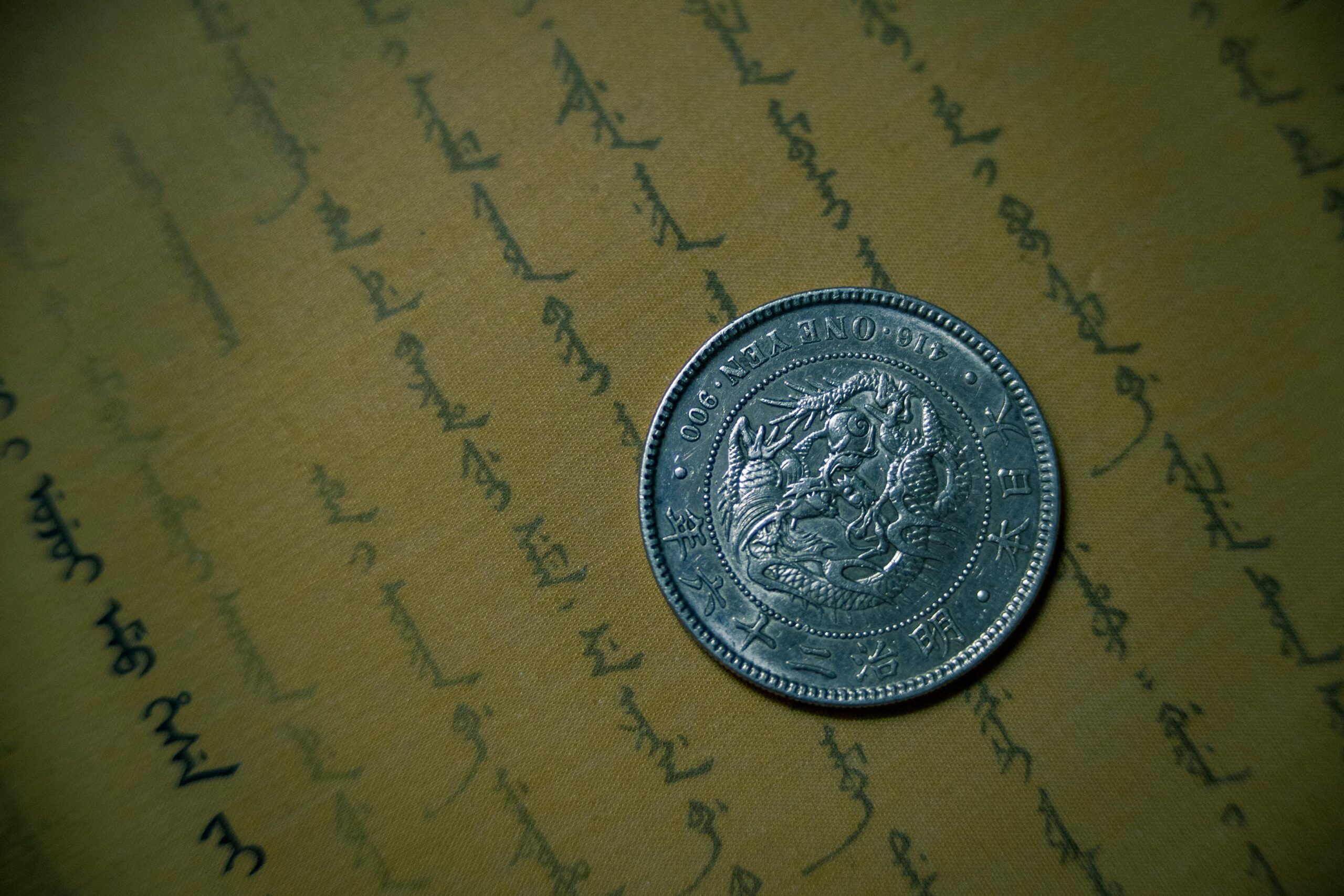
Metal artifacts provide equally compelling evidence. Bronze weapons discovered in Northern Europe contain tin from Cornwall and copper from Cyprus, demonstrating Bronze Age trade routes spanning thousands of miles. The metallurgical analysis of ancient coins reveals debasement patterns, monetary policies, and economic stress within civilizations, creating a financial history written in copper, silver, and gold.
The Science Behind Artifact Authentication
Modern archaeological science employs multiple verification methods to confirm artifact authenticity and provenance. Thermoluminescence dating measures radiation exposure in pottery, while carbon-14 analysis dates organic materials. These techniques eliminate speculation, providing definitive timelines for trade activities.
Trace element analysis identifies unique chemical signatures in materials, functioning like fingerprints that connect artifacts to specific quarries, mines, or workshops. This scientific approach has transformed archaeology from educated guesswork into precise historical reconstruction, making it possible to trace individual objects across continents and centuries.
🏺 Luxury Goods as Status Symbols and Economic Indicators
Luxury items dominated long-distance trade in ancient times because they justified the risks and costs of transportation across dangerous terrain. Silk, spices, precious stones, and exotic woods commanded premium prices, creating profitable opportunities for merchants willing to undertake perilous journeys.
The famous Silk Road connected China with the Mediterranean world, facilitating exchange of not just silk but also ideas, technologies, and religious beliefs. Archaeological sites along these routes have yielded Persian glassware in Chinese tombs, Roman coins in Indian temples, and Buddhist sculptures in Central Asian oases—each artifact documenting cultural diffusion alongside commercial transaction.
Spices like pepper, cinnamon, and frankincense drove economic ambitions and geographic exploration. Roman writings describe the astronomical prices paid for Eastern spices, with pepper being so valuable it was used as currency. Archaeological discoveries of spice residues in ancient storage vessels confirm historical accounts of this lucrative trade that motivated explorations and political alliances.
Gemstones and Precious Metals: Tracing Wealth Across Borders
Precious stones found far from their geological sources provide irrefutable evidence of trade connections. Lapis lazuli from Afghanistan appears in Egyptian pharaonic jewelry, Mesopotamian royal ornaments, and Indus Valley crafts. This distinctive blue stone traveled thousands of miles, passing through multiple intermediaries before reaching its final destinations.
Gold artifacts demonstrate similar patterns. The consistent presence of specific gold types in archaeological contexts reveals established trade partnerships. West African gold reached Mediterranean markets through trans-Saharan routes, while Colombian gold eventually reached Central American cultures through complex regional networks.
Everyday Commodities: The Backbone of Ancient Trade
While luxury goods captured historical attention, everyday commodities constituted the bulk of ancient commerce. Grain, olive oil, wine, salt, and textiles moved in massive quantities, sustaining populations and generating substantial wealth for traders and states.
Archaeological evidence of standardized shipping containers—particularly amphorae—reveals sophisticated logistics systems. These ceramic vessels, found throughout the Mediterranean and beyond, were designed for specific contents and bore stamps identifying producers, shippers, and destinations. Analysis of amphora distribution patterns maps out trade volumes, preferred routes, and economic relationships between regions.
Textile trade left less visible archaeological traces than pottery or metal, but surviving fragments, loom weights, and dye residues demonstrate that cloth was a major trade commodity. Egyptian linen reached European markets, Indian cotton fabrics were prized throughout the ancient world, and Chinese silk became synonymous with luxury across Eurasia.
Agricultural Products and Food Security
Grain trade was fundamental to ancient civilizations, particularly those with large urban populations. Rome imported massive quantities of wheat from Egypt and North Africa, creating dependencies that shaped political relationships. Archaeological discoveries of granaries, shipping manifests recorded on papyri, and grain residues in shipwrecks document this vital commerce.
Olive oil and wine traveled extensively throughout the ancient Mediterranean world. Chemical analysis of amphora residues identifies contents and origins, revealing that Roman Britain received wine from Gaul, Italy, and the Eastern Mediterranean. These findings illustrate how taste preferences and agricultural specialization drove regional trade networks.
⚓ Maritime Archaeology: Shipwrecks as Time Capsules
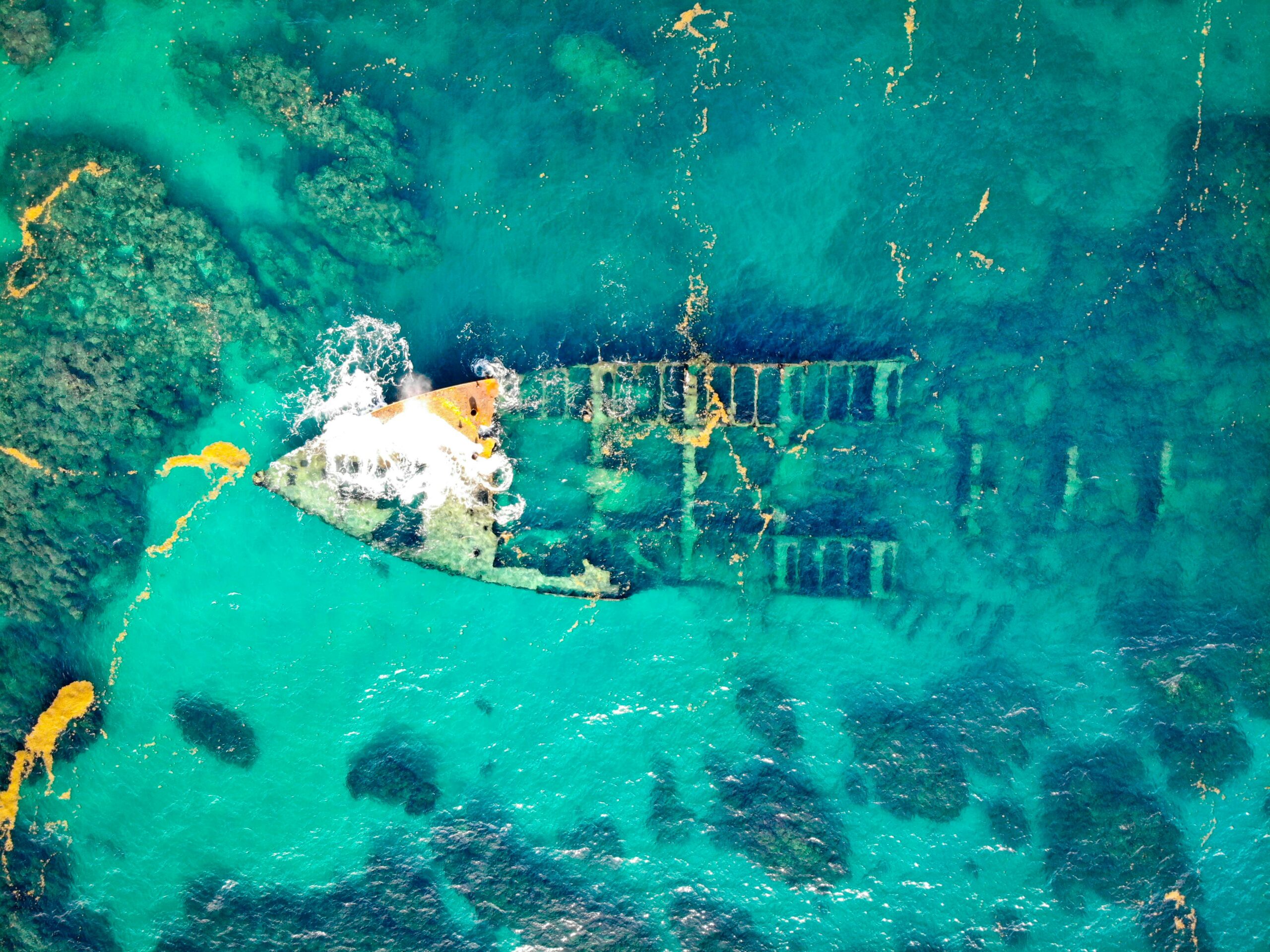
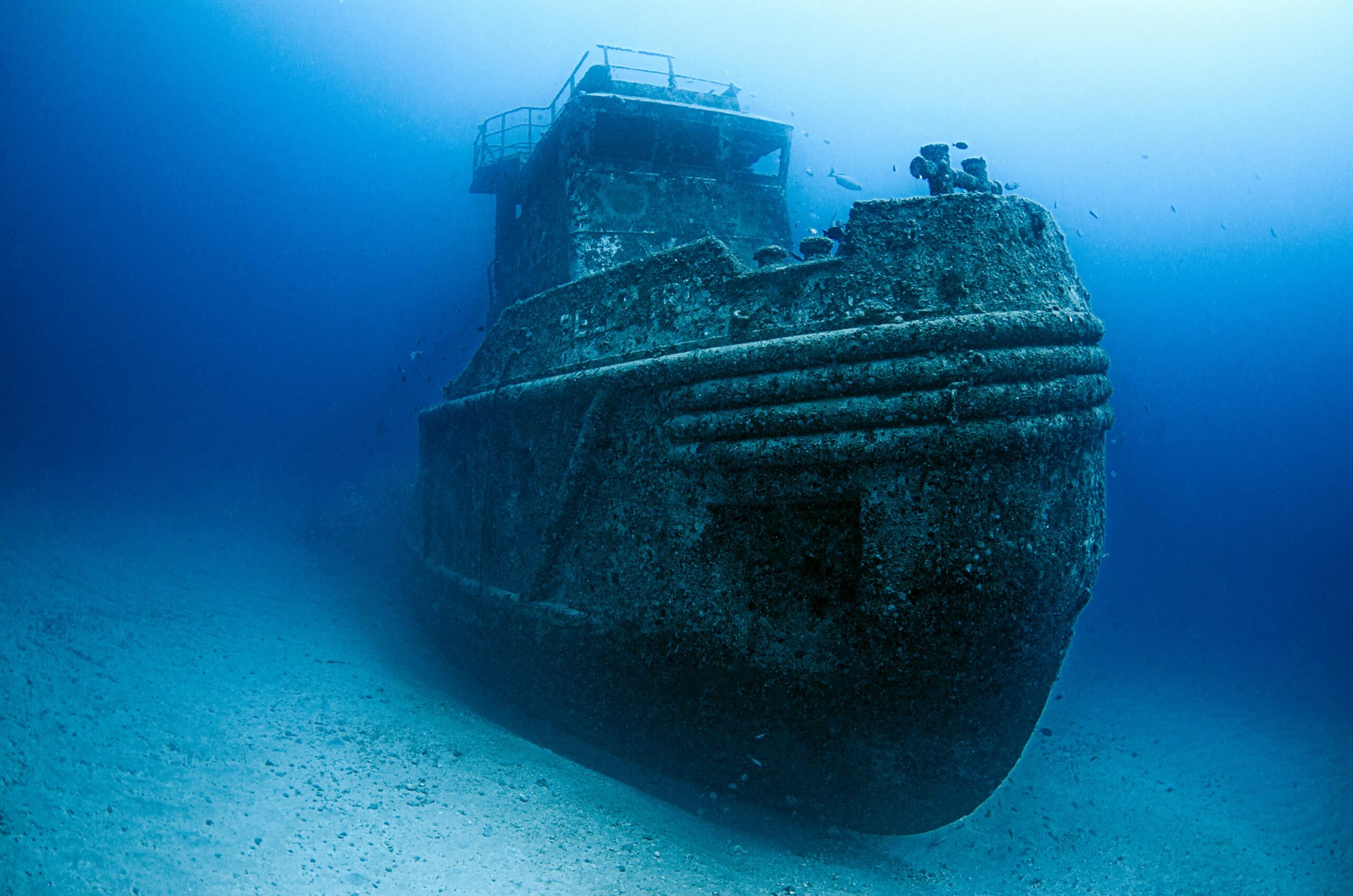
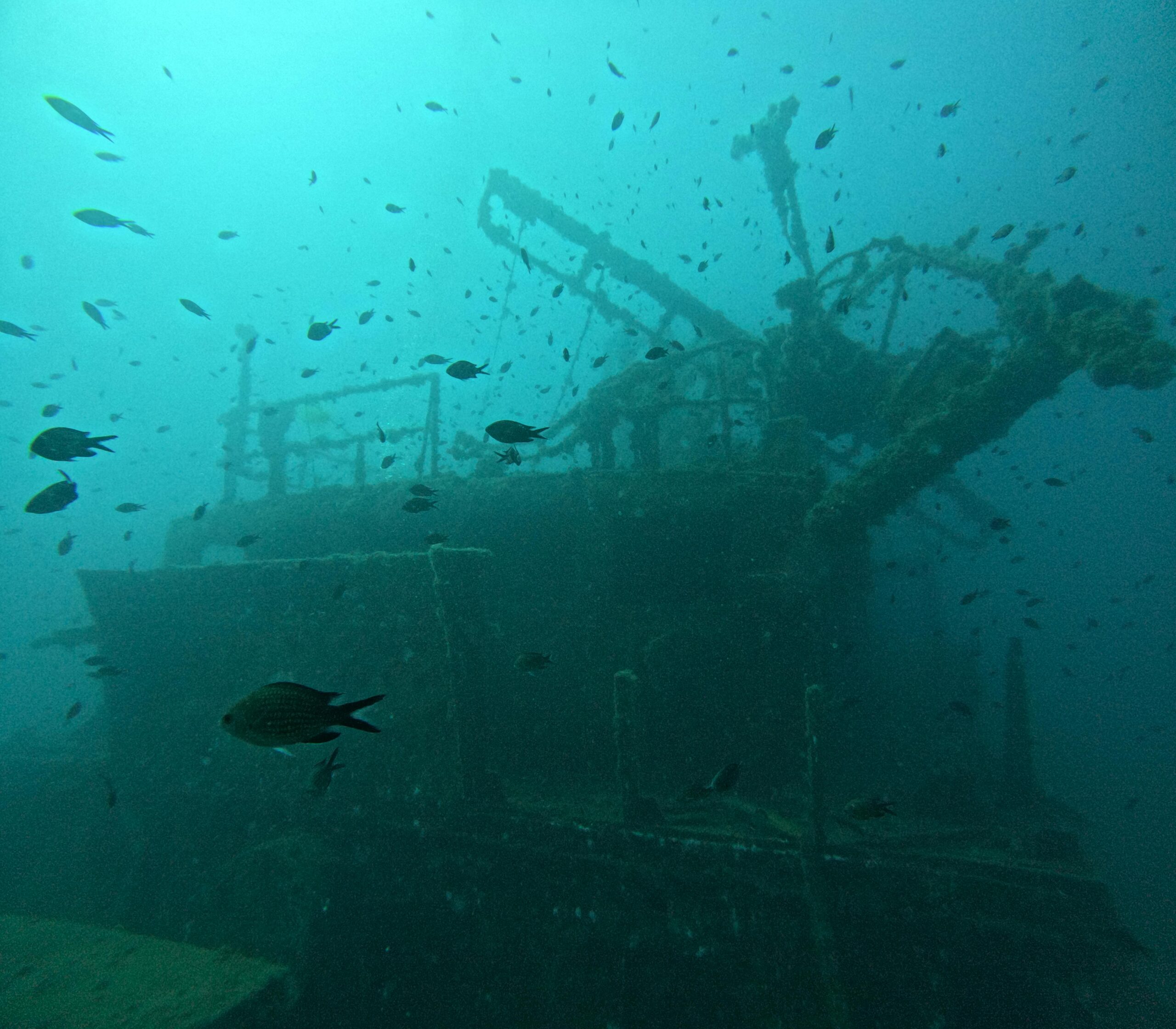
Underwater archaeology has transformed our understanding of ancient trade through spectacular shipwreck discoveries. These maritime time capsules preserve cargo manifests frozen at specific moments, offering unparalleled insights into commercial practices, shipping routes, and economic relationships.
The Uluburun shipwreck off Turkey’s coast, dating to the 14th century BCE, contained cargo from at least seven different cultures: copper ingots from Cyprus, tin from Afghanistan, ebony from Egypt, ivory from Africa, amber from the Baltic, and glassware from Mesopotamia. This single vessel demonstrates the remarkable interconnectedness of Bronze Age civilizations.
Roman shipwrecks found throughout the Mediterranean consistently reveal standardized cargo arrangements and sophisticated maritime commerce. The sheer number of wrecks—over 1,200 documented in the Mediterranean alone—indicates intense commercial activity. Statistical analysis of wreck distributions maps out preferred routes, dangerous passages, and the evolution of shipping technology.
Technological Innovations Revealed Through Marine Finds
Shipwrecks preserve construction techniques and navigational tools that rarely survive in terrestrial contexts. Analysis of hull designs reveals technological advances that enabled longer voyages and larger cargo capacities. Navigation instruments found in wrecks demonstrate sophisticated understanding of astronomy, geography, and meteorology necessary for successful long-distance trade.
🔍 Identifying Foreign Goods in Domestic Contexts
The presence of non-local materials in archaeological contexts immediately signals trade connections. Identifying these foreign objects requires comprehensive knowledge of material sources, manufacturing techniques, and stylistic traditions. Archaeologists must distinguish between imported finished goods, imported raw materials worked locally, and local imitations of foreign styles.
Ceramics provide excellent indicators of trade because pottery styles are culturally distinctive and clay sources are geologically specific. Greek pottery found in Celtic settlements, Chinese porcelain in East African ports, and Mesopotamian vessels in Indus Valley sites all document specific trade relationships and cultural preferences.
The challenge of differentiating between trade goods and gifts complicates interpretation. Diplomatic exchanges of valuable items created similar archaeological patterns to commercial trade. Context becomes crucial—royal tombs containing foreign luxuries likely reflect diplomatic gifts, while marketplace contexts suggest commercial transactions.
Workshop Analysis and Production Centers
Identifying ancient production centers provides crucial context for understanding trade networks. Archaeological excavation of workshop sites reveals manufacturing techniques, production scales, and distribution strategies. Specialized production sites indicate intentional surplus creation for export markets rather than local consumption alone.
The Rhenish pottery workshops supplied ceramics throughout the Roman Empire, demonstrating industrial-scale production targeting distant markets. Phoenician purple dye workshops along the Mediterranean coast processed millions of murex shells to create luxury textiles for elite consumers across the ancient world. These specialized production centers were integral nodes in extensive trade networks.
Cultural Exchange Beyond Commerce: Ideas Travel with Goods
Trade routes facilitated more than material exchange—they served as conduits for ideas, technologies, religions, and artistic styles. Artifacts bearing foreign artistic motifs or manufacturing techniques demonstrate cultural diffusion accompanying commercial interaction.
Buddhist art evolved dramatically as it traveled along the Silk Road, incorporating Greco-Roman, Persian, and Central Asian artistic traditions. Surviving sculptures, paintings, and architectural elements document this artistic synthesis, showing how religious ideas adapted to new cultural contexts while maintaining core spiritual meanings.
Technological knowledge spread alongside trade goods. Metallurgical techniques, glassmaking processes, textile production methods, and agricultural innovations traveled with merchants, craftsmen, and enslaved artisans. Archaeological evidence of technology adoption often correlates with trade route locations, suggesting commercial contacts facilitated knowledge transfer.
📊 Quantifying Ancient Trade: Data from Artifacts
Modern archaeology increasingly employs statistical analysis and database management to quantify ancient trade patterns. Large-scale artifact cataloging projects create datasets enabling sophisticated analysis of trade volumes, route preferences, and temporal changes in commercial relationships.
Distribution maps of specific artifact types reveal market penetrations and competition between production centers. The spread of particular pottery styles or coin types can be tracked chronologically and geographically, illustrating how trade networks expanded, contracted, or shifted in response to political changes, economic conditions, or technological innovations.
Quantitative analysis has revealed surprising patterns, such as the dramatic increase in Mediterranean shipwrecks during the Roman Imperial period, suggesting unprecedented commercial intensity. Statistical studies of coin hoards demonstrate monetary circulation patterns and economic integration across vast territories.
Regional Trade Networks: Localized Systems Within Global Contexts
While long-distance trade routes captured historical imagination, regional trade networks were economically more significant for most ancient populations. Archaeological evidence reveals dense regional exchange systems connecting cities, towns, and villages within relatively limited geographic areas.
The Mayan civilization developed extensive trade networks throughout Mesoamerica, exchanging obsidian, jade, cacao, feathers, and textiles. Archaeological distributions of these materials map out political alliances, tributary relationships, and market hierarchies within Mayan territories. These regional systems operated simultaneously with longer-distance contacts reaching Central Mexico and beyond.
African trade networks connected Saharan oases, Sudanic kingdoms, and coastal ports in systems that predated European contact by millennia. Archaeological evidence of North African goods in West Africa, alongside West African products moving northward, demonstrates reciprocal exchange relationships. These networks operated independently of Mediterranean commerce while occasionally interfacing with it.
🌍 Trade’s Role in State Formation and Collapse
Control over trade routes and access to valuable commodities significantly influenced ancient state development. Archaeological evidence demonstrates that many powerful states positioned themselves strategically to dominate trade networks, extracting taxes, tolls, and tribute from commercial traffic.
The Nabataean kingdom thrived by controlling frankincense trade routes through the Arabian Peninsula. Archaeological remains of Petra and other Nabataean cities display wealth accumulated through commercial intermediation. When maritime routes bypassed their territories, archaeological evidence shows corresponding decline in construction activities and settlement sizes.
Economic disruptions caused by trade route changes contributed to several civilization collapses. The Bronze Age collapse around 1200 BCE coincided with disruptions to eastern Mediterranean trade networks. Archaeological evidence shows simultaneous abandonment of major cities, suggesting interconnected economies suffered cascading failures when trade systems broke down.
Contemporary Lessons from Ancient Trade Artifacts
Studying ancient trade through artifacts offers valuable perspectives on modern globalization. The archaeological record demonstrates that international commerce, economic interdependence, and cultural exchange are not modern innovations but fundamental human activities with deep historical roots.
Ancient merchants faced challenges remarkably similar to modern ones: transportation logistics, currency exchange, contract enforcement, and risk management. Archaeological evidence of standardized weights, sealed containers, and written contracts shows sophisticated commercial practices addressing these universal challenges.
The resilience of ancient trade networks despite political instability, natural disasters, and technological limitations inspires appreciation for human adaptability and entrepreneurial persistence. Archaeological discoveries continue revealing the remarkable achievements of our ancestors in creating connected world systems long before digital communication or modern transportation.
Preserving and Studying Archaeological Trade Evidence
The ongoing discovery and analysis of trade-related artifacts depends on proper archaeological methodology, conservation practices, and international cooperation. Looting and illicit antiquities trade destroy contextual information that makes artifacts historically valuable, reducing priceless evidence to mere decorative objects.
Professional archaeology emphasizes systematic excavation, detailed documentation, and multidisciplinary analysis. Each artifact’s position, associations, and condition provide crucial interpretive context. Removing objects from archaeological contexts without proper recording irreversibly destroys information about ancient trade networks.
International databases and collaborative research projects enable scholars to track artifact distributions across modern political boundaries that didn’t exist in ancient times. Digital archaeology and online repositories democratize access to information, allowing researchers worldwide to contribute to understanding ancient trade systems.
💎 The Continuing Quest for Ancient Trade Connections
Archaeological research constantly reveals new dimensions of ancient trade networks. Recent discoveries include Viking trade connections reaching deep into Central Asia, Polynesian contacts with South America evidenced by sweet potato distributions, and pre-Columbian African-American contacts suggested by botanical and genetic evidence.
Emerging technologies promise even greater insights. DNA analysis of ancient organic remains traces biological exchanges accompanying trade. Isotopic analysis reveals individual life histories, showing whether people lived where they died or migrated along trade routes. Three-dimensional scanning and digital modeling enable detailed artifact comparisons across museum collections worldwide.
The artifacts left by ancient traders continue speaking to us across millennia, revealing humanity’s enduring drive to connect, exchange, and learn from distant neighbors. Each archaeological discovery adds detail to our understanding of how commerce shaped civilizations, spread innovations, and created the interconnected world we inhabit today. These material remnants remind us that globalization’s roots extend deep into human history, connecting us to ancestors who ventured into unknown territories seeking fortune, knowledge, and connection with distant peoples.

Toni Santos is a visual storyteller and archival artist whose work dives deep into the submerged narratives of underwater archaeology. Through a lens tuned to forgotten depths, Toni explores the silent poetry of lost worlds beneath the waves — where history sleeps in salt and sediment.
Guided by a fascination with sunken relics, ancient ports, and shipwrecked civilizations, Toni’s creative journey flows through coral-covered amphorae, eroded coins, and barnacle-encrusted artifacts. Each piece he creates or curates is a visual meditation on the passage of time — a dialogue between what is buried and what still speaks.
Blending design, storytelling, and historical interpretation, Toni brings to the surface the aesthetics of maritime memory. His work captures the textures of decay and preservation, revealing beauty in rust, ruin, and ruin’s resilience. Through his artistry, he reanimates the traces of vanished cultures that now rest on ocean floors, lost to maps but not to meaning.
As the voice behind Vizovex, Toni shares curated visuals, thoughtful essays, and reconstructed impressions of archaeological findings beneath the sea. He invites others to see underwater ruins not as remnants, but as thresholds to wonder — where history is softened by water, yet sharpened by myth.
His work is a tribute to:
The mystery of civilizations claimed by the sea
The haunting elegance of artifacts lost to time
The silent dialogue between water, memory, and stone
Whether you’re drawn to ancient maritime empires, forgotten coastal rituals, or the melancholic beauty of sunken ships, Toni welcomes you to descend into a space where the past is submerged but never silenced — one relic, one current, one discovery at a time.