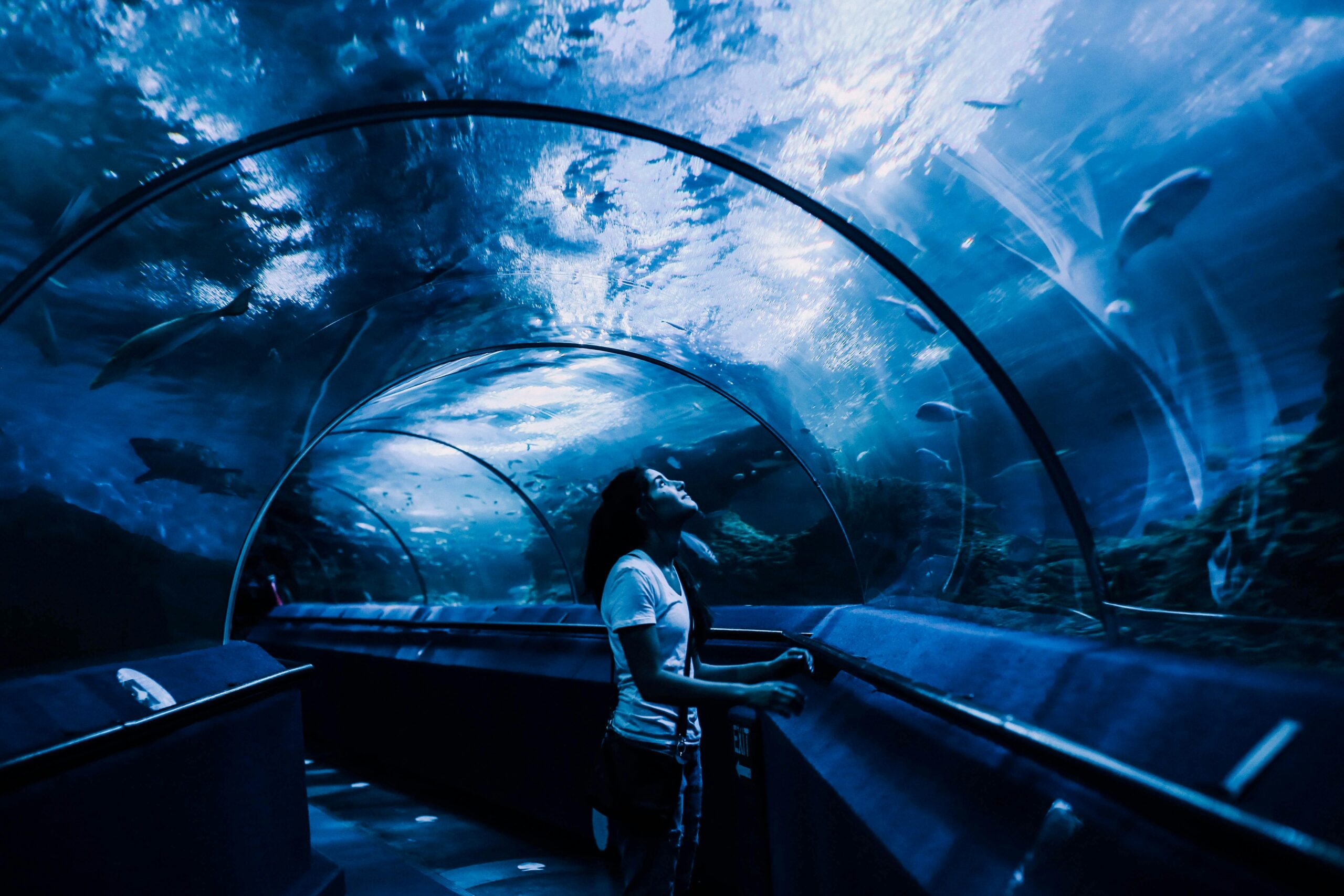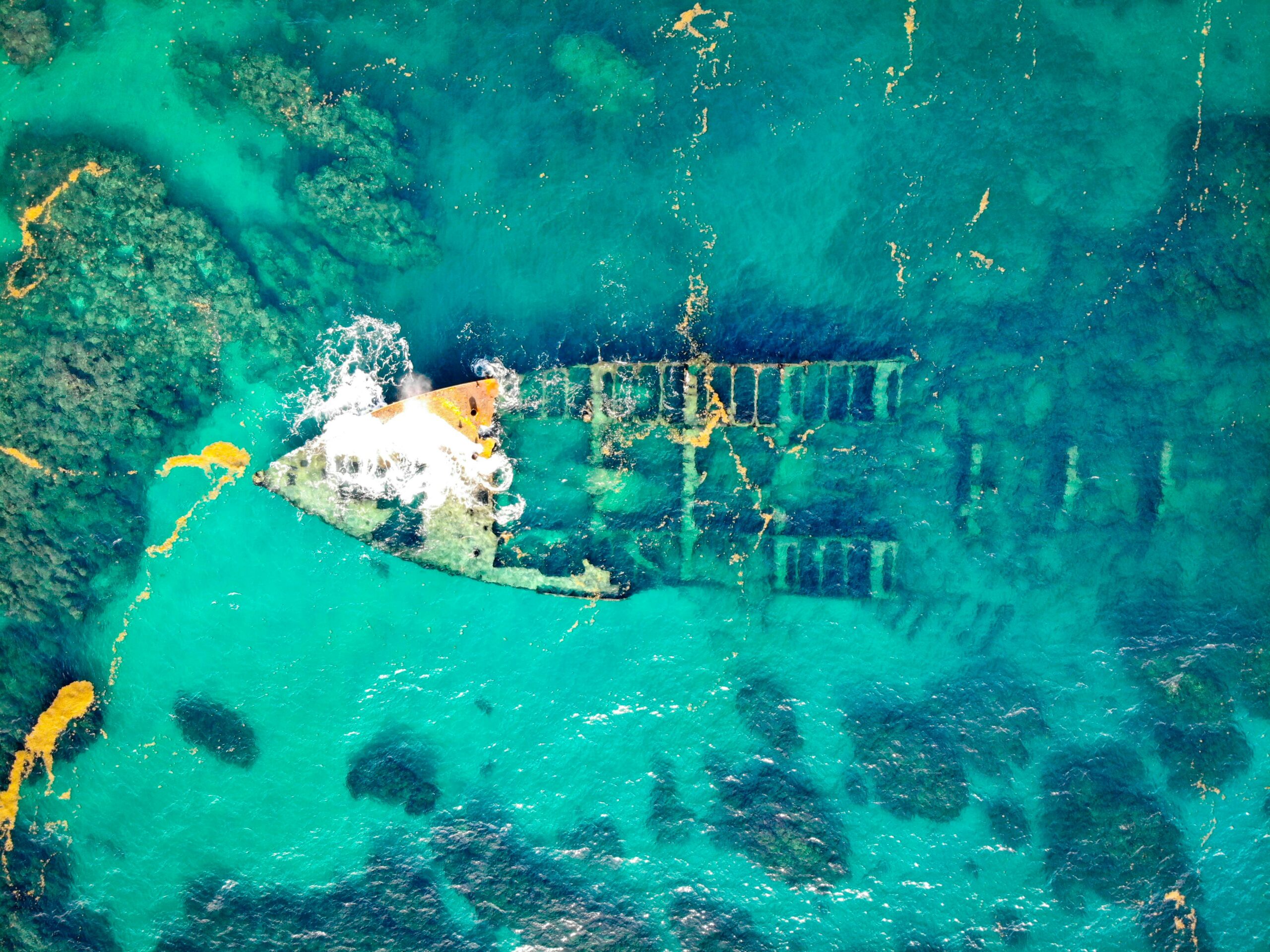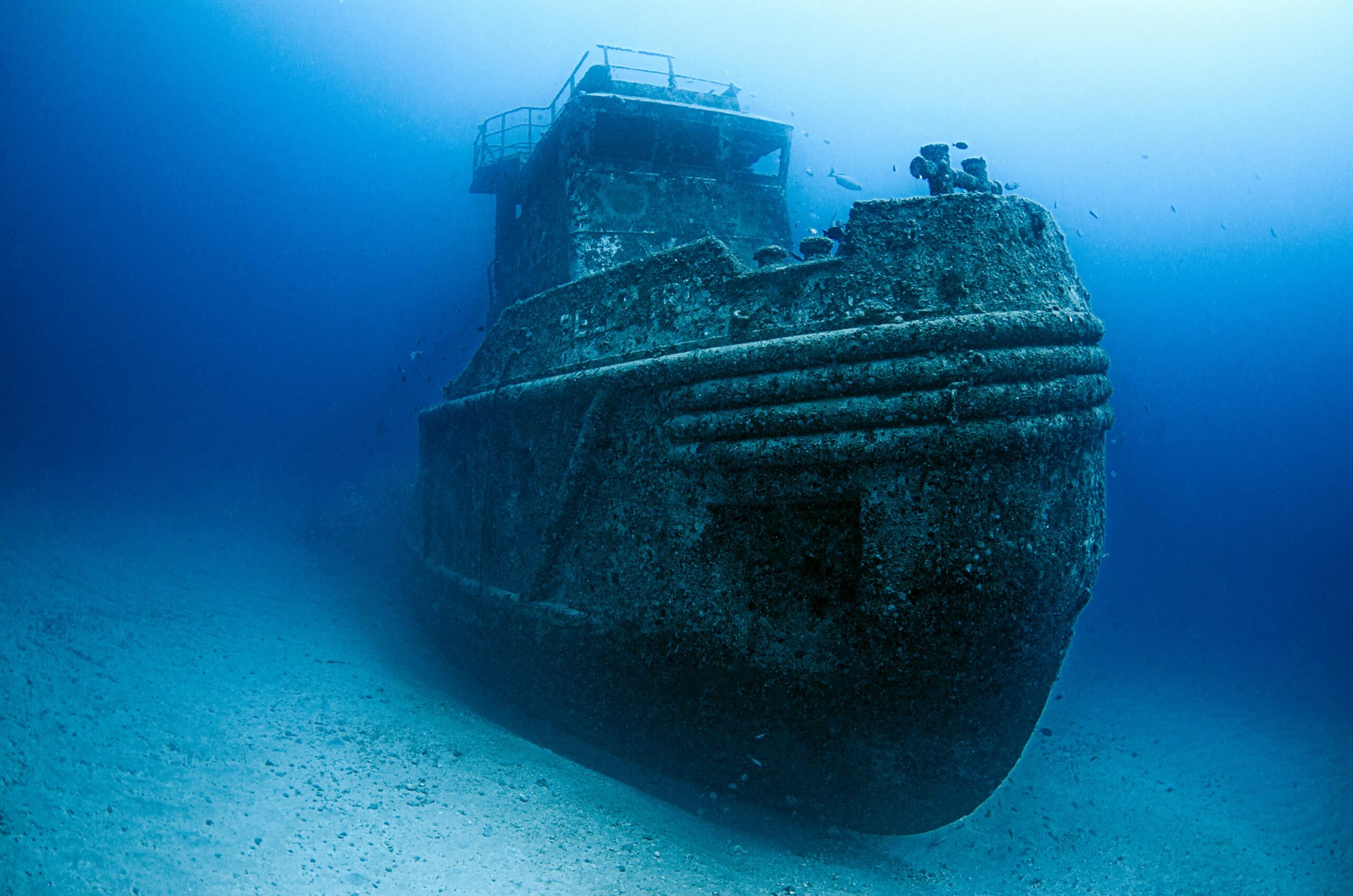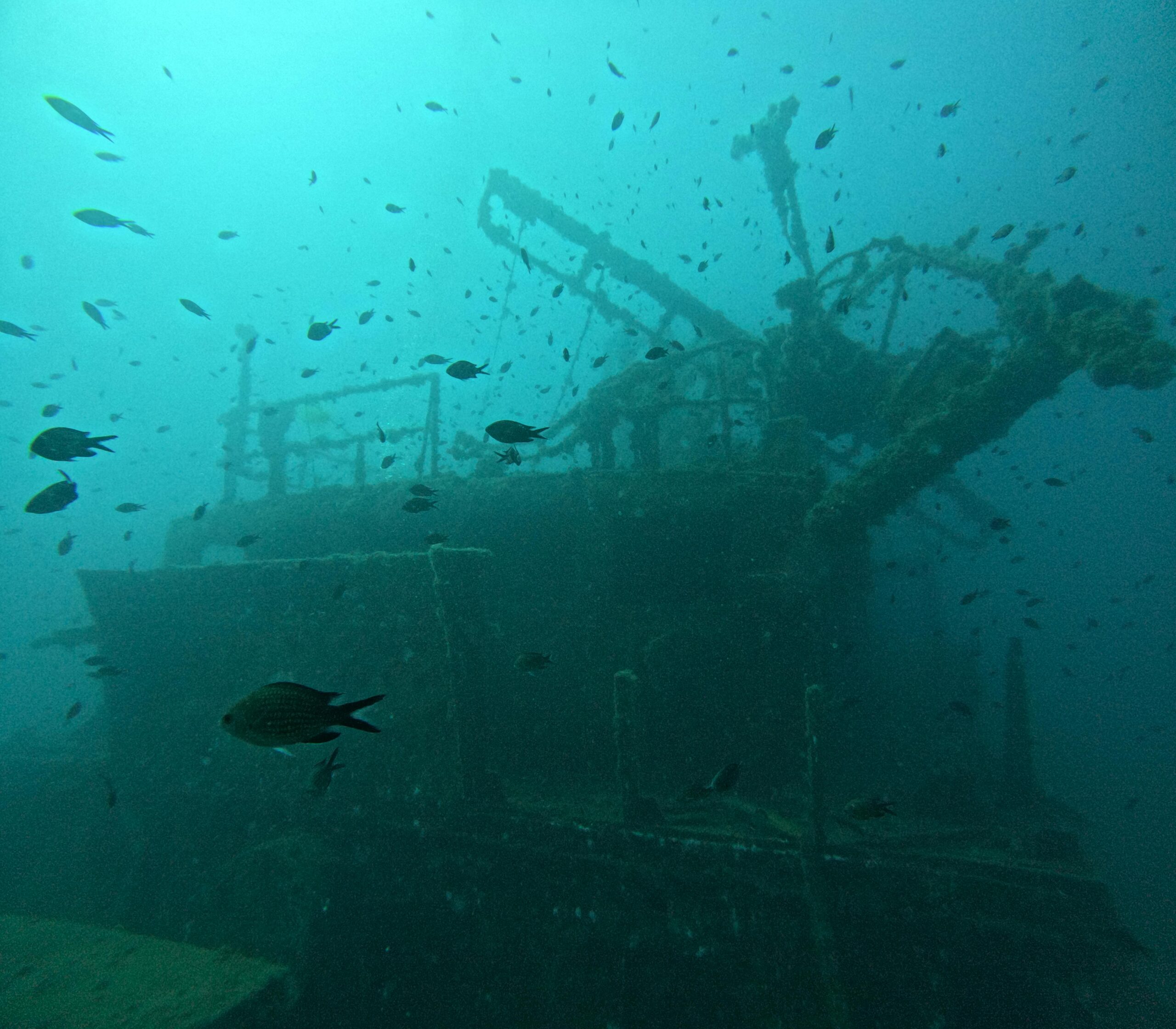
The ocean remains one of Earth’s final frontiers, covering over 70% of our planet yet largely unexplored, holding mysteries that revolutionary technologies are now beginning to unveil.
🌊 The New Age of Ocean Discovery
For centuries, humanity has gazed upward at the stars, investing billions in space exploration while the depths beneath our oceans remained shrouded in darkness. Today, that paradigm is shifting dramatically. Advanced technologies are transforming underwater exploration from a limited, dangerous endeavor into a precise, data-rich scientific pursuit that promises to revolutionize our understanding of marine ecosystems, geological formations, and even the origins of life itself.
The technological renaissance in ocean exploration isn’t just about satisfying scientific curiosity. It’s about addressing critical challenges facing humanity: climate change monitoring, sustainable resource management, biodiversity conservation, and discovering new compounds for medical research. As we stand on the precipice of tomorrow, the tools at our disposal are more sophisticated than ever before.
Autonomous Underwater Vehicles: The Silent Explorers
Autonomous Underwater Vehicles (AUVs) represent perhaps the most significant leap forward in ocean exploration technology. Unlike their remotely operated predecessors, AUVs operate independently, navigating treacherous underwater terrain without constant human supervision. These robotic explorers can dive deeper, stay submerged longer, and access areas too dangerous or remote for human divers.
Modern AUVs come equipped with an impressive array of sensors including multibeam sonar, magnetometers, conductivity-temperature-depth sensors, and high-resolution cameras. The latest models can map the ocean floor with unprecedented detail, creating three-dimensional topographical maps that reveal underwater mountains, trenches, and geological features never before documented.
Artificial Intelligence Meets Deep Sea Exploration
The integration of artificial intelligence into AUV systems has exponentially increased their effectiveness. Machine learning algorithms enable these vehicles to make real-time decisions, identify interesting geological formations or biological specimens, and adjust their mission parameters without surfacing for new instructions. This autonomous decision-making capability allows researchers to cover vast oceanic areas more efficiently than ever before.
AI-powered image recognition systems can now identify and catalog marine species automatically, processing thousands of images in the time it would take human researchers to examine dozens. This technology is creating comprehensive biodiversity databases that are essential for conservation efforts and understanding how ocean ecosystems respond to environmental changes.
Revolutionary Sensor Technologies Piercing the Darkness
The ocean’s depths present unique challenges for traditional sensing equipment. Water absorbs electromagnetic radiation quickly, rendering most conventional imaging techniques useless beyond shallow depths. Revolutionary sensor technologies are overcoming these limitations through innovative approaches.
Advanced Sonar Systems: Seeing with Sound
Next-generation sonar systems use sophisticated acoustic imaging to create remarkably detailed pictures of underwater environments. Synthetic aperture sonar (SAS) technology produces imagery with resolution comparable to optical photographs, revealing details as small as a few centimeters from distances of hundreds of meters. These systems can penetrate sediment layers, revealing buried archaeological artifacts, shipwrecks, and geological structures hidden beneath the ocean floor.
Multi-spectral acoustic imaging takes this technology further by using different frequency ranges simultaneously, providing information about both the shape and composition of underwater objects. This capability is invaluable for geological surveys, archaeological investigations, and marine biology research.
Quantum Sensing: The Future is Already Here
Quantum sensors represent the cutting edge of underwater detection technology. These devices exploit quantum mechanical properties to measure magnetic fields, gravitational variations, and other physical phenomena with extraordinary precision. Quantum magnetometers can detect minute magnetic anomalies, making them ideal for locating underwater mineral deposits, archaeological sites, or monitoring tectonic activity.
Quantum gravimeters measure tiny variations in gravitational fields, allowing researchers to map subsurface geological structures without physical drilling or excavation. This non-invasive approach minimizes environmental impact while providing detailed information about underwater geology.
🤿 Human-Machine Collaboration: Enhanced Diving Systems
While autonomous systems expand our reach, revolutionary technologies are also enhancing human capabilities for direct underwater exploration. Advanced diving suits, breathing systems, and augmented reality interfaces are extending dive times, increasing safety, and making the underwater experience more productive.
Atmospheric Diving Suits: Walking on the Ocean Floor
Modern atmospheric diving suits (ADS) are essentially one-person submarines with articulated joints, allowing divers to work at depths exceeding 600 meters without decompression concerns. These suits maintain surface pressure internally, eliminating the risks of decompression sickness and nitrogen narcosis that plague traditional deep diving.
The latest ADS models incorporate haptic feedback systems that restore the diver’s sense of touch despite thick protective layers. Integrated augmented reality displays overlay important information directly into the diver’s field of vision, including depth, remaining air supply, navigation data, and identification of nearby objects or organisms.
Rebreather Technology: Extending Underwater Endurance
Closed-circuit rebreathers represent a quantum leap over traditional scuba systems. These devices recycle exhaled breath, removing carbon dioxide and adding oxygen as needed. This approach dramatically extends dive times while reducing the telltale bubble streams that can disturb marine life or archaeological sites.
Digital rebreathers monitor oxygen levels constantly, automatically adjusting the gas mixture to maintain optimal levels for the current depth. This precision reduces the risk of oxygen toxicity or hypoxia, two serious hazards in deep diving operations.
Submersibles and Deep-Sea Vessels: Pushing Depth Boundaries
Modern submersibles bear little resemblance to their primitive ancestors. Today’s deep-diving vessels combine advanced materials, sophisticated electronics, and innovative design to reach the deepest points in our oceans.
Titanium and carbon fiber pressure hulls can withstand the crushing forces at depths exceeding 10,000 meters, where pressure reaches over 1,000 atmospheres. Transparent aluminum viewports provide crystal-clear visibility while maintaining structural integrity under extreme pressure.
Modular Exploration Platforms
The newest generation of research submersibles features modular designs that allow rapid reconfiguration for different mission types. Scientific equipment packages can be swapped quickly, transforming a geological survey vessel into a biological research platform or archaeological investigation tool within hours.
These vessels incorporate multiple redundant systems for critical functions, ensuring crew safety even if primary systems fail. Advanced life support systems can sustain occupants for days, providing ample safety margins for deep-sea missions.
📡 Communication Technologies: Bridging the Underwater Gap
One of the greatest challenges in underwater exploration has always been communication. Radio waves propagate poorly through water, and traditional acoustic communication methods offer limited bandwidth. Revolutionary technologies are finally addressing this fundamental limitation.
Optical Communication Systems
Laser-based optical communication systems can transmit data at rates millions of times faster than acoustic methods, though they require line-of-sight connections. These systems enable real-time video streaming from underwater vehicles, allowing surface teams to make immediate decisions based on current observations.
Hybrid communication systems combine acoustic and optical methods, using acoustic signals for omnidirectional coordination and optical links for high-bandwidth data transfer when vehicles align appropriately. This approach provides both reliability and performance.
Underwater Networks: The Internet of Ocean Things
Researchers are developing underwater sensor networks that function like submarine internet systems. Distributed sensors communicate with each other and surface stations, creating comprehensive monitoring networks for marine environments. These networks track water temperature, salinity, current patterns, and biological activity across vast oceanic regions.
Such networks are essential for understanding large-scale oceanographic phenomena, tracking marine animal migrations, and monitoring the health of coral reefs and other critical ecosystems. The data collected feeds into climate models, helping predict future environmental changes.
🔬 Biotechnology and Marine Discovery
Revolutionary technologies aren’t limited to mechanical and electronic systems. Biotechnology is playing an increasingly important role in underwater exploration, particularly in understanding and utilizing marine organisms.
Environmental DNA Sampling
Environmental DNA (eDNA) analysis allows researchers to identify which species inhabit an area by analyzing water samples for genetic material. This non-invasive technique can detect rare or elusive species without direct observation, providing comprehensive biodiversity assessments more quickly and economically than traditional survey methods.
Autonomous systems equipped with eDNA sampling capabilities can survey vast oceanic regions, building detailed maps of marine biodiversity. This information is crucial for conservation planning and understanding how climate change affects species distribution.
Bioluminescent Tracking Systems
Scientists are developing tracking systems based on bioluminescence, using naturally glowing organisms or engineered bioluminescent markers to study water movement, pollution dispersion, and animal behavior. These biological tracers provide information that traditional tracking methods cannot, particularly in studying microscopic organisms and chemical processes.
Practical Applications Transforming Industries
The revolutionary technologies driving underwater exploration aren’t confined to pure research. They’re creating practical applications across multiple industries, from resource extraction to infrastructure maintenance.
Offshore Energy and Infrastructure
Underwater robots equipped with advanced sensors inspect oil rigs, wind turbine foundations, and underwater cables with minimal human risk. These systems can detect structural problems, corrosion, or damage before failures occur, preventing environmental disasters and economic losses.
The offshore renewable energy sector particularly benefits from these technologies. Underwater turbines and wave energy converters require regular inspection and maintenance in challenging environments where autonomous systems excel.
Archaeological and Cultural Heritage
Advanced imaging technologies are revolutionizing underwater archaeology. Shipwrecks and submerged settlements can now be documented with millimeter precision without disturbing delicate artifacts. Three-dimensional models created from sonar and photogrammetric data allow detailed analysis and virtual reconstruction of historical sites.
These digital preservation techniques ensure that cultural heritage information survives even if physical sites deteriorate or become inaccessible due to environmental changes.
Environmental Monitoring and Conservation
Perhaps the most critical application of revolutionary underwater technologies lies in environmental monitoring and conservation. The ocean’s health directly impacts global climate, food security, and biodiversity.
Autonomous monitoring systems track ocean acidification, temperature changes, plastic pollution, and ecosystem health continuously. This data is essential for understanding climate change impacts and developing effective mitigation strategies.
Coral Reef Restoration
Underwater drones equipped with specialized tools are being deployed for coral reef restoration projects. These systems can plant coral fragments, monitor growth rates, and identify areas affected by bleaching events. The scale and precision of robotic systems enable restoration efforts impossible with human divers alone.
🚀 The Horizon: What Tomorrow Holds
The pace of technological innovation in underwater exploration continues accelerating. Emerging technologies promise even more dramatic capabilities in the near future.
Swarm robotics will enable coordinated fleets of small, inexpensive underwater drones to explore vast oceanic regions simultaneously. These swarms will communicate and cooperate, adapting their search patterns based on discoveries and environmental conditions.
Bioengineered organisms may serve as living sensors, genetically modified to respond to specific environmental conditions or pollutants. These biological monitors could provide early warning systems for ecological problems at microscopic scales.
Quantum computing will revolutionize oceanographic data analysis, processing the enormous datasets generated by modern sensor networks to reveal patterns and relationships invisible to current analytical methods.
Bridging Science and Public Understanding
Revolutionary technologies are also transforming how the public experiences underwater exploration. High-definition live streams from deep-sea expeditions bring ocean discoveries to millions of viewers worldwide. Virtual reality systems allow anyone to explore underwater environments without getting wet.
This democratization of ocean exploration is building public support for marine conservation and scientific research, creating a more ocean-literate society capable of making informed decisions about marine resource management.
Investment and Economic Implications
The underwater technology sector is attracting significant investment from both government agencies and private companies. The market for autonomous underwater vehicles alone is projected to exceed billions of dollars in the coming years.
This economic activity is creating high-skilled jobs and driving innovation across multiple technological domains. Advances in underwater exploration often yield unexpected benefits for other industries, from improved battery technology to more efficient communication systems.
Navigating Challenges and Ethical Considerations
Despite remarkable progress, significant challenges remain. Battery technology limits the range and duration of autonomous systems. Communication bandwidth constraints still hamper real-time control of deep-sea operations. The harsh underwater environment continues to stress mechanical systems and electronics.
Ethical considerations also deserve careful attention. As we gain capability to access and exploit underwater resources, we must balance scientific discovery and economic development with environmental protection. The ocean belongs to all humanity, and technologies that explore it must be used responsibly.
International cooperation is essential for responsible ocean exploration. Shared standards, data transparency, and coordinated research efforts will maximize benefits while minimizing environmental risks.
🌟 Embracing the Deep Blue Future
Revolutionary technologies are unlocking ocean depths that were inaccessible just decades ago. Autonomous vehicles, advanced sensors, improved communication systems, and innovative diving equipment are transforming underwater exploration from a limited, dangerous activity into a comprehensive scientific endeavor.
These technologies serve purposes far beyond satisfying curiosity. They’re essential tools for addressing climate change, protecting biodiversity, managing resources sustainably, and understanding our planet’s complex systems. The ocean’s health is inextricably linked to humanity’s future, making underwater exploration not just fascinating but fundamentally important.
As we dive into tomorrow, the technologies available to us promise unprecedented understanding of the underwater world. The mysteries waiting in the ocean depths—new species, geological wonders, archaeological treasures, and scientific insights—are finally within our reach. The revolution in underwater exploration has begun, and its impact will resonate for generations to come.
The journey into the deep continues, powered by human ingenuity, technological innovation, and an enduring desire to understand the blue planet we call home. What we discover there will shape our future in ways we’re only beginning to imagine.

Toni Santos is a visual storyteller and archival artist whose work dives deep into the submerged narratives of underwater archaeology. Through a lens tuned to forgotten depths, Toni explores the silent poetry of lost worlds beneath the waves — where history sleeps in salt and sediment.
Guided by a fascination with sunken relics, ancient ports, and shipwrecked civilizations, Toni’s creative journey flows through coral-covered amphorae, eroded coins, and barnacle-encrusted artifacts. Each piece he creates or curates is a visual meditation on the passage of time — a dialogue between what is buried and what still speaks.
Blending design, storytelling, and historical interpretation, Toni brings to the surface the aesthetics of maritime memory. His work captures the textures of decay and preservation, revealing beauty in rust, ruin, and ruin’s resilience. Through his artistry, he reanimates the traces of vanished cultures that now rest on ocean floors, lost to maps but not to meaning.
As the voice behind Vizovex, Toni shares curated visuals, thoughtful essays, and reconstructed impressions of archaeological findings beneath the sea. He invites others to see underwater ruins not as remnants, but as thresholds to wonder — where history is softened by water, yet sharpened by myth.
His work is a tribute to:
The mystery of civilizations claimed by the sea
The haunting elegance of artifacts lost to time
The silent dialogue between water, memory, and stone
Whether you’re drawn to ancient maritime empires, forgotten coastal rituals, or the melancholic beauty of sunken ships, Toni welcomes you to descend into a space where the past is submerged but never silenced — one relic, one current, one discovery at a time.