Revolutionary non-invasive exploration techniques are reshaping how we discover and understand hidden worlds, from ancient civilizations buried beneath our feet to microscopic cellular structures within living organisms.
🌍 The Dawn of Seeing Without Touching
For centuries, exploration meant destruction. Archaeologists excavated sites, surgeons cut into bodies, and scientists dissected specimens to understand their secrets. This invasive approach, while yielding valuable insights, often destroyed the very subjects being studied. Today, we stand at the threshold of a remarkable transformation where advanced technologies allow us to peer into hidden realms without disturbing them.
Non-invasive exploration techniques represent a paradigm shift across multiple disciplines. These methods preserve the integrity of subjects while extracting unprecedented amounts of information. From ground-penetrating radar revealing lost cities to magnetic resonance imaging mapping the human brain in real-time, these technologies are unlocking mysteries that were previously inaccessible or would have been destroyed in the process of investigation.
The impact extends far beyond academic curiosity. These techniques are driving innovation in healthcare, archaeology, materials science, environmental conservation, and countless other fields. They reduce costs, minimize risks, and accelerate discovery timelines while opening entirely new avenues of research that were previously impossible.
🔬 Medical Frontiers: Seeing Inside the Living Body
The medical field has experienced perhaps the most dramatic transformation through non-invasive exploration technologies. Modern imaging techniques allow physicians to diagnose conditions, monitor treatments, and even perform virtual surgeries without making a single incision.
Magnetic Resonance Imaging (MRI) has evolved from simple structural imaging to functional MRI (fMRI), which maps brain activity in real-time. Researchers can now observe thoughts, emotions, and neural pathways as they activate, providing unprecedented insights into consciousness, mental health disorders, and neurological conditions. This technology has revolutionized our understanding of conditions like Alzheimer’s disease, allowing for earlier detection and more targeted interventions.
Ultrasound technology has similarly advanced beyond prenatal imaging. High-frequency ultrasound now enables detailed examination of skin layers, helping dermatologists diagnose conditions without biopsies. Elastography, an ultrasound-based technique, measures tissue stiffness to detect liver fibrosis and tumors, providing diagnostic information that once required invasive procedures.
Optical Coherence Tomography: Windows into Cellular Worlds
Optical Coherence Tomography (OCT) represents another breakthrough in medical imaging. This technique uses light waves to capture high-resolution, cross-sectional images of tissues. Ophthalmologists use OCT to examine retinal layers with micron-level precision, detecting early signs of conditions like macular degeneration and glaucoma before symptoms appear.
The technology is expanding beyond ophthalmology into cardiology, where it guides stent placement in coronary arteries, and dermatology, where it assists in skin cancer detection. The non-invasive nature of OCT makes it ideal for monitoring disease progression and treatment response over time without subjecting patients to repeated biopsies.
🏛️ Archaeological Revolution: Uncovering History Without Excavation
Archaeology has entered a golden age of discovery thanks to non-invasive exploration techniques. Technologies like LiDAR (Light Detection and Ranging), ground-penetrating radar, and magnetometry are revealing entire civilizations without disturbing a single artifact.
LiDAR technology has been particularly transformative. By firing millions of laser pulses from aircraft and measuring their return time, LiDAR creates detailed three-dimensional maps of terrain, penetrating dense vegetation to reveal structures hidden for centuries. This technique has unveiled vast Mayan cities in Central America, previously unknown settlements in the Amazon rainforest, and complex ceremonial sites across Southeast Asia.
The discovery of the lost city of Mahendraparvata in Cambodia exemplifies LiDAR’s potential. Hidden beneath jungle canopy for centuries, this massive urban complex was mapped in just days using aerial LiDAR surveys—work that would have taken decades using traditional ground-based methods and would have required extensive vegetation clearing.
Ground-Penetrating Radar: X-Ray Vision for Archaeologists
Ground-penetrating radar (GPR) sends electromagnetic pulses into the ground and analyzes the reflected signals to create subsurface images. This technology has become indispensable for archaeologists, allowing them to identify burial sites, building foundations, and artifact deposits before committing to excavation.
GPR’s non-destructive nature is particularly valuable for culturally sensitive sites. Indigenous communities and heritage organizations can assess archaeological significance without disturbing sacred grounds. The technology has also proven crucial in forensic archaeology, helping locate unmarked graves and document crime scenes without contaminating evidence.
🌊 Marine Exploration: Mapping the Unknown Deep
The ocean floor remains one of Earth’s least explored frontiers, yet non-invasive technologies are rapidly changing this reality. Multibeam sonar systems, autonomous underwater vehicles (AUVs), and remotely operated vehicles (ROVs) equipped with advanced sensors are revealing underwater landscapes in stunning detail.
Multibeam sonar creates high-resolution bathymetric maps by sending sound waves across a wide area and measuring their return. This technology has discovered thousands of previously unknown seamounts, underwater volcanoes, and deep-sea trenches. These discoveries are reshaping our understanding of ocean dynamics, marine biodiversity, and geological processes.
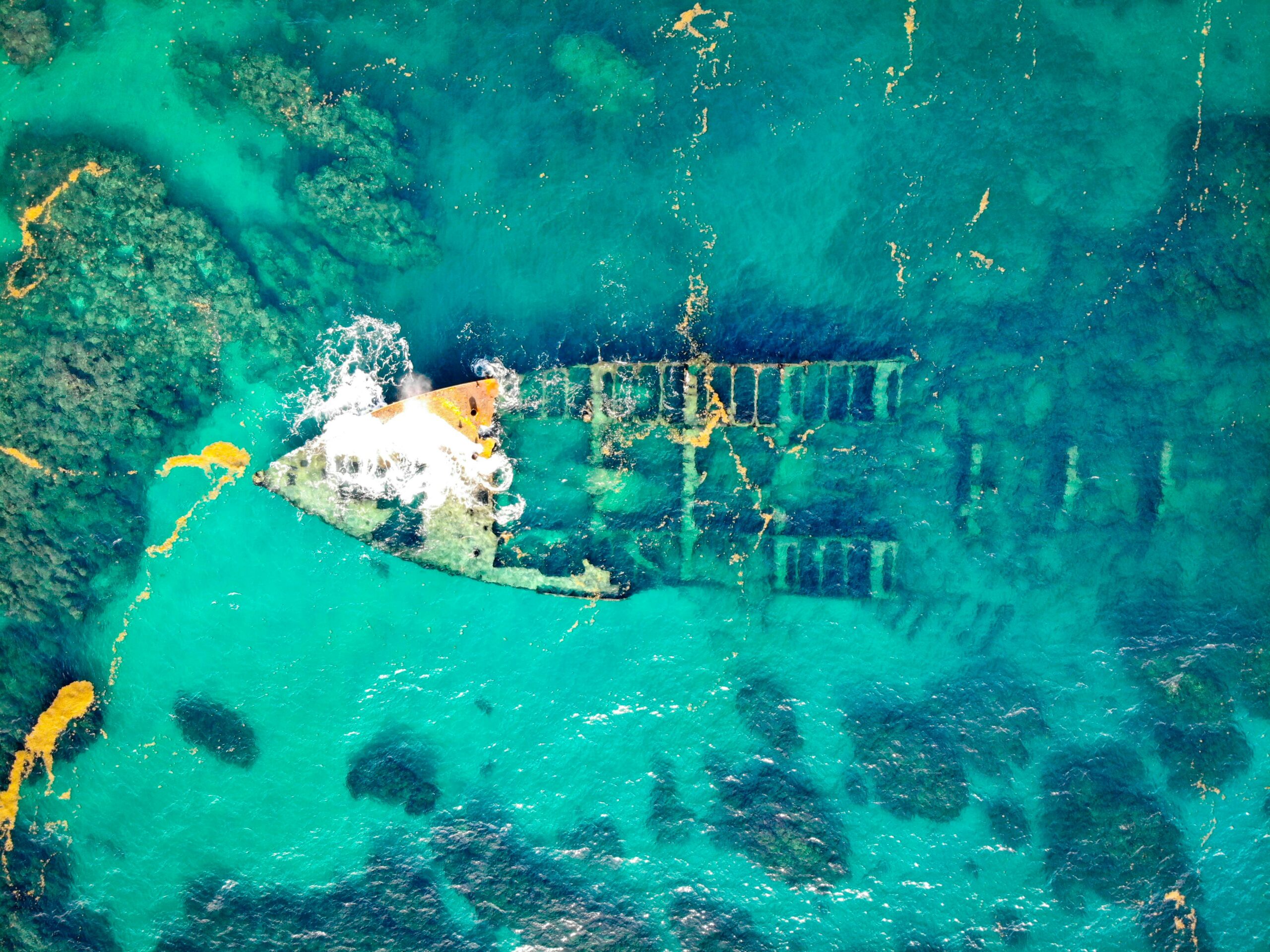
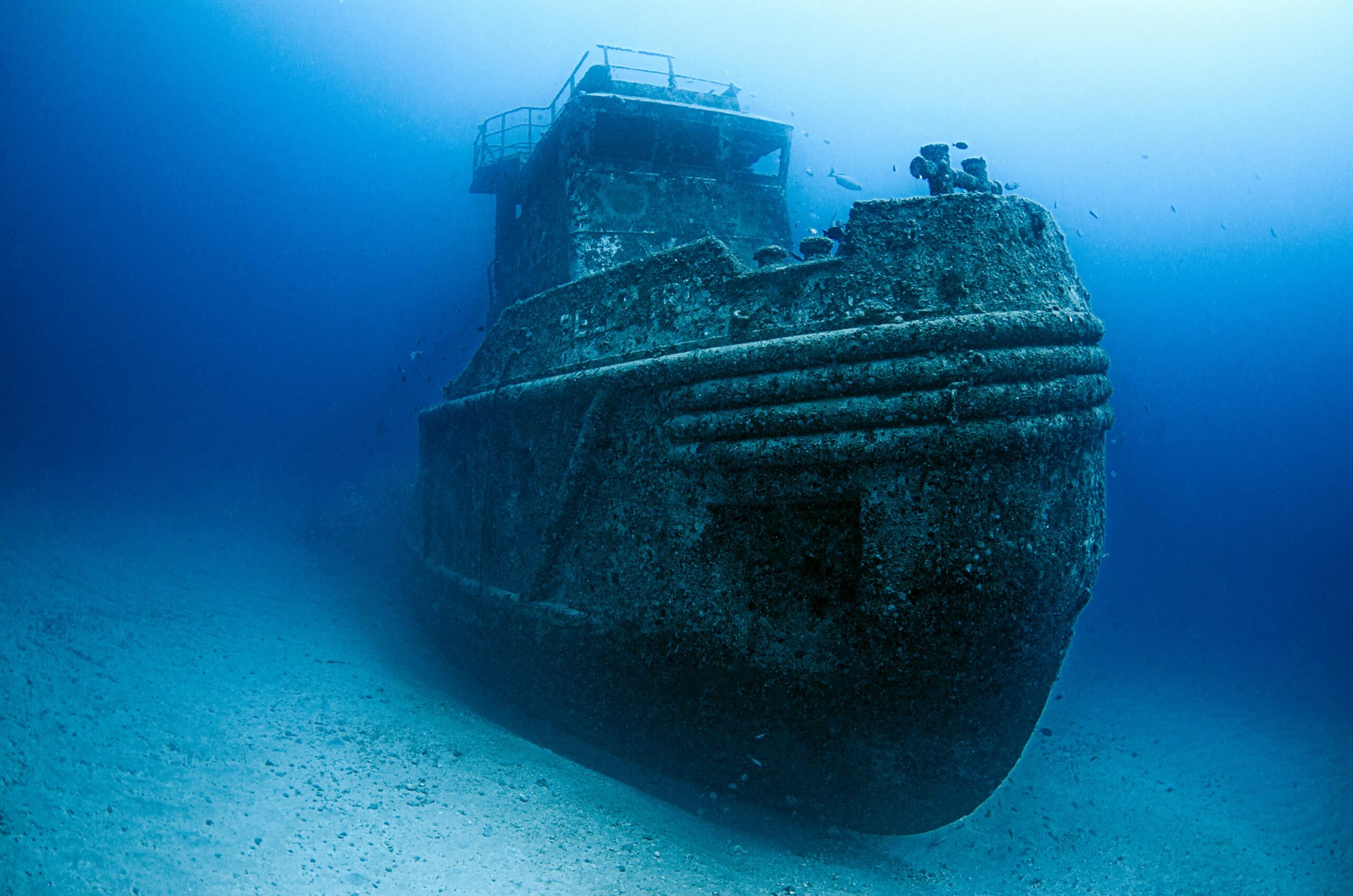
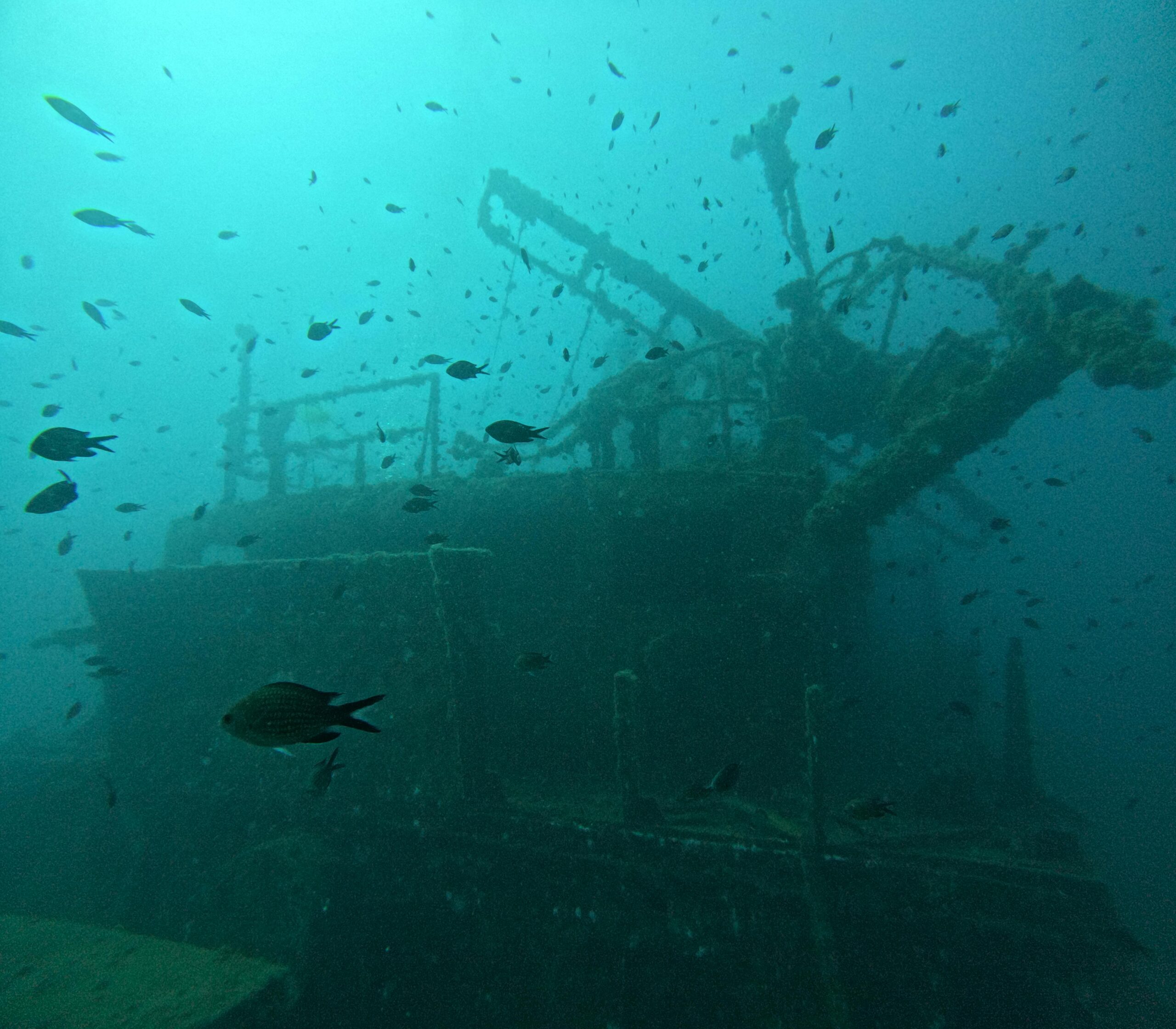
AUVs equipped with synthetic aperture sonar can create photographic-quality images of the seafloor in complete darkness, revealing shipwrecks, archaeological sites, and geological features with remarkable clarity. These vehicles operate autonomously for days, covering vast areas without human intervention and accessing depths that would be dangerous or impossible for human divers.
🔍 Materials Science: Seeing Atomic Structures
At the nanoscale, non-invasive exploration techniques are revolutionizing materials science and nanotechnology. Scanning probe microscopy techniques, including atomic force microscopy (AFM) and scanning tunneling microscopy (STM), allow scientists to visualize and manipulate individual atoms and molecules.
These technologies operate by dragging ultra-fine probes across surfaces, measuring forces or electrical currents at atomic scales to construct detailed topographic maps. Unlike electron microscopy, which requires samples to be placed in vacuum chambers, many scanning probe techniques work in ambient conditions or even in liquids, enabling observation of biological molecules and chemical reactions in their natural environments.
Electron microscopy itself has evolved with techniques like cryo-electron microscopy (cryo-EM), which allows visualization of proteins and cellular structures at near-atomic resolution without crystallization. This technique earned its developers the 2017 Nobel Prize in Chemistry and has accelerated drug discovery by revealing the precise three-dimensional structures of disease-related proteins.
X-Ray Computed Tomography: Industrial Applications
Industrial CT scanning applies medical imaging principles to materials inspection. Manufacturers use this technology to examine internal structures of products without destructive testing—identifying defects in castings, analyzing composite materials, and verifying assembly quality in electronics.
The aerospace industry relies heavily on industrial CT to inspect turbine blades, composite structures, and additive manufactured components. This non-destructive testing ensures safety-critical parts meet specifications without destroying expensive prototypes or production units.
🌱 Environmental Conservation: Monitoring Without Disturbance
Non-invasive technologies are becoming essential tools for environmental scientists and conservationists. These methods allow monitoring of ecosystems, wildlife populations, and environmental changes without disrupting the subjects being studied.
Acoustic monitoring uses arrays of microphones or hydrophones to track animal populations and behaviors. Researchers can identify individual whales by their calls, monitor bird migrations, and detect illegal logging or poaching activities in protected areas. This passive approach avoids the stress and behavioral changes associated with direct observation or capture.
Remote sensing via satellites and drones provides large-scale environmental monitoring capabilities. Multispectral and hyperspectral imaging can assess vegetation health, detect pollution, monitor deforestation, and track climate change impacts across vast areas. These datasets enable scientists to identify problems early and measure the effectiveness of conservation interventions.
🧬 Genomics and Molecular Biology: Non-Invasive Cellular Insights
Modern molecular biology increasingly relies on non-invasive or minimally invasive techniques to study living cells and organisms. Fluorescent proteins, developed from jellyfish genes, allow researchers to tag specific proteins and observe their movements within living cells without harmful interventions.
Optogenetics combines genetic engineering with optical techniques to control specific neurons using light. This revolutionary approach allows neuroscientists to activate or silence neural circuits with unprecedented precision, mapping brain functions and developing potential treatments for neurological disorders.
Liquid biopsies represent another breakthrough, detecting cancer and genetic conditions through simple blood tests rather than invasive tissue biopsies. These tests identify circulating tumor DNA, enabling early cancer detection, treatment monitoring, and recurrence surveillance without surgical procedures.
📱 Consumer Applications: Technology in Everyday Life
Non-invasive exploration technologies are increasingly accessible to consumers through smartphone applications and affordable devices. Health monitoring apps use phone cameras and sensors to track heart rate, blood oxygen levels, and even detect irregular heartbeats.
Augmented reality applications allow users to visualize hidden infrastructure like underground pipes and electrical cables before digging. Home inspection apps equipped with thermal imaging capabilities detect energy losses, moisture problems, and electrical issues without destructive testing.
Educational applications bring non-invasive exploration to students, enabling virtual dissections, archaeological site explorations, and molecular visualizations that would otherwise be impossible in classroom settings.
🚀 Future Horizons: Emerging Technologies and Possibilities
The frontier of non-invasive exploration continues expanding with emerging technologies that promise even more remarkable capabilities. Quantum sensing exploits quantum mechanical properties to achieve unprecedented sensitivity in detecting magnetic fields, gravitational variations, and chemical signatures.
These quantum sensors could detect underground mineral deposits, map brain activity with millimeter precision, and identify disease biomarkers at concentrations previously undetectable. Military and security applications include detecting concealed weapons, explosives, and contraband without physical searches.
Terahertz imaging operates at frequencies between infrared and microwave radiation, penetrating materials like plastics, ceramics, and clothing while being non-ionizing and safe. This technology shows promise for security screening, quality control, and medical diagnostics, potentially replacing X-rays for many applications.
Artificial Intelligence: Amplifying Discovery
Artificial intelligence and machine learning are multiplying the power of non-invasive exploration techniques. AI algorithms can process vast datasets from imaging technologies, identifying patterns and anomalies that human observers might miss.
Machine learning models trained on thousands of medical images can detect diseases earlier and more accurately than human radiologists in some cases. In archaeology, AI analyzes LiDAR data to identify archaeological features automatically, dramatically accelerating survey analysis.
Predictive modeling combines non-invasive sensor data with AI to forecast system behaviors—predicting equipment failures before they occur, anticipating disease progression, and modeling climate change impacts with unprecedented accuracy.
⚡ Challenges and Ethical Considerations
Despite their tremendous benefits, non-invasive exploration technologies raise important challenges and ethical questions. Privacy concerns emerge as imaging technologies become more powerful and portable. Thermal imaging and radar systems that can see through walls raise questions about surveillance and personal privacy.
Data security becomes critical as medical imaging and genetic information increasingly exist in digital formats vulnerable to breaches. Ensuring appropriate access controls and protecting sensitive information requires ongoing vigilance and robust cybersecurity measures.
Accessibility and equity issues arise as advanced technologies remain expensive and concentrated in wealthy institutions and countries. Bridging this gap to ensure global access to non-invasive diagnostic and exploration capabilities represents an important challenge for the international community.
Interpretation and validation of non-invasive data require expertise and standardization. As technologies become more accessible, ensuring proper training and establishing quality standards becomes essential to prevent misuse or misinterpretation that could lead to incorrect conclusions or inappropriate actions.
💡 Transforming Discovery and Innovation Across Disciplines
Non-invasive exploration techniques have fundamentally transformed how we approach discovery across virtually every scientific discipline. By enabling observation without destruction, these technologies have opened research avenues that were previously impossible and accelerated progress across fields.
The convergence of multiple non-invasive technologies often yields the most powerful insights. Archaeologists combine LiDAR, GPR, magnetometry, and geochemical analysis to create comprehensive site assessments. Medical diagnosticians integrate imaging modalities, genetic testing, and continuous monitoring to develop personalized treatment plans.
Innovation accelerates as non-invasive techniques reduce barriers to experimentation. Researchers can test more hypotheses, iterate designs faster, and explore parameter spaces more thoroughly when methods don’t destroy samples or subjects. This acceleration compounds over time, as each discovery enables further investigations.
The economic impact extends beyond direct applications. Non-invasive techniques reduce costs by eliminating destructive testing, minimizing surgical procedures, and preventing equipment failures through early detection. They also enable entirely new industries and business models built around remote sensing, telemedicine, and predictive maintenance.
🌟 A New Era of Discovery Awaits
We stand at the beginning of an extraordinary era where non-invasive exploration technologies continue evolving and converging. The hidden worlds these techniques reveal—from subatomic structures to lost civilizations, from neural networks to deep ocean trenches—represent just the beginning of what’s possible.
As technologies become more sensitive, portable, and affordable, the pace of discovery will accelerate. Citizen scientists will contribute to archaeological surveys, patients will monitor their own health with medical-grade precision, and students will explore worlds invisible to previous generations.
The true power of these technologies lies not just in what they reveal, but in how they change our relationship with the unknown. By enabling exploration without destruction, observation without disturbance, and discovery without sacrifice, non-invasive techniques embody a more sustainable and ethical approach to knowledge creation.
The hidden worlds around and within us await exploration. With revolutionary non-invasive techniques transforming what’s possible, we’re equipped to unlock mysteries that have puzzled humanity for millennia while preserving them for future generations to study and appreciate. This remarkable toolkit for discovery promises to reshape not just what we know, but how we come to know it—ushering in a future where exploration and preservation advance hand in hand.

Toni Santos is a visual storyteller and archival artist whose work dives deep into the submerged narratives of underwater archaeology. Through a lens tuned to forgotten depths, Toni explores the silent poetry of lost worlds beneath the waves — where history sleeps in salt and sediment.
Guided by a fascination with sunken relics, ancient ports, and shipwrecked civilizations, Toni’s creative journey flows through coral-covered amphorae, eroded coins, and barnacle-encrusted artifacts. Each piece he creates or curates is a visual meditation on the passage of time — a dialogue between what is buried and what still speaks.
Blending design, storytelling, and historical interpretation, Toni brings to the surface the aesthetics of maritime memory. His work captures the textures of decay and preservation, revealing beauty in rust, ruin, and ruin’s resilience. Through his artistry, he reanimates the traces of vanished cultures that now rest on ocean floors, lost to maps but not to meaning.
As the voice behind Vizovex, Toni shares curated visuals, thoughtful essays, and reconstructed impressions of archaeological findings beneath the sea. He invites others to see underwater ruins not as remnants, but as thresholds to wonder — where history is softened by water, yet sharpened by myth.
His work is a tribute to:
The mystery of civilizations claimed by the sea
The haunting elegance of artifacts lost to time
The silent dialogue between water, memory, and stone
Whether you’re drawn to ancient maritime empires, forgotten coastal rituals, or the melancholic beauty of sunken ships, Toni welcomes you to descend into a space where the past is submerged but never silenced — one relic, one current, one discovery at a time.