The legend of Atlantis has captivated humanity for millennia, weaving together philosophy, adventure, and the eternal human quest for lost knowledge and civilizations.
🌊 The Platonic Origins: Where It All Began
The story of Atlantis first emerged around 360 BCE in the dialogues of the Greek philosopher Plato, specifically in his works “Timaeus” and “Critias.” Unlike many ancient myths passed down through oral tradition, Atlantis came to us through written philosophical texts, giving it a unique position in the pantheon of legendary places.
Plato described Atlantis as a powerful naval empire located beyond the “Pillars of Hercules,” which most scholars identify as the Strait of Gibraltar. According to his account, the island nation existed approximately 9,000 years before his own time, making it an ancient civilization even by ancient Greek standards.
The Atlantean society, as Plato portrayed it, was technologically advanced and incredibly wealthy. The island featured elaborate architecture, including a massive central temple dedicated to Poseidon, concentric rings of water and land, and sophisticated irrigation systems. The civilization possessed abundant natural resources, including a mysterious metal called orichalcum that gleamed like fire.
The Moral Framework Behind the Tale
What many casual readers overlook is that Plato likely intended Atlantis as an allegory rather than a historical account. The story served as a cautionary tale about hubris and divine retribution. The Atlanteans, despite their advanced civilization and initial virtue, eventually became corrupt and aggressive, attempting to conquer other nations including Athens.
In Plato’s narrative, the gods punished this arrogance by destroying Atlantis in a single day and night of catastrophic earthquakes and floods, causing the entire island to sink beneath the ocean waves. This moral dimension suggests that Plato used Atlantis to illustrate philosophical points about the ideal state and the dangers of imperial ambition.
📚 Historical Context and Ancient Interpretations
Following Plato’s introduction of Atlantis to the world, ancient scholars debated whether the philosopher intended his account as literal history or philosophical fiction. Aristotle, Plato’s most famous student, apparently believed his teacher had invented the island entirely to serve his argumentative purposes.
However, other ancient writers took the story more seriously. Crantor, a philosopher who lived about a century after Plato, claimed that Egyptian priests had shown Plato actual historical records about Atlantis. This assertion, though unverifiable, established a tradition of treating Atlantis as potentially real rather than purely allegorical.
The geographic knowledge of the ancient Mediterranean world was limited compared to modern understanding. Many locations mentioned in classical texts remained mysterious or misidentified for centuries. This ambiguity allowed Atlantis to occupy a space between myth and possibility in the ancient imagination.
🗺️ Geographic Theories: Where Could Atlantis Have Been?
Over the centuries, dozens of locations have been proposed as the “real” Atlantis. Each theory attempts to reconcile Plato’s descriptions with known archaeological sites, geological events, or geographic features. These hypotheses range from scientifically plausible to wildly speculative.
The Mediterranean Candidates
One of the most compelling theories links Atlantis to the Minoan civilization on the island of Santorini (ancient Thera) in the Aegean Sea. Around 1600 BCE, a massive volcanic eruption devastated this advanced Bronze Age culture, causing the center of the island to collapse into the sea. The Minoans possessed sophisticated architecture, indoor plumbing, and extensive trade networks—features that align with Plato’s descriptions.
Proponents of this theory suggest that Plato or his Egyptian sources may have confused or exaggerated the timeframe, placing the event thousands of years earlier than it actually occurred. The sudden destruction of a thriving island civilization by natural disaster certainly echoes the Atlantis narrative.
Other Mediterranean proposals include locations in Sardinia, Malta, Cyprus, and even the Strait of Gibraltar itself. Each site offers intriguing archaeological evidence of advanced ancient cultures, though none perfectly matches Plato’s specific descriptions.
Atlantic Ocean Possibilities
Taking Plato’s geographic references more literally, some researchers have searched the Atlantic Ocean itself. The mid-Atlantic ridge, the Azores, the Canary Islands, and the Bahamas have all been suggested as potential Atlantis sites or remnants.
The Azores, located roughly where Plato indicated, sit on a geologically active area and feature underwater formations that some enthusiasts claim are man-made structures. However, mainstream geology explains these formations as entirely natural, and no credible archaeological evidence of an advanced ancient civilization has been found there.
More fantastical theories place Atlantis in Antarctica, suggesting the continent was ice-free when the civilization flourished, or in the Caribbean, linking it to underwater formations near Bimini. These hypotheses generally lack scientific support but continue to capture popular imagination.
🔬 Scientific Perspectives on the Atlantis Question
Modern archaeology and geology approach the Atlantis question with methodological rigor and skepticism. The scientific consensus holds that no credible evidence supports the existence of Atlantis as Plato described it—a continent-sized landmass that sank catastrophically into the ocean.
Geological surveys of the ocean floor have mapped the underwater terrain extensively, revealing no evidence of sunken continents from the timeframe Plato indicated. The tectonic processes that shape our planet work gradually over millions of years, making the rapid sinking of a large landmass geologically implausible.
What Science Does Tell Us
However, science does acknowledge that catastrophic events have shaped human history and may have inspired the Atlantis legend. Major volcanic eruptions, tsunamis, earthquakes, and floods have destroyed coastal civilizations throughout history. These events sometimes preserved in cultural memory could have been synthesized into Plato’s narrative.
The Younger Dryas impact hypothesis, for instance, suggests that a cosmic impact around 12,800 years ago caused rapid climate change and may have destroyed advanced hunter-gatherer cultures. While controversial and not directly related to Atlantis, such theories demonstrate that catastrophic events can indeed reset human civilizations.
Rising sea levels at the end of the last Ice Age submerged vast coastal areas where early humans lived. Doggerland, a landmass connecting Britain to continental Europe, gradually disappeared beneath the North Sea. These real geological events show that the core concept of lost lands has historical precedent, even if Atlantis itself remains unproven.
💫 Cultural Impact Through the Ages
Regardless of its historical authenticity, Atlantis has profoundly influenced Western culture for over two millennia. The lost civilization became a canvas upon which each era projected its own values, fears, and aspirations.
During the Renaissance, Atlantis captured the imagination of explorers and philosophers encountering the “New World.” Some speculated that the Americas themselves were remnants of Atlantis or that indigenous American civilizations were descendants of Atlantean refugees.
The 19th century saw an explosion of Atlantis-related literature and pseudoscientific theories. Ignatius Donnelly’s 1882 book “Atlantis: The Antediluvian World” became a bestseller, arguing that Atlantis was real and the source of all ancient civilizations. Though scientifically unfounded, Donnelly’s work established many modern Atlantis tropes.
Atlantis in Modern Popular Culture
The 20th and 21st centuries have witnessed Atlantis becoming a staple of science fiction, fantasy, and adventure media. From Jules Verne’s novels to Disney animations, from comic book superheroes to video games, Atlantis appears repeatedly as a setting or plot device.
This cultural persistence reflects deeper psychological and philosophical themes that resonate across generations. Atlantis represents lost golden ages, the fragility of civilization, the consequences of hubris, and the tantalizing possibility of forgotten knowledge waiting to be rediscovered.
🔮 Esoteric and Alternative Interpretations
Beyond mainstream archaeology and conventional history, Atlantis occupies a significant place in esoteric traditions and alternative historical frameworks. These interpretations often blend spiritual beliefs, unconventional archaeology, and imaginative reconstruction.
Theosophy, a spiritual movement founded in the late 19th century, incorporated Atlantis into its cosmology. Helena Blavatsky and later theosophists described Atlanteans as one of several “root races” in human spiritual evolution, possessing advanced psychic and technological abilities.
Edgar Cayce, the famous American psychic, made numerous predictions about Atlantis during his trance readings in the early 20th century. He described it as a technologically sophisticated civilization that destroyed itself through misuse of powerful crystal-based energy sources. Cayce predicted that Atlantis would “rise again” in the late 20th century, a prophecy that remains unfulfilled.
New Age movements continue to incorporate Atlantis into spiritual narratives, often portraying it as a highly evolved civilization whose wisdom can guide contemporary humanity toward enlightenment. These interpretations prioritize metaphysical meaning over historical evidence, treating Atlantis as a spiritual archetype rather than a literal place.
🎯 Modern Archaeological Discoveries and Reinterpretations
While mainstream archaeology hasn’t confirmed Atlantis’s existence, ongoing discoveries continue to reshape our understanding of ancient civilizations and make us reconsider what was possible in prehistory.
Göbekli Tepe in Turkey, dating to approximately 9600 BCE, revealed that hunter-gatherers could create monumental architecture thousands of years earlier than previously believed. This discovery demonstrated that sophisticated social organization and construction capabilities existed far deeper in prehistory than conventional timelines suggested.
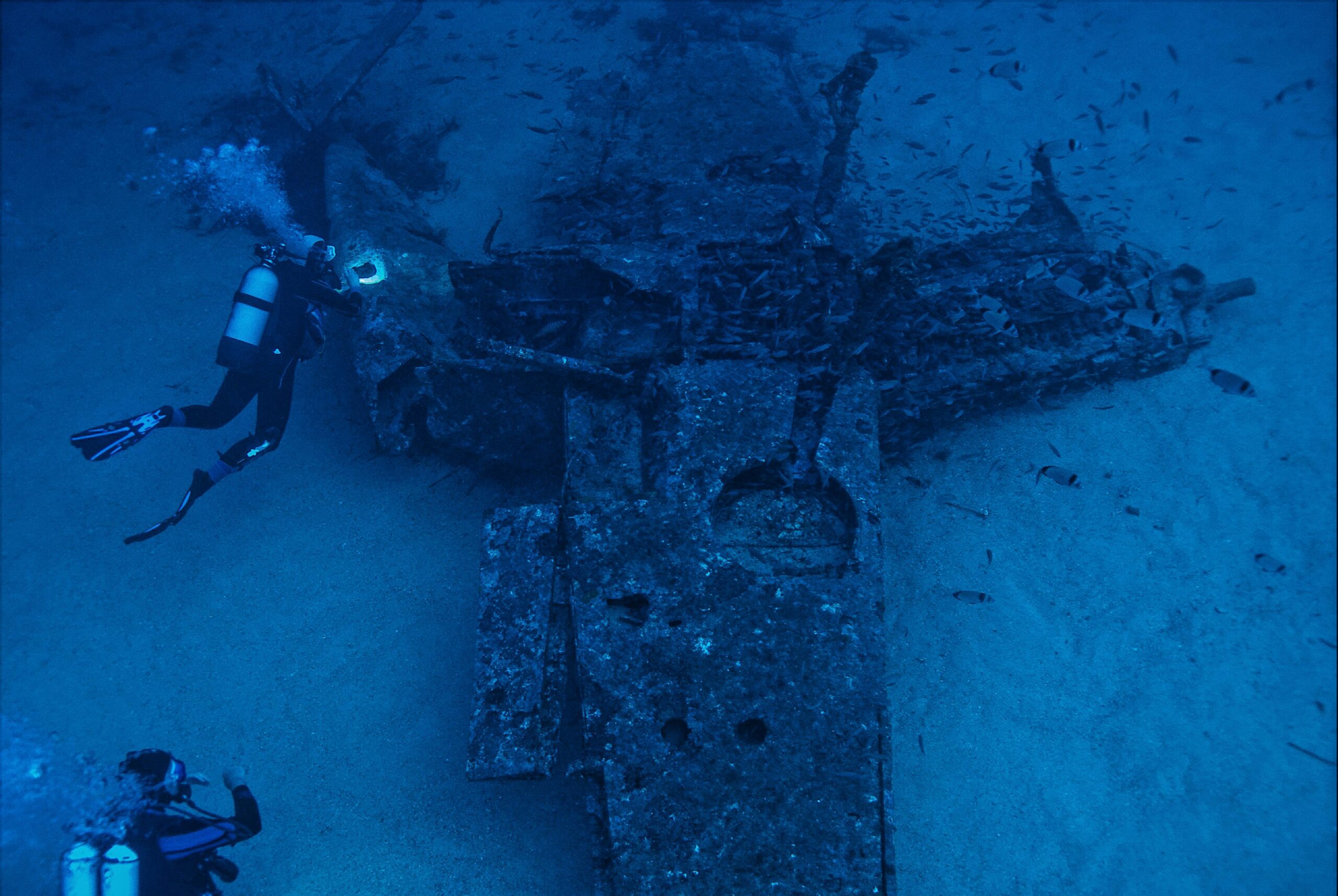
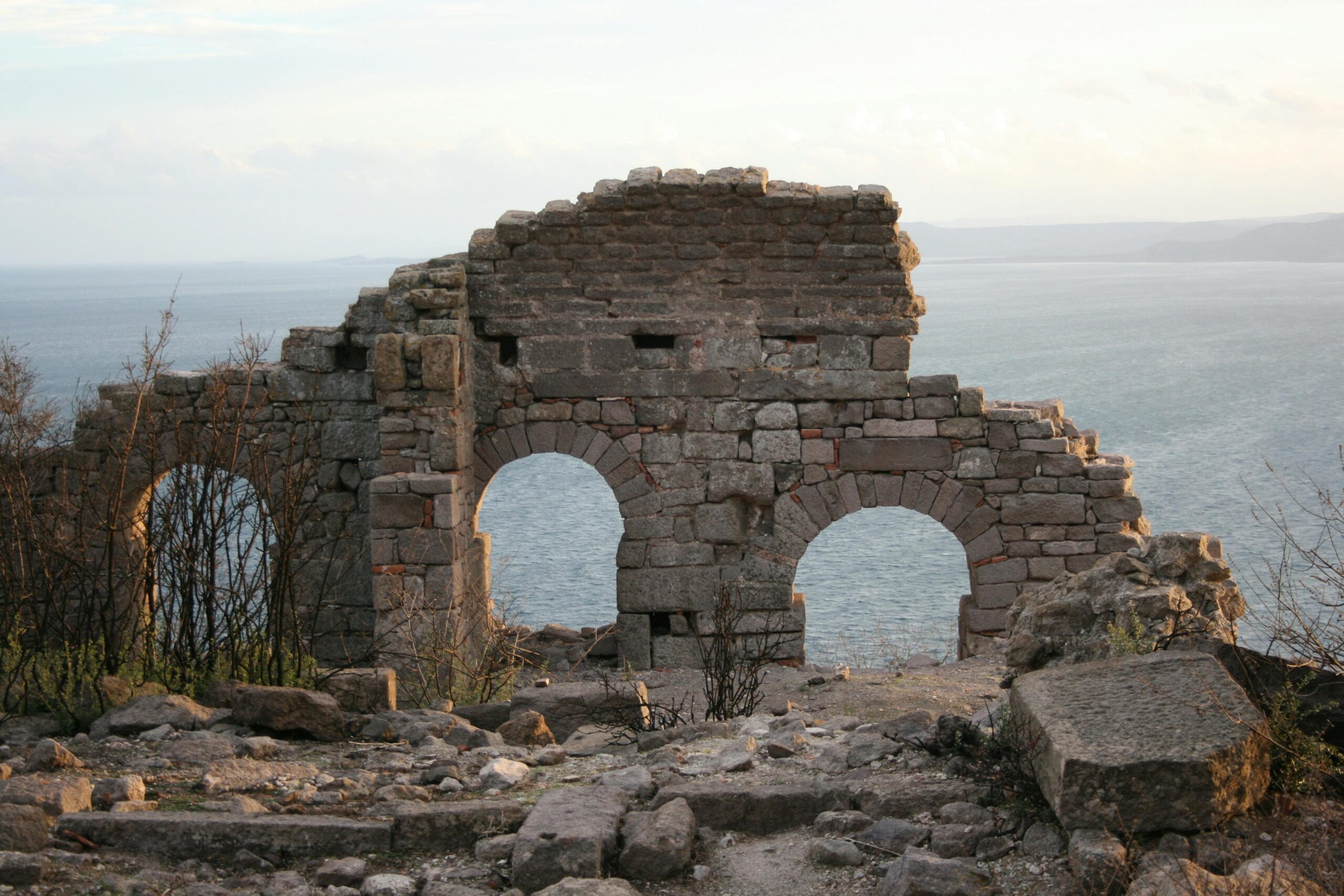
Underwater archaeology has uncovered numerous submerged settlements, harbors, and structures around the world. Cities like Pavlopetri in Greece and Dwarka in India show that rising sea levels and geological events have indeed claimed human settlements. Each discovery reminds us that much of human history remains literally beneath the surface.
The Doggerland Example
The gradual mapping of Doggerland, the submerged landscape in the North Sea, provides a factual parallel to the Atlantis myth. This was a real “lost land” where people lived, hunted, and built communities before rising seas reclaimed it between 8,000 and 6,000 years ago.
While Doggerland wasn’t a technologically advanced civilization, its existence proves that the core concept of inhabited lands disappearing beneath the waves is historically accurate. This lends credence to the idea that Plato’s Atlantis might preserve distant cultural memories of such real events, even if embellished beyond recognition.
🌟 Why Atlantis Endures in Human Imagination
The persistent appeal of Atlantis across cultures and centuries reveals something fundamental about human psychology and our relationship with history, knowledge, and mystery.
Atlantis represents the ultimate historical mystery—a complex civilization with advanced knowledge that vanished completely, leaving only tantalizing hints. This narrative structure appeals to our love of puzzles and our hope that great discoveries still await us. In an increasingly mapped and understood world, Atlantis preserves a sense of wonder and possibility.
The story also serves as a warning about civilizational fragility. In an era of climate change, nuclear weapons, and environmental degradation, the image of an advanced society destroyed in a single catastrophic event resonates powerfully. Atlantis reminds us that no civilization, however sophisticated, is invulnerable to collapse.
Furthermore, Atlantis embodies nostalgia for supposed golden ages when humanity allegedly possessed greater wisdom, harmony, or capabilities. This backward-looking utopianism appears across cultures and reflects dissatisfaction with the present and hope that better models of society existed or could exist.
🔍 Critical Thinking and the Atlantis Legacy
The Atlantis phenomenon offers valuable lessons about critical thinking, evidence evaluation, and the distinction between compelling narratives and historical fact. While the story captivates our imagination, examining it teaches us to distinguish between speculation and scholarship.
Genuine archaeology and history rely on material evidence, corroborating sources, and testable hypotheses. The Atlantis legend, despite its cultural significance, lacks the archaeological footprint we would expect from a civilization of its described magnitude and advancement.
This doesn’t diminish Atlantis’s cultural value or its role in inspiring exploration and scientific inquiry. Many archaeologists and oceanographers first became interested in their fields through childhood fascination with Atlantis. The legend motivates research even when that research ultimately points elsewhere.
🌍 Lessons From the Lost Civilization Narrative
Whether Atlantis existed as a real place or purely as Plato’s philosophical device, the narrative carries timeless wisdom relevant to contemporary civilization. The themes embedded in the story transcend the question of its historical authenticity.
The Atlantis tale warns against imperial overreach and the corruption that accompanies unchecked power. The Atlanteans’ downfall came not from external conquest but from internal moral decay and aggressive expansion. This mirrors the decline of real empires throughout history, from Rome to more recent examples.
Environmental hubris represents another relevant theme. Whether interpreted literally as divine punishment or metaphorically as natural consequences, Atlantis’s destruction followed a period of exploiting resources and exerting dominance over nature. In our age of ecological crisis, this aspect of the myth feels particularly prescient.
The story also celebrates the preservation of knowledge and the importance of learning from the past. According to Plato, knowledge of Atlantis survived through Egyptian records and oral traditions. This emphasizes how civilizations depend on maintaining historical memory and learning from predecessors’ mistakes.
🎭 The Future of Atlantis Research and Interpretation
As technology advances, our ability to explore previously inaccessible areas improves dramatically. High-resolution sonar mapping, satellite imagery, underwater robotics, and AI-assisted pattern recognition continue expanding the frontiers of archaeological discovery.
These technologies will likely reveal more submerged ancient sites, each potentially sparking renewed Atlantis speculation. However, they will also provide increasingly definitive evidence about what actually exists beneath the oceans, potentially laying to rest some of the more extreme geographical theories.
The interpretation of Atlantis will undoubtedly evolve with changing cultural contexts. Future generations may find new meanings in Plato’s allegory, projecting their own concerns and aspirations onto the ancient narrative. Climate change, technological singularity, or space colonization might all influence how coming generations understand the cautionary tale of a lost civilization.
Academic scholarship continues refining our understanding of what Plato intended and what historical events might have influenced his narrative. Interdisciplinary approaches combining classical studies, archaeology, geology, and comparative mythology promise deeper insights into the story’s origins and transmission.
💎 The Enduring Mystery and Its Meaning
Ultimately, Atlantis occupies a unique space in human consciousness—neither purely fictional nor historically confirmed, neither entirely myth nor completely impossible. This ambiguity itself holds value, providing a space where imagination and inquiry meet.
The search for Atlantis, whether literal or metaphorical, represents humanity’s broader quest for meaning, connection with the past, and understanding of our place in the vast sweep of history. It reminds us that mysteries remain, that much about our past is still unknown, and that the human story contains chapters we’ve yet to fully read.
For some, Atlantis will always represent a literal historical reality waiting to be proven. For others, it serves as a powerful metaphor about civilization’s achievements and vulnerabilities. Both interpretations enrich our cultural landscape and provoke valuable reflection on who we are and where we’re heading.
The legend challenges us to think critically about evidence while remaining open to wonder. It encourages exploration while demanding rigor. It connects us to ancient wisdom while warning against romanticizing the past. In these contradictions lies much of Atlantis’s enduring power and relevance.
Whether beneath the waves or within the realm of philosophy, Atlantis continues to inspire, caution, and fascinate. As long as humans seek to understand our origins, contemplate our mortality, and dream of lost golden ages, the story of the vanished civilization will retain its grip on our collective imagination, inviting each generation to discover its own meaning in Plato’s timeless tale. 🌊

Toni Santos is a maritime researcher and underwater archaeologist specializing in the study of submerged heritage, ancient port systems, and the cultural landscapes preserved beneath the sea. Through an interdisciplinary and immersive approach, Toni investigates how humanity has left traces of knowledge, commerce, and legend in the underwater world — across oceans, myths, and sunken cities.
His work is grounded in a fascination with wrecks not only as artifacts, but as carriers of hidden meaning. From historic shipwreck discoveries to mythical harbors and lost coastal settlements, Toni uncovers the physical and cultural evidence through which civilizations preserved their relationship with the maritime unknown.
With a background in marine archaeology and underwater survey methods, Toni blends technical analysis with archival research to reveal how oceans were used to shape identity, transmit memory, and encode sacred knowledge.
As the creative mind behind revaltro, Toni curates documented dive studies, speculative harbor maps, and archaeological interpretations that revive the deep cultural ties between water, folklore, and forgotten science.
His work is a tribute to:
The submerged heritage of Historic Shipwrecks and Their Cargoes
The legendary sites of Mythical Harbors and Lost Civilizations
The technical methods of Underwater Exploration Techniques
The natural archiving power of Preservation in Salt and Sediment
Whether you’re a maritime historian, nautical researcher, or curious explorer of forgotten submerged worlds, Toni invites you to explore the hidden depths of oceanic heritage — one wreck, one harbor, one legend at a time.