The ocean floor holds mysteries that rival space exploration, concealing ancient civilizations, lost treasures, and untold stories of human history beneath its dark, silent waters.
🌊 The Untapped Frontier of Marine Archaeology
Marine archaeology stands at an extraordinary threshold. While we’ve mapped more of Mars than our own ocean floors, technological advances are finally enabling researchers to explore the 70% of Earth’s surface covered by water. These submerged landscapes hold archaeological treasures that could fundamentally reshape our understanding of human civilization, trade routes, migration patterns, and cultural evolution.
The ocean’s depths have preserved shipwrecks, sunken cities, and artifacts for millennia in conditions that often protect them better than terrestrial sites. Salt water, sediment, and lack of oxygen create environments where organic materials like wood, rope, and even textiles can survive for thousands of years. This preservation potential makes underwater archaeological sites invaluable time capsules waiting to be discovered.
Recent estimates suggest that over three million shipwrecks rest on ocean floors worldwide, each potentially containing artifacts, cargo, and structural evidence that reveals details about construction techniques, navigation methods, trade goods, and daily life from various historical periods. Beyond shipwrecks, coastal settlements submerged by rising sea levels offer unprecedented opportunities to study ancient communities in situ, with spatial relationships between structures and artifacts intact.
Revolutionary Technologies Transforming Underwater Exploration
The future of marine archaeology relies heavily on emerging technologies that overcome the ocean’s challenging environment. Autonomous underwater vehicles (AUVs) equipped with advanced sonar systems can now scan vast areas of seafloor with unprecedented detail, creating high-resolution maps that reveal anomalies worthy of closer investigation.
Remotely operated vehicles (ROVs) have evolved dramatically, featuring robotic arms capable of delicate manipulation, high-definition cameras, and sampling tools that allow archaeologists to conduct detailed examinations without physically diving to dangerous depths. These machines can operate at depths far beyond human diving limits, opening previously inaccessible regions to scientific study.
Artificial Intelligence and Machine Learning Applications
Artificial intelligence is revolutionizing how researchers identify and analyze underwater archaeological sites. Machine learning algorithms can process massive datasets from sonar scans, identifying patterns and anomalies that might indicate human-made structures or objects. These systems learn to distinguish between natural geological formations and archaeological features, dramatically reducing the time required to identify promising sites.
Computer vision technology applied to underwater imagery helps archaeologists catalog and classify artifacts more efficiently. Neural networks trained on thousands of artifact images can recognize ceramic types, anchor styles, or construction techniques, providing instant preliminary identifications that guide research priorities.
Submerged Cities: Windows into Lost Civilizations 🏛️
Perhaps no discoveries capture imagination like submerged cities. Rising sea levels over millennia have claimed numerous coastal settlements, preserving urban layouts frozen in time. Sites like Pavlopetri off Greece’s coast, dating to approximately 5,000 years ago, reveal complete Bronze Age town plans with streets, buildings, and courtyards still identifiable.
The legendary city of Thonis-Heracleion, discovered in Egypt’s Abu Qir Bay, demonstrates the archaeological richness of submerged urban centers. This major port city, lost for over 1,000 years beneath Mediterranean waters, has yielded colossal statues, temple remains, ships, and inscriptions that illuminate Egypt’s maritime history and interactions with Greek culture.
Climate Change and Archaeological Preservation
Ironically, while climate change threatens modern coastal communities, it’s also revealing archaeological sites previously hidden by ice or changing coastlines. Melting glaciers expose shipwrecks and settlements, while shifting sediments uncover sites that were buried for centuries. However, these same processes also threaten existing submerged sites, making documentation and study increasingly urgent.
Rising ocean temperatures and changing currents alter the chemical and biological conditions that have preserved underwater sites for centuries. Wooden shipwrecks may deteriorate more rapidly as marine organisms expand their ranges into previously inhospitable waters. This creates a race against time for marine archaeologists to document sites before they’re lost forever.
The Treasure Troves of Ancient Shipwrecks ⚓
Shipwrecks serve as extraordinary archaeological resources, offering snapshots of specific moments in maritime history. Unlike terrestrial sites that accumulate artifacts over extended periods, a shipwreck represents a single moment—the day it sank—creating a closed archaeological context invaluable for research.
Recent discoveries continue to astound researchers. The Antikythera mechanism, recovered from a first-century BCE shipwreck, revealed ancient Greek technological sophistication far beyond what historians previously believed possible. This astronomical calculator demonstrates mechanical complexity not seen again for over a millennium, fundamentally altering our understanding of ancient science and engineering.
Trade Routes and Economic Networks
Cargo from ancient wrecks illuminates historical trade networks and economic systems. Amphorae containing residues reveal what commodities were transported where, while their origins trace trade routes across seas. Analysis of ship construction techniques shows technological transfer between cultures and adaptation to different maritime environments.
The Baltic Sea, with its unique low-salinity, cold conditions, preserves wooden ships extraordinarily well. Wrecks from medieval Hanseatic League merchants provide detailed evidence of Northern European trade networks, ship design evolution, and the economic foundations of medieval prosperity.
Ethical Considerations and Cultural Heritage Protection 🛡️
As marine archaeology advances, ethical questions become increasingly important. Who owns underwater cultural heritage? How should artifacts be preserved and displayed? What responsibilities do archaeologists have to descendant communities and nations?
The UNESCO Convention on the Protection of Underwater Cultural Heritage establishes international principles for managing submerged archaeological sites, emphasizing in situ preservation when possible and prohibiting commercial exploitation. However, enforcement remains challenging in international waters and areas with competing territorial claims.
Balancing Access and Preservation
Modern technologies enable virtual access to underwater sites without physical disturbance. Photogrammetry creates detailed 3D models from thousands of photographs, allowing researchers and the public to explore sites digitally. Virtual reality experiences bring underwater archaeological sites to classrooms and museums worldwide, democratizing access while protecting fragile remains.
Some archaeologists advocate for leaving well-preserved sites undisturbed, arguing that future technologies might extract more information with less damage. Others contend that studying sites now, before environmental changes destroy them, represents responsible stewardship. This tension between preservation and investigation continues shaping marine archaeological practice.
Future Discoveries: What Lies Beneath? 🔍
The ocean’s unexplored vastness suggests countless discoveries await. Statistical models estimate that we’ve found only a tiny fraction of historically significant shipwrecks. Ancient trade routes connecting civilizations likely hide numerous vessels carrying valuable archaeological information about cultural exchange, commodities, and navigation techniques.
Continental shelves that were exposed during ice ages, when sea levels dropped over 100 meters, likely contain Paleolithic sites from humanity’s distant past. These submerged landscapes could revolutionize our understanding of human migration, adaptation, and cultural development during the last ice age. Discovering intact Paleolithic settlements underwater would provide unprecedented insights into our ancestors’ lives.
Unexplored Regions with High Potential
Certain regions remain largely unexplored despite high archaeological potential. The South China Sea, crisscrossed by ancient maritime trade routes connecting China, Southeast Asia, India, and the Middle East, likely contains thousands of undiscovered wrecks carrying porcelain, spices, textiles, and other trade goods. Political complexities and territorial disputes have limited systematic archaeological survey in these waters.
The Black Sea’s deep anoxic layer creates exceptional preservation conditions. Surveys have revealed remarkably intact ancient and medieval vessels with rigging, masts, and even carved decorations preserved. As technology enables deeper exploration, the Black Sea may yield discoveries that transform our understanding of maritime history across millennia.
Collaboration Between Science and Technology 💡
Marine archaeology’s future depends on continued collaboration between archaeologists, engineers, oceanographers, and computer scientists. Interdisciplinary teams develop specialized tools for underwater excavation, preservation, and analysis that address archaeology’s unique challenges while advancing broader oceanographic capabilities.
Crowdsourcing and citizen science initiatives are expanding archaeological capacity. Projects inviting volunteers to examine sonar data or categorize artifacts in photographs harness collective intelligence, processing vast datasets that would overwhelm professional teams alone. These collaborations also build public engagement with cultural heritage and archaeological science.
Educational Opportunities and Public Engagement
Marine archaeology captures public imagination, creating opportunities for education and outreach. Documentary films, museum exhibitions, and interactive digital experiences share discoveries with broad audiences, fostering appreciation for underwater cultural heritage and support for its protection.
University programs increasingly offer specialized training in marine archaeology, combining traditional archaeological methods with diving certification, oceanography, and technology skills. This growing expertise ensures that future generations of researchers can continue exploring the ocean’s archaeological treasures responsibly and effectively.
Preservation Challenges in Underwater Environments 🌡️
Recovering artifacts from underwater sites creates significant preservation challenges. Materials that remained stable for centuries in marine environments can deteriorate rapidly when exposed to air. Conservation requires specialized facilities with controlled environments and expertise in treating waterlogged materials.
Wood from shipwrecks, saturated with water and minerals, requires years-long treatment to replace water with stabilizing compounds that prevent collapse as it dries. The Vasa, a Swedish warship raised in 1961, continues requiring conservation treatment decades later, illustrating the long-term commitment needed for underwater archaeological materials.
In Situ Preservation Strategies
Many archaeologists now advocate preserving sites underwater rather than excavating them. This approach protects sites for future study with better technologies while avoiding expensive conservation challenges. Monitoring systems track site conditions, documenting changes and ensuring protective measures remain effective.
Some sites receive physical protection through burial under sandbags or protective structures that shield them from currents, anchors, and fishing equipment. These interventions balance preservation with minimal site disturbance, maintaining archaeological integrity for eventual study.
Economic and Tourism Dimensions of Marine Archaeology 💰
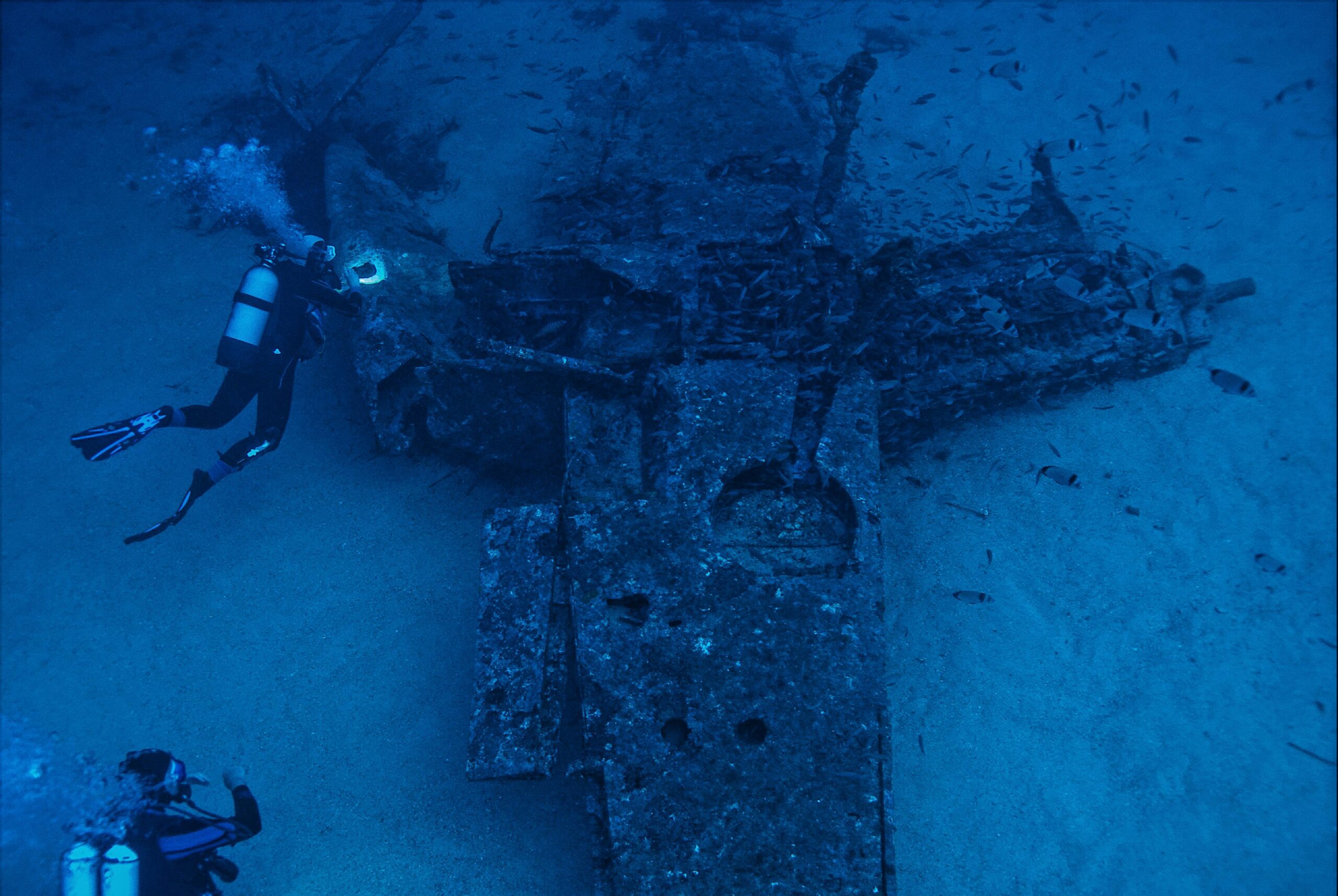
Underwater archaeological sites can drive heritage tourism, creating economic incentives for protection. Dive tourism to accessible wrecks generates revenue for local communities while raising awareness of underwater cultural heritage. Properly managed, this tourism supports conservation through dive fees and creates stakeholders invested in site protection.
However, tourism also poses risks. Inexperienced divers may damage fragile sites, while increased visitation can accelerate deterioration. Balancing public access with preservation requires careful management, often limiting visitor numbers, requiring guides, or restricting access to particularly vulnerable areas.
Sailing Toward an Exciting Archaeological Future ⛵
Marine archaeology stands poised for extraordinary advances. Technology continues evolving, making deeper waters accessible and enabling more sophisticated analysis of discoveries. Artificial intelligence, robotics, and advanced imaging will reveal sites currently beyond our reach and extract information from known sites in new ways.
International cooperation is strengthening, with nations recognizing that underwater cultural heritage belongs to humanity collectively. Collaborative research projects, shared databases, and coordinated protection efforts promise more effective stewardship of these irreplaceable resources.
The ocean’s secrets are gradually yielding to human curiosity and ingenuity. Each discovery—whether a Bronze Age settlement, a medieval merchant vessel, or an ancient navigation device—adds pieces to the vast puzzle of human history. As we develop better tools and methods, the pace of discovery will accelerate, bringing underwater worlds into focus and enriching our understanding of the civilizations that came before us.
Future generations of marine archaeologists will explore sites we cannot yet reach, using technologies we cannot yet imagine. They will answer questions we’re only beginning to formulate about ancient seafaring, coastal communities, and humanity’s relationship with the ocean. The treasures beneath the waves await, holding stories that will captivate, educate, and inspire for generations to come.
The ocean’s depths remain our planet’s last great frontier for historical exploration. As we unlock their secrets, we not only discover artifacts and structures but also forge deeper connections with our ancestors who sailed these waters, built these cities, and left traces of their lives preserved in the silent darkness below. The future of marine archaeology promises revelations that will reshape how we understand our shared human story.

Toni Santos is a maritime researcher and underwater archaeologist specializing in the study of submerged heritage, ancient port systems, and the cultural landscapes preserved beneath the sea. Through an interdisciplinary and immersive approach, Toni investigates how humanity has left traces of knowledge, commerce, and legend in the underwater world — across oceans, myths, and sunken cities.
His work is grounded in a fascination with wrecks not only as artifacts, but as carriers of hidden meaning. From historic shipwreck discoveries to mythical harbors and lost coastal settlements, Toni uncovers the physical and cultural evidence through which civilizations preserved their relationship with the maritime unknown.
With a background in marine archaeology and underwater survey methods, Toni blends technical analysis with archival research to reveal how oceans were used to shape identity, transmit memory, and encode sacred knowledge.
As the creative mind behind revaltro, Toni curates documented dive studies, speculative harbor maps, and archaeological interpretations that revive the deep cultural ties between water, folklore, and forgotten science.
His work is a tribute to:
The submerged heritage of Historic Shipwrecks and Their Cargoes
The legendary sites of Mythical Harbors and Lost Civilizations
The technical methods of Underwater Exploration Techniques
The natural archiving power of Preservation in Salt and Sediment
Whether you’re a maritime historian, nautical researcher, or curious explorer of forgotten submerged worlds, Toni invites you to explore the hidden depths of oceanic heritage — one wreck, one harbor, one legend at a time.