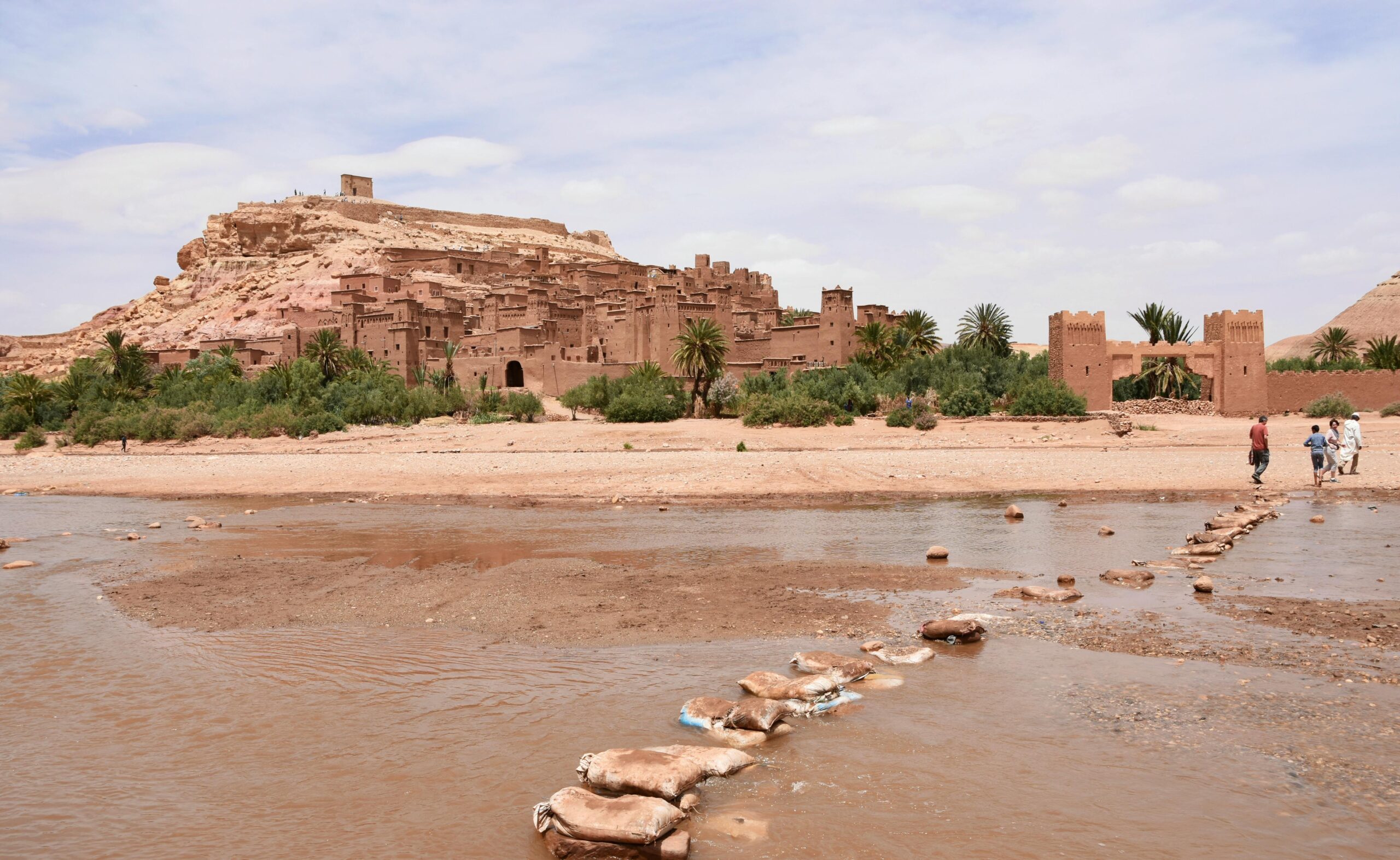
Our oceans hold remarkable secrets beneath their surface, from ancient shipwrecks to thriving ecosystems that desperately need our protection and understanding today.
🌊 The Hidden World Beneath Our Waves
The underwater realm represents more than 70% of Earth’s surface, yet we’ve explored less than 20% of our oceans. This vast frontier contains invaluable treasures—both natural and cultural—that require sophisticated preservation techniques to survive for future generations. Understanding underwater preservation isn’t just about protecting sunken artifacts; it’s about safeguarding entire marine ecosystems, archaeological heritage, and the delicate balance that sustains life on our planet.
From the Mediterranean’s ancient amphoras to the Great Barrier Reef’s coral formations, underwater preservation has become a critical field combining archaeology, marine biology, chemistry, and environmental science. As climate change accelerates and human activities expand into deeper waters, the urgency to develop and implement effective preservation strategies has never been greater.
Understanding the Underwater Environment’s Impact on Preservation
Water creates unique preservation conditions that differ dramatically from terrestrial environments. The absence of oxygen in certain underwater environments can actually slow deterioration processes, creating time capsules that preserve organic materials for millennia. However, this protective quality varies significantly based on water chemistry, temperature, salinity, and biological activity.
Saltwater environments present particular challenges for metal artifacts, causing rapid corrosion through electrochemical processes. Freshwater sites, while less corrosive to metals, often host wood-boring organisms that can devastate wooden structures. Understanding these environmental factors is fundamental to developing targeted preservation strategies.
The Role of Sediment and Anaerobic Conditions
Sediment burial often provides the best natural preservation for underwater artifacts and structures. When objects become buried quickly after submersion, they’re sealed away from oxygen, light, and many biological agents of decay. This anaerobic environment has preserved everything from Viking ships to prehistoric human settlements, maintaining organic materials that would disintegrate rapidly in air.
Marine archaeologists have discovered that items buried under just a few centimeters of sediment can remain remarkably intact for centuries, while exposed materials on the same site deteriorate rapidly. This understanding has revolutionized excavation techniques, with teams now carefully documenting and sometimes intentionally reburying sites to ensure long-term preservation.
🔬 Modern Technologies Transforming Underwater Conservation
The past two decades have witnessed unprecedented technological advances in underwater preservation. Remote operated vehicles (ROVs) and autonomous underwater vehicles (AUVs) now allow researchers to access sites at depths previously impossible for human divers. These tools capture high-resolution imagery, perform non-invasive surveys, and collect environmental data without disturbing delicate sites.
Photogrammetry has revolutionized underwater documentation, enabling teams to create detailed 3D models of artifacts, shipwrecks, and reef systems from thousands of photographs. These digital twins serve multiple purposes: they provide permanent records before deterioration occurs, allow virtual access for researchers worldwide, and help plan conservation interventions with minimal physical disturbance.
Chemical Conservation Treatments
When artifacts must be raised from underwater environments, they face immediate conservation challenges. The transition from water to air can be catastrophic for waterlogged materials, particularly wood and metals. Conservation scientists have developed sophisticated treatment protocols to address these challenges.
Polyethylene glycol (PEG) treatment has become the gold standard for preserving waterlogged wood. This process gradually replaces water molecules within the wood’s cellular structure with PEG, preventing collapse and cracking during drying. The famous Vasa warship in Stockholm underwent years of PEG treatment, demonstrating both the technique’s effectiveness and the enormous commitment required for large-scale preservation projects.
For metal artifacts, especially iron and bronze recovered from saltwater, electrolytic reduction removes harmful chloride ions that would otherwise continue corroding the object even after recovery. This painstaking process can take months or years but proves essential for long-term stability.
Marine Ecosystem Preservation: Beyond Artifacts
While cultural heritage preservation captures public imagination, protecting living marine ecosystems represents perhaps the more urgent challenge. Coral reefs, seagrass meadows, and kelp forests provide critical ecosystem services worth billions of dollars annually, yet they’re declining at alarming rates worldwide.
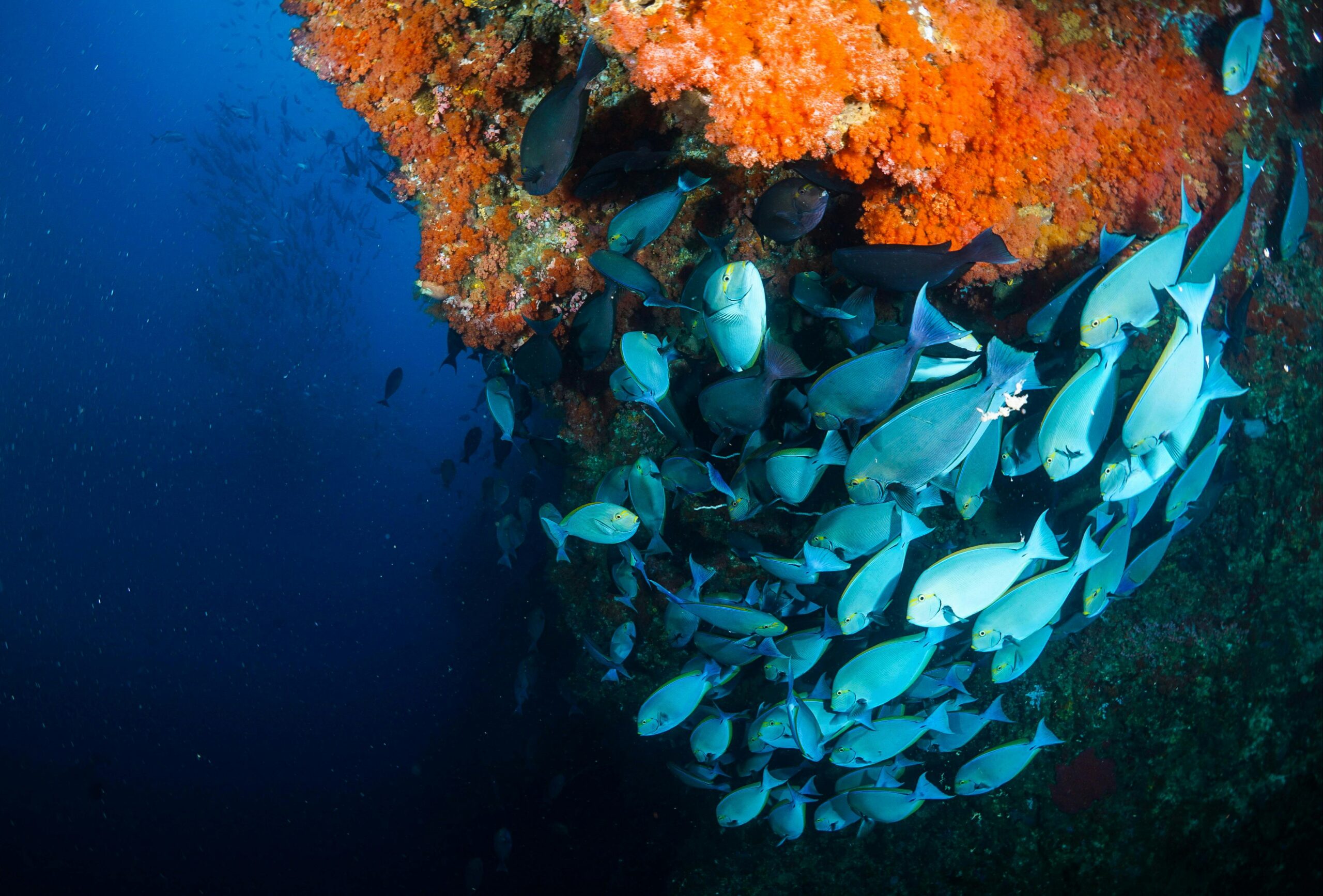
Coral preservation efforts now employ innovative techniques including coral gardening, where fragments are grown in nurseries before being transplanted to degraded reefs. Scientists are also identifying heat-resistant coral strains that might survive warming ocean temperatures, essentially preserving genetic diversity that could prove crucial for reef survival.
The Blue Carbon Revolution 🌿
Underwater ecosystems don’t just deserve preservation for their inherent value—they’re also powerful allies in combating climate change. Seagrass meadows, mangrove forests, and salt marshes sequester carbon at rates far exceeding terrestrial forests per unit area. This “blue carbon” storage capacity has elevated coastal ecosystem preservation to a climate mitigation strategy.
Protection and restoration of these habitats offer dual benefits: preserving biodiversity while capturing atmospheric carbon. Countries worldwide are now incorporating blue carbon preservation into their climate commitments, recognizing that healthy marine ecosystems are essential infrastructure for a sustainable future.
Shipwrecks as Artificial Reefs: Nature’s Second Chance
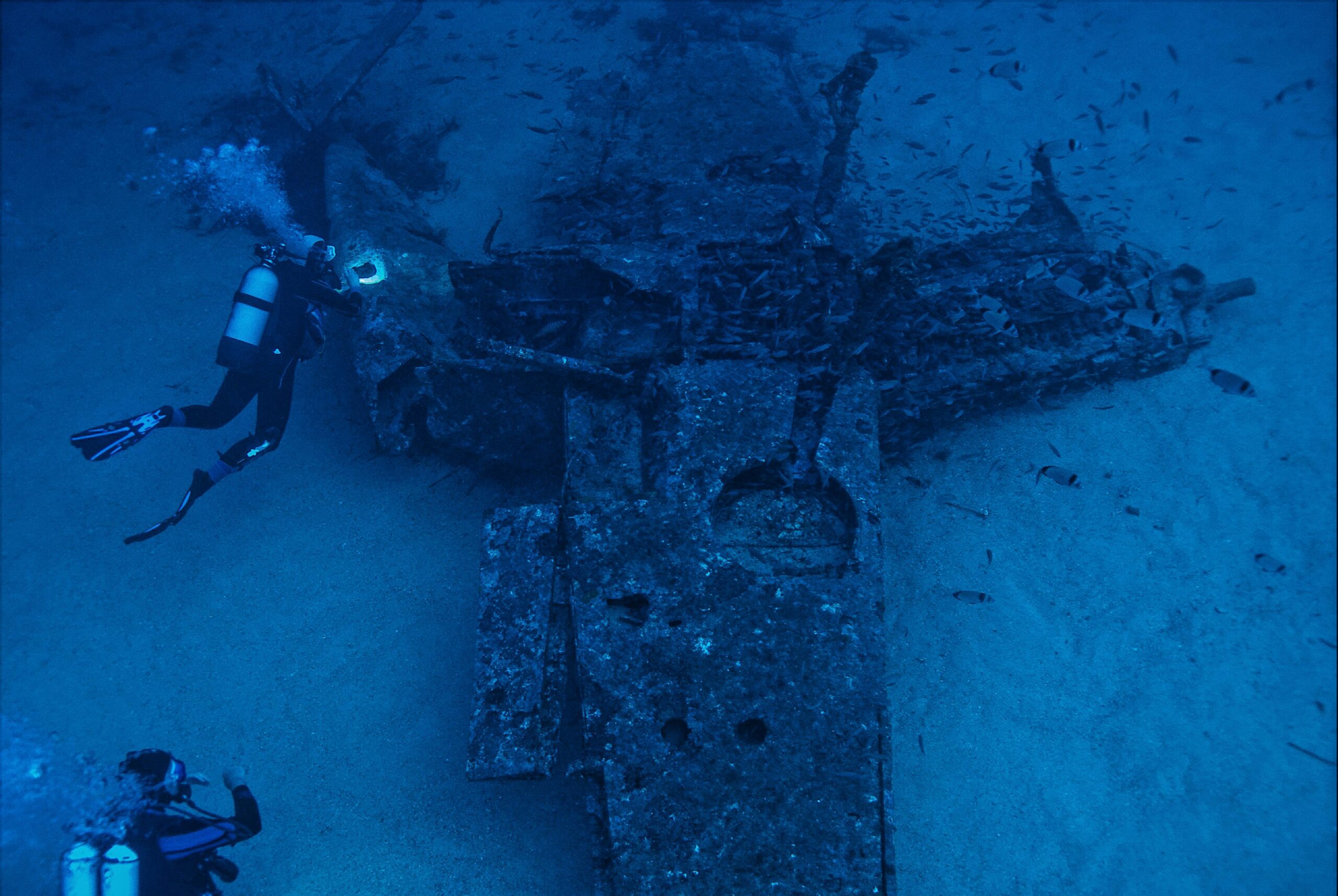
Thousands of shipwrecks dot ocean floors worldwide, and many have transformed into thriving artificial reefs. These structures provide hard substrate for coral attachment, shelter for fish, and complex habitats that can rival natural reefs in biodiversity. Preservation strategies increasingly recognize shipwrecks’ dual value as cultural heritage and ecological assets.
Managers face delicate decisions about when to intervene in shipwreck sites. Some deteriorating wrecks release pollutants like oil or heavy metals, requiring stabilization or remediation. Others are best left undisturbed, allowing natural colonization to continue. Balancing archaeological preservation with ecological value requires multidisciplinary collaboration and case-by-case assessment.
⚓ Community Engagement and Citizen Science
Effective underwater preservation extends far beyond scientists and conservators—it requires engaged communities who value and protect marine resources. Citizen science initiatives have proven remarkably successful in expanding monitoring capacity while building public awareness and stewardship.
Recreational divers now contribute valuable data through programs that monitor reef health, document fish populations, and report archaeological discoveries. These volunteers extend researchers’ reach dramatically, providing observations across geographic areas and time scales impossible for professional teams alone.
Education Through Virtual Access
Not everyone can visit underwater sites personally, but digital technologies democratize access. Virtual reality experiences, 3D models, and underwater livestreams bring ocean preservation to classrooms, museums, and living rooms worldwide. This virtual access builds public support for conservation while reducing physical pressure on sensitive sites.
Educational programs emphasizing underwater heritage and ecosystems cultivate the next generation of ocean advocates. When people understand what lies beneath the waves—whether ancient civilizations’ remnants or vibrant coral cities—they’re more likely to support policies protecting these resources.
Legal Frameworks Protecting Underwater Heritage
International law provides important protections for underwater cultural heritage through UNESCO’s 2001 Convention on the Protection of Underwater Cultural Heritage. This framework establishes principles prioritizing in situ preservation, prohibiting commercial exploitation, and encouraging international cooperation for site protection.
However, enforcement remains challenging. Shipwrecks in international waters face particular vulnerability to treasure hunters and salvage operations that prioritize profit over preservation. Strengthening legal protections and improving enforcement mechanisms continues as an ongoing challenge for the international community.
🌍 Climate Change: The Existential Threat to Underwater Preservation
Climate change fundamentally threatens both natural and cultural underwater resources. Rising ocean temperatures stress coral reefs and other marine ecosystems, while ocean acidification dissolves calcium carbonate structures including both living corals and ancient artifacts. Sea level rise threatens coastal archaeological sites with increased wave action and erosion.
These changes demand adaptive preservation strategies. Conservators must anticipate accelerating deterioration and prioritize sites most at risk. For living ecosystems, preservation increasingly means building resilience through genetic diversity, habitat connectivity, and reducing local stressors like pollution and overfishing.
Monitoring and Early Warning Systems
Effective preservation requires understanding change as it occurs. Permanent monitoring stations at key sites now track temperature, pH, current patterns, and biological activity, providing early warnings when conditions shift dangerously. This data informs management decisions, from temporarily closing dive sites under stress to deploying emergency interventions for threatened ecosystems.
Satellite remote sensing complements in-water monitoring, tracking broad-scale changes in water quality, temperature, and habitat extent. Artificial intelligence analyzes this flood of data, identifying patterns and predicting threats before they become catastrophic.
Sustainable Diving and Tourism Practices
Underwater tourism generates billions in revenue while raising awareness about marine conservation. However, poorly managed diving can damage fragile reefs and archaeological sites through physical contact, anchor damage, and pollution. Sustainable tourism practices balance access with protection.
Leading dive destinations now implement carrying capacity limits, mandatory briefings on proper buoyancy control, and mooring buoys to prevent anchor damage. Some particularly fragile sites restrict access to research teams only, while providing virtual experiences for public access.
💡 Innovation in Materials Science
Materials scientists are developing revolutionary new approaches to underwater preservation. Self-healing coatings for submerged structures repair minor damage automatically. Bio-inspired materials that mimic marine organisms’ natural protective strategies offer environmentally friendly preservation alternatives to toxic antifouling paints.
Nanomaterials show particular promise for treating archaeological artifacts, penetrating deeply into degraded materials to provide structural support at the molecular level. These treatments could preserve fragile artifacts previously considered too deteriorated for recovery.
The Economics of Underwater Preservation
Preservation requires funding, and demonstrating economic value helps secure resources. Marine protected areas generate economic returns through sustainable fishing, tourism, and ecosystem services often exceeding the value of exploitative alternatives. Archaeological sites attract tourists, supporting local economies while justifying preservation expenditures.
However, preservation competes with immediate economic pressures from development, resource extraction, and commercial fishing. Making the economic case for preservation requires quantifying long-term values that markets often ignore, from coastal protection by mangroves to cultural identity anchored in maritime heritage.
🚀 Future Frontiers in Underwater Preservation
The next generation of preservation will likely employ technologies barely imaginable today. Genetic engineering might create super-corals resistant to warming and acidification. Swarms of micro-robots could perform delicate conservation work at scale. Quantum sensors might detect archaeological sites buried under meters of sediment without excavation.
These technologies raise ethical questions alongside their opportunities. How much should we intervene in natural processes? When does genetic modification cross from preservation to creation of something new? Who decides which sites merit expensive preservation efforts?
Building Global Collaboration Networks
Underwater preservation challenges transcend national boundaries—ocean currents don’t respect political borders, and many archaeological sites lie in international waters. Effective preservation requires unprecedented collaboration among nations, institutions, and disciplines.
International research networks now share data, methodologies, and resources, accelerating progress beyond what isolated efforts could achieve. Developing nations often host rich underwater heritage but lack resources for preservation; partnerships with better-funded institutions can build local capacity while advancing global knowledge.
Preserving Knowledge for Tomorrow’s Stewards
The ultimate goal of underwater preservation extends beyond protecting physical objects and ecosystems—it’s about preserving knowledge, inspiration, and options for future generations. Each preserved shipwreck offers insights into past civilizations’ technologies, trade networks, and daily lives. Every protected reef maintains genetic diversity that might prove crucial for ecosystem survival in changed oceans.
Our generation faces critical choices about what survives for the future. The techniques we develop, sites we protect, and values we embrace today will determine what underwater treasures exist for discovery a century from now. This responsibility demands our best scientific knowledge, deepest ethical consideration, and unwavering commitment to stewardship.
The secrets locked beneath our oceans—whether ancient pottery fragments or undiscovered marine species—connect us to our past while holding keys to our future. Through innovative preservation techniques, global collaboration, and genuine commitment to sustainability, we can ensure these underwater treasures survive not just for study, but as living links between human history and the vibrant ecosystems supporting life on Earth. The deep calls us to dive in, learn its lessons, and emerge as better guardians of this blue planet we all share.

Toni Santos is a maritime researcher and underwater archaeologist specializing in the study of submerged heritage, ancient port systems, and the cultural landscapes preserved beneath the sea. Through an interdisciplinary and immersive approach, Toni investigates how humanity has left traces of knowledge, commerce, and legend in the underwater world — across oceans, myths, and sunken cities.
His work is grounded in a fascination with wrecks not only as artifacts, but as carriers of hidden meaning. From historic shipwreck discoveries to mythical harbors and lost coastal settlements, Toni uncovers the physical and cultural evidence through which civilizations preserved their relationship with the maritime unknown.
With a background in marine archaeology and underwater survey methods, Toni blends technical analysis with archival research to reveal how oceans were used to shape identity, transmit memory, and encode sacred knowledge.
As the creative mind behind revaltro, Toni curates documented dive studies, speculative harbor maps, and archaeological interpretations that revive the deep cultural ties between water, folklore, and forgotten science.
His work is a tribute to:
The submerged heritage of Historic Shipwrecks and Their Cargoes
The legendary sites of Mythical Harbors and Lost Civilizations
The technical methods of Underwater Exploration Techniques
The natural archiving power of Preservation in Salt and Sediment
Whether you’re a maritime historian, nautical researcher, or curious explorer of forgotten submerged worlds, Toni invites you to explore the hidden depths of oceanic heritage — one wreck, one harbor, one legend at a time.