Deep beneath the Arabian Sea lies one of archaeology’s most captivating mysteries: the ancient city of Dwarka, a submerged civilization that challenges our understanding of India’s legendary past. 🌊
The Mythological Foundation: When Legend Meets Reality
For centuries, Dwarka existed solely in the realm of Hindu mythology as the magnificent golden city of Lord Krishna. Ancient texts like the Mahabharata and the Puranas describe it as a prosperous metropolis with elaborate architecture, bustling trade routes, and advanced urban planning. According to these sacred writings, Dwarka was Krishna’s kingdom, a city so splendid that it rivaled the heavens themselves.
The mythological narrative tells us that after Krishna’s departure from the mortal world, the sea swallowed Dwarka entirely, submerging its glory beneath the waves. For thousands of years, scholars dismissed these accounts as purely allegorical, beautiful stories meant to convey spiritual truths rather than historical facts.
However, the late 20th century brought remarkable discoveries that transformed our perspective on these ancient tales. What was once considered mere mythology began revealing itself as potentially rooted in historical reality, sparking one of the most exciting archaeological pursuits in modern India.
The Archaeological Awakening: Discovery Beneath the Waves 🔍
The journey to uncover underwater Dwarka began in the 1980s when marine archaeologists, led by Dr. S.R. Rao of the National Institute of Oceanography, initiated systematic explorations off the coast of modern-day Dwarka in Gujarat. What they found was nothing short of extraordinary.
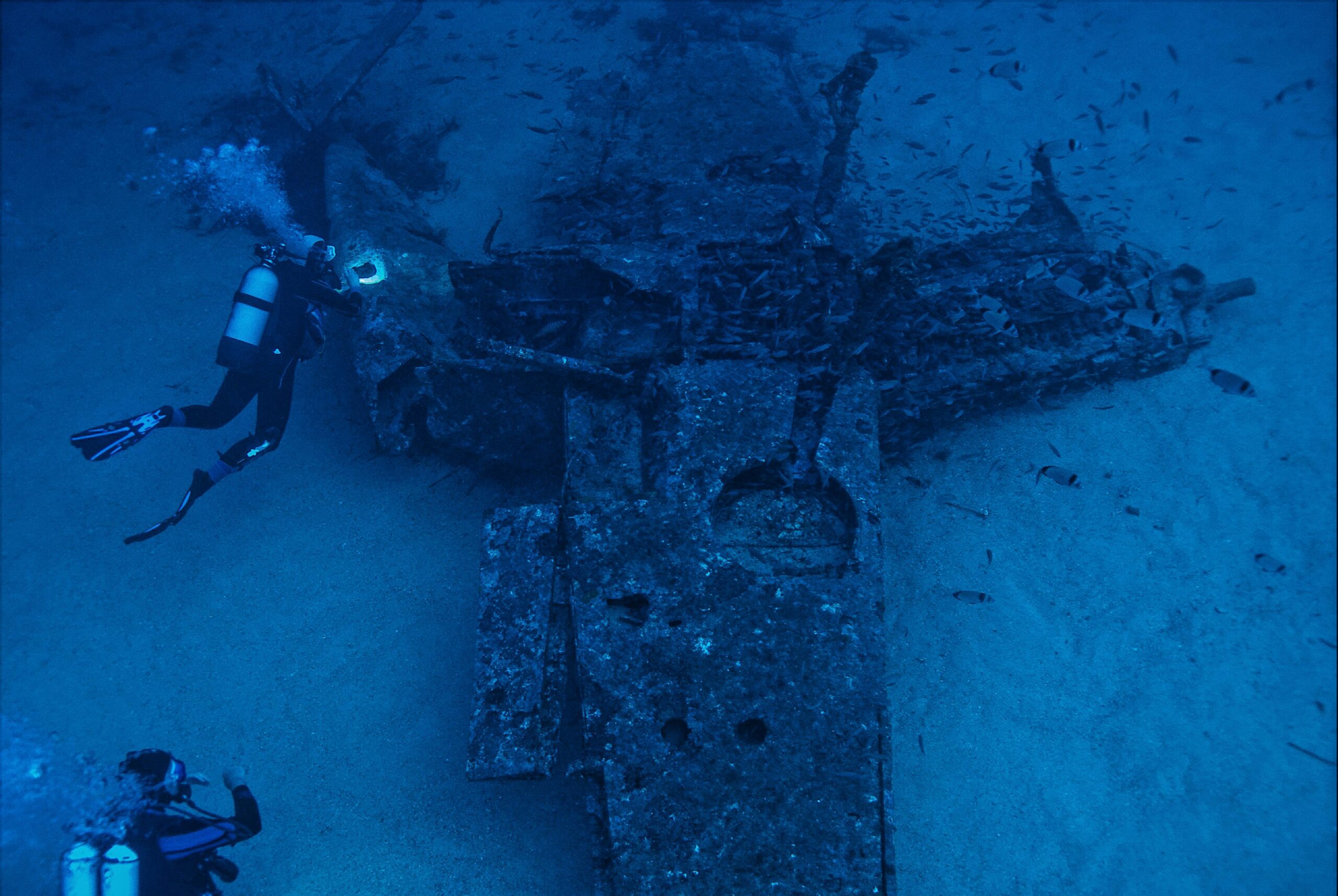
The team discovered extensive structural remains submerged approximately 20-40 meters below sea level, extending over several kilometers along the coastline. These weren’t random rock formations or natural geological features—they were clearly man-made structures displaying organized patterns and deliberate construction techniques.
Key Discoveries That Changed Everything
The underwater excavations revealed several significant findings that continue to fascinate researchers worldwide:
- Massive stone walls and fortification structures extending for considerable distances
- Well-organized street patterns suggesting sophisticated urban planning
- Anchor stones with three holes, indicating advanced maritime activities
- Pottery fragments and artifacts dating back thousands of years
- Seal impressions and other cultural materials consistent with ancient Indian civilizations
- Remnants of what appears to be a large port complex
These discoveries weren’t isolated incidents. Multiple expeditions conducted over subsequent decades continued to unearth additional evidence, building a compelling case for the existence of a significant ancient settlement beneath the Arabian Sea.
Dating the Underwater City: Unraveling the Timeline ⏳
One of the most controversial and debated aspects of submerged Dwarka concerns its age. Various dating methods have produced intriguing, sometimes conflicting results that continue to fuel scientific discussion.
Thermoluminescence dating of pottery and other artifacts has suggested dates ranging from 1500 BCE to as far back as 7500 BCE. Some researchers propose that what we’re seeing isn’t a single city but rather multiple settlement layers from different historical periods, each built upon the ruins of the previous one.
Carbon dating of organic materials found at the site has produced similarly varied results. Some samples indicate occupation during the Late Harappan period, while others suggest even earlier habitation. This temporal diversity might actually support the theory of continuous occupation and rebuilding over millennia.
The Sea Level Question
Understanding when Dwarka was submerged requires examining historical sea level changes. Geological evidence indicates that sea levels have fluctuated significantly over the past 10,000 years due to climate variations and the melting of ice sheets following the last Ice Age.
Around 7,000-10,000 years ago, sea levels were substantially lower than today, meaning that current underwater sites would have been above water and potentially ideal for settlement. This geological reality aligns intriguingly with some of the earlier dating estimates for the Dwarka structures.
Architectural Wonders Beneath the Sea 🏛️
The submerged structures of Dwarka display remarkable engineering prowess. The walls discovered underwater are constructed from large, well-cut sandstone blocks, some weighing several tons. The precision with which these stones were fitted together suggests advanced construction knowledge and considerable organizational capability.
The layout reveals a grid-like street pattern, a hallmark of sophisticated urban planning found in other ancient Indian cities like Mohenjo-daro and Harappa. This suggests that Dwarka’s inhabitants possessed considerable civic engineering knowledge, including drainage systems, defensive fortifications, and organized residential areas.
Perhaps most impressive are the extensive harbor works. The discovered anchor stones and wharf structures indicate that Dwarka was a major maritime center, engaging in extensive sea trade. This aligns perfectly with textual descriptions of Dwarka as a prosperous trading hub connecting India with distant lands.
The Connection to Harappan Civilization
Many researchers draw parallels between submerged Dwarka and the Indus Valley Civilization, particularly its coastal manifestations. The Harappan civilization, which flourished from approximately 3300 to 1300 BCE, was known for its advanced urban centers, sophisticated drainage systems, and extensive maritime trade networks.
Archaeological evidence from Dwarka shares numerous characteristics with Harappan sites, including similar pottery styles, construction techniques, and urban planning principles. Some scholars suggest that Dwarka might have been a significant Harappan port city, possibly one of the western-most extensions of this vast civilization.
| Feature | Submerged Dwarka | Harappan Cities |
|---|---|---|
| Urban Planning | Grid pattern streets | Grid pattern streets |
| Construction Material | Cut sandstone blocks | Fired bricks, stone |
| Maritime Activity | Extensive harbor works | Known sea trade |
| Fortifications | Massive stone walls | Defensive structures |
| Time Period | Possibly 1500-7500 BCE | 3300-1300 BCE |
Modern Technology Illuminating Ancient Mysteries 🛰️
Contemporary archaeological investigations of submerged Dwarka employ cutting-edge technology that would have been unimaginable just decades ago. These technological advances have revolutionized our ability to explore and understand underwater archaeological sites.
Remote Sensing and Sonar Mapping
Advanced sonar technology allows researchers to create detailed three-dimensional maps of the seafloor without disturbing the archaeological remains. Side-scan sonar produces images of underwater structures, revealing their extent and organization. Multi-beam echo sounders create precise bathymetric maps showing the underwater topography in remarkable detail.
These non-invasive techniques have revealed that the submerged structures extend far beyond initial estimates, covering several square kilometers of the seafloor. The complexity and scale of the settlement are becoming increasingly apparent with each new survey.
Underwater Robotics and Photography
Remotely operated vehicles (ROVs) equipped with high-definition cameras can explore depths and conditions dangerous or impossible for human divers. These robots can operate for extended periods, systematically documenting structures and collecting samples for laboratory analysis.
Recent photogrammetric techniques allow researchers to create highly detailed 3D models of underwater structures from thousands of photographs, enabling detailed analysis without repeatedly disturbing the site. This is particularly important as underwater archaeological sites are fragile and subject to ongoing degradation from currents, marine organisms, and other environmental factors.
Controversies and Skepticism in the Archaeological Community 🤔
Despite the compelling evidence, the story of submerged Dwarka remains controversial within archaeological and historical circles. Skeptics raise several legitimate concerns that warrant serious consideration.
Some critics argue that natural geological formations can mimic human-made structures, especially when erosion and marine growth obscure original features. They caution against seeing patterns where none exist, a phenomenon known as pareidolia. Without more extensive excavation and dating, they argue, definitive conclusions remain premature.
Others question the dating methodologies employed, noting inconsistencies between different samples and the challenges of accurately dating underwater sites where contamination and mixing of materials from different periods is common. The wide range of dates obtained from various samples—spanning potentially 6,000 years—complicates efforts to establish a clear chronology.
The Mythology Versus History Debate
Perhaps the most contentious issue concerns the relationship between the archaeological findings and the mythological narratives. Some researchers are eager to directly connect the underwater structures to the Dwarka of Krishna described in ancient texts. Critics warn against confirmation bias, arguing that this approach might lead to misinterpretation of evidence to fit preconceived narratives.
The challenge lies in maintaining scientific rigor while acknowledging that mythological accounts sometimes preserve genuine historical memories, albeit embellished and transformed through centuries of oral transmission. Finding the balance between these perspectives remains an ongoing challenge for researchers.
Other Submerged Sites Along India’s Coastline 🗺️
Dwarka isn’t the only submerged archaeological site discovered along India’s extensive coastline. Several other locations have yielded evidence of ancient settlements now beneath the waves, suggesting that coastal submersion affected numerous communities throughout India’s history.
Poompuhar, an ancient Tamil port city mentioned in Sangam literature, has been partially identified underwater off the coast of Tamil Nadu. Marine archaeological surveys have revealed structural remains and artifacts consistent with descriptions in ancient Tamil texts.
Near Mahabalipuram, also in Tamil Nadu, divers have discovered rock-cut structures and what appear to be temple remains beneath the sea. Local legends speak of seven pagodas, six of which were supposedly submerged, with only the famous Shore Temple remaining visible today.
These discoveries collectively suggest that sea level changes profoundly impacted ancient Indian coastal civilizations. Rising seas would have forced populations to migrate inland, potentially contributing to the mysterious decline of some ancient cultures and creating the legendary accounts of submerged cities preserved in regional folklore.
Cultural and Religious Significance Today 🕉️
For many Hindus, the discovery of underwater structures near modern Dwarka holds profound religious and cultural significance. It validates aspects of their sacred texts, demonstrating that these ancient writings contain historical kernels alongside spiritual teachings.
Modern Dwarka remains one of the seven most sacred Hindu cities and attracts millions of pilgrims annually. The Dwarkadhish Temple, dedicated to Lord Krishna, sits on the shore where land meets sea, a symbolic threshold between the visible and submerged worlds.
The archaeological discoveries have deepened the spiritual connection many feel to this place. The idea that they’re walking near where an ancient, Krishna-associated city actually existed adds tangible dimension to their faith, bridging the gap between mythology and material reality.
The Future of Dwarka Research: What Lies Ahead
The exploration of submerged Dwarka remains very much a work in progress. Large portions of the underwater site remain unexplored, and many fundamental questions await answers. Future research will likely employ even more advanced technologies, potentially including artificial intelligence for pattern recognition and advanced materials analysis.
Comprehensive excavation and preservation present significant challenges. Underwater archaeology is expensive, technically demanding, and time-consuming. Preserving artifacts recovered from the sea requires specialized conservation techniques, as materials that have existed in seawater for millennia can rapidly deteriorate once exposed to air.
International collaboration will be crucial for advancing Dwarka research. The technical expertise, funding, and comparative knowledge from global underwater archaeological projects can accelerate discoveries and ensure that investigations meet the highest scientific standards.
Lessons from the Submerged Past 🌊
Beyond its archaeological significance, submerged Dwarka offers important lessons for our present and future. The submersion of coastal settlements due to rising sea levels isn’t just ancient history—it’s a process that continues today and will likely accelerate with climate change.
Ancient coastal cities didn’t disappear overnight. Sea level rise was gradual, giving populations time to adapt, migrate, and rebuild elsewhere. However, the cultural and economic disruption was undoubtedly enormous. Understanding how ancient societies coped with environmental change provides valuable insights for modern coastal communities facing similar challenges.
The story of Dwarka also reminds us how much of our past remains undiscovered, waiting beneath the waves. Countless archaeological sites lie submerged along the world’s coastlines, each potentially holding keys to understanding human history. As technology advances, we’ll undoubtedly uncover more of these lost worlds, continuously rewriting our understanding of the past.
Bridging Myth and Material Evidence 📚
The submerged city near Dwarka exemplifies how mythology and archaeology can inform each other in productive ways. Rather than viewing ancient texts as either purely historical or purely fictional, researchers increasingly recognize that they often contain both elements, interwoven in complex ways.
Mythological accounts preserve cultural memories of real events, places, and people, though transformed through artistic elaboration and spiritual interpretation. Archaeological evidence grounds these narratives in material reality, while the texts provide context and meaning to archaeological finds that might otherwise be mute stones.
This synergistic approach—respecting both empirical evidence and textual traditions while maintaining critical thinking—offers the most promising path forward for understanding sites like Dwarka. Neither blind acceptance of mythological accounts nor dismissive skepticism serves the pursuit of knowledge as well as open-minded, rigorous investigation.
Preserving Underwater Heritage for Future Generations
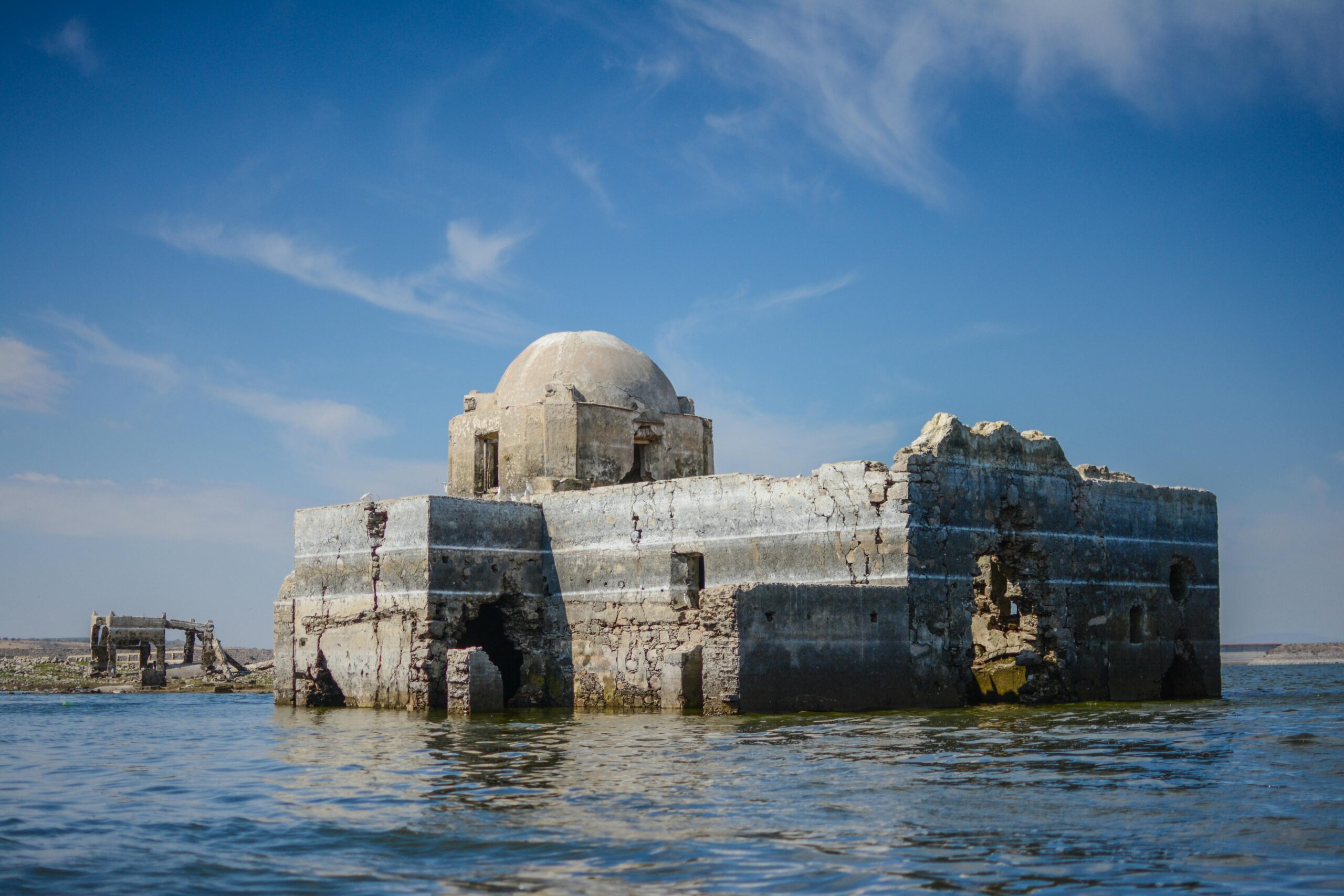
The underwater remains near Dwarka constitute irreplaceable cultural heritage, not just for India but for all humanity. These sites face numerous threats, including coastal development, pollution, trawling fishing activities, and natural deterioration. Protecting them requires coordinated efforts involving government agencies, academic institutions, and local communities.
Creating marine archaeological parks similar to terrestrial protected heritage sites could safeguard these underwater treasures while allowing controlled research and even limited public access through glass-bottom boats or virtual reality experiences. Such initiatives would balance preservation with education and cultural engagement.
Documentation is equally crucial. Even with the best conservation efforts, underwater sites inevitably deteriorate. Comprehensive documentation using modern technology creates permanent records that future generations can study even if the physical sites change or disappear. This digital preservation ensures that the knowledge these sites contain won’t be lost to time and tide.
The story of Dwarka—whether the submerged structures prove to be the legendary city of Krishna, a Harappan port, or something else entirely—reminds us that Earth holds countless secrets waiting to be discovered. Each archaeological find opens new questions even as it answers old ones, pushing the boundaries of our knowledge ever outward. The waves that cover these ancient stones also preserve them, protecting fragments of our collective past until we develop the tools and wisdom to understand what they can teach us about who we were, who we are, and perhaps even who we might become. 🌅

Toni Santos is a maritime researcher and underwater archaeologist specializing in the study of submerged heritage, ancient port systems, and the cultural landscapes preserved beneath the sea. Through an interdisciplinary and immersive approach, Toni investigates how humanity has left traces of knowledge, commerce, and legend in the underwater world — across oceans, myths, and sunken cities.
His work is grounded in a fascination with wrecks not only as artifacts, but as carriers of hidden meaning. From historic shipwreck discoveries to mythical harbors and lost coastal settlements, Toni uncovers the physical and cultural evidence through which civilizations preserved their relationship with the maritime unknown.
With a background in marine archaeology and underwater survey methods, Toni blends technical analysis with archival research to reveal how oceans were used to shape identity, transmit memory, and encode sacred knowledge.
As the creative mind behind revaltro, Toni curates documented dive studies, speculative harbor maps, and archaeological interpretations that revive the deep cultural ties between water, folklore, and forgotten science.
His work is a tribute to:
The submerged heritage of Historic Shipwrecks and Their Cargoes
The legendary sites of Mythical Harbors and Lost Civilizations
The technical methods of Underwater Exploration Techniques
The natural archiving power of Preservation in Salt and Sediment
Whether you’re a maritime historian, nautical researcher, or curious explorer of forgotten submerged worlds, Toni invites you to explore the hidden depths of oceanic heritage — one wreck, one harbor, one legend at a time.