The ocean’s depths hide more than marine life—they conceal entire civilizations, legendary cities, and stories waiting to resurface through modern archaeological discovery.
🌊 Where Ancient Legends Touch the Ocean Floor
For millennia, humanity has told stories of great cities swallowed by the sea. From Plato’s Atlantis to biblical floods, these narratives have captivated imaginations across cultures and continents. What once seemed like pure mythology now finds validation as underwater archaeologists uncover genuine submerged settlements, ports, and urban centers that disappeared beneath the waves through natural disasters, rising sea levels, or geological shifts.
The intersection of mythology and marine archaeology represents one of the most fascinating frontiers in historical research. Advanced technology now allows researchers to explore depths previously inaccessible, revealing structures that challenge our understanding of ancient civilizations. These discoveries don’t just confirm old tales—they rewrite timelines and force us to reconsider the sophistication of our ancestors.
Modern sonar mapping, remotely operated vehicles, and diving technology have transformed underwater archaeology from speculation into hard science. Each expedition brings new revelations about how ancient peoples lived, traded, and built their societies before catastrophe struck. The stories emerging from these watery graves connect myth to reality in unexpected ways.
The Mediterranean’s Hidden Metropolis: Pavlopetri
Off the southern coast of Greece lies Pavlopetri, the oldest known submerged city in the world. Dating back approximately 5,000 years, this Bronze Age settlement offers unprecedented insight into Mycenaean civilization. Unlike mythical Atlantis, Pavlopetri is real, mappable, and extraordinarily well-preserved.
The city features complete street layouts, buildings with multiple rooms, courtyards, tombs, and even a sophisticated water management system. Archaeologists have identified at least 15 separate buildings within the settlement, along with what appears to be a central square or marketplace. The level of urban planning suggests a highly organized society with administrative capabilities far exceeding previous estimates for this period.
What makes Pavlopetri particularly significant is its potential connection to various Greek myths. Some researchers speculate connections to stories of divine punishment through flooding, while others see parallels to tales of lost kingdoms in Homeric literature. The city likely sank due to earthquakes—a common occurrence in this seismically active region—around 1000 BCE.
Archaeological Treasures Beneath the Aegean
Excavations at Pavlopetri have yielded remarkable artifacts including pottery, tools, and storage vessels that indicate active trade networks spanning the Mediterranean. The ceramic styles match those found at other Bronze Age sites, confirming this city’s role in regional commerce. These discoveries help archaeologists piece together economic systems that operated millennia before written records documented them.
The site’s preservation is exceptional because sedimentation protected structures from erosion and human interference. Unlike land-based ruins subjected to centuries of looting and weathering, Pavlopetri remained relatively untouched until modern discovery. This pristine condition allows researchers to study urban layouts exactly as ancient inhabitants left them.
⚓ Heracleion: Egypt’s Legendary Port Resurfaces
For centuries, Heracleion existed only in ancient texts—a grand Egyptian port city mentioned by historians like Herodotus but never located. Skeptics questioned whether it existed at all. Then, in 2000, French archaeologist Franck Goddio discovered the city beneath Abu Qir Bay, completely vindicating historical accounts.
Heracleion, also known as Thonis to the Egyptians, served as Egypt’s main international port before Alexandria’s founding. The city controlled all trade entering Egypt from the Mediterranean, making it economically vital and culturally diverse. Temples, massive statues, ships, gold coins, and inscribed stelae have been recovered from the site, painting a picture of remarkable prosperity.
The discovery included a 5.4-meter statue of Hapi, the god of Nile flooding, along with numerous sphinxes, bronze artifacts, and the remains of more than 60 ships. These vessels range from simple cargo boats to elaborate ceremonial barges, offering insights into ancient naval architecture and maritime trade practices.
Why Did Heracleion Sink?
Scientists believe multiple factors contributed to Heracleion’s submersion. The city was built on sedimentary soil in the Nile Delta, an inherently unstable foundation. Liquefaction during earthquakes or floods likely caused buildings to sink gradually. Rising sea levels and land subsidence over centuries completed the city’s descent, eventually leaving it 10 meters underwater.
The catastrophic nature of Heracleion’s disappearance likely inspired or reinforced flood myths prevalent in Mediterranean cultures. The sudden loss of such a prominent city would have profoundly impacted regional consciousness, potentially influencing narratives about divine retribution through natural disaster.
Dwarka: Where Hindu Mythology Meets Underwater Reality
The ancient Indian city of Dwarka holds special significance in Hindu tradition as the kingdom of Lord Krishna. According to the Mahabharata, this magnificent city sank into the Arabian Sea after Krishna’s death. For millennia, this remained purely mythological—until marine archaeologists discovered substantial underwater structures off Gujarat’s coast.
Explorations in the Gulf of Khambhat have revealed geometric structures, fortification walls, and artifacts dating back potentially 9,000 years. While dating remains controversial and debated within archaeological circles, the discoveries undeniably point to significant human habitation in areas now submerged.
Artifacts recovered include pottery, beads, sculptural remains, and architectural fragments consistent with descriptions in ancient texts. Some structures feature precisely cut stones fitted together without mortar, demonstrating advanced construction techniques. The alignment and planning visible in these ruins suggest urban development rather than natural formations.
Controversial Chronologies and Scientific Debates
Dwarka’s underwater ruins spark heated academic discussions about ancient Indian civilization’s timeline. Conservative estimates date structures to around 1500 BCE, while some researchers claim evidence of settlements extending back to the end of the last Ice Age. Carbon dating of artifacts has produced varying results, fueling ongoing controversy.
Regardless of precise dating, the discoveries validate core elements of mythological accounts—a substantial city did exist in this location and did become submerged. This correlation between ancient texts and physical evidence encourages more serious archaeological investigation of other mythological sites previously dismissed as purely fictional.
🗿 Yonaguni Monument: Natural Formation or Man-Made Marvel?
Off Japan’s Ryukyu Islands lies one of underwater archaeology’s most contentious sites—the Yonaguni Monument. Discovered in 1987, this massive underwater rock formation features terraces, right angles, and what appear to be carved symbols. The central question remains fiercely debated: natural geology or ancient construction?
Proponents of the artificial origin theory point to features including parallel edges, symmetrical platforms, apparent stairways, and carved animal figures. They suggest the structure dates to the last Ice Age when sea levels were substantially lower, potentially making it over 10,000 years old—predating known Japanese civilization.
Skeptics argue that natural geological processes, particularly tectonic activity common in this region, can create angular formations that mimic architecture. They note the absence of tool marks, building materials inconsistent with the base rock, or other definitive evidence of human modification.
Cultural Significance and Alternative Theories
The Yonaguni Monument has become emblematic of alternative archaeology movements that challenge conventional chronologies. Some theorists connect it to lost Pacific civilizations, sunken continents like Mu or Lemuria, or advanced prehistoric cultures erased from mainstream historical narratives.
While extraordinary claims require extraordinary evidence, the monument’s existence encourages questions about what civilizations might have existed during periods poorly represented in the archaeological record. The site continues attracting researchers, divers, and curiosity-seekers drawn to its mysterious ambiguity.
Technology Transforming Underwater Discovery
Modern archaeological exploration of submerged sites relies on technology that would seem miraculous to previous generations. Multibeam sonar creates detailed three-dimensional maps of ocean floors, revealing structures invisible to divers. Side-scan sonar produces images resembling aerial photographs, allowing researchers to identify potential sites without getting wet.
Remotely operated vehicles (ROVs) equipped with high-definition cameras explore depths dangerous or impossible for human divers. These robotic explorers can remain submerged for extended periods, systematically documenting sites while researchers analyze findings in real-time from surface vessels.
Photogrammetry techniques compile thousands of underwater photographs into precise digital models of archaeological sites. These virtual reconstructions enable detailed study without repeated dives that might damage fragile remains. Researchers worldwide can examine these models, democratizing access to discoveries.
Preserving Underwater Heritage
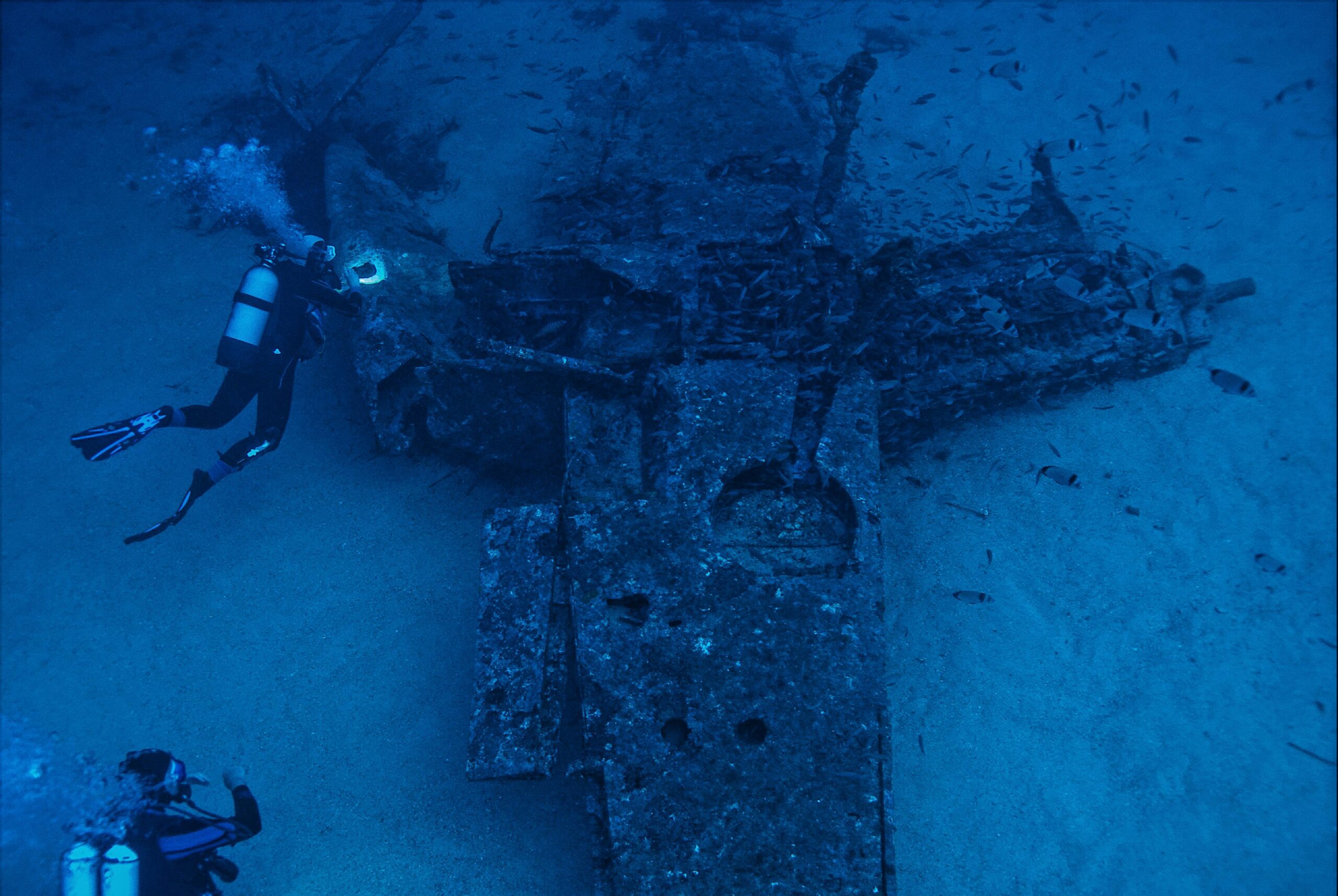
Submerged archaeological sites face unique preservation challenges. Marine organisms colonize ancient structures, salt water corrodes metals and dissolves some materials, and human activity including fishing and recreational diving threatens delicate ruins. International conventions now recognize underwater cultural heritage’s importance, establishing protections similar to land-based archaeological sites.
Organizations like UNESCO promote responsible underwater archaeology, discouraging treasure hunting while encouraging scientific investigation. Many significant sites now have protected status, with restricted access ensuring preservation for future generations and continued research.
🔱 Mythological Patterns Across Cultures
Flood myths appear in virtually every ancient culture worldwide—Mesopotamian epics, Biblical narratives, Hindu texts, Native American legends, and Aboriginal Australian stories all describe catastrophic inundations destroying civilizations. The prevalence of these myths across geographically separated cultures suggests basis in real events.
Post-Ice Age sea level rise flooded vast coastal areas where humans had settled during periods of lower ocean levels. These gradual or sudden inundations would have displaced populations and destroyed established communities, creating traumatic collective memories encoded in mythology.
Common elements across flood myths include:
- Divine displeasure or punishment as the flooding cause
- A chosen survivor or small group who escape destruction
- Loss of advanced knowledge or golden age civilization
- Radical transformation of the world’s geography
- New beginning or covenant following the catastrophe
These shared narrative structures likely reflect similar psychological responses to comparable disasters rather than indicating single global events. However, genuine flooding events undoubtedly inspired and reinforced these mythological traditions.
The Atlantis Question: Eternal Mystery or Misunderstood Metaphor?
No discussion of sunken cities escapes Atlantis—history’s most famous lost civilization. Plato’s dialogues “Timaeus” and “Critias” describe a powerful island nation that sank into the ocean “in a single day and night of misfortune” around 9,600 BCE. For over two millennia, people have searched for this legendary city.
Countless locations have been proposed as Atlantis, including Santorini, the Azores, Antarctica, the Caribbean, and even South America. Each theory identifies geological or archaeological evidence supposedly matching Plato’s descriptions. None have achieved scholarly consensus, and many archaeologists consider the search futile.
Most mainstream scholars interpret Atlantis as Plato’s philosophical device rather than historical record—a cautionary tale about hubris and political corruption dressed in geographical fancy. The detailed descriptions served his arguments about ideal governance, not geographical documentation.
Why Atlantis Endures in Popular Imagination
Despite academic skepticism, Atlantis maintains powerful cultural presence. The story satisfies deep psychological needs: belief in lost wisdom, hope that ancient peoples achieved greatness we’ve forgotten, and romance of undiscovered secrets waiting beneath the waves.
Real underwater archaeological discoveries fuel Atlantis speculation. Each newly found submerged city prompts claims of finally locating Plato’s island. While these identifications invariably prove incorrect, they demonstrate how genuine archaeological finds interact with persistent mythological narratives.
🌍 Climate Change and Future Discoveries
Current climate change and rising sea levels create urgent imperatives for underwater archaeology. Coastal areas inhabited for thousands of years now face inundation, while changing ocean conditions affect already-submerged sites. Simultaneously, shifting shorelines occasionally expose previously hidden archaeological remains.
Scientists estimate that hundreds of ancient settlements lie beneath modern ocean levels, particularly around coastlines that were habitable during the last Ice Age. As technology improves and exploration intensifies, discoveries will likely accelerate, revealing more about human history’s submerged chapters.
Future generations may create their own flood myths about early 21st-century coastal cities if climate predictions materialize. This sobering possibility connects contemporary concerns with ancient catastrophes, demonstrating how environmental change shapes human experience across millennia.
What Lost Cities Teach Us About Resilience and Impermanence
Sunken cities remind us of civilization’s fragility. Prosperous urban centers with thousands of inhabitants, sophisticated infrastructure, and cultural achievements can disappear entirely, reduced to ruins and legends. This humbling reality challenges assumptions about progress’s permanence and our control over nature.
Simultaneously, these discoveries demonstrate human resilience. Survivors of catastrophic floods rebuilt, adapted, and continued. Knowledge transmission persisted through oral traditions that, while transformed into mythology, preserved core truths about past events. Modern archaeology now recovers and validates these ancient memories.
The intersection of myth and archaeology in underwater discoveries illustrates how human understanding evolves. Stories dismissed as fantasy become recognized historical records. Legends contain geographical and cultural information awaiting proper interpretation. The boundary between mythology and history proves more permeable than previously imagined.
Diving Into Mysteries Yet Unsolved
Despite remarkable progress, vast ocean areas remain unexplored. Estimates suggest we’ve examined less than 20% of ocean floors in detail sufficient to identify archaeological sites. Countless discoveries await in waters too deep, remote, or politically inaccessible for current investigation.
Each new finding raises additional questions. How extensively did ancient peoples navigate oceans? What trade networks connected distant civilizations? How sophisticated were Bronze Age engineering and urban planning? What catastrophes haven’t yet entered our geological or historical understanding?
The continuing exploration of sunken cities represents more than academic curiosity. These investigations connect us with ancestors who faced similar challenges—environmental change, natural disasters, societal complexity, and the eternal human drive to build, create, and endure despite uncertainty. Their submerged ruins whisper across millennia, offering lessons about adaptation, hubris, and our relationship with the natural world that remain profoundly relevant today.

Toni Santos is a maritime researcher and underwater archaeologist specializing in the study of submerged heritage, ancient port systems, and the cultural landscapes preserved beneath the sea. Through an interdisciplinary and immersive approach, Toni investigates how humanity has left traces of knowledge, commerce, and legend in the underwater world — across oceans, myths, and sunken cities.
His work is grounded in a fascination with wrecks not only as artifacts, but as carriers of hidden meaning. From historic shipwreck discoveries to mythical harbors and lost coastal settlements, Toni uncovers the physical and cultural evidence through which civilizations preserved their relationship with the maritime unknown.
With a background in marine archaeology and underwater survey methods, Toni blends technical analysis with archival research to reveal how oceans were used to shape identity, transmit memory, and encode sacred knowledge.
As the creative mind behind revaltro, Toni curates documented dive studies, speculative harbor maps, and archaeological interpretations that revive the deep cultural ties between water, folklore, and forgotten science.
His work is a tribute to:
The submerged heritage of Historic Shipwrecks and Their Cargoes
The legendary sites of Mythical Harbors and Lost Civilizations
The technical methods of Underwater Exploration Techniques
The natural archiving power of Preservation in Salt and Sediment
Whether you’re a maritime historian, nautical researcher, or curious explorer of forgotten submerged worlds, Toni invites you to explore the hidden depths of oceanic heritage — one wreck, one harbor, one legend at a time.