Ancient coastal cities hold timeless wisdom about urban planning, blending geography, commerce, and culture into masterful designs that still inspire modern architects today.
The shores of human civilization have witnessed some of the most ingenious urban planning achievements in history. From the Mediterranean to the Indian Ocean, coastal cities developed sophisticated systems that balanced trade, defense, sanitation, and social organization. These ancient metropolises weren’t just random collections of buildings—they were carefully orchestrated environments designed to harness natural resources while protecting their inhabitants from the unpredictable forces of the sea.
Understanding how our ancestors designed these coastal urban centers provides invaluable insights for contemporary city planners facing similar challenges: limited space, environmental pressures, and the need to create sustainable, livable communities. The lessons embedded in ancient stone streets, harbor configurations, and drainage systems continue to resonate in our modern quest for better cities.
🌊 The Strategic Geography of Ancient Coastal Settlements
Ancient urban planners possessed an intuitive understanding of geography that modern satellite mapping has only recently begun to fully appreciate. Coastal cities weren’t randomly positioned—every location was selected based on multiple strategic considerations that ensured long-term viability and prosperity.
Natural harbors provided the foundation for maritime trade, but the best ancient coastal cities went beyond simple access to water. Planners sought locations with defensive advantages, freshwater sources, fertile hinterlands for agriculture, and elevation sufficient to protect against flooding and storm surges. The ancient city of Tyre, for example, was initially built on an island, providing natural defense while maintaining access to Mediterranean trade routes.
Topographical integration became a hallmark of sophisticated coastal urban design. Rather than fighting against natural landscapes, ancient planners incorporated hills, peninsulas, and coastal features into their city layouts. This approach reduced construction costs, enhanced defense capabilities, and created distinctive urban identities that reflected local geography.
Reading the Landscape Like Ancient Engineers
The remarkable precision with which ancient coastal cities aligned with solar patterns, prevailing winds, and seasonal water flows demonstrates advanced environmental awareness. Cities like Ephesus oriented their main streets to capture cooling sea breezes during hot summers, while residential quarters were positioned to maximize natural light during winter months.
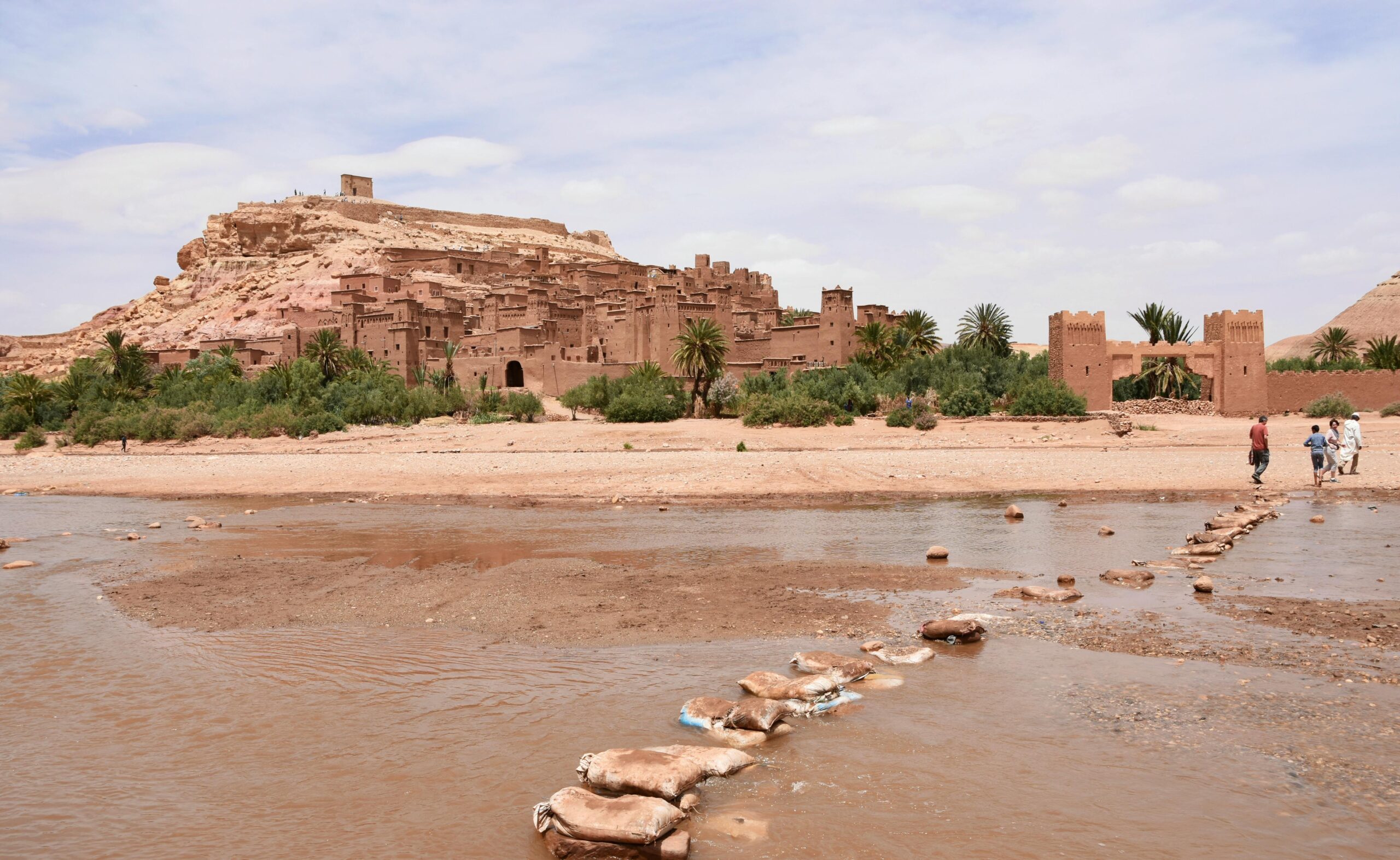
This climate-responsive design extended to building materials and construction techniques. Coastal cities developed specialized architectural vocabularies adapted to their specific environmental conditions—from the coral stone buildings of East African ports to the marble constructions of Greek coastal colonies.
🏛️ Harbor Engineering: The Economic Heart of Coastal Cities
The harbor represented far more than a simple docking area in ancient coastal cities—it was the pulsing economic heart that sustained entire civilizations. Ancient harbor engineering achieved remarkable sophistication, with some techniques only recently matched by modern technology.
The Romans pioneered hydraulic concrete that could set underwater, enabling them to construct massive harbor works like those at Caesarea Maritima. This artificial harbor featured breakwaters extending hundreds of meters into the Mediterranean, creating a protected basin large enough to accommodate hundreds of vessels. The engineering precision required to build such structures in the first century CE remains impressive by any standard.
Ancient harbor districts were carefully zoned for different commercial activities. Warehouses for specific commodities clustered together, customs facilities occupied strategic positions, and shipbuilding areas were separated from active trading zones. This functional organization maximized efficiency while reducing conflicts between incompatible activities.
Multi-Level Water Management Systems
Sophisticated coastal cities developed ingenious solutions for managing the dual water challenges they faced: utilizing seawater for commerce and defense while securing freshwater for domestic consumption. Aqueduct systems brought clean water from distant sources, while separate drainage networks removed wastewater and prevented flooding.
The ancient city of Alexandria featured a complex hydraulic system that included cisterns, canals, and underground channels. These networks regulated water distribution across the city while preventing seawater intrusion into freshwater supplies—a challenge that still plagues coastal cities today.
🛡️ Defensive Innovation in Coastal Urban Design
Coastal cities faced unique security challenges, vulnerable to attacks from both land and sea. Ancient urban planners developed multilayered defensive strategies that integrated fortifications seamlessly into the broader urban fabric.
City walls in coastal settlements served multiple purposes beyond simple defense. They regulated trade flows, demarcated civic boundaries, and provided elevated platforms for monitoring approaching vessels. The walls of Dubrovnik, though medieval rather than ancient, exemplify this tradition of integrating fortifications with urban functions—watchtowers doubled as lighthouses, and wall walks provided scenic promenades during peacetime.
Harbor defenses represented particularly sophisticated engineering challenges. Chain barriers that could be raised to block harbor entrances, fortified islands controlling access channels, and tower-mounted artillery positioned to create crossfire zones all demonstrated advanced military engineering adapted to coastal environments.
🏘️ Residential Districts and Social Organization
Ancient coastal cities developed distinctive residential patterns that reflected both social hierarchies and practical adaptations to coastal living. Understanding these spatial arrangements reveals how urban design shaped daily life and social interactions.
Elite residences typically occupied elevated positions with sea views and access to prevailing breezes, while working-class neighborhoods clustered near harbors and industrial districts. This vertical social stratification appeared consistently across cultures, from Greek colonies to Phoenician trading posts.
However, ancient coastal cities also developed unique communal spaces that crossed social boundaries. Public baths, marketplaces, and religious complexes served as mixing zones where different social classes interacted, creating more socially cohesive communities than purely segregated layouts might suggest.
Density and Livability in Constrained Spaces
Coastal cities often faced severe space constraints, leading to innovative solutions for creating livable high-density environments. Multi-story buildings, internal courtyards for light and ventilation, and shared public facilities all emerged as responses to limited buildable land.
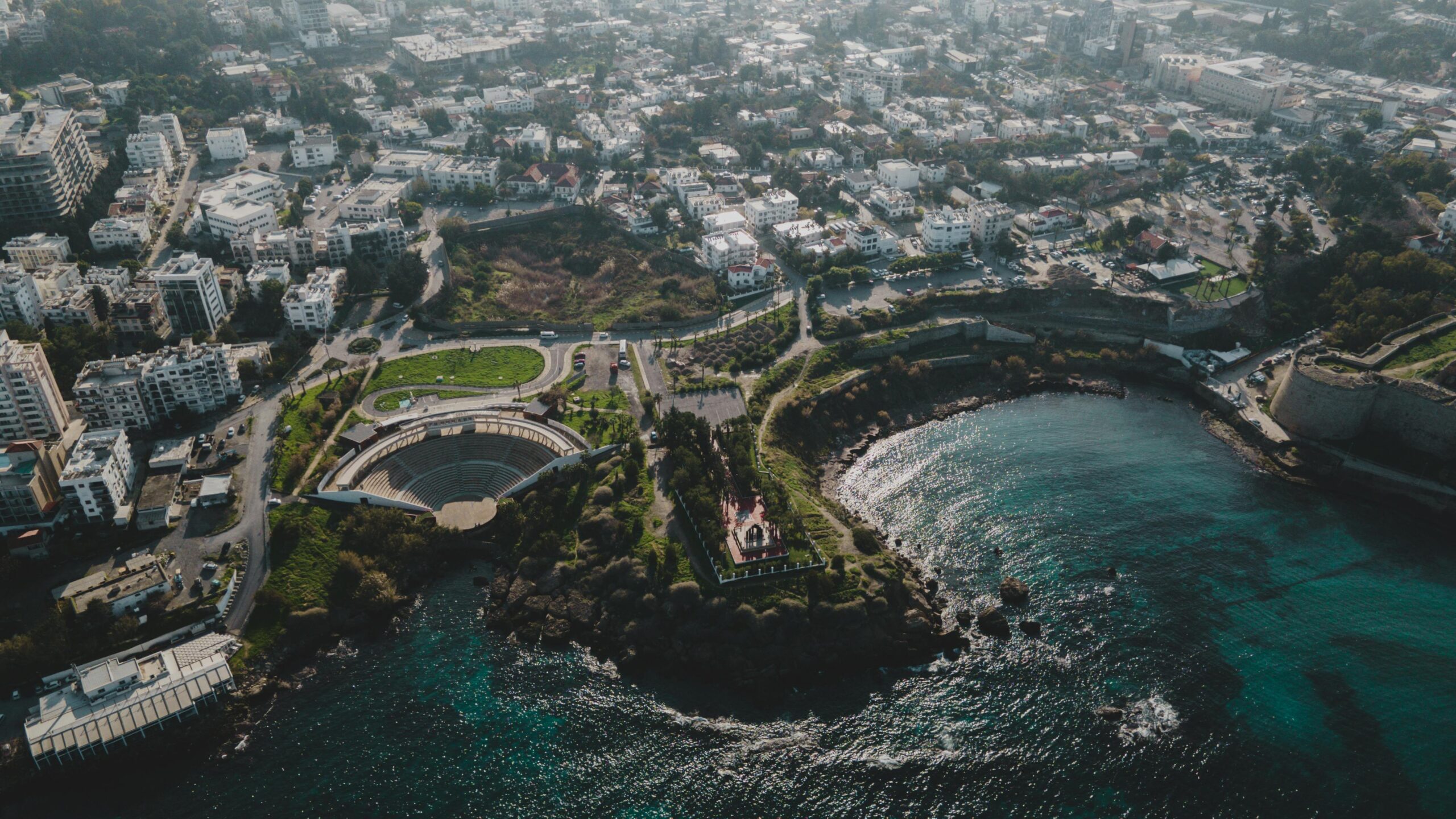
The ancient port of Ostia, Rome’s gateway to Mediterranean trade, featured apartment buildings rising five or six stories—remarkable for ancient construction. These insulae incorporated ground-floor commercial spaces with residential units above, creating mixed-use neighborhoods that remained vibrant throughout day and night.
📊 Comparative Analysis of Ancient Coastal Planning Principles
| Planning Element | Mediterranean Approach | Asian Maritime Cities | North African Ports |
|---|---|---|---|
| Street Patterns | Grid systems with organic adaptation | Hierarchical networks radiating from centers | Dense, irregular responding to topography |
| Water Management | Aqueducts and cisterns | Integrated canal systems | Underground channels and wells |
| Defense Strategy | Massive stone walls | Moats and water barriers | Fortified gates and urban citadels |
| Commercial Zones | Centralized agoras/forums | Distributed market districts | Covered bazaar complexes |
🌟 Sacred Spaces and Civic Identity
Religious and civic architecture played crucial roles in defining coastal city identities and organizing urban space. Temples, sanctuaries, and public buildings weren’t merely functional structures—they served as landmarks for maritime navigation, symbols of civic pride, and focal points for urban organization.
The Lighthouse of Alexandria, one of the Seven Wonders of the Ancient World, exemplified this multifunctional approach to monumental architecture. Beyond its practical purpose of guiding ships, it served as a powerful symbol of Ptolemaic authority and technological achievement, visible for miles across the Mediterranean.
Ancient coastal cities strategically positioned religious complexes to create visual hierarchies and organize urban space. Temples typically occupied prominent positions—hilltops, harbor entrances, or central agoras—where they could be seen from approaching ships, reinforcing the city’s identity before visitors even landed.
Public Spaces as Urban Connective Tissue
Forums, agoras, and public squares functioned as the social glue holding diverse coastal populations together. These spaces accommodated markets, political assemblies, religious festivals, and informal social gatherings, creating multipurpose environments that adapted to different needs throughout the day and year.
The design of these public spaces reflected sophisticated understanding of human psychology and social dynamics. Colonnades provided shade while maintaining visual connectivity, stepped seating areas accommodated large gatherings, and fountain installations created pleasant microclimates in hot coastal environments.
💡 Sanitation and Public Health Innovations
Ancient coastal cities pioneered public health infrastructure that wouldn’t be matched in many regions until the modern era. Sophisticated sanitation systems reflected both practical necessity and civic pride in creating healthy urban environments.
Roman coastal cities featured comprehensive sewer systems that removed waste efficiently while preventing contamination of drinking water supplies. The Cloaca Maxima in Rome, though serving an inland city, established engineering principles that coastal colonies replicated and adapted to their specific conditions.
Public latrines in ancient coastal cities weren’t merely utilitarian facilities—they became social spaces where people gathered and conversed while attending to biological necessities. This integration of sanitation with social life demonstrates a remarkably pragmatic and unsqueamish approach to urban planning.
Disease Prevention Through Urban Design
Ancient planners understood connections between urban design and public health long before germ theory emerged. Wide streets promoting air circulation, separation of clean and dirty water sources, and removal of waste beyond city boundaries all contributed to healthier urban environments.
Coastal cities faced particular health challenges from stagnant water, decaying fish, and dense populations in confined spaces. Successful cities developed specialized solutions: elevated granaries to prevent rodent infestation, covered drainage channels to reduce mosquito breeding, and mandatory waste removal regulations enforced by civic authorities.
🔄 Adaptive Reuse and Urban Evolution
Ancient coastal cities demonstrate remarkable adaptability, evolving over centuries while maintaining functional continuity. Understanding how these cities transformed provides lessons for modern urban planners managing change in established environments.
Many successful coastal cities experienced multiple phases of expansion, contraction, and transformation. Harbor facilities were rebuilt with new technologies, defensive walls expanded or repurposed, and residential districts densified or reorganized. This evolutionary approach allowed cities to respond to changing circumstances without wholesale abandonment and reconstruction.
Archaeological evidence reveals how ancient cities repurposed buildings and infrastructure as needs changed. Temples became churches, baths transformed into workshops, and defensive walls incorporated into expanding residential districts. This adaptive reuse conserved resources while maintaining urban continuity.
🌍 Lessons for Contemporary Coastal Urban Planning
Modern coastal cities face challenges remarkably similar to those confronted by ancient planners: rising sea levels, population pressures, resource constraints, and the need to balance economic development with environmental sustainability. Ancient solutions offer surprisingly relevant insights for contemporary urban design.
- Integrate natural features rather than fighting against them—work with topography, hydrology, and climate patterns
- Design multifunctional infrastructure that serves multiple purposes simultaneously
- Create adaptable urban frameworks capable of evolving without complete reconstruction
- Prioritize public health through thoughtful sanitation and water management systems
- Balance density with livability through strategic use of public spaces and mixed-use development
- Establish clear visual hierarchies and landmarks that create legible, navigable environments
- Develop climate-responsive architecture adapted to specific local conditions
Sustainability Before the Term Existed
Ancient coastal cities practiced sustainability by necessity rather than ideology. Limited resources, technological constraints, and environmental pressures forced planners to develop efficient, durable solutions that minimized waste and maximized utility.
Building with local materials reduced transportation costs and environmental impact while creating architecture harmonious with local landscapes. Passive climate control through building orientation, natural ventilation, and strategic use of water features reduced energy demands. These principles remain relevant for contemporary sustainable urban design.
🔮 Unlocking Ancient Wisdom for Future Cities
The most valuable lesson from ancient coastal city design isn’t any specific technique or layout pattern—it’s the holistic, integrated approach to urban planning that considered environmental, social, economic, and cultural factors simultaneously. Ancient planners understood that successful cities emerged from careful coordination of multiple systems, each reinforcing and supporting the others.
Modern technology provides tools ancient planners could only dream of, yet the fundamental challenges of creating livable, sustainable coastal communities remain constant. By studying how our ancestors solved these problems with limited resources and technology, we gain perspective on what’s truly essential in urban design versus what’s merely fashionable or technologically impressive.
The shores of history offer a masterclass in urban planning innovation—a curriculum written in stone streets, harbor works, and defensive walls that have survived millennia. As we face unprecedented challenges from climate change and urbanization, these ancient lessons become increasingly relevant. The cities that thrived for centuries did so not through brute force or unlimited resources, but through intelligent design that worked with nature rather than against it, created adaptable systems rather than rigid frameworks, and prioritized long-term sustainability over short-term gains.
Perhaps the greatest innovation we can unlock from ancient coastal cities isn’t a specific planning technique, but rather the patience and wisdom to design cities for centuries rather than decades, to build communities rather than merely constructing buildings, and to recognize that the most enduring urban achievements emerge from deep respect for both human needs and environmental realities. These timeless principles, refined over millennia on the shores of history, remain our most valuable guide for creating coastal cities worthy of our own descendants’ admiration.

Toni Santos is a maritime researcher and underwater archaeologist specializing in the study of submerged heritage, ancient port systems, and the cultural landscapes preserved beneath the sea. Through an interdisciplinary and immersive approach, Toni investigates how humanity has left traces of knowledge, commerce, and legend in the underwater world — across oceans, myths, and sunken cities.
His work is grounded in a fascination with wrecks not only as artifacts, but as carriers of hidden meaning. From historic shipwreck discoveries to mythical harbors and lost coastal settlements, Toni uncovers the physical and cultural evidence through which civilizations preserved their relationship with the maritime unknown.
With a background in marine archaeology and underwater survey methods, Toni blends technical analysis with archival research to reveal how oceans were used to shape identity, transmit memory, and encode sacred knowledge.
As the creative mind behind revaltro, Toni curates documented dive studies, speculative harbor maps, and archaeological interpretations that revive the deep cultural ties between water, folklore, and forgotten science.
His work is a tribute to:
The submerged heritage of Historic Shipwrecks and Their Cargoes
The legendary sites of Mythical Harbors and Lost Civilizations
The technical methods of Underwater Exploration Techniques
The natural archiving power of Preservation in Salt and Sediment
Whether you’re a maritime historian, nautical researcher, or curious explorer of forgotten submerged worlds, Toni invites you to explore the hidden depths of oceanic heritage — one wreck, one harbor, one legend at a time.