Beneath the Mediterranean Sea lies Heracleion, an ancient Egyptian city frozen in time, waiting to reveal its extraordinary secrets to modern explorers and historians.
🌊 The Lost Legend: Heracleion’s Journey From Glory to the Depths
For centuries, Heracleion existed only in ancient texts and mythological tales. Greek historians mentioned a grand city at the mouth of the Nile, but many scholars dismissed these accounts as mere legend. The city was referenced in writings by Herodotus and other classical authors, who described it as a bustling port where Hercules himself allegedly set foot, giving the city its Greek name. The Egyptian name for this magnificent metropolis was Thonis, serving as the gateway to Egypt for Mediterranean traders.
This thriving commercial hub vanished completely from historical records around the 8th century AD. No visible ruins remained above water, no obvious clues pointed to its location, and the city faded into obscurity. Archaeological skeptics questioned whether Heracleion had ever truly existed, relegating it to the realm of mythology alongside Atlantis and other legendary lost civilizations.
The dramatic rediscovery would have to wait until the dawn of the 21st century, when underwater archaeology technology finally advanced enough to explore the murky depths of Aboukir Bay. What researchers found exceeded their wildest expectations and transformed our understanding of ancient Egyptian maritime culture.
⚓ The Groundbreaking Discovery That Changed Everything
In 2000, French underwater archaeologist Franck Goddio and his team from the European Institute for Underwater Archaeology made an announcement that sent shockwaves through the academic world. After years of systematic searching using advanced sonar equipment and magnetic resonance imaging, they had located the submerged remains of Heracleion approximately 6.5 kilometers off the Egyptian coastline, resting 10 meters beneath the surface.
The discovery was monumental for several reasons. First, it confirmed that ancient historical accounts were accurate, validating texts that scholars had long debated. Second, the exceptional state of preservation offered an unprecedented window into daily life in ancient Egypt’s most important port city. Finally, the sheer scale of the ruins—spanning several square kilometers—revealed a metropolis far grander than anyone had imagined.
Goddio’s team employed cutting-edge technology to map the underwater landscape before beginning excavation. Nuclear magnetic resonance magnetometers detected buried structures beneath layers of sediment. Side-scan sonar created detailed topographical maps of the sea floor. These technological marvels allowed archaeologists to virtually explore the site before disturbing a single artifact.
What Made This Archaeological Find So Significant? 🏺
Unlike many archaeological sites that have been looted, damaged, or weathered over millennia, Heracleion’s submersion created ideal preservation conditions. The water and sediment protected organic materials, inscriptions, and delicate structures from oxidation and human interference. Wooden ship hulls, textile fragments, and painted surfaces survived in remarkable condition, offering insights impossible to obtain from land-based excavations.
The city’s sudden submersion acted like a time capsule, capturing a moment in history with extraordinary fidelity. Religious ceremonies were interrupted mid-ritual, ships sank at their moorings, and everyday objects remained where residents last used them. This archaeological context provides invaluable information about how ancient Egyptians actually lived, rather than how they wished to be remembered in their monumental temples and tombs.
🏛️ Heracleion’s Golden Age: A City of Commerce and Ceremony
During its peak between the 6th and 4th centuries BC, Heracleion served as Egypt’s principal harbor for international trade. All Greek ships entering Egypt were obligated to dock at Heracleion, where customs officials collected taxes and monitored the flow of goods and people. This strategic position generated enormous wealth for the city and the Egyptian pharaohs who controlled it.
The city’s architecture reflected its dual Egyptian and Greek cultural influences. Massive Egyptian temples stood alongside Greek-style buildings, creating a unique fusion rarely seen in the ancient world. The main temple dedicated to Amun-Gereb dominated the city center, its colossal statues visible to approaching ships from great distances.
Religious significance matched commercial importance in Heracleion. The city hosted elaborate festivals celebrating various deities, with the “Mysteries of Osiris” being particularly significant. During these ceremonies, priests would enact the death and resurrection of Osiris through dramatic rituals involving sacred barques that traveled between temples via the city’s intricate canal system.
The Engineering Marvel of Ancient Harbor Design 🚢
Heracleion’s harbor infrastructure demonstrated sophisticated engineering knowledge. The city featured multiple harbors and anchorages, each serving different vessel types and purposes. Massive stone anchors weighing several tons secured the largest ships. Wooden quays and pontoons provided loading facilities for cargo. Lighthouse-like structures guided ships through treacherous channels.
An extensive network of canals penetrated deep into the city, allowing smaller vessels to deliver goods directly to warehouses and market areas. These waterways required constant dredging and maintenance, employing hundreds of workers. The engineering challenges of maintaining such infrastructure in the soft Nile Delta sediment were considerable, foreshadowing the eventual fate that awaited the city.
💎 Treasures Emerging From the Deep: Remarkable Artifacts
The archaeological treasures recovered from Heracleion constitute one of the most significant collections of ancient Egyptian artifacts discovered in recent decades. Each excavation season brings new wonders to light, expanding our knowledge of this fascinating civilization.
Among the most spectacular finds are colossal statues of gods, pharaohs, and queens. A 5.4-meter tall red granite statue of Hapy, the god of Nile flooding, was raised from the seafloor in an operation requiring specialized equipment and expert planning. The statue’s exceptional preservation, with fine details still crisp after millennia underwater, astonished researchers.
Hundreds of smaller statues depicting pharaohs, gods, and sacred animals have been recovered. These range from intimate domestic shrines to public monuments. Gold jewelry, bronze mirrors, ceramic vessels, and stone sarcophagi paint a picture of both elite luxury and everyday life. Remarkably preserved coins help establish precise dating for different occupation periods.
The Inscriptions That Speak Across Millennia 📜
Stone stelae bearing hieroglyphic and Greek inscriptions have proven invaluable for understanding Heracleion’s history. The Heracleion Stele, discovered in 2001, contains a decree establishing that King Nectanebo I granted tax concessions to the city’s temples. This 1.9-meter tall monument provided the first direct archaeological confirmation that the Greek Heracleion and Egyptian Thonis were indeed the same city.
Other inscriptions record religious dedications, commercial contracts, and administrative documents. Bilingual texts in both Egyptian hieroglyphs and Greek script illustrate the multicultural nature of this cosmopolitan port. These writings have helped linguists better understand the evolution of both languages during this transitional period in Mediterranean history.
🌍 Why Did Heracleion Sink? Unraveling the Catastrophe
The question that fascinates researchers and the public alike is: what caused an entire city to disappear beneath the waves? The answer involves a complex combination of natural geological processes, human activity, and possibly catastrophic events.
The Nile Delta consists of soft, waterlogged sediment that compresses over time through a process called subsidence. As the weight of buildings, monuments, and infrastructure pressed down on this unstable foundation, the ground gradually sank. This slow process alone might have eventually doomed the city, but other factors accelerated the collapse.
Soil liquefaction likely played a critical role. When earthquakes shake water-saturated sediment, it temporarily loses cohesion and behaves like liquid. Buildings that stood firmly for centuries could suddenly sink or topple during seismic events. The Mediterranean region experiences regular earthquakes, and historical records document several major tremors during Heracleion’s occupation period.
Rising Seas and Changing Landscapes 🌊
Sea level rise contributed significantly to Heracleion’s submersion. Global sea levels have risen approximately 1.5 meters over the past 2,000 years due to natural climate variations. In the low-lying Nile Delta, this gradual increase would have been particularly noticeable, slowly encroaching on coastal areas.
Changes in the Nile River’s course and behavior also impacted the city. The delta is a dynamic landscape where river channels shift, sediment redistributes, and coastlines constantly evolve. When the Canopic branch of the Nile that fed Heracleion’s harbors changed course or reduced flow, it would have undermined the city’s economic viability and possibly destabilized its foundations.
Some researchers suggest that a combination of earthquake, tsunami, and soil liquefaction created a catastrophic event that rapidly submerged large portions of the city. Evidence of sudden collapse in some structures supports this theory, though the abandonment likely occurred over decades rather than in a single day.
🔍 Ongoing Excavations: What Secrets Still Remain?
Despite two decades of exploration, archaeologists estimate they have excavated less than 5% of Heracleion’s total area. Vast sections of the ancient city remain buried beneath sediment, waiting for future investigation. Each excavation season reveals new structures, artifacts, and information that reshape our understanding.
Recent expeditions have focused on mapping the complete extent of the city and identifying key structures for targeted excavation. Ground-penetrating radar and other remote sensing technologies allow researchers to “see” buried features without disturbing them, guiding decisions about where to concentrate limited resources.
The discovery of a military vessel in 2021 opened new research directions. This remarkably preserved ship, the first ancient Egyptian military vessel ever found, features design elements described in ancient texts but never before seen. Ongoing analysis of its construction techniques provides insights into Egyptian shipbuilding and naval capabilities.
Challenges Facing Underwater Archaeologists 🤿
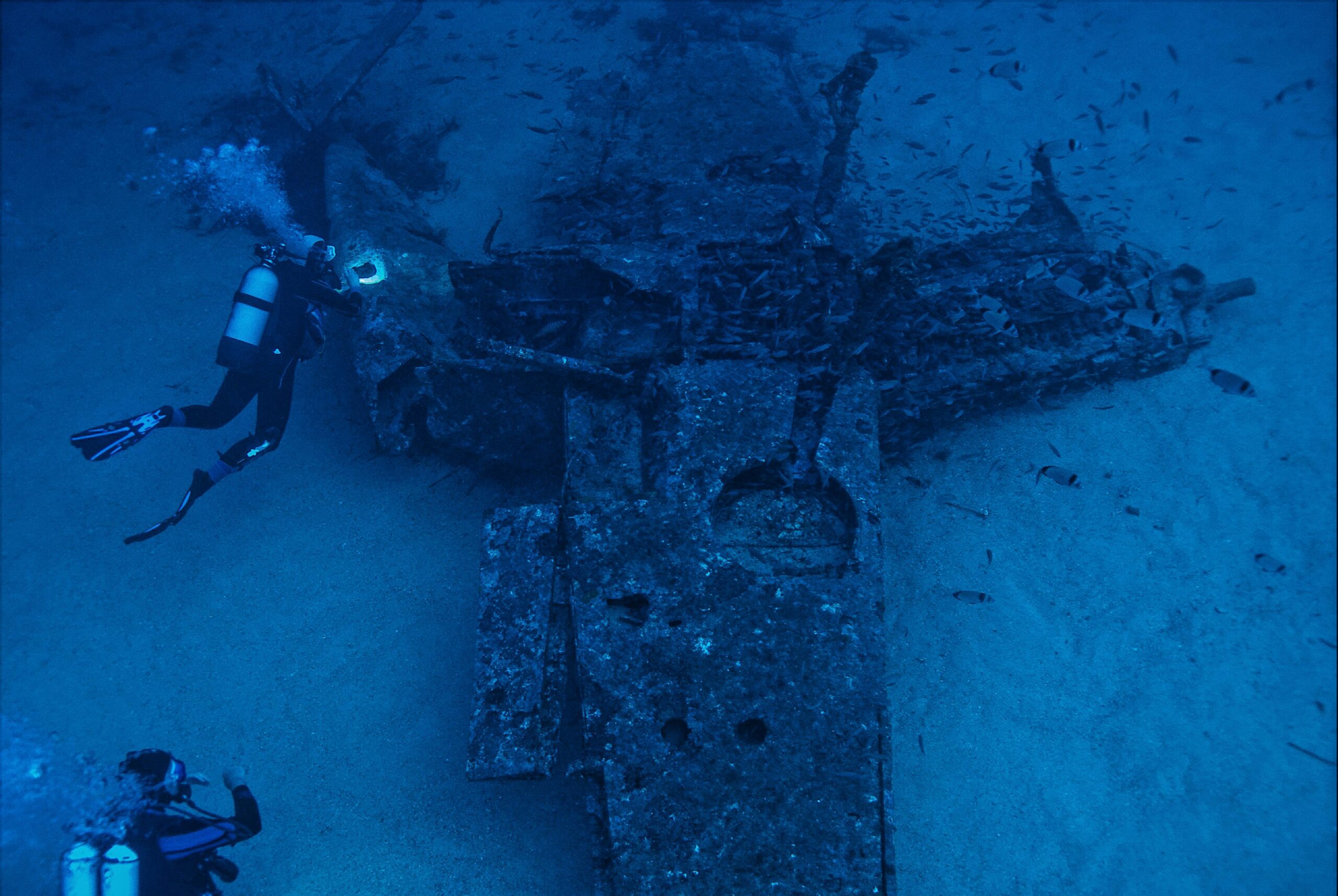
Working at Heracleion presents unique challenges that land-based archaeologists never encounter. Poor visibility in the murky water makes photography and documentation difficult. Strong currents can destroy delicate artifacts or scatter debris. The physical demands of diving limit work time, with decompression requirements meaning researchers may spend only a few hours per day on the site.
Conservation of waterlogged artifacts requires specialized treatment. Objects that have been submerged for over a millennium cannot simply be dried out—they require years of careful desalination and preservation in controlled environments. The sheer quantity of material recovered has created a backlog, with some artifacts still awaiting full analysis and publication.
Funding remains an ongoing concern. Underwater archaeology is expensive, requiring vessels, specialized equipment, expert personnel, and extensive conservation facilities. International collaboration between Egyptian authorities, European institutions, and private donors makes the work possible, but resources are never unlimited.
🎓 What Heracleion Teaches Us About Ancient Civilizations
Beyond the spectacular treasures and dramatic discovery story, Heracleion offers profound lessons about ancient societies, environmental change, and human adaptation to coastal living.
The city demonstrates the sophistication of ancient Egyptian maritime technology and commercial networks. Far from being isolated or technologically backward, Egypt actively participated in Mediterranean-wide trade networks, exchanging goods and ideas with Greeks, Phoenicians, and other cultures. This cosmopolitan character challenges outdated notions of ancient civilizations as isolated entities.
Heracleion also serves as a powerful reminder of environmental vulnerability. Climate change, sea level rise, and geological instability threaten coastal communities today just as they did in antiquity. Modern cities built on river deltas—from Venice to Bangkok—face similar subsidence issues that doomed Heracleion, making the ancient city’s fate particularly relevant to contemporary urban planning.
Preserving the Past for Future Generations 🏛️
The discovery raises important questions about cultural heritage preservation. Should artifacts remain underwater in their archaeological context, or should they be raised and displayed in museums? Should the site become accessible to recreational divers, or should it remain restricted to research professionals? These debates balance competing values of preservation, accessibility, and scientific study.
Currently, most significant artifacts have been recovered and undergo conservation treatment before eventual museum display. Plans exist for an underwater museum that would allow visitors to view the ruins in situ through glass-bottomed boats or submarine tours, though implementation faces technical and financial hurdles.
🗺️ Experiencing Heracleion: From Research Site to Public Wonder
While the underwater site itself remains restricted to authorized researchers, the wonders of Heracleion have reached global audiences through museum exhibitions, documentaries, and digital media. Artifacts tour internationally, appearing in exhibitions from Paris to Tokyo, allowing millions to marvel at treasures from the deep.
The Bibliotheca Alexandrina in Egypt houses a permanent exhibition featuring Heracleion artifacts alongside finds from other submerged sites in Alexandria and the eastern Mediterranean. High-quality replicas, interactive displays, and virtual reality experiences bring the ancient city to life for visitors who will never dive its ruins.
Documentaries produced by National Geographic, BBC, and other broadcasters have shared Heracleion’s story with worldwide television audiences. These programs combine underwater footage, expert interviews, and computer reconstructions to visualize how the city appeared during its glory days.
🔮 The Future of Heracleion Research and Exploration
As technology continues advancing, new possibilities emerge for exploring and understanding Heracleion. Autonomous underwater vehicles equipped with sophisticated sensors can survey larger areas more quickly than human divers. Three-dimensional photogrammetry creates detailed digital models of artifacts and structures. DNA analysis of organic materials reveals information about diet, disease, and population origins.
Climate scientists view Heracleion as a valuable case study for understanding sea level change and coastal subsidence. By precisely dating when different parts of the city submerged, researchers can construct detailed timelines of regional sea level rise that inform predictions about future changes.
The continued exploration of Heracleion promises decades of discoveries ahead. Each artifact recovered, each structure mapped, and each inscription translated adds another piece to the puzzle of this extraordinary lost city. As the Mediterranean gradually yields its secrets, Heracleion stands as a testament to human achievement, environmental power, and the enduring human drive to uncover and understand our shared past.
The sunken city reminds us that civilizations, no matter how grand, remain vulnerable to natural forces. Yet it also demonstrates that human curiosity and ingenuity can recover even the most thoroughly lost chapters of our history, bringing ancient voices back to speak across the millennia from beneath the waves.

Toni Santos is a maritime researcher and underwater archaeologist specializing in the study of submerged heritage, ancient port systems, and the cultural landscapes preserved beneath the sea. Through an interdisciplinary and immersive approach, Toni investigates how humanity has left traces of knowledge, commerce, and legend in the underwater world — across oceans, myths, and sunken cities.
His work is grounded in a fascination with wrecks not only as artifacts, but as carriers of hidden meaning. From historic shipwreck discoveries to mythical harbors and lost coastal settlements, Toni uncovers the physical and cultural evidence through which civilizations preserved their relationship with the maritime unknown.
With a background in marine archaeology and underwater survey methods, Toni blends technical analysis with archival research to reveal how oceans were used to shape identity, transmit memory, and encode sacred knowledge.
As the creative mind behind revaltro, Toni curates documented dive studies, speculative harbor maps, and archaeological interpretations that revive the deep cultural ties between water, folklore, and forgotten science.
His work is a tribute to:
The submerged heritage of Historic Shipwrecks and Their Cargoes
The legendary sites of Mythical Harbors and Lost Civilizations
The technical methods of Underwater Exploration Techniques
The natural archiving power of Preservation in Salt and Sediment
Whether you’re a maritime historian, nautical researcher, or curious explorer of forgotten submerged worlds, Toni invites you to explore the hidden depths of oceanic heritage — one wreck, one harbor, one legend at a time.