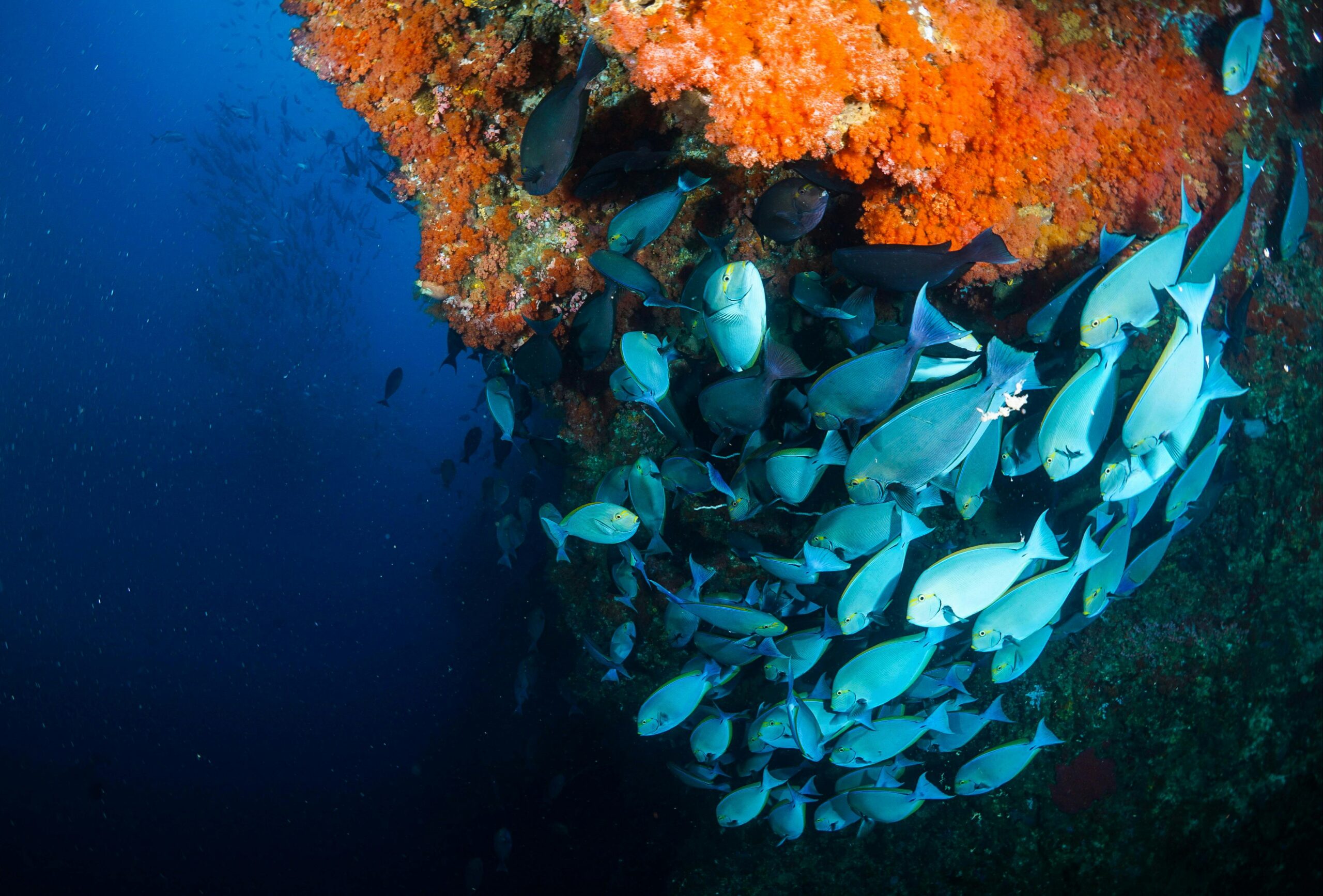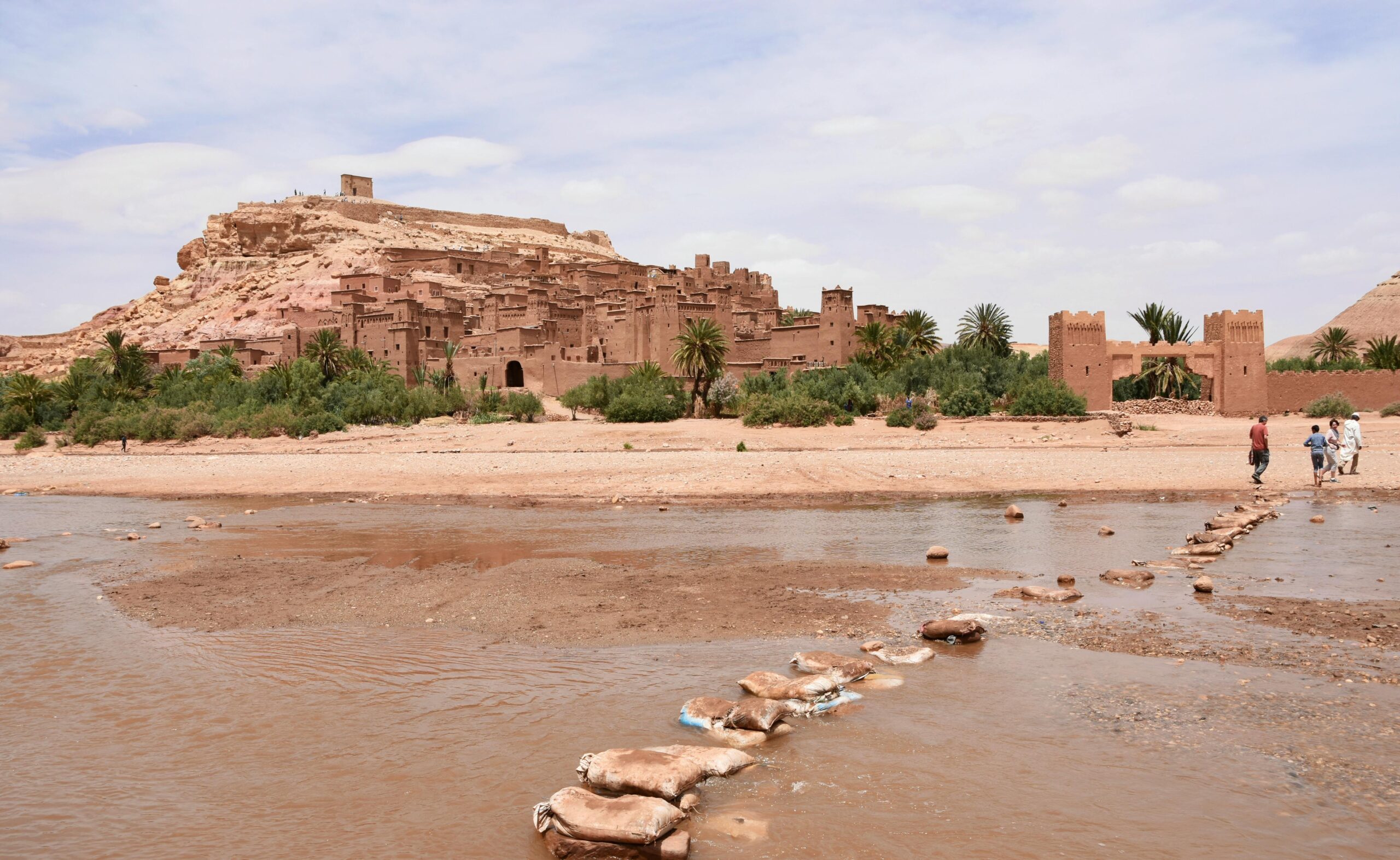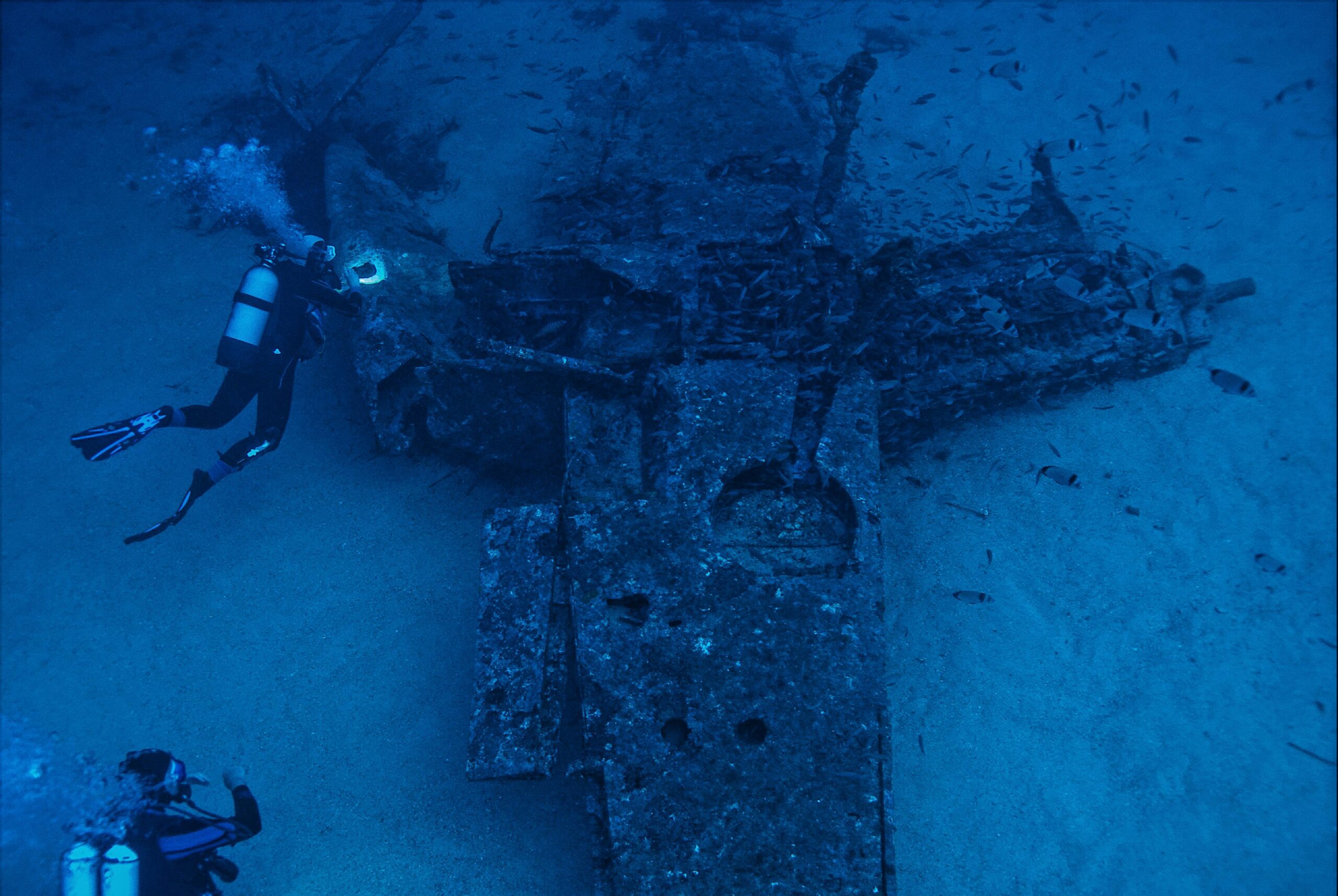
Beneath the waves lie forgotten civilizations, their stories etched in stone and swallowed by time, waiting to reveal humanity’s greatest mysteries.
🌊 The Eternal Fascination with Submerged Civilizations
Throughout human history, tales of great cities vanishing beneath the ocean have captivated our collective imagination. These sunken cities represent more than archaeological curiosities; they embody our deepest fears about civilization’s fragility and our endless curiosity about what came before us. From ancient texts describing catastrophic floods to modern underwater discoveries that challenge our understanding of history, sunken cities continue to rewrite the narrative of human achievement.
The study of these submerged worlds has evolved dramatically with technological advancement. What once required imagination and speculation now yields to sophisticated sonar mapping, underwater robotics, and advanced diving techniques. These lost cities scattered across the globe share common threads while maintaining their unique cultural identities, offering researchers invaluable insights into ancient maritime trade, urban planning, natural disasters, and the rise and fall of powerful civilizations.
⚓ Pavlopetri: Europe’s Oldest Submerged Settlement
Off the southern coast of Greece, approximately four meters below the Mediterranean’s surface, lies Pavlopetri—a Bronze Age city that predates the classical Greek era by over a thousand years. Discovered in 1967 and systematically mapped in 2009, this remarkably preserved settlement dates back approximately 5,000 years, making it one of the oldest planned cities ever discovered.
The city’s layout reveals sophisticated urban planning with recognizable streets, buildings, courtyards, and even a complex water management system. Unlike many sunken cities destroyed by sudden catastrophe, Pavlopetri appears to have been gradually abandoned and submerged due to a combination of earthquakes and rising sea levels over centuries.
Archaeological Significance of Pavlopetri
What makes Pavlopetri particularly significant is its completeness. The site spans approximately 30,000 square meters and includes at least 15 separate buildings. Archaeologists have identified pottery, tools, and architectural elements that provide unprecedented insights into Mycenaean civilization and earlier Bronze Age cultures.
The preservation quality results from the site’s depth and the protective layer of sand that covered it for millennia. This natural preservation has maintained architectural details that typically deteriorate on land, offering researchers a frozen snapshot of ancient Mediterranean life.
🏛️ Heracleion: Egypt’s Lost Gateway to the Mediterranean
For over a millennium, Heracleion existed only in ancient texts and fragmentary historical references. Mentioned by Greek historian Herodotus and other classical writers, this legendary Egyptian port city seemed destined to remain a myth until French archaeologist Franck Goddio discovered it in 2000 in Abu Qir Bay, near Alexandria.
Heracleion, also known as Thonis in Egyptian sources, served as Egypt’s primary port for Mediterranean trade before Alexandria’s founding. The city flourished from approximately the 8th century BCE until its gradual submersion around the 8th century CE. Catastrophic flooding, earthquakes, and soil liquefaction caused entire districts to sink beneath the waves.
Treasures Emerging from the Depths
The underwater excavations have yielded extraordinary artifacts: colossal statues of gods and pharaohs, hundreds of smaller statues, gold coins, jewelry, and the remains of more than 60 ships. Perhaps most remarkably, archaeologists discovered massive stone slabs inscribed with hieroglyphic texts that have helped scholars better understand religious practices and economic relationships between ancient Greece and Egypt.
The city’s grand temple dedicated to Amun-Gereb has proven particularly significant. Massive columns, foundation stones, and ceremonial objects reveal the site’s religious importance. The discovery of steles (inscribed stone monuments) has provided crucial information about taxation, trade regulations, and diplomatic relationships.
🌺 Dwarka: India’s Mythological City Made Real
Off the coast of Gujarat, India, in the Gulf of Khambhat, lies one of the most controversial and religiously significant sunken city discoveries. According to Hindu scriptures, particularly the Mahabharata, Dwarka was the magnificent capital city of Lord Krishna, described as having 70,000 palaces made of gold, silver, and precious stones.
Marine archaeological explorations beginning in the 1980s revealed extensive structural remains submerged off the modern town of Dwarka. The National Institute of Ocean Technology and the Archaeological Survey of India have conducted multiple expeditions, discovering what appears to be a large, well-planned settlement with evidence of walls, structures, and artifacts dating back several thousand years.
Scientific Debate and Religious Significance
The Dwarka discovery generates intense debate within archaeological circles. While some researchers argue the findings represent a major ancient city potentially validating mythological accounts, others urge caution, suggesting the structures might be natural geological formations or settlements of more recent origin than claimed.
Carbon dating of wood samples and artifacts has produced dates ranging from 7,500 BCE to more recent periods, adding to the controversy. Regardless of the final scientific consensus, the site holds immense religious significance for millions of Hindus and has sparked renewed interest in using ancient texts as potential guides for archaeological investigation.
🗿 Yonaguni Monument: Nature’s Art or Human Achievement?
Perhaps no sunken structure generates more controversy than the Yonaguni Monument, discovered in 1987 off the coast of Yonaguni Island, Japan. This massive underwater formation features apparently terraced structures, right angles, and carved surfaces that some researchers interpret as evidence of a lost civilization, while others attribute to natural geological processes.
Marine geologist Masaaki Kimura has championed the artificial origin theory, suggesting the structure represents a 10,000-year-old stepped pyramid complex. He points to apparent tool marks, post holes, and quarry marks as evidence of human modification. Conversely, most mainstream geologists argue the formation results from natural tectonic activity and erosion patterns common to sandstone.
The Ongoing Investigation
The Yonaguni Monument measures approximately 150 meters long and 40 meters wide, with features including apparent staircases, pillars, and platform-like areas. The debate surrounding its origin highlights the challenges of underwater archaeology and the difficulty of definitively distinguishing between natural formations and human-modified structures.
Whether natural or artificial, the site has become a popular diving destination and continues to attract researchers from multiple disciplines. The controversy itself serves as an important reminder of the need for rigorous scientific methodology when evaluating extraordinary claims.
🌊 Port Royal: The “Wickedest City on Earth” Meets Divine Retribution
Unlike ancient cities lost to gradual geological changes, Port Royal, Jamaica, offers a dramatic example of sudden catastrophic destruction. On June 7, 1692, a massive earthquake struck this notorious pirate haven, causing approximately two-thirds of the city to slide into Kingston Harbor within minutes.
Port Royal had gained infamy as a refuge for pirates, privateers, and merchants of questionable reputation. Its reputation for debauchery, gambling, and lawlessness earned it the moniker “the wickedest city on Earth.” When disaster struck, many viewed it as divine judgment—a perception reinforced by contemporary religious leaders.
A Time Capsule of Colonial Caribbean Life
The sudden submersion created an extraordinary archaeological time capsule. Unlike gradually abandoned sites, Port Royal preserves a frozen moment from the late 17th century. Excavations have recovered remarkably well-preserved organic materials including wooden buildings, leather goods, food remains, and even a pocket watch stopped at the exact moment of the earthquake.
The site provides invaluable insights into colonial Caribbean commerce, daily life, and material culture. Archaeological work has revealed the complexity of Port Royal society beyond its pirate reputation, including evidence of skilled craftsmen, diverse international trade, and sophisticated urban infrastructure.
🏺 Comparing Construction Techniques Across Cultures
Examining sunken cities collectively reveals fascinating patterns in ancient construction and urban planning. Despite vast geographical and temporal separation, these civilizations developed remarkably similar solutions to common challenges.
Mediterranean cities like Pavlopetri and Heracleion utilized stone construction with careful attention to harbor facilities and water management. Their builders understood tidal patterns and created structures designed to withstand marine environments. In contrast, Asian sites like Dwarka show different architectural philosophies influenced by local materials, climate, and cultural practices.
Common Threads in Ancient Urban Design
Several characteristics appear consistently across sunken cities worldwide:
- Strategic coastal locations chosen for trade and maritime access
- Sophisticated water management systems including wells, channels, and drainage
- Religious or ceremonial centers occupying prominent positions
- Evidence of long-distance trade networks through imported goods
- Defensive considerations in city planning and fortification
- Complex social stratification reflected in varying building qualities
🔍 Modern Technology Revolutionizing Underwater Archaeology
The field of underwater archaeology has experienced revolutionary advancement in recent decades. Technologies once confined to military or commercial applications now enable researchers to explore, document, and analyze submerged sites with unprecedented precision.
Side-scan sonar creates detailed seafloor images, revealing anomalies that might indicate archaeological sites. Multi-beam echo sounders generate three-dimensional maps of underwater topography. Remote-operated vehicles (ROVs) equipped with high-definition cameras explore depths dangerous or impossible for human divers. Photogrammetry software converts thousands of photographs into accurate 3D models of underwater structures.
Preservation Challenges and Conservation Ethics
Despite technological progress, underwater archaeology faces unique preservation challenges. Marine organisms colonize artifacts, salt water corrodes metals, and organic materials deteriorate rapidly when exposed to oxygen during recovery. Many archaeologists now advocate for in-situ preservation, leaving artifacts underwater while documenting them digitally.
The question of who owns underwater cultural heritage generates international legal and ethical debates. UNESCO’s Convention on the Protection of the Underwater Cultural Heritage (2001) attempts to establish standards, but enforcement remains challenging, particularly in international waters or disputed territories.
🌍 Climate Change and Rising Seas: Creating Tomorrow’s Sunken Cities
As we study ancient sunken cities, contemporary civilization faces the sobering reality that rising sea levels threaten to create modern equivalents. Cities like Venice, Miami, Jakarta, and countless island communities face existential threats from climate change-driven sea level rise.
The lessons from ancient sunken cities prove remarkably relevant. Many were submerged not by single catastrophic events but through combinations of factors: gradual subsidence, changing sea levels, seismic activity, and human-induced environmental changes. This mirrors the complex, multi-factor threats facing modern coastal cities.
Learning from the Past to Protect the Future
Archaeological study of how ancient civilizations responded to environmental challenges offers valuable insights. Some cities were abandoned gradually as residents recognized increasing risks. Others attempted engineering solutions—seawalls, elevated construction, improved drainage. Understanding which strategies succeeded or failed in ancient contexts informs contemporary adaptation planning.
The emotional and cultural impact of losing cities to the sea extends beyond economic calculation. Just as we mourn lost ancient civilizations, future generations may lament 21st-century cities beneath the waves, their skyscrapers becoming artificial reefs, their streets silent corridors for fish.
💎 The Future of Sunken City Exploration
Technological advancement continues expanding the possibilities for discovering and studying submerged sites. Artificial intelligence and machine learning algorithms now analyze sonar data, identifying potential archaeological features faster than human researchers. Autonomous underwater vehicles conduct multi-day surveys without human intervention. Virtual reality allows public engagement with sites too remote or fragile for physical tourism.
The next frontier may involve applying similar technologies to other planets and moons. As we search for evidence of past life on Mars or beneath the ice of Europa, the methodologies developed for terrestrial underwater archaeology provide valuable frameworks.
⚡ Mysteries That Remain and Questions Unanswered
Despite remarkable discoveries, sunken cities continue guarding their secrets. Many sites remain partially explored due to depth, visibility, or political complications. Others likely await discovery, hinted at in ancient texts or oral traditions but not yet located by modern explorers.
Questions persist about the relationships between climate, tectonics, and civilization collapse. Did ancient peoples possess environmental knowledge we’ve lost? How did survivors of catastrophic submersions rebuild, and what psychological impacts did such losses create? Can we identify warning signs that might have enabled earlier evacuation or adaptation?
The comparative study of sunken cities worldwide reveals both the extraordinary diversity of human civilization and our shared vulnerabilities. These submerged settlements remind us that no society, regardless of power or sophistication, exists beyond nature’s reach. Yet they also testify to human resilience, creativity, and the enduring legacy of cultural achievement.
As we peer beneath the waves at these lost worlds, we see reflections of ourselves—our ambitions, our ingenuity, our hubris, and our ultimate impermanence. The stones of Pavlopetri, the statues of Heracleion, and the streets of Port Royal speak across centuries, offering wisdom to those willing to listen. In understanding what was lost, we might better appreciate what remains and work more diligently to preserve it for those who follow.
The journey through global sunken cities ultimately becomes a journey through time itself, revealing the cyclical nature of civilization and the constant dialogue between human ambition and environmental reality. These underwater museums hold lessons about sustainability, adaptability, and the importance of respecting natural forces we cannot control. As modern technology brings these lost worlds back into view, we gain not just historical knowledge but profound perspective on our own place in the long arc of human history.

Toni Santos is a maritime researcher and underwater archaeologist specializing in the study of submerged heritage, ancient port systems, and the cultural landscapes preserved beneath the sea. Through an interdisciplinary and immersive approach, Toni investigates how humanity has left traces of knowledge, commerce, and legend in the underwater world — across oceans, myths, and sunken cities.
His work is grounded in a fascination with wrecks not only as artifacts, but as carriers of hidden meaning. From historic shipwreck discoveries to mythical harbors and lost coastal settlements, Toni uncovers the physical and cultural evidence through which civilizations preserved their relationship with the maritime unknown.
With a background in marine archaeology and underwater survey methods, Toni blends technical analysis with archival research to reveal how oceans were used to shape identity, transmit memory, and encode sacred knowledge.
As the creative mind behind revaltro, Toni curates documented dive studies, speculative harbor maps, and archaeological interpretations that revive the deep cultural ties between water, folklore, and forgotten science.
His work is a tribute to:
The submerged heritage of Historic Shipwrecks and Their Cargoes
The legendary sites of Mythical Harbors and Lost Civilizations
The technical methods of Underwater Exploration Techniques
The natural archiving power of Preservation in Salt and Sediment
Whether you’re a maritime historian, nautical researcher, or curious explorer of forgotten submerged worlds, Toni invites you to explore the hidden depths of oceanic heritage — one wreck, one harbor, one legend at a time.