Beneath the ocean’s surface lies a treasure trove of human history, waiting to be discovered, studied, and preserved for future generations through international legal frameworks.
🌊 The Silent Museums of Our Oceans
Our planet’s underwater landscapes harbor countless shipwrecks, submerged cities, ancient ports, and archaeological sites that tell the story of human civilization. These submerged cultural heritage sites represent irreplaceable records of maritime history, trade routes, naval warfare, and technological evolution spanning thousands of years. From Roman galleys in the Mediterranean to World War II vessels in the Pacific, these underwater time capsules offer unique insights into our collective past.
The preservation of underwater cultural heritage has become increasingly urgent as modern technology makes these sites more accessible than ever before. Advanced diving equipment, remotely operated vehicles, and sophisticated sonar mapping have revolutionized underwater archaeology, but they’ve also made these vulnerable sites targets for treasure hunters, looters, and commercial salvage operations.
The challenge of protecting these submerged historical sites requires a delicate balance between scientific research, cultural preservation, and economic interests. Unlike terrestrial archaeological sites, underwater heritage faces unique threats from environmental degradation, fishing activities, offshore development, and the simple passage of time in a corrosive marine environment.
⚖️ The International Legal Framework
The foundation of underwater heritage protection rests primarily on the 2001 UNESCO Convention on the Protection of the Underwater Cultural Heritage. This landmark treaty established the first comprehensive international legal framework specifically designed to safeguard submerged archaeological and historical sites.
The UNESCO Convention defines underwater cultural heritage as all traces of human existence having a cultural, historical, or archaeological character that have been partially or totally underwater for at least 100 years. This timeframe was strategically chosen to protect historically significant sites while avoiding complications with more recent shipwrecks that might still have living survivors or active insurance claims.
The Convention establishes several fundamental principles that guide the protection of underwater heritage. First and foremost is the principle of in situ preservation as the preferred option, recognizing that archaeological sites are best protected and understood in their original context. This approach stands in stark contrast to commercial salvage operations that prioritize artifact recovery over scientific documentation.
Key Provisions of International Protection
The legal framework prohibits the commercial exploitation of underwater cultural heritage and the trading of recovered artifacts. This provision directly challenges the traditional maritime salvage law principle of “finders keepers,” which has historically governed shipwreck recovery. The tension between these competing legal doctrines continues to generate controversy and litigation in courts worldwide.
The Convention also establishes cooperation mechanisms between nations to ensure that underwater heritage is protected regardless of where it’s located. This is particularly important because valuable archaeological sites often lie in international waters or in the territorial seas of countries that may lack the resources or expertise to protect them adequately.
Another crucial aspect involves the authorization system for accessing underwater heritage sites. The Convention requires that any intervention with underwater cultural heritage be authorized by competent authorities and conducted according to scientific methods. This ensures that archaeological work follows established professional standards rather than treasure-hunting techniques that destroy historical context.
🗺️ Territorial Challenges and Maritime Law
The protection of underwater heritage becomes complicated when overlaid with the complex web of maritime law and territorial waters. The United Nations Convention on the Law of the Sea (UNCLOS) divides ocean space into different zones, each with varying levels of state jurisdiction and control.
Within territorial waters extending twelve nautical miles from shore, coastal states exercise full sovereignty and can enforce their cultural heritage protection laws. However, in the contiguous zone extending to twenty-four nautical miles, states have more limited authority focused primarily on preventing and punishing violations of customs, fiscal, immigration, and sanitary laws.
The continental shelf and exclusive economic zone, extending up to 200 nautical miles from shore, present unique challenges. While coastal states have rights to natural resources in these areas, their authority over cultural heritage is more ambiguous. The UNESCO Convention attempts to fill this gap by establishing cooperation frameworks between states for heritage protection in these zones.
Beyond 200 nautical miles lies the high seas, where no single nation has sovereignty. Historically, this has been where the greatest legal uncertainties exist regarding underwater heritage protection. The UNESCO Convention addresses this by establishing that state parties can declare an interest in protecting underwater cultural heritage located in these international waters if it has a verifiable link to their national heritage.
🏛️ Notable Protected Sites Around the World
The practical application of underwater heritage protection can be seen in numerous significant sites that have received legal protection status. The Mediterranean Sea, often called the cradle of Western civilization, contains thousands of protected archaeological sites ranging from Phoenician merchant vessels to Byzantine warships.
The Antikythera shipwreck off the Greek coast, famous for yielding the world’s oldest known analog computer, operates under strict archaeological controls. Greek authorities have established a protected zone around the site, and all research activities require special permits and must follow approved scientific protocols.
In the Americas, the protected waters around Florida contain numerous Spanish colonial shipwrecks from the fleet system that transported treasure between the New World and Spain. State and federal laws work in tandem to protect these sites from commercial salvage operations, though legal battles continue over who has the right to excavate and profit from recovered materials.
Australia has been particularly proactive in protecting its underwater heritage, including numerous Dutch East India Company wrecks along its western coast. The Historic Shipwrecks Act provides comprehensive protection for vessels lost in Australian waters more than 75 years ago, and violations can result in substantial fines and imprisonment.
Asian and Pacific Heritage Sites
The waters of Southeast Asia contain extensive underwater heritage from centuries of maritime trade along the ancient spice routes. Countries like Indonesia, Thailand, and Vietnam face significant challenges protecting these sites from commercial salvage operations that have historically operated with minimal oversight.
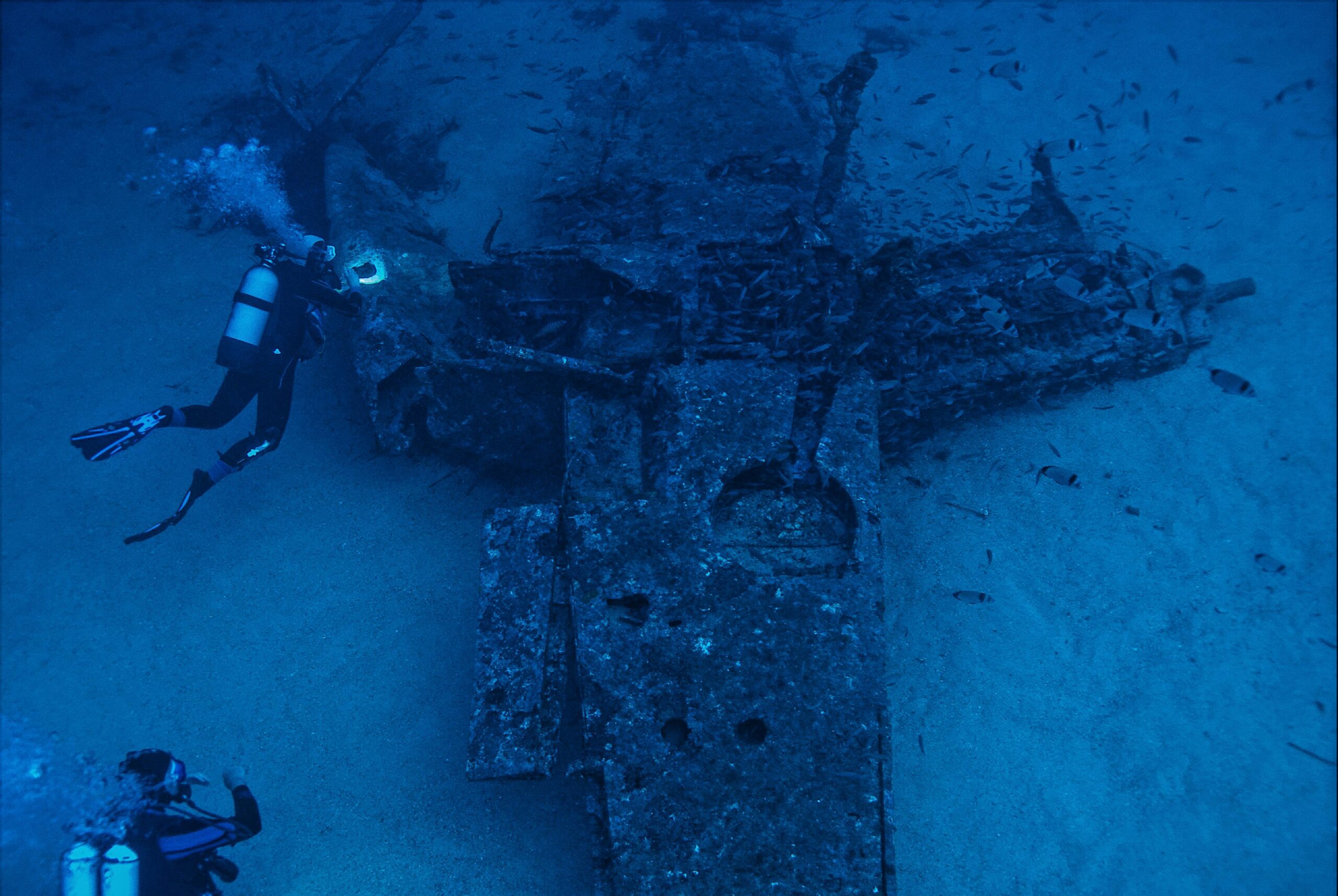
The Pacific theater of World War II presents unique preservation challenges. Numerous warships, aircraft, and submarines lie scattered across the ocean floor, serving as both archaeological sites and war graves. Legal protections for these sites must balance historical preservation with respect for the military dead and the sovereign rights of the nations whose vessels they were.
💼 Economic Interests vs. Cultural Preservation
One of the most contentious aspects of underwater heritage protection involves the collision between cultural preservation and economic interests. Commercial salvage companies argue that without the profit motive, many shipwrecks would remain undiscovered and unprotected, eventually deteriorating beyond recovery.
This argument gained traction through high-profile salvage operations like the recovery of the SS Central America, which sank in 1857 carrying tons of California gold. The salvage company invested millions in locating and recovering the wreck, arguing that their efforts preserved artifacts that would otherwise have been lost to the sea.
However, archaeologists counter that commercial salvage prioritizes valuable artifacts while destroying or ignoring the archaeological context that gives these objects scientific and historical meaning. A gold coin recovered by treasure hunters tells a fraction of the story that the same coin reveals when documented in its original position aboard a shipwreck.
The economic dimension extends beyond salvage to include tourism development. Protected underwater heritage sites can become valuable tourism assets when managed as archaeological parks or diving destinations. Countries like Egypt have developed underwater museum concepts that allow controlled public access while protecting site integrity.
🔬 Scientific Research and Documentation Standards
Legal protections for underwater heritage increasingly emphasize scientific research standards and documentation requirements. The UNESCO Convention’s Annex provides detailed rules concerning activities directed at underwater cultural heritage, establishing best practices for archaeological investigation.
Modern underwater archaeology employs sophisticated technologies including photogrammetry, acoustic imaging, and 3D modeling to create detailed site records before any artifacts are disturbed. These documentation requirements serve both scientific and legal purposes, ensuring that information is preserved even if physical artifacts deteriorate or must be removed for conservation.
The principle of minimal intervention guides contemporary archaeological practice. Researchers now recognize that future technologies may enable better preservation and analysis techniques, making it prudent to leave portions of sites undisturbed for future investigation. Legal frameworks increasingly incorporate this forward-looking approach.
Training and Capacity Building
Effective protection of underwater heritage requires trained professionals capable of conducting scientific archaeology in challenging underwater environments. Many countries lack the specialized expertise needed to protect their submerged cultural resources, creating vulnerabilities that looters can exploit.
International cooperation programs work to build capacity in developing nations through training initiatives, technology transfer, and collaborative research projects. The UNESCO Convention explicitly recognizes capacity building as essential for effective heritage protection and encourages state parties to cooperate in this area.
⚓ Enforcement Challenges and Solutions
Even the most comprehensive legal frameworks face significant enforcement challenges in the underwater environment. The ocean’s vastness, the technical difficulty of monitoring underwater sites, and the international nature of many salvage operations make enforcement extremely difficult.
Successful enforcement requires coordination between multiple agencies including coast guards, customs authorities, cultural heritage departments, and international organizations. Some countries have established specialized units dedicated to underwater heritage protection, combining archaeological expertise with law enforcement authority.
Technology plays an increasingly important role in enforcement efforts. Remote sensing technologies can detect unauthorized activities around protected sites, while databases of stolen artifacts help authorities identify illegally salvaged materials when they appear on the market.
Public awareness campaigns also contribute to enforcement by creating social pressure against looting and illegal artifact trading. When the public understands that underwater heritage belongs to everyone and that its destruction represents an irreplaceable loss, they become partners in protection efforts.
🌐 Future Directions in Heritage Protection
The field of underwater heritage protection continues to evolve as new challenges emerge and technologies advance. Climate change poses unprecedented threats to underwater sites through ocean acidification, rising sea levels, and changing current patterns that can expose or destroy previously stable wrecks.
Deep-sea mining represents another emerging threat as companies seek to exploit mineral resources on the ocean floor. Mining operations could inadvertently damage or destroy unknown archaeological sites, highlighting the need for comprehensive site surveys before industrial activities commence.
The development of autonomous underwater vehicles and artificial intelligence may revolutionize both archaeological research and site monitoring. These technologies could enable continuous surveillance of protected sites and rapid documentation of newly discovered wrecks.
Legal frameworks will need to adapt to these technological and environmental changes. Some scholars advocate for expanding protection to sites less than 100 years old when they possess exceptional historical significance, while others propose creating UNESCO World Heritage designations specifically for underwater sites.
🤝 The Role of Indigenous and Local Communities
Modern approaches to underwater heritage protection increasingly recognize the rights and interests of indigenous peoples and local communities connected to submerged sites. Many underwater locations hold cultural and spiritual significance beyond their archaeological value.
Traditional knowledge from coastal communities can provide valuable information about site locations, historical events, and appropriate management practices. Legal frameworks are beginning to incorporate mechanisms for community participation in heritage protection decisions.
The concept of intangible heritage associated with underwater sites has gained recognition. Oral traditions, maritime practices, and cultural connections to the sea form part of the heritage story that physical artifacts alone cannot tell.
🔍 Balancing Access and Protection
A fundamental challenge in underwater heritage management involves making these sites accessible to the public while ensuring their protection. Unlike terrestrial museums where artifacts can be displayed safely, underwater sites exist in an environment hostile to human presence and fragile materials.
Virtual reality and online databases offer promising solutions by allowing people worldwide to explore underwater heritage sites digitally. High-resolution imagery and 3D models can provide immersive experiences without subjecting sites to the physical impacts of visitors.
Controlled diving programs at selected sites allow recreational divers to experience underwater heritage firsthand while generating revenue for conservation efforts. These programs require careful management to prevent damage from diver contact, anchor drops, or excessive sedimentation.
Educational programs help foster public appreciation for underwater heritage and build support for protection measures. When people understand the historical significance of submerged sites and the threats they face, they become advocates for stronger legal protections.
📜 The Path Forward
Safeguarding underwater heritage requires sustained commitment from governments, international organizations, scientific institutions, and the public. Legal protections provide the essential framework, but effective preservation depends on adequate funding, political will, and cultural values that prioritize heritage over short-term economic gains.
Increased ratification of the UNESCO Convention would strengthen the international legal framework and promote harmonization of national laws. As of now, many maritime nations have not yet ratified the Convention, creating gaps in global protection.
Investment in research and technology development will enhance our ability to locate, document, and protect underwater heritage sites. Emerging technologies promise to make archaeological work more efficient and less intrusive while improving long-term monitoring capabilities.
The ultimate success of underwater heritage protection depends on recognizing these sites not as repositories of treasure but as irreplaceable historical records that belong to all humanity. Every shipwreck, submerged settlement, and underwater artifact tells part of our collective human story—a story that deserves to be preserved, studied, and shared with future generations.
As we move forward, the challenge remains to balance the competing interests of research, preservation, economic development, and public access. The legal frameworks we build today will determine whether future generations inherit a rich underwater cultural heritage or merely scattered remnants of what once existed beneath the waves. The choice is ours to make, and the time to act is now.

Toni Santos is a maritime researcher and underwater archaeologist specializing in the study of submerged heritage, ancient port systems, and the cultural landscapes preserved beneath the sea. Through an interdisciplinary and immersive approach, Toni investigates how humanity has left traces of knowledge, commerce, and legend in the underwater world — across oceans, myths, and sunken cities.
His work is grounded in a fascination with wrecks not only as artifacts, but as carriers of hidden meaning. From historic shipwreck discoveries to mythical harbors and lost coastal settlements, Toni uncovers the physical and cultural evidence through which civilizations preserved their relationship with the maritime unknown.
With a background in marine archaeology and underwater survey methods, Toni blends technical analysis with archival research to reveal how oceans were used to shape identity, transmit memory, and encode sacred knowledge.
As the creative mind behind revaltro, Toni curates documented dive studies, speculative harbor maps, and archaeological interpretations that revive the deep cultural ties between water, folklore, and forgotten science.
His work is a tribute to:
The submerged heritage of Historic Shipwrecks and Their Cargoes
The legendary sites of Mythical Harbors and Lost Civilizations
The technical methods of Underwater Exploration Techniques
The natural archiving power of Preservation in Salt and Sediment
Whether you’re a maritime historian, nautical researcher, or curious explorer of forgotten submerged worlds, Toni invites you to explore the hidden depths of oceanic heritage — one wreck, one harbor, one legend at a time.