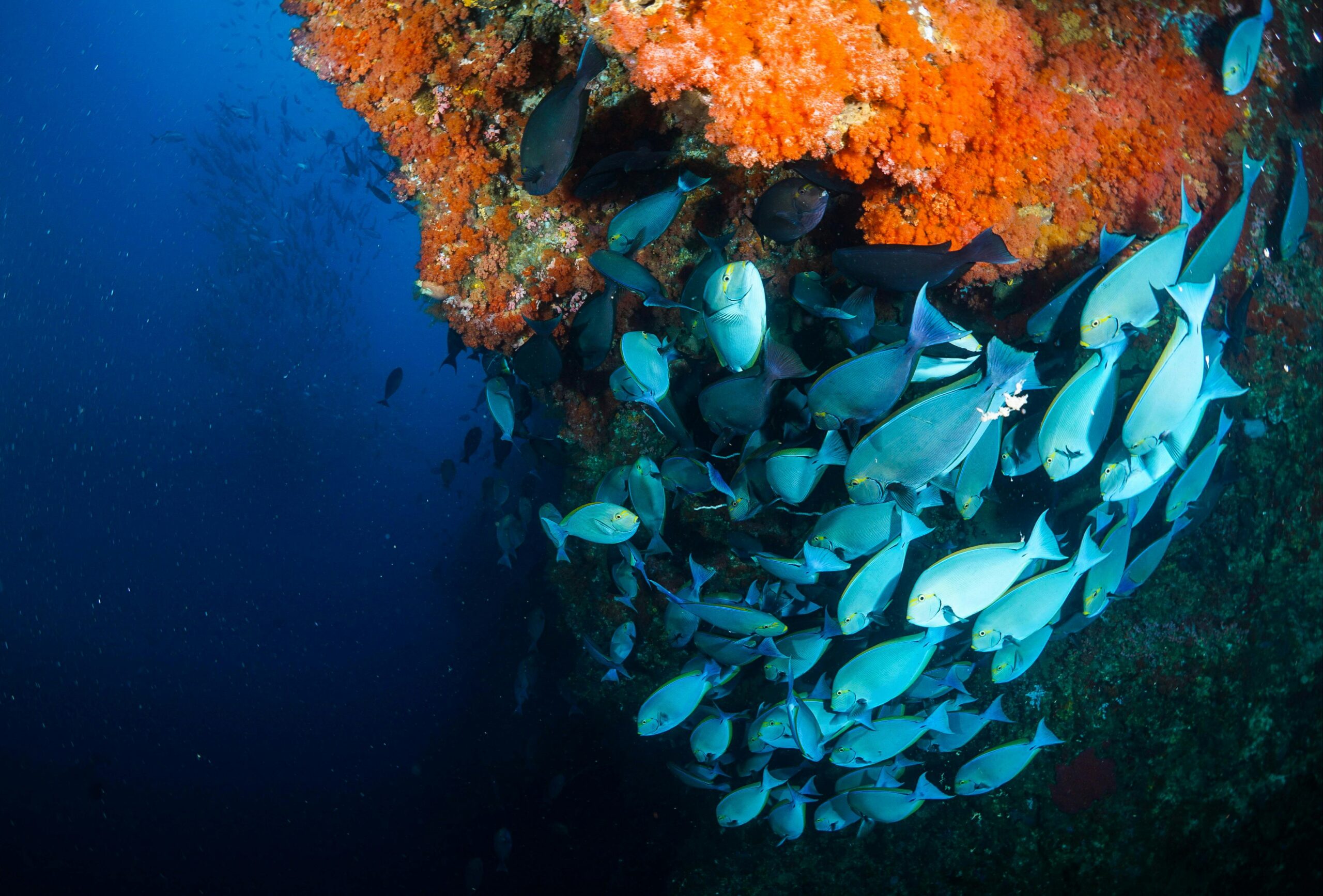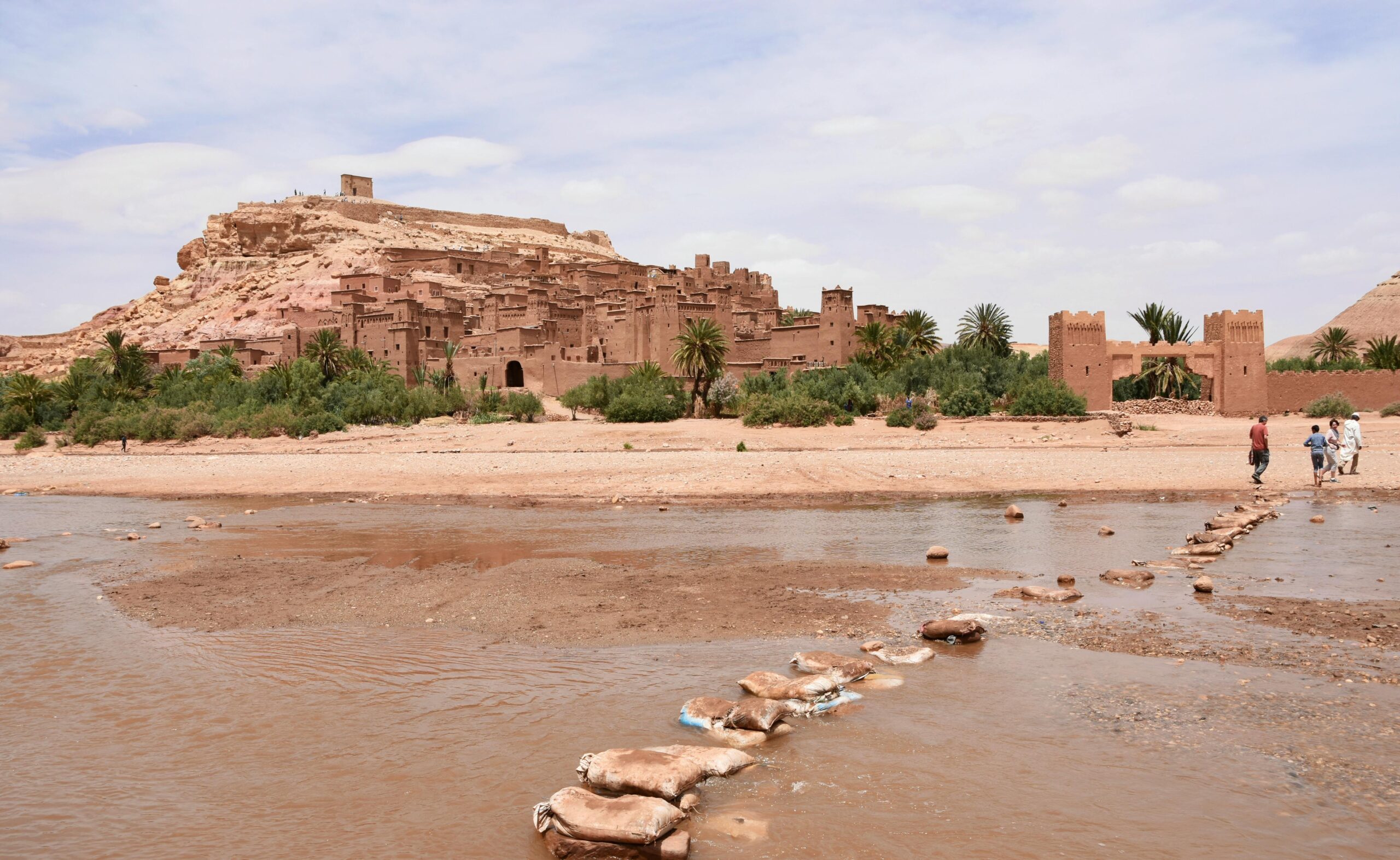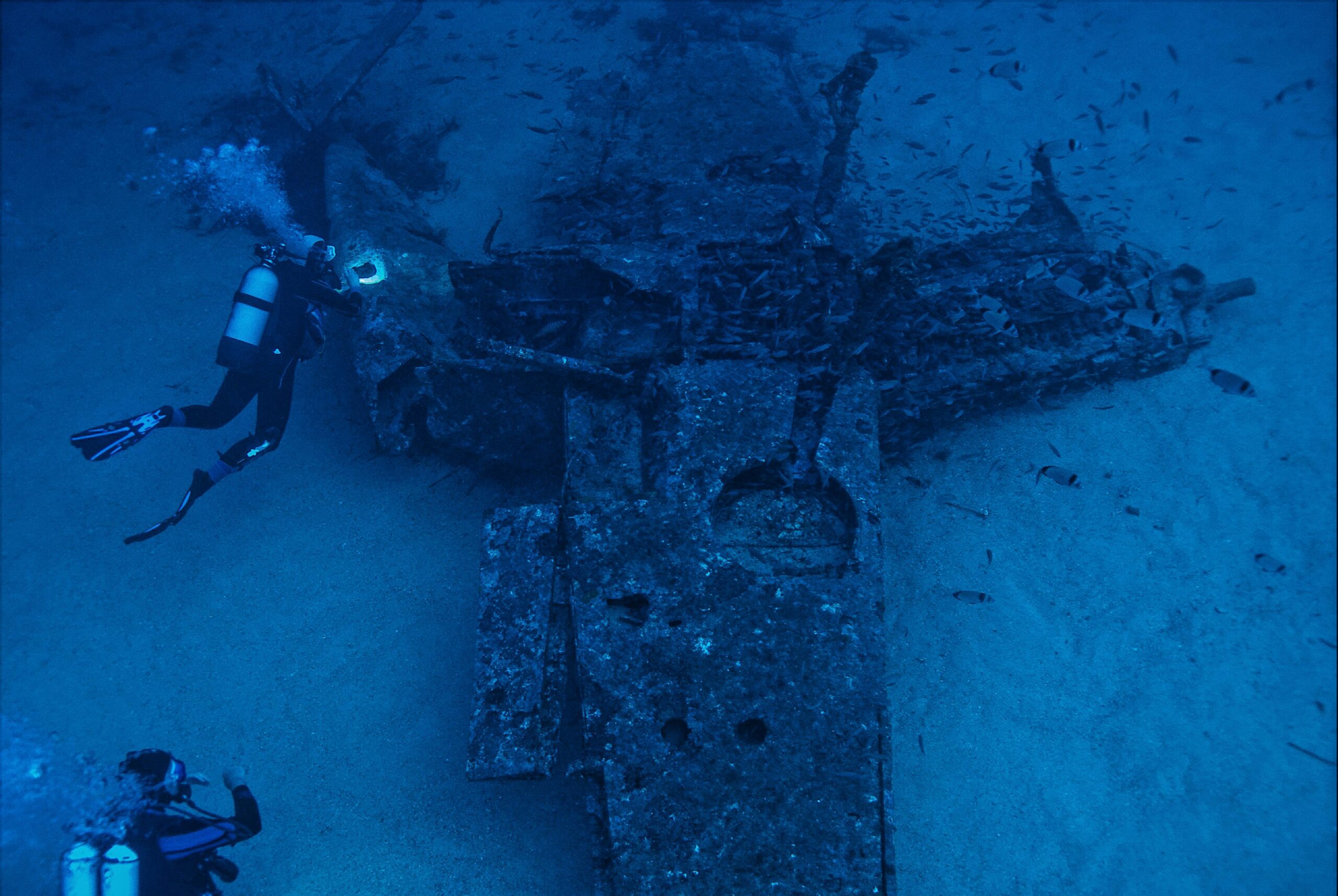
Beneath the ocean’s surface lies a world frozen in time, where ancient cities and forgotten civilizations whisper their secrets through the silent depths of our seas. 🌊
The mysteries hidden below our oceans have captivated explorers, archaeologists, and historians for centuries. Submerged settlements represent more than just remnants of the past—they are time capsules that preserve invaluable information about human civilization, natural disasters, climate change, and the evolution of societies across millennia. As technology advances, our ability to explore these underwater realms has transformed dramatically, revealing astonishing discoveries that challenge our understanding of ancient history and human achievement.
The Allure of Lost Civilizations Below the Surface
The concept of sunken cities has fascinated humanity since ancient times, with legendary tales like Atlantis capturing our collective imagination. While Plato’s mythical island remains elusive, real submerged settlements discovered worldwide prove that truth can be just as remarkable as fiction. These underwater archaeological sites offer unprecedented glimpses into past civilizations, preserved in ways that land-based ruins simply cannot match.
Water acts as a remarkable preservative, protecting organic materials and structures from the erosion, pollution, and human interference that typically destroy surface artifacts. Wood, textiles, and even food items that would disintegrate on land can survive for thousands of years beneath the waves. This unique preservation creates archaeological sites of extraordinary scientific value, where daily life from millennia ago remains remarkably intact.
Revolutionary Technology Transforming Underwater Archaeology
Modern underwater exploration has evolved far beyond the capabilities of early diving pioneers. Today’s archaeologists employ sophisticated technologies that would have seemed like science fiction just decades ago. Remote-operated vehicles (ROVs), autonomous underwater vehicles (AUVs), and advanced sonar systems allow researchers to map vast underwater landscapes with unprecedented precision.
Multibeam sonar technology creates detailed three-dimensional images of the seafloor, revealing structures and anomalies that might indicate human habitation. Side-scan sonar sweeps large areas quickly, identifying potential sites for further investigation. Sub-bottom profilers penetrate sediment layers, uncovering buried structures without disturbing the site.
Photogrammetry has revolutionized documentation processes, enabling researchers to create accurate digital models of submerged ruins. These virtual reconstructions allow scientists worldwide to study sites without the expense and environmental impact of physical visits. Artificial intelligence and machine learning algorithms now assist in analyzing underwater imagery, identifying patterns and artifacts that human observers might miss.
Diving Deeper with Advanced Equipment 🤿
Technical diving equipment has extended the depths and durations archaeologists can safely explore. Closed-circuit rebreathers recycle exhaled gas, extending dive times and reducing decompression requirements. Mixed-gas systems allow divers to reach depths previously accessible only to submarines. Underwater communication systems enable real-time collaboration between surface teams and submerged archaeologists.
The development of underwater excavation tools specifically designed for archaeological work has improved both efficiency and precision. Airlift systems remove sediment without damaging delicate artifacts. Underwater metal detectors locate buried objects. Specialized cameras document finds in situ before removal, preserving crucial contextual information.
Famous Submerged Settlements That Rewrote History
Archaeological discoveries beneath the waves have fundamentally altered our understanding of human history, revealing advanced civilizations and settlements in unexpected locations. These sites demonstrate that coastal communities have always been vulnerable to rising seas, seismic events, and sudden catastrophes.
Pavlopetri: The Oldest Submerged City
Off the southern coast of Greece lies Pavlopetri, dating back approximately 5,000 years, making it one of the oldest submerged cities ever discovered. This Bronze Age settlement features complete street layouts, buildings with multiple rooms, courtyards, and even a sophisticated water management system. The city’s preservation is exceptional, offering invaluable insights into Mycenaean urban planning and daily life.
Researchers believe an earthquake around 1000 BCE caused Pavlopetri’s submersion. The settlement covers approximately 50,000 square meters and includes at least 15 distinct buildings. Archaeological expeditions have recovered pottery, tools, and other artifacts that illuminate trade networks connecting ancient Mediterranean civilizations.
Dwarka: India’s Legendary Sunken Kingdom
The waters off Gujarat’s coast conceal structures that many believe represent the legendary city of Dwarka, described in Hindu texts as Lord Krishna’s magnificent capital. Marine archaeologists have documented stone structures, walls, and artifacts dating back thousands of years. While debates continue about the site’s exact identity and age, discoveries here have challenged conventional timelines of Indian civilization.
Excavations have revealed anchor stones, pottery fragments, and architectural remains suggesting a sophisticated settlement. Some researchers date these structures to 7,500-9,000 years ago, which would make them among the oldest marine archaeological sites discovered. The site demonstrates how mythology and archaeology sometimes intersect, with ancient texts potentially preserving historical memories.
Heracleion: Egypt’s Lost Port City
For centuries, Heracleion existed only in ancient texts as a legendary Egyptian port city. In 2000, French archaeologist Franck Goddio’s team discovered the remarkably preserved ruins beneath Abu Qir Bay. The city, which sank around the 8th century CE due to liquefaction and rising sea levels, contains colossal statues, temple remains, ships, gold coins, and countless artifacts.
Heracleion served as Egypt’s main international port before Alexandria’s founding. The discovery of intact ships provides unprecedented information about ancient maritime technology and trade routes. Inscriptions found at the site have resolved historical debates about Egyptian religious practices and political relationships with Greece.
What Submerged Settlements Reveal About Climate Change
Underwater archaeological sites serve as powerful evidence of historical climate variations and sea-level changes. By studying when and how settlements became submerged, scientists can reconstruct past environmental conditions and predict future changes with greater accuracy.
Many coastal settlements were inundated during the post-glacial sea-level rise that occurred between 20,000 and 6,000 years ago. During the last ice age, sea levels were approximately 120 meters lower than today, exposing vast coastal plains where human communities thrived. As glaciers melted, these settlements gradually disappeared beneath rising waters, preserving snapshots of prehistoric life.
Reading Nature’s Warning Signs 🌍
Submerged forests, sometimes called “ghost forests,” appear along coastlines worldwide where rising seas have killed terrestrial vegetation. These drowned landscapes provide chronological markers for sea-level changes and offer warnings about accelerating modern coastal erosion.
Archaeological evidence from sunken settlements demonstrates that previous civilizations underestimated environmental risks, building substantial cities in locations eventually reclaimed by the sea. This historical perspective becomes increasingly relevant as contemporary coastal cities face similar threats from climate change and rising ocean levels.
Preservation Challenges and Ethical Considerations
Underwater archaeological sites face unique preservation challenges that require careful management and international cooperation. Unlike terrestrial sites, submerged settlements cannot be fenced off or protected by traditional security measures. They remain vulnerable to looting, unauthorized salvage operations, and environmental degradation.
The UNESCO Convention on the Protection of the Underwater Cultural Heritage, adopted in 2001, established international standards for managing submerged archaeological sites. The convention emphasizes in situ preservation, recognizing that underwater sites are often best protected by leaving them undisturbed rather than excavating artifacts.
Balancing Access and Protection
A fundamental tension exists between making underwater archaeological sites accessible for research, education, and tourism while protecting them from damage. Some sites have been developed as dive tourism destinations, generating revenue that supports conservation efforts. However, increased visitation brings risks of physical damage, artifact theft, and ecosystem disruption.
Virtual reality and digital reconstruction technologies offer promising solutions, allowing people worldwide to experience submerged settlements without threatening their preservation. High-resolution 3D models enable interactive exploration of underwater ruins from home, democratizing access while protecting fragile sites.
Cutting-Edge Research Methods Revealing New Discoveries
Contemporary underwater archaeology employs interdisciplinary approaches, combining traditional archaeological methods with marine biology, geology, chemistry, and computer science. This integration produces richer interpretations of submerged settlements and their inhabitants.
Environmental DNA (eDNA) analysis can identify species that inhabited ancient underwater environments, reconstructing ecosystems and revealing what foods ancient people consumed. Isotope analysis of human remains found at submerged sites provides information about diet, migration patterns, and climate conditions. Chemical analysis of sediment cores creates detailed environmental histories spanning thousands of years.
Artificial Intelligence in Archaeological Discovery
Machine learning algorithms are transforming how researchers identify and analyze underwater archaeological sites. AI systems trained on known archaeological features can scan satellite imagery and sonar data, flagging potential sites for human review. These technologies dramatically accelerate the discovery process, identifying promising locations that might otherwise remain overlooked.
Neural networks assist in reconstructing fragmentary artifacts, virtually reassembling pottery shards and architectural elements. Natural language processing helps researchers analyze historical texts mentioning lost cities, cross-referencing descriptions with geographical and geological data to predict site locations.
The Economic Value of Underwater Cultural Heritage
Submerged archaeological sites generate significant economic benefits through heritage tourism, educational programs, and scientific research. Coastal communities near important underwater sites often develop tourism infrastructure, creating employment and supporting local economies.
The monetary value of artifacts recovered from shipwrecks and submerged settlements can be substantial, creating tensions between archaeological preservation and commercial salvage operations. High-profile cases involving treasure hunters and archaeologists highlight ongoing debates about who owns underwater cultural heritage and how it should be managed.
| Economic Benefit | Example | Impact |
|---|---|---|
| Heritage Tourism | Underwater archaeological parks | Job creation, local business support |
| Educational Programs | University research initiatives | Knowledge advancement, student training |
| Documentary Production | Films and television series | Public engagement, cultural awareness |
| Technology Development | Underwater robotics innovation | Commercial applications beyond archaeology |
Mysteries Still Waiting Beneath the Waves
Despite remarkable technological advances, vast areas of the ocean floor remain unexplored. Scientists estimate that we’ve mapped only about 20% of the seafloor in high resolution, meaning countless submerged settlements likely await discovery. Each new find has the potential to revolutionize our understanding of human history.
Legends of lost cities persist worldwide, from the submerged lands of Lyonesse off Cornwall to the mysterious structures reported near Japan’s Yonaguni Island. While skepticism is warranted, history demonstrates that dismissing such accounts entirely would be premature—many “legendary” sites eventually proved real.
The Promise of Future Exploration 🔍
Emerging technologies promise to accelerate underwater archaeological discovery dramatically. Quantum sensing may soon detect buried structures with unprecedented precision. Advanced materials science is developing corrosion-resistant equipment capable of exploring the deepest ocean trenches. Space-based remote sensing systems identify subtle seafloor features from orbit.
Citizen science initiatives are democratizing underwater exploration, with recreational divers contributing observations and photographs to archaeological databases. Crowdsourced data helps researchers prioritize sites for professional investigation and monitor known sites for unauthorized disturbance.
Lessons from the Deep: What Sunken Cities Teach Us
Submerged settlements offer profound lessons about human resilience, environmental vulnerability, and civilization’s impermanence. They remind us that mighty cities and powerful empires can disappear beneath the waves, their grandeur reduced to ruins explored by divers and remotely operated vehicles.
These underwater time capsules demonstrate how previous generations adapted to environmental changes, sometimes successfully, sometimes catastrophically. Understanding how ancient coastal communities responded to rising seas, earthquakes, and tsunamis provides valuable context for contemporary climate adaptation planning.
The preservation of everyday objects in submerged settlements—cooking pots, children’s toys, tools, and personal items—humanizes ancient peoples in ways that monumental architecture cannot. These intimate artifacts connect us across millennia, revealing universal human experiences that transcend cultural and temporal boundaries.
Inspiring the Next Generation of Ocean Explorers
Underwater archaeology captures public imagination in unique ways, combining adventure, mystery, history, and cutting-edge technology. Educational programs introducing students to submerged cultural heritage inspire interest in archaeology, marine science, conservation, and technology.
Virtual diving experiences and interactive online exhibits make underwater archaeological sites accessible to audiences who might never physically visit them. These digital resources democratize knowledge while fostering appreciation for underwater cultural heritage preservation.
The interdisciplinary nature of underwater archaeology—requiring expertise in diving, history, conservation, technology, and more—demonstrates how complex modern research challenges demand collaborative approaches and diverse skill sets. This reality makes the field particularly valuable for educational purposes, showing students how different disciplines integrate to solve real-world problems.
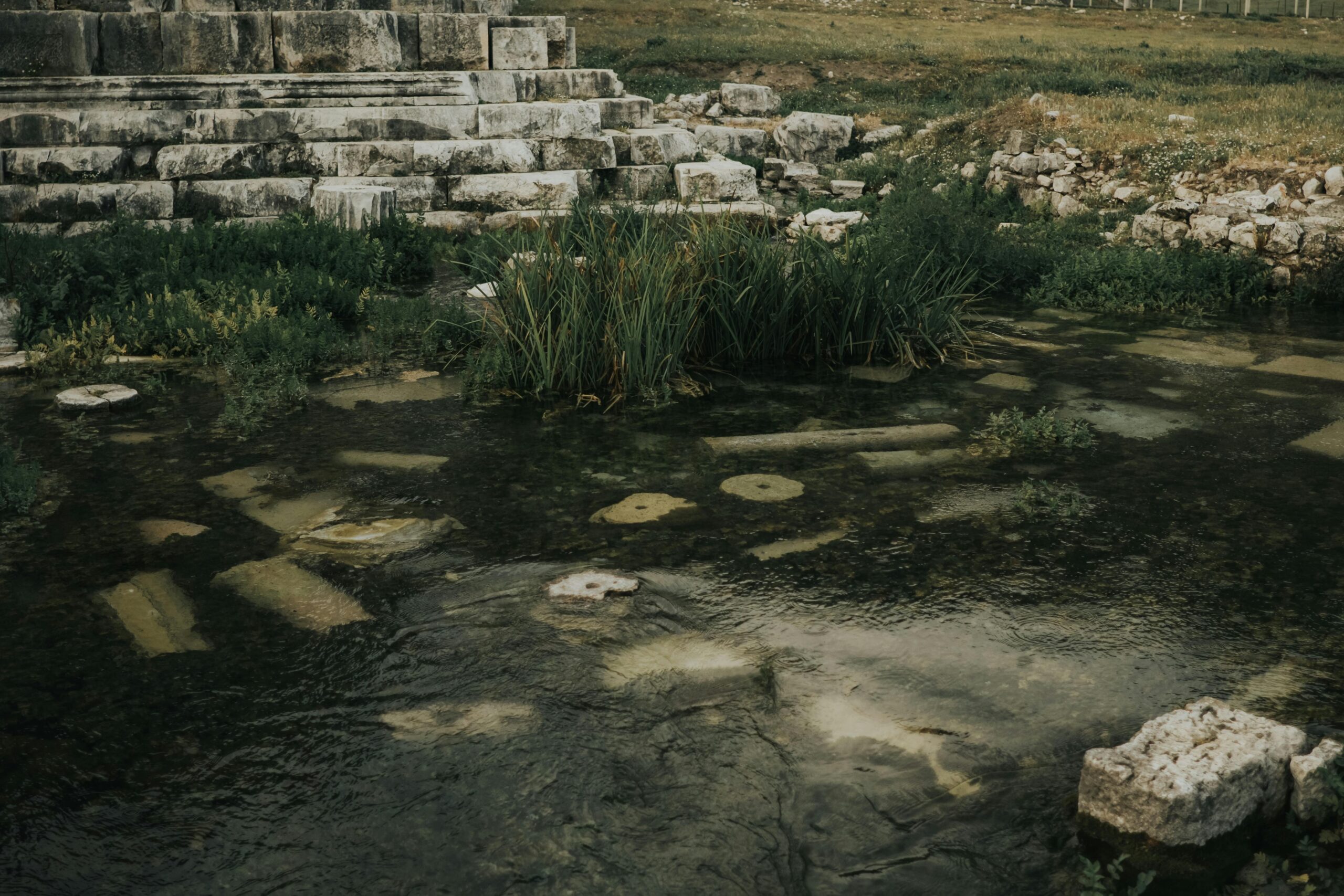
Protecting Our Submerged Heritage for Tomorrow
As we continue discovering and studying submerged settlements, the imperative to protect these irreplaceable resources becomes increasingly urgent. Climate change, ocean acidification, pollution, and unauthorized salvage operations threaten underwater archaeological sites worldwide. Without proactive preservation efforts, many sites will deteriorate beyond recovery before being properly documented or understood.
International cooperation is essential for effective protection, as underwater cultural heritage transcends national boundaries and requires resources beyond what individual nations can provide. Information sharing, collaborative research projects, and coordinated enforcement against looting strengthen global preservation efforts.
Public education about the value and vulnerability of submerged settlements builds support for conservation initiatives. When people understand what’s at stake beneath the waves, they become advocates for protection, sustainable tourism practices, and responsible coastal development.
The treasures unearthed beneath the waves represent more than archaeological curiosities—they are chapters in humanity’s shared story, preserved by chance and circumstance for future generations to discover. As technology advances and exploration continues, these submerged settlements will undoubtedly reveal even more secrets, challenging our assumptions and expanding our understanding of who we are and where we came from. The ocean depths still hold countless mysteries waiting to transform our knowledge of human history, reminding us that the past is never truly lost—sometimes it’s just waiting to be rediscovered beneath the waves. 🌊✨

Toni Santos is a maritime researcher and underwater archaeologist specializing in the study of submerged heritage, ancient port systems, and the cultural landscapes preserved beneath the sea. Through an interdisciplinary and immersive approach, Toni investigates how humanity has left traces of knowledge, commerce, and legend in the underwater world — across oceans, myths, and sunken cities.
His work is grounded in a fascination with wrecks not only as artifacts, but as carriers of hidden meaning. From historic shipwreck discoveries to mythical harbors and lost coastal settlements, Toni uncovers the physical and cultural evidence through which civilizations preserved their relationship with the maritime unknown.
With a background in marine archaeology and underwater survey methods, Toni blends technical analysis with archival research to reveal how oceans were used to shape identity, transmit memory, and encode sacred knowledge.
As the creative mind behind revaltro, Toni curates documented dive studies, speculative harbor maps, and archaeological interpretations that revive the deep cultural ties between water, folklore, and forgotten science.
His work is a tribute to:
The submerged heritage of Historic Shipwrecks and Their Cargoes
The legendary sites of Mythical Harbors and Lost Civilizations
The technical methods of Underwater Exploration Techniques
The natural archiving power of Preservation in Salt and Sediment
Whether you’re a maritime historian, nautical researcher, or curious explorer of forgotten submerged worlds, Toni invites you to explore the hidden depths of oceanic heritage — one wreck, one harbor, one legend at a time.