Beneath the ocean’s surface lies a hidden world where faith and history converge—submerged temples, churches, and sacred sites that whisper tales of civilizations past.
🌊 When Faith Meets the Deep: The Allure of Underwater Religious Sites
The ocean has always been humanity’s greatest keeper of secrets. Among its most fascinating treasures are religious structures that now rest beneath the waves, creating an ethereal intersection of spirituality, archaeology, and natural wonder. These sunken sanctuaries offer us a unique window into ancient civilizations, catastrophic events, and the enduring power of human faith.
From deliberately flooded temples during dam construction to ancient cities claimed by rising seas and natural disasters, these submerged sacred spaces continue to captivate archaeologists, divers, and spiritual seekers alike. Each site tells a story—not just of architectural achievement, but of the communities that built them, worshipped within their walls, and ultimately watched them disappear beneath the water.
The phenomenon of underwater religious structures spans continents and cultures. Whether it’s a Hindu temple in India, a Christian church in Italy, or ancient Mediterranean sanctuaries, these sites represent humanity’s universal desire to connect with the divine, even as the elements reclaim our most sacred spaces.
⛪ Notable Sunken Sanctuaries Around the Globe
The Submerged Temples of Mahabalipuram, India
Off the coast of Tamil Nadu, India, lies one of the most significant underwater archaeological discoveries of recent decades. The Shore Temple at Mahabalipuram, a UNESCO World Heritage Site, stands partially submerged, but evidence suggests it was once part of a much larger temple complex. Marine archaeologists have discovered remnants of at least five additional temples beneath the waves.
These structures date back to the Pallava dynasty of the 7th and 8th centuries. Local legends spoke of “Seven Pagodas” for centuries before modern technology confirmed their existence. The discovery validated ancient Tamil texts and oral traditions, demonstrating how folklore often preserves historical truth.
The submerged structures feature the characteristic Dravidian architectural style, with intricate carvings still visible despite centuries of erosion. Divers report seeing carved elephants, lions, and divine figures frozen in their underwater sanctuary, creating an otherworldly diving experience that combines adventure with spiritual reflection.
Italy’s Ghost Church in Lake Resia
In the Italian Alps, a solitary bell tower rises from the turquoise waters of Lake Resia, marking the location of the village of Curon. This haunting structure belongs to a 14th-century church that was deliberately flooded in 1950 when the valley was converted into a reservoir for hydroelectric power.
The entire village of Curon was evacuated and demolished, but the bell tower was preserved as a memorial. During winter, when the lake freezes, visitors can walk across the ice to reach the tower. Local legends claim that on certain days, bells can still be heard ringing from beneath the water, though the bells were actually removed before flooding.
This site represents a different category of sunken sanctuary—one sacrificed not to natural disaster but to modern progress. It serves as a poignant reminder of the communities displaced by development and the spiritual homes they left behind.
The Flooded Churches of Potosi, Venezuela
When the Uribante Caparo reservoir was created in 1985 in Venezuela, the town of Potosi was submerged, including its church. During droughts, when water levels drop significantly, the church’s Gothic-style structure emerges from the waters like a resurrection, drawing pilgrims and tourists alike.
The phenomenon has become so predictable during severe dry seasons that it has turned into a macabre tourist attraction. People gather to photograph the exposed structure, and some former residents return to visit the physical remnant of their abandoned hometown.
🏛️ Ancient Mediterranean Mysteries
The Underwater Structures of Pavlopetri, Greece
Pavlopetri, off the coast of southern Laconia in Greece, is considered the oldest submerged city in the world, dating back approximately 5,000 years. While not exclusively a religious site, archaeological surveys have identified structures believed to be temples and ritual spaces.
This Bronze Age city offers unprecedented insight into pre-Classical Greek civilization. The preservation is remarkable—streets, buildings, courtyards, and tombs remain relatively intact. The religious structures identified here would have been central to community life, and their underwater preservation allows researchers to study ancient worship practices with unusual clarity.
Baiae: Rome’s Sunken Pleasure City
The ancient Roman resort town of Baiae, once the Las Vegas of the Roman Empire, now lies beneath the Bay of Naples. Among its submerged ruins are several temples dedicated to Venus, Mercury, and Diana. The town was famous for its hot springs, which held spiritual significance as well as recreational appeal.
Today, snorkelers and divers can swim through remarkably preserved mosaics, statues, and temple foundations. The site offers a unique glimpse into Roman religious practices and the integration of spirituality with leisure in ancient culture. The clear Mediterranean waters allow for excellent visibility, making this one of the most accessible underwater archaeological sites.
🕌 Deliberate Submersion: Modern Reservoir Temples
The Temple of Santiago in Mexico
In the Grijalva River in Chiapas, Mexico, the 16th-century Dominican temple known as the Temple of Santiago (or Temple of Quechula) periodically emerges from the Nezahualcoyotl reservoir. Built by Dominican friars who arrived in the region in the 1560s, the temple served the local population until a plague in 1773-1776 devastated the area.
The temple was flooded in 1966 when the dam was completed. In 2015, during a severe drought, water levels dropped so dramatically that visitors could walk through the structure’s doorways and see the intact altar and confessional. The reemergence drew thousands of visitors and sparked renewed interest in the region’s colonial history.
Vyrnwy’s Submerged Village Church, Wales
Lake Vyrnwy in Wales was created in the 1880s to supply water to Liverpool. The process required flooding the village of Llanwddyn, including its church and chapel. Before submersion, the dead were exhumed and reburied, and the church was demolished—only the graveyard stones remain beneath the water.
A new church was built for the displaced community, but the loss of the original sacred space remained a source of grief. During extreme droughts, remnants of the old village sometimes appear, including foundations that hint at where the church once stood.
🔍 Archaeological Significance and Research Methods
Underwater religious sites present unique archaeological opportunities and challenges. The anaerobic environment of deep water can preserve organic materials—wood, textiles, paper—that would decay rapidly on land. This has allowed researchers to recover artifacts that provide unprecedented insight into religious practices.
Modern technology has revolutionized the study of these sites. Remotely operated vehicles (ROVs), sonar mapping, photogrammetry, and specialized diving equipment allow archaeologists to document and study structures without disturbing them. Three-dimensional modeling creates virtual reconstructions that scholars can study without the dangers and expenses of repeated dives.
Several research methods have proven particularly valuable:
- Side-scan sonar: Creates detailed images of the seafloor, revealing structures and anomalies
- Magnetometry: Detects metal objects and helps map archaeological sites
- Photogrammetry: Produces accurate 3D models from multiple photographs
- Underwater excavation: Carefully removes sediment to reveal artifacts and structures
- Environmental monitoring: Tracks how marine conditions affect preservation
🌍 Why Religious Structures End Up Underwater
Understanding how these sacred spaces became submerged reveals much about both natural history and human activity. The causes vary widely and often tell dramatic stories of their own.
Natural Disasters and Geological Events
Earthquakes, tsunamis, and volcanic activity have claimed numerous coastal religious sites. The subsidence of land following earthquakes is particularly common in seismically active regions like the Mediterranean and Pacific Rim. Sites like ancient Baiae gradually sank due to volcanic activity and bradyseism—the gradual rising and falling of the Earth’s surface.
The catastrophic tsunami that devastated the Indian Ocean in 2004 revealed previously unknown submerged structures near Mahabalipuram, suggesting that earlier tsunamis might have claimed ancient temples, just as local legends had always maintained.
Sea Level Rise and Climate Change
Over millennia, rising sea levels have progressively claimed coastal settlements. Many structures that were built well inland during ancient times now rest beneath the waves. This process continues today, accelerated by modern climate change, threatening current coastal religious sites.
Archaeological evidence from sites like Pavlopetri demonstrates how ancient communities adapted to gradual environmental changes before eventually abandoning settlements to the advancing sea.
Intentional Flooding for Development
The 20th century saw numerous valleys flooded to create reservoirs for hydroelectric power and water supply. This process displaced countless communities and submerged hundreds of villages, along with their churches, temples, and sacred sites.
While controversial, these projects sometimes included documentation efforts before flooding, creating valuable historical records. In some cases, like Italy’s Lake Resia, architectural elements were deliberately preserved as monuments.
⚓ The Spiritual Dimension: Sacred Spaces Transformed
For many people, these sunken sanctuaries retain their spiritual significance despite—or perhaps because of—their submersion. The transformation from terrestrial temple to underwater shrine creates a new kind of sacred space that resonates with contemporary spiritual seekers.
Divers often describe profound emotional experiences when exploring these sites. Swimming through a submerged church or temple creates a unique form of engagement with history and spirituality. The silence, the filtered light, and the presence of marine life within sacred architecture combine to create an almost meditative environment.
Some communities maintain spiritual connections to their flooded sacred sites. When drought exposes the Temple of Santiago or the church at Potosi, former residents and their descendants return not just as tourists but as pilgrims, reconnecting with their spiritual heritage.
🐠 Ecological Transformation: From Temple to Artificial Reef
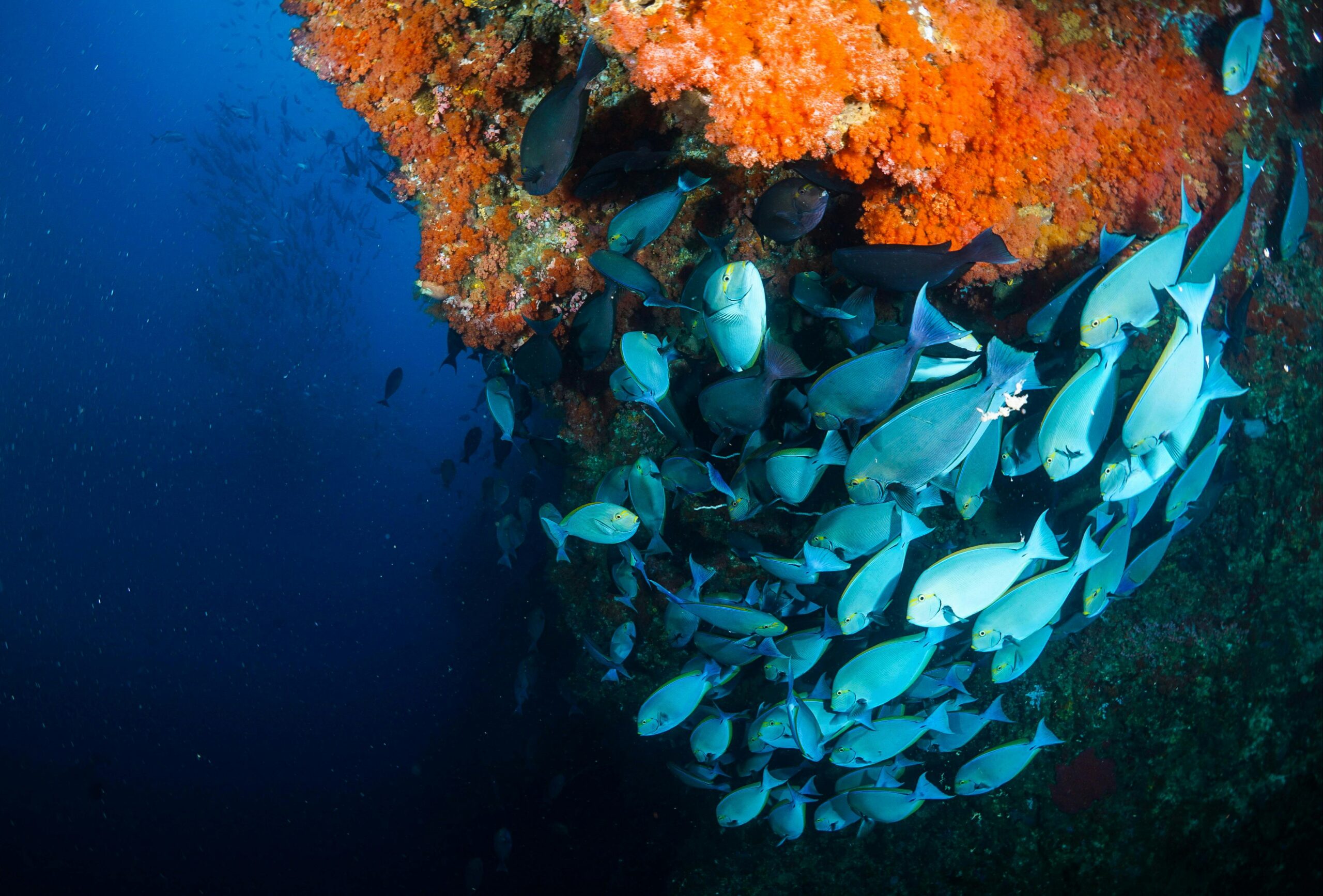
Submerged religious structures often become thriving artificial reefs, creating ecological value alongside their historical and spiritual significance. The complex architecture provides habitat for diverse marine species, from tiny invertebrates to large fish populations.
This transformation adds another layer of meaning to these sites. A temple built to honor the divine becomes a cradle of marine life, supporting ecosystems in ways its builders never imagined. The intersection of human heritage and natural process creates living monuments that evolve continuously.
Conservation efforts must balance archaeological preservation with ecological value. Removing marine growth might improve visibility for study and tourism, but it destroys habitat. Most sites now follow protocols that protect both cultural heritage and marine ecosystems.
📱 Exploring Sunken Sanctuaries: Access and Tourism
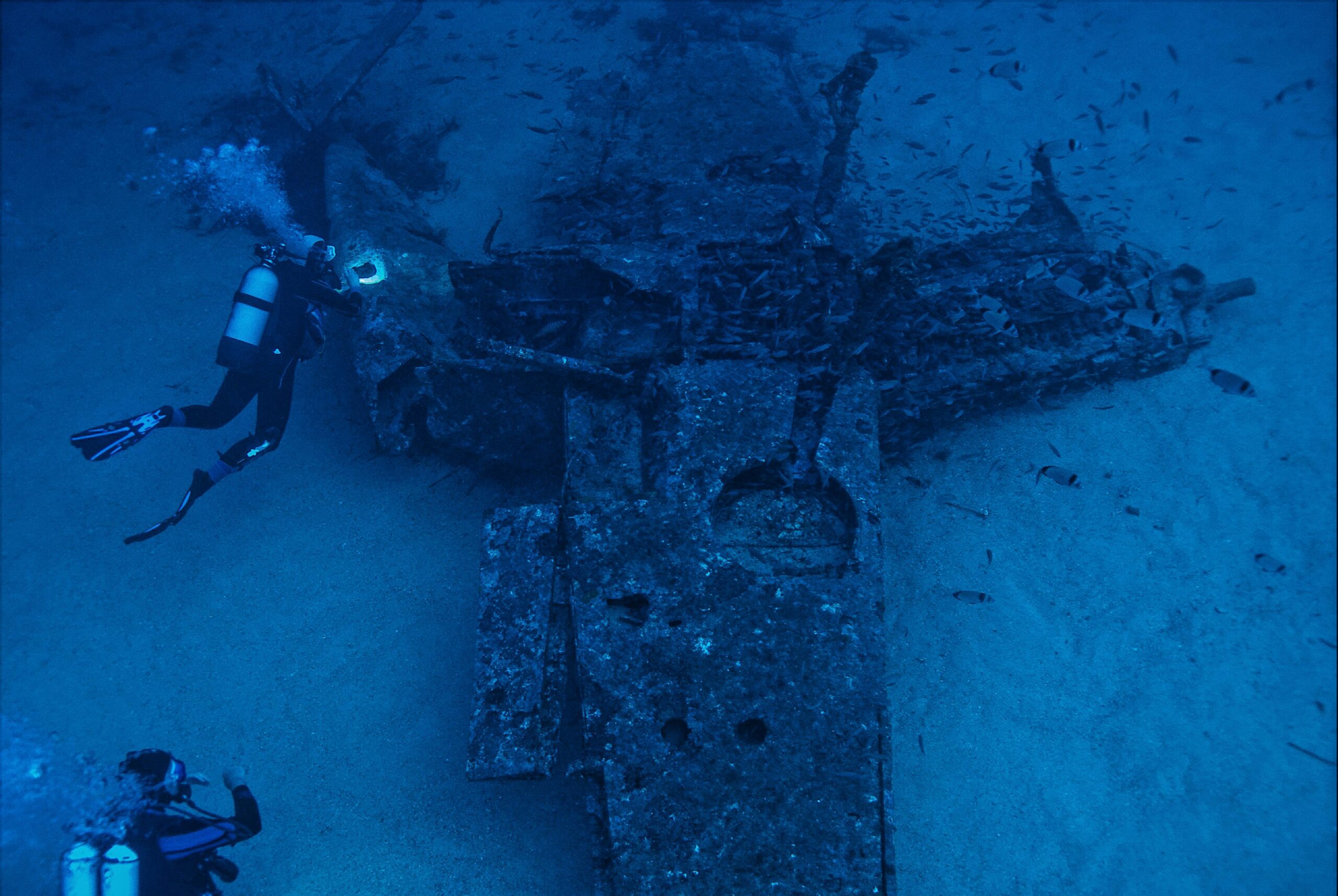
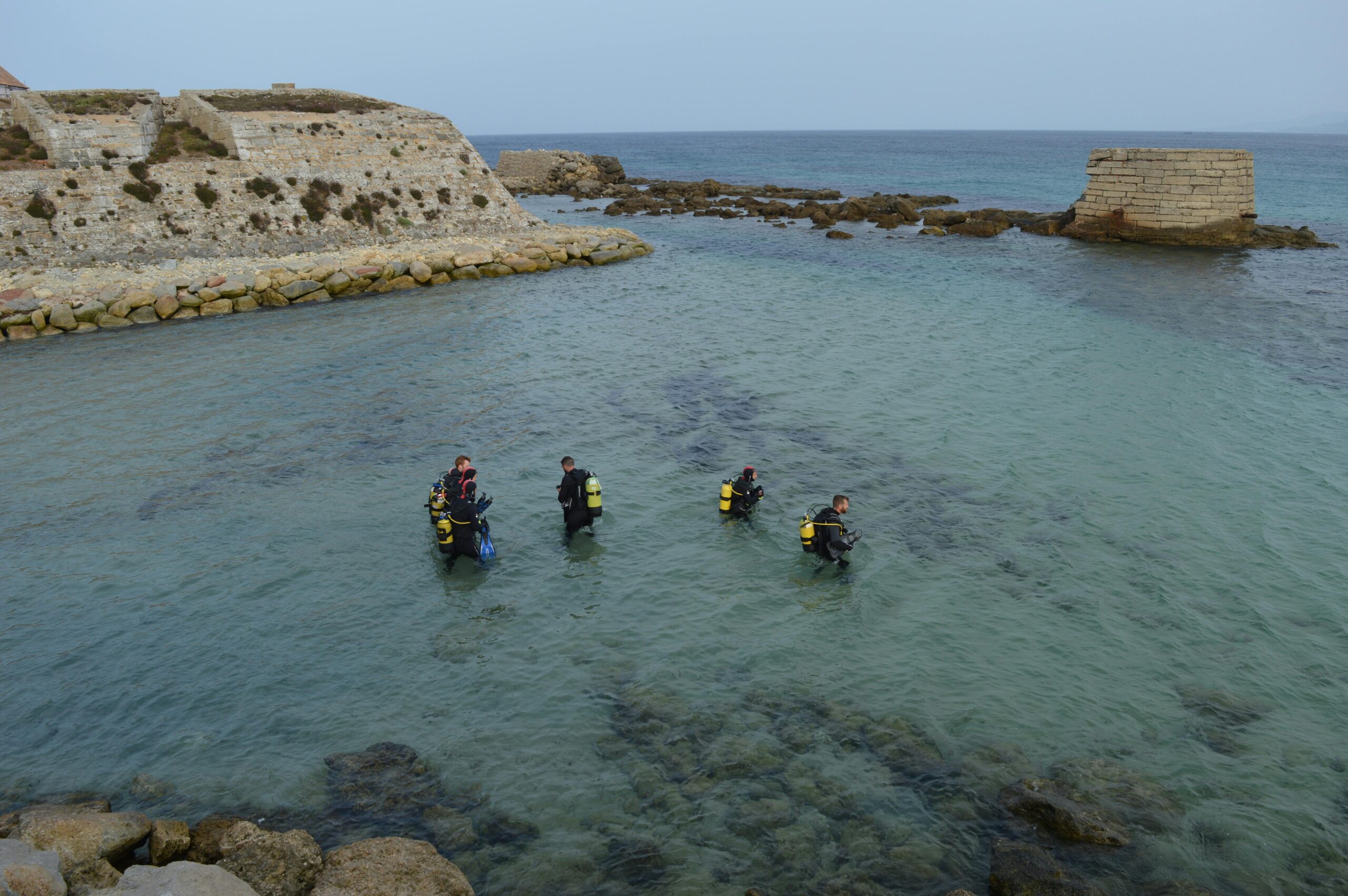
Many underwater religious sites have become diving destinations, offering certified divers the chance to experience these extraordinary locations firsthand. Responsible dive operators provide guided tours that emphasize conservation and respect for both cultural heritage and marine environments.
For non-divers, several sites offer alternatives. Snorkeling is possible at shallow locations like Baiae. Glass-bottom boats provide views at some sites, and many organizations have created virtual reality experiences based on photogrammetric models, making these wonders accessible to everyone.
Before planning a visit to any underwater archaeological site, research local regulations. Many sites have protected status with restrictions on touching, removing artifacts, or certain types of photography. Respecting these rules ensures preservation for future generations.
💭 Preserving Underwater Heritage for the Future
Underwater cultural heritage faces unique preservation challenges. Marine organisms, water chemistry, currents, and human interaction all affect these sites. UNESCO’s Convention on the Protection of Underwater Cultural Heritage provides international frameworks for protection, though not all countries have ratified it.
The biggest threats to sunken sanctuaries include:
- Looting and unauthorized artifact removal
- Damage from anchors and fishing equipment
- Pollution affecting water chemistry and visibility
- Irresponsible tourism and diving practices
- Climate change altering marine environments
- Development projects near underwater sites
Conservation efforts combine legal protection, public education, and scientific monitoring. Some sites employ underwater guardians—local divers trained to monitor conditions and report problems. Others use technology like underwater cameras for continuous surveillance.
🔮 What These Sanctuaries Teach Us
Sunken religious structures offer profound lessons about impermanence, resilience, and the relationship between humanity and nature. They remind us that even our most sacred and permanent-seeming creations are ultimately temporary, subject to forces beyond our control.
Yet these sites also demonstrate remarkable endurance. Structures built centuries or millennia ago continue to inspire awe, facilitate research, and provoke spiritual reflection. They connect us to ancestors who shared our desire to create beautiful, meaningful spaces dedicated to something greater than ourselves.
As we face contemporary challenges—climate change, development pressures, cultural preservation—these underwater sanctuaries provide perspective. They show how previous generations adapted to environmental change, what was lost in the process, and how communities maintained identity and spirituality despite displacement.
🌊 The Future of Sunken Sacred Spaces
Rising sea levels will create new underwater religious sites in coming decades. Coastal temples, churches, and mosques currently in use may join their submerged predecessors. This makes the documentation and study of existing underwater sites increasingly urgent—they provide models for understanding what future generations will inherit.
Emerging technologies promise new ways to experience and preserve these locations. Virtual reality could allow anyone to explore them regardless of diving ability or geographic location. Advanced materials science might develop protective coatings to slow deterioration. Artificial intelligence could help analyze vast amounts of survey data to identify previously unknown sites.
The intersection of archaeology, technology, ecology, and spirituality represented by sunken sanctuaries will likely grow more complex and fascinating. As we develop new tools and perspectives, these silent structures beneath the waves will continue revealing secrets and inspiring wonder.
These mysterious underwater realms remind us that sacred spaces transcend their physical forms. Whether standing intact on dry land or lying broken beneath the sea, they fulfill their purpose: connecting us to history, to mystery, and to something larger than ourselves. The waves that claimed them have transformed but not destroyed their essential nature as places of meaning and reflection.

Toni Santos is a maritime researcher and underwater archaeologist specializing in the study of submerged heritage, ancient port systems, and the cultural landscapes preserved beneath the sea. Through an interdisciplinary and immersive approach, Toni investigates how humanity has left traces of knowledge, commerce, and legend in the underwater world — across oceans, myths, and sunken cities.
His work is grounded in a fascination with wrecks not only as artifacts, but as carriers of hidden meaning. From historic shipwreck discoveries to mythical harbors and lost coastal settlements, Toni uncovers the physical and cultural evidence through which civilizations preserved their relationship with the maritime unknown.
With a background in marine archaeology and underwater survey methods, Toni blends technical analysis with archival research to reveal how oceans were used to shape identity, transmit memory, and encode sacred knowledge.
As the creative mind behind revaltro, Toni curates documented dive studies, speculative harbor maps, and archaeological interpretations that revive the deep cultural ties between water, folklore, and forgotten science.
His work is a tribute to:
The submerged heritage of Historic Shipwrecks and Their Cargoes
The legendary sites of Mythical Harbors and Lost Civilizations
The technical methods of Underwater Exploration Techniques
The natural archiving power of Preservation in Salt and Sediment
Whether you’re a maritime historian, nautical researcher, or curious explorer of forgotten submerged worlds, Toni invites you to explore the hidden depths of oceanic heritage — one wreck, one harbor, one legend at a time.