The Vasa warship stands as one of history’s most magnificent failures, transforming from a 17th-century naval disaster into a modern archaeological treasure that captivates millions.
⚓ The Maiden Voyage That Never Was
On August 10, 1628, Stockholm’s harbor buzzed with excitement as the Swedish Royal Navy prepared to unveil its most ambitious creation. The Vasa, a towering warship commissioned by King Gustavus Adolphus, represented the pinnacle of Swedish naval engineering and imperial ambition. Adorned with hundreds of gilded sculptures and equipped with 64 bronze cannons, this floating palace was designed to strike fear into Sweden’s enemies and demonstrate the kingdom’s maritime supremacy.
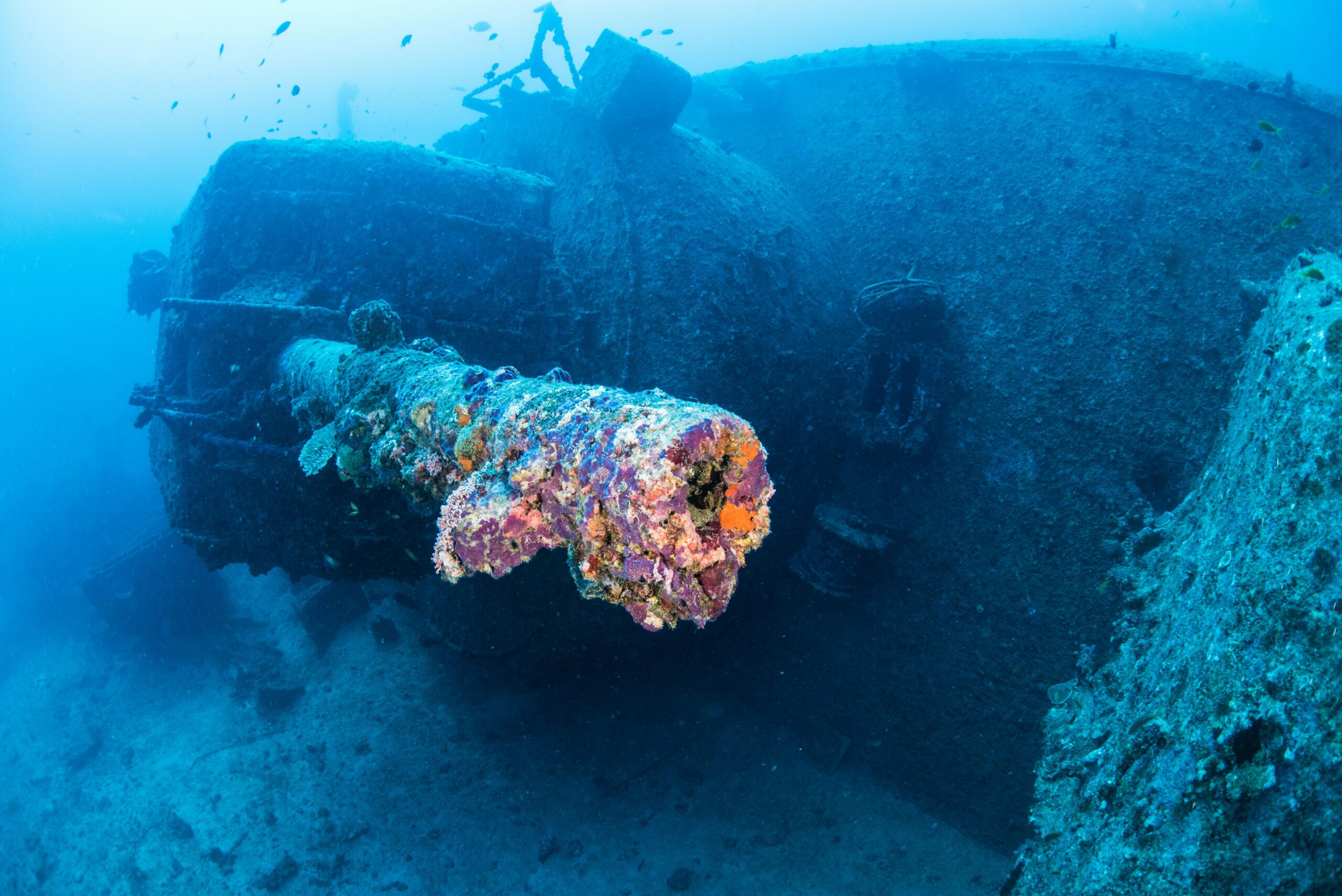
Yet within mere minutes of departing the harbor, the Vasa encountered a gust of wind that sealed its fate. The ship tilted dramatically, water rushed through the open gun ports, and before the horrified eyes of thousands of spectators, the pride of Sweden’s navy sank to the bottom of Stockholm Harbor. The disaster claimed approximately 30 lives and left the Swedish crown embarrassed and financially devastated.
🌊 Three Centuries Beneath the Waves
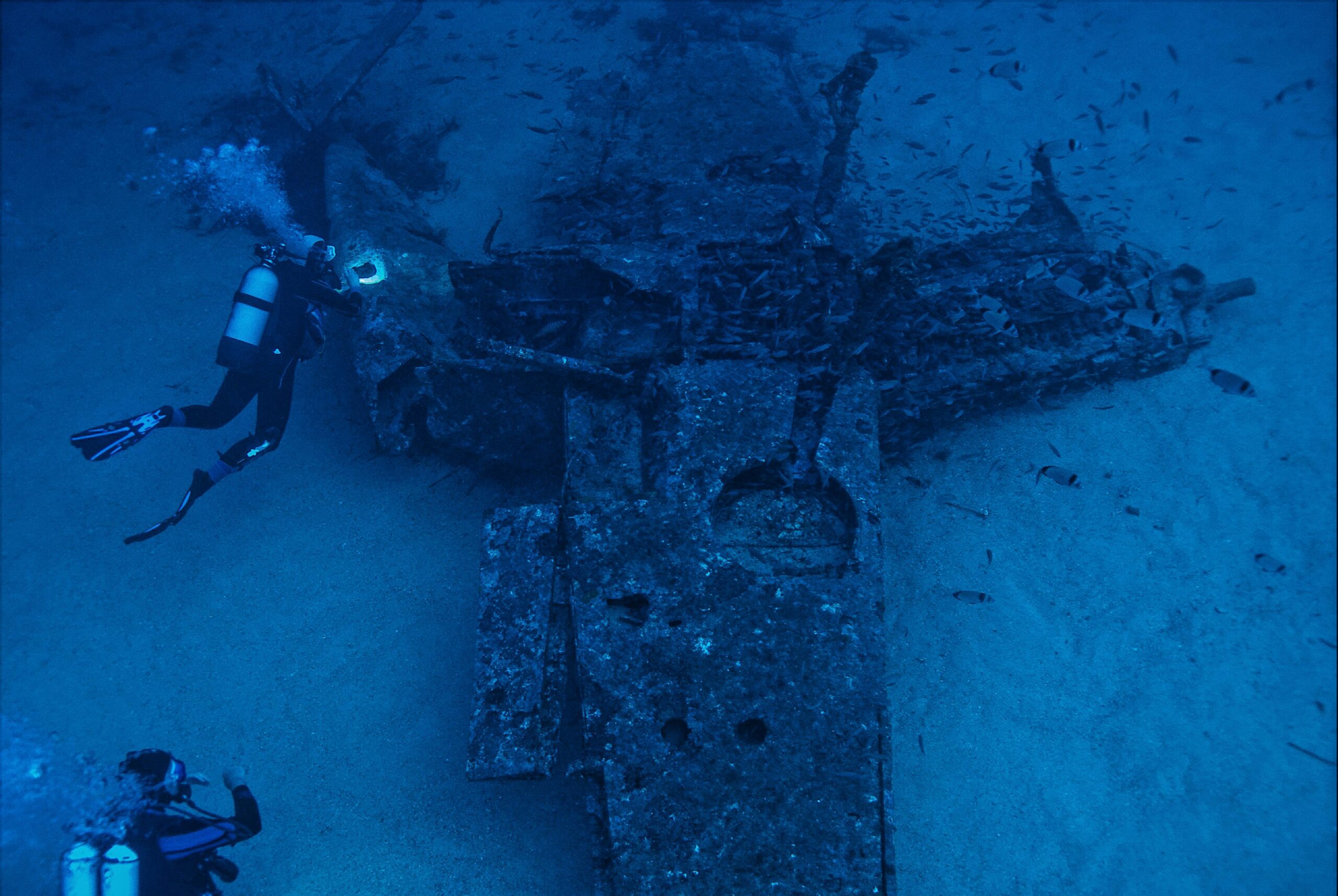
For 333 years, the Vasa rested in the cold, brackish waters of Stockholm Harbor, slowly becoming part of the seafloor’s landscape. The unique environmental conditions of the Baltic Sea—particularly its low salinity and near-freezing temperatures—created an unexpected preservation chamber. The shipworms that typically devour wooden vessels in saltwater cannot survive in these conditions, allowing the Vasa to remain remarkably intact.
Throughout the centuries, the ship’s location was never truly forgotten. Historical records documented the sinking, and occasionally fishermen would snag their nets on what they called “old Wasa.” However, recovering such a massive vessel from the depths seemed impossible with available technology, and the wreck remained undisturbed, a silent witness to maritime history.
🔍 The Discovery and Recovery Miracle
Anders Franzén, a Swedish marine archaeologist and amateur naval historian, became obsessed with finding the Vasa in the early 1950s. Armed with homemade core sampling equipment and historical charts, Franzén systematically searched Stockholm Harbor. On August 25, 1956, his perseverance paid off when his plunger brought up a piece of blackened oak—the Vasa had been found.
The recovery operation that followed was unprecedented in scope and ambition. Beginning in 1959, divers worked in near-zero visibility to dig six tunnels beneath the hull, threading massive steel cables through them. Over 18 months, the ship was gradually lifted from the seabed in a series of careful stages, moving closer to shore with each lift.
On April 24, 1961, the Vasa broke the surface for the first time in over three centuries. The ship emerged almost completely intact—an astonishing 95% original material—making it the world’s only preserved 17th-century ship and one of the most significant archaeological discoveries of the 20th century.
🎨 Artistic Splendor and Historical Significance
The Vasa wasn’t merely a warship; it was a floating propaganda masterpiece. The vessel featured approximately 500 sculptures, most gilded or painted in vibrant colors. These decorations depicted biblical scenes, mythological figures, royal symbols, and maritime imagery designed to communicate Swedish power and divine authority.
The sculptures tell stories from multiple traditions:
- Roman emperors and military heroes representing martial virtue
- Biblical figures symbolizing divine favor and moral authority
- Mythological creatures demonstrating Sweden’s cultural sophistication
- Royal heraldry proclaiming Gustavus Adolphus’s legitimacy and power
- Maritime symbols celebrating Sweden’s naval ambitions
The transom stern featured a massive lion figurehead—the symbol of Swedish royalty—surrounded by intricate carvings that formed a coherent ideological message. Every decorative element served the dual purpose of beautification and political communication, making the Vasa as much a work of art as a military vessel.
⚗️ The Preservation Challenge Begins
When the Vasa emerged from the water, conservators faced an unprecedented challenge. The waterlogged oak had the consistency of wet cardboard, and exposure to air would cause catastrophic shrinkage and collapse. The ship’s 1,200 tons of sodden wood contained approximately 380 tons of water that needed careful removal over many years.
The initial preservation strategy involved continuous spraying with fresh water to prevent drying while scientists developed a long-term conservation plan. A temporary structure was built around the ship, creating a controlled environment where temperature and humidity could be carefully managed. This crucial period of assessment allowed researchers to understand the wood’s condition and develop appropriate treatment methods.
🧪 Polyethylene Glycol: The Preservation Breakthrough
The solution to preserving the Vasa came in the form of polyethylene glycol (PEG), a waxy substance that could gradually replace water in the wood’s cellular structure. This treatment, while relatively simple in concept, required meticulous execution over an extended period.
The PEG treatment process involved several critical phases:
- Initial spraying with increasingly concentrated PEG solutions over 17 years
- Gradual penetration of PEG into the wood’s cellular structure
- Controlled drying period allowing excess moisture to evaporate
- Continuous monitoring of wood stability and structural integrity
- Adjustment of environmental conditions to support the preservation process
By 1979, the active PEG treatment concluded, but conservation remained an ongoing process. The ship required constant environmental monitoring and maintenance to ensure its long-term stability. The Vasa Museum, which opened in 1990, was specifically designed to maintain optimal conditions for the preserved vessel.
🔬 Modern Challenges and Cutting-Edge Solutions
Despite the success of the PEG treatment, new challenges emerged in the 21st century. Researchers discovered that sulfur compounds in the Baltic Sea had been absorbed by the oak during its centuries underwater. When exposed to oxygen and moisture, these compounds were slowly converting to sulfuric acid, threatening to destroy the ship from within.
This sulfur problem represents one of the most serious threats to the Vasa’s long-term survival. Scientists have observed:
- Formation of sulfuric acid crystals on the wood’s surface
- Gradual weakening of structural integrity in affected areas
- Accelerated degradation of iron bolts and fittings
- Potential for catastrophic collapse if left untreated
Conservation teams have implemented several cutting-edge strategies to combat this threat. Advanced scanning technologies, including laser mapping and X-ray analysis, allow researchers to monitor the ship’s condition in unprecedented detail. These tools detect even minute changes in the wood’s structure, enabling preventive intervention before serious damage occurs.
💡 Innovative Preservation Technologies
The Swedish National Heritage Board and the Vasa Museum have pioneered numerous technological innovations in maritime archaeology and conservation. Modern preservation efforts incorporate technologies that didn’t exist when the ship was first recovered, providing tools previous generations could only imagine.
Contemporary conservation techniques include:
- 3D laser scanning creating millimeter-accurate digital models
- Climate control systems maintaining precise temperature and humidity
- Chemical analysis identifying degradation processes at molecular levels
- Structural monitoring using sensors detecting microscopic movements
- Advanced photography documenting every surface detail
- Computer modeling predicting long-term stability and stress points
These technologies serve dual purposes: they help conservators protect the physical ship while creating comprehensive digital archives ensuring the Vasa’s legacy survives regardless of what happens to the physical artifact. The digital documentation has become so detailed that virtual reconstructions can show the ship exactly as it appeared in 1628, complete with original colors and decorations.
🏛️ The Museum Experience and Educational Impact
The Vasa Museum has become Scandinavia’s most visited museum, welcoming over a million visitors annually. The purpose-built facility houses the ship in a climate-controlled environment designed to showcase the vessel while maintaining optimal preservation conditions. Visitors can view the Vasa from six different levels, each offering unique perspectives on this maritime marvel.
The museum experience extends far beyond simply viewing an old ship. Interactive exhibits explore 17th-century naval warfare, Swedish society during the Age of Greatness, shipbuilding techniques, and the archaeological recovery process. Reconstructed faces of actual crew members, based on skeletal analysis, bring human stories to the forefront, transforming abstract history into tangible human experience.
Educational programs engage visitors of all ages with hands-on activities, guided tours, and multimedia presentations. School groups regularly visit to learn about maritime history, archaeological methodology, conservation science, and Swedish cultural heritage. The Vasa has become a powerful educational tool, demonstrating how material culture illuminates historical understanding in ways written records alone cannot achieve.
🌍 Global Influence on Maritime Archaeology
The Vasa recovery and preservation project established methodologies now employed worldwide in maritime archaeology and underwater cultural heritage management. Techniques pioneered during the Vasa’s conservation have been adapted for projects ranging from the Mary Rose in England to Civil War submarines in the United States.
International collaborations continue advancing preservation science, with the Vasa serving as a case study for understanding long-term conservation challenges. Researchers from around the world visit Stockholm to study the ship and share knowledge, creating a global community dedicated to preserving maritime heritage.
The success of the Vasa Museum has inspired similar projects globally, demonstrating that investing in cultural heritage preservation generates significant educational, touristic, and economic returns. The museum proves that archaeological artifacts, when properly presented and preserved, become powerful tools for cultural education and community engagement.
🔮 Future Prospects and Ongoing Research
Despite sixty years of study, the Vasa continues revealing new secrets. Ongoing research examines everything from the ship’s construction techniques to the social dynamics of 17th-century Swedish naval service. Advanced analytical methods detect details invisible to previous generations of researchers, ensuring the Vasa remains an active site of discovery rather than a static display.
Current research initiatives include:
- DNA analysis of preserved organic materials and human remains
- Isotope studies revealing crew members’ geographical origins
- Wood analysis determining timber sources and forestry practices
- Metallurgical examination of weapons and fittings
- Textile analysis reconstructing clothing and rigging
- Dietary studies based on galley contents and skeletal markers
Conservators continue monitoring the sulfur problem, testing potential treatments that might neutralize acid formation without damaging the fragile wood. This research has implications extending far beyond a single ship, potentially solving preservation challenges affecting waterlogged archaeological materials worldwide.
🎯 Lessons from the Vasa Legacy
The Vasa teaches lessons extending beyond maritime history or conservation science. The ship’s catastrophic maiden voyage resulted from organizational failures remarkably relevant to modern project management. Political pressure to launch on schedule, inadequate testing, and reluctance to challenge authority combined to create disaster—patterns recognizable in modern engineering failures.
The preservation story demonstrates the importance of long-term thinking and sustained commitment. The Vasa’s conservation has required continuous effort over six decades, with no endpoint in sight. This reality challenges societies to consider how we value and maintain cultural heritage across generations, accepting that preservation is an ongoing responsibility rather than a one-time achievement.
The international fascination with the Vasa reflects humanity’s enduring connection to tangible history. In an increasingly digital age, physical artifacts maintain powerful appeal, connecting us viscerally to past experiences and human stories. The Vasa’s continued popularity suggests that no amount of virtual simulation can replace encountering authentic historical objects preserved through careful stewardship.
⚡ Technological Innovation Meets Historical Preservation
The marriage of cutting-edge technology with historical preservation exemplified by the Vasa project demonstrates how innovation serves conservation. Rather than replacing traditional conservation approaches, new technologies enhance and extend them, providing tools that make previously impossible preservation efforts achievable.
Artificial intelligence and machine learning now analyze thousands of monitoring data points, detecting patterns humans might miss and predicting maintenance needs before problems become critical. These systems operate continuously, providing early warnings that allow preventive intervention rather than reactive repairs.
Virtual and augmented reality applications are being developed to complement physical museum visits, allowing people worldwide to experience the Vasa remotely while reducing physical stress on the artifact from excessive visitation. These technologies democratize access to cultural heritage while supporting preservation by reducing environmental fluctuations caused by large crowds.
🌟 The Enduring Marvel of the Vasa
The Vasa remains remarkable not despite its failure but because of how that failure was transformed into extraordinary success. A ship that sailed less than a mile has traveled further in cultural impact than vessels completing countless voyages. The disaster that embarrassed a kingdom has become a source of national pride and international fascination.
The preservation effort surrounding the Vasa represents human ingenuity at its finest—the determination to save irreplaceable cultural heritage regardless of technical challenges or resource requirements. Every year that the ship remains stable represents a victory for conservation science and commitment to preserving tangible connections to our collective past.
As conservation technology continues advancing, the Vasa will likely survive for centuries more, inspiring future generations with its beauty, teaching lessons from its failure, and demonstrating what dedicated preservation effort can achieve. The ship that sank in 1628 has become immortal through the dedication of those who refused to let it remain lost, transforming disaster into discovery and near-destruction into eternal preservation.
The Vasa’s legacy extends far beyond a single ship or museum. It represents our relationship with history, our capacity for long-term thinking, and our determination to preserve what connects us to those who came before. In saving the Vasa, we save more than wood and sculpture—we preserve stories, lessons, and tangible links to human experience across centuries. That commitment to preservation, continually renewed and enhanced through cutting-edge innovation, ensures the Vasa will continue unveiling its marvels for generations yet unborn. 🚢

Toni Santos is a maritime researcher and underwater archaeologist specializing in the study of submerged heritage, ancient port systems, and the cultural landscapes preserved beneath the sea. Through an interdisciplinary and immersive approach, Toni investigates how humanity has left traces of knowledge, commerce, and legend in the underwater world — across oceans, myths, and sunken cities.
His work is grounded in a fascination with wrecks not only as artifacts, but as carriers of hidden meaning. From historic shipwreck discoveries to mythical harbors and lost coastal settlements, Toni uncovers the physical and cultural evidence through which civilizations preserved their relationship with the maritime unknown.
With a background in marine archaeology and underwater survey methods, Toni blends technical analysis with archival research to reveal how oceans were used to shape identity, transmit memory, and encode sacred knowledge.
As the creative mind behind revaltro, Toni curates documented dive studies, speculative harbor maps, and archaeological interpretations that revive the deep cultural ties between water, folklore, and forgotten science.
His work is a tribute to:
The submerged heritage of Historic Shipwrecks and Their Cargoes
The legendary sites of Mythical Harbors and Lost Civilizations
The technical methods of Underwater Exploration Techniques
The natural archiving power of Preservation in Salt and Sediment
Whether you’re a maritime historian, nautical researcher, or curious explorer of forgotten submerged worlds, Toni invites you to explore the hidden depths of oceanic heritage — one wreck, one harbor, one legend at a time.