Beneath the ocean’s surface lies a world frozen in time, where shipwrecks guard stories of adventure, tragedy, and human ambition across centuries.
🌊 The Timeless Allure of Underwater Archaeological Sites
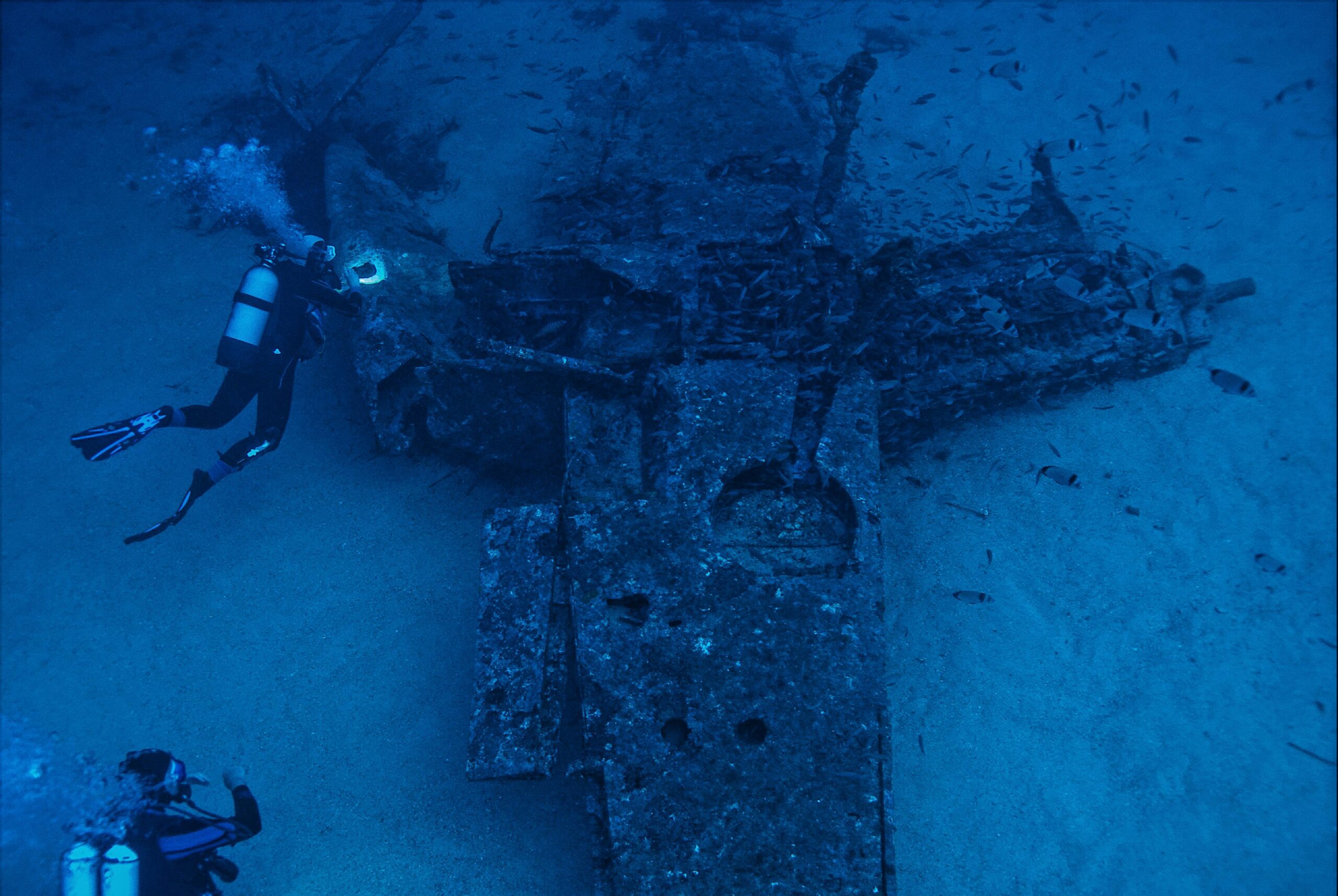
Shipwrecks represent some of the most fascinating archaeological treasures on our planet. These underwater time capsules offer unprecedented glimpses into historical periods, preserving artifacts, cargo, and even human remains in conditions that terrestrial sites rarely match. The ocean’s depths have transformed countless vessels into museums beneath the waves, where history remains suspended in saltwater silence.
Every shipwreck tells a unique story. From ancient Roman trading vessels laden with amphorae to World War II battleships resting on ocean floors, these submerged relics provide invaluable insights into maritime history, trade routes, naval warfare, and daily life across different civilizations. The preservation quality of underwater sites often surpasses land-based archaeological finds, as the oxygen-deprived environment slows deterioration processes.
Modern technology has revolutionized our ability to discover and document these underwater treasures. Advanced sonar systems, remotely operated vehicles (ROVs), and sophisticated diving equipment have opened previously inaccessible depths to exploration. Marine archaeologists now collaborate with oceanographers, historians, and conservation specialists to study shipwrecks with unprecedented detail and scientific rigor.
Ancient Vessels: Windows Into Forgotten Civilizations
The Mediterranean Sea serves as an underwater museum containing thousands of ancient shipwrecks spanning millennia. These vessels carried goods between civilizations, establishing trade networks that shaped the ancient world. The Antikythera wreck, discovered off the Greek coast in 1900, yielded the famous Antikythera mechanism—an ancient analog computer demonstrating technological sophistication previously unknown in ancient Greece.
Phoenician trading ships discovered along Mediterranean coastlines reveal extensive commercial networks connecting distant cultures. Their cargo holds contained precious metals, glassware, ceramics, and exotic spices, illustrating the complexity of ancient economies. Each amphora, each pottery shard contributes pieces to the puzzle of how ancient societies functioned, traded, and interacted.
In the Baltic Sea, remarkably preserved Viking ships offer insights into Norse seafaring capabilities and cultural practices. The cold, low-salinity waters create exceptional preservation conditions, maintaining wooden structures that would deteriorate rapidly elsewhere. These discoveries challenge previous assumptions about Viking navigation, shipbuilding techniques, and exploration ranges.
Preservation Beneath the Waves: Nature’s Conservation Laboratory
Underwater environments create unique preservation conditions that protect organic materials from oxidation and bacterial decomposition. Wooden ship timbers, textiles, leather goods, and even food items survive in states impossible on land. This natural conservation allows researchers to examine artifacts in near-original condition, providing authentic representations of historical materials.
The lack of oxygen in deeper waters and seafloor sediments prevents wood-boring organisms from destroying ship structures. Silt coverage acts as protective blankets, shielding artifacts from currents and light exposure. These conditions have preserved ships like the Mary Rose, Henry VIII’s flagship, with exceptional fidelity, including personal belongings of crew members that offer intimate glimpses into 16th-century naval life.
⚓ Colonial Era Shipwrecks: Trading Empires and Global Commerce
The Age of Exploration produced countless shipwrecks as European powers expanded across oceans. Spanish galleons carrying New World treasures back to Europe frequently fell victim to hurricanes, pirates, and naval battles. These treasure ships, loaded with gold, silver, and precious stones, continue capturing public imagination and driving underwater exploration efforts.
The Nuestra Señora de Atocha, discovered by treasure hunter Mel Fisher in 1985, contained approximately $450 million worth of treasure. Beyond monetary value, the ship provided extensive information about 17th-century Spanish colonial trade, naval architecture, and the daily lives of passengers and crew. Personal items, navigational instruments, and ship components offered researchers comprehensive data about maritime practices during Spain’s golden age.
Dutch East India Company vessels represent another significant category of colonial shipwrecks. These ships established trading routes connecting Europe with Asian markets, transporting spices, porcelain, textiles, and other luxury goods. Wrecks like the Batavia off Australian coasts reveal information about early European encounters with distant lands and the economic systems driving colonial expansion.
Slave Trade Vessels: Confronting Difficult Histories
Not all shipwrecks represent romantic adventure or commercial success. Vessels involved in the transatlantic slave trade preserve painful chapters of human history that demand acknowledgment and study. These underwater sites serve as mass graves and memorials, requiring respectful, ethical archaeological approaches that honor the memory of those who suffered.
The discovery and documentation of slave ships like the Henrietta Marie provide tangible evidence of slavery’s brutal realities. Shackles, chains, and ship configurations designed to maximize human cargo capacity stand as stark testimonies to systematic dehumanization. These findings contribute essential material evidence for educational initiatives addressing slavery’s historical impact.
🚢 Military Shipwrecks: Silent Witnesses to Global Conflicts
World War I and II left ocean floors littered with military vessels—battleships, submarines, aircraft carriers, and transport ships that became underwater war graves. These sites hold special significance as final resting places for servicemen and women, requiring sensitive treatment balancing historical research with memorial respect.
Pearl Harbor’s submerged vessels remain powerful symbols of that fateful December morning in 1941. The USS Arizona, still leaking oil decades after sinking, serves as both archaeological site and active memorial where visitors pay respects to fallen sailors. Similar sites worldwide commemorate naval battles and maritime losses across both world wars.
Submarine wrecks present unique archaeological challenges and opportunities. German U-boats scattered across Atlantic depths provide insights into submarine warfare evolution, crew conditions, and naval strategies. Allied submarines in Pacific waters tell parallel stories of technological innovation and human courage in extremely hazardous conditions.
Cold War Relics Beneath the Surface
Even relatively recent shipwrecks contribute historical understanding. Cold War-era naval losses, including nuclear submarines, present both archaeological interest and environmental concerns. These sites require monitoring for potential radioactive leakage while offering future researchers opportunities to study late 20th-century naval technology and geopolitical tensions.
Archaeological Methods: Documenting History Underwater 🤿
Modern underwater archaeology employs sophisticated techniques ensuring systematic, scientific documentation of shipwreck sites. Photogrammetry creates detailed three-dimensional models from thousands of photographs, allowing researchers to study sites without disturbing fragile artifacts. These digital reconstructions preserve spatial relationships and enable virtual site visits for education and research.
Side-scan sonar and magnetometers help locate shipwrecks across vast ocean areas, detecting metal signatures and seafloor anomalies indicating potential sites. Multi-beam sonar systems map underwater terrain with remarkable precision, revealing wreck features before divers enter water. Remote sensing technologies continuously advance, making previously impossible discoveries routine.
Conservation presents enormous challenges for artifacts recovered from shipwrecks. Materials saturated with saltwater for centuries require years of careful treatment preventing deterioration upon exposure to air. Specialized facilities like the Mary Rose Museum employ dedicated teams maintaining optimal conditions for waterlogged artifacts, using techniques like polyethylene glycol treatment for wooden objects.
Legal Frameworks: Protecting Underwater Cultural Heritage ⚖️
International law regarding shipwrecks balances preservation interests against salvage rights and treasure hunting. The UNESCO Convention on the Protection of Underwater Cultural Heritage establishes principles prioritizing in-situ preservation and prohibiting commercial exploitation of sites over 100 years old. However, not all nations have ratified this convention, creating jurisdictional complexities.
Territorial waters extend national jurisdiction 12 nautical miles from coastlines, with exclusive economic zones reaching 200 miles. Shipwrecks within these zones typically fall under coastal state authority, though exceptions exist for warships retaining sovereign immunity regardless of location. These legal frameworks aim preventing looting while enabling legitimate archaeological research.
Controversy frequently arises between archaeological communities and commercial salvage operations. Treasure hunters argue they provide resources and technology making discoveries possible, while archaeologists emphasize preserving historical contexts that commercial recovery destroys. High-profile cases involving Spanish galleons and their valuable cargoes have generated international legal battles defining underwater heritage protection standards.
🔍 Notable Shipwreck Discoveries That Changed History
The Titanic’s 1985 discovery by Robert Ballard captivated worldwide attention, demonstrating deep-ocean exploration capabilities while raising questions about disturbing disaster sites. The ship rests at 12,500 feet depth, requiring specialized submersibles for access. Artifacts recovered during subsequent expeditions provide insights into early 20th-century luxury travel and the disaster’s aftermath.
The Vasa, a Swedish warship that sank on its maiden voyage in 1628, was raised in 1961 after 333 years underwater. Nearly perfectly preserved in Baltic Sea conditions, the ship now anchors Stockholm’s Vasa Museum, offering unprecedented views of 17th-century naval architecture. Its recovery and conservation established standards for treating waterlogged archaeological materials.
Ancient shipwrecks continue yielding remarkable discoveries. The Uluburun wreck off Turkey’s coast, dating to the late Bronze Age (circa 1300 BCE), contained an extraordinary cargo representing multiple civilizations—Egyptian gold, Cypriot copper, Baltic amber, and African ebony. This single vessel illustrated extensive trade networks connecting ancient Mediterranean and Near Eastern cultures.
Technology Enabling New Discoveries
Autonomous underwater vehicles (AUVs) now conduct extensive surveys without human crews, mapping vast ocean areas and identifying potential wreck sites. Artificial intelligence assists analyzing sonar data, recognizing patterns indicating human-made structures. These technological advances accelerate discovery rates while reducing costs and risks associated with underwater exploration.
Environmental Concerns and Climate Change Impacts 🌍
Ocean acidification and warming waters threaten shipwreck preservation. Changing chemical conditions accelerate corrosion of metal artifacts and deterioration of organic materials. Marine organisms that previously avoided certain depths now colonize deeper wrecks, consuming wooden structures and altering site characteristics.
Some shipwrecks face threats from fishing activities, anchor damage, and illegal salvage operations. Trawling nets destroy fragile structures, scattering artifacts and erasing historical contexts. Establishing marine protected areas around significant wrecks helps mitigate these threats, though enforcement in remote ocean locations presents challenges.
Ironically, some modern shipwrecks serve environmental purposes as artificial reefs. Deliberately sunk vessels create habitats for marine life, though this practice remains controversial when applied to historically significant ships. Balancing ecological benefits against heritage preservation requires careful consideration of each situation’s unique circumstances.
Public Engagement and Shipwreck Tourism 📸
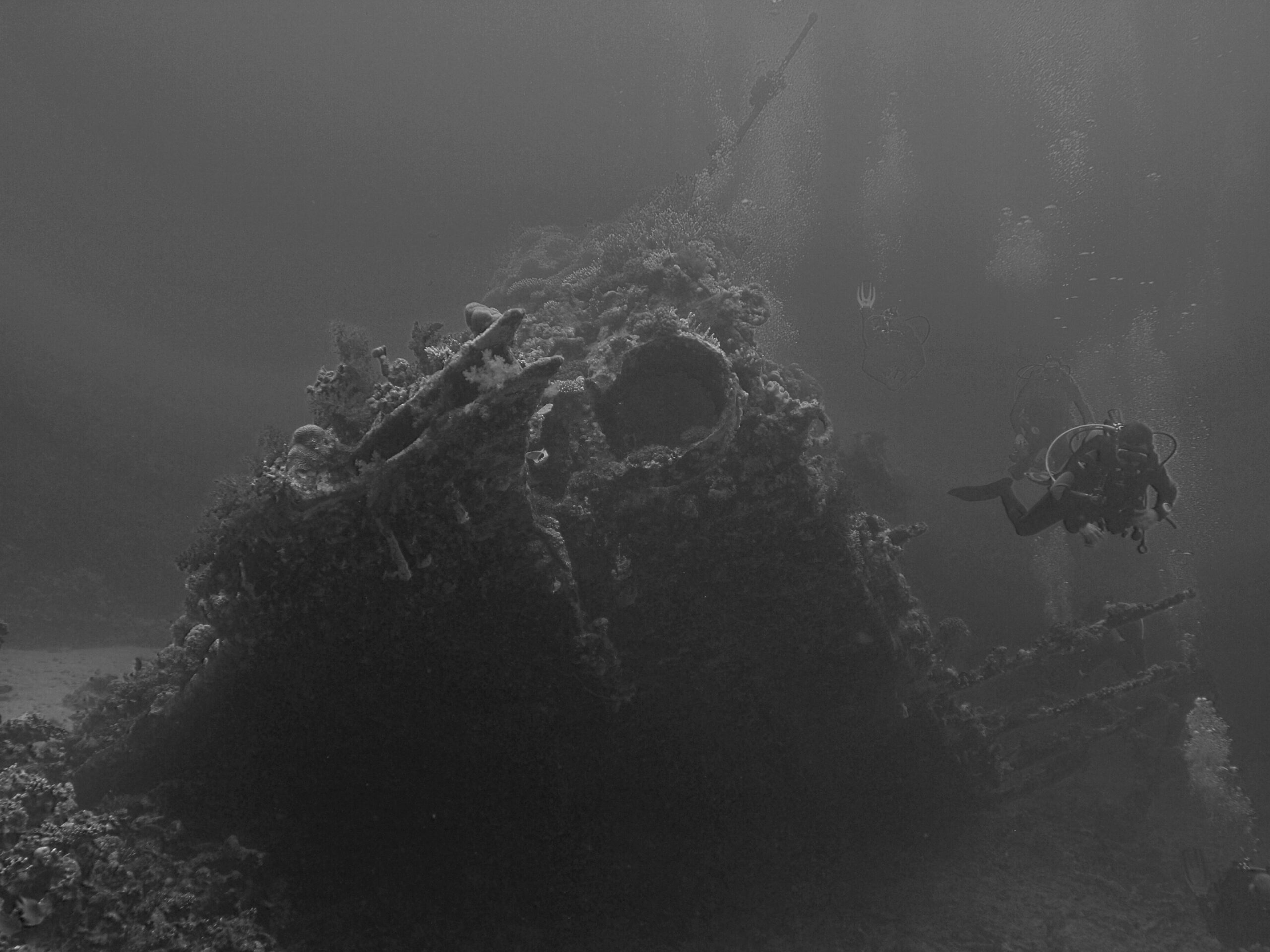
Recreational diving at accessible shipwreck sites connects public audiences with underwater heritage. Sites like the SS Thistlegorm in the Red Sea attract thousands of divers annually, generating economic benefits while raising preservation concerns. Managing tourism impacts requires balancing access against protection, implementing measures preventing artifact removal and structural damage.
Virtual reality technologies enable broader public engagement with shipwrecks without physical site visits. 3D models and immersive experiences bring deep-ocean wrecks to audiences worldwide, democratizing access while eliminating tourism pressures on fragile sites. These technologies particularly benefit sites too deep or dangerous for recreational diving.
Museums displaying shipwreck artifacts and reconstructions serve crucial educational roles, contextualizing discoveries within broader historical narratives. Interactive exhibits explain archaeological methods, conservation processes, and historical significance, transforming academic research into accessible public knowledge. Institutions like the Maritime Museum in Greenwich preserve maritime heritage for future generations.
⚓ The Future of Shipwreck Archaeology
Emerging technologies promise revolutionary advances in underwater archaeology. Machine learning algorithms will process vast datasets from ocean surveys, identifying potential sites requiring investigation. Improved diving equipment and underwater habitats may enable extended research missions at significant depths, expanding our understanding of deep-ocean wrecks.
Climate change documentation will become increasingly important as ocean conditions transform. Establishing baseline data about current wreck states enables future researchers to track deterioration rates and preservation changes. This longitudinal research contributes both archaeological and oceanographic knowledge.
International cooperation will prove essential addressing transnational shipwreck issues. Vessels wrecked far from home countries, carrying multinational crews and cargoes, represent shared heritage requiring collaborative approaches. Strengthening legal frameworks and fostering partnerships between nations, institutions, and researchers will advance preservation efforts globally.
Preserving Stories for Tomorrow’s Generations 🌟
Shipwrecks represent irreplaceable historical resources deserving protection and study. These underwater time capsules connect us with ancestors who ventured across seas, built civilizations, fought wars, and pursued dreams. Each vessel preserves not just physical artifacts but human stories—courage, innovation, tragedy, and resilience.
As technology advances and ocean exploration expands, countless undiscovered wrecks await revelation. Each discovery adds chapters to humanity’s maritime story, enriching our understanding of history, culture, and our relationship with the sea. Protecting these sites ensures future generations can continue learning from vessels that survived centuries beneath the waves.
The secrets locked within shipwrecks remind us that history isn’t confined to dusty archives and museum displays. It lives in ocean depths, waiting for curious minds to unlock its mysteries. By studying, preserving, and respecting these underwater treasures, we honor those who sailed before us while safeguarding invaluable heritage for those who will follow.

Toni Santos is a maritime researcher and underwater archaeologist specializing in the study of submerged heritage, ancient port systems, and the cultural landscapes preserved beneath the sea. Through an interdisciplinary and immersive approach, Toni investigates how humanity has left traces of knowledge, commerce, and legend in the underwater world — across oceans, myths, and sunken cities.
His work is grounded in a fascination with wrecks not only as artifacts, but as carriers of hidden meaning. From historic shipwreck discoveries to mythical harbors and lost coastal settlements, Toni uncovers the physical and cultural evidence through which civilizations preserved their relationship with the maritime unknown.
With a background in marine archaeology and underwater survey methods, Toni blends technical analysis with archival research to reveal how oceans were used to shape identity, transmit memory, and encode sacred knowledge.
As the creative mind behind revaltro, Toni curates documented dive studies, speculative harbor maps, and archaeological interpretations that revive the deep cultural ties between water, folklore, and forgotten science.
His work is a tribute to:
The submerged heritage of Historic Shipwrecks and Their Cargoes
The legendary sites of Mythical Harbors and Lost Civilizations
The technical methods of Underwater Exploration Techniques
The natural archiving power of Preservation in Salt and Sediment
Whether you’re a maritime historian, nautical researcher, or curious explorer of forgotten submerged worlds, Toni invites you to explore the hidden depths of oceanic heritage — one wreck, one harbor, one legend at a time.