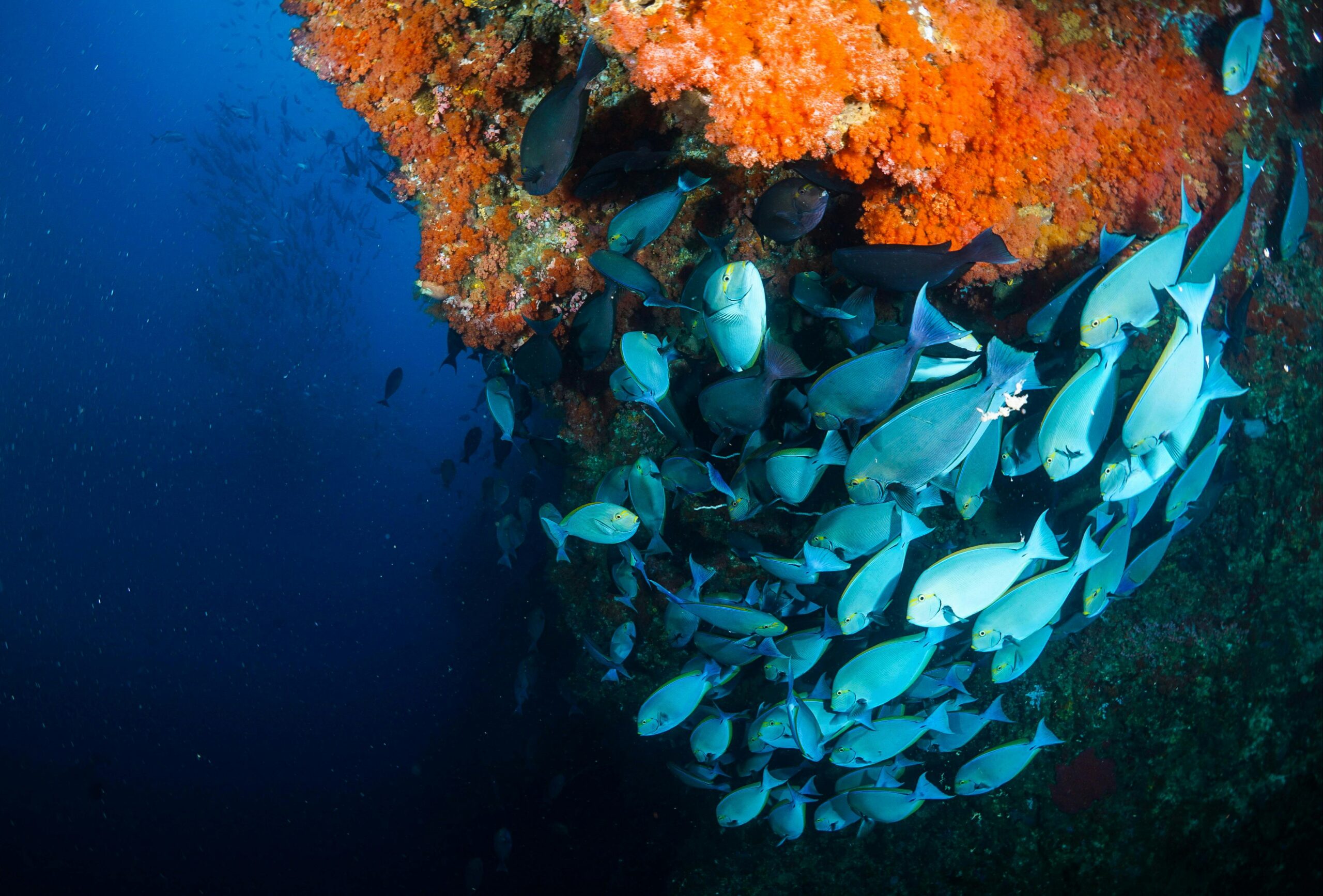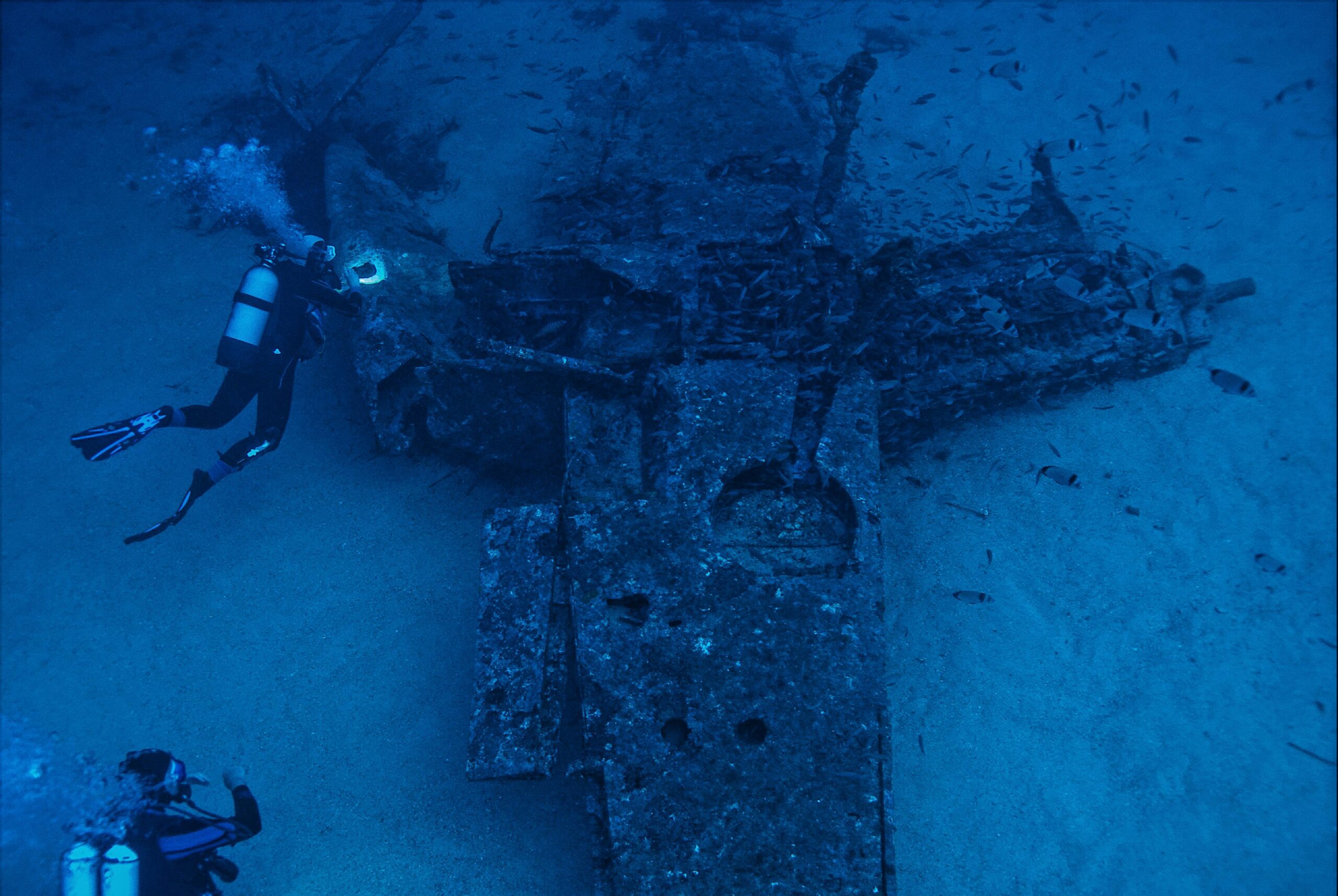
The ocean floor holds secrets of legendary pirate shipwrecks, each vessel carrying stories of adventure, conquest, and untold riches waiting to be discovered beneath the waves.
⚓ The Golden Age of Piracy and Its Watery Graves
Between the late 1600s and early 1700s, the world’s oceans became hunting grounds for some of history’s most notorious pirates. These seafaring outlaws amassed incredible fortunes by plundering merchant vessels, colonial ports, and treasure-laden galleons crossing the Atlantic and Caribbean. However, the violent storms, naval battles, and treacherous reefs that characterized this era meant that many of these pirate ships met their end beneath the waves, taking their treasures and tales with them.
Today, these sunken vessels represent more than just potential monetary value. They serve as time capsules, offering archaeologists and historians unprecedented glimpses into the daily lives, navigation techniques, and cultural practices of the Golden Age of Piracy. Each discovered wreck adds another chapter to our understanding of this fascinating period in maritime history.
🏴☠️ The Whydah Gally: Captain Bellamy’s Fortune
Perhaps one of the most significant pirate shipwreck discoveries occurred off the coast of Cape Cod, Massachusetts, where the Whydah Galy rests. Originally a slave ship, this vessel was captured by the pirate Samuel “Black Sam” Bellamy in 1717, who converted it into his flagship. Bellamy, known as the “Prince of Pirates,” loaded the Whydah with plundered treasure from over fifty captured ships.
On April 26, 1717, a violent nor’easter drove the Whydah onto the shoals near Wellfleet, Massachusetts. The ship broke apart in the storm, claiming the lives of all but two of the 146 men aboard. The wreck lay undiscovered for over 260 years until underwater explorer Barry Clifford located it in 1984, making it the first authenticated pirate shipwreck ever found in North American waters.
The treasure recovered from the Whydah includes thousands of artifacts: gold coins, jewelry, weapons, navigational instruments, and even the ship’s bronze bell inscribed with “THE WHYDAH GALLY 1716.” The estimated value of the treasure exceeds $400 million, but the historical significance proves priceless. These artifacts have provided researchers with invaluable insights into pirate life, challenging many romanticized notions while confirming others.
What Makes the Whydah Discovery Special
The Whydah site continues to yield treasures decades after its initial discovery. Conservation teams work meticulously to preserve fragile artifacts, using cutting-edge technology to stabilize materials that have been submerged for centuries. The ongoing excavation demonstrates how modern archaeological techniques can unlock secrets from the past, piece by piece.
💎 Queen Anne’s Revenge: Blackbeard’s Fearsome Flagship
Few names evoke the pirate mystique quite like Blackbeard. Born Edward Teach, this intimidating figure terrorized the Atlantic coast and Caribbean between 1716 and 1718. His flagship, Queen Anne’s Revenge, was originally a French slave vessel called La Concorde, which Blackbeard captured and converted into a formidable 40-gun warship.
In June 1718, Queen Anne’s Revenge ran aground on a sandbar near Beaufort Inlet, North Carolina. While some historians suggest this was an intentional act by Blackbeard to downsize his fleet and divide treasure among fewer crew members, others maintain it was a navigational error. Regardless, the ship was abandoned and eventually discovered in 1996 by private researchers.
The wreck site has produced over 400,000 artifacts, including cannons, anchors, medical instruments, navigational tools, and personal items belonging to crew members. Among the most intriguing discoveries are apothecary weights, syringes for treating venereal disease, and pewter plates and cups bearing marks that help authenticate the vessel’s identity.
Piecing Together Blackbeard’s Legacy
Archaeological analysis of Queen Anne’s Revenge has revealed fascinating details about life aboard a pirate vessel. The medical supplies suggest that pirates were more concerned with health and hygiene than popular culture often portrays. The variety of weapons recovered indicates the ship was indeed heavily armed, supporting historical accounts of Blackbeard’s intimidating presence on the seas.
🗺️ The San José: The Holy Grail of Shipwrecks
While not strictly a pirate vessel, the Spanish galleon San José deserves mention as one of history’s most valuable shipwrecks and a frequent target of pirate ambitions. Sunk by British warships during the Battle of Barú in 1708 off the coast of Colombia, the San José carried a cargo estimated to be worth between $4 billion and $17 billion in today’s values.
The ship’s manifest included gold, silver, emeralds, and other precious items being transported from the New World colonies back to Spain. The Colombian government announced the wreck’s location in 2015, though legal battles over ownership continue between Colombia, Spain, and the salvage company that claims to have found it first in the 1980s.
The San José represents the type of treasure-laden vessel that pirates like Henry Morgan, Bartholomew Roberts, and François l’Olonnais spent their careers hunting. Its discovery and the ongoing disputes surrounding it highlight the complex legal and ethical issues surrounding shipwreck salvage in international waters.
🔱 Captain Kidd’s Adventure Galley: Myth Meets Reality
Captain William Kidd remains one of history’s most controversial figures, operating in the gray area between privateer and pirate. His ship, the Adventure Galley, was abandoned in Madagascar in 1698 after becoming unseaworthy due to worm damage. Recent discoveries off the coast of Sainte Marie Island in Madagascar may have located this legendary vessel.
In 2015, underwater explorer Barry Clifford announced the discovery of what he believed to be a significant portion of the Adventure Galley, including a 55-kilogram silver bar. However, subsequent analysis by UNESCO experts cast doubt on this identification, demonstrating the challenges inherent in authenticating centuries-old shipwrecks.
Whether or not the Madagascar wreck truly belongs to Captain Kidd, the search for the Adventure Galley continues to captivate treasure hunters and historians alike. Kidd’s story—a commissioned privateer who was ultimately hanged for piracy—embodies the complex political and legal circumstances that defined the era.
🌊 Modern Treasure Hunting: Technology Meets Adventure
The discovery and excavation of pirate shipwrecks have been revolutionized by technological advances. Side-scan sonar, magnetometers, and remotely operated vehicles (ROVs) allow researchers to survey vast areas of ocean floor and investigate sites at depths previously inaccessible to divers.
Satellite imaging and advanced mapping software help treasure hunters narrow search areas by analyzing historical records, weather patterns, and ocean currents. DNA analysis of recovered remains can sometimes identify specific individuals, adding personal dimensions to historical narratives. Ground-penetrating radar and metal detectors enable teams to locate artifacts buried beneath sediment without destructive excavation.
The Archaeology-Treasure Hunting Debate
Modern shipwreck exploration exists in tension between commercial treasure hunting and scholarly archaeology. While commercial salvagers argue they provide funding for expensive underwater operations that governments cannot afford, archaeologists counter that profit-driven excavation destroys historical context and results in artifacts being scattered to private collections rather than preserved for public education.
Organizations like UNESCO promote the protection of underwater cultural heritage, advocating for in-situ preservation when possible and scientifically rigorous excavation when necessary. The 2001 Convention on the Protection of the Underwater Cultural Heritage establishes international standards, though not all nations have ratified it.
💰 Notable Treasures Still Waiting to Be Found
Despite numerous successful discoveries, countless pirate shipwrecks remain undiscovered, fueling ongoing searches around the world. These lost vessels continue to inspire treasure hunters, archaeologists, and adventurers.
- The Flor de la Mar: This Portuguese carrack sank in 1511 carrying an enormous treasure looted from the Sultan of Malacca, estimated to be worth billions today.
- The Merchant Royal: An English merchant ship carrying Spanish treasure that sank off Cornwall in 1641, with cargo valued at over $1 billion in modern currency.
- La Buse’s Treasure: French pirate Olivier Levasseur, known as “La Buse” (The Buzzard), allegedly threw a cryptogram into the crowd at his execution in 1730, providing clues to his hidden treasure in the Seychelles.
- Captain Thompson’s Treasure: The pirate William Thompson allegedly buried treasure worth hundreds of millions on Cocos Island, Costa Rica, after capturing a Spanish ship in 1820.
⚖️ Legal and Ethical Considerations in Shipwreck Salvage
The discovery of valuable shipwrecks raises complex legal questions about ownership and salvage rights. International maritime law, national sovereignty claims, and historical preservation interests often conflict. When a ship sinks in international waters, determining ownership can involve multiple countries, insurance companies, descendant claims, and salvage rights.
Military vessels typically remain the property of their original nation regardless of location or time elapsed since sinking. This principle has led to disputes over warships like HMS Sussex and various Spanish galleons. Commercial vessels present more complicated scenarios, with courts weighing factors like abandonment, salvage effort investment, and cultural heritage value.
The ethical dimension extends beyond legal ownership to questions about disturbing what some consider maritime gravesites. Many shipwrecks contain human remains, and descendants or cultural groups may object to excavation on respectful or religious grounds. Balancing historical knowledge acquisition, commercial interests, and reverence for the dead challenges modern treasure hunters and archaeologists.
📚 What Pirate Wrecks Teach Us About History
Beyond the allure of gold and jewels, pirate shipwrecks provide invaluable historical data that challenges and enriches our understanding of the past. Artifacts recovered from these sites reveal information about shipbuilding techniques, navigation methods, diet, medicine, weapons technology, and daily life aboard 17th and 18th-century vessels.
Analysis of ship construction shows how vessels were modified for pirate purposes, with additional gun ports, reinforced decks, and design features favoring speed over cargo capacity. Personal items like clothing, gaming pieces, musical instruments, and cooking utensils humanize the pirates, revealing them as complex individuals rather than one-dimensional villains or heroes.
Researchers have discovered that pirate crews were remarkably diverse, including escaped slaves, Native Americans, Europeans from various nations, and even occasional women. This multicultural composition challenges nationalist narratives and reveals the Caribbean as a complex zone of cultural exchange, resistance to colonial authority, and maritime innovation.
🎯 The Future of Pirate Shipwreck Discovery
As technology continues advancing, the potential for new discoveries grows exponentially. Artificial intelligence and machine learning algorithms now help analyze sonar data, identifying shipwreck signatures among natural seafloor features. Autonomous underwater vehicles can conduct multi-day surveys without human intervention, dramatically expanding search capabilities.
Climate change paradoxically aids discovery efforts as shifting currents and storm patterns expose previously buried wrecks while simultaneously threatening to damage fragile sites. Rising sea levels and ocean acidification create urgency for documentation and recovery before deterioration accelerates.
Crowdsourced research platforms allow amateur historians to contribute to shipwreck identification by analyzing digitized historical documents, charts, and reports. This collaborative approach has already led to important breakthroughs and democratizes participation in maritime archaeology.
🏴☠️ The Romance and Reality of Pirate Treasures
Popular culture has romanticized pirate life through countless books, films, and television shows, often emphasizing buried treasure and dramatic naval battles while glossing over the brutal realities of life at sea. Real pirate shipwrecks help separate fact from fiction, revealing both the harshness and occasional democratic principles that characterized pirate societies.
Most pirates lived short, violent lives with little opportunity to enjoy their plunder. Rather than burying treasure, they typically spent it quickly in port cities on supplies, entertainment, and vice. The few pirates who retired wealthy, like Henry Every, represent exceptions rather than the rule.
Nevertheless, the discovery of genuine pirate treasures validates some romantic notions. The sheer quantity of gold, silver, and precious gems recovered from wrecks like the Whydah confirms that pirates did indeed capture substantial wealth. The exotic origins of artifacts—Chinese porcelain, African gold, South American emeralds—demonstrate the truly global nature of pirate operations.
🔍 Preserving Underwater Cultural Heritage for Future Generations
Conservation of artifacts recovered from pirate shipwrecks presents enormous challenges. Centuries of saltwater exposure fundamentally alters materials, requiring specialized treatment to prevent rapid deterioration once exposed to air. Wood becomes waterlogged and fragile, metals corrode into concretions, and organic materials like leather and textiles may disintegrate upon recovery.
Dedicated conservation laboratories use techniques like freeze-drying, electrolysis, and chemical stabilization to preserve recovered artifacts. The process can take years for a single item, requiring patient expertise and substantial funding. Museums housing pirate treasures invest heavily in climate-controlled displays and ongoing conservation monitoring to ensure artifacts survive for future study and exhibition.
Digital preservation through 3D scanning and photogrammetry creates virtual records of artifacts and wreck sites, allowing researchers worldwide to study materials without physically handling fragile objects. These technologies also enable public engagement through virtual exhibitions and educational programs, spreading knowledge about pirate history beyond traditional museum visitors.
⚓ The Enduring Fascination with Pirates and Lost Treasures
The continued interest in pirate shipwrecks reflects something fundamental about human nature—our fascination with adventure, rebellion against authority, and the possibility of discovering hidden wealth. Pirates represent freedom from social constraints, living by their own codes in an age of rigid hierarchies and limited opportunities.
Each new shipwreck discovery renews this fascination, proving that real treasures do exist beneath the waves and that patient research can unlock secrets thought lost forever. The combination of historical mystery, archaeological science, and potential riches creates an irresistible draw for professionals and amateurs alike.
As we continue exploring the ocean’s depths, undoubtedly more pirate wrecks will emerge from their watery graves. Each discovery adds pieces to the puzzle of maritime history, helping us understand not just pirates but the broader world they inhabited—a world of colonial expansion, global trade, cultural exchange, and constant conflict. These sunken vessels serve as monuments to an era when the high seas represented both opportunity and danger, where fortunes could be made or lost in a single voyage, and where legends were born that continue captivating imaginations centuries later.
The legendary pirate shipwrecks scattered across the ocean floor remind us that history is not merely recorded in books and documents but also preserved in physical artifacts waiting to be discovered. They challenge us to balance our desire for treasure with our responsibility to preserve cultural heritage, to appreciate the past while applying modern scientific methods, and to recognize that the greatest treasure these wrecks offer may not be gold or jewels but knowledge itself.

Toni Santos is a maritime researcher and underwater archaeologist specializing in the study of submerged heritage, ancient port systems, and the cultural landscapes preserved beneath the sea. Through an interdisciplinary and immersive approach, Toni investigates how humanity has left traces of knowledge, commerce, and legend in the underwater world — across oceans, myths, and sunken cities.
His work is grounded in a fascination with wrecks not only as artifacts, but as carriers of hidden meaning. From historic shipwreck discoveries to mythical harbors and lost coastal settlements, Toni uncovers the physical and cultural evidence through which civilizations preserved their relationship with the maritime unknown.
With a background in marine archaeology and underwater survey methods, Toni blends technical analysis with archival research to reveal how oceans were used to shape identity, transmit memory, and encode sacred knowledge.
As the creative mind behind revaltro, Toni curates documented dive studies, speculative harbor maps, and archaeological interpretations that revive the deep cultural ties between water, folklore, and forgotten science.
His work is a tribute to:
The submerged heritage of Historic Shipwrecks and Their Cargoes
The legendary sites of Mythical Harbors and Lost Civilizations
The technical methods of Underwater Exploration Techniques
The natural archiving power of Preservation in Salt and Sediment
Whether you’re a maritime historian, nautical researcher, or curious explorer of forgotten submerged worlds, Toni invites you to explore the hidden depths of oceanic heritage — one wreck, one harbor, one legend at a time.