Beneath the Black Sea’s tranquil surface lies an underwater museum of extraordinary proportions, where ancient vessels rest in remarkable preservation, offering unprecedented glimpses into humanity’s maritime past.
🌊 The Black Sea: Nature’s Perfect Time Capsule
The Black Sea possesses a unique characteristic that distinguishes it from all other bodies of water on Earth. Below approximately 150 meters, the water becomes anoxic—completely devoid of oxygen. This oxygen-starved environment creates perfect conditions for preservation, preventing the wood-eating organisms and bacteria that typically consume shipwrecks in other seas from surviving.
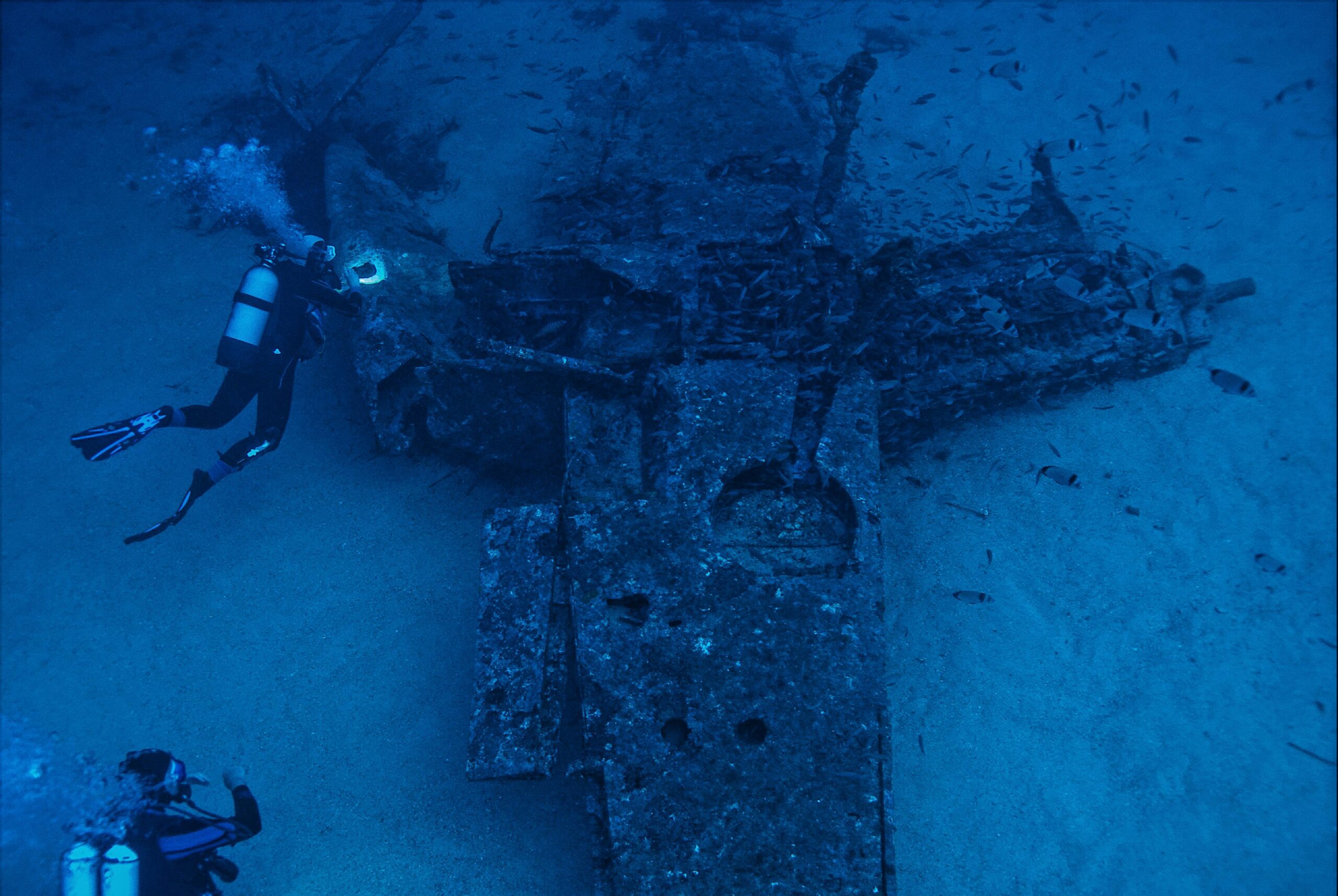
This natural phenomenon has transformed the Black Sea into the world’s largest underwater archaeological preserve. Ships that sank centuries ago remain astonishingly intact, with masts still standing, rudders attached, and cargo holds filled with ancient treasures. The anaerobic conditions have essentially frozen these vessels in time, offering researchers an unparalleled opportunity to study maritime history.
Scientists estimate that thousands of shipwrecks rest on the Black Sea floor, spanning from ancient Greek trading vessels to Byzantine warships and Ottoman merchant ships. Each discovery adds another piece to the complex puzzle of human civilization’s relationship with the sea.
Revolutionary Discoveries That Changed Everything
In 2017, the Black Sea Maritime Archaeology Project made a discovery that sent shockwaves through the archaeological community. Using advanced remotely operated vehicles (ROVs) equipped with high-definition cameras and laser scanners, researchers located what would become known as the oldest intact shipwreck ever discovered.
This Greek trading vessel, dating back more than 2,400 years to approximately 400 BCE, was found lying on its side at a depth of over 2,000 meters. The ship’s preservation was nothing short of miraculous—its mast, rudders, rowing benches, and even the rope used to hoist its sails remained intact after millennia beneath the waves.
The vessel closely resembled ships depicted on ancient Greek pottery, particularly those shown on the famous “Siren Vase” housed in the British Museum. This discovery provided the first physical evidence confirming the accuracy of these artistic representations, bridging the gap between archaeological artifacts and historical art.
The Fleet of Time: Multiple Vessels Discovered
The ancient Greek trader wasn’t the only remarkable find. Between 2016 and 2018, researchers documented over sixty shipwrecks during their expeditions, creating a comprehensive timeline of maritime technology and trade routes spanning more than two millennia.
Among these discoveries were:
- Roman trading ships laden with amphorae containing wine, olive oil, and garum (fermented fish sauce)
- Byzantine merchant vessels with sophisticated navigation equipment
- Cossack raiding boats from the 17th century
- Ottoman warships featuring advanced military architecture
- Medieval trading vessels revealing extensive Black Sea commerce networks
Each wreck tells its own story, offering insights into construction techniques, trade goods, navigation methods, and the daily lives of sailors who traversed these waters centuries ago.
🔬 Cutting-Edge Technology Unlocking Ancient Secrets
The Black Sea discoveries wouldn’t have been possible without revolutionary technological advances in underwater exploration. Traditional diving methods are completely inadequate for reaching the depths where these shipwrecks rest, requiring sophisticated robotic systems and imaging technology.
Modern ROVs can descend to depths exceeding 2,000 meters, equipped with multiple cameras, powerful lighting systems, and precision manipulator arms. These underwater robots transmit real-time video feeds to surface vessels, allowing archaeologists to explore shipwrecks without physically descending to the seafloor.
Photogrammetry has emerged as a game-changing tool in underwater archaeology. By capturing thousands of overlapping photographs from different angles, researchers create detailed three-dimensional models of shipwrecks. These digital reconstructions enable scientists worldwide to study vessels without disturbing the actual sites.
Preserving Without Disturbing
One of the most significant advantages of modern archaeological techniques is the ability to document shipwrecks comprehensively without raising them to the surface. Once exposed to oxygen, ancient timbers begin deteriorating rapidly, requiring expensive conservation treatments that can take decades to complete.
By leaving shipwrecks in their anoxic environment while creating detailed digital records, archaeologists ensure these time capsules remain preserved for future generations while still extracting valuable historical information. This non-invasive approach represents a fundamental shift in underwater archaeological methodology.
Rewriting Our Understanding of Ancient Maritime Trade
The Black Sea shipwreck discoveries have fundamentally altered our comprehension of ancient commerce and cultural exchange. Previous theories about maritime trade routes, vessel capabilities, and economic networks are being revised based on physical evidence found in these underwater sites.
Ancient Greek trading ships discovered in the Black Sea reveal sophisticated construction techniques that allowed vessels to carry substantial cargo loads across considerable distances. The presence of amphorae from various Mediterranean regions demonstrates extensive trade networks connecting civilizations separated by thousands of kilometers.
These findings challenge earlier assumptions about the limitations of ancient seafaring. Ships were more robust, voyages more ambitious, and trading relationships more complex than previously believed. The Black Sea served as a crucial maritime highway connecting Greek colonies, Scythian settlements, and later Byzantine and Ottoman empires.
The Economics of Ancient Shipping
Cargo manifests preserved in shipwrecks provide unprecedented insights into ancient economic systems. Analysis of amphorae contents reveals what goods were valued, where they originated, and how they were distributed across vast trading networks.
Wine from Greek islands, grain from Crimean ports, luxury goods from Constantinople, and raw materials from various regions traveled aboard these vessels. The diversity and quantity of trade goods demonstrate the sophistication and scale of ancient maritime commerce, far exceeding previous scholarly estimates.
⚓ Human Stories Frozen in Time
Beyond their archaeological significance, Black Sea shipwrecks preserve intimate details of sailors’ lives. Personal belongings, cooking utensils, navigational instruments, and even food remains offer poignant glimpses into the daily experiences of ancient mariners.
One Byzantine shipwreck contained a sailor’s leather shoe, remarkably preserved after more than a thousand years. Another revealed cooking pots still containing remnants of the crew’s last meal. These humanizing details transform abstract historical periods into tangible human experiences.
The circumstances surrounding each shipwreck raise questions about maritime disasters, navigation challenges, and the inherent dangers of ancient seafaring. Were vessels lost to storms, piracy, navigational errors, or structural failures? Each site presents a mystery waiting to be solved through careful analysis.
Cultural Heritage and International Cooperation
The Black Sea borders six nations—Turkey, Bulgaria, Romania, Ukraine, Russia, and Georgia—making shipwreck discoveries matters of international cultural heritage. Collaborative research initiatives bring together archaeologists, maritime historians, and preservation specialists from multiple countries.
These international partnerships demonstrate how shared cultural heritage can transcend political boundaries. Researchers from nations with complex geopolitical relationships work together toward common goals, united by their commitment to understanding and preserving humanity’s maritime past.
Museums in Black Sea nations are developing exhibitions featuring findings from underwater archaeological projects. Digital technologies allow global audiences to explore these shipwrecks virtually, democratizing access to discoveries that would otherwise remain accessible only to specialists.
Legal and Ethical Considerations
Underwater cultural heritage faces unique preservation challenges. International conventions like the 2001 UNESCO Convention on the Protection of the Underwater Cultural Heritage establish frameworks for responsible archaeological practices, though not all Black Sea nations have ratified these agreements.
Balancing scientific research with preservation concerns, commercial interests, and national sovereignty claims requires careful negotiation. The Black Sea’s shared waters complicate ownership questions, making international cooperation essential for protecting these irreplaceable historical resources.
🗺️ Mapping the Invisible Landscape
Beyond individual shipwrecks, researchers are creating comprehensive maps of the Black Sea floor, identifying patterns in wreck distributions that reveal ancient shipping lanes, dangerous passages, and preferred harbors.
These distribution patterns provide insights into how ancient mariners navigated, where they sought shelter during storms, and which routes they favored for different types of cargo. Combined with historical texts and archaeological evidence from coastal settlements, shipwreck locations help reconstruct ancient maritime geography.
The concentration of wrecks in certain areas indicates hazardous conditions—rocky outcroppings, treacherous currents, or exposure to prevailing winds. These underwater danger zones claimed vessels across centuries, creating archaeological clusters that serve as warnings echoing across millennia.
Scientific Methods Revealing Hidden Details
Modern analytical techniques extract extraordinary amounts of information from shipwreck materials. Dendrochronology—analyzing tree ring patterns in timber—determines not only when trees were felled but also their geographic origin, revealing ancient timber trade networks.
Carbon dating provides precise chronological frameworks, while DNA analysis of organic materials identifies plant and animal species present in cargo holds. Chemical analysis of residues in amphorae determines their original contents with remarkable specificity, distinguishing between different wine varieties or olive oil grades.
Wood preservation techniques themselves offer climate data. Growth patterns in ship timbers reflect environmental conditions during the trees’ lifespans, providing proxy climate records extending back thousands of years. Shipwrecks thus serve as unintended climate archives alongside their archaeological significance.
Future Technologies on the Horizon
Emerging technologies promise even more detailed analysis of Black Sea shipwrecks. Artificial intelligence algorithms can process vast quantities of sonar data, identifying potential wreck sites for further investigation. Machine learning helps classify artifacts and predict wreck locations based on environmental and historical parameters.
Advanced imaging techniques under development may eventually allow researchers to examine sealed cargo holds without opening them, using various wavelengths of electromagnetic radiation to “see” through barriers. Such non-invasive methods would revolutionize underwater archaeology, providing unprecedented access to intact archaeological contexts.
🏛️ Impact on Maritime History Understanding
The cumulative effect of Black Sea discoveries extends far beyond individual findings. They’re forcing historians to reconsider fundamental assumptions about ancient and medieval maritime capabilities, trade volumes, and cultural interactions.
The sophistication evident in ancient ship construction challenges narratives portraying early Mediterranean civilizations as primitive or limited in their technological achievements. These vessels represent engineering accomplishments requiring advanced mathematics, materials science, and practical experience accumulated across generations.
Similarly, the geographic range of trade goods found in shipwrecks demonstrates that ancient economies were more interconnected and complex than previously recognized. Cultural exchange occurred on scales comparable to later historical periods traditionally viewed as more globally connected.
Challenges Facing Underwater Archaeological Sites
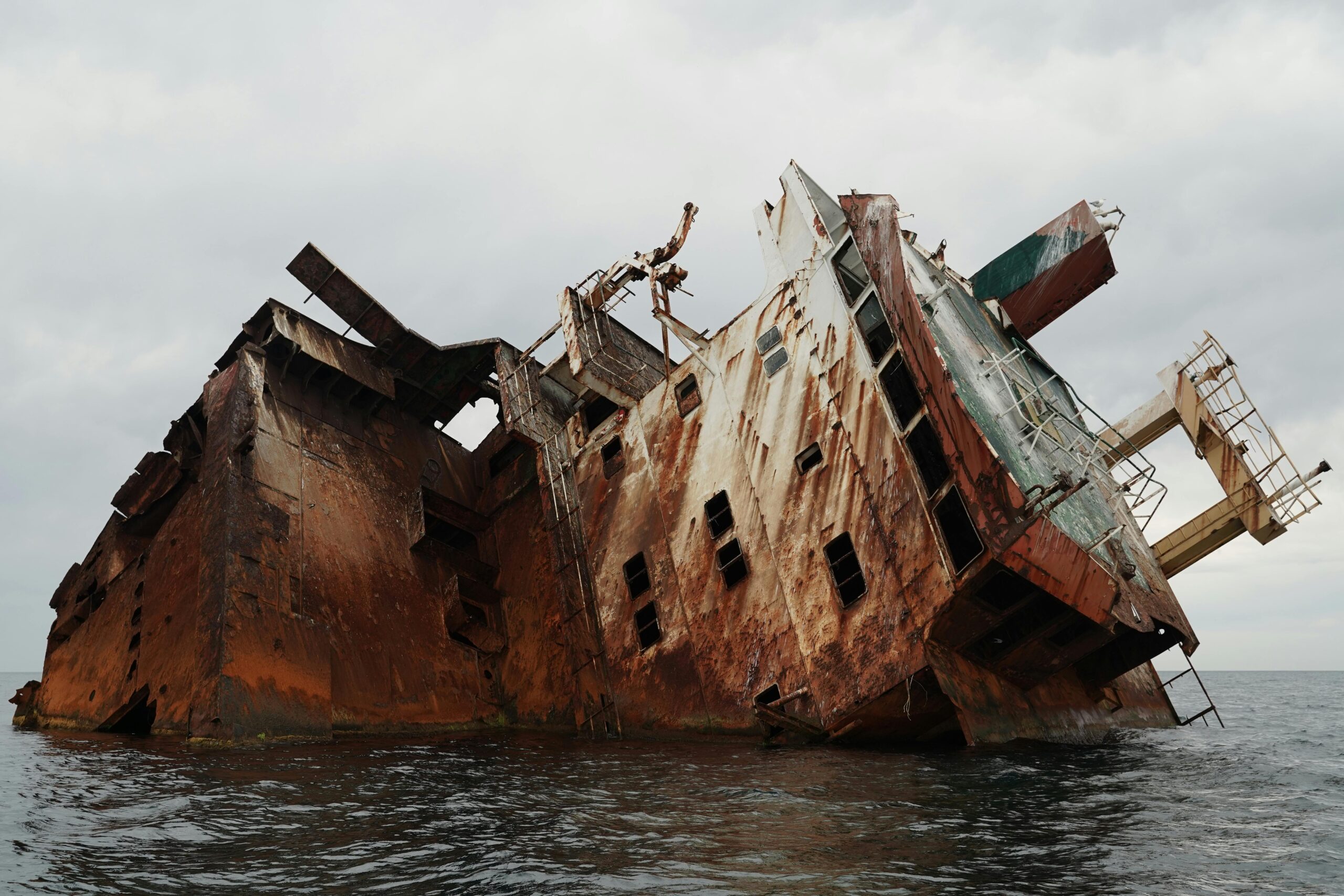
Despite the Black Sea’s preservative qualities, shipwrecks face growing threats. Climate change affects water chemistry, potentially altering the anoxic conditions that have protected these sites for millennia. Industrial fishing operations risk damaging wrecks with heavy equipment dragged across the seafloor.
Illegal salvage operations targeting valuable artifacts represent another significant threat. Looters equipped with increasingly sophisticated technology can locate and plunder shipwrecks, destroying archaeological contexts and selling artifacts on black markets.
Addressing these challenges requires enhanced monitoring, stronger legal protections, and international cooperation to prosecute heritage crimes. The race to document shipwrecks becomes increasingly urgent as various threats intensify.
Educational and Cultural Legacy
Black Sea shipwreck discoveries serve powerful educational purposes, capturing public imagination in ways that abstract historical narratives cannot. The tangible reality of ancient vessels resting on the seafloor makes history immediate and relatable, inspiring new generations of archaeologists, historians, and ocean scientists.
Documentary films, virtual reality experiences, and museum exhibitions bring these discoveries to global audiences. Interactive technologies allow people worldwide to explore 3D models of shipwrecks, examine artifacts up close, and understand maritime heritage’s significance.
Educational programs integrate shipwreck discoveries into curricula, teaching students about archaeology, history, oceanography, and cultural preservation. These multidisciplinary learning opportunities demonstrate how various scientific fields collaborate to answer complex questions about our past.
⛵ The Ongoing Journey of Discovery
The Black Sea’s depths undoubtedly conceal countless additional shipwrecks awaiting discovery. Each research expedition reveals new sites, and improved technologies make previously inaccessible areas explorable. The coming decades promise continued revelations that will further refine our understanding of maritime heritage.
Future expeditions will likely focus on specific historical periods or trade routes, developing more nuanced pictures of particular eras. Comparative studies examining shipwrecks from different time periods at the same locations may reveal how maritime technology evolved and how environmental conditions changed.
The Black Sea’s shipwrecks represent an irreplaceable archive of human history, technological achievement, and cultural exchange. As researchers continue unveiling these underwater treasures, each discovery adds depth to our collective understanding of civilizations that shaped our world. These silent witnesses resting in eternal darkness speak volumes about human ambition, innovation, and our enduring relationship with the sea.
The preservation and study of Black Sea shipwrecks demonstrate humanity’s capacity for collaboration, scientific inquiry, and respect for cultural heritage. As we look toward the future, these ancient vessels remind us that understanding our past enriches our present and guides our path forward.

Toni Santos is a maritime researcher and underwater archaeologist specializing in the study of submerged heritage, ancient port systems, and the cultural landscapes preserved beneath the sea. Through an interdisciplinary and immersive approach, Toni investigates how humanity has left traces of knowledge, commerce, and legend in the underwater world — across oceans, myths, and sunken cities.
His work is grounded in a fascination with wrecks not only as artifacts, but as carriers of hidden meaning. From historic shipwreck discoveries to mythical harbors and lost coastal settlements, Toni uncovers the physical and cultural evidence through which civilizations preserved their relationship with the maritime unknown.
With a background in marine archaeology and underwater survey methods, Toni blends technical analysis with archival research to reveal how oceans were used to shape identity, transmit memory, and encode sacred knowledge.
As the creative mind behind revaltro, Toni curates documented dive studies, speculative harbor maps, and archaeological interpretations that revive the deep cultural ties between water, folklore, and forgotten science.
His work is a tribute to:
The submerged heritage of Historic Shipwrecks and Their Cargoes
The legendary sites of Mythical Harbors and Lost Civilizations
The technical methods of Underwater Exploration Techniques
The natural archiving power of Preservation in Salt and Sediment
Whether you’re a maritime historian, nautical researcher, or curious explorer of forgotten submerged worlds, Toni invites you to explore the hidden depths of oceanic heritage — one wreck, one harbor, one legend at a time.