The ocean floor hides more than mystery—it conceals fortunes, shipwrecks, and stories that spark fierce legal battles and ethical debates worldwide.
⚓ The Ancient Art of Modern Salvage
Salvage operations have evolved dramatically from simple rope-and-pulley systems to sophisticated underwater robotics capable of exploring depths once considered unreachable. Today’s salvage industry represents a fascinating intersection of cutting-edge technology, maritime law, archaeology, and commercial enterprise. What was once the domain of adventurous divers has transformed into a highly specialized field requiring multimillion-dollar investments and years of planning.
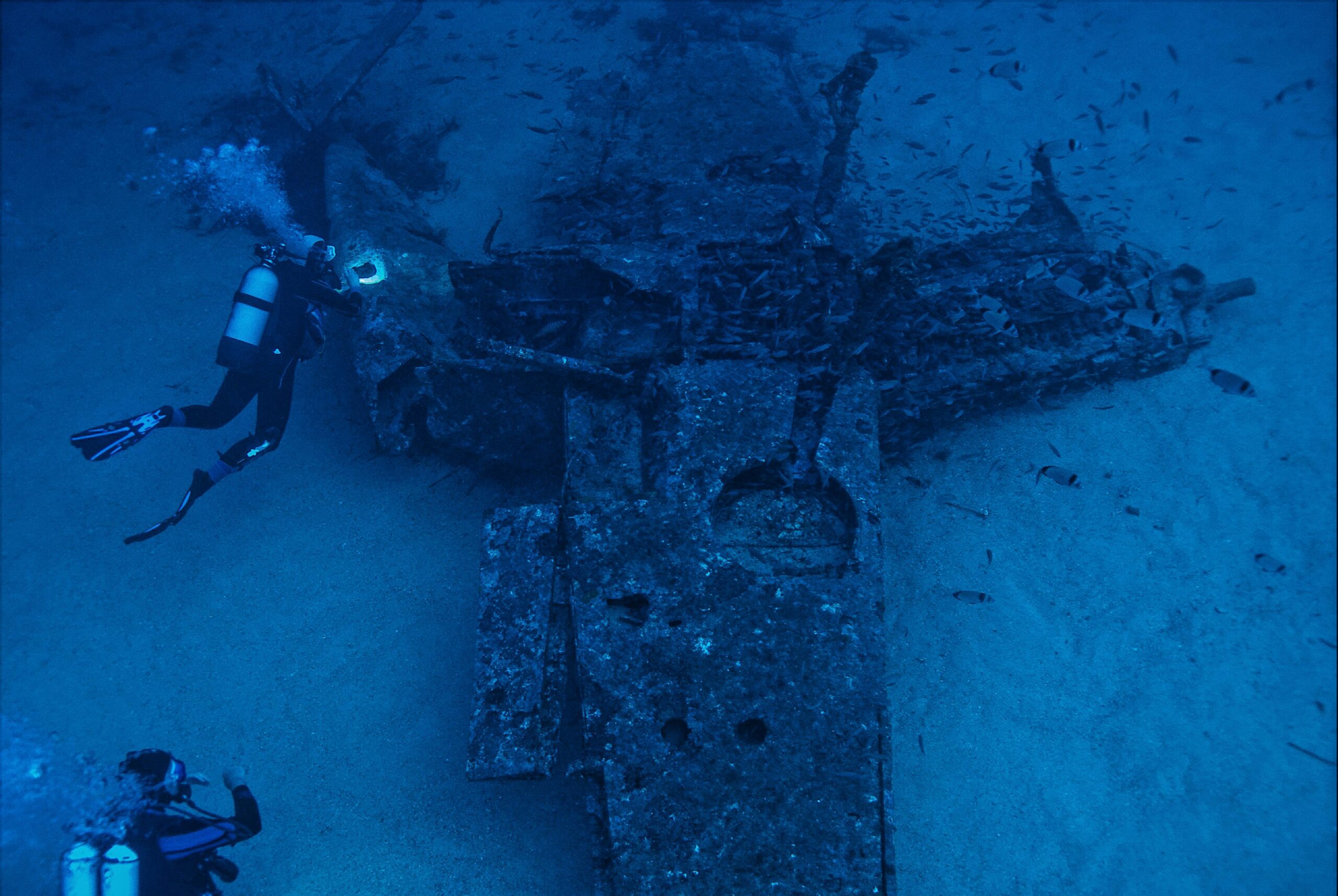
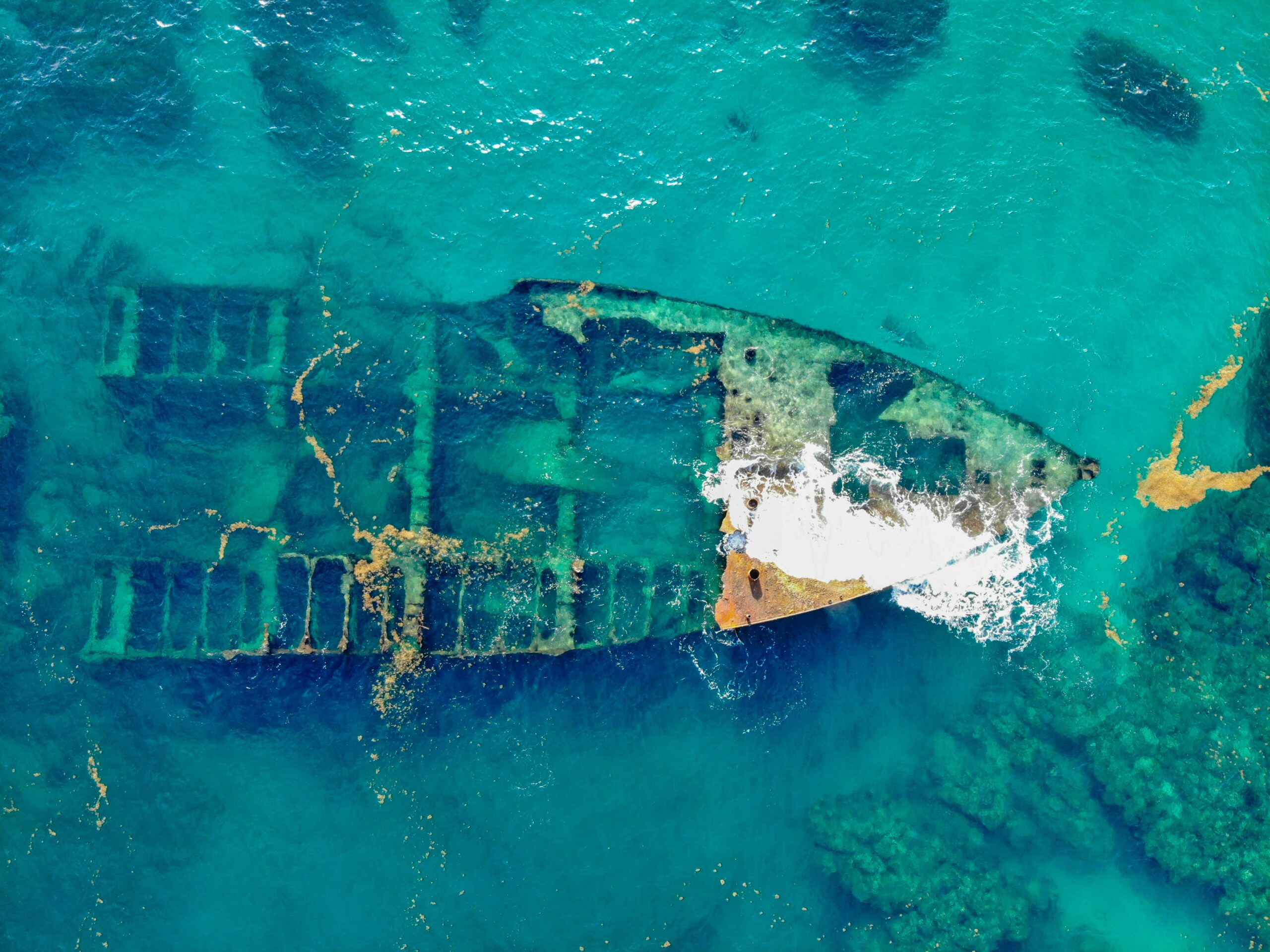
The motivation behind these operations varies considerably. Some salvage missions focus on removing environmental hazards, such as fuel-laden vessels threatening marine ecosystems. Others aim to recover valuable cargo from commercial shipping accidents. However, the most captivating operations involve historical shipwrecks laden with artifacts, precious metals, and treasures that have rested undisturbed for centuries beneath the waves.
Modern salvage technology includes remotely operated vehicles (ROVs), autonomous underwater vehicles (AUVs), magnetometers, side-scan sonar, and advanced imaging systems. These tools allow salvage teams to locate wrecks in waters exceeding 20,000 feet deep, where human divers cannot venture. The precision of contemporary equipment has revolutionized the field, making previously impossible recoveries routine.
💰 Treasures That Captivated the World
The history of treasure salvage reads like an adventure novel, with real discoveries often surpassing fiction. The recovery of the SS Central America in 1988 stands as one of the most spectacular finds. This sidewheel steamer sank in 1857 carrying approximately three tons of gold from the California Gold Rush. When salvors finally reached the wreck in 7,200 feet of water, they recovered gold coins and bars valued at over $100 million.
Similarly, the Spanish galleon Nuestra Señora de Atocha, discovered by Mel Fisher in 1985 after sixteen years of searching, yielded treasures worth an estimated $450 million. The haul included emeralds, gold bars, silver coins, and invaluable historical artifacts from the 17th century. Fisher’s perseverance became legendary in salvage circles, embodying the determination required for successful deep-sea recovery.
More recently, the Black Swan Project conducted by Odyssey Marine Exploration recovered approximately $500 million in silver and gold coins from an undisclosed shipwreck site in 2007. However, this discovery would later become the center of an international legal storm that highlighted the complex issues surrounding underwater cultural heritage.
🗺️ Notable Shipwrecks Still Being Explored
Countless shipwrecks remain unexplored, each holding potential treasures and historical significance. The San José, a Spanish galleon sunk by British warships in 1708 off the coast of Colombia, reportedly carried treasure worth billions in today’s currency. Despite its discovery in 2015, recovery efforts remain stalled due to legal disputes between Colombia, Spain, and private salvage companies.
The HMS Sussex, which sank in 1694 in the Mediterranean Sea, allegedly carried ten tons of gold coins. Though located in 2001, political complications and depth challenges have prevented full recovery. These examples demonstrate that finding treasure represents only the beginning of a complex process involving technology, law, and diplomacy.
⚖️ The Legal Labyrinth of Maritime Salvage
Maritime salvage law represents one of the oldest and most complex areas of international jurisprudence. The fundamental legal framework governing salvage operations stems from centuries-old admiralty law, which traditionally rewarded salvors who recovered property from peril at sea. However, modern salvage operations involving historical shipwrecks have exposed significant gaps and contradictions in this legal structure.
The law of salvage traditionally operates on the “finders keepers” principle with modifications. Salvors who successfully recover property from the ocean floor typically receive compensation or ownership rights, provided they meet specific legal requirements. However, sovereign immunity protects government vessels from such claims, meaning military shipwrecks often remain property of their original nations regardless of time passed.
The 2001 UNESCO Convention on the Protection of the Underwater Cultural Heritage attempted to create international standards for managing underwater archaeological sites. This convention treats shipwrecks over 100 years old as cultural heritage requiring preservation rather than commercial exploitation. However, not all nations have ratified this convention, creating jurisdictional conflicts when wrecks lie in international waters or contested zones.
📋 Key Legal Frameworks in Salvage Operations
| Legal Framework | Scope | Primary Focus |
|---|---|---|
| Admiralty Law | Traditional maritime salvage | Compensation for salvors |
| UNESCO Convention 2001 | Underwater cultural heritage | Preservation over commercial recovery |
| Sovereign Immunity | Government vessels | National ownership rights |
| Abandoned Shipwreck Act (USA) | Territorial waters | State control of historic wrecks |
🌊 Ethical Storms and Archaeological Concerns
The tension between commercial salvage and archaeological preservation has intensified as technology makes deeper wrecks accessible. Archaeologists argue that commercial salvage operations destroy invaluable historical context, treating shipwrecks as mere treasure repositories rather than time capsules offering insights into past civilizations, maritime trade, and naval warfare.
When salvage companies employ methods prioritizing valuable objects while disregarding items with purely historical significance, they irreversibly compromise the archaeological record. The spatial relationship of artifacts, the wreck’s stratigraphy, and associated materials all provide crucial information that commercial recovery methods often destroy or fail to document properly.
Professional archaeologists advocate for in-situ preservation, leaving shipwrecks undisturbed on the ocean floor where possible, or conducting methodical excavations that prioritize documentation and context over profit. They compare commercial salvage to looting terrestrial archaeological sites—an activity universally condemned when occurring on land but somehow tolerated when performed underwater.
🔬 Scientific Value Versus Commercial Interest
The debate extends beyond methodology to fundamental questions about ownership and cultural heritage. Should ancient shipwrecks be considered commercial opportunities or public trust resources belonging to humanity collectively? Salvage companies counter that their investments, technological innovations, and risks justify profit-seeking, arguing that without commercial incentives, many wrecks would never be discovered or studied at all.
Some successful partnerships between commercial salvors and academic institutions have demonstrated potential middle ground. These collaborations combine salvage company resources with archaeological expertise, ensuring proper documentation while allowing controlled recovery of artifacts. However, such arrangements remain relatively rare, with mistrust persisting on both sides.
🚢 High-Profile Controversies That Shook the Industry
The Odyssey Marine Exploration case involving the Black Swan Project exemplifies modern salvage controversies. In 2007, Odyssey recovered approximately 17 tons of silver coins from a shipwreck in international waters near Gibraltar. The company kept the wreck’s identity secret, citing security concerns and legal strategy. Spain claimed the wreck was the Nuestra Señora de las Mercedes, a Spanish naval vessel sunk by British forces in 1804.
After five years of litigation, U.S. courts ruled in Spain’s favor, ordering Odyssey to return all recovered materials without compensation. The decision emphasized sovereign immunity principles and rejected Odyssey’s arguments that the vessel carried private commercial cargo rather than solely government property. This case significantly impacted the commercial salvage industry, demonstrating that even investments exceeding $2 million and years of effort could yield zero return when sovereign immunity applies.
Another controversial case involved the CSS Hunley, a Confederate submarine that sank in 1864 after becoming the first submarine to sink an enemy vessel in combat. When discovered in 1995, jurisdictional disputes arose between the U.S. government, South Carolina, and private parties. Eventually, the submarine was recovered in 2000 through a partnership prioritizing historical preservation. The Hunley’s conservation continues today, with artifacts slowly revealed as concretion is painstakingly removed.
🌐 Environmental Considerations in Deep-Sea Recovery
Beyond legal and ethical concerns, environmental impacts of salvage operations warrant serious consideration. Shipwrecks often become artificial reefs supporting diverse marine ecosystems. Fish populations, coral communities, and various invertebrates colonize these structures, creating biodiversity hotspots in otherwise barren ocean expanses.
Disturbing these sites can destroy established ecosystems, while recovery operations may spread sediment, damage fragile marine life, and alter local oceanography. Fuel and toxic materials contained in modern wrecks present additional environmental hazards, though their removal often justifies salvage operations from a pollution prevention standpoint.
Responsible salvage operations now frequently include environmental impact assessments, though enforcement and standards vary considerably across jurisdictions. The challenge involves balancing historical recovery interests, commercial motivations, and environmental stewardship—a difficult equilibrium rarely achieved to everyone’s satisfaction.
💡 Technology Driving Tomorrow’s Discoveries
Advances in artificial intelligence, autonomous systems, and imaging technology continue revolutionizing underwater exploration and salvage. Machine learning algorithms can now analyze vast amounts of sonar data to identify potential wreck sites with unprecedented accuracy, dramatically reducing search costs and timeframes.
Photogrammetry and 3D modeling allow detailed wreck documentation without physical disturbance, creating digital archives accessible to researchers worldwide. These technologies support archaeological preservation while satisfying public curiosity about underwater treasures. Virtual reality applications can now transport people to wreck sites thousands of feet below the surface, democratizing access to these hidden historical resources.
Robotic systems with increasingly sophisticated manipulators can perform delicate archaeological excavation underwater, controlled by operators on surface vessels. These systems reduce human risk while enabling work at depths and durations impossible for divers. As costs decrease and capabilities expand, the volume of salvage operations will likely increase, intensifying existing controversies unless regulatory frameworks evolve accordingly.
🎯 Finding Balance Between Competing Interests
The future of salvage operations requires frameworks acknowledging legitimate interests of multiple stakeholders: source nations claiming cultural heritage, salvage companies investing resources and expertise, archaeologists prioritizing scientific methodology, and the global public with interest in historical preservation and access.
Some jurisdictions have developed licensing systems requiring salvage companies to employ qualified archaeologists, follow documented methodologies, and share recovered artifacts with museums or research institutions. These approaches attempt balancing commercial viability with preservation priorities, though implementation challenges and enforcement gaps persist.
International cooperation remains essential, as underwater cultural heritage transcends national boundaries. Shipwrecks often involve multiple countries—the vessel’s flag state, the nation whose waters contain the wreck, countries with cultural connections to cargo or crew, and potentially others. Resolving these overlapping claims requires diplomatic sensitivity and legal clarity currently lacking in many situations.
🔮 Navigating Uncharted Waters Ahead
As technology advances and commercial pressures intensify, the salvage industry stands at a crossroads. Will future operations prioritize archaeological preservation and cultural heritage, or will commercial interests continue driving recovery decisions? The answer likely involves elements of both, with outcomes varying by jurisdiction, specific circumstances, and stakeholder negotiations.
Education plays a crucial role in shaping public attitudes toward underwater cultural heritage. When people understand that shipwrecks represent irreplaceable historical records rather than mere treasure sources, support for preservation-focused policies increases. Museums, documentaries, and educational programs highlighting archaeological context rather than monetary value can shift perspectives encouraging responsible salvage practices.
Ultimately, the ocean’s depths contain finite historical resources deserving thoughtful stewardship. Whether future generations will access intact archaeological sites or merely scattered artifacts in private collections depends on choices made today. The waves of controversy surrounding salvage operations reflect deeper questions about our relationship with history, heritage, and the shared resources of our blue planet.
The treasures hidden beneath the waves represent more than gold and silver—they embody human stories, technological achievements, and cultural connections spanning centuries. How we choose to engage with these underwater time capsules will define not just the salvage industry’s future, but our commitment to preserving humanity’s maritime heritage for generations yet to come.

Toni Santos is a maritime researcher and underwater archaeologist specializing in the study of submerged heritage, ancient port systems, and the cultural landscapes preserved beneath the sea. Through an interdisciplinary and immersive approach, Toni investigates how humanity has left traces of knowledge, commerce, and legend in the underwater world — across oceans, myths, and sunken cities.
His work is grounded in a fascination with wrecks not only as artifacts, but as carriers of hidden meaning. From historic shipwreck discoveries to mythical harbors and lost coastal settlements, Toni uncovers the physical and cultural evidence through which civilizations preserved their relationship with the maritime unknown.
With a background in marine archaeology and underwater survey methods, Toni blends technical analysis with archival research to reveal how oceans were used to shape identity, transmit memory, and encode sacred knowledge.
As the creative mind behind revaltro, Toni curates documented dive studies, speculative harbor maps, and archaeological interpretations that revive the deep cultural ties between water, folklore, and forgotten science.
His work is a tribute to:
The submerged heritage of Historic Shipwrecks and Their Cargoes
The legendary sites of Mythical Harbors and Lost Civilizations
The technical methods of Underwater Exploration Techniques
The natural archiving power of Preservation in Salt and Sediment
Whether you’re a maritime historian, nautical researcher, or curious explorer of forgotten submerged worlds, Toni invites you to explore the hidden depths of oceanic heritage — one wreck, one harbor, one legend at a time.