Shipwrecks have captivated human imagination for centuries, serving as powerful symbols of tragedy, adventure, and mystery in both literature and film.
⚓ The Timeless Fascination with Sunken Vessels
There’s something profoundly haunting about a ship resting on the ocean floor. These submerged monuments to maritime disasters represent more than just failed voyages—they embody human ambition, the unpredictability of nature, and the thin line between civilization and chaos. From ancient Greek epics to modern Hollywood blockbusters, shipwrecks have provided fertile ground for storytelling, offering narratives rich with suspense, survival, and the supernatural.
The allure of shipwrecks in creative works stems from their unique position as liminal spaces—caught between the world of the living and the realm of the forgotten. They serve as time capsules, preserving moments of catastrophe while simultaneously offering treasure hunters, archaeologists, and storytellers glimpses into lost worlds. This duality makes them irresistible subjects for exploration in both literary and cinematic contexts.
📚 Literary Voyages into Watery Graves
Literature has long been enchanted by maritime disasters and their aftermath. Classical works like Homer’s “Odyssey” feature shipwrecks as pivotal plot devices, transforming the protagonist’s journey and testing his resilience. These ancient narratives established templates that writers would follow for millennia, using shipwrecks as catalysts for character development and philosophical reflection.
Daniel Defoe’s “Robinson Crusoe” (1719) revolutionized the shipwreck narrative by focusing on survival and isolation. The novel’s detailed account of Crusoe’s resourcefulness after being marooned established a subgenre that continues to resonate today. Defoe transformed the shipwreck from merely a plot device into an examination of human nature, colonialism, and self-sufficiency.
Victorian-Era Explorations of Maritime Disaster
The nineteenth century saw an explosion of shipwreck literature, partly driven by the era’s fascination with exploration and the very real dangers of sea travel. Jules Verne’s “Twenty Thousand Leagues Under the Sea” (1870) took readers beneath the waves to explore sunken vessels from the perspective of the enigmatic Captain Nemo. Verne’s work introduced technological wonder to shipwreck narratives, imagining underwater exploration long before it became reality.
Edgar Allan Poe’s “The Narrative of Arthur Gordon Pym of Nantucket” (1838) demonstrated how shipwreck scenarios could blend adventure with psychological horror. Poe’s contribution showed that these stories could serve darker purposes, exploring themes of madness, cannibalism, and the breakdown of social order when civilization’s structures literally sink away.
Contemporary Literary Interpretations
Modern literature continues to find new angles on shipwreck narratives. Yann Martel’s “Life of Pi” uses shipwreck as the inciting incident for a profound spiritual journey, while Sebastian Junger’s “The Perfect Storm” brought documentary realism to the maritime disaster genre. These contemporary works demonstrate that shipwreck stories remain relevant, adaptable to current concerns about environmentalism, globalization, and human survival.
Authors like Clive Cussler have built entire careers around shipwreck adventures, blending historical research with thriller elements. His Dirk Pitt series features protagonists who hunt for lost vessels, turning maritime archaeology into action-packed entertainment. This approach has popularized shipwreck culture, inspiring genuine interest in underwater exploration and historical preservation.
🎬 Cinematic Depths: Shipwrecks on the Silver Screen
Film has taken shipwreck narratives to spectacular visual heights, using increasingly sophisticated effects to recreate maritime disasters with breathtaking realism. The medium’s visual nature allows audiences to experience the terror and beauty of sinking ships in ways literature can only suggest.
The Titanic Effect on Popular Culture
No discussion of shipwrecks in film can avoid James Cameron’s “Titanic” (1997). This cultural phenomenon did more than any other single work to cement shipwreck stories in contemporary consciousness. By combining historical tragedy with romantic fiction, Cameron created a blueprint for how shipwreck narratives could appeal to broad audiences while maintaining emotional authenticity.
The film’s success wasn’t just commercial—it sparked renewed interest in maritime history, underwater archaeology, and the Titanic itself. Subsequent documentaries and expeditions to the wreck site owe much of their funding and public interest to the film’s impact. “Titanic” demonstrated that shipwreck stories could be both entertainment and education, bringing historical events to life for new generations.
Horror Beneath the Waves 🌊
Shipwrecks also provide perfect settings for horror films. “Ghost Ship” (2002) transformed a derelict ocean liner into a floating house of horrors, while “Triangle” (2009) used a mysterious vessel to explore time loops and psychological terror. These films tap into primal fears—drowning, isolation, the unknown depths below—while using the confined spaces of ships to create claustrophobic tension.
The horror subgenre reveals darker aspects of our fascination with shipwrecks. These stories often feature supernatural elements, suggesting that traumatic deaths at sea leave spiritual residue. This connects to real-world superstitions among sailors and divers who report eerie experiences around wreck sites, blurring the lines between fiction and folklore.
Adventure and Discovery on Screen
Adventure films like “The Deep” (1977) and “Fool’s Gold” (2008) approach shipwrecks as treasure repositories, emphasizing exploration and discovery. These narratives often feature rival teams racing to claim valuable cargo, introducing competitive elements alongside the inherent dangers of underwater archaeology.
More recently, films like “The Finest Hours” (2016) have focused on rescue operations during maritime disasters, shifting emphasis from the wreck itself to human heroism in preventing casualties. This variation shows how versatile shipwreck narratives can be, accommodating different thematic interests while maintaining core elements of danger and survival.
🔍 Symbolic Depths: What Shipwrecks Represent
Beyond their surface appeal, shipwrecks function as powerful symbols in storytelling. They represent the failure of human technology against natural forces, reminding audiences of nature’s supremacy despite our technological advances. In an age of climate change and environmental concern, this symbolism resonates more strongly than ever.
Shipwrecks also serve as metaphors for personal and societal collapse. Characters who survive shipwrecks often undergo complete identity transformations, stripped of their social roles and forced to rebuild from nothing. This makes them ideal vehicles for exploring themes of reinvention, resilience, and the essential components of humanity.
The Romance of Ruins
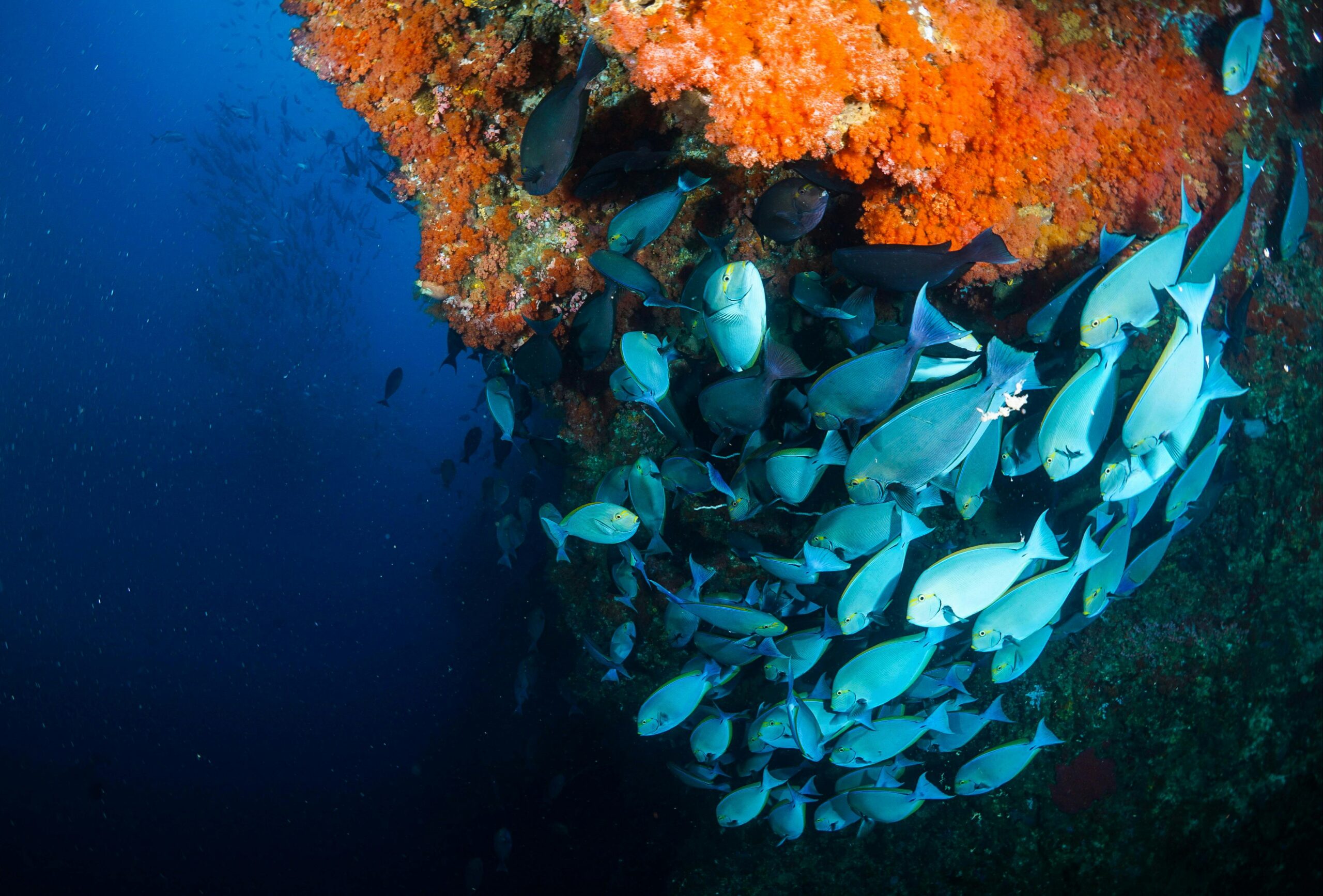
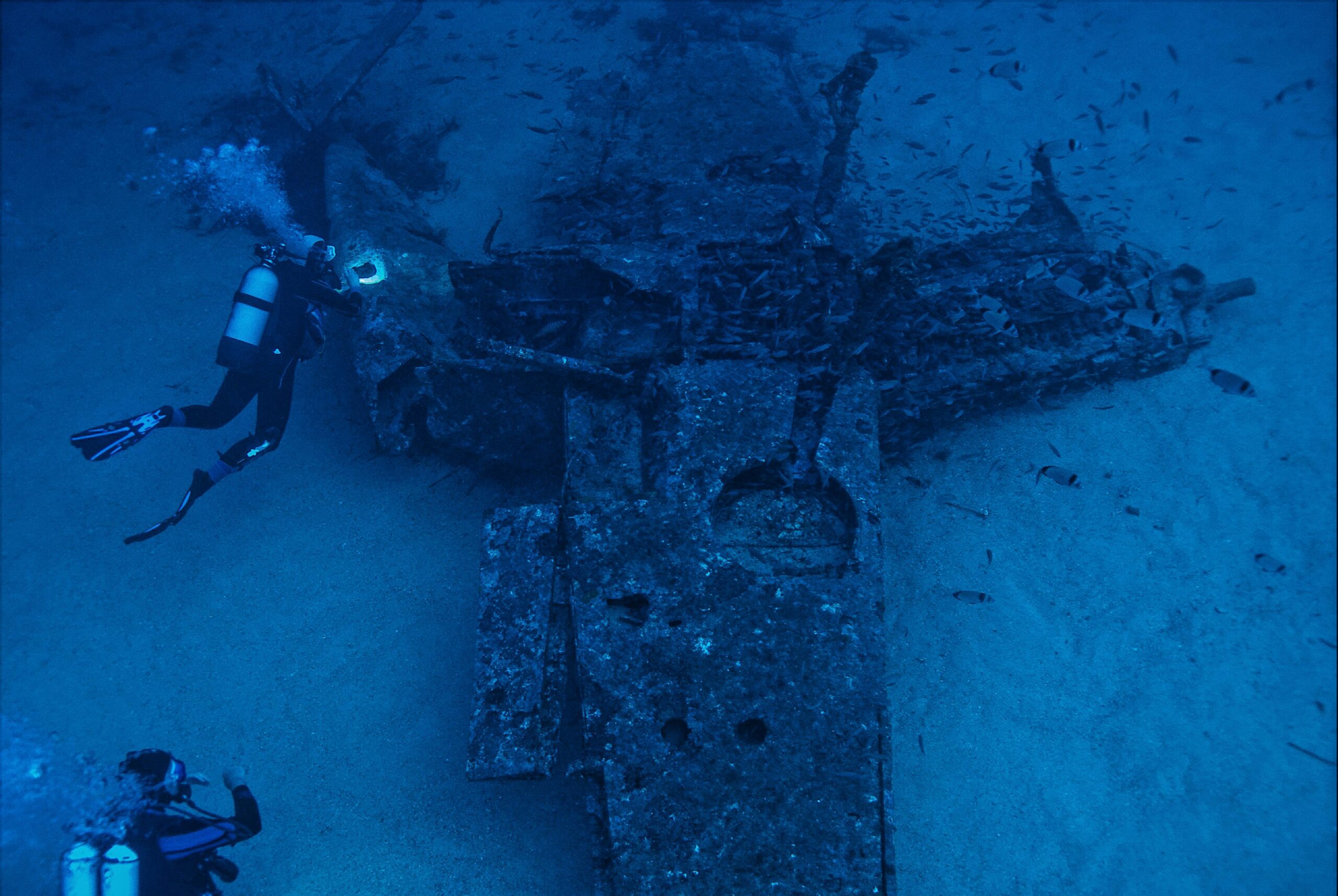
There’s an undeniable aesthetic appeal to shipwrecks—the way coral colonizes metal hulls, how fish navigate through grand staircases, the eerie beauty of ballrooms now filled with water instead of dancers. Both literature and film exploit this visual poetry, creating images that stick in the imagination long after the story ends.
This “romance of ruins” connects to broader cultural fascinations with decay and the passage of time. Shipwrecks become underwater museums, preserving snapshots of specific historical moments. They offer tangible connections to the past, making history feel immediate and real in ways that textbooks cannot achieve.
🌍 Real Wrecks, Real Stories
Many of the most compelling fictional shipwreck narratives draw inspiration from actual maritime disasters. The Edmund Fitzgerald, the Mary Rose, the Vasa, and countless other vessels provide frameworks that writers and filmmakers adapt, embellish, and reimagine.
Documentary films and narrative non-fiction about real shipwrecks occupy an interesting middle ground, offering factual accounts with dramatic structuring. Works like Robert Ballard’s expeditions, documented in books and films, demonstrate that reality often rivals fiction in terms of drama and human interest.
Archaeological Perspectives
The growing field of maritime archaeology has contributed significantly to shipwreck narratives, providing authentic details that enhance fictional accounts. Television series and documentaries about underwater excavations have educated audiences about preservation techniques, historical research methods, and the ethical considerations surrounding wreck sites.
This educational dimension adds depth to entertainment-focused shipwreck stories. Audiences now approach these narratives with greater awareness of their historical contexts, appreciating the research that underpins fictional treatments while maintaining their sense of wonder and adventure.
💎 Treasure, Technology, and Discovery
The treasure-hunting aspect of shipwreck stories taps into fundamental human desires for wealth and discovery. Spanish galleons laden with gold, merchant vessels carrying priceless artifacts—these elements transform shipwreck narratives into quests, giving protagonists clear objectives and raising stakes beyond mere survival.
Modern technology has revolutionized both real-world shipwreck exploration and its fictional depictions. Sonar mapping, remotely operated vehicles, and advanced diving equipment enable explorations previously impossible, providing new material for contemporary stories. Films can now depict underwater scenes with unprecedented realism, thanks to CGI and improved underwater filming techniques.
Ethical Dimensions of Exploration
Contemporary shipwreck narratives increasingly grapple with ethical questions. Should wrecks be disturbed? Who owns sunken treasure? What about ships that are war graves? These questions add moral complexity to stories, moving beyond simple adventure to explore cultural heritage, respect for the dead, and competing claims on history.
Films like “Men of Honor” (2000) address these themes while telling compelling personal stories, showing how shipwreck narratives can tackle serious issues without sacrificing entertainment value. This evolution reflects broader cultural shifts toward recognizing the rights of descendants and the importance of preserving historical sites.
🎭 Character Development in Crisis
Shipwreck scenarios excel at revealing character. When ships sink, social hierarchies often dissolve, allowing writers to examine how different personality types respond to existential threats. The wealthy passenger and the ship’s stoker might find themselves equals in a lifeboat, creating opportunities for social commentary and character development.
Survival narratives following shipwrecks test characters in fundamental ways. Questions of leadership, sacrifice, morality, and human nature emerge naturally from these circumstances. Who gets the last place in the lifeboat? Should resources be shared equally or allocated strategically? These dilemmas create dramatic tension while exploring profound ethical questions.
🌊 The Oceanic Gothic Tradition
Shipwrecks fit perfectly into the Gothic literary tradition, with vessels becoming haunted spaces where past tragedies echo into the present. The isolation of wrecks, their association with death, and their liminal status between visibility and obscurity make them ideal Gothic settings.
Films like “Below” (2002) combine World War II submarine thriller elements with supernatural horror, demonstrating how shipwreck settings can blend genres effectively. The confined spaces, constant danger, and historical weight of these vessels create oppressive atmospheres that Gothic narratives require.
⚡ Environmental Messages in Modern Narratives
Recent shipwreck stories often incorporate environmental themes, using wrecks as symbols of humanity’s troubled relationship with oceans. Films and books highlight how sunken vessels can become artificial reefs, supporting marine ecosystems even as they represent human failure and environmental damage from oil spills or cargo loss.
This environmental consciousness reflects growing awareness of ocean health issues. Shipwreck narratives provide accessible entry points for discussing marine conservation, pollution, and climate change, wrapping important messages in entertaining packages that reach wider audiences than purely educational content might achieve.
🎨 The Enduring Appeal of Uncharted Depths
The lasting popularity of shipwreck narratives in literature and film speaks to fundamental aspects of human psychology. We’re drawn to stories of survival against odds, fascinated by what lies beneath the surface, and moved by the poignancy of lost lives and forgotten histories. Shipwrecks offer all these elements in concentrated form.
As technology advances and we explore more of the ocean floor, new wrecks are discovered regularly, providing fresh material for storytellers. Each discovery carries potential stories—who sailed aboard these vessels, what caused their sinking, what treasures or secrets they might hold. This constant renewal ensures that shipwreck narratives will continue captivating audiences for generations to come.
The intersection of history, adventure, tragedy, and mystery that shipwrecks represent creates uniquely compelling narratives. Whether in literary form, where imagination fills in visual details, or on screen, where spectacle can be fully realized, these stories tap into deep currents of human experience. They remind us of our vulnerability, celebrate our resilience, and invite us to explore not just sunken vessels but the depths of human nature itself.
From ancient epics to modern blockbusters, from Gothic horror to environmental consciousness, shipwreck narratives evolve with each generation while maintaining their core appeal. They remain uncharted territories of storytelling, offering endless possibilities for exploration, discovery, and understanding what it means to survive when everything we’ve built sinks beneath the waves.

Toni Santos is a maritime researcher and underwater archaeologist specializing in the study of submerged heritage, ancient port systems, and the cultural landscapes preserved beneath the sea. Through an interdisciplinary and immersive approach, Toni investigates how humanity has left traces of knowledge, commerce, and legend in the underwater world — across oceans, myths, and sunken cities.
His work is grounded in a fascination with wrecks not only as artifacts, but as carriers of hidden meaning. From historic shipwreck discoveries to mythical harbors and lost coastal settlements, Toni uncovers the physical and cultural evidence through which civilizations preserved their relationship with the maritime unknown.
With a background in marine archaeology and underwater survey methods, Toni blends technical analysis with archival research to reveal how oceans were used to shape identity, transmit memory, and encode sacred knowledge.
As the creative mind behind revaltro, Toni curates documented dive studies, speculative harbor maps, and archaeological interpretations that revive the deep cultural ties between water, folklore, and forgotten science.
His work is a tribute to:
The submerged heritage of Historic Shipwrecks and Their Cargoes
The legendary sites of Mythical Harbors and Lost Civilizations
The technical methods of Underwater Exploration Techniques
The natural archiving power of Preservation in Salt and Sediment
Whether you’re a maritime historian, nautical researcher, or curious explorer of forgotten submerged worlds, Toni invites you to explore the hidden depths of oceanic heritage — one wreck, one harbor, one legend at a time.