The study of human remains bridges science, history, and ethics, raising profound questions about respect, consent, and the pursuit of knowledge in archaeology and bioarchology.
🔬 The Complex Intersection of Science and Humanity
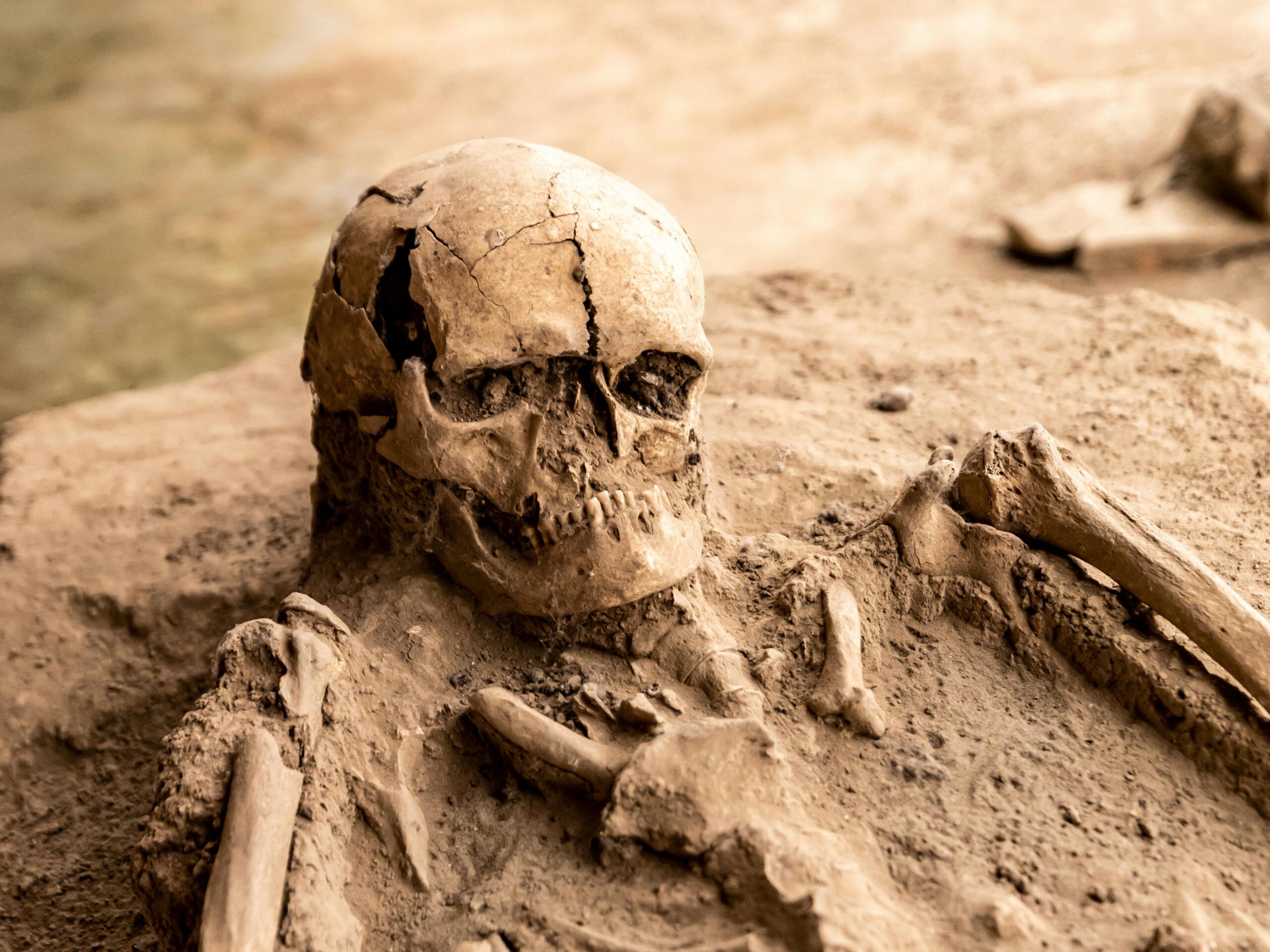
When archaeologists unearth skeletal remains from ancient civilizations, they unlock windows into our collective past. These discoveries reveal dietary habits, migration patterns, disease prevalence, and social structures of societies long vanished. Yet beneath the excitement of discovery lies a fundamental ethical dilemma: whose stories are we telling, and do we have the right to tell them?
Human remains are not simply archaeological artifacts. They represent individuals who lived, loved, suffered, and died—often with cultural and spiritual beliefs about what should happen to their bodies after death. The tension between scientific inquiry and cultural sensitivity has intensified in recent decades, forcing researchers, museums, and institutions to reconsider their practices.
This ethical landscape becomes particularly complex when examining remains of Indigenous peoples, colonized populations, and marginalized communities whose descendants still experience the effects of historical oppression. The power dynamics inherent in studying the dead without their consent or that of their cultural descendants cannot be ignored.
Historical Context: When Science Overlooked Ethics
The history of studying human remains is stained with exploitation and disrespect. During the colonial era and well into the 20th century, scientists collected bones, skulls, and mummified bodies with little regard for cultural protocols or human dignity. Many remains were obtained through grave robbing, coercion, or outright theft.
Museums worldwide accumulated vast collections of human remains, often displaying them as curiosities or using them to support now-discredited racial theories. The Smithsonian Institution alone once housed over 30,000 sets of Native American remains. In Europe, museums displayed Egyptian mummies as entertainment, unwrapping them in public spectacles during the Victorian era.
These practices reflected broader societal attitudes that dehumanized certain populations and prioritized Western scientific interests over the rights and beliefs of other cultures. The legacy of these actions continues to affect relationships between researchers and descendant communities today.
The Repatriation Movement Gains Momentum
The latter half of the 20th century witnessed growing activism from Indigenous groups and other affected communities demanding the return of their ancestors’ remains. This movement challenged the notion that scientific institutions had inherent rights to possess and study human bodies indefinitely.
In the United States, the Native American Graves Protection and Repatriation Act (NAGPRA) of 1990 marked a watershed moment. This legislation required federal agencies and institutions receiving federal funding to return Native American cultural items and human remains to lineal descendants and culturally affiliated tribes.
Similar legislative frameworks emerged globally. Australia enacted laws protecting Aboriginal remains, while New Zealand developed protocols respecting Māori beliefs about ancestral bones (kōiwi tangata). These legal changes reflected shifting ethical standards in anthropology and archaeology.
🌍 Cultural Perspectives on Death and the Body
Understanding diverse cultural attitudes toward human remains is essential for ethical practice. Different societies maintain vastly different beliefs about death, the afterlife, and the proper treatment of the deceased.
Many Indigenous cultures view human remains as living entities requiring ongoing care and respect. Disturbing burial sites can be seen as causing spiritual harm to both the deceased and their descendants. For some Aboriginal Australian communities, even viewing images of the deceased violates sacred protocols.
In contrast, Western scientific traditions have often treated human remains primarily as sources of data, valuable for the information they contain rather than as persons deserving continued dignity. This fundamental difference in worldview lies at the heart of many ethical conflicts.
The Consent Conundrum
Modern medical research requires informed consent from living participants, but applying this principle to human remains poses unique challenges. The deceased cannot consent to their study, and identifying appropriate representatives to speak on their behalf is not always straightforward.
For relatively recent burials with identifiable descendants, obtaining family permission provides a ethical pathway. However, for ancient remains with no clear genealogical connection to living individuals, determining who holds authority to grant or deny research access becomes problematic.
Some scholars argue that very ancient remains (thousands of years old) fall outside cultural affiliation claims and should be available for scientific study that benefits all humanity. Others contend that geographic and cultural continuity establish valid claims for descendant communities regardless of temporal distance.
Scientific Value Versus Cultural Rights
The debate over studying human remains often frames scientific knowledge and cultural respect as opposing interests, but this binary framing oversimplifies a nuanced issue. Many descendant communities support carefully conducted research that honors their ancestors while advancing understanding.
Human remains provide irreplaceable information about human evolution, ancient diseases, population movements, and historical events. DNA analysis of ancient skeletal material has revolutionized our understanding of human migration and genetic diversity. Isotope analysis reveals dietary patterns and climate conditions. Pathological examination documents disease prevalence and treatment practices.
Losing access to this evidence would create significant gaps in our knowledge of human history and biological diversity. Some researchers argue that responsible study of human remains represents a form of honoring the dead by preserving their stories and contributions to human heritage.
Finding Common Ground Through Collaboration
Increasingly, archaeologists and bioarchaeologists are developing collaborative frameworks that respect both scientific inquiry and cultural values. These partnerships recognize descendant communities as stakeholders with legitimate authority over ancestral remains.
Successful collaborations involve descendant communities from the project’s inception, allowing them to shape research questions, methodologies, and interpretations. Community members may participate directly in excavation and analysis, while traditional knowledge enriches scientific understanding.
Such partnerships can produce research that serves community interests, such as documenting historical trauma, establishing land rights, or preserving cultural heritage. When communities see tangible benefits from research and maintain control over their ancestors’ remains, they may support scientific study that aligns with their values.
⚖️ Legal Frameworks and Professional Guidelines
Professional organizations have developed ethical guidelines to navigate these complex issues. The World Archaeological Congress adopted its Vermillion Accord in 1989, establishing principles for treating human remains with respect and recognizing the concerns of descendant communities.
The American Association of Physical Anthropologists (now the American Association of Biological Anthropologists) regularly updates its ethics code to address evolving standards. These guidelines emphasize consultation with affected communities, respectful treatment of remains, and careful consideration of whether research justifies disturbing burial sites.
However, legal requirements vary significantly across jurisdictions, creating inconsistencies in practice. Some countries maintain strict protections for human remains, while others lack comprehensive legislation. International remains trade and research involving multiple jurisdictions raise additional complications.
The Digital Dilemma
Technological advances present new ethical challenges. Three-dimensional scanning, digital photography, and CT imaging allow researchers to create permanent digital records of human remains. These technologies can facilitate research while potentially allowing physical reburial, but they also raise concerns about consent and control.
Who owns digital data derived from human remains? Can communities demand deletion of digital records just as they can request physical repatriation? Should researchers share data freely with other scientists, or do descendant communities retain authority over digital representations of their ancestors?
Some institutions now include digital repatriation in their ethical frameworks, acknowledging that virtual representations carry similar ethical weight to physical remains. Others maintain that digital data, once created, constitutes scientific information separable from the remains themselves.
🏛️ Museums Confronting Their Collections
Museums worldwide face difficult decisions about human remains in their collections. Many institutions acquired remains through ethically questionable means during colonial periods, yet these collections also represent significant research resources and educational materials.
Progressive museums are conducting provenance research to determine the origins and acquisition circumstances of their holdings. This process often reveals uncomfortable truths about institutional complicity in colonialism and exploitation.
Display of human remains presents particular challenges. While some museums have removed all human remains from public view, others argue that respectful display can educate visitors about past societies and promote cross-cultural understanding. Egyptian mummies exemplify this tension—should they be exhibited as cultural artifacts, or reburied according to ancient Egyptian beliefs about the afterlife?
Repatriation in Practice
Implementing repatriation policies involves complex practical and philosophical questions. Museums must determine which claims to honor when multiple groups assert affiliation with particular remains. They must balance competing interests when descendant communities disagree about appropriate disposition.
Physical repatriation can be expensive and logistically challenging, especially for international cases. Some institutions resist repatriation by claiming remains are too valuable for research or that claimants cannot prove sufficiently direct connection.
Yet successful repatriations demonstrate how this process can heal historical wounds and build relationships. The return of Native American remains has enabled proper burial according to traditional practices, providing closure for communities and acknowledging past injustices.
Education and Changing Disciplinary Culture
Training the next generation of bioarchaeologists and physical anthropologists requires integrating ethical considerations throughout the curriculum. Students must learn not only technical analytical skills but also the cultural, legal, and ethical contexts of their work.
This education should include the history of exploitation in the discipline, the perspectives of affected communities, and frameworks for ethical decision-making. Students benefit from direct engagement with descendant communities when possible, developing cultural competency alongside technical expertise.
Diversifying the discipline itself—recruiting more scholars from Indigenous and historically marginalized communities—brings valuable perspectives to ethical debates and helps transform disciplinary culture from within.
💡 Emerging Best Practices and Future Directions
As the field evolves, several principles are emerging as best practices for ethically studying human remains:
- Prioritize consultation with descendant communities before beginning research
- Apply the most minimally invasive methods that can answer research questions
- Ensure research benefits extend to descendant communities when possible
- Respect cultural protocols regarding handling, photography, and display of remains
- Maintain transparency about research methods, findings, and institutional policies
- Recognize that some remains should not be studied regardless of scientific value
- Support repatriation requests from legitimate descendant communities
- Create accessible processes for communities to make claims and participate in decisions
These principles acknowledge that scientific freedom is not absolute and must be balanced against other ethical values, including respect for human dignity, cultural self-determination, and historical justice.
The Role of Technology in Ethical Practice
While technology raises new ethical questions, it also offers solutions. Non-invasive imaging techniques can extract information without destroying samples. Portable analysis equipment allows researchers to study remains on-site rather than removing them from communities.
Ancient DNA analysis requires only tiny samples, and improving techniques continually reduce the amount of material needed. Virtual reality could eventually allow detailed study of digital models while physical remains undergo reburial.
However, technology alone cannot resolve ethical dilemmas. The most sophisticated analytical tools still require ethical frameworks guiding their application, ensuring communities maintain authority over their ancestors regardless of technical capabilities.
Reconciling Past Injustices With Future Knowledge
The study of human remains stands at a crossroads. The discipline must acknowledge and address its problematic history while maintaining the capacity to generate valuable knowledge about human diversity, evolution, and history.
This reconciliation requires humility from researchers, willingness to cede control and authority to descendant communities, and recognition that some scientific questions may remain unanswered if answering them requires violating cultural values or perpetuating historical injustices.
It also requires good faith engagement from institutions, which must invest resources in provenance research, community consultation, and when appropriate, repatriation. These processes can be time-consuming and expensive, but they represent necessary steps toward ethical practice.
Ultimately, navigating ethical boundaries in studying human remains demands ongoing dialogue, mutual respect, and recognition that multiple valid perspectives exist. The dead cannot speak for themselves, but their descendants, cultural inheritors, and the broader human community all have stakes in determining how we honor and learn from those who came before us. 🕊️
By centering ethics alongside scientific inquiry, researchers can work toward a future where studying the past respects the dignity of all people, honors diverse cultural values, and produces knowledge that truly serves humanity rather than perpetuating historical patterns of exploitation and disrespect.

Toni Santos is a maritime researcher and underwater archaeologist specializing in the study of submerged heritage, ancient port systems, and the cultural landscapes preserved beneath the sea. Through an interdisciplinary and immersive approach, Toni investigates how humanity has left traces of knowledge, commerce, and legend in the underwater world — across oceans, myths, and sunken cities.
His work is grounded in a fascination with wrecks not only as artifacts, but as carriers of hidden meaning. From historic shipwreck discoveries to mythical harbors and lost coastal settlements, Toni uncovers the physical and cultural evidence through which civilizations preserved their relationship with the maritime unknown.
With a background in marine archaeology and underwater survey methods, Toni blends technical analysis with archival research to reveal how oceans were used to shape identity, transmit memory, and encode sacred knowledge.
As the creative mind behind revaltro, Toni curates documented dive studies, speculative harbor maps, and archaeological interpretations that revive the deep cultural ties between water, folklore, and forgotten science.
His work is a tribute to:
The submerged heritage of Historic Shipwrecks and Their Cargoes
The legendary sites of Mythical Harbors and Lost Civilizations
The technical methods of Underwater Exploration Techniques
The natural archiving power of Preservation in Salt and Sediment
Whether you’re a maritime historian, nautical researcher, or curious explorer of forgotten submerged worlds, Toni invites you to explore the hidden depths of oceanic heritage — one wreck, one harbor, one legend at a time.