From rusting bridges to decaying wood, the silent forces of corrosion and biological degradation shape our world in ways we often overlook until the damage becomes visible.
🔬 The Invisible Battle Against Material Breakdown
Every structure, material, and object around us faces a relentless assault from nature’s destructive forces. Corrosion and biological degradation represent two fundamental processes through which materials deteriorate over time, costing industries billions of dollars annually while threatening infrastructure safety and environmental stability. Understanding these phenomena isn’t merely an academic exercise—it’s essential for anyone involved in construction, manufacturing, preservation, or environmental management.
The science behind material degradation encompasses multiple disciplines, from electrochemistry and metallurgy to microbiology and environmental science. As our infrastructure ages and climate patterns shift, comprehending these processes becomes increasingly critical for developing effective protection strategies and sustainable materials.
⚡ Understanding Corrosion: The Chemistry of Metal Deterioration
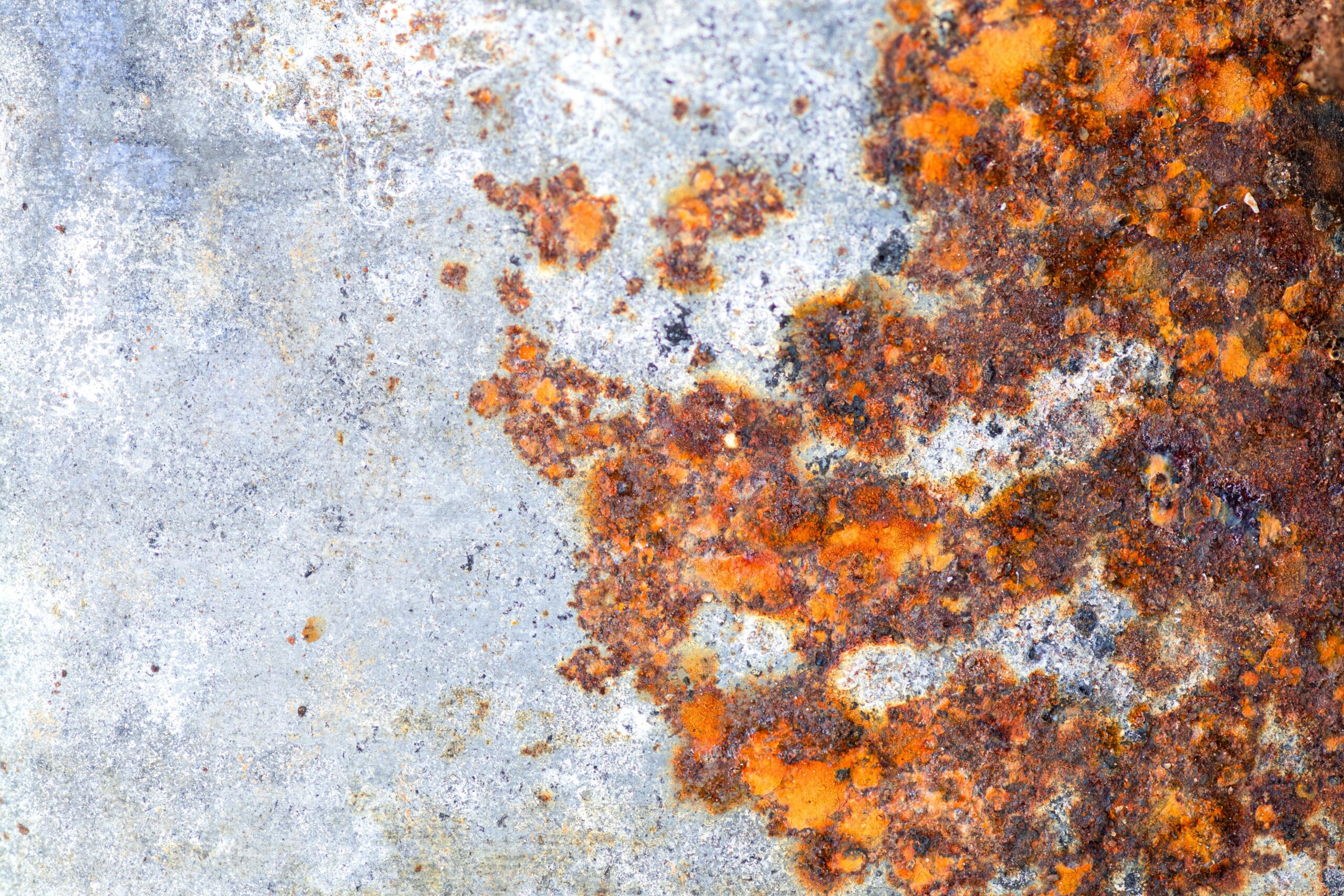
Corrosion represents the gradual destruction of materials through chemical or electrochemical reactions with their environment. While we typically associate corrosion with rusting metal, the phenomenon extends far beyond iron oxide formation on steel surfaces.
At its core, corrosion is an electrochemical process where metals return to their natural oxide states. When iron corrodes, for instance, it reverts to iron oxide—essentially the same compound found in iron ore. This transformation occurs because refined metals exist in a thermodynamically unstable state, constantly seeking equilibrium with their surroundings.
The Electrochemical Dance of Metal Atoms
Metal corrosion occurs through oxidation-reduction reactions. At the anodic site, metal atoms lose electrons and dissolve into the surrounding electrolyte as positively charged ions. Simultaneously, at the cathodic site, these electrons are consumed by reduction reactions, typically involving oxygen, water, or hydrogen ions.
For corrosion to proceed, four essential components must be present: an anode, a cathode, an electrolyte, and a metallic connection between anode and cathode. Remove any single element, and the corrosion process halts—a principle that underlies many corrosion prevention strategies.
Different types of corrosion manifest based on environmental conditions and material properties:
- Uniform corrosion: Even deterioration across the entire exposed surface, the most predictable and manageable form
- Galvanic corrosion: Accelerated degradation when two dissimilar metals contact in the presence of an electrolyte
- Pitting corrosion: Localized attack creating small holes or cavities, particularly dangerous as it can penetrate deeply while remaining visually subtle
- Crevice corrosion: Occurs in confined spaces where stagnant conditions develop
- Stress corrosion cracking: Combined effect of tensile stress and corrosive environment leading to catastrophic failure
- Intergranular corrosion: Attack along grain boundaries in metal alloys
🌊 Environmental Factors Accelerating Corrosion
The rate and severity of corrosion depend heavily on environmental conditions. Moisture acts as the primary electrolyte enabling electrochemical reactions, which explains why corrosion accelerates dramatically in humid environments or when materials remain wet.
Temperature influences corrosion kinetics significantly. Higher temperatures generally accelerate chemical reactions, doubling corrosion rates with every 10°C increase in many systems. However, certain corrosion mechanisms show more complex temperature dependencies.
Atmospheric pollutants transform benign environments into corrosive ones. Sulfur dioxide, nitrogen oxides, and chlorides—common in industrial and coastal areas—dramatically increase corrosion rates by creating acidic conditions or aggressive ions that break down protective oxide layers.
The Devastating Impact of Marine Environments
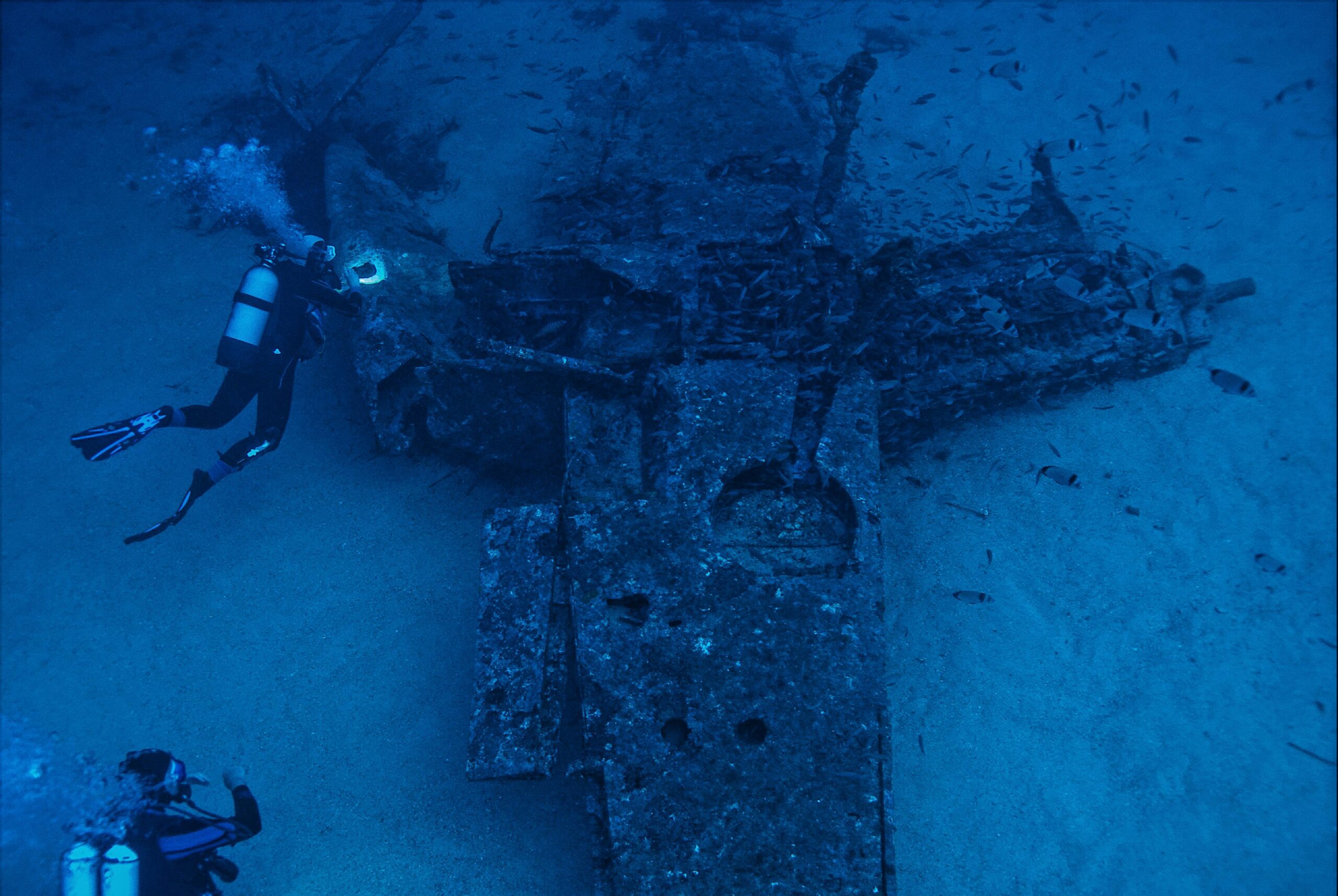
Coastal and marine environments represent some of the most corrosive conditions on Earth. Saltwater contains dissolved chloride ions that penetrate protective oxide films, while constant moisture and oxygen availability fuel continuous electrochemical reactions. Ships, offshore platforms, and coastal infrastructure face particularly severe corrosion challenges, requiring specialized materials and protective systems.
🦠 Biological Degradation: When Life Breaks Down Materials
While corrosion represents a purely chemical process, biological degradation involves living organisms breaking down materials. This biodegradation encompasses a vast range of mechanisms, from bacterial colonies consuming organic materials to fungi decomposing wood structures.
Microbiologically influenced corrosion (MIC) represents a fascinating intersection between biological and chemical degradation. Microorganisms don’t directly “eat” metal, but their metabolic activities create highly corrosive local environments that accelerate material breakdown.
The Hidden World of Biofilms
Biofilms—communities of microorganisms encased in self-produced polymeric matrices—play central roles in biological degradation. These slimy layers adhere to surfaces, creating microenvironments with dramatically different chemistry than the surrounding bulk environment.
Within biofilms, anaerobic bacteria can thrive even in oxygen-rich surroundings, producing corrosive metabolites like hydrogen sulfide, organic acids, and ammonia. Sulfate-reducing bacteria, particularly prevalent in marine and soil environments, generate hydrogen sulfide that aggressively attacks steel and other metals.
The protective slime layer also traps corrosive ions and metabolic waste products against material surfaces, creating concentration cells that drive localized corrosion. This mechanism explains why removing biofilms and preventing their formation represents a critical aspect of corrosion control in water systems, pipelines, and marine structures.
🌲 Organic Material Decomposition: Nature’s Recycling System
Biological degradation of organic materials—wood, paper, textiles, plastics—follows different pathways than metal corrosion. Fungi, bacteria, and insects evolved sophisticated enzyme systems to break down complex organic molecules into simpler compounds they can metabolize.
Wood degradation illustrates these processes beautifully. White rot fungi produce lignin-degrading enzymes that break down the structural polymer giving wood its strength. Brown rot fungi preferentially attack cellulose, leaving behind brownish, crumbly residue. Soft rot fungi operate more slowly but can degrade wood even in harsh conditions where other organisms cannot survive.
Moisture content critically influences wood degradation. Most wood-destroying organisms require moisture levels above 20%, which explains why keeping timber dry provides effective protection. However, certain organisms adapted to lower moisture conditions, and alternating wet-dry cycles can prove particularly destructive.
💰 The Economic Toll of Material Degradation
The financial impact of corrosion and biological degradation extends far beyond simple replacement costs. Infrastructure failures, production downtime, safety incidents, and environmental remediation create cascading economic consequences.
Global corrosion costs exceed $2.5 trillion annually—approximately 3.4% of global GDP according to comprehensive studies. The transportation sector, utilities, infrastructure, and manufacturing industries bear the heaviest burdens. In the United States alone, corrosion costs approach $300 billion yearly when accounting for direct costs and associated impacts.
Biological degradation adds billions more in losses. Agricultural post-harvest losses from microbial spoilage, structural damage from wood-destroying organisms, and biofilm fouling in industrial water systems represent just a few examples of biodegradation’s economic impact.
🛡️ Fighting Back: Modern Protection Strategies
Combating corrosion and biological degradation requires multifaceted approaches combining material selection, protective coatings, environmental control, and active protection systems.
Material Selection and Engineering
Choosing corrosion-resistant materials provides the first line of defense. Stainless steels, aluminum alloys, titanium, and specialized polymers offer superior resistance in specific environments. However, cost considerations often necessitate using less resistant materials with supplementary protection.
Engineering design profoundly influences degradation rates. Eliminating crevices, ensuring proper drainage, avoiding dissimilar metal contact, and facilitating inspection and maintenance all contribute to longer service life.
Protective Coatings and Surface Treatments
Coatings create physical barriers isolating materials from corrosive environments. Paint systems, powder coatings, metallic coatings (galvanizing, chrome plating), and conversion coatings each offer distinct advantages for specific applications.
Modern coating technology increasingly incorporates “smart” features—self-healing capabilities, corrosion indicators, and biocide release mechanisms that respond to environmental triggers. Nano-engineered coatings with superhydrophobic properties show particular promise for preventing both corrosion and biofilm formation.
Cathodic Protection Systems
Cathodic protection represents an elegant application of electrochemistry to corrosion control. By making the entire structure cathodic through external current or sacrificial anodes, these systems prevent the oxidation reactions that cause corrosion. Underground pipelines, ship hulls, and storage tanks commonly employ cathodic protection as a primary defense mechanism.
🧪 Innovative Approaches to Degradation Control
Emerging technologies promise more effective and sustainable approaches to combating material degradation. Corrosion inhibitors—chemical compounds that dramatically reduce corrosion rates at low concentrations—continue evolving toward environmentally friendly formulations replacing toxic chromates and heavy metal compounds.
Biomimetic approaches draw inspiration from nature’s solutions. Certain marine organisms resist biofouling through specialized surface textures and chemical defenses. Researchers are replicating these strategies in synthetic materials, creating surfaces that naturally discourage biofilm formation without toxic biocides.
Nanotechnology opens new frontiers in corrosion resistance. Nanoparticle additives in coatings create more impermeable barriers, while nanostructured surfaces can actively repel water and contaminants. Carbon nanotubes and graphene show exceptional promise as corrosion-resistant coating components.
📊 Monitoring and Prediction Technologies
Advanced monitoring systems enable proactive corrosion management rather than reactive repairs. Electrochemical sensors, ultrasonic thickness gauges, and acoustic emission monitoring detect corrosion in real-time, allowing intervention before structural integrity becomes compromised.
Predictive modeling combines environmental data, material properties, and machine learning algorithms to forecast degradation rates and remaining service life. These tools help optimize inspection schedules, prioritize maintenance resources, and plan replacements before failures occur.
Drones equipped with specialized cameras and sensors increasingly inspect bridges, towers, pipelines, and other infrastructure, identifying corrosion hotspots safely and efficiently. This technology dramatically reduces inspection costs while improving coverage and consistency.
🌍 Environmental Considerations and Sustainable Solutions
Traditional corrosion and degradation control methods often relied on environmentally problematic chemicals—chromates, lead-based paints, toxic wood preservatives, and persistent biocides. Modern approaches increasingly emphasize sustainability and environmental compatibility.
Green corrosion inhibitors derived from plant extracts, amino acids, and other biocompatible compounds show promising performance while minimizing ecological impact. Biodegradable lubricants and hydraulic fluids reduce contamination risks in sensitive environments.
The circular economy concept extends to corrosion management through improved recycling of corroded materials, design for disassembly, and life-cycle optimization that balances initial costs against longevity and end-of-life considerations.
🔮 Future Challenges and Opportunities
Climate change presents evolving challenges for corrosion and degradation control. Rising temperatures, changing precipitation patterns, and increased atmospheric carbon dioxide levels alter corrosion rates and mechanisms in ways we’re only beginning to understand.
Coastal infrastructure faces heightened risks from rising sea levels and more intense storm surges, exposing structures to aggressive marine environments. Meanwhile, changing microbial communities adapt to new conditions, potentially introducing novel biodegradation threats.
However, these challenges drive innovation. Self-healing materials that automatically repair damage, ultra-durable coatings lasting decades without maintenance, and biological protection systems using beneficial microbes to outcompete destructive species all represent active research frontiers.
⚙️ Practical Steps for Degradation Prevention
For engineers, facility managers, and homeowners alike, implementing practical degradation prevention strategies yields substantial long-term benefits. Regular inspection programs catch problems early when remediation remains simple and inexpensive. Keeping detailed maintenance records helps identify recurring issues and optimize protection strategies.
Environmental control—managing humidity, eliminating standing water, ensuring adequate ventilation—addresses root causes rather than symptoms. Simple design considerations like slope for drainage, accessibility for maintenance, and material compatibility prevent many degradation problems entirely.
Education and training ensure that everyone from designers to maintenance personnel understands degradation mechanisms and best practices. Cross-disciplinary collaboration brings together materials scientists, microbiologists, engineers, and environmental specialists to develop comprehensive solutions.
🎯 The Path Forward in Material Preservation
The battle against corrosion and biological degradation represents an ongoing challenge that will persist as long as we use materials in service environments. However, our understanding of these processes deepens continuously, and our tools for prevention and mitigation grow more sophisticated and effective.
Success requires viewing degradation not as an inevitable fate but as a manageable challenge through informed material selection, thoughtful design, appropriate protective measures, and vigilant monitoring. The economic, safety, and environmental stakes justify sustained research investment and implementation of best practices across all industries.
As we develop smarter materials, more precise monitoring capabilities, and deeper understanding of degradation mechanisms at molecular and microbial levels, we move toward a future where structures last longer, resources extend further, and the economic and environmental costs of material degradation decline substantially. The science of corrosion and biological degradation continues evolving, offering opportunities for innovation that benefit society while protecting our built environment against nature’s persistent erosive forces.

Toni Santos is a maritime researcher and underwater archaeologist specializing in the study of submerged heritage, ancient port systems, and the cultural landscapes preserved beneath the sea. Through an interdisciplinary and immersive approach, Toni investigates how humanity has left traces of knowledge, commerce, and legend in the underwater world — across oceans, myths, and sunken cities.
His work is grounded in a fascination with wrecks not only as artifacts, but as carriers of hidden meaning. From historic shipwreck discoveries to mythical harbors and lost coastal settlements, Toni uncovers the physical and cultural evidence through which civilizations preserved their relationship with the maritime unknown.
With a background in marine archaeology and underwater survey methods, Toni blends technical analysis with archival research to reveal how oceans were used to shape identity, transmit memory, and encode sacred knowledge.
As the creative mind behind revaltro, Toni curates documented dive studies, speculative harbor maps, and archaeological interpretations that revive the deep cultural ties between water, folklore, and forgotten science.
His work is a tribute to:
The submerged heritage of Historic Shipwrecks and Their Cargoes
The legendary sites of Mythical Harbors and Lost Civilizations
The technical methods of Underwater Exploration Techniques
The natural archiving power of Preservation in Salt and Sediment
Whether you’re a maritime historian, nautical researcher, or curious explorer of forgotten submerged worlds, Toni invites you to explore the hidden depths of oceanic heritage — one wreck, one harbor, one legend at a time.