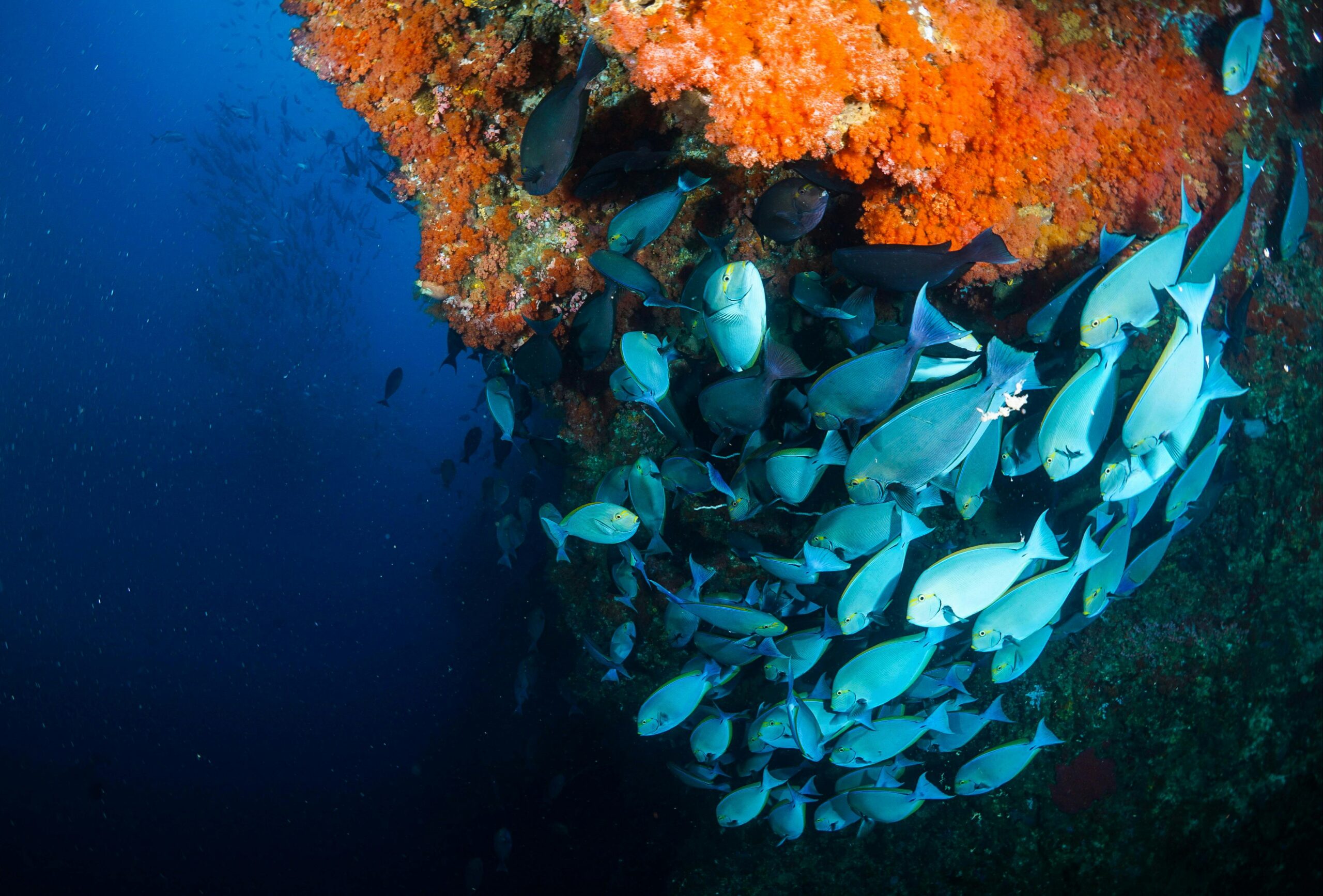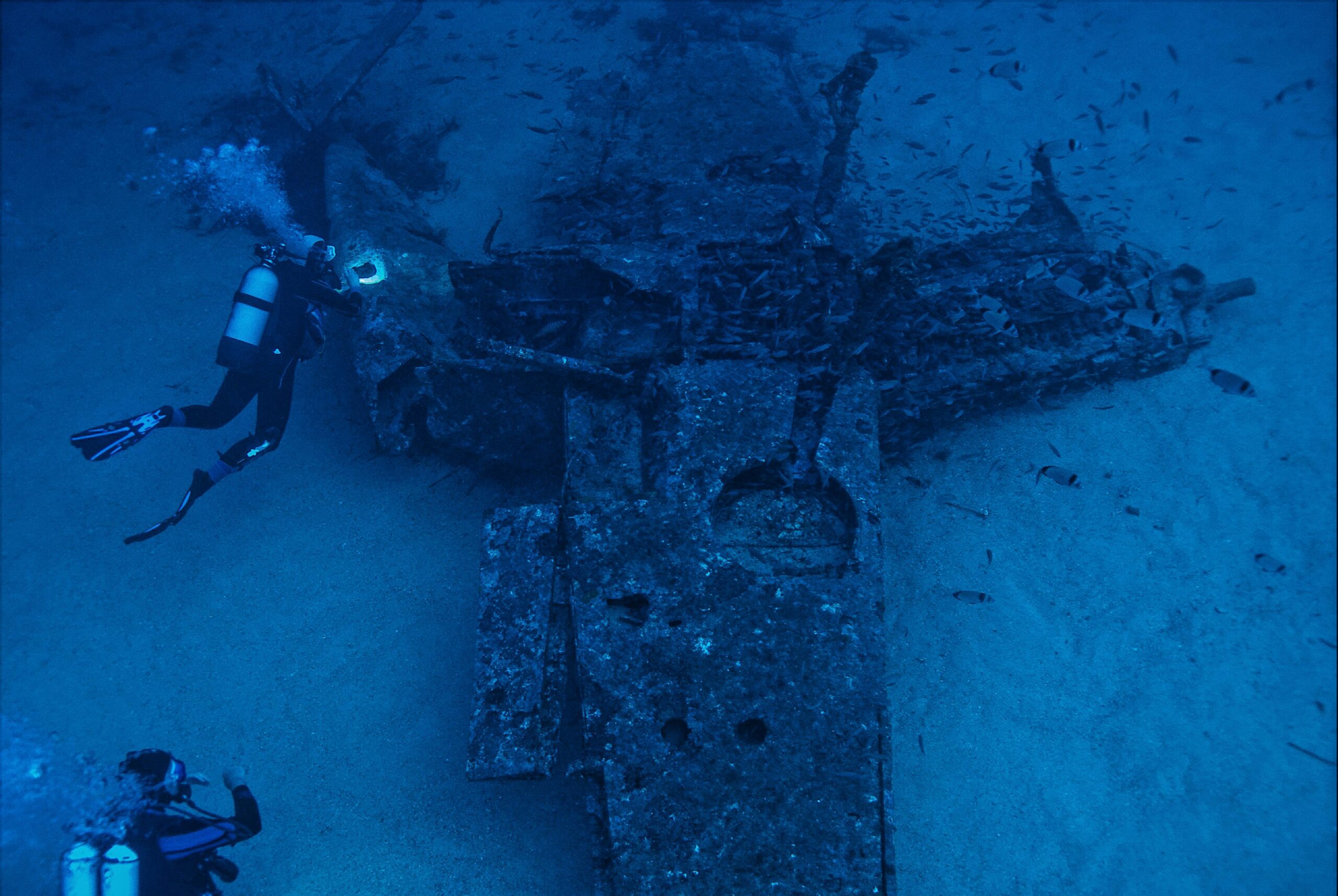
The ocean floor holds countless secrets, and among the most compelling are the shipwrecks that rest in silent testimony to maritime history, tragedy, and commerce.
Every year, thousands of vessels navigate the world’s oceans, and while modern technology has made maritime travel safer than ever, accidents still happen. When they do, a complex web of legal and financial considerations comes into play. The intersection of insurance law, maritime regulations, and salvage operations creates a fascinating framework that governs what happens when ships meet their watery graves.
Understanding the legal and insurance implications of shipwrecks isn’t just an academic exercise—it’s a critical component of maritime commerce that affects everyone from shipping companies to archaeological researchers, from insurance underwriters to treasure hunters. The stakes are high, with billions of dollars in cargo, environmental concerns, and historical artifacts all hanging in the balance beneath the waves.
⚓ The Legal Framework Governing Underwater Wrecks
Maritime law, one of the oldest bodies of international law, has evolved over centuries to address the unique challenges posed by activities at sea. When a vessel sinks, it doesn’t simply disappear from legal consideration—instead, it becomes subject to a complex array of regulations that determine ownership, salvage rights, and liability.
The United Nations Convention on the Law of the Sea (UNCLOS) provides the foundational framework for maritime activities, including shipwrecks. This international treaty establishes guidelines for territorial waters, exclusive economic zones, and the high seas, each with different implications for wreck ownership and salvage rights.
Under maritime law, the owner of a vessel typically retains ownership even after it sinks, unless they explicitly abandon the wreck. This principle has significant implications for insurance claims, salvage operations, and archaeological exploration. The challenge lies in determining when and if abandonment has occurred, particularly for wrecks that have rested underwater for extended periods.
Historical Wrecks and Cultural Heritage Protection 🏛️
The 2001 UNESCO Convention on the Protection of the Underwater Cultural Heritage introduced additional considerations for historically significant wrecks. Ships that have been submerged for more than 100 years receive special protection under this convention, prioritizing archaeological and historical preservation over commercial salvage.
This creates interesting tensions between traditional maritime salvage law and cultural heritage protection. Countries have adopted varying approaches to balancing these competing interests, with some favoring preservation and others allowing more liberal salvage operations under regulated conditions.
🔍 Insurance Coverage for Maritime Disasters
Marine insurance represents one of the oldest forms of commercial insurance, with roots stretching back to ancient maritime trading civilizations. Today’s marine insurance policies are sophisticated instruments designed to protect shipowners, cargo interests, and other stakeholders from the financial consequences of maritime casualties.
Hull and machinery insurance covers physical damage to the vessel itself. When a ship sinks, this coverage typically compensates the owner for the vessel’s insured value, subject to policy terms and conditions. However, obtaining this compensation isn’t always straightforward—insurers will investigate the cause of the loss, the vessel’s seaworthiness, and whether the owner fulfilled all policy obligations.
Protection and Indemnity Coverage
Protection and Indemnity (P&I) clubs provide liability coverage for shipowners, addressing third-party claims that might arise from a maritime casualty. This can include environmental cleanup costs, wreck removal expenses, cargo claims, and injury or death compensation for crew members or passengers.
The distinction between hull insurance and P&I coverage is critical when a ship sinks. While hull insurance addresses the vessel’s value, P&I coverage handles the potentially far more expensive liabilities that can arise from a sinking, particularly if pollution occurs or if the wreck poses a navigational hazard.
💰 The Economics of Wreck Removal
When a vessel sinks in navigable waters or poses environmental threats, removal becomes necessary. The costs associated with wreck removal can be astronomical, sometimes exceeding the original value of the vessel itself. These operations require specialized equipment, experienced salvage crews, and careful planning to execute safely and effectively.
The Nairobi International Convention on the Removal of Wrecks, which entered into force in 2015, established international standards for wreck removal obligations. Under this convention, shipowners are required to maintain insurance or financial security sufficient to cover wreck removal costs, and coastal states have enhanced authority to compel removal of hazardous wrecks within their exclusive economic zones.
| Wreck Removal Factor | Typical Cost Range | Primary Considerations |
|---|---|---|
| Depth of wreck | $500K – $50M+ | Specialized equipment needs, technical diving requirements |
| Vessel size | $1M – $100M+ | Tonnage, structural complexity, materials |
| Environmental sensitivity | $2M – $200M+ | Fuel removal, pollution prevention, habitat protection |
| Location accessibility | $250K – $25M+ | Weather windows, proximity to support facilities |
Environmental Liability Considerations 🌊
Modern vessels often carry substantial quantities of fuel oil, and many transport hazardous cargo. When these ships sink, they can become “ticking time bombs” as their fuel tanks corrode and leak. The environmental damage from such pollution can be severe and long-lasting, affecting marine ecosystems, coastal communities, and commercial fisheries.
International conventions like the International Convention on Civil Liability for Oil Pollution Damage and the International Convention on the Establishment of an International Fund for Compensation for Oil Pollution Damage create frameworks for addressing pollution from shipwrecks. These conventions establish liability regimes and compensation funds to ensure that cleanup costs and damages are covered even when individual shipowners lack sufficient resources.
⚖️ Salvage Law and the Law of Finds
Two distinct legal doctrines govern the recovery of property from shipwrecks: the law of salvage and the law of finds. Understanding the difference between these frameworks is essential for anyone involved in underwater recovery operations.
The law of salvage applies when the owner of sunken property has not abandoned it. Salvors who successfully recover property under these circumstances are entitled to a salvage award—compensation determined by factors including the value of the saved property, the degree of danger faced by salvors, the skill required, and the environmental benefits of the salvage operation. However, ownership of the salvaged property remains with the original owner.
The law of finds, by contrast, applies to property that has been genuinely abandoned by its owner. Under this doctrine, the finder who reduces abandoned property to possession becomes its owner. Proving abandonment, however, can be challenging, particularly for older wrecks where original owners may be difficult to identify or may have corporate successors.
Commercial Salvage Operations
Professional salvage companies operate sophisticated businesses built around recovering vessels and cargo from underwater casualties. These organizations maintain specialized equipment, employ highly trained personnel, and navigate complex legal and insurance frameworks to conduct their operations.
Salvage contracts typically follow standard forms like Lloyd’s Open Form (LOF), which operates on a “no cure, no pay” basis—salvors only receive compensation if they successfully save property. This arrangement aligns the interests of salvors and property owners while incentivizing prompt and effective salvage operations.
🗺️ Archaeological and Historical Shipwrecks
Not all shipwrecks are recent casualties—the ocean floor holds countless vessels from throughout human history, some containing artifacts of immense archaeological and cultural value. These historical wrecks present unique legal and ethical challenges that differ significantly from modern maritime casualties.
The discovery of treasure-laden Spanish galleons, ancient trading vessels, and warships from various eras has sparked numerous legal battles over ownership and recovery rights. Courts have grappled with questions about whether historical wrecks should be treated as abandoned property subject to salvage or finds law, or whether they merit special protection as cultural heritage.
In the United States, the Abandoned Shipwreck Act of 1987 transferred title to certain abandoned shipwrecks on state submerged lands to state governments, recognizing the importance of preserving underwater cultural resources. Similar legislation in other countries reflects growing recognition that some shipwrecks have value beyond their monetary worth.
Balancing Commercial and Cultural Interests
The tension between commercial salvage and archaeological preservation remains a contentious issue. Commercial salvors argue that without the profit motive, many historically significant wrecks would never be discovered or recovered. Archaeologists counter that unscientific salvage operations destroy contextual information and treat irreplaceable cultural artifacts as mere commodities.
Some jurisdictions have developed hybrid approaches, requiring commercial salvors to work alongside archaeologists and follow scientific protocols while still allowing for commercial exploitation of recovered materials. These compromises attempt to balance economic incentives with preservation imperatives.
🛡️ Insurance Claims Process for Sunken Vessels
When a vessel sinks, the insurance claims process begins immediately. Shipowners must provide prompt notice to their insurers and cooperate fully with the claims investigation. The process involves several critical stages:
- Initial notification: Shipowners must notify insurers as soon as reasonably possible after a casualty occurs
- Casualty investigation: Insurers will investigate the cause and circumstances of the sinking
- Survey and assessment: Marine surveyors assess the damage and determine whether the vessel is a constructive or actual total loss
- Salvage considerations: Decisions about whether to attempt salvage or declare a total loss
- Claims negotiation: Discussion of the settlement amount based on policy terms and casualty circumstances
- Subrogation rights: Insurers may pursue third parties responsible for the casualty to recover paid claims
The concept of “constructive total loss” is particularly important in marine insurance. A vessel may be declared a constructive total loss even if it hasn’t been completely destroyed, if the cost of recovery and repair would exceed the vessel’s insured value. This determination has significant implications for both insurers and insured parties.
🌐 International Jurisdiction and Enforcement Challenges
The international nature of maritime commerce creates jurisdictional complexities when dealing with shipwrecks. A vessel registered in one country, owned by nationals of another, carrying cargo belonging to entities in multiple nations, and sinking in the territorial waters of yet another state presents obvious challenges for determining applicable law and jurisdiction.
Maritime law includes choice-of-law principles designed to address these complications, but disputes still arise. The location of the wreck, the vessel’s flag state, the nationality of parties involved, and the terms of relevant contracts all influence jurisdictional determinations.
Enforcement of judgments and awards across international borders adds another layer of complexity. A salvage award or insurance judgment obtained in one jurisdiction may face challenges when enforcement is sought in another country, particularly if different legal principles apply or if the enforcing state’s courts view the original judgment as contrary to local public policy.
🔮 Emerging Technologies and Future Developments
Technological advances are transforming shipwreck exploration, salvage, and archaeological investigation. Remotely operated vehicles (ROVs), autonomous underwater vehicles (AUVs), and sophisticated sonar systems allow for detailed wreck surveys at depths that would have been impossible just decades ago.
These technologies raise new legal questions. Who owns data and imagery collected from shipwrecks? How should virtual access to underwater cultural heritage be regulated? Can digital documentation satisfy preservation objectives without physical recovery of artifacts? These questions will require legal frameworks to evolve alongside technological capabilities.
Climate change and rising sea levels also present emerging challenges for shipwreck management. Wrecks that were once in deep water may become more accessible, while coastal wrecks may face increased degradation from changing environmental conditions. Insurance and legal frameworks will need to adapt to these shifting circumstances.
⛵ Lessons from the Depths: Navigating Forward
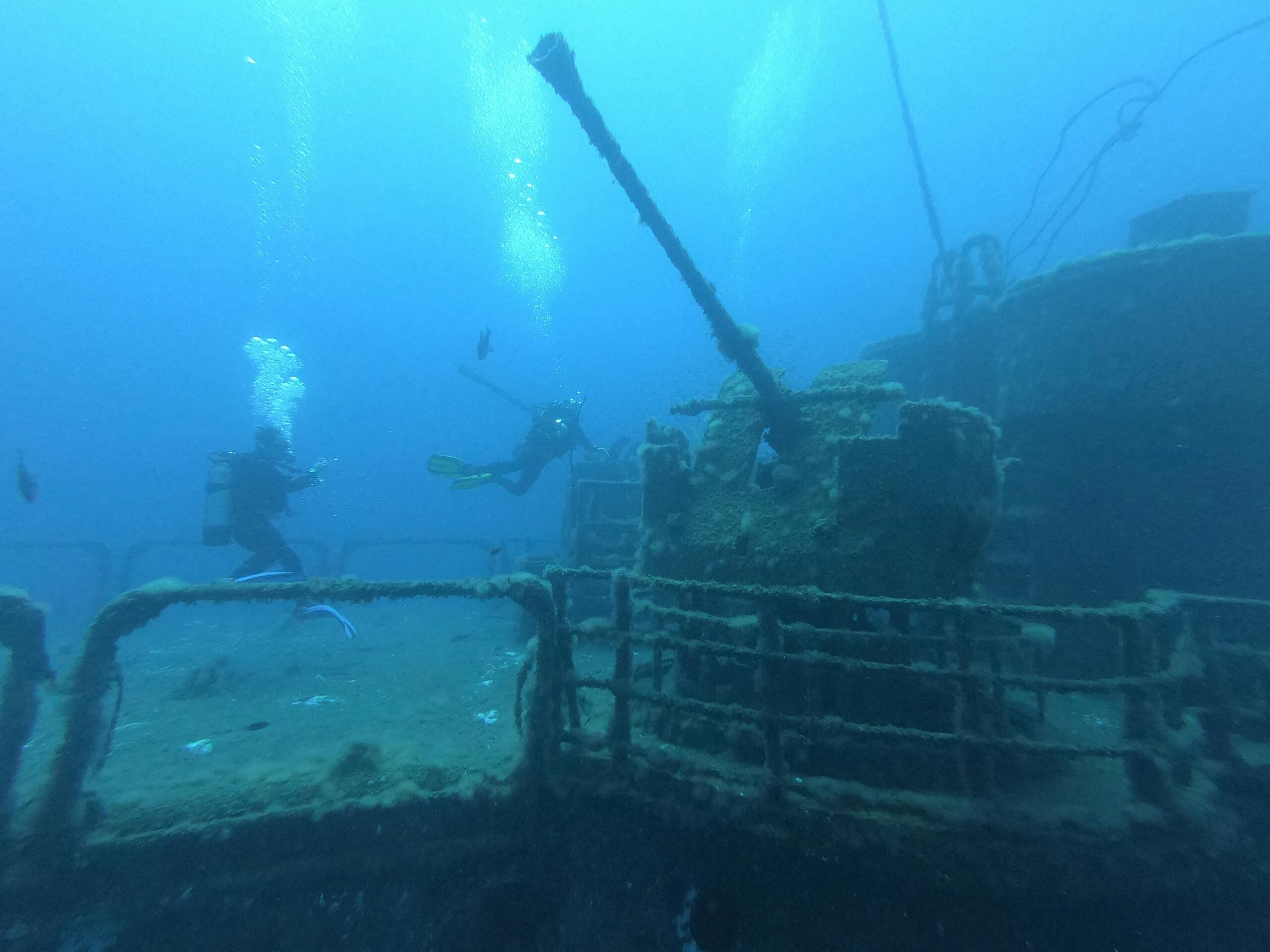
The world beneath the waves contains countless stories—of maritime commerce, naval warfare, human tragedy, and historical significance. The legal and insurance frameworks governing shipwrecks represent humanity’s attempt to bring order to this underwater realm, balancing commercial interests, environmental protection, cultural preservation, and practical necessity.
For maritime industry professionals, understanding these frameworks is essential for managing risk and responding effectively when casualties occur. For insurers, comprehensive knowledge of maritime law and salvage principles enables accurate risk assessment and fair claims handling. For archaeologists and historians, familiarity with legal constraints and opportunities shapes research possibilities and preservation strategies.
The interplay between insurance and maritime law continues to evolve, responding to new technologies, changing environmental conditions, and shifting cultural values. As humanity’s relationship with the ocean deepens and our technological capabilities expand, the legal and financial frameworks governing shipwrecks will undoubtedly continue adapting to meet new challenges and opportunities that emerge from beneath the waves.
Whether a vessel sinks due to storm, collision, mechanical failure, or human error, the complex machinery of maritime law and insurance springs into action, determining liability, compensating losses, protecting the environment, and sometimes preserving history. Understanding this machinery—its mechanisms, principles, and evolution—provides valuable insight into how modern society manages one of the most hazardous and consequential aspects of our relationship with the sea.

Toni Santos is a maritime researcher and underwater archaeologist specializing in the study of submerged heritage, ancient port systems, and the cultural landscapes preserved beneath the sea. Through an interdisciplinary and immersive approach, Toni investigates how humanity has left traces of knowledge, commerce, and legend in the underwater world — across oceans, myths, and sunken cities.
His work is grounded in a fascination with wrecks not only as artifacts, but as carriers of hidden meaning. From historic shipwreck discoveries to mythical harbors and lost coastal settlements, Toni uncovers the physical and cultural evidence through which civilizations preserved their relationship with the maritime unknown.
With a background in marine archaeology and underwater survey methods, Toni blends technical analysis with archival research to reveal how oceans were used to shape identity, transmit memory, and encode sacred knowledge.
As the creative mind behind revaltro, Toni curates documented dive studies, speculative harbor maps, and archaeological interpretations that revive the deep cultural ties between water, folklore, and forgotten science.
His work is a tribute to:
The submerged heritage of Historic Shipwrecks and Their Cargoes
The legendary sites of Mythical Harbors and Lost Civilizations
The technical methods of Underwater Exploration Techniques
The natural archiving power of Preservation in Salt and Sediment
Whether you’re a maritime historian, nautical researcher, or curious explorer of forgotten submerged worlds, Toni invites you to explore the hidden depths of oceanic heritage — one wreck, one harbor, one legend at a time.