Advanced digital technology is transforming how we explore and preserve shipwrecks, revealing secrets from the ocean floor like never before.
🌊 The Hidden World Beneath Our Oceans
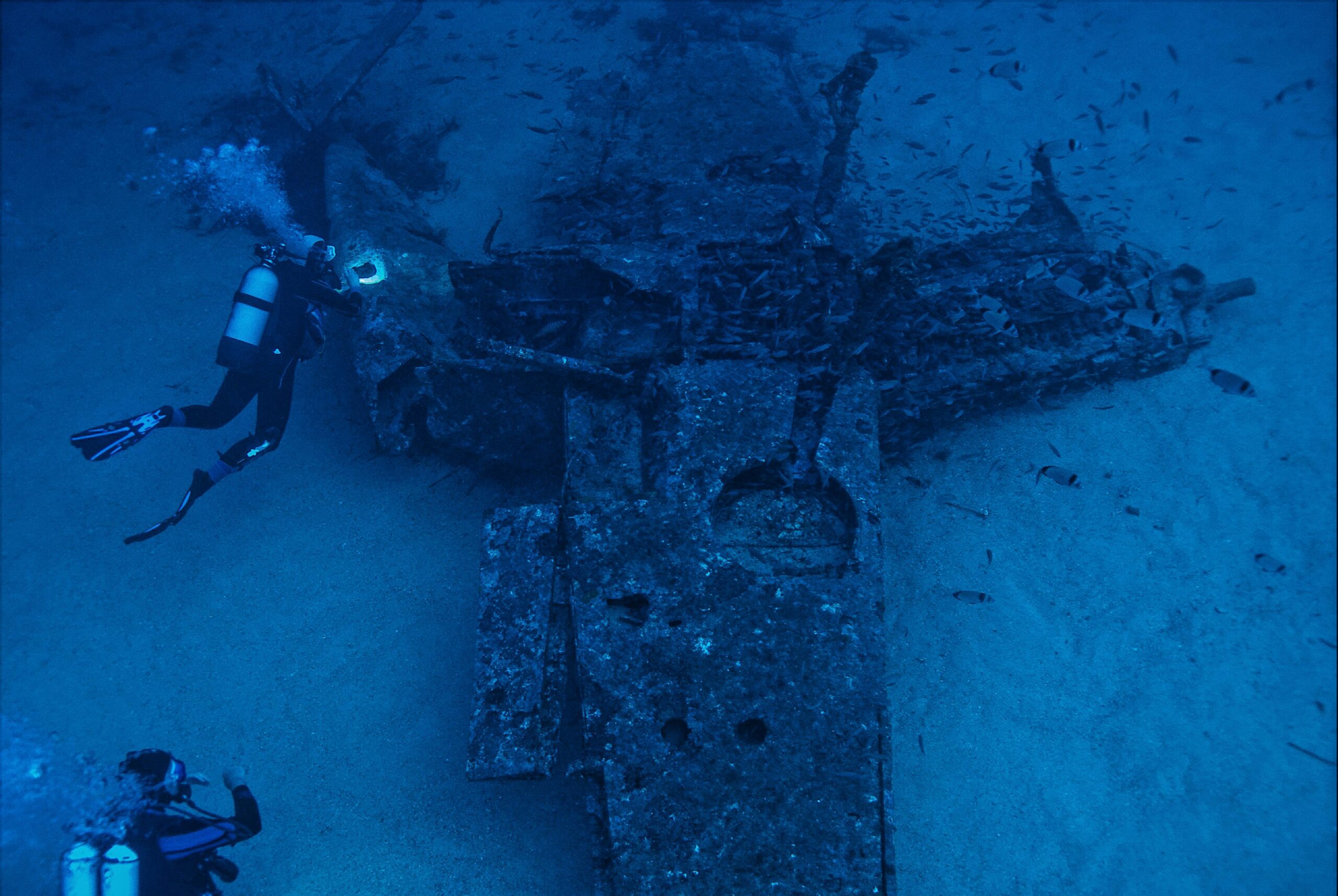
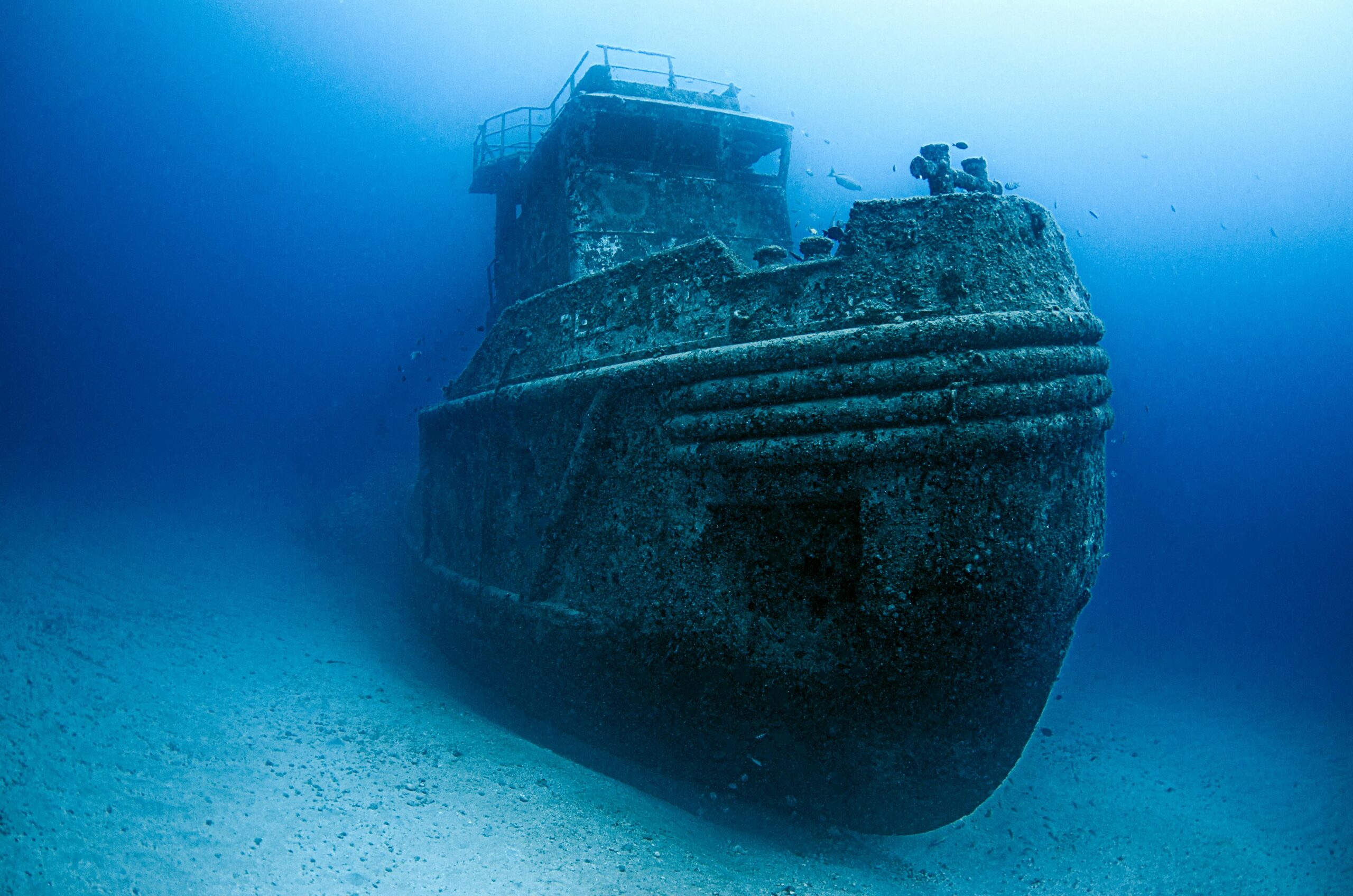
The world’s oceans hold an estimated three million shipwrecks, each one a capsule of human history frozen in time. From ancient trading vessels to warships from world conflicts, these sunken treasures represent countless stories waiting to be told. For centuries, these ships remained largely inaccessible, their secrets locked away in the crushing depths and murky darkness of the sea.
Today, we stand at the threshold of a remarkable era where cutting-edge technology is revolutionizing maritime archaeology. Digital tools and advanced imaging systems are bringing these lost ships back to life in ways our ancestors could never have imagined. This digital revival isn’t just about satisfying curiosity—it’s about preserving cultural heritage, understanding our past, and ensuring that future generations can connect with these underwater time capsules.
The Technology Revolution in Underwater Archaeology
The transformation of underwater archaeology has been nothing short of spectacular. Modern researchers now deploy an impressive arsenal of technologies that would seem like science fiction just a few decades ago. These tools are revealing shipwrecks in unprecedented detail, creating digital twins of vessels that have rested on the ocean floor for centuries.
Sonar Mapping: Eyes in the Deep 🔍
Multibeam sonar systems have become the backbone of modern shipwreck discovery and documentation. These sophisticated devices emit sound waves that bounce off underwater objects, creating detailed three-dimensional maps of the seafloor. Unlike traditional sonar, multibeam systems can scan wide areas simultaneously, dramatically reducing the time needed to survey potential wreck sites.
Side-scan sonar complements this technology by providing photographic-quality images of the seafloor. Together, these systems can identify shipwrecks in water depths ranging from shallow coastal areas to abyssal plains thousands of meters down. The resolution has become so refined that archaeologists can now distinguish individual features of a wreck before ever sending down a diver or submersible.
Photogrammetry: Building Digital Monuments
Photogrammetry has emerged as one of the most powerful tools for documenting shipwrecks. This technique involves taking hundreds or thousands of overlapping photographs of a site from different angles. Specialized software then processes these images, identifying common points and calculating spatial relationships to create accurate 3D models.
The results are stunning. Digital models can capture every timber, every cannon, and every artifact exactly as it rests on the seafloor. These models preserve not just the shape of objects but also their texture, color, and spatial context—information that is crucial for archaeological interpretation. Researchers can then explore these virtual wrecks from their computers, zooming in on details, taking measurements, and conducting analysis without disturbing the actual site.
Remotely Operated Vehicles: Robotic Archaeologists 🤖
Remotely Operated Vehicles, or ROVs, have revolutionized deep-sea exploration. These sophisticated robots can descend to depths impossible for human divers, withstanding pressures that would crush conventional submarines. Equipped with high-definition cameras, manipulator arms, and various sensors, ROVs serve as the eyes and hands of archaeologists in the deep ocean.
Modern ROVs can spend hours surveying a wreck site, capturing video footage and still images in 4K resolution or higher. Some are equipped with laser scanners that create precise measurements, while others carry sampling tools that can carefully collect artifacts for surface analysis. The real-time video feed allows archaeologists on the surface to direct the ROV’s movements, making instant decisions about what to document or investigate further.
Autonomous Underwater Vehicles: Independent Explorers
Taking automation even further, Autonomous Underwater Vehicles (AUVs) operate independently, following pre-programmed routes to survey large areas of the ocean floor. These vehicles have proven invaluable for discovering new wreck sites in remote or poorly mapped regions. Equipped with sophisticated navigation systems, AUVs can maintain precise position even in strong currents, ensuring comprehensive coverage of search areas.
The data collected by AUVs often provides the first glimpse of previously unknown shipwrecks. Once a potential site is identified, teams can return with ROVs or human divers for detailed investigation. This two-stage approach maximizes efficiency, allowing researchers to cover vast areas while still capturing fine details when needed.
Virtual Reality: Walking Through Sunken Ships 🥽
Perhaps the most exciting development in recent years has been the application of virtual reality to shipwreck exploration. Using the 3D models created through photogrammetry and laser scanning, developers can create immersive VR experiences that allow users to virtually dive to shipwreck sites and explore them in remarkable detail.
Museums around the world are beginning to offer VR experiences that transport visitors to famous wreck sites. You can swim through the corridors of the Titanic, explore the gun decks of HMS Victory’s sister ships, or investigate ancient Mediterranean trading vessels—all without getting wet. These experiences aren’t just entertainment; they’re powerful educational tools that make maritime history accessible to everyone.
Educational Impact and Public Engagement
The educational potential of these technologies extends far beyond museum exhibits. Schools and universities are incorporating virtual shipwreck exploration into their curricula, allowing students to conduct virtual archaeological investigations. This hands-on approach to learning history brings the past to life in ways that textbooks simply cannot match.
Documentary filmmakers are also leveraging these technologies to create stunning visualizations of historical events. By combining historical research with digital reconstructions of ships, they can show audiences not just how a ship looks today on the seafloor, but how it appeared in its prime and even recreate the events that led to its sinking.
Artificial Intelligence: The New Archaeological Assistant 🧠
Artificial intelligence is beginning to play an increasingly important role in shipwreck archaeology. Machine learning algorithms can analyze sonar data far faster than human researchers, identifying potential wreck sites that might otherwise be overlooked. These systems can be trained to recognize patterns associated with shipwrecks, such as the regular geometric shapes of hull timbers or the distinctive signatures of metal objects.
AI is also proving valuable in processing the massive amounts of data generated by modern survey techniques. A single photogrammetry project might involve processing thousands of images—a task that AI can accomplish in hours rather than days or weeks. Furthermore, AI systems can help identify and catalog artifacts, comparing newly discovered items with extensive databases of known objects to assist with dating and provenance research.
Conservation Through Documentation 📸
One of the most important aspects of digital shipwreck revival is preservation. Many historic wrecks are deteriorating rapidly due to corrosion, biological activity, and human interference. By creating detailed digital records, archaeologists are essentially freezing these sites in time, preserving them for future study even if the physical wreck eventually disappears.
This digital preservation has become increasingly urgent. Climate change is accelerating the degradation of shipwrecks through ocean acidification and changing water chemistry. Rising sea levels and intensifying storms are also affecting shallow-water wrecks. Digital documentation ensures that even if these physical artifacts are lost, their historical and archaeological value is not.
The Time Capsule Effect
Digital models serve as time capsules, capturing wrecks as they exist at a specific moment. Researchers can return to these digital archives years or decades later, conducting new analyses with methods that haven’t even been invented yet. This creates a perpetual research resource that can be examined and re-examined as our understanding of history and technology evolves.
Notable Success Stories ⚓
The application of cutting-edge technology to shipwreck archaeology has already yielded remarkable results. The discovery and documentation of Ernest Shackleton’s ship Endurance in 2022 demonstrated the power of modern exploration technology. Using AUVs equipped with advanced sonar and cameras, the team located and documented the ship in remarkable condition, nearly 3,000 meters beneath the Antarctic ice.
Similarly, the ongoing documentation of the Titanic using advanced ROVs and photogrammetry has created the most detailed record ever of the famous wreck. These efforts have revealed new insights about the ship’s construction and its deterioration over the past century, information that would be impossible to gather through traditional diving methods.
Ancient Vessels Revealed
Modern technology has proven equally valuable for studying ancient shipwrecks. In the Mediterranean, researchers have used ROVs to document Phoenician trading vessels thousands of years old, lying at depths far beyond the reach of scuba divers. These discoveries are rewriting our understanding of ancient maritime trade routes and shipbuilding techniques.
Challenges and Ethical Considerations ⚖️
Despite the tremendous benefits of digital technology, shipwreck archaeology faces several challenges. The cost of advanced equipment remains prohibitive for many research institutions, creating disparities in who can conduct cutting-edge research. There are also questions about data ownership and access—should digital models of shipwrecks be freely available to the public, or do the researchers who created them have proprietary rights?
Ethical considerations also arise regarding the treatment of shipwrecks as grave sites. Many vessels, particularly warships, went down with crew members still aboard. The application of technology must be balanced with respect for these sites as memorials to those who perished.
The Future of Digital Maritime Archaeology 🚀
Looking ahead, the future of shipwreck archaeology promises even more exciting developments. Researchers are experimenting with holographic displays that could allow teams to examine 3D wreck models as if they were physical objects. Advanced materials science may soon allow us to virtually “restore” corroded artifacts, showing them as they appeared when new.
The integration of multiple technologies is also advancing. Future exploration missions might combine AUVs for initial survey, ROVs for detailed documentation, AI for data analysis, and VR for public presentation—all working seamlessly together to unlock the secrets of sunken ships.
Democratizing Discovery
Perhaps most exciting is the potential for citizen science in shipwreck archaeology. As technology becomes more accessible and affordable, amateur historians and divers may contribute to documentation efforts. Online platforms could allow volunteers worldwide to help analyze sonar data or process photogrammetry images, dramatically expanding the capacity for shipwreck research.
Preserving Our Maritime Heritage for Tomorrow 🌍
The digital revival of lost ships represents more than technological achievement—it’s about connecting with our shared human story. Every shipwreck tells tales of exploration, trade, conflict, triumph, and tragedy. By bringing these vessels back to life through cutting-edge technology, we ensure that these stories continue to resonate with future generations.
The oceans hold countless secrets still waiting to be discovered. With each technological advancement, we gain new tools to unlock these mysteries and preserve them for posterity. The ships that rest on the ocean floor are not just artifacts—they are witnesses to history, and through digital technology, they can continue to testify to the courage, ingenuity, and aspirations of those who sailed them.
As we move forward, the synergy between archaeology, technology, and public engagement will only grow stronger. The shipwrecks that have silently guarded their secrets for centuries are finally revealing their stories, not just to archaeologists and historians, but to everyone who shares a fascination with the sea and the vessels that have sailed upon it. This digital renaissance in maritime archaeology ensures that the legacy of these lost ships will never truly sink into obscurity.

Toni Santos is a maritime researcher and underwater archaeologist specializing in the study of submerged heritage, ancient port systems, and the cultural landscapes preserved beneath the sea. Through an interdisciplinary and immersive approach, Toni investigates how humanity has left traces of knowledge, commerce, and legend in the underwater world — across oceans, myths, and sunken cities.
His work is grounded in a fascination with wrecks not only as artifacts, but as carriers of hidden meaning. From historic shipwreck discoveries to mythical harbors and lost coastal settlements, Toni uncovers the physical and cultural evidence through which civilizations preserved their relationship with the maritime unknown.
With a background in marine archaeology and underwater survey methods, Toni blends technical analysis with archival research to reveal how oceans were used to shape identity, transmit memory, and encode sacred knowledge.
As the creative mind behind revaltro, Toni curates documented dive studies, speculative harbor maps, and archaeological interpretations that revive the deep cultural ties between water, folklore, and forgotten science.
His work is a tribute to:
The submerged heritage of Historic Shipwrecks and Their Cargoes
The legendary sites of Mythical Harbors and Lost Civilizations
The technical methods of Underwater Exploration Techniques
The natural archiving power of Preservation in Salt and Sediment
Whether you’re a maritime historian, nautical researcher, or curious explorer of forgotten submerged worlds, Toni invites you to explore the hidden depths of oceanic heritage — one wreck, one harbor, one legend at a time.