Beneath the waves lie forgotten vessels, each one a time capsule preserving maritime engineering secrets from civilizations long past. These sunken treasures reveal ancient shipbuilding techniques that continue to astonish modern researchers.
🚢 The Underwater Archive of Maritime History
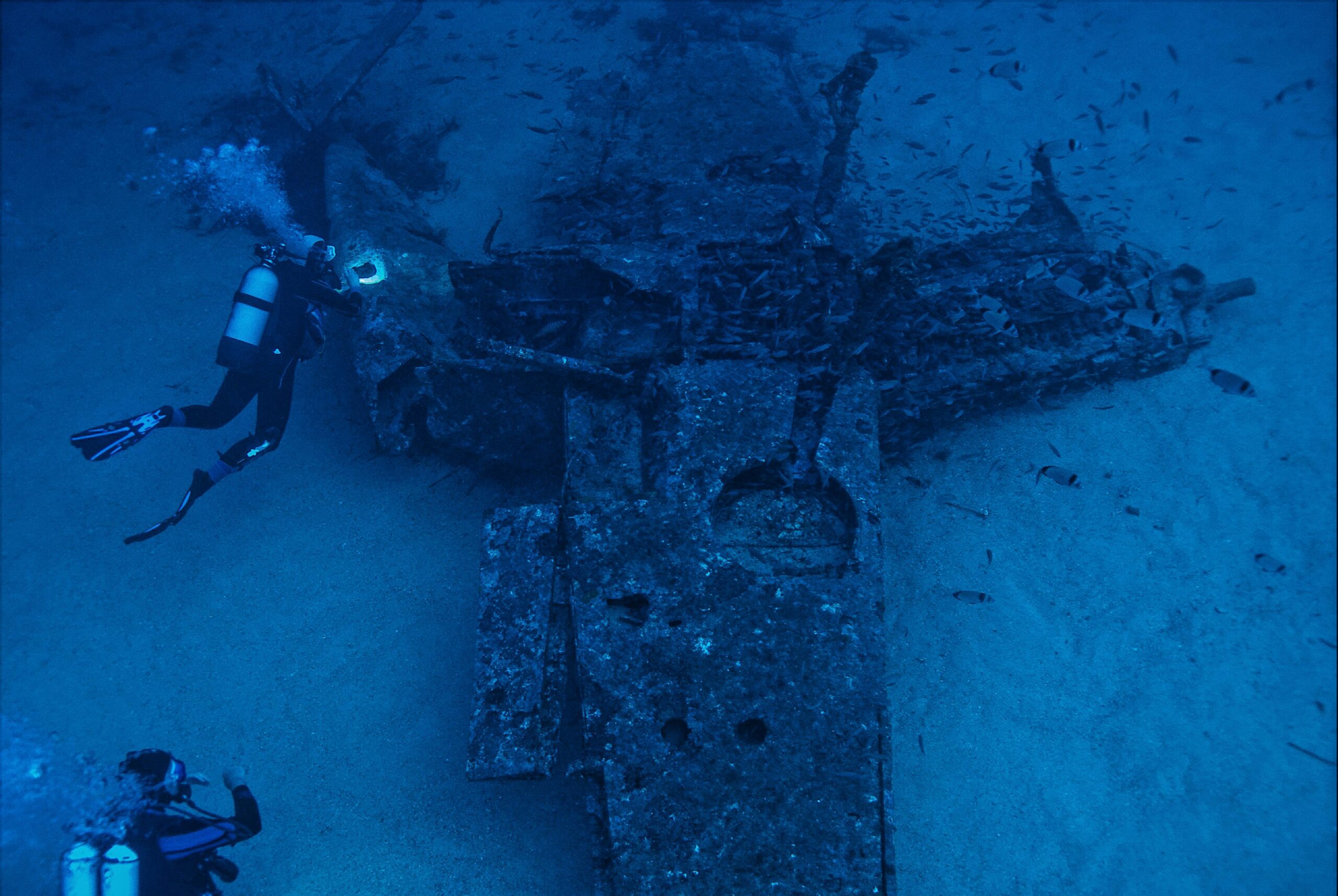
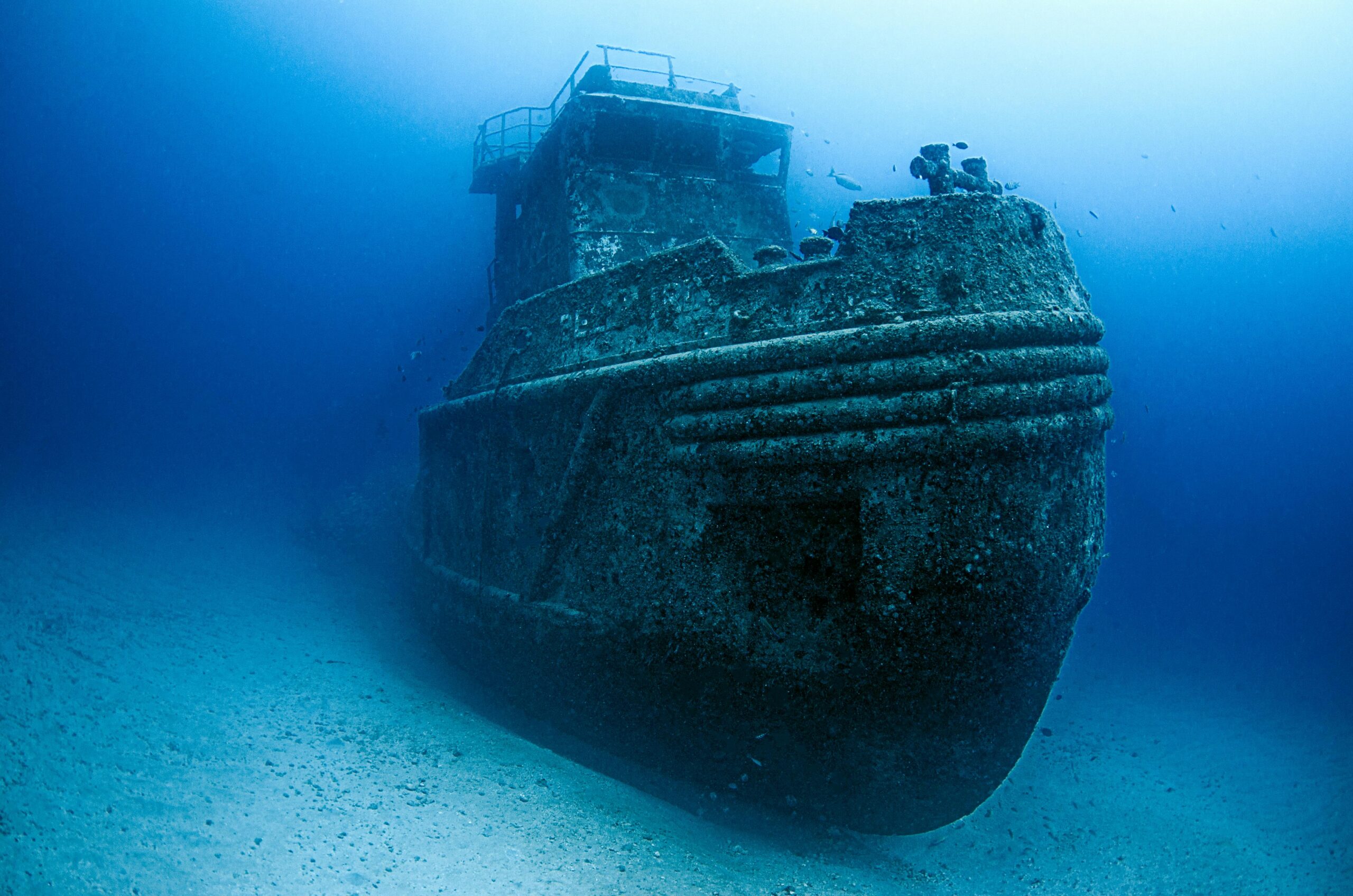
The ocean floor serves as humanity’s most extensive museum, housing thousands of shipwrecks spanning millennia. Unlike artifacts found on land, these submerged vessels offer unprecedented insights into ancient construction methods because they remain largely intact, protected by layers of sediment and the ocean’s preservative qualities. Marine archaeologists have discovered that studying these wrecks provides more accurate information about historical shipbuilding than any written record could offer.
When a ship sinks, it carries with it the complete technological knowledge of its builders. The joinery techniques, wood selection, metal fastenings, caulking materials, and structural innovations all remain frozen in time. Recent advances in underwater archaeology and imaging technology have transformed our ability to examine these vessels without disturbing them, revealing construction secrets that challenge our understanding of ancient engineering capabilities.
Ancient Mediterranean Masterpieces Beneath the Sea
The Mediterranean Sea contains some of the world’s most significant maritime archaeological sites. The famous Antikythera shipwreck, discovered off the Greek coast in 1900, initially gained fame for its mysterious mechanical device. However, the vessel itself revealed sophisticated construction techniques from the first century BCE that demonstrated remarkable engineering knowledge.
Researchers examining the hull fragments discovered the ancient builders used a shell-first construction method, where planks were joined edge-to-edge before internal frames were added. This technique required extraordinary precision and mathematical understanding. The mortise-and-tenon joints connecting the planks were spaced at remarkably consistent intervals, suggesting standardized measurements and possibly even prefabrication methods.
The Revolutionary Ma’agan Michael Ship
Discovered in 1985 off Israel’s coast, the Ma’agan Michael ship dates to approximately 400 BCE and represents a pivotal moment in understanding ancient shipbuilding evolution. The vessel measured nearly 14 meters in length and showcased construction techniques that bridged Greek and Phoenician traditions. Examination of the oak hull revealed that builders selected specific tree species for different structural components based on their mechanical properties.
The keel was crafted from a single piece of timber, demonstrating access to large, mature trees and the capability to transport massive wooden beams. The planking showed evidence of careful shaping using bronze tools, with each plank curved to create the hull’s distinctive shape. This level of woodworking sophistication indicates that ancient Mediterranean shipwrights possessed both theoretical knowledge of hydrodynamics and practical skills passed down through generations.
⚓ Asian Maritime Innovations Revealed
While Mediterranean wrecks have received considerable attention, Asian shipwrecks reveal entirely different construction philosophies. Chinese junks discovered in the South China Sea demonstrate construction methods that diverged significantly from Western techniques, yet proved equally effective and sometimes superior for certain conditions.
The Quanzhou ship, a Song Dynasty vessel excavated in 1974, showcased the frame-first construction method characteristic of Chinese shipbuilding. Unlike Mediterranean vessels built from the outside in, Chinese shipwrights constructed internal frameworks first, then attached planking. This approach allowed for larger vessels with greater cargo capacity and better compartmentalization.
Watertight Bulkheads: An Ancient Chinese Innovation
Perhaps the most revolutionary discovery from Asian wrecks is the extensive use of watertight bulkheads centuries before European adoption. These internal walls divided ships into separate compartments, meaning a breach in one section wouldn’t sink the entire vessel. The technology appeared in Chinese vessels as early as the second century CE, yet European ships didn’t incorporate similar features until the 18th century.
Examination of these bulkheads reveals sophisticated joinery and caulking techniques using materials like tung oil mixed with lime. The construction required precise engineering to ensure both watertight integrity and structural strength. This innovation alone revolutionized maritime safety and enabled longer voyages with heavier cargoes.
Nordic Longships: Engineering for Exploration
Scandinavian shipwrecks, particularly Viking longships, reveal construction techniques optimized for speed, flexibility, and versatility. The famous Skuldelev ships, deliberately sunk in Denmark’s Roskilde Fjord around 1070 CE, provided extraordinary insights into Norse maritime technology that enabled their remarkable expansion across Europe and beyond.
Viking shipbuilders employed a clinker construction method, where overlapping planks were riveted together. This technique created hulls that were simultaneously strong and flexible, capable of withstanding the stresses of ocean voyages and shallow river navigation. The planks were split from logs rather than sawn, following the wood grain to maximize strength while minimizing weight.
The Secret of Viking Speed and Maneuverability
Analysis of preserved longships reveals that Norse builders understood principles of hydrodynamic efficiency that wouldn’t be formally described until modern times. The ships featured remarkably shallow drafts combined with length-to-beam ratios optimized for speed. The keel design allowed vessels to sail in waters as shallow as one meter while maintaining stability in open ocean swells.
Researchers discovered that Viking shipwrights selected specific oak trees that naturally curved, using these shapes for structural components rather than bending wood artificially. This practice not only saved labor but created stronger components that retained the wood’s natural resilience. Iron rivets were strategically placed to allow slight flexing of the hull, which actually improved performance in rough seas rather than weakening the structure.
🔍 Modern Technology Unlocking Ancient Secrets
Contemporary archaeological methods have transformed our ability to study sunken vessels without physical disturbance. Photogrammetry creates detailed 3D models from thousands of overlapping photographs, allowing researchers to examine construction details with millimeter precision. Sonar imaging penetrates sediment to reveal buried hull sections, while remote-operated vehicles equipped with high-resolution cameras explore depths impossible for human divers.
DNA analysis of wood samples can now determine not only the tree species but sometimes even the geographical origin of the timber. This information reveals ancient trade networks and resource management strategies. Chemical analysis of caulking materials, adhesives, and protective coatings provides recipes for substances that remained effective for centuries underwater.
Preservation Challenges and Solutions
Understanding ancient shipbuilding techniques faces a race against time, as many wrecks deteriorate from pollution, warming waters, and shipworm activity. Organizations worldwide are documenting threatened sites using advanced scanning technology before these irreplaceable resources disappear forever.
Some wrecks, like the Mary Rose raised in 1982, undergo extensive conservation requiring decades of treatment. The preservation process itself reveals construction details invisible in underwater environments. As wood is slowly dried and stabilized, researchers can examine tool marks, joint configurations, and assembly sequences that explain how ancient builders transformed raw materials into seaworthy vessels.
Comparative Construction Techniques Across Cultures
Examining shipwrecks from different civilizations reveals both universal principles and unique cultural approaches to maritime engineering challenges. The following comparison illustrates key differences in construction philosophy:
| Tradition | Primary Method | Key Innovation | Advantages |
|---|---|---|---|
| Mediterranean | Shell-first | Mortise-and-tenon joints | Strong, smooth hulls |
| Chinese | Frame-first | Watertight bulkheads | Safety, cargo capacity |
| Nordic | Clinker-built | Flexible overlapping planks | Speed, versatility |
| Southeast Asian | Lashed-lug | Sewn planks without metal | Flexibility, repairability |
⚙️ Tools and Materials: The Foundation of Ancient Craftsmanship
Shipwrecks preserve not only construction methods but also evidence of the tools that created them. Analysis of cut marks and shaping patterns reveals the capabilities and limitations of ancient implements. Bronze Age wrecks show evidence of bronze adzes and saws, while later vessels display the superior precision enabled by iron tools.
The selection of materials demonstrates sophisticated understanding of wood properties. Ancient builders recognized that oak provided strength and durability, pine offered workability and water resistance, and cedar resisted decay. They understood seasonal variations in wood quality and often marked timbers to indicate grain direction and optimal placement within the hull structure.
Fastening Systems Through the Ages
The evolution of fastening methods reveals technological progress across civilizations. Early vessels relied on wooden pegs and plant-fiber lashings. Mediterranean shipbuilders developed sophisticated bronze and later iron nail production, while some Asian traditions perfected dowel-based joinery that required no metal components. Each system represented optimal solutions given available resources and intended vessel use.
Chemical analysis of metal fastenings reveals ancient metallurgical knowledge. Some Roman shipbuilders used copper alloys with specific compositions that resisted corrosion better than pure copper. The strategic placement of different metals demonstrates understanding of galvanic corrosion, with builders sometimes deliberately using sacrificial components to protect more critical structural elements.
Lessons for Contemporary Naval Architecture
Modern shipbuilders are rediscovering that ancient techniques sometimes offer advantages over contemporary methods. The flexibility built into Viking longships inspires modern hull designs that absorb stress rather than rigidly resisting it. Chinese watertight compartmentalization principles now appear in virtually all large vessels, though they took centuries to gain Western acceptance.
Environmental concerns are driving renewed interest in traditional materials and construction methods. Ancient builders created vessels that lasted decades or even centuries using renewable resources and techniques with minimal environmental impact. Some contemporary boat builders are reviving traditional methods, finding that they produce vessels requiring less energy to construct and operate than modern alternatives.
🌊 Unexpected Discoveries That Rewrote History
Some shipwreck discoveries have fundamentally altered our understanding of ancient capabilities. The Uluburun shipwreck off Turkey’s coast, dating to approximately 1300 BCE, revealed Bronze Age trade networks spanning the entire Mediterranean. The vessel’s construction demonstrated that Late Bronze Age shipwrights possessed engineering knowledge previously attributed to much later periods.
Analysis of the hull structure showed sophisticated understanding of load distribution and stability. The ship carried approximately 20 tons of cargo, requiring precise calculations to maintain proper trim and seaworthiness. The construction quality indicated specialized shipbuilding centers producing vessels to consistent standards, suggesting organized industries rather than individual craftsmen working in isolation.
The Mystery of Ancient Navigation Integration
Shipwrecks reveal that vessel design integrated navigational requirements in ways not immediately obvious. Sightlines for celestial navigation, mounting points for steering mechanisms, and structural accommodations for sail configurations all demonstrate that ancient ships were holistically engineered systems. Builders understood that hull shape, rigging placement, and steering arrangements all interacted to determine vessel performance.
Preserving Knowledge for Future Generations
The archaeological community faces an ongoing challenge documenting shipwrecks before they deteriorate beyond study. International collaborations are creating comprehensive databases of wreck sites, construction techniques, and material analyses. These resources enable researchers worldwide to compare findings and develop more complete understanding of maritime technological evolution.
Educational programs are training new generations of maritime archaeologists in both traditional excavation methods and cutting-edge technologies. Universities offer specialized programs combining marine biology, chemistry, engineering, and archaeology to produce researchers capable of interdisciplinary analysis. This holistic approach mirrors the comprehensive knowledge ancient shipwrights themselves possessed.
🔭 The Future of Shipwreck Archaeology
Emerging technologies promise even deeper insights into ancient shipbuilding. Artificial intelligence algorithms can now analyze wood grain patterns to determine original tree sizes and growing conditions. Isotope analysis traces timber sources to specific geographical regions, revealing resource networks and environmental conditions during construction periods.
Virtual reality reconstructions allow researchers and the public to experience ancient vessels as they appeared when new. These digital recreations incorporate every detail revealed by archaeological investigation, creating interactive learning environments that bring ancient maritime technology to life. Some projects are building full-scale replicas using ancient techniques, testing theoretical reconstructions under real-world conditions.
The study of sunken vessels continues revealing that ancient shipbuilders possessed remarkable engineering sophistication, often achieving results that modern analysis struggles to fully explain. Each discovery adds pieces to the puzzle of how our ancestors conquered the seas, developed trade networks, and shared knowledge across cultures. These underwater time capsules ensure that ancient maritime wisdom isn’t lost but instead informs and inspires future generations of engineers, historians, and ocean explorers. The secrets emerging from sunken wrecks demonstrate that technological progress isn’t always linear, and that ancient solutions to engineering challenges sometimes surpass contemporary approaches in elegance, efficiency, and sustainability.

Toni Santos is a maritime researcher and underwater archaeologist specializing in the study of submerged heritage, ancient port systems, and the cultural landscapes preserved beneath the sea. Through an interdisciplinary and immersive approach, Toni investigates how humanity has left traces of knowledge, commerce, and legend in the underwater world — across oceans, myths, and sunken cities.
His work is grounded in a fascination with wrecks not only as artifacts, but as carriers of hidden meaning. From historic shipwreck discoveries to mythical harbors and lost coastal settlements, Toni uncovers the physical and cultural evidence through which civilizations preserved their relationship with the maritime unknown.
With a background in marine archaeology and underwater survey methods, Toni blends technical analysis with archival research to reveal how oceans were used to shape identity, transmit memory, and encode sacred knowledge.
As the creative mind behind revaltro, Toni curates documented dive studies, speculative harbor maps, and archaeological interpretations that revive the deep cultural ties between water, folklore, and forgotten science.
His work is a tribute to:
The submerged heritage of Historic Shipwrecks and Their Cargoes
The legendary sites of Mythical Harbors and Lost Civilizations
The technical methods of Underwater Exploration Techniques
The natural archiving power of Preservation in Salt and Sediment
Whether you’re a maritime historian, nautical researcher, or curious explorer of forgotten submerged worlds, Toni invites you to explore the hidden depths of oceanic heritage — one wreck, one harbor, one legend at a time.