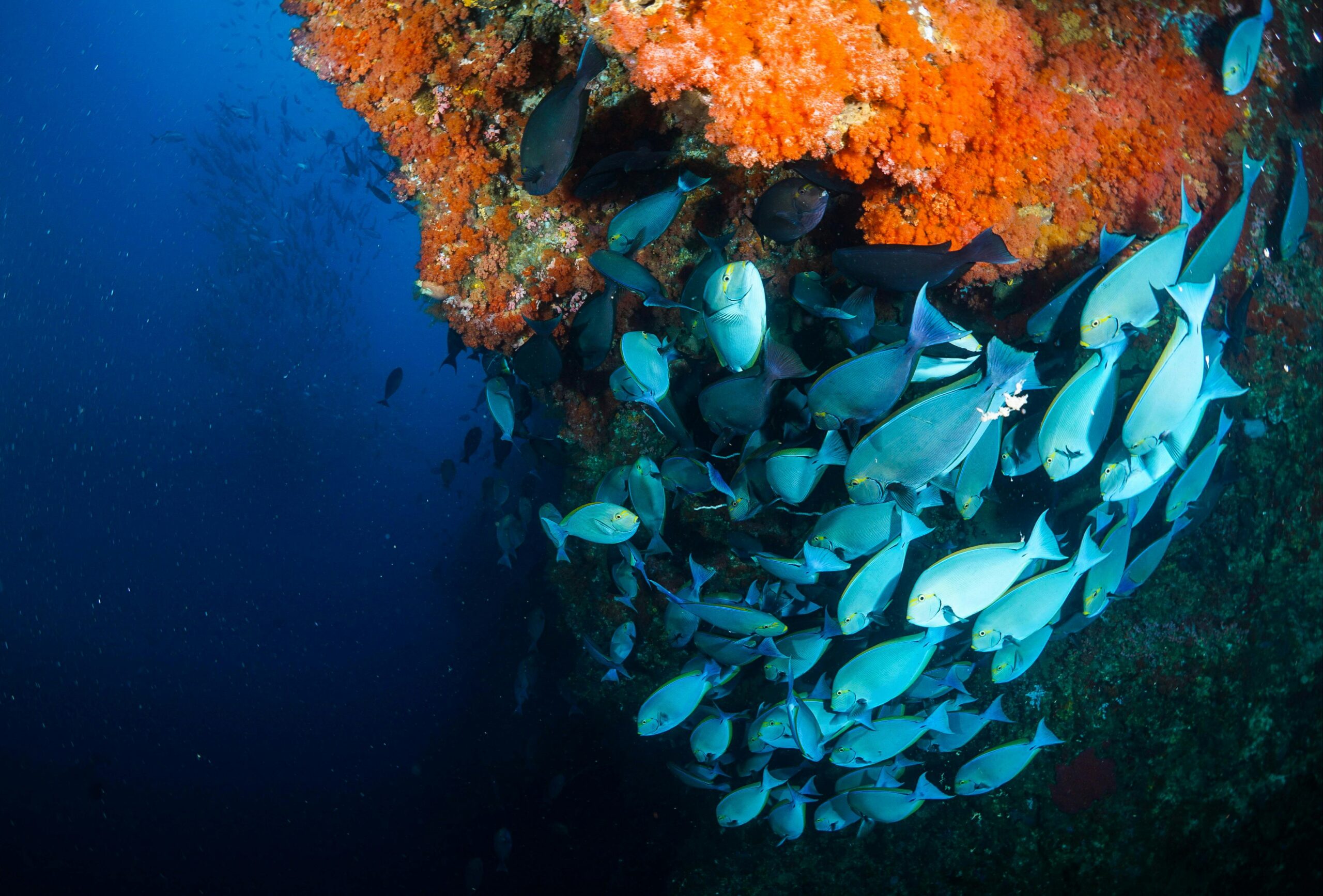
The ocean floor holds remarkable secrets from our distant past, preserving ancient civilizations’ tools and artifacts in conditions that defy conventional archaeological expectations. 🌊
The Ocean’s Role as an Unintentional Archaeological Vault
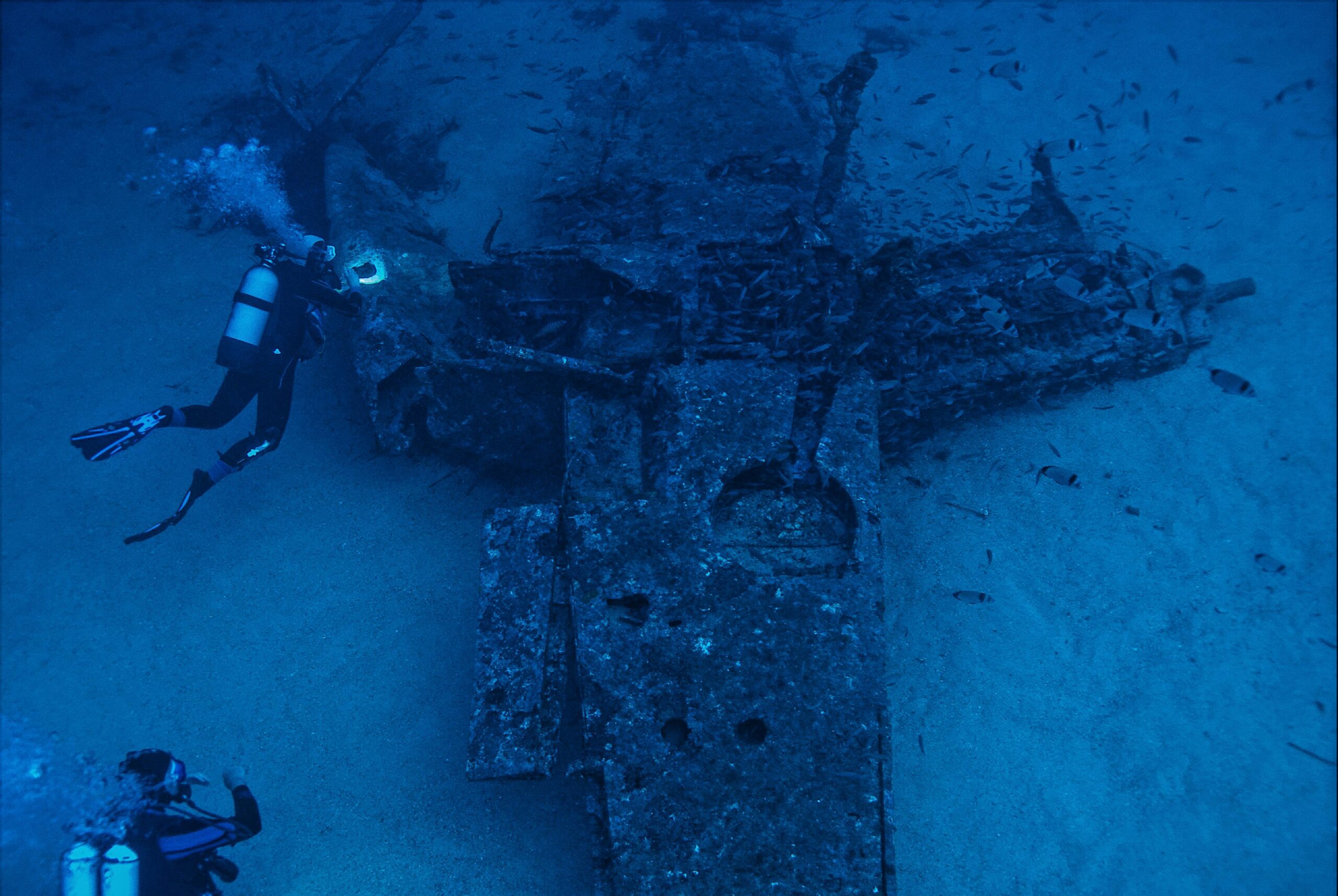
Beneath the undulating waves of our planet’s oceans lies a treasure trove of historical artifacts that challenge our understanding of ancient human societies. Unlike terrestrial archaeological sites that suffer from weathering, agricultural disturbance, and urban development, underwater environments can create preservation conditions that freeze moments in time with extraordinary fidelity.
Marine archaeological sites function as natural time capsules, where tools, weapons, pottery, and even organic materials can remain remarkably intact for millennia. The absence of oxygen in certain underwater environments, combined with specific sediment compositions and water chemistry, creates conditions where degradation occurs at dramatically slower rates than on land.
These submerged repositories of human history aren’t merely random accumulations of lost objects. They represent shipwrecks, submerged settlements, ritual depositions, and coastlines abandoned as sea levels rose following the last Ice Age. Each site tells a unique story about the people who created these tools and the circumstances that led to their preservation beneath the waves.
Where Ancient Tools Sleep: Hotspots of Marine Discovery
Archaeological divers and researchers have identified several regions worldwide where underwater tool discoveries have revolutionized our understanding of ancient technologies and trade networks. The Mediterranean Sea, with its long history of maritime activity, harbors countless shipwrecks spanning from Bronze Age vessels to Roman cargo ships laden with amphorae and metal tools.
The Baltic Sea presents another extraordinary preservation environment. Its brackish waters, with lower salinity than typical ocean environments, combined with cold temperatures and low oxygen levels, create ideal conditions for preserving organic materials. Wooden tools, fishing equipment, and even entire shipwrecks maintain structural integrity that would be impossible in other marine environments.
Off the coasts of Denmark, Sweden, and Germany, archaeologists have recovered fishing weirs, boat-building tools, and domestic implements that provide intimate glimpses into daily life during the Mesolithic and Neolithic periods. These discoveries predate many land-based archaeological finds and demonstrate sophisticated technological adaptation to coastal environments.
Submerged Prehistoric Landscapes
Perhaps most fascinating are the submerged landscapes that were once terrestrial environments before post-glacial sea level rise. Doggerland, the now-submerged landmass that once connected Britain to continental Europe, has yielded stone tools, bone implements, and evidence of human habitation dating back thousands of years.
These prehistoric landscapes challenge traditional archaeological paradigms by revealing that some of the richest human settlement areas are now completely underwater. As coastal regions typically offered abundant resources—fish, waterfowl, shellfish, and game—these were precisely the areas where prehistoric populations thrived. Climate change at the end of the Ice Age transformed these thriving landscapes into modern continental shelves.
The Science Behind Underwater Preservation
Understanding why marine environments preserve ancient tools requires examining the complex chemistry and biology of underwater decomposition. In terrestrial environments, artifacts face constant assault from atmospheric oxygen, temperature fluctuations, microbial activity, and physical disturbance.
Underwater sites, particularly those buried in sediment, exist in very different conditions. Anaerobic (oxygen-free) environments halt many degradation processes that would otherwise destroy organic materials. Wood, leather, textiles, and even foodstuffs can survive in these conditions for extraordinary periods.
Metal artifacts undergo different preservation challenges. Iron objects typically corrode in marine environments, forming concretions that paradoxically protect the remaining metal core. Bronze tools, comprising copper and tin alloys, fare better in seawater, often developing protective patinas that slow further degradation. Gold, being chemically inert, emerges from millennia underwater virtually unchanged.
The Role of Sediment in Artifact Protection
The type of sediment surrounding artifacts profoundly influences preservation. Fine clay sediments create low-permeability barriers that restrict oxygen and water movement, essentially sealing artifacts away from degradative processes. Sandy sediments, being more porous, allow greater water circulation and typically result in poorer preservation.
Marine archaeologists have discovered that artifacts buried just centimeters beneath the seabed often show dramatically better preservation than those exposed on the surface. This understanding drives modern survey techniques that look beyond visible surface artifacts to probe beneath the seafloor using sub-bottom profilers and magnetometers.
Remarkable Ancient Tool Discoveries from the Deep 🔱
Specific discoveries illuminate how marine preservation has expanded our knowledge of ancient technologies. The Antikythera mechanism, recovered from a Greek shipwreck dating to approximately 100 BCE, demonstrated computational sophistication that wouldn’t be matched for over a millennium. While not a tool in the conventional sense, this astronomical calculator reveals the advanced engineering capabilities of ancient Mediterranean civilizations.
In Lake Titicaca, between Peru and Bolivia, underwater archaeological expeditions have recovered ceremonial objects, pottery, and tools deposited as offerings by pre-Columbian cultures. These ritual deposits remained undisturbed in the lake’s cold, high-altitude waters, providing insights into spiritual practices that left few traces in terrestrial contexts.
The Black Sea, with its unique anoxic deep waters completely devoid of oxygen below approximately 150 meters depth, preserves wooden structures with astounding completeness. Ancient Greek and Roman ships rest on the seafloor with masts, rigging, and cargo intact—floating museums waiting to tell their stories.
Stone Age Technology Beneath Modern Coastlines
The discovery of Paleolithic and Mesolithic tools in shallow coastal waters has transformed our understanding of Stone Age maritime capabilities. Flint axes, fishing weights, and bone harpoons recovered from sites along the English Channel demonstrate that early humans were sophisticated coastal resource exploiters.
These finds challenge earlier assumptions that prehistoric peoples avoided maritime environments. Instead, evidence suggests they were accomplished boat builders, fishers, and navigators who skillfully exploited marine resources. The tools recovered reflect specialized adaptations for processing fish, harvesting shellfish, and manufacturing watercraft.
Modern Technology Revolutionizing Underwater Archaeology 🚀
Contemporary marine archaeology employs sophisticated technologies that would have seemed like science fiction just decades ago. Remotely Operated Vehicles (ROVs) equipped with high-definition cameras, manipulator arms, and sampling equipment allow researchers to explore depths previously inaccessible to divers.
Autonomous Underwater Vehicles (AUVs) can survey vast areas of seafloor systematically, using side-scan sonar, multi-beam echo sounders, and magnetometers to detect anomalies indicating archaeological sites. These technologies have exponentially increased the rate of discovery while reducing the physical risks to human researchers.
Photogrammetry—the creation of three-dimensional models from overlapping photographs—has revolutionized how underwater sites are documented. Researchers can now create millimeter-accurate digital models of entire shipwrecks or artifact scatters, allowing detailed analysis without disturbing the original materials.
Chemical Analysis Unlocking Ancient Secrets
Advanced analytical techniques applied to recovered tools reveal information invisible to the naked eye. Residue analysis can detect microscopic traces of blood, plant materials, or resins on stone tools, indicating what they were used to process. Isotopic analysis of metal tools can identify ore sources, revealing ancient trade networks and technological diffusion.
DNA analysis of organic materials preserved in marine environments opens unprecedented windows into past ecosystems and human dietary practices. Wooden tool handles, leather bindings, and bone implements can yield genetic information about the species used and sometimes even about the humans who crafted them.
Conservation Challenges: From Sea to Museum
Recovering ancient tools from marine environments is only the beginning of their archaeological journey. The transition from stable underwater conditions to atmospheric exposure initiates rapid degradation processes that can destroy artifacts within hours if not properly managed.
Waterlogged wood presents particular challenges. Having absorbed water for centuries or millennia, the cellular structure becomes saturated and mechanically weak. As it dries, the cells collapse, causing catastrophic shrinkage and distortion. Conservation requires replacing the water with stabilizing compounds—a process that can take years for large objects.
Metal artifacts require different approaches. Marine-corroded metals contain chloride ions that, if not removed, will continue driving corrosion even after recovery. Desalination treatments involve prolonged soaking in specialized solutions, monitored carefully to prevent over-treatment that could damage delicate surfaces bearing tool marks or decorative elements.
Ethical Considerations in Marine Archaeology
The recovery of ancient tools from underwater sites raises important ethical questions. Should artifacts be removed from their contexts, or should they remain in situ for future researchers with superior technologies? How do we balance scientific knowledge advancement with cultural heritage preservation?
International conventions, particularly UNESCO’s 2001 Convention on the Protection of Underwater Cultural Heritage, establish principles prioritizing in situ preservation when possible. Excavation should occur only when scientifically justified and with appropriate conservation resources available to ensure long-term artifact preservation.
What Ancient Marine Tools Teach Us About Human Adaptation
The tools recovered from marine archaeological sites provide tangible evidence of human ingenuity and adaptability. Stone Age fishing implements demonstrate sophisticated understanding of marine ecology and seasonal fish migrations. Neolithic woodworking tools reveal forestry management practices and carpentry skills that enabled construction of seaworthy vessels.
Bronze Age shipwreck cargoes containing standardized tools suggest organized manufacturing and long-distance trade networks. The distribution of specific tool types across Mediterranean sites maps cultural interactions and technological diffusion patterns impossible to reconstruct from terrestrial evidence alone.
Maritime-specific tools—anchors, navigation instruments, ship-building implements—chart the evolution of seafaring capabilities. Each innovation represented solutions to specific challenges: deeper water navigation, longer voyages, cargo security, or navigational accuracy. Together, they narrate humanity’s progressive mastery of marine environments.
Climate Change: Threat and Opportunity for Marine Archaeology ⚠️
Rising sea levels and increasing ocean acidification present complex implications for underwater archaeological sites. Coastal erosion exposes previously buried sites, accelerating degradation but also revealing locations unknown to researchers. Storm intensity increases disturb sediments that have protected artifacts for millennia.
Ocean acidification, driven by increased atmospheric CO₂ absorption, threatens calcified materials including shells, coral, and some preservation matrices. This chemical shift could fundamentally alter preservation conditions in ways we’re only beginning to understand.
Paradoxically, climate change also creates opportunities. As Arctic ice retreats, previously inaccessible regions become available for archaeological survey. Scandinavian researchers have begun exploring high-latitude shipwrecks and coastal sites that were ice-covered for much of the year, revealing tool technologies adapted to extreme environments.
The Future of Underwater Tool Discovery
Emerging technologies promise to revolutionize marine archaeology further. Artificial intelligence applications can analyze vast sonar datasets, identifying archaeological features that human observers might miss. Machine learning algorithms trained on known shipwreck signatures can predict likely locations of undiscovered sites.
Environmental DNA (eDNA) sampling offers potential for detecting archaeological sites without physical disturbance. Genetic traces from ancient organic materials might persist in surrounding sediments, providing non-invasive reconnaissance methods for identifying promising survey areas.
Citizen science initiatives increasingly engage recreational divers, fishers, and coastal communities in archaeological discovery and monitoring. Mobile applications allow immediate reporting of finds, expanding the eyes available to watch over our submerged heritage while fostering public engagement with archaeological preservation.
Preserving Our Submerged Heritage for Future Generations 🌍
Ancient tools preserved beneath the waves represent irreplaceable links to our collective past. They document technological innovation, cultural exchange, environmental adaptation, and the maritime endeavors that connected ancient civilizations. Protecting these resources requires international cooperation, adequate legal frameworks, and public awareness of their significance.
Many of the richest underwater archaeological sites remain undiscovered or inadequately protected. Looting, trawling damage, offshore development, and climate impacts threaten sites faster than archaeologists can document them. Balancing resource exploitation with heritage preservation demands careful policy development informed by scientific research.
Education plays a crucial role in preservation. When coastal communities understand the historical significance of marine sites, they become heritage stewards rather than passive observers. Archaeological tourism, managed sustainably, can provide economic incentives for protection while sharing these remarkable discoveries with broader audiences.
The ancient tools sleeping beneath our oceans connect us tangibly with ancestors who faced similar challenges—feeding families, building shelters, navigating uncertainties. They remind us that human ingenuity has always been our greatest tool for survival. As we face our own era of environmental and social change, these artifacts offer both inspiration and cautionary tales about sustainability, adaptation, and our relationship with the natural world that has always sustained us, on land and beneath the waves.

Toni Santos is a maritime researcher and underwater archaeologist specializing in the study of submerged heritage, ancient port systems, and the cultural landscapes preserved beneath the sea. Through an interdisciplinary and immersive approach, Toni investigates how humanity has left traces of knowledge, commerce, and legend in the underwater world — across oceans, myths, and sunken cities.
His work is grounded in a fascination with wrecks not only as artifacts, but as carriers of hidden meaning. From historic shipwreck discoveries to mythical harbors and lost coastal settlements, Toni uncovers the physical and cultural evidence through which civilizations preserved their relationship with the maritime unknown.
With a background in marine archaeology and underwater survey methods, Toni blends technical analysis with archival research to reveal how oceans were used to shape identity, transmit memory, and encode sacred knowledge.
As the creative mind behind revaltro, Toni curates documented dive studies, speculative harbor maps, and archaeological interpretations that revive the deep cultural ties between water, folklore, and forgotten science.
His work is a tribute to:
The submerged heritage of Historic Shipwrecks and Their Cargoes
The legendary sites of Mythical Harbors and Lost Civilizations
The technical methods of Underwater Exploration Techniques
The natural archiving power of Preservation in Salt and Sediment
Whether you’re a maritime historian, nautical researcher, or curious explorer of forgotten submerged worlds, Toni invites you to explore the hidden depths of oceanic heritage — one wreck, one harbor, one legend at a time.