The ocean floor holds secrets that time forgot—ancient civilizations, shipwrecks, and artistic masterpieces waiting to be discovered and brought back to life.
For centuries, the sea has been both a graveyard and a gallery, preserving countless treasures beneath its waves. From classical sculptures lost during maritime disasters to modern underwater museums, the relationship between art and the ocean has created a fascinating narrative of loss, discovery, and preservation. These submerged artworks tell stories of human creativity, historical tragedy, and the relentless power of nature to both destroy and protect our cultural heritage.
The discovery of underwater art and sculptures has revolutionized our understanding of ancient civilizations and artistic traditions. Marine archaeologists and treasure hunters have uncovered breathtaking pieces that challenge our perceptions of history, while contemporary artists have transformed the seafloor into innovative exhibition spaces. This exploration into the depths reveals not just physical objects, but windows into forgotten worlds and new possibilities for artistic expression.
🌊 Ancient Masterpieces Rising from the Deep
The Mediterranean Sea has yielded some of the most spectacular artistic discoveries in human history. Among the most famous is the Antikythera Mechanism, often called the world’s first computer, discovered alongside bronze statues of extraordinary quality. These finds from a shipwreck dating to approximately 60 BCE demonstrate the sophisticated artistic and technological achievements of ancient Greece.
The bronze statues recovered from the sea often display remarkable preservation. The anaerobic conditions of deep water, combined with sediment coverage, can protect bronze from oxidation better than terrestrial environments. The famous Riace Bronzes, discovered off the coast of Calabria in 1972, exemplify this phenomenon. These two full-size Greek bronze warriors, dating from the 5th century BCE, emerged from the sea in stunning condition, their craftsmanship still evident after more than two millennia underwater.
Similarly, the Getty Bronze, also known as the Victorious Youth, was pulled from the Adriatic Sea by fishermen in 1964. This life-sized statue of an athlete demonstrates the extraordinary skill of ancient Greek sculptors and raises ongoing debates about cultural heritage, ownership, and the ethics of displaying recovered underwater art.
The Role of Shipwrecks in Preserving Artistic Heritage
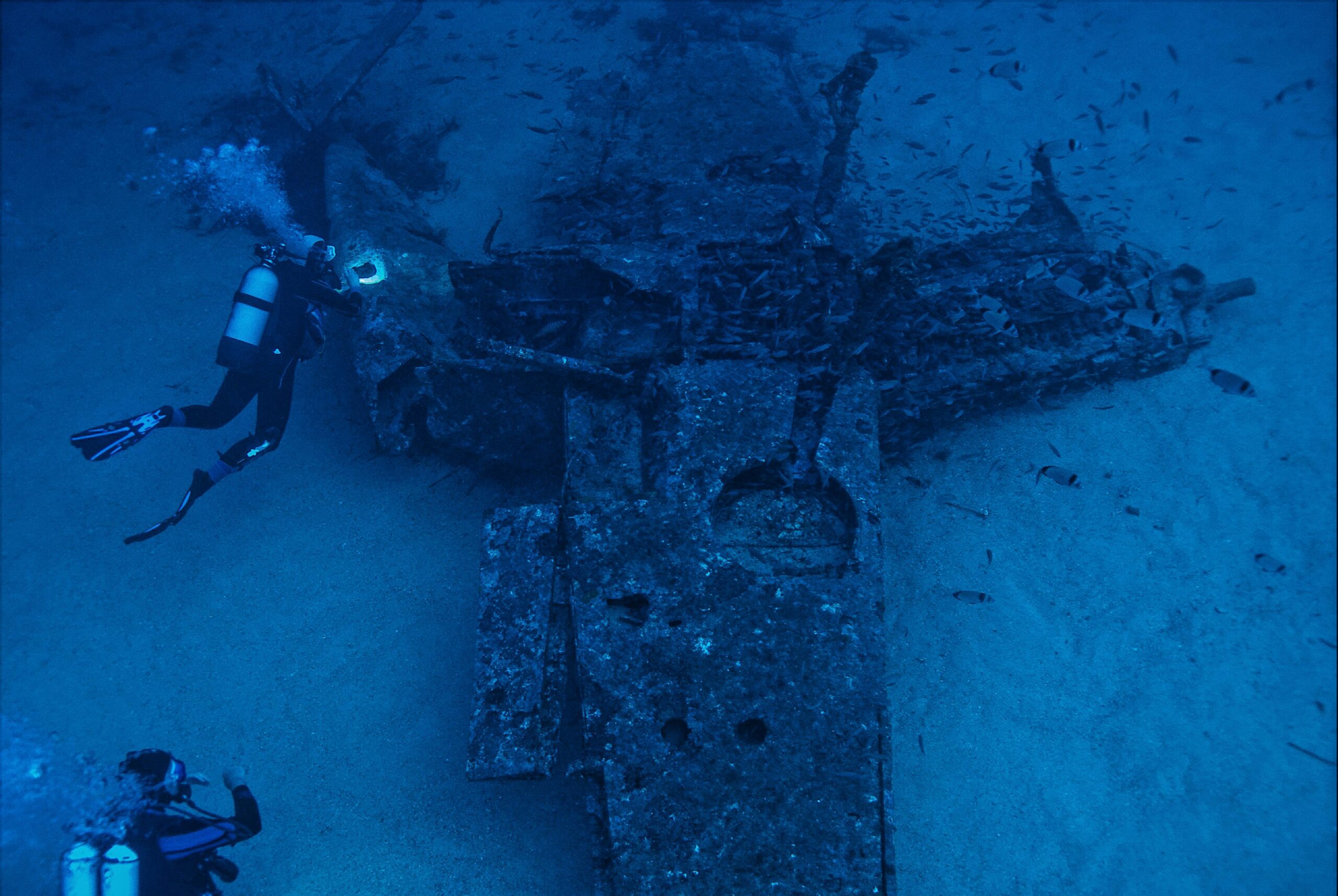
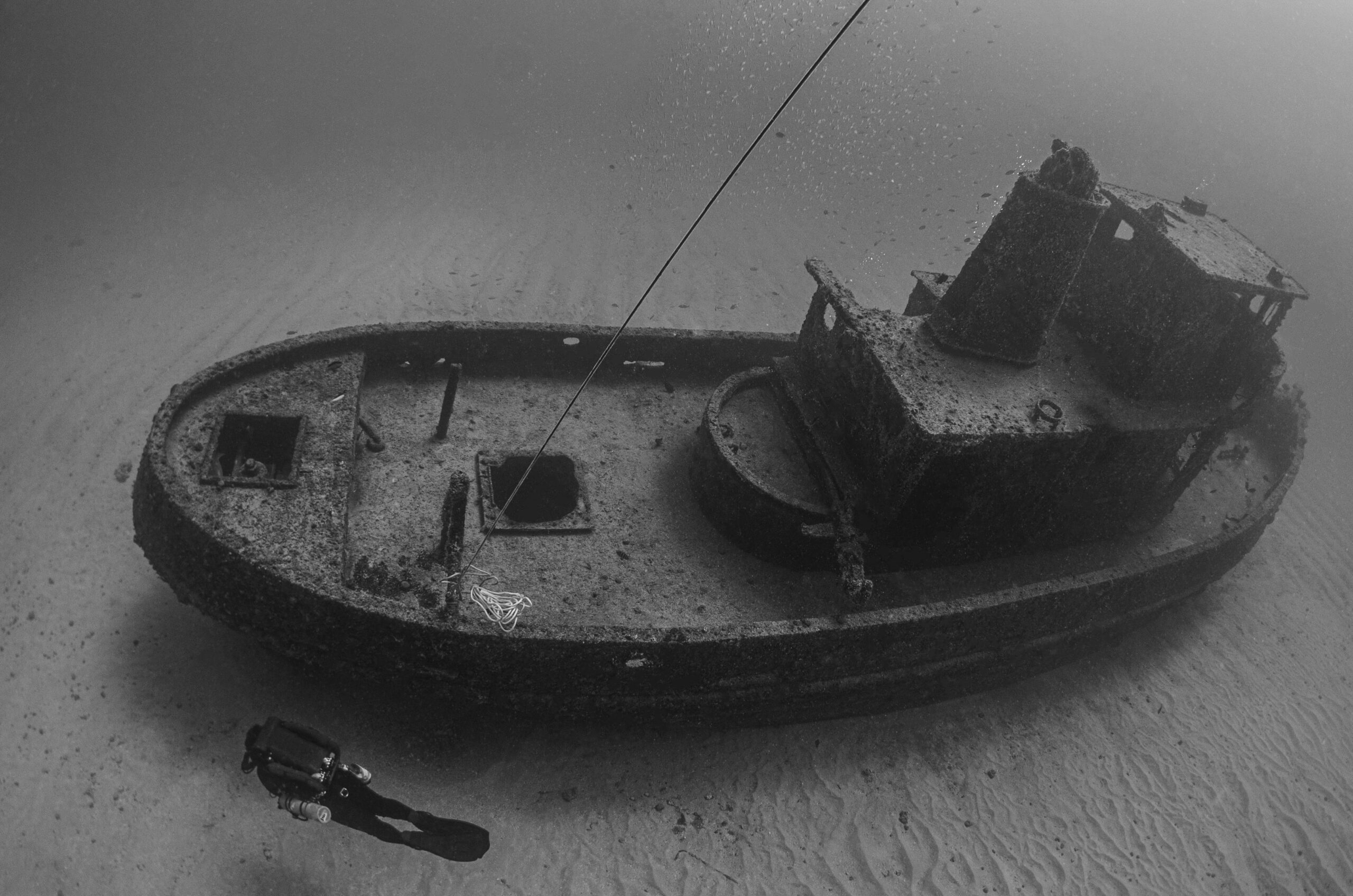
Shipwrecks have inadvertently become time capsules, preserving artistic works that might otherwise have been melted down, destroyed, or lost to history. During the Roman Empire, ships regularly transported sculptures, marble works, and luxury items across the Mediterranean. When these vessels sank, they created underwater museums that have provided invaluable insights into ancient trade routes, artistic preferences, and cultural exchange.
The Mahdia shipwreck off the coast of Tunisia, discovered in 1907, contained approximately sixty marble columns and numerous Greek artworks being transported to Rome. This single wreck revolutionized scholarly understanding of how art circulated in the ancient world and the Roman appetite for Greek cultural objects.
⚓ Modern Underwater Archaeology: Science Meets Art
Contemporary underwater archaeology employs cutting-edge technology to locate, document, and recover submerged artworks. Remote-operated vehicles (ROVs), side-scan sonar, magnetometers, and photogrammetry have transformed the field, allowing researchers to explore depths and conditions previously inaccessible to human divers.
The documentation process itself has become an art form. High-resolution 3D scanning creates digital twins of underwater sites, preserving them in virtual space even as physical recovery efforts proceed. These digital archives ensure that even if artifacts are damaged during recovery or deteriorate after removal from their underwater environment, detailed records remain for future study and appreciation.
Conservation presents unique challenges when transitioning artifacts from saltwater to air. The desalination process for sculptures can take years, with conservators carefully monitoring and treating pieces to prevent cracking, flaking, or complete disintegration. The Vasa Museum in Stockholm houses a prime example—though a ship rather than sculpture, its preservation demonstrates the complexity of conserving waterlogged historical objects.
Ethical Considerations in Underwater Art Recovery
The recovery of submerged art raises significant ethical questions. Who owns these treasures? Should they remain in situ as archaeological sites, or be recovered for study and display? How do we balance scientific interest, cultural heritage claims, and the integrity of underwater environments?
Many archaeologists now advocate for leaving significant sites undisturbed when possible, arguing that removal from their underwater context destroys valuable information about the wreck, cargo arrangement, and historical circumstances. UNESCO’s Convention on the Protection of Underwater Cultural Heritage promotes in situ preservation as the preferred option, though recovery remains necessary when sites face looting, environmental threats, or development pressures.
🎨 Contemporary Underwater Sculpture Parks
While ancient art emerges from accidental submersion, contemporary artists deliberately create underwater installations that transform the seafloor into galleries accessible to divers and marine life alike. These submerged sculpture parks serve multiple purposes: artistic expression, marine habitat creation, and environmental commentary.
British sculptor Jason deCaires Taylor pioneered this movement with his Underwater Sculpture Park in Grenada, established in 2006. His life-sized cement figures, designed with pH-neutral materials that encourage coral growth, create haunting tableaux that evolve as marine organisms colonize the surfaces. The sculptures become living artworks, constantly changing as nature interacts with human creativity.
The Museo Subacuático de Arte (MUSA) in Cancún, Mexico, features over 500 permanent life-size sculptures submerged in the waters surrounding Cancún, Isla Mujeres, and Punta Nizuc. Created by multiple artists including Taylor, the museum diverts tourists from fragile natural reefs while providing new surfaces for coral propagation. Visitors can experience the installations via diving, snorkeling, or glass-bottom boats, making underwater art accessible to varied audiences.
Environmental Art with Purpose
These modern underwater installations serve ecological functions beyond aesthetics. The sculptures create artificial reefs that provide habitat for fish, crustaceans, and coral polyps. As marine life colonizes the structures, biodiversity increases, potentially relieving pressure on natural reef systems damaged by climate change, pollution, and overtourism.
The Molinere Underwater Sculpture Park in Grenada has documented significant marine life increases since installation. Species diversity has expanded, and fish populations have grown, validating the concept that art installations can contribute to marine conservation efforts. This dual purpose—artistic and ecological—represents an innovative approach to both fields.
💎 Famous Recovered Treasures and Their Stories
Individual discoveries often capture public imagination, combining historical mystery with artistic beauty. The recovery of these pieces involves years of research, expensive expeditions, and painstaking conservation work that brings ancient beauty back to modern eyes.
The Artemision Bronze, recovered from a shipwreck off Cape Artemision in 1928, depicts either Zeus or Poseidon in a powerful pose. The statue’s dynamic movement and masterful anatomy demonstrate the pinnacle of classical bronze working. Its discovery sparked renewed interest in underwater archaeology and demonstrated the treasures still hidden beneath the waves.
More recently, the discovery of ancient Egyptian cities submerged off Alexandria’s coast has revealed statues, sphinxes, and architectural elements from Cleopatra’s kingdom. These finds, explored by Franck Goddio and his team, include colossal statues of pharaohs and queens that once stood in grand temples, now resting on the Mediterranean seafloor.
The Antikythera Youth: Mystery in Bronze
Among the Antikythera wreck’s treasures, the bronze statue known as the Antikythera Youth stands out for its enigmatic quality. Depicting a young man with arm extended, possibly holding an object now lost, the statue’s identity remains debated. Is it Paris offering the apple, Perseus holding Medusa’s head, or another figure entirely? This mystery adds to the sculpture’s allure, inviting viewers to engage with both its artistic merit and historical puzzle.
🔍 Technology Revolutionizing Underwater Discoveries
Technological advances continue accelerating the pace and precision of underwater art discovery. Artificial intelligence now analyzes sonar data to identify potential archaeological sites, while autonomous underwater vehicles can survey vast areas previously requiring months of human diving time.
Photogrammetry creates detailed 3D models from photographs, allowing researchers to virtually excavate sites and share discoveries with global audiences without removing artifacts. Virtual reality experiences bring underwater galleries to people who cannot physically dive, democratizing access to these submerged treasures.
DNA analysis and isotope studies of organic materials found with sculptures reveal information about ancient trade networks, diet, and migration patterns. These scientific techniques transform simple art recovery into comprehensive historical investigation, building complete pictures of ancient societies from fragmentary underwater evidence.
🏛️ Museums and Exhibition Challenges
Displaying recovered underwater art presents unique curatorial challenges. How do you contextualize pieces removed from their underwater environment? Many museums create immersive exhibitions that recreate the discovery experience, using lighting, sound, and multimedia presentations to transport visitors to the seafloor where these treasures rested for centuries.
The National Archaeological Museum in Athens houses many recovered underwater treasures, presenting them alongside information about their discovery and conservation. Interactive displays explain the maritime context, shipwreck circumstances, and archaeological methods used in recovery, educating visitors about the complex journey from seafloor to gallery.
Conservation laboratories sometimes become exhibition spaces themselves, with glass walls allowing visitors to observe conservators working on recently recovered pieces. This transparency demystifies the preservation process and highlights the scientific expertise required to save these endangered artworks.
Digital Archives and Global Access
Digital technology enables unprecedented access to underwater art collections. High-resolution photography, 3D scans, and virtual tours allow global audiences to examine pieces in detail impossible even for museum visitors. These digital resources support research, education, and appreciation across geographical and economic barriers.
Several institutions now offer virtual diving experiences through recovered shipwreck sites, using photogrammetry data to create immersive environments. Users can explore cargo arrangements, examine artifacts in situ, and understand archaeological context in ways traditional museum displays cannot convey.
🌍 Cultural Heritage and Ownership Disputes
The recovery of underwater art often triggers complex legal and cultural heritage disputes. Who owns a Greek statue found in international waters by Italian fishermen, conserved in an American museum, and claimed by the Greek government? These questions involve international law, ethical considerations, and cultural patrimony debates that continue evolving.
Recent years have seen increased repatriation pressure, with source countries demanding return of cultural objects removed from their territorial waters. The Getty Bronze remains subject to a lengthy legal battle between Italy and the J. Paul Getty Museum, illustrating the ongoing tensions between archaeological discovery, museum acquisition, and cultural ownership.
These disputes highlight fundamental questions about heritage: Is cultural property owned by the nation where it was created, discovered, or currently housed? Should universal museums preserve objects for all humanity, or should cultural objects return to their origins? Underwater discoveries complicate these debates by adding maritime law, salvage rights, and international waters to already complex cultural property discussions.
🐠 The Future of Underwater Art and Discovery
Climate change threatens both ancient underwater sites and contemporary installations. Rising sea levels, ocean acidification, and temperature changes affect preservation conditions, potentially destroying sites before discovery or accelerating deterioration of known locations. This urgency drives increased documentation efforts and difficult triage decisions about which sites merit intervention.
Simultaneously, technology continues expanding discovery possibilities. Satellite imaging can detect ancient harbors and submerged settlements, while genetic tools trace biological materials to specific geographical origins. These advances promise new discoveries and deeper understanding of objects already recovered.
The growing underwater museum movement suggests expanding opportunities for contemporary artists to engage with marine environments. Future installations may incorporate biotechnology, renewable energy generation, or climate monitoring equipment, transforming art installations into multifunctional structures serving aesthetic, ecological, and scientific purposes.
⚡ Preserving Beauty for Future Generations
The treasures beneath the waves represent irreplaceable connections to our artistic and cultural past. Each recovered sculpture, ceramic vessel, or decorative object provides tangible links to ancient creativity, trade, and daily life. The beauty of these pieces transcends their historical significance, speaking across millennia through craftsmanship, aesthetic vision, and human expression.
As technology improves and exploration continues, undoubtedly more treasures will emerge from ocean depths. The challenge lies in balancing discovery enthusiasm with preservation ethics, ensuring that recovery efforts protect rather than destroy the archaeological record. Collaboration between archaeologists, conservators, legal experts, and source communities can navigate these complex waters, finding approaches that honor both scientific inquiry and cultural respect.
Contemporary underwater art installations demonstrate that the relationship between ocean and art continues evolving. By creating works designed for aquatic environments, artists explore new aesthetic territories while contributing to marine conservation. These projects suggest that the sea can be not just a repository for accidental art preservation, but an intentional gallery space that transforms both artistic practice and environmental awareness.
The beauty rescued from ocean depths—whether ancient bronzes or modern cement installations—reminds us that human creativity persists across time and circumstance. These submerged treasures challenge us to look beyond obvious surfaces, to value what lies hidden, and to recognize that some of our most profound cultural riches rest beneath the waves, waiting for discovery, appreciation, and protection for generations yet to come. 🌊✨

Toni Santos is a maritime researcher and underwater archaeologist specializing in the study of submerged heritage, ancient port systems, and the cultural landscapes preserved beneath the sea. Through an interdisciplinary and immersive approach, Toni investigates how humanity has left traces of knowledge, commerce, and legend in the underwater world — across oceans, myths, and sunken cities.
His work is grounded in a fascination with wrecks not only as artifacts, but as carriers of hidden meaning. From historic shipwreck discoveries to mythical harbors and lost coastal settlements, Toni uncovers the physical and cultural evidence through which civilizations preserved their relationship with the maritime unknown.
With a background in marine archaeology and underwater survey methods, Toni blends technical analysis with archival research to reveal how oceans were used to shape identity, transmit memory, and encode sacred knowledge.
As the creative mind behind revaltro, Toni curates documented dive studies, speculative harbor maps, and archaeological interpretations that revive the deep cultural ties between water, folklore, and forgotten science.
His work is a tribute to:
The submerged heritage of Historic Shipwrecks and Their Cargoes
The legendary sites of Mythical Harbors and Lost Civilizations
The technical methods of Underwater Exploration Techniques
The natural archiving power of Preservation in Salt and Sediment
Whether you’re a maritime historian, nautical researcher, or curious explorer of forgotten submerged worlds, Toni invites you to explore the hidden depths of oceanic heritage — one wreck, one harbor, one legend at a time.