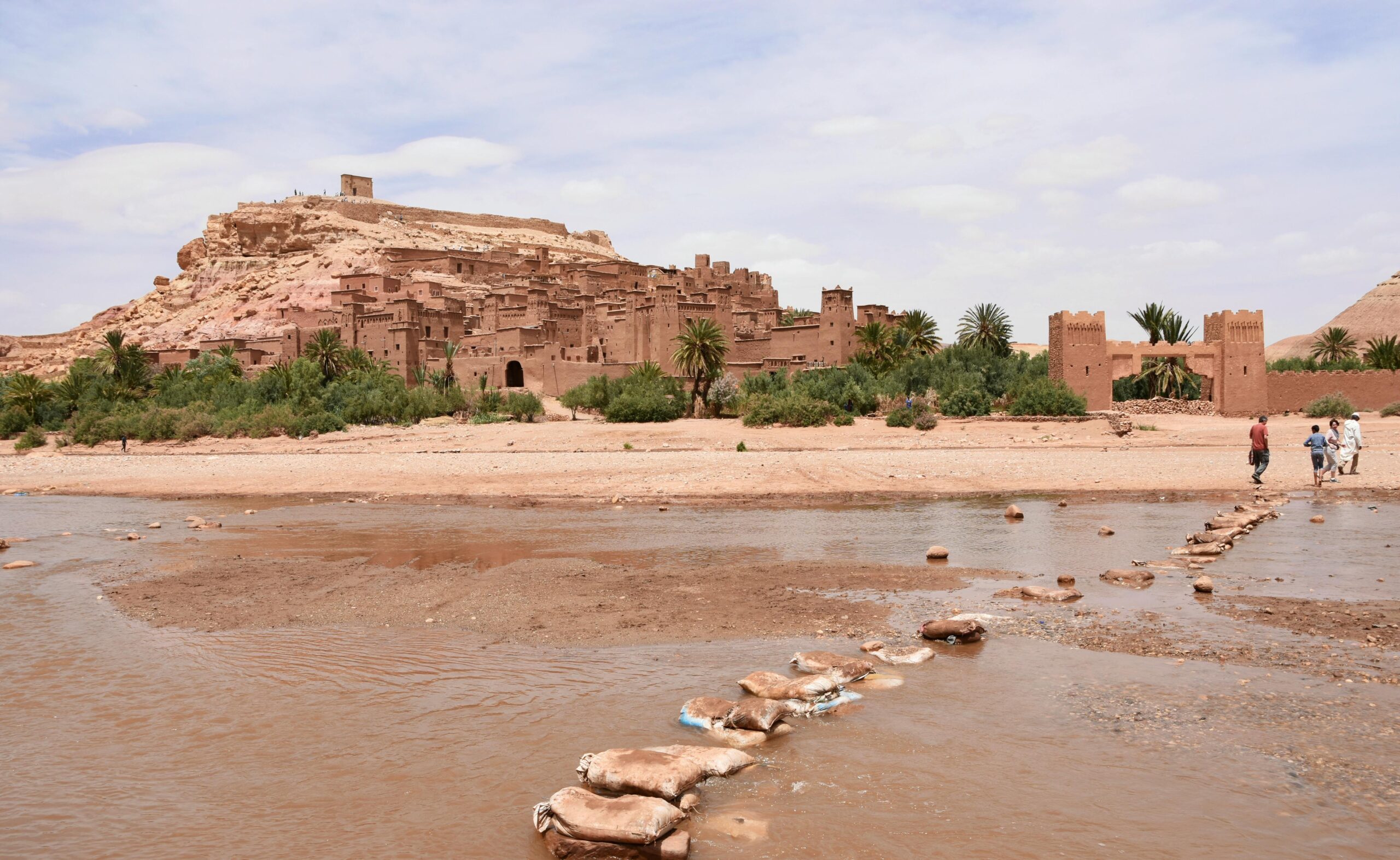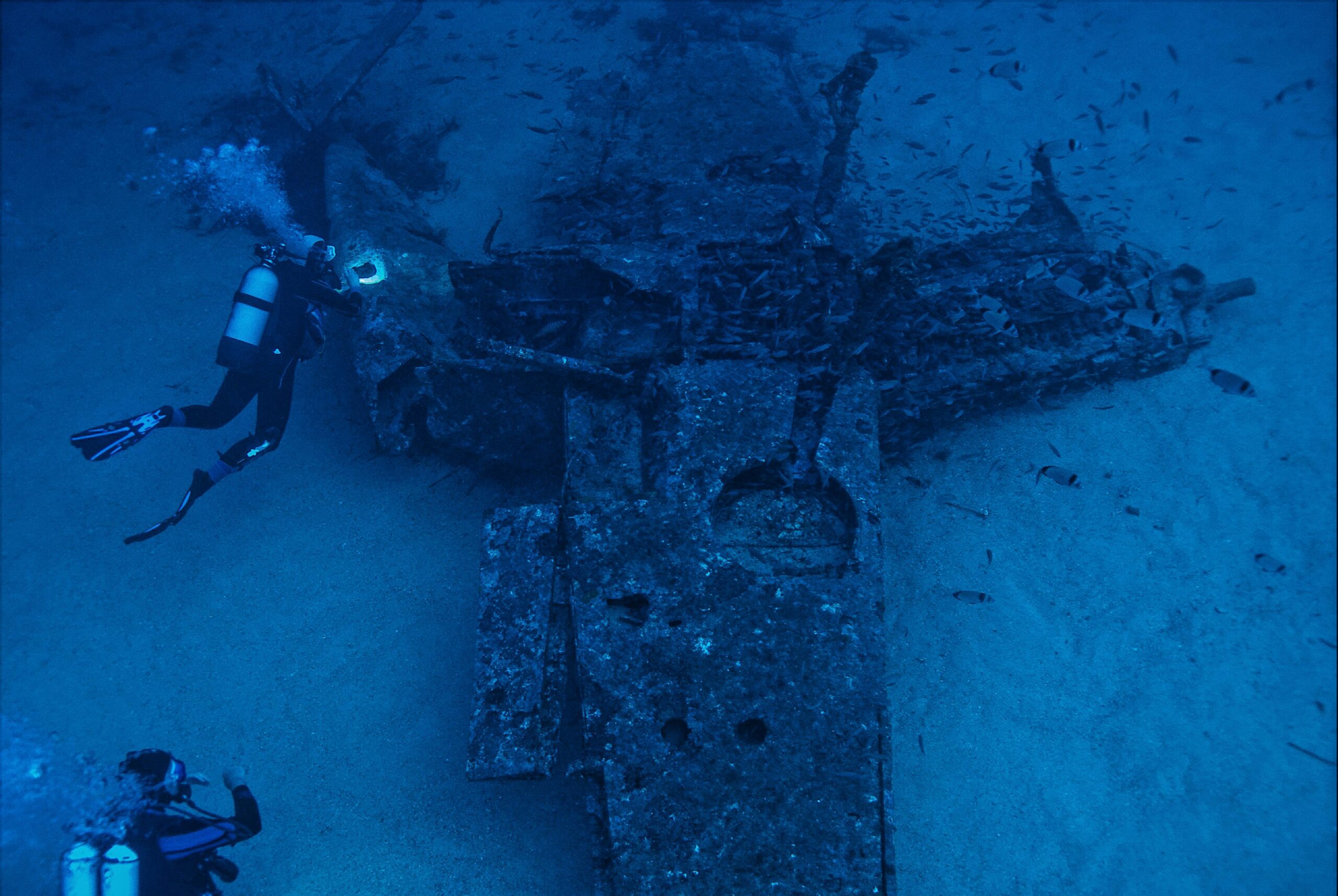
The black market fuels crime, erodes cultural heritage, and destabilizes economies worldwide. Understanding its mechanisms is crucial for effective intervention and protection.
🔍 The Hidden Economy: Understanding Today’s Black Market Landscape
The black market operates in shadows, yet its impact reverberates through legitimate economies, cultural institutions, and communities globally. From ancient artifacts torn from archaeological sites to contemporary goods stolen during civil unrest, illicit trade networks have evolved into sophisticated operations that rival legitimate businesses in their complexity and reach.
Recent years have witnessed an alarming surge in organized looting activities, particularly during periods of social upheaval, natural disasters, and armed conflicts. These criminal enterprises don’t operate in isolation—they’re interconnected webs involving looters, middlemen, corrupt officials, and wealthy collectors who fuel demand for stolen goods.
The digitization of commerce has paradoxically made black market operations both easier to conduct and harder to trace. Online marketplaces, encrypted communications, and cryptocurrency transactions have provided criminals with tools to expand their reach while minimizing detection risks.
💰 The Economic Magnitude of Illicit Trade
Conservative estimates place the global black market economy at approximately $10 trillion annually, with cultural property theft and trafficking representing a significant portion. The FBI estimates that art and cultural property crime generates between $4-6 billion each year, making it one of the highest-grossing criminal enterprises worldwide.
This underground economy doesn’t merely represent lost revenue for legitimate businesses and governments. It actively undermines economic stability, distorts market prices, facilitates money laundering, and finances other criminal activities including drug trafficking, human smuggling, and terrorism.
The true cost extends beyond monetary figures. When looters ransack archaeological sites, they destroy irreplaceable contextual information that scholars rely upon to understand human history. Each artifact ripped from its original location represents lost knowledge that can never be recovered.
Breaking Down the Black Market Categories
The illicit trade spectrum encompasses diverse categories, each with unique characteristics and challenges:
- Cultural Heritage and Antiquities: Archaeological artifacts, historical manuscripts, religious objects, and art pieces stolen from museums, sites, or private collections
- Retail Goods and Electronics: Products stolen during smash-and-grab robberies, organized retail crime, or civil disturbances
- Natural Resources: Illegally harvested timber, minerals, wildlife products, and precious metals
- Counterfeit Products: Fake luxury goods, pharmaceuticals, electronics, and documents
- Stolen Vehicles and Parts: Cars, motorcycles, and components fenced through underground networks
🏛️ Cultural Heritage Under Siege
Archaeological sites and cultural institutions face unprecedented threats from organized looting operations. Conflicts in Iraq, Syria, Afghanistan, and other regions have created perfect conditions for systematic plundering of humanity’s shared heritage.
The destruction of Palmyra, the looting of Iraqi museums during the 2003 invasion, and ongoing theft from sites across South America and Southeast Asia demonstrate how political instability enables cultural vandalism on massive scales. Terror organizations like ISIS systematically looted archaeological sites, selling artifacts to fund operations and deliberately destroying monuments as propaganda tools.
Even peaceful nations aren’t immune. Metal detectorists illegally scour protected sites, construction projects inadvertently expose archaeological remains that opportunistic thieves exploit, and organized crime groups target museums and churches with increasing sophistication.
The Digital Marketplace for Stolen Antiquities
Online platforms have revolutionized how stolen cultural property reaches buyers. Social media groups, online auction sites, and specialized forums connect sellers with collectors worldwide, often operating openly despite regulations.
Criminals exploit platform anonymity, jurisdictional complexities, and inadequate verification processes. A looted ancient coin photographed in Syria can appear on an auction site within weeks, laundered through multiple intermediaries and falsified provenance documentation.
Major platforms have implemented policies against cultural property trafficking, yet enforcement remains inconsistent. The sheer volume of listings makes comprehensive monitoring nearly impossible without sophisticated technological solutions and international cooperation.
⚖️ Legal Frameworks and International Cooperation
Combating black market operations requires robust legal structures and cross-border collaboration. International conventions like the 1970 UNESCO Convention on Cultural Property and the 1995 UNIDROIT Convention provide frameworks for preventing illicit trade and facilitating repatriation of stolen objects.
However, implementation varies dramatically across nations. Some countries maintain stringent export controls and actively prosecute cultural property crimes, while others lack resources, political will, or adequate legislation to address the problem effectively.
The United States has strengthened enforcement through legislation like the National Stolen Property Act and Cultural Property Implementation Act, enabling prosecution of traffickers and seizure of smuggled artifacts. European nations have adopted similar measures, yet gaps remain in enforcement and international coordination.
Challenges in Prosecution and Recovery
Prosecuting black market criminals presents unique challenges. Evidence collection from conflict zones, proving criminal intent, establishing object provenance, and navigating international legal differences complicate investigations.
Statute of limitations issues arise when stolen objects surface decades after theft. Good faith purchaser laws in some jurisdictions protect buyers who unknowingly acquire stolen property, creating disincentives for victims to pursue recovery.
Repatriation processes can take years or decades, requiring extensive documentation, diplomatic negotiations, and legal proceedings across multiple jurisdictions. Objects may change hands numerous times before reaching final buyers, obscuring ownership chains and complicating recovery efforts.
🛡️ Technology as Both Enabler and Solution
While technology facilitates black market operations, it also provides powerful tools for combating illicit trade. Artificial intelligence algorithms can scan online marketplaces for suspicious listings, flagging potential stolen goods based on image recognition and pattern analysis.
Blockchain technology offers promising applications for provenance tracking, creating immutable ownership records that make laundering stolen objects significantly harder. Digital databases like Interpol’s Stolen Works of Art database and the Antiquities Coalition’s Cultural Property platform centralize information about stolen items, enabling faster identification and recovery.
Advanced imaging technologies help document archaeological sites and museum collections, creating comprehensive inventories that facilitate loss identification. Satellite imagery monitors remote archaeological sites for looting activity, enabling rapid response to protect threatened locations.
Emerging Technological Solutions
Researchers and law enforcement agencies are developing innovative technological approaches to combat cultural property crime:
- DNA Marking: Synthetic DNA applied to objects creates unique identifiers that prove authenticity and ownership
- Machine Learning: Algorithms trained on artifact databases can identify objects’ likely origins and detect forgeries
- Social Media Monitoring: Automated tools track keywords and images across platforms to identify illegal sales
- Geospatial Analysis: Combining satellite data with ground intelligence reveals looting patterns and predicts vulnerable sites
- Digital Forensics: Advanced techniques extract hidden metadata from photographs and documents used in trafficking
👥 The Human Element: From Looters to Collectors
Understanding the black market requires examining the humans who perpetuate it. At the supply end, looters often come from economically disadvantaged communities where poverty, unemployment, and lack of alternatives drive participation in illicit activities.
In conflict zones, looting becomes a survival strategy or funding source for armed groups. In peacetime, organized crime syndicates recruit individuals to conduct targeted thefts, offering payment that exceeds legitimate employment opportunities.
Middlemen form the crucial link between looters and buyers, laundering objects through networks that span continents. These traffickers possess expertise in smuggling techniques, documentation forgery, and market manipulation that enables them to move stolen goods across borders while avoiding detection.
The Demand Side: Collectors and Institutions
Wealthy collectors create demand that drives the black market. Some knowingly purchase stolen objects, viewing legal risks as acceptable given perceived investment value or acquisition prestige. Others practice willful ignorance, asking insufficient questions about provenance to maintain plausible deniability.
Even respected institutions have problematic acquisition histories. Major museums worldwide have been compelled to return objects obtained through colonial-era looting or more recent illegal purchases, forcing institutional reckoning with collection ethics.
Changing attitudes within collector communities and professional organizations have strengthened ethical standards. Archaeological and museum associations have adopted codes of conduct prohibiting acquisition of objects without documented legal provenance, though enforcement remains voluntary and inconsistent.
📊 Measuring the Problem: Data and Statistics
Quantifying black market activities presents significant methodological challenges. By definition, underground economies operate secretly, making comprehensive data collection nearly impossible. Available statistics likely represent only fractions of actual criminal activity.
| Category | Estimated Annual Value | Primary Regions Affected |
|---|---|---|
| Cultural Property Theft | $4-6 billion | Middle East, Latin America, Southeast Asia |
| Organized Retail Crime | $30-50 billion | United States, Europe |
| Counterfeit Goods | $460 billion+ | Global |
| Wildlife Trafficking | $7-23 billion | Africa, Asia |
These figures reveal the staggering scale of illicit trade, yet they remain estimates based on seizures, prosecutions, and economic modeling rather than comprehensive accounting of criminal activity.
🌍 Regional Perspectives on Looting and Black Markets
Black market dynamics vary significantly across regions, shaped by local economic conditions, political stability, cultural attitudes, and enforcement capabilities.
In the Middle East, ongoing conflicts have created catastrophic conditions for cultural heritage protection. Syria and Iraq have lost countless irreplaceable artifacts to systematic looting, with terrorist organizations and organized crime groups exploiting chaos to fund operations through antiquities trafficking.
Latin American countries face persistent challenges from huaqueros (tomb raiders) who loot pre-Columbian sites, feeding international demand for indigenous artifacts. Peru, Mexico, Guatemala, and other nations with rich archaeological heritages struggle to protect remote sites from professional looting operations.
European nations contend with metal detectorists, art theft from churches and museums, and trafficking in archaeological materials from conflict zones. Despite relatively strong legal frameworks, enforcement gaps and cross-border coordination challenges enable continued illegal trade.
The African Context
African nations face unique challenges combining cultural property theft with natural resource exploitation. Colonial-era looting stripped countless artifacts from their original contexts, while contemporary trafficking continues draining cultural heritage.
The Benin Bronzes, Ethiopian manuscripts, and Egyptian antiquities represent high-profile examples of African cultural property held in Western institutions, sparking ongoing repatriation debates. Meanwhile, current looting of archaeological sites and theft from underfunded museums continues depleting Africa’s heritage.
🎯 Effective Strategies for Combat and Prevention
Addressing black market operations requires comprehensive approaches combining law enforcement, education, economic development, and international cooperation.
Strengthening legal frameworks remains fundamental. Nations must adopt legislation criminalizing cultural property trafficking, close loopholes enabling laundering, and provide adequate penalties that deter participation in illicit trade.
Investment in site protection proves crucial. Employing site guards, installing security systems, conducting regular inventories, and engaging local communities in stewardship helps prevent looting before objects enter black markets.
Education initiatives targeting multiple audiences—from potential looters to collectors—can shift cultural attitudes and reduce demand. Teaching archaeological ethics, highlighting heritage value, and explaining legal consequences creates social pressure against participation in illicit trade.
Community Engagement and Alternative Livelihoods
Sustainable solutions must address root causes driving individuals toward looting. Economic development programs providing legitimate employment alternatives reduce incentives for participating in cultural property crime.
Community-based heritage management approaches empower local populations as stakeholders in site protection rather than viewing them as threats. When communities benefit economically from heritage tourism and cultural programs, they gain incentives to prevent looting and report suspicious activities.
Successful examples from Cambodia, Jordan, and Peru demonstrate how integrating communities into heritage protection creates sustainable security while improving local livelihoods.
🚨 The Retail Crime Surge and Civil Unrest
Recent years have witnessed alarming increases in organized retail crime, with coordinated smash-and-grab operations targeting luxury retailers in major cities. These crimes differ from opportunistic shoplifting, involving planned operations with multiple participants who quickly overwhelm store security.
Stolen merchandise enters black markets through multiple channels: online resale platforms, pop-up shops, international shipping networks, and traditional fencing operations. The speed and volume of these thefts challenge retailers’ security measures and law enforcement responses.
Civil unrest and protests sometimes create conditions for opportunistic looting, though careful distinction must be made between legitimate protest and criminal exploitation of social movements. Addressing underlying social grievances while maintaining security requires nuanced approaches respecting civil liberties while protecting property and public safety.
💡 Building Resilient Systems for the Future
Long-term success against black markets requires building resilient systems that adapt to evolving criminal tactics while addressing fundamental drivers of illicit trade.
International cooperation must strengthen beyond formal conventions to include real-time information sharing, joint investigations, and coordinated enforcement actions. Technology platforms facilitating such cooperation enable rapid responses to emerging threats.
Public-private partnerships leverage resources and expertise from diverse sectors. Collaboration between law enforcement, technology companies, cultural institutions, and civil society organizations creates comprehensive responses exceeding what any single entity could achieve.
Sustained political commitment remains essential. Cultural heritage protection and black market enforcement must receive adequate funding, personnel, and policy priority despite competing demands on government resources.

🔮 Looking Ahead: Challenges and Opportunities
The black market will continue evolving alongside technological advancement, geopolitical shifts, and economic changes. Cryptocurrency adoption, artificial intelligence, and emerging online platforms will present both new challenges and tools for combating illicit trade.
Climate change may create additional pressures on vulnerable heritage sites while displacing populations and creating instability that criminals exploit. Proactive planning and investment in resilience will prove crucial for protecting cultural property through coming decades.
Growing public awareness of cultural heritage value and ethical collecting creates opportunities for shifting market dynamics. As younger generations embrace sustainability and ethical consumption, demand for looted objects may decline while support for heritage protection increases.
Success requires sustained commitment across multiple fronts: strengthening legal frameworks, investing in enforcement capacity, developing technological solutions, addressing socioeconomic root causes, and fostering cultural values that prioritize heritage preservation over private acquisition.
The fight against looting and black markets ultimately represents more than law enforcement—it’s about preserving humanity’s shared heritage, protecting vulnerable communities, and building systems that value cultural legacy over short-term profit. Every recovered artifact, prosecuted trafficker, and protected site represents victory in this ongoing struggle to unmask the underground and secure our collective past for future generations.

Toni Santos is a maritime researcher and underwater archaeologist specializing in the study of submerged heritage, ancient port systems, and the cultural landscapes preserved beneath the sea. Through an interdisciplinary and immersive approach, Toni investigates how humanity has left traces of knowledge, commerce, and legend in the underwater world — across oceans, myths, and sunken cities.
His work is grounded in a fascination with wrecks not only as artifacts, but as carriers of hidden meaning. From historic shipwreck discoveries to mythical harbors and lost coastal settlements, Toni uncovers the physical and cultural evidence through which civilizations preserved their relationship with the maritime unknown.
With a background in marine archaeology and underwater survey methods, Toni blends technical analysis with archival research to reveal how oceans were used to shape identity, transmit memory, and encode sacred knowledge.
As the creative mind behind revaltro, Toni curates documented dive studies, speculative harbor maps, and archaeological interpretations that revive the deep cultural ties between water, folklore, and forgotten science.
His work is a tribute to:
The submerged heritage of Historic Shipwrecks and Their Cargoes
The legendary sites of Mythical Harbors and Lost Civilizations
The technical methods of Underwater Exploration Techniques
The natural archiving power of Preservation in Salt and Sediment
Whether you’re a maritime historian, nautical researcher, or curious explorer of forgotten submerged worlds, Toni invites you to explore the hidden depths of oceanic heritage — one wreck, one harbor, one legend at a time.