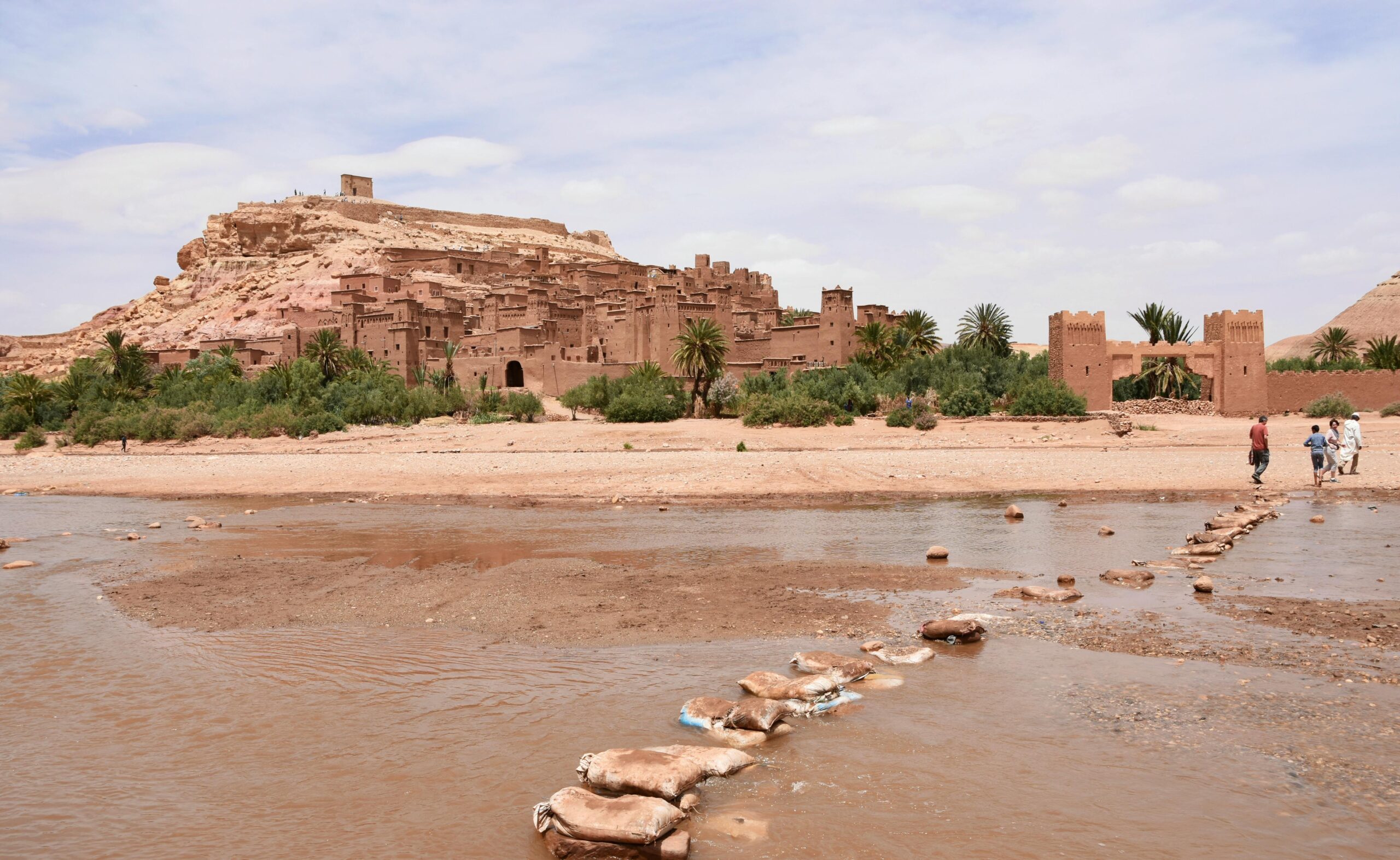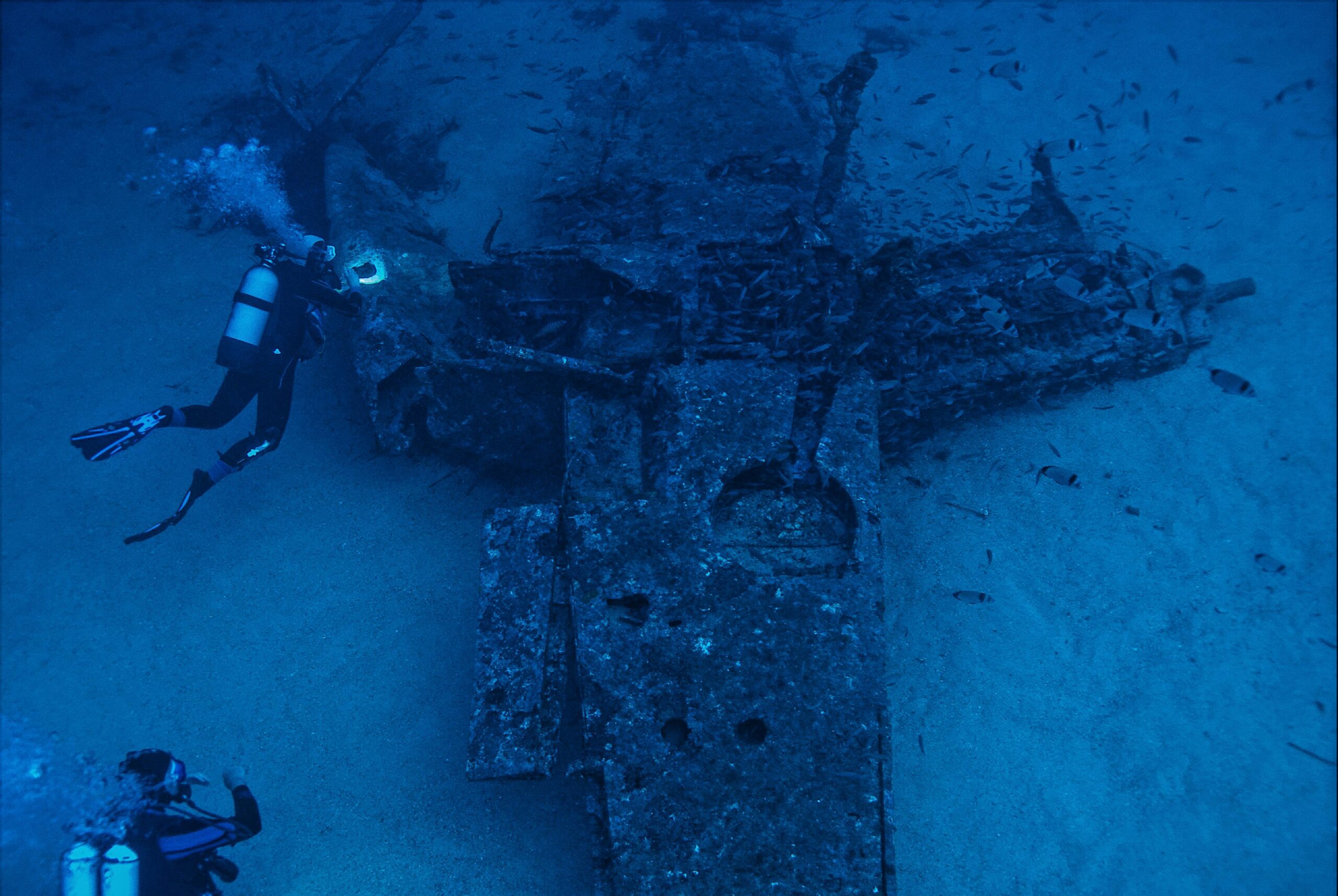
Ancient artifacts serve as silent witnesses to humanity’s interconnected past, revealing sophisticated trade networks that spanned continents long before modern globalization emerged.
🌍 The Silent Storytellers of Our Past
When archaeologists carefully brush away centuries of accumulated earth from a Roman coin found in southern India, or when they examine Chinese silk fragments discovered in Egyptian tombs, they’re uncovering more than just old objects. These ancient artifacts are tangible evidence of complex commercial relationships that connected distant civilizations, challenging our assumptions about historical isolation and revealing that globalization has deeper roots than we might imagine.
The story of global trade networks isn’t written in traditional texts alone. Instead, it’s encoded in the materials, craftsmanship, and geographical displacement of objects that traveled thousands of miles from their points of origin. Each artifact carries within it a narrative of human ambition, cultural exchange, technological innovation, and economic interdependence that shaped the ancient world in profound ways.
Tracing Ancient Routes Through Material Evidence
The Silk Road remains perhaps the most famous ancient trade network, but archaeological discoveries continue to reveal that it was just one strand in a much more intricate web of commerce. Artifacts found along these routes tell stories of merchants, explorers, and entire communities whose livelihoods depended on the movement of goods across vast distances.
Roman glassware discovered in Korean burial sites, African ivory in Mesopotamian palaces, and Baltic amber in Egyptian royal tombs all point to trade networks that operated with remarkable efficiency. These weren’t isolated exchanges but systematic commercial relationships that required infrastructure, trust, and sophisticated logistics that rival modern supply chains in their complexity.
The Language of Ceramics and Pottery
Pottery fragments might seem mundane, but they’re among the most informative artifacts for understanding ancient trade. Ceramic vessels were essential for transporting wine, olive oil, grains, and other commodities across long distances. The distinctive styles, clay compositions, and manufacturing techniques allow archaeologists to identify origin points with remarkable precision.
Greek amphorae found in shipwrecks off the coast of France, Chinese porcelain shards in East African trading posts, and Mesopotamian storage jars in Indus Valley settlements all map out commercial relationships. The chemical analysis of clay can pinpoint manufacturing locations to specific regions, while residue analysis reveals what commodities these vessels once contained, providing insights into ancient dietary preferences and agricultural production patterns.
Precious Metals and Gemstones: Currency of Connections
Gold, silver, and precious stones moved across continents, serving both as trade goods and as currency that facilitated other exchanges. The distribution patterns of these materials reveal economic hierarchies, power structures, and the reach of various empires and trading civilizations.
Lapis lazuli from Afghanistan’s Badakhshan mines has been found in Sumerian royal tombs, Egyptian jewelry, and Minoan artifacts, demonstrating a trade network that operated continuously for millennia. Similarly, tin from Cornwall in Britain traveled to the Mediterranean to be alloyed with copper for bronze production, creating economic ties between distant regions that we’re only now beginning to fully understand.
Coins as Historical Documents
Ancient coins are particularly valuable for reconstructing trade networks because they combine several types of information: metallurgical composition, iconography, inscriptions, and findspot locations. A Roman denarius discovered in India doesn’t just indicate trade contact; it provides evidence of the specific period of interaction, the relative values placed on different goods, and even political relationships between distant powers.
The distribution of Athenian “owl” coins across the Mediterranean and beyond reveals the extensive reach of Greek commercial influence. Persian darics, Chinese cash coins, and Indian punch-marked coins found far from their minting locations all tell similar stories of economic integration and the development of standardized currencies that facilitated long-distance trade.
🗺️ Maritime Archaeology: Underwater Time Capsules
Shipwrecks represent some of the most valuable archaeological sites for understanding ancient trade because they preserve cargo manifests frozen in time. Unlike terrestrial sites where artifacts might accumulate over decades or centuries, a shipwreck represents a single moment, offering a snapshot of commercial activity.
The Uluburun shipwreck off the Turkish coast, dating to the late Bronze Age, contained cargo from at least seven different cultures: copper ingots from Cyprus, tin possibly from Afghanistan, glass from Mesopotamia, ebony from Africa, ivory from elephants and hippopotami, amber from the Baltic, and precious metals from various sources. This single vessel demonstrates the complexity of Bronze Age trade networks and the central role of maritime commerce in connecting distant civilizations.
The Mediterranean: Ancient Highway of Commerce
The Mediterranean Sea functioned as a liquid highway connecting Europe, Africa, and Asia. Underwater archaeology has revealed countless trading vessels that plied these waters, carrying wine, olive oil, grain, textiles, metals, and manufactured goods between ports.
The standardization of shipping containers—particularly amphorae—indicates sophisticated commercial practices including quality control, branding (through distinctive stamps), and even early forms of advertising. The distribution of specific amphora types helps archaeologists reconstruct trade routes, identify production centers, and understand economic competition between regions.
Textiles: The Threads That Bound Civilizations
While textiles rarely survive in the archaeological record, when they do, they provide extraordinary insights into trade networks. Silk fragments in Roman contexts, cotton textiles in pre-Columbian South America showing dyes from distant regions, and wool fabrics with exotic embellishments all demonstrate the movement of both raw materials and finished products.
The legendary Silk Road derived its name from this most prized commodity. Chinese silk production was a closely guarded secret for centuries, yet silk fabrics reached the far corners of the known world, recovered from tombs, temples, and settlements thousands of miles from China. The presence of silk became a status symbol, indicating participation in elite trade networks and access to exotic luxuries.
Dyes and Pigments as Trade Indicators
The analysis of dyes and pigments on ancient textiles reveals additional layers of commercial complexity. Tyrian purple from Mediterranean murex shells, indigo from various regions, and cochineal from the Americas each required specific knowledge and access to particular resources. The presence of these dyes on textiles found far from their production sites indicates not just trade in finished fabrics but also in the dyes themselves and the knowledge of how to use them.
📜 Written Records on Trade Goods
Some of the most direct evidence for ancient trade networks comes from written records found on artifacts themselves or in association with trade goods. Cuneiform tablets from Mesopotamian merchant colonies in Anatolia detail commercial contracts, debt instruments, and correspondence between trading partners. Egyptian papyri describe Mediterranean commerce, listing cargoes, prices, and trading partners.
The Periplus of the Erythraean Sea, a merchant’s handbook from the first century CE, provides a contemporary account of trade routes connecting the Roman Empire with Africa and India. When archaeological findings align with such texts, they provide powerful confirmation of historical accounts and help fill in gaps where written records are silent.
Technological Transfer Through Trade
Beyond material goods, trade networks facilitated the exchange of ideas, technologies, and cultural practices. The spread of metallurgical techniques, agricultural innovations, artistic styles, and even religious concepts often followed trade routes, demonstrating that ancient commerce was about more than simple economic transactions.
The appearance of similar pottery wheels across vast regions, the spread of iron-working technology from the Near East, and the diffusion of glass-making techniques all followed established trade networks. Artifacts bearing technological signatures from distant regions reveal not just the movement of objects but the transfer of knowledge and expertise.
Artistic Influences Across Borders
Hybrid artistic styles provide compelling evidence of cultural exchange through trade. Greco-Buddhist art from ancient Gandhara combines Greek sculptural techniques with Buddhist iconography. African motifs appear in Mediterranean jewelry. Chinese dragon imagery influences Persian textiles. These artistic cross-pollinations reveal sustained contact and mutual influence between trading partners.
🔬 Modern Scientific Analysis Reveals Hidden Connections
Contemporary archaeological science has revolutionized our ability to trace ancient artifacts to their sources. Techniques like neutron activation analysis, X-ray fluorescence, stable isotope analysis, and ancient DNA testing can identify the geographical origins of materials with precision impossible to earlier generations of researchers.
Lead isotope analysis can trace metal objects to specific ore deposits, revealing mining sites and distribution networks. Strontium isotope analysis of human remains can identify whether individuals grew up in the regions where they were buried, revealing population movements often associated with trade. Residue analysis identifies organic materials once contained in vessels or processed at sites, providing insights into dietary practices and agricultural trade.
Database Integration and Pattern Recognition
Modern computational methods allow researchers to analyze vast datasets of artifacts, identifying patterns that would be impossible to discern through traditional methods. Geographic information systems (GIS) map artifact distributions, revealing trade routes and exchange patterns. Statistical analysis identifies correlations between different artifact types, suggesting associated trade goods or cultural packages that moved together.
Challenging Historical Narratives
The archaeological evidence of ancient trade networks often challenges traditional historical narratives that emphasized cultural isolation or portrayed certain civilizations as static and inward-looking. The ubiquity of foreign goods in ancient sites worldwide demonstrates that cross-cultural exchange was the norm rather than the exception.
African trade networks connected sub-Saharan regions with Mediterranean and Indian Ocean commercial systems long before European colonial contact. Pre-Columbian American civilizations engaged in extensive trade across vast distances. The recognition of these connections through artifact analysis forces us to reconsider assumptions about historical development and cultural influence.
🌐 The First Age of Globalization
The cumulative evidence from ancient artifacts suggests that the period from roughly 200 BCE to 200 CE witnessed what might be called the first age of globalization. The Roman Empire, Han Dynasty China, Mauryan and Gupta India, and various intermediary kingdoms and trading states created an interconnected commercial system spanning Eurasia and Africa.
Goods, ideas, technologies, and even diseases moved along these networks, creating a proto-global economy with striking parallels to modern international trade. The archaeological record preserves evidence of this integration in the form of artifacts that crossed continents, bearing witness to human ambition and ingenuity in overcoming geographical barriers.
Economic Complexity and Specialization
The diversity of goods found in ancient trade contexts indicates significant economic specialization. Regions developed expertise in particular products—Chinese silk, Indian spices, Arabian incense, Mediterranean wine—and exchanged these specialized goods through complex commercial networks. This specialization both required and reinforced trade relationships, creating economic interdependence that parallels modern global supply chains.
Lessons From Ancient Commerce
The study of ancient trade networks through artifact analysis offers more than historical curiosity. It provides insights into how commercial relationships develop, how trust is established between distant partners, how quality standards emerge, and how economic integration occurs despite technological limitations and political fragmentation.
Ancient merchants solved problems of currency exchange, contract enforcement, risk management, and logistics using solutions that remain relevant today. The resilience of certain trade routes through periods of political upheaval demonstrates the strength of economic incentives in maintaining connections even when political relationships fracture.
💎 Preserving and Studying Our Commercial Heritage
The artifacts that reveal ancient trade networks are irreplaceable resources for understanding human history. Archaeological sites continue to face threats from looting, development, and environmental degradation. The preservation of these material records becomes increasingly urgent as modern development accelerates.
International cooperation in archaeological research mirrors the ancient networks being studied. Researchers from multiple nations collaborate to analyze artifacts, share data, and reconstruct the commercial systems that once connected their regions. This scholarly cooperation creates modern networks of knowledge exchange that echo the ancient patterns visible in the artifact record.
Future Discoveries Awaiting
Despite centuries of archaeological investigation, vast regions remain inadequately explored. Underwater sites continue to yield remarkable discoveries as technology improves. Remote sensing technologies identify new sites without excavation. Climate change, while threatening many sites, also occasionally exposes previously hidden evidence.
Each new discovery has the potential to revise our understanding of ancient trade networks. A single well-preserved shipwreck can reveal previously unknown trade routes. A cache of commercial documents can illuminate the mechanics of ancient business practices. Ongoing research ensures that our knowledge of these networks continues to expand and evolve.
The Enduring Web of Human Connection
The artifacts scattered across museums, archaeological repositories, and excavation sites worldwide form a vast puzzle depicting humanity’s connected past. Each piece—whether a coin, a ceramic shard, a glass bead, or a metal ingot—represents a moment in the complex web of relationships that bound ancient civilizations together through commerce.
These objects transcend their material nature to become evidence of human ingenuity, ambition, and the fundamental drive to connect with others beyond immediate horizons. They remind us that the globalized world we inhabit today builds on foundations laid thousands of years ago by merchants, sailors, craftspeople, and consumers who created the first international economy.
The study of ancient trade through artifacts continues to reveal surprising connections, challenge assumptions, and deepen our appreciation for the sophistication of pre-modern societies. As analytical techniques improve and new discoveries emerge, our understanding of these ancient networks becomes ever more nuanced, revealing a past that was far more interconnected than previous generations imagined possible.

Toni Santos is a maritime researcher and underwater archaeologist specializing in the study of submerged heritage, ancient port systems, and the cultural landscapes preserved beneath the sea. Through an interdisciplinary and immersive approach, Toni investigates how humanity has left traces of knowledge, commerce, and legend in the underwater world — across oceans, myths, and sunken cities.
His work is grounded in a fascination with wrecks not only as artifacts, but as carriers of hidden meaning. From historic shipwreck discoveries to mythical harbors and lost coastal settlements, Toni uncovers the physical and cultural evidence through which civilizations preserved their relationship with the maritime unknown.
With a background in marine archaeology and underwater survey methods, Toni blends technical analysis with archival research to reveal how oceans were used to shape identity, transmit memory, and encode sacred knowledge.
As the creative mind behind revaltro, Toni curates documented dive studies, speculative harbor maps, and archaeological interpretations that revive the deep cultural ties between water, folklore, and forgotten science.
His work is a tribute to:
The submerged heritage of Historic Shipwrecks and Their Cargoes
The legendary sites of Mythical Harbors and Lost Civilizations
The technical methods of Underwater Exploration Techniques
The natural archiving power of Preservation in Salt and Sediment
Whether you’re a maritime historian, nautical researcher, or curious explorer of forgotten submerged worlds, Toni invites you to explore the hidden depths of oceanic heritage — one wreck, one harbor, one legend at a time.