Advanced magnetometers are revolutionizing metal detection and exploration, transforming treasure hunting from guesswork into precision science. These sophisticated instruments unlock hidden treasures beneath our feet. 🔍
The Science Behind Magnetic Field Detection
Magnetometers measure variations in Earth’s magnetic field, detecting anomalies caused by metallic objects buried underground. Unlike traditional metal detectors that rely on electromagnetic induction, advanced magnetometers offer superior depth penetration and discrimination capabilities. These devices have evolved from simple compasses to highly sophisticated quantum sensors capable of detecting minute magnetic variations.
The fundamental principle involves measuring the distortion of magnetic field lines caused by ferrous and non-ferrous metals. When metal objects are present underground, they create distinctive magnetic signatures that magnetometers can identify and map with remarkable precision. This technology has applications ranging from archaeological exploration to military ordnance detection and geological surveying.
Types of Advanced Magnetometers
Modern magnetometry employs several technologies, each with unique advantages for specific detection scenarios:
- Proton Precession Magnetometers: Utilize the behavior of hydrogen atoms in magnetic fields, offering excellent accuracy for large-scale surveys
- Fluxgate Magnetometers: Provide high sensitivity for detecting small metallic objects at moderate depths
- Optically Pumped Magnetometers: Deliver exceptional sensitivity for detecting subtle magnetic anomalies
- SQUID Magnetometers: Quantum devices offering the highest sensitivity available, though requiring cryogenic cooling
- Cesium Vapor Magnetometers: Balance portability with high sensitivity for field applications
Revolutionary Applications in Treasure Hunting 💎
Professional treasure hunters and archaeologists increasingly rely on advanced magnetometers to locate valuable artifacts, historical relics, and precious metals. These instruments excel at identifying buried caches, shipwreck remains, and archaeological sites that would otherwise remain undiscovered.
The precision of modern magnetometers allows hunters to differentiate between various metal types based on their magnetic properties. Gold and silver, while weakly magnetic, still produce detectable anomalies when present in sufficient quantities. Iron-based artifacts create stronger signals, making ancient weaponry, tools, and structural elements easily identifiable.
Beach and Underwater Detection
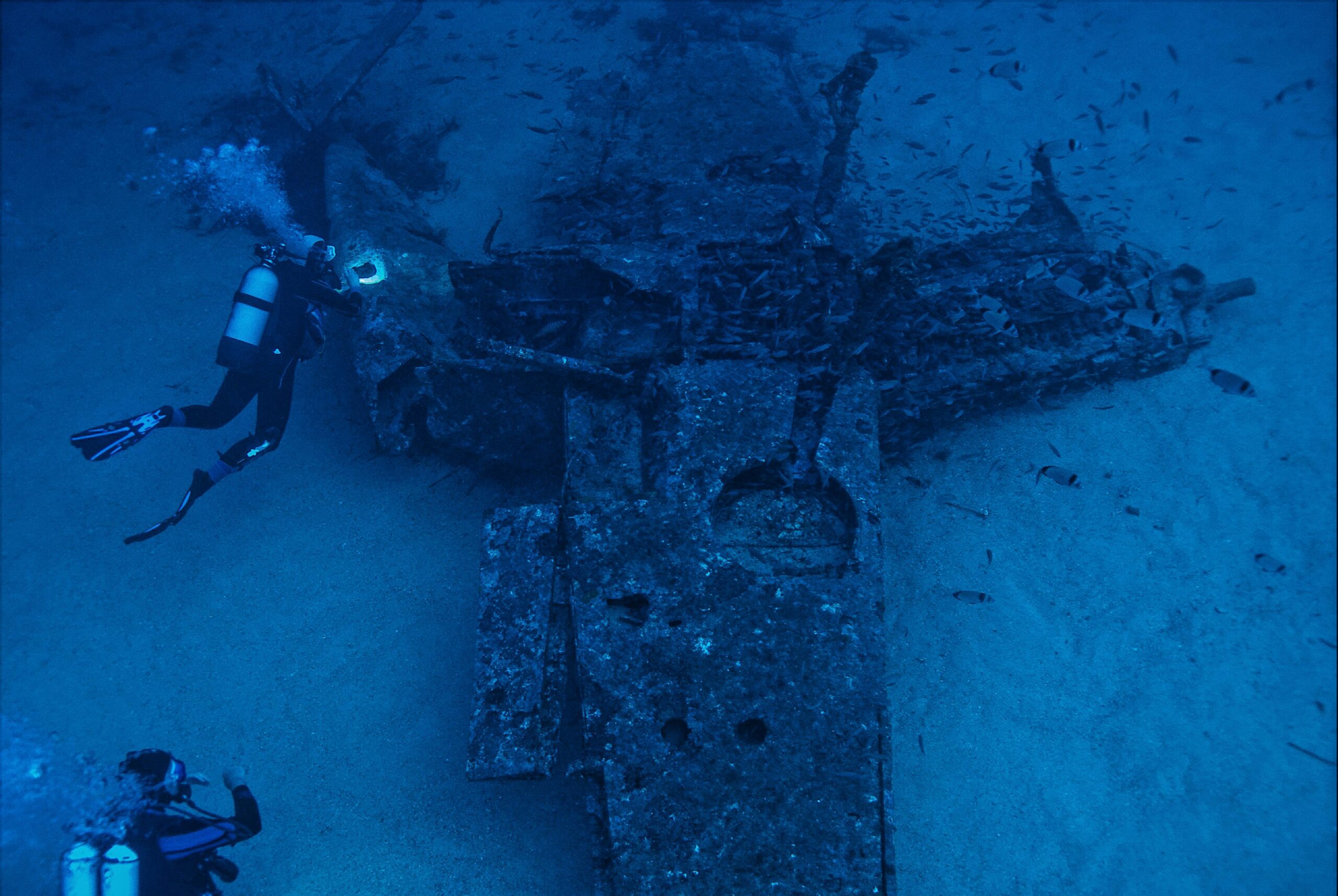
Coastal environments present unique challenges for metal detection. Advanced magnetometers designed for marine applications can penetrate saltwater and wet sand far more effectively than conventional detectors. These specialized instruments have discovered countless shipwreck treasures, lost jewelry, and historical artifacts in maritime environments.
Underwater magnetometry systems can be towed behind boats, creating detailed magnetic maps of the seafloor. This technique has proven invaluable for locating shipwrecks containing gold coins, silver bars, and other precious cargo that has remained hidden for centuries.
Archaeological Exploration and Historical Discovery 🏛️
Archaeologists utilize magnetometers as non-invasive tools for site surveying before excavation begins. By mapping magnetic anomalies across large areas, researchers can identify promising dig locations, buried structures, and artifact concentrations without disturbing the ground.
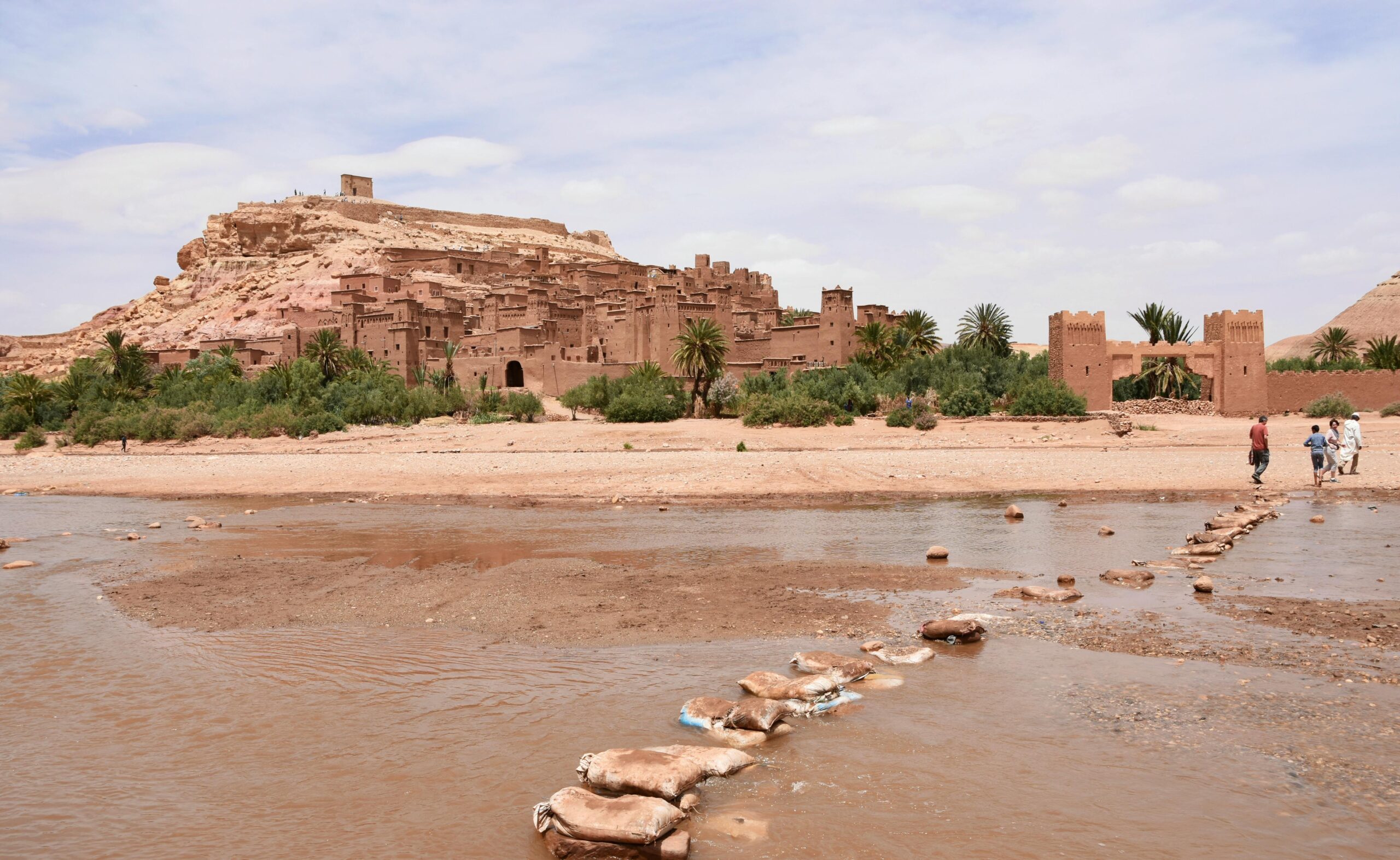
This technology has revealed entire ancient cities, medieval settlements, and prehistoric structures that left no visible surface evidence. Magnetometer surveys can detect fired clay, metallic artifacts, and even soil disturbances from ancient construction activities. The data collected creates detailed subsurface maps guiding targeted excavations.
Preserving Cultural Heritage
Advanced magnetometry helps protect archaeological sites from looters and environmental damage. By documenting what lies beneath the surface, authorities can make informed decisions about site protection, excavation priorities, and heritage preservation strategies. This non-destructive approach ensures future generations can study these irreplaceable historical resources.
Technical Specifications That Matter
Understanding magnetometer specifications helps users select appropriate equipment for their exploration goals. Key performance parameters include:
| Specification | Importance | Typical Range |
|---|---|---|
| Sensitivity | Detects weak magnetic signals | 0.01 to 10 nT |
| Sampling Rate | Data collection speed | 1 to 100 Hz |
| Detection Depth | Maximum penetration | 0.5 to 30+ meters |
| Gradient Tolerance | Background noise rejection | 10 to 1000 nT/m |
| Operating Temperature | Environmental adaptability | -40°C to +50°C |
Higher sensitivity enables detection of smaller objects at greater depths, while faster sampling rates improve data resolution for detailed mapping. Modern instruments often include GPS integration, allowing precise georeferencing of detected anomalies for later investigation.
Mobile Technology Meets Metal Detection 📱
Smartphone magnetometer sensors, while far less sensitive than dedicated equipment, have democratized basic metal detection. Several applications leverage these built-in sensors for casual treasure hunting and educational purposes.
Nenhum dado válido encontrado para as URLs fornecidas.
These mobile applications cannot match professional magnetometers but provide accessible introduction to magnetic detection principles. They’re useful for locating pipes, wiring, and ferrous objects near the surface, making them practical tools for home improvement projects and casual exploration.
Professional-Grade Portable Systems
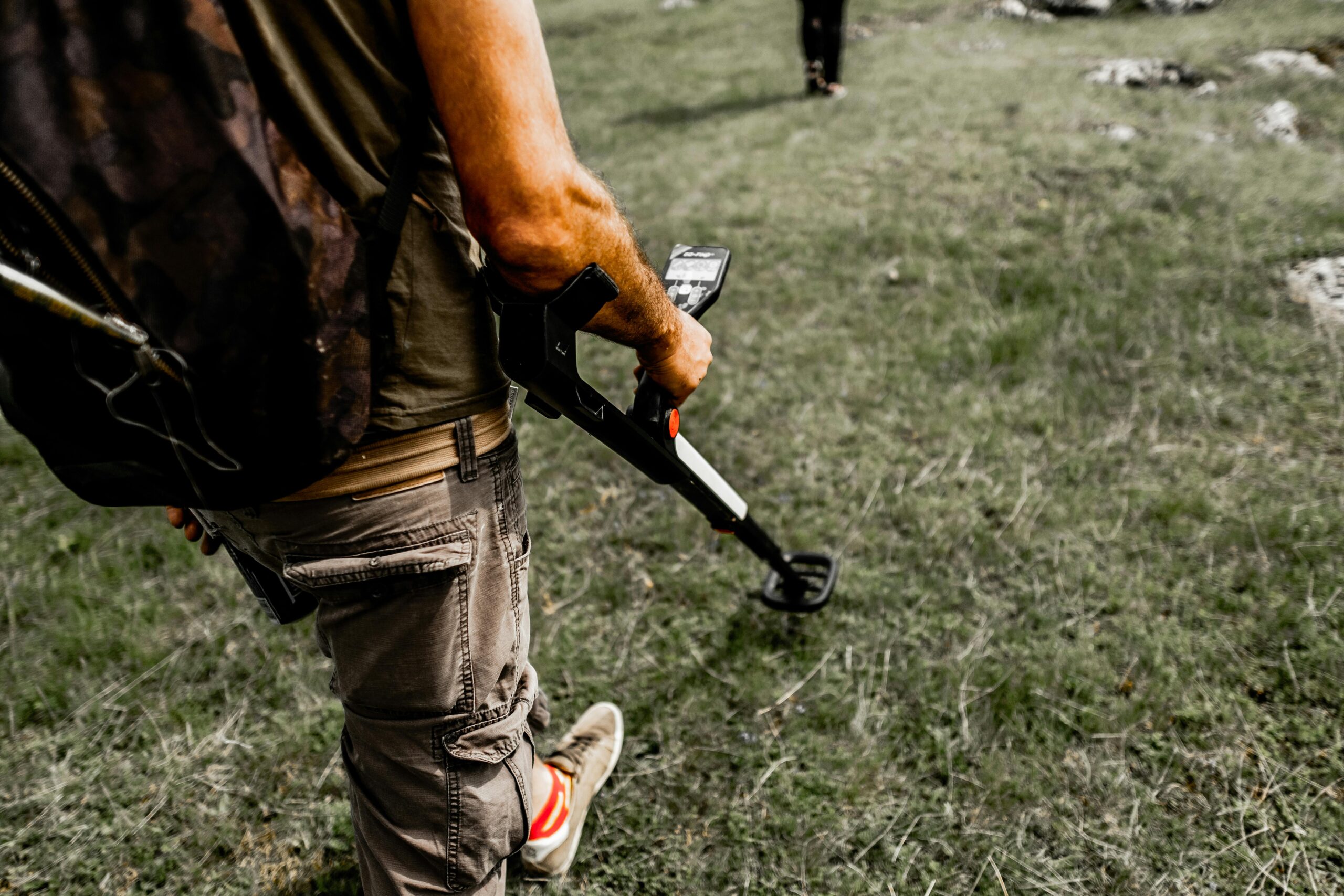
Dedicated portable magnetometers bridge the gap between smartphone apps and laboratory-grade instruments. These field-ready devices offer professional sensitivity in compact, user-friendly packages. Modern units feature touchscreen interfaces, wireless data transmission, and real-time visualization of magnetic anomalies.
Battery technology advances have extended field operation times significantly, with many professional magnetometers operating for 8-12 hours on single charges. This endurance enables comprehensive survey coverage without interruption, essential for efficient exploration projects.
Maximizing Detection Success Rates 🎯
Effective magnetometer operation requires understanding both equipment capabilities and environmental factors affecting magnetic fields. Proper technique dramatically improves detection success rates and data quality.
Survey Pattern Optimization
Systematic survey patterns ensure comprehensive coverage while minimizing data gaps. Grid patterns work excellently for archaeological sites, while parallel transects suit linear searches along beaches or historical routes. Maintaining consistent sensor height and walking speed produces uniform data quality across survey areas.
Advanced users employ gradiometer configurations with dual sensors, measuring magnetic field differences between two points. This arrangement cancels background interference while emphasizing localized anomalies from buried objects, significantly improving target detection in magnetically noisy environments.
Environmental Considerations
Magnetic interference from power lines, vehicles, buildings, and geological formations can mask target signals. Successful magnetometry requires recognizing and mitigating these interference sources. Conducting background measurements before surveys establishes baseline conditions, helping identify genuine anomalies during detection.
Soil mineralization affects detection depth and sensitivity. Highly mineralized soils containing magnetite or hematite create background noise reducing effective penetration. Advanced magnetometers include compensation algorithms and adjustable sensitivity settings to optimize performance across varying soil conditions.
Data Processing and Interpretation 📊
Raw magnetometer data requires processing to reveal meaningful patterns. Professional software packages filter noise, correct positioning errors, and enhance anomaly visibility through various visualization techniques.
Contour mapping displays magnetic intensity variations across survey areas, revealing patterns indicating buried structures or artifact concentrations. 3D visualization techniques help interpret complex anomaly configurations, suggesting object shapes, sizes, and burial depths.
Machine Learning Enhancement
Artificial intelligence algorithms now assist magnetometer data interpretation, recognizing patterns associated with specific target types. These systems learn from extensive datasets, identifying subtle signatures that human operators might miss. Machine learning particularly excels at distinguishing archaeological features from geological formations and modern interference.
Legal and Ethical Exploration Practices ⚖️
Responsible metal detection requires understanding legal restrictions and ethical obligations. Treasure hunting regulations vary significantly by location, with many countries strictly controlling archaeological artifact recovery and metal detecting on public lands.
Obtaining proper permissions before surveying ensures legal compliance and maintains positive relationships with landowners and authorities. Archaeological sites require professional supervision, and discovered artifacts often belong to landowners or governments regardless of who found them.
Conservation and Documentation
Ethical explorers document discoveries thoroughly, recording exact locations, depths, and contexts. This information preserves historical value even when artifacts cannot remain in situ. Photography, detailed notes, and reporting significant finds to appropriate authorities ensures discoveries contribute to historical knowledge rather than simply enriching finders.
Future Innovations in Magnetic Detection 🚀
Quantum sensing technologies promise revolutionary improvements in magnetometer sensitivity and miniaturization. Diamond nitrogen-vacancy center magnetometers operate at room temperature while achieving sensitivity approaching SQUID devices, eliminating cryogenic cooling requirements.
Drone-mounted magnetometer arrays enable rapid surveying of large areas, particularly valuable in difficult terrain. Autonomous systems can execute pre-programmed survey patterns, collecting consistent high-quality data across extensive sites in fraction of traditional survey times.
Integration with Complementary Technologies
Multi-sensor systems combining magnetometry with ground-penetrating radar, electromagnetic induction, and electrical resistivity provide comprehensive subsurface characterization. These integrated approaches reduce ambiguity in target identification, distinguishing between metallic objects, voids, and disturbed soil.
Real-time data fusion from multiple sensor types creates detailed subsurface models during field operations, enabling immediate decision-making about excavation priorities and survey adjustments. Cloud-based data processing allows remote experts to analyze findings while field crews continue surveying.
Investment Considerations for Serious Explorers 💰
Advanced magnetometers represent significant financial investments, with professional instruments ranging from several thousand to tens of thousands of dollars. Evaluating cost against intended applications helps ensure appropriate equipment selection.
Rental options provide access to high-end equipment for specific projects without capital outlays. Many suppliers offer training programs ensuring operators maximize equipment capabilities, protecting investments through proper use and maintenance.
Return on Investment
Professional treasure hunters and archaeological consultants can recover equipment costs through successful discoveries and paid survey work. Historical artifact values, precious metal finds, and consulting fees offset initial investments for dedicated professionals. However, casual hobbyists should consider equipment costs against realistic discovery expectations.
Practical Tips for Beginning Magnetometer Users 🔧
New users should start with thoroughly reading equipment manuals and practicing in controlled environments with known buried objects. This familiarization builds skill interpreting magnetic signatures before attempting actual treasure hunting.
Joining metal detecting clubs and online communities provides valuable knowledge sharing with experienced practitioners. Many successful treasure hunters willingly share techniques, favorite locations, and interpretation skills with newcomers demonstrating genuine interest and respect for the hobby.
Maintaining detailed logs of surveys, including environmental conditions, equipment settings, and results, builds personal databases improving future performance. Reviewing successful and unsuccessful hunts reveals patterns enhancing detection strategies over time.
Transforming Passion into Precision Discovery 🌟
Advanced magnetometers elevate metal detection from random searching to scientific exploration. These powerful instruments reveal hidden treasures ranging from archaeological wonders to precious metal caches, transforming landscapes into readable books of buried history.
Whether pursuing professional archaeology, commercial treasure hunting, or passionate hobbyist exploration, magnetometer technology provides unprecedented capabilities for discovering what lies beneath. Understanding equipment capabilities, developing proper techniques, and maintaining ethical practices ensures rewarding experiences while contributing to historical knowledge preservation.
The future of treasure hunting belongs to those embracing technological advancement while respecting the past. Advanced magnetometers unlock hidden treasures not through luck, but through precision, patience, and scientific methodology. Every survey reveals possibilities, every anomaly holds potential, and every discovery connects us with history waiting beneath our feet.

Toni Santos is a maritime researcher and underwater archaeologist specializing in the study of submerged heritage, ancient port systems, and the cultural landscapes preserved beneath the sea. Through an interdisciplinary and immersive approach, Toni investigates how humanity has left traces of knowledge, commerce, and legend in the underwater world — across oceans, myths, and sunken cities.
His work is grounded in a fascination with wrecks not only as artifacts, but as carriers of hidden meaning. From historic shipwreck discoveries to mythical harbors and lost coastal settlements, Toni uncovers the physical and cultural evidence through which civilizations preserved their relationship with the maritime unknown.
With a background in marine archaeology and underwater survey methods, Toni blends technical analysis with archival research to reveal how oceans were used to shape identity, transmit memory, and encode sacred knowledge.
As the creative mind behind revaltro, Toni curates documented dive studies, speculative harbor maps, and archaeological interpretations that revive the deep cultural ties between water, folklore, and forgotten science.
His work is a tribute to:
The submerged heritage of Historic Shipwrecks and Their Cargoes
The legendary sites of Mythical Harbors and Lost Civilizations
The technical methods of Underwater Exploration Techniques
The natural archiving power of Preservation in Salt and Sediment
Whether you’re a maritime historian, nautical researcher, or curious explorer of forgotten submerged worlds, Toni invites you to explore the hidden depths of oceanic heritage — one wreck, one harbor, one legend at a time.