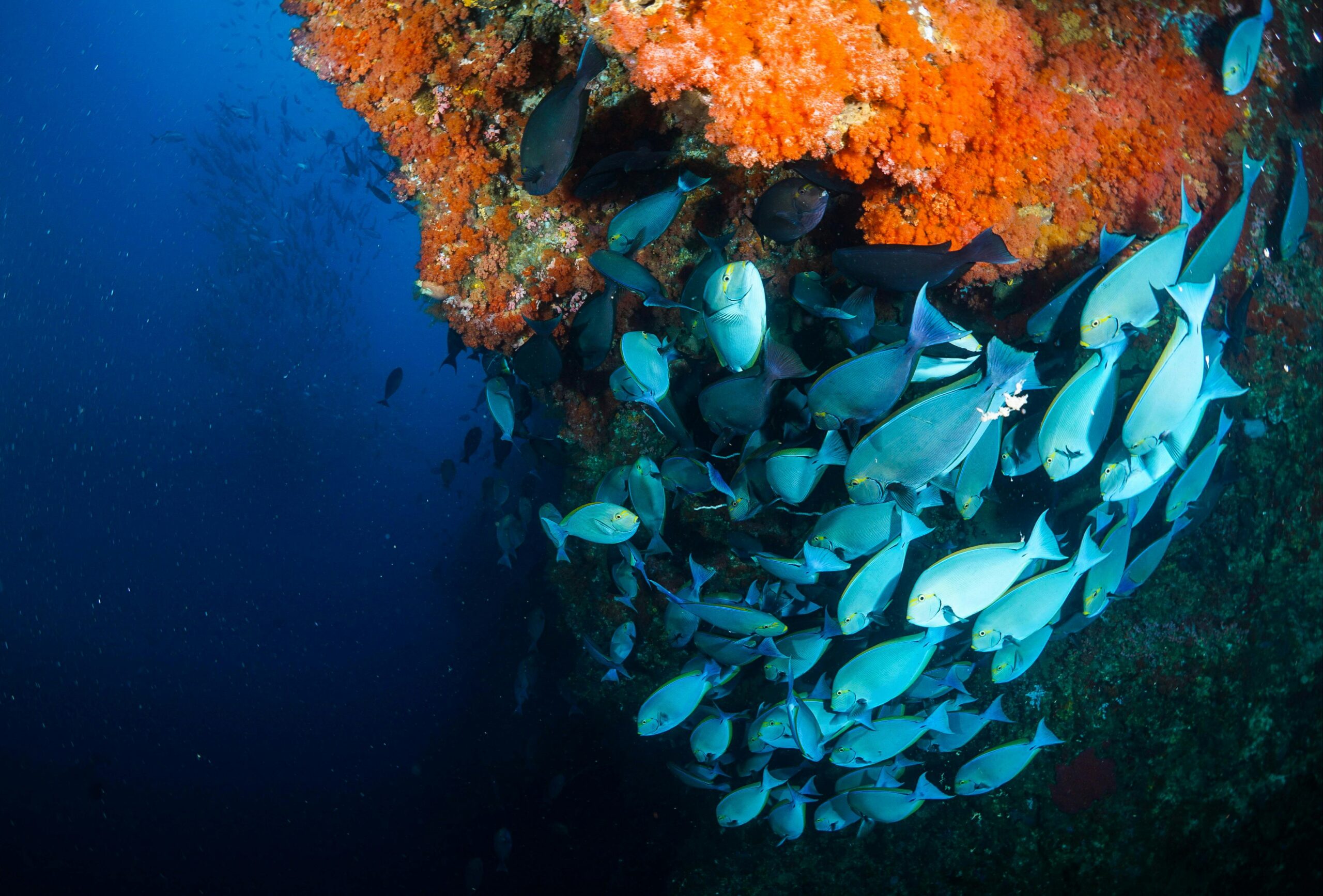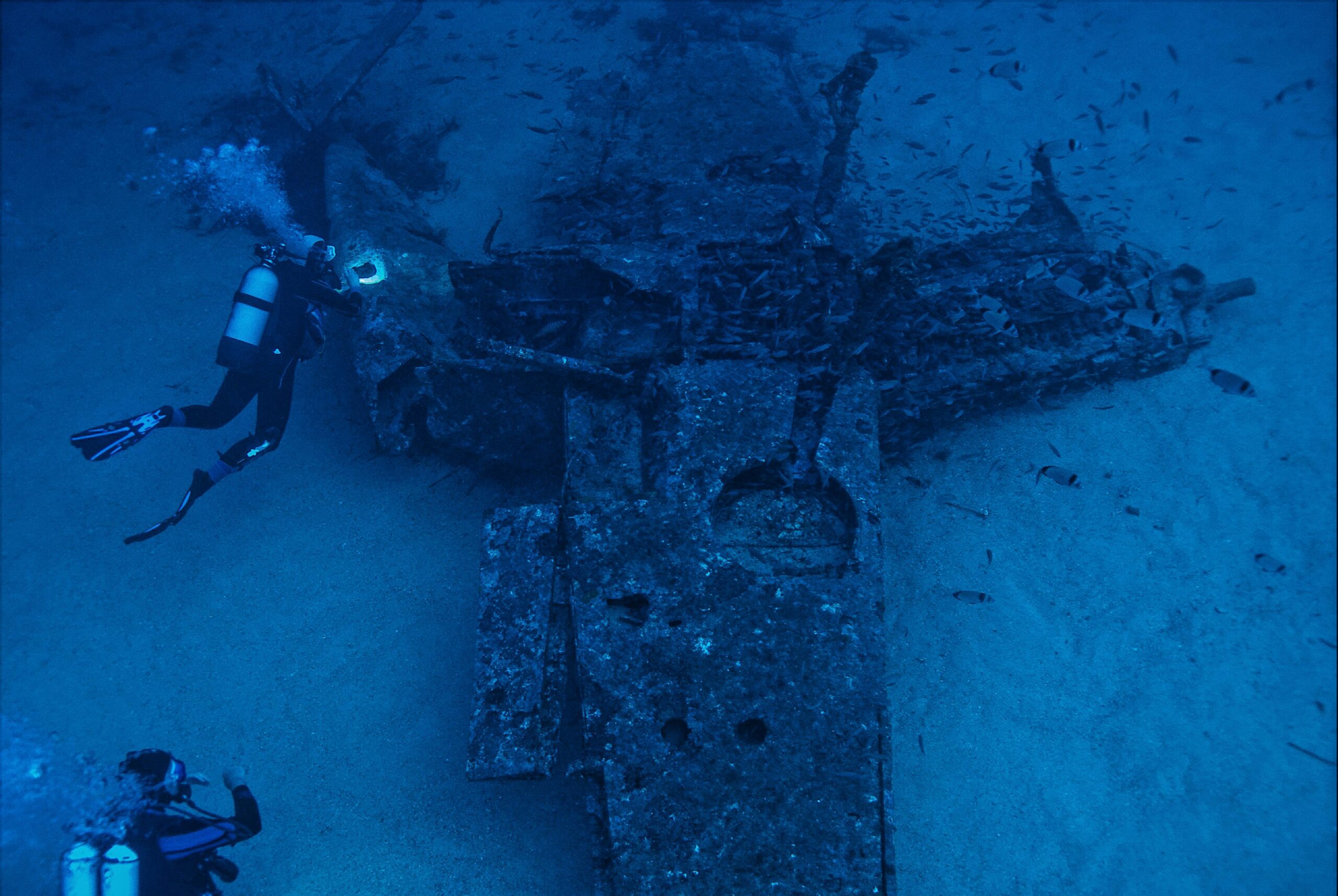
Artificial intelligence is transforming how we explore Earth’s final frontier: the ocean. From autonomous submarines to intelligent data analysis, AI is unlocking underwater secrets once beyond our reach.
🌊 The New Era of Ocean Discovery
The ocean covers more than 70% of our planet’s surface, yet we’ve explored less than 5% of its depths. This paradox has long frustrated marine scientists, oceanographers, and conservationists alike. Traditional underwater exploration methods are expensive, time-consuming, and often dangerous for human divers. However, the integration of artificial intelligence into underwater exploration is rapidly changing this narrative, opening unprecedented opportunities to understand the mysterious world beneath the waves.
Modern AI-powered systems are revolutionizing everything from deep-sea mapping to marine life identification. These technologies are not just incremental improvements over previous methods—they represent a fundamental shift in how we approach ocean exploration. By combining machine learning algorithms with advanced robotics, we’re now capable of conducting research in environments that were previously inaccessible or prohibitively expensive to study.
Autonomous Underwater Vehicles: The Intelligent Explorers
Autonomous Underwater Vehicles (AUVs) equipped with AI represent one of the most significant breakthroughs in marine exploration. These sophisticated machines can navigate treacherous underwater terrain, make real-time decisions, and adapt to changing conditions without constant human intervention. Unlike their predecessors, which required continuous remote control, AI-enabled AUVs can execute complex missions independently.
These vehicles utilize advanced computer vision algorithms to identify obstacles, recognize geological formations, and even detect specific marine species. Machine learning models trained on millions of underwater images enable these robots to distinguish between different types of coral, fish species, and underwater structures with remarkable accuracy. This capability is particularly valuable in deep-sea environments where communication with surface vessels is limited or impossible.
Navigation and Mapping Capabilities
AI-powered navigation systems have solved one of underwater exploration’s most persistent challenges: accurate positioning in an environment where GPS signals cannot penetrate. By integrating data from multiple sensors—including sonar, inertial measurement units, and acoustic positioning systems—machine learning algorithms can create highly accurate positional estimates even at extreme depths.
These systems employ sophisticated simultaneous localization and mapping (SLAM) techniques that allow AUVs to build detailed three-dimensional maps of underwater environments while simultaneously tracking their own position within those maps. This technology has proven invaluable for archaeological surveys, geological studies, and infrastructure inspection.
Machine Learning for Marine Life Identification 🐠
One of the most exciting applications of AI in underwater exploration is automated marine species identification. Traditional methods of cataloging marine life required extensive manual review of footage and photographs by expert taxonomists—a process that could take months or even years for large datasets. AI has compressed this timeline dramatically.
Deep learning models, particularly convolutional neural networks (CNNs), have demonstrated exceptional accuracy in identifying marine species from underwater imagery. These systems can process thousands of images per hour, identifying species, counting individuals, and even assessing their health status based on visual cues. This capability is transforming marine biology research and conservation efforts.
Behavioral Analysis and Pattern Recognition
Beyond simple identification, AI systems are now capable of analyzing complex marine animal behaviors. Machine learning algorithms can detect patterns in movement, feeding habits, social interactions, and migration routes. This information provides invaluable insights into marine ecosystems and helps scientists understand how different species interact with their environment.
For instance, AI-powered systems have been deployed to study whale communication patterns, tracking not just the movements of individual whales but also analyzing their vocalizations to understand potential meanings and social structures. Similar technologies are being used to monitor coral reef health by detecting subtle changes in color and structure that might indicate stress or disease.
Oceanographic Data Analysis and Prediction
The ocean generates enormous quantities of data—from temperature and salinity measurements to current patterns and chemical compositions. Processing and interpreting this data has traditionally been a bottleneck in oceanographic research. AI is removing this constraint by enabling rapid analysis of massive datasets and identifying patterns that human researchers might miss.
Machine learning algorithms excel at finding correlations in complex, multidimensional data. In oceanography, this capability is being used to predict everything from harmful algal blooms to the impact of climate change on ocean circulation patterns. These predictive models help researchers anticipate environmental changes and develop more effective conservation strategies.
Climate Change Monitoring
AI-powered analysis of underwater data is proving crucial in understanding climate change’s impact on marine environments. By processing historical and real-time data from thousands of sensors distributed across the world’s oceans, machine learning systems can detect subtle trends and anomalies that indicate shifting baseline conditions.
These systems track ocean acidification, temperature changes, sea level rise, and alterations in marine ecosystems with unprecedented precision. The insights generated by AI analysis are informing climate models and helping policymakers make more informed decisions about environmental protection and resource management.
🤖 Robotic Systems for Deep-Sea Exploration
The deepest parts of our oceans present extreme challenges: crushing pressures, complete darkness, and near-freezing temperatures. AI-controlled robotic systems are specifically designed to operate in these harsh conditions, expanding the boundaries of human knowledge into the deepest trenches.
These advanced robots incorporate AI for multiple functions: intelligent lighting systems that adapt to visibility conditions, manipulator arms that can delicately collect samples or perform repairs, and decision-making algorithms that prioritize mission objectives based on real-time observations. Some systems even employ reinforcement learning, allowing them to improve their performance over successive missions.
Sample Collection and Analysis
AI is revolutionizing how we collect and analyze samples from underwater environments. Intelligent sampling systems can identify specimens of interest, determine the optimal collection method, and even perform preliminary analysis before returning to the surface. This selective approach maximizes the scientific value of each expedition while minimizing environmental disturbance.
Onboard analytical capabilities, guided by AI, can perform real-time chemical and biological analyses, providing immediate feedback that can inform further exploration decisions. This rapid-response capability is particularly valuable when studying ephemeral phenomena like hydrothermal vent communities or deep-sea brine pools.
Archaeological Discoveries and Heritage Preservation
Underwater archaeology is experiencing a renaissance thanks to AI-powered exploration technologies. Ancient shipwrecks, submerged cities, and prehistoric sites are being discovered and documented with unprecedented detail and efficiency. Machine learning algorithms trained on historical artifacts can identify potential archaeological sites from sonar data and prioritize areas for closer investigation.
Once sites are located, AI-assisted photogrammetry creates highly detailed three-dimensional models of underwater archaeological features. These digital reconstructions preserve cultural heritage in a format that’s accessible to researchers and the public while minimizing physical disturbance to fragile historical sites. Natural language processing algorithms are even being used to correlate archaeological findings with historical texts, helping researchers piece together historical narratives.
Environmental Monitoring and Conservation 🌿
Conservation efforts are being supercharged by AI-powered underwater monitoring systems. These technologies enable continuous, long-term observation of marine protected areas, providing data that informs management decisions and helps assess the effectiveness of conservation interventions.
AI systems can detect illegal fishing activities, monitor endangered species populations, and track the health of sensitive ecosystems like coral reefs and seagrass beds. Automated alert systems notify authorities of potential threats in real-time, enabling rapid response to environmental emergencies such as oil spills or illegal dumping.
Coral Reef Restoration
Coral reefs, often called the rainforests of the sea, are under severe threat from climate change and human activities. AI is playing a crucial role in reef restoration efforts by identifying optimal locations for coral transplantation, monitoring the health of restored areas, and predicting which coral species are most likely to survive in changing conditions.
Computer vision systems can assess coral bleaching severity, detect disease outbreaks, and track recovery rates with far greater consistency and coverage than traditional manual surveys. This data helps marine biologists refine restoration techniques and allocate resources more effectively.
Challenges and Future Developments
Despite remarkable progress, AI-powered underwater exploration still faces significant challenges. Underwater communication remains difficult, limiting real-time data transmission and control capabilities. The extreme environments of the deep ocean test the limits of hardware reliability, and collecting sufficient training data for machine learning models in these inaccessible locations is inherently difficult.
Energy efficiency is another critical concern. Advanced AI algorithms and sensor systems consume significant power, while battery technology limits the duration of underwater missions. Researchers are exploring innovative solutions, including energy harvesting from ocean currents and thermal gradients, as well as developing more efficient algorithms that can deliver comparable results with lower computational overhead.
The Path Forward
The future of AI-powered underwater exploration is bright and full of possibilities. Emerging technologies like quantum computing could dramatically enhance the processing power available for real-time underwater decision-making. Improved materials science promises more robust and capable underwater robots that can operate at greater depths for longer periods.
Collaborative swarms of AI-controlled underwater vehicles represent an exciting frontier. These coordinated teams of robots could cover vast areas quickly, share information seamlessly, and adapt their collective behavior to maximize mission success. Such systems could revolutionize everything from ocean floor mapping to disaster response.
Economic and Scientific Impact 💎
The revolution in underwater exploration powered by AI has significant economic implications. The offshore energy industry benefits from AI-enhanced inspection and maintenance of underwater infrastructure, reducing costs and improving safety. Mineral exploration companies are using AI to identify potential deep-sea mining sites, though this application raises important environmental concerns that must be carefully managed.
The fishing industry is also being transformed. AI-powered systems help identify sustainable fishing zones, monitor fish populations, and reduce bycatch. These technologies support both economic productivity and environmental sustainability, helping to balance human needs with ocean health.
From a scientific perspective, the data generated by AI-powered exploration systems is accelerating our understanding of marine ecosystems, ocean circulation, and Earth’s geological processes. This knowledge has applications far beyond marine science, informing climate models, pharmaceutical research, and even astrobiology as we search for life in the subsurface oceans of distant moons.
Democratizing Ocean Exploration
Perhaps most excitingly, AI is helping to democratize ocean exploration. As these technologies become more affordable and user-friendly, smaller institutions, developing nations, and even citizen scientists are gaining access to tools that were once available only to well-funded research organizations and governments.
Cloud-based AI platforms allow researchers worldwide to analyze underwater data without requiring expensive local computing infrastructure. Open-source machine learning models trained on marine datasets enable scientists to build upon each other’s work, accelerating the pace of discovery. Educational programs are introducing students to AI-powered ocean exploration, inspiring the next generation of marine scientists and engineers.

🔬 Bridging Technology and Marine Science
The successful integration of AI into underwater exploration requires close collaboration between technologists and marine scientists. Computer scientists must understand the specific challenges and requirements of underwater research, while marine biologists and oceanographers need sufficient technical literacy to effectively utilize these powerful new tools.
This interdisciplinary approach is fostering innovation on both sides. Marine scientists are posing questions that push the boundaries of what AI can accomplish, while AI researchers are developing novel algorithms inspired by the unique challenges of the underwater environment. This symbiotic relationship is producing breakthroughs that neither field could achieve independently.
The revolution in underwater exploration powered by artificial intelligence represents one of the most exciting frontiers in both technology and science. As these systems become more sophisticated, affordable, and accessible, we stand on the threshold of unprecedented ocean discovery. The mysteries hidden in the ocean’s depths—from undiscovered species to geological wonders, from archaeological treasures to resources that could benefit humanity—are finally coming within our grasp. The marriage of AI and underwater exploration is not just changing how we study the ocean; it’s transforming our fundamental relationship with the vast, mysterious world beneath the waves.

Toni Santos is a maritime researcher and underwater archaeologist specializing in the study of submerged heritage, ancient port systems, and the cultural landscapes preserved beneath the sea. Through an interdisciplinary and immersive approach, Toni investigates how humanity has left traces of knowledge, commerce, and legend in the underwater world — across oceans, myths, and sunken cities.
His work is grounded in a fascination with wrecks not only as artifacts, but as carriers of hidden meaning. From historic shipwreck discoveries to mythical harbors and lost coastal settlements, Toni uncovers the physical and cultural evidence through which civilizations preserved their relationship with the maritime unknown.
With a background in marine archaeology and underwater survey methods, Toni blends technical analysis with archival research to reveal how oceans were used to shape identity, transmit memory, and encode sacred knowledge.
As the creative mind behind revaltro, Toni curates documented dive studies, speculative harbor maps, and archaeological interpretations that revive the deep cultural ties between water, folklore, and forgotten science.
His work is a tribute to:
The submerged heritage of Historic Shipwrecks and Their Cargoes
The legendary sites of Mythical Harbors and Lost Civilizations
The technical methods of Underwater Exploration Techniques
The natural archiving power of Preservation in Salt and Sediment
Whether you’re a maritime historian, nautical researcher, or curious explorer of forgotten submerged worlds, Toni invites you to explore the hidden depths of oceanic heritage — one wreck, one harbor, one legend at a time.