Coastal environments are changing faster than ever, and traditional monitoring methods simply can’t keep pace with the dynamic nature of our shorelines. 🌊
The world’s coastlines stretch for hundreds of thousands of kilometers, constantly shifting due to natural processes and human activities. From erosion threatening coastal communities to the formation of new land masses, understanding these changes has become critical for environmental management, urban planning, and climate adaptation strategies. Satellite imagery has emerged as the most powerful tool for tracking these transformations on a global scale.
For decades, scientists relied on labor-intensive field surveys and aerial photography to monitor coastal changes. These methods, while accurate at specific locations, were expensive, time-consuming, and impossible to implement across vast coastal regions. The satellite revolution has fundamentally transformed this landscape, enabling researchers to observe shoreline dynamics anywhere on Earth with unprecedented temporal and spatial resolution.
The Technology Behind Space-Based Coastal Mapping 🛰️
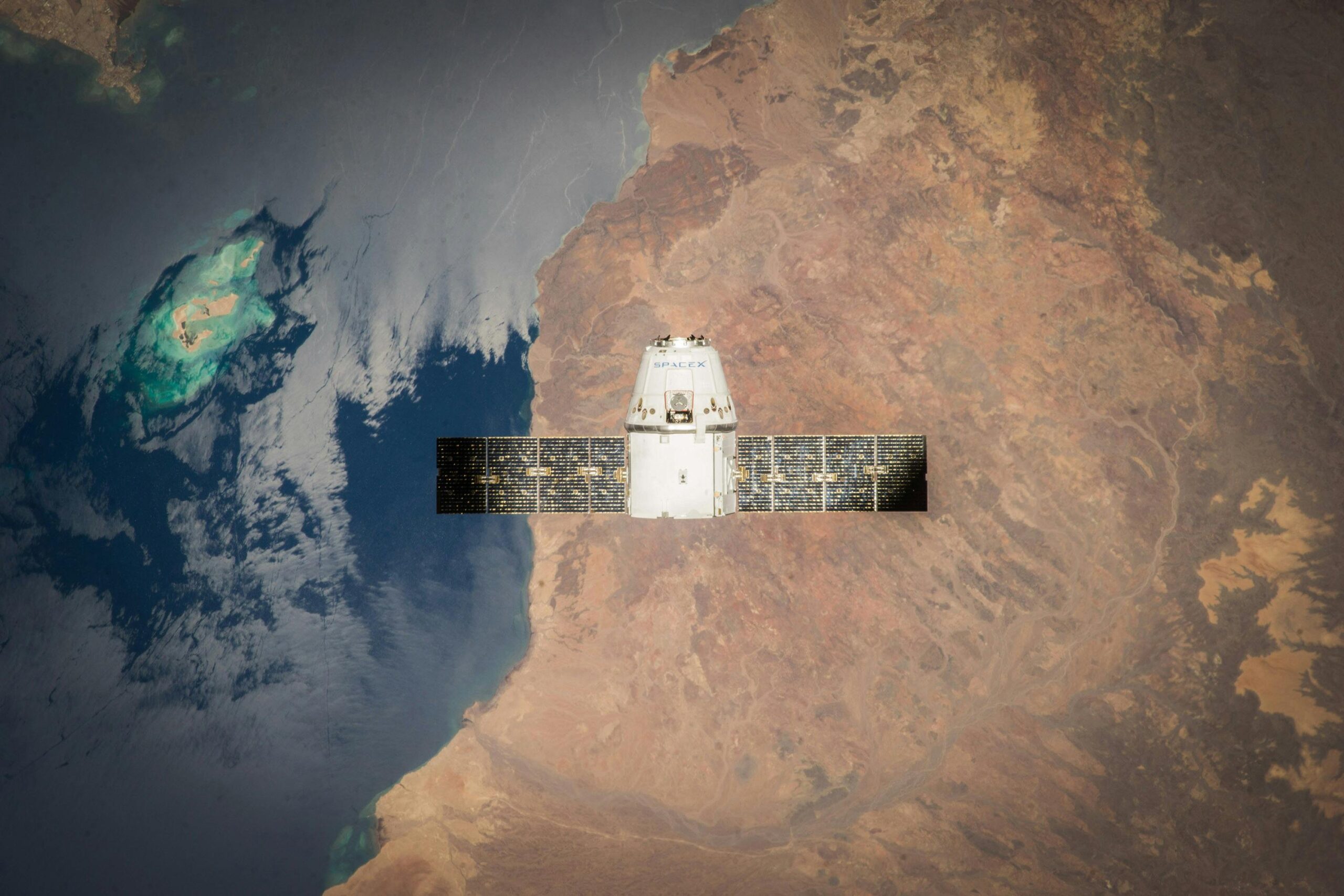
Modern satellite systems employ multiple sensing technologies to detect and map shorelines with remarkable precision. Optical satellites capture visible and near-infrared light reflected from Earth’s surface, allowing algorithms to distinguish between land and water based on their distinct spectral signatures. These systems work best under clear skies and during daylight hours, providing detailed imagery that can resolve features as small as 30 centimeters.
Synthetic Aperture Radar (SAR) satellites complement optical sensors by using microwave radiation to penetrate clouds and operate in darkness. SAR technology proves particularly valuable for coastal monitoring in regions with persistent cloud cover or for tracking changes during storms and extreme weather events. The combination of these different sensor types creates a comprehensive monitoring system that overcomes the limitations of individual technologies.
The frequency of satellite observations has increased dramatically in recent years. Constellations like Sentinel-2, Landsat, and Planet Labs provide imagery at intervals ranging from daily to every few days, creating near-continuous monitoring capabilities. This temporal resolution allows scientists to capture rapid changes caused by storms, seasonal variations, and long-term trends simultaneously.
Automated Shoreline Detection Algorithms
Extracting shoreline positions from satellite imagery requires sophisticated image processing techniques. Machine learning algorithms have revolutionized this process, automating what was once a manual, subjective task. These algorithms learn to recognize the boundary between land and water by analyzing spectral characteristics, texture patterns, and contextual information from thousands of training images.
The most common approach involves calculating water indices from multispectral satellite bands. The Modified Normalized Difference Water Index (MNDWI) and Normalized Difference Water Index (NDWI) enhance the contrast between water and land surfaces, making shoreline delineation more straightforward. These indices leverage the fact that water absorbs near-infrared and shortwave infrared radiation much more strongly than land surfaces.
Advanced deep learning models, particularly convolutional neural networks, have pushed accuracy boundaries even further. These systems can handle complex scenarios where traditional methods struggle, such as distinguishing between wet sand and shallow water, or identifying shorelines obscured by vegetation or human infrastructure. Training these models requires substantial computational resources but delivers consistent results across diverse coastal environments.
Overcoming Technical Challenges in Detection
Despite technological advances, several challenges persist in automated shoreline mapping. Tidal variations can cause shoreline positions to shift hundreds of meters between observations, making it essential to account for water levels when comparing imagery from different times. Researchers typically reference shorelines to a specific tidal datum or use models to correct observations to a standard water level.
Wave action and surf zones create temporary water-land boundaries that don’t represent the actual coastline. Sophisticated algorithms must filter out these transient features to identify the true shoreline position. Similarly, seasonal changes in beach width, vegetation coverage, and human modifications like beach nourishment require algorithms to distinguish between genuine coastal change and temporary variations.
Cloud shadows, sun glint on water surfaces, and atmospheric haze can all interfere with accurate shoreline detection. Modern processing pipelines incorporate atmospheric correction algorithms and quality filtering to minimize these effects, automatically excluding poor-quality observations from analysis datasets.
Global Applications Transforming Coastal Management 🌍
Satellite-derived shoreline data supports a remarkable range of applications worldwide. Climate change researchers use long-term shoreline time series to quantify coastal erosion and accretion rates, providing empirical evidence of how rising sea levels and changing storm patterns affect different coastal types. These datasets reveal that some coasts are retreating at alarming rates while others are surprisingly stable or even advancing.
Urban planners in coastal cities utilize satellite monitoring to inform development decisions and infrastructure placement. By understanding historical erosion patterns and projecting future trends, authorities can establish appropriate setback distances for buildings, protect critical infrastructure, and identify areas requiring coastal defense structures. This application has become increasingly important as coastal populations continue to grow globally.
Disaster response agencies rely on rapid satellite mapping to assess damage following hurricanes, tsunamis, and storm surges. Before-and-after comparisons reveal the extent of coastal changes, helping prioritize recovery efforts and allocate resources efficiently. The ability to map large affected areas within hours or days of an event provides critical situational awareness when traditional surveying methods would be impossible.
Environmental Conservation and Habitat Monitoring
Coastal ecosystems including mangroves, salt marshes, and coral reefs depend on specific shoreline dynamics for their survival. Satellite shoreline mapping enables conservationists to monitor habitat extent and track changes that might indicate ecosystem stress. For example, retreating shorelines in mangrove areas can signal erosion threatening these valuable carbon sinks and nursery habitats.
Island nations particularly benefit from satellite coastal monitoring, as many small islands face existential threats from sea-level rise and coastal erosion. Comprehensive shoreline datasets document whether islands are shrinking, stable, or in some cases growing due to sediment accretion. This information directly influences policy decisions about adaptation, migration, and international climate negotiations.
Protected area managers use satellite shoreline data to assess whether conservation interventions are achieving desired outcomes. Beach restoration projects, dune stabilization efforts, and coastal wetland restoration can all be monitored remotely, providing cost-effective evaluation of environmental investments.
Integration with Other Geospatial Data Sources
The true power of satellite shoreline mapping emerges when combined with complementary datasets. Digital elevation models reveal the topography behind the shoreline, allowing researchers to predict which areas face the greatest flooding risks as seas rise. This integration transforms two-dimensional shoreline positions into three-dimensional vulnerability assessments.
Wave and storm surge models incorporate satellite-derived shoreline positions to improve predictions of coastal flooding and erosion during extreme events. The actual shoreline configuration affects how waves approach the coast and where energy concentrates, making accurate shoreline data essential for reliable modeling.
Socioeconomic data layers show population density, infrastructure value, and land use near the coast. Overlaying these with shoreline change rates creates risk assessments that quantify both physical exposure and social vulnerability. Such analyses identify communities facing the most severe threats and help target adaptation resources where they’re most needed.
Historical Data Unlocking Long-Term Trends
The satellite record now extends back several decades, with Landsat imagery available since 1972. This historical archive enables researchers to analyze coastal changes over periods long enough to distinguish between natural variability and sustained trends. Fifty-year shoreline datasets reveal patterns invisible in shorter records, including multi-decadal cycles and accelerating change rates.
Combining satellite observations with even older aerial photographs and historical maps extends the analysis back a century or more at some locations. These extended records document how human interventions like dam construction, harbor development, and beach mining have altered coastal sediment dynamics and triggered unexpected changes hundreds of kilometers away.
Emerging Technologies and Future Capabilities 🚀
The next generation of Earth observation satellites promises even more impressive capabilities. Higher spatial resolution will enable mapping of smaller coastal features and more precise shoreline positions. Hyperspectral sensors capturing hundreds of narrow spectral bands will improve water-land discrimination in challenging environments like turbid estuaries or vegetated coasts.
Artificial intelligence continues to advance, with new algorithms capable of extracting more information from existing imagery. Transfer learning allows models trained on data-rich regions to work effectively in areas with limited ground truth, democratizing access to accurate shoreline mapping globally. Automated change detection systems will alert coastal managers to significant shoreline movements within days of occurrence.
Commercial satellite constellations are reducing observation costs while increasing temporal frequency. Some providers now offer daily or even multiple daily observations of coastal areas, capturing individual storm impacts and short-term processes previously difficult to observe from space. This higher cadence transforms satellite monitoring from periodic snapshots to near-continuous surveillance.
Open Data and Citizen Science Initiatives
Growing commitments to open data access are making satellite imagery and derived shoreline products available to wider audiences. Platforms like Google Earth Engine provide cloud computing resources that allow researchers, students, and interested citizens to analyze massive satellite datasets without expensive infrastructure. This democratization accelerates research and enables local communities to monitor their own coastlines.
Citizen science projects engage volunteers in validating satellite-derived shorelines, contributing ground observations, and interpreting results. These initiatives not only improve data quality but also build public understanding of coastal processes and climate change impacts. Community involvement in monitoring fosters stewardship and supports evidence-based local adaptation planning.
Real-World Success Stories Demonstrating Impact
The Netherlands has integrated satellite coastal monitoring into its sophisticated water management system. Detailed shoreline tracking informs beach nourishment programs that maintain the country’s coastal defenses against North Sea storms. Satellite data helps optimize the timing, location, and volume of sand replenishment, saving millions while protecting one of the world’s most densely populated coastal nations.
In the Pacific Islands, satellite shoreline analysis has documented surprising resilience in some locations despite rising seas. Detailed mapping revealed that while some island shorelines erode, others accumulate sediment, with the net effect varying by island and even by coast within individual islands. These findings challenged assumptions about island vulnerability and refined climate adaptation strategies.
The Sundarbans mangrove forest spanning India and Bangladesh represents the world’s largest mangrove ecosystem. Satellite monitoring revealed rapid shoreline retreat in some areas exceeding 200 meters per year, threatening both the ecosystem and coastal communities. This evidence mobilized conservation efforts and informed coastal zone management plans addressing both environmental and human needs.
Economic Benefits Beyond Environmental Protection
Coastal tourism industries benefit from satellite shoreline monitoring through better beach management and infrastructure planning. Resort developers use shoreline change data to assess site stability, while existing facilities employ monitoring to optimize beach maintenance and identify emerging erosion problems before they become critical.
Insurance companies and financial institutions increasingly incorporate coastal change data into risk assessments. Satellite-derived erosion rates influence property valuations, insurance premiums, and lending decisions for coastal real estate. This market integration creates economic incentives for coastal adaptation and more informed development patterns.
Maritime industries use detailed shoreline mapping for navigation safety, port planning, and offshore infrastructure development. Accurate coastline positions improve nautical charts, while change detection helps identify shifting channels, emerging shoals, and other hazards to navigation.
Navigating Uncertainties and Limitations
Despite impressive capabilities, satellite shoreline mapping faces inherent limitations that users must understand. Spatial resolution constrains the minimum detectable change, with most freely available systems unable to resolve movements smaller than several meters. This limitation may miss important changes on low-sloping coasts where small vertical changes translate to large horizontal movements.
Temporal gaps in satellite coverage can miss short-lived but significant events. A major storm that reshapes a coastline might occur between satellite overpasses, with only the net change captured rather than the dynamic process. Increasing observation frequency reduces this problem but cannot eliminate it entirely.
Validation remains challenging, particularly in remote areas where ground truth data are sparse. The accuracy of satellite-derived shorelines varies depending on coastal type, environmental conditions, and processing methods. Users should understand uncertainty estimates and avoid over-interpreting small changes that fall within error margins.
The Path Forward for Coastal Observation 🔭
Satellite-based shoreline mapping has matured from experimental research to operational tool, fundamentally changing how humanity monitors and manages coastal environments. As technology continues advancing and data become more accessible, these capabilities will only expand. The integration of satellite observations with other monitoring systems, improved models, and local knowledge creates a comprehensive coastal intelligence framework.
The urgency of coastal challenges demands that we fully exploit these technological capabilities. Rising seas, intensifying storms, and growing coastal populations create converging pressures that require informed, adaptive management. Satellite shoreline mapping provides the consistent, comprehensive, objective information foundation essential for navigating these challenges successfully.
Success ultimately depends not just on technology but on bridging the gap between data and decisions. Making satellite coastal monitoring insights accessible and actionable for coastal managers, policymakers, and communities remains an ongoing challenge. Continued investment in both technology development and the human capacity to interpret and apply these powerful tools will determine how effectively we protect our coasts and the billions of people who depend on them.

Toni Santos is a maritime researcher and underwater archaeologist specializing in the study of submerged heritage, ancient port systems, and the cultural landscapes preserved beneath the sea. Through an interdisciplinary and immersive approach, Toni investigates how humanity has left traces of knowledge, commerce, and legend in the underwater world — across oceans, myths, and sunken cities.
His work is grounded in a fascination with wrecks not only as artifacts, but as carriers of hidden meaning. From historic shipwreck discoveries to mythical harbors and lost coastal settlements, Toni uncovers the physical and cultural evidence through which civilizations preserved their relationship with the maritime unknown.
With a background in marine archaeology and underwater survey methods, Toni blends technical analysis with archival research to reveal how oceans were used to shape identity, transmit memory, and encode sacred knowledge.
As the creative mind behind revaltro, Toni curates documented dive studies, speculative harbor maps, and archaeological interpretations that revive the deep cultural ties between water, folklore, and forgotten science.
His work is a tribute to:
The submerged heritage of Historic Shipwrecks and Their Cargoes
The legendary sites of Mythical Harbors and Lost Civilizations
The technical methods of Underwater Exploration Techniques
The natural archiving power of Preservation in Salt and Sediment
Whether you’re a maritime historian, nautical researcher, or curious explorer of forgotten submerged worlds, Toni invites you to explore the hidden depths of oceanic heritage — one wreck, one harbor, one legend at a time.